By using agile testing and redesigning a double-sided support to resolve motor deformation and calibration challenges, the TGM student team successfully turned 3D printing waste into high-quality PLA filament.
Industry
Machine Building
Country

Austria
Use case
Prototyping
Technology
3D PrintingCNC Machining
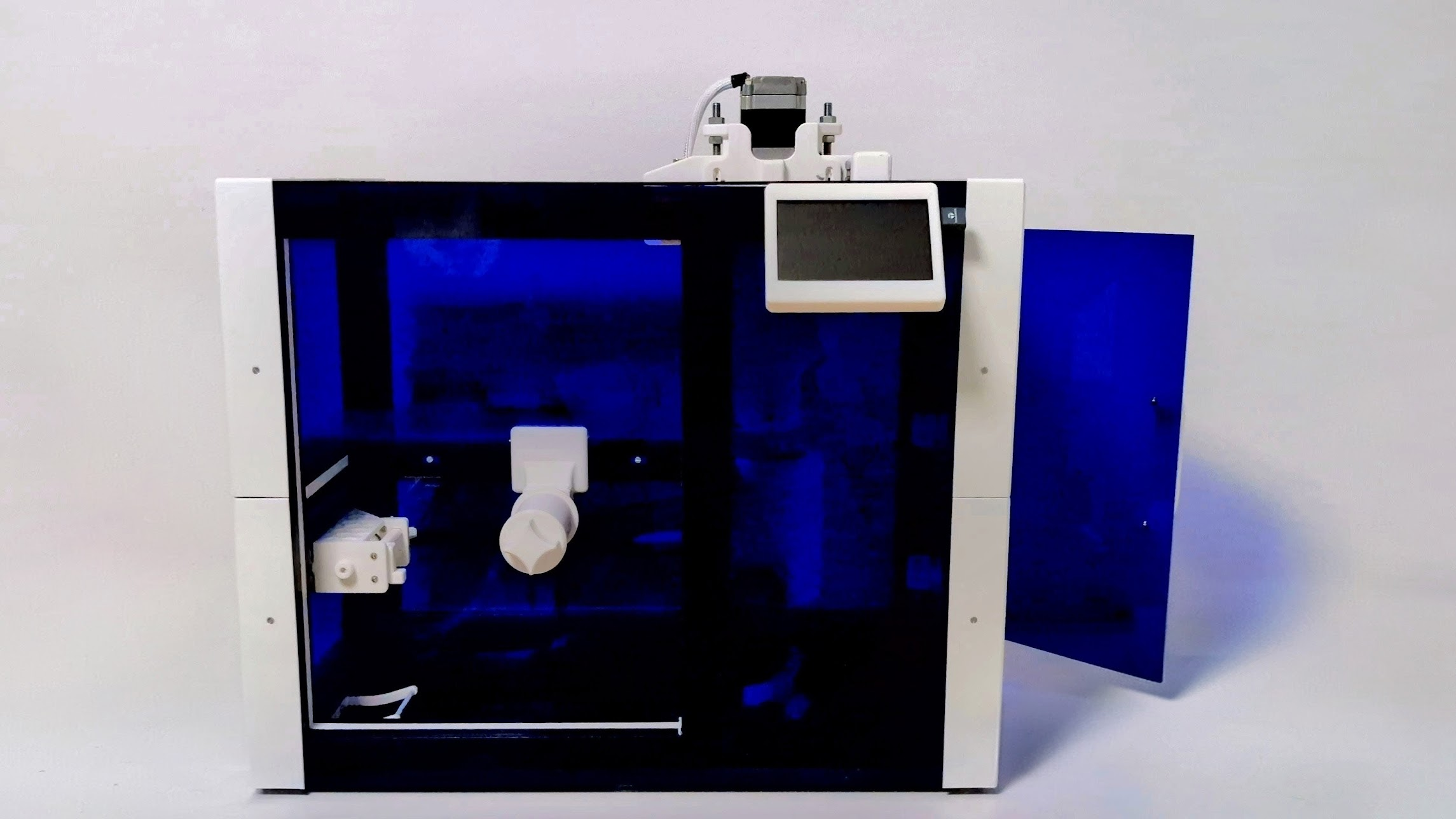
In this second stage of their journey, a graduate engineering team from TGM Vienna moves from digital blueprints to the physical workshop to build their desktop filament recycling machine. Building on their initial designs, they share how they tackled unexpected mechanical hurdles and complex calibration to successfully turn 3D printing waste into high-quality, reusable filament.
In our previous story, we introduced the concept, digital design, and simulation phases of our desktop filament recycling machine. Developed as our diploma project at Technologisches Gewerbemuseum (TGM) Vienna, the machine was designed to turn 3D printing waste into high-quality, usable filament. Now, after months of intensive manufacturing, assembly, and testing, we are excited to share how our digital designs translated into the physical world, the engineering hurdles we encountered, and the real-world results of our machine.
The Agile Build — Testing Sub-Assemblies in Real Time
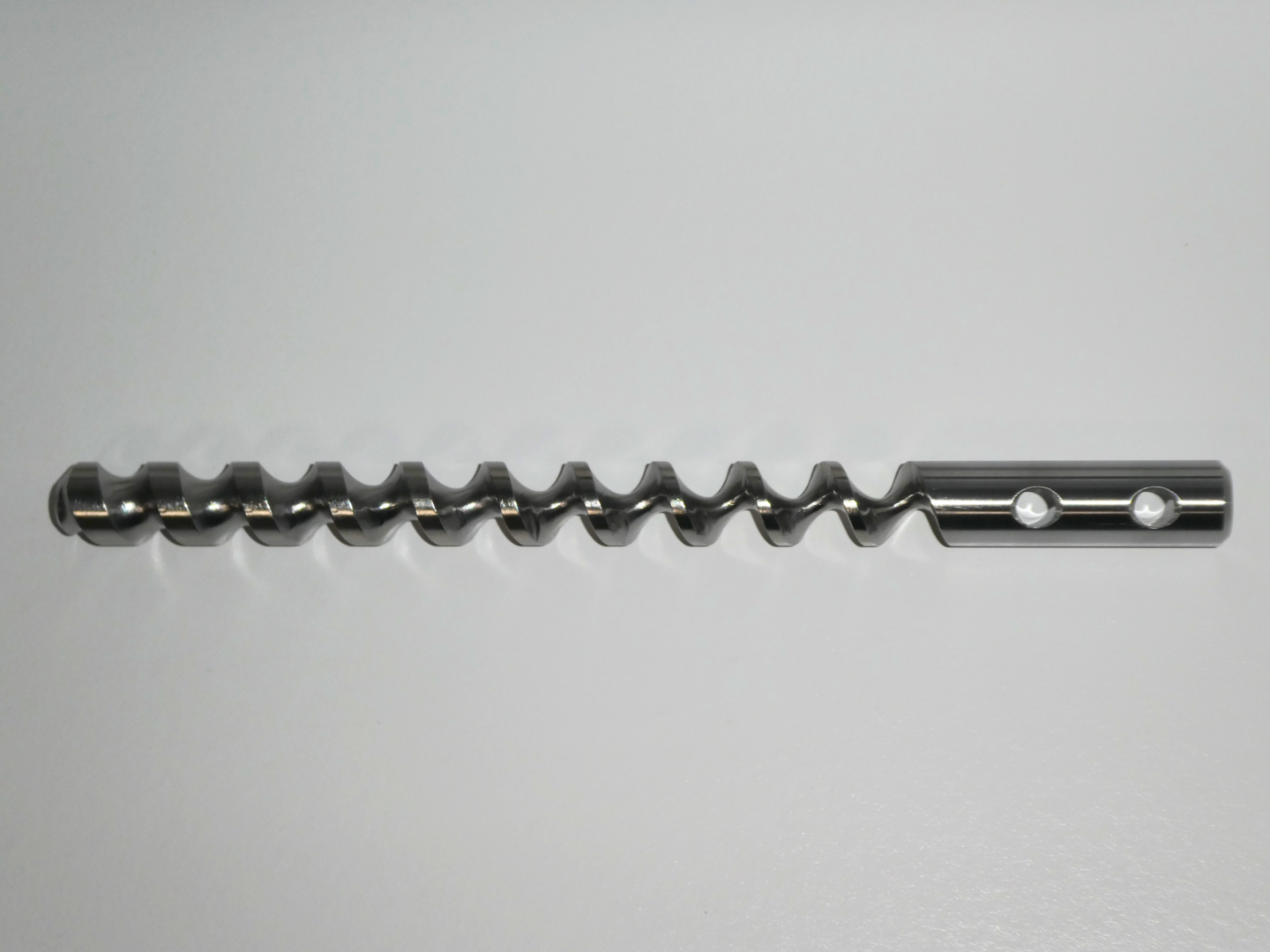
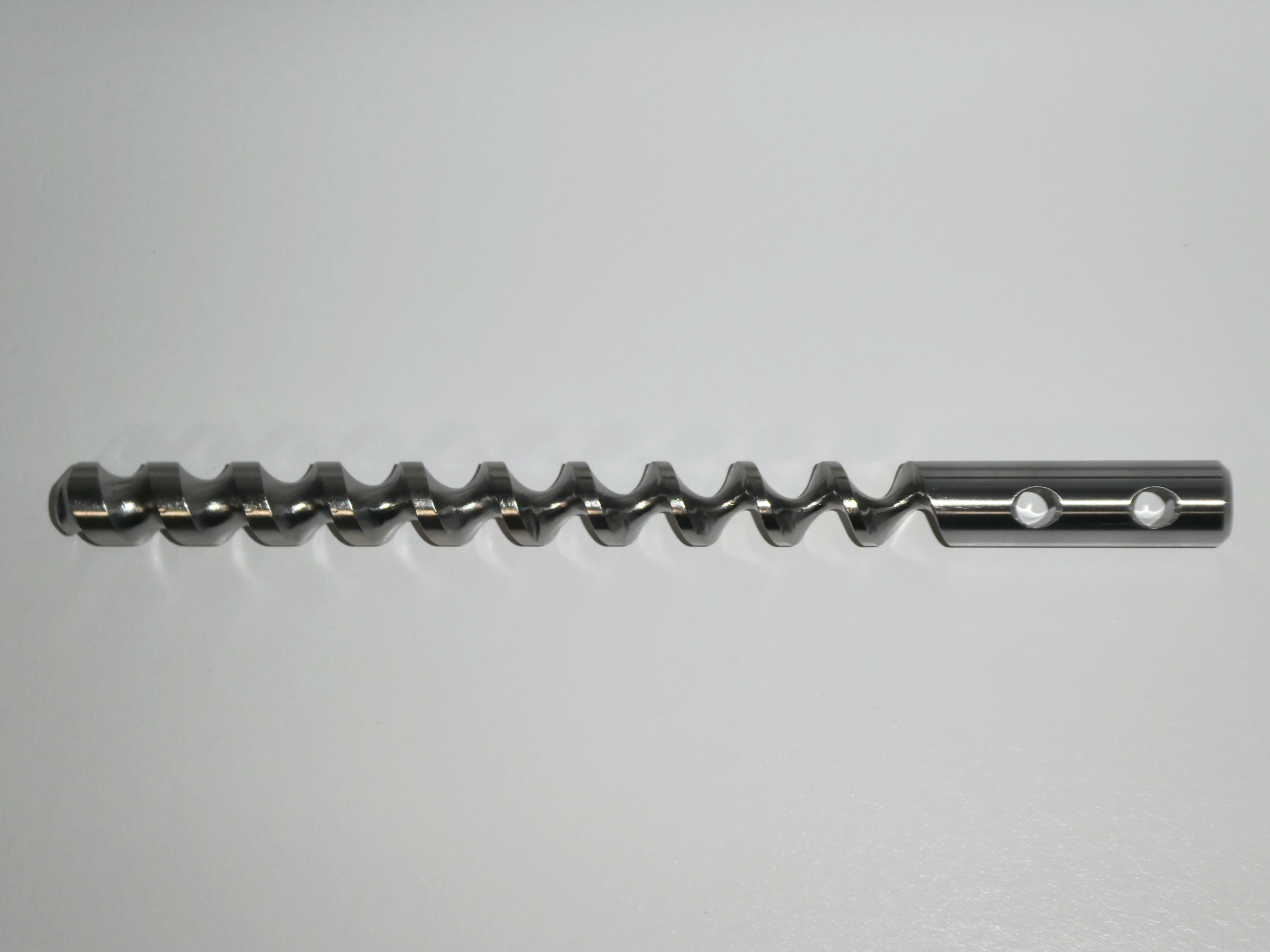
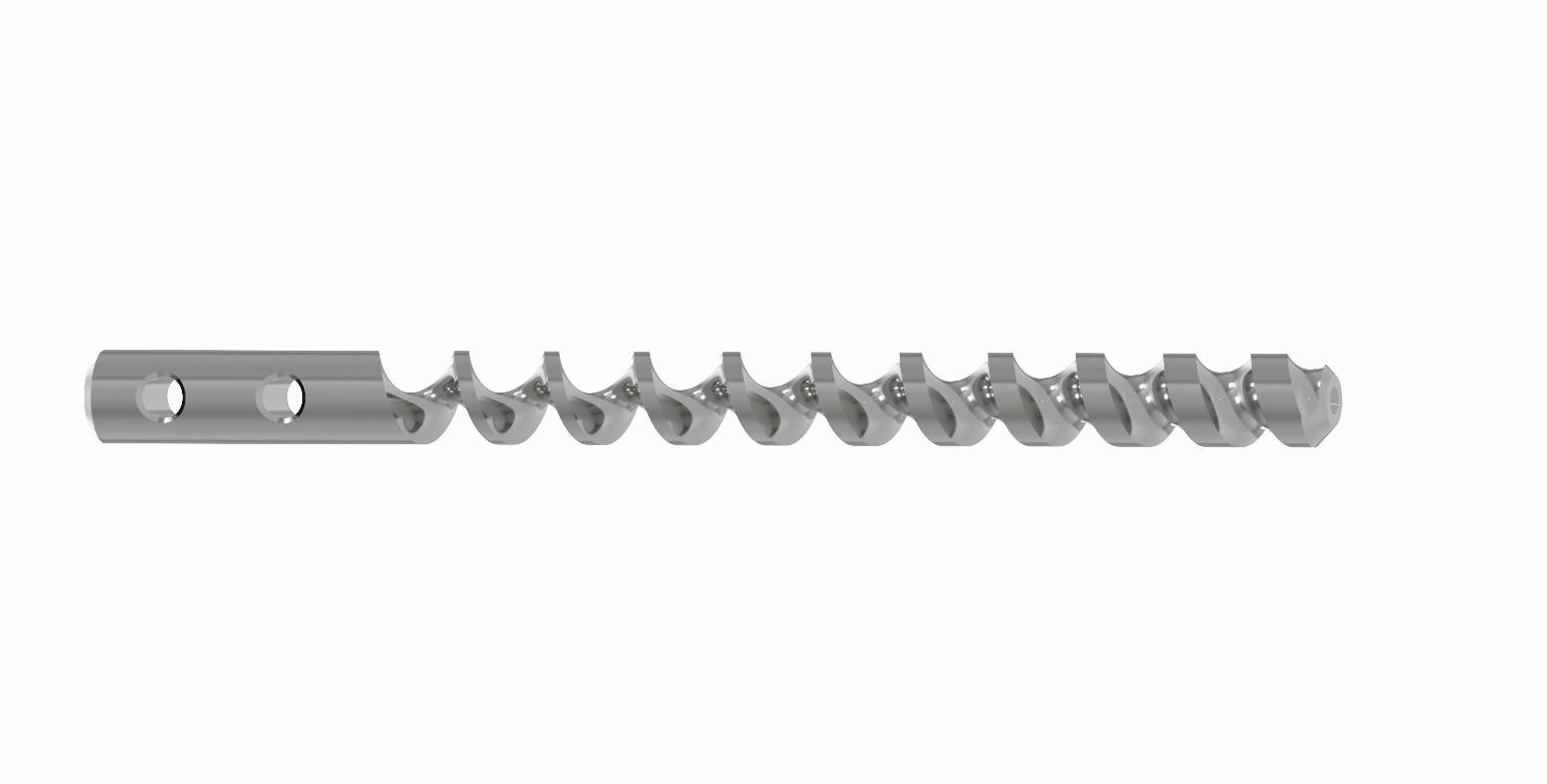
The physical realization of the recycler was a collaborative effort between our school’s workshop and industrial manufacturing. Most of the machine’s structural and auxiliary parts were produced directly at the TGM. However, for the most critical component—the high-precision extruder screw—we relied on Xometry’s CNC machining capabilities to ensure the strict tolerances required for polymer extrusion.
Assembling a complex, interdisciplinary machine is rarely a linear process. To save time and effort, we decided not to wait until every single part was finished to begin testing. Instead, we adopted an agile, parallel assembly and testing approach. While this saved us months of calendar time, it also meant that the assembly phase became a dynamic challenge as testing sub-assemblies immediately revealed where the theory of our CAD models met the reality of physics.
Mechanical Iterations and Material Scope Selection for the Recycling Prototype
Building a machine capable of handling high stress using 3D-printed parts requires smart geometry and iteration. The biggest mechanical challenge we encountered involved the mounting block for the stepper motor that powers the extruder screw. The extrusion process requires immense torque to compress, melt, and push shredded plastic through the barrel, and the stepper motor delivers high counter-torque. Like many other structural parts of our machine, the original mounting block was 3D printed out of PETG to keep the prototype lightweight and accessible. Originally, the motor mount relied on a single-sided, cantilevered support fixed only on the left side.
During initial testing, the extreme mechanical counter-torque caused this single-sided setup to bend upward and deform, threatening the alignment of the drivetrain. We went back to our laptops and completely redesigned the mounting system. We integrated an additional aluminum extrusion profile on the right side to create a bridge, transforming the setup into a robust, double-sided support system. This newly balanced configuration distributed the forces evenly and successfully rigidified the assembly, allowing it to easily withstand the torque without any further deformation.
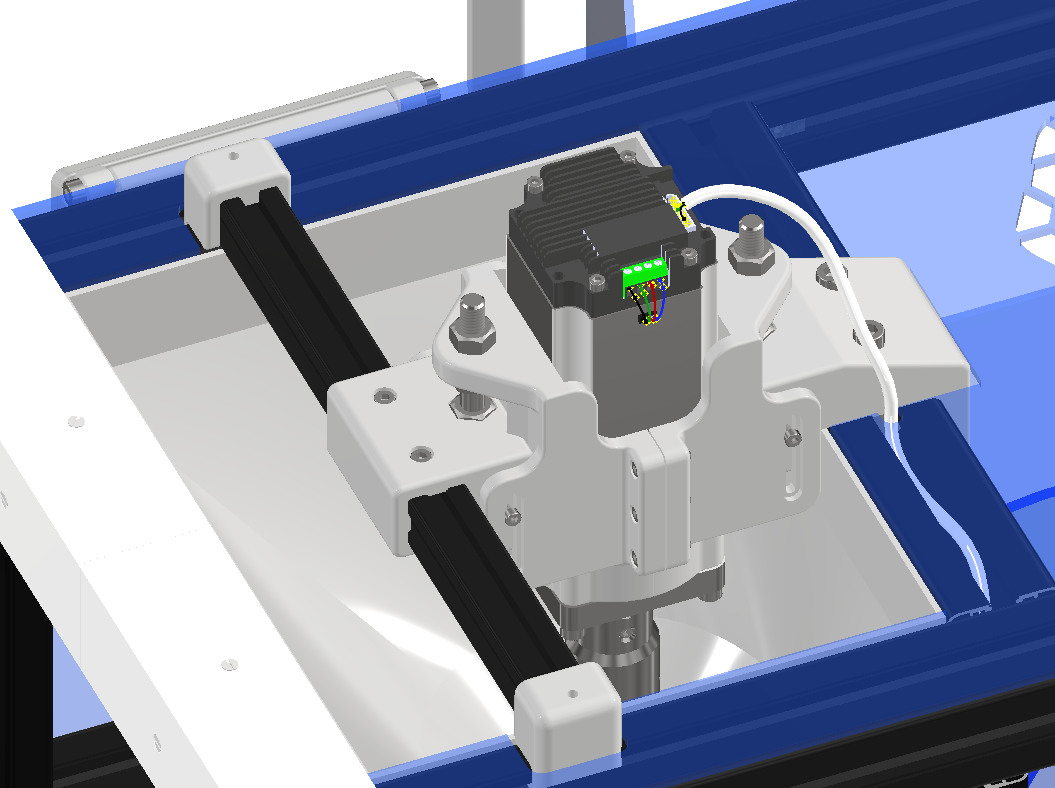
CAD close-up of the redesigned double-sided mounting block and aluminum profile bridge for the stepper motor
Regarding the recycling results, our primary focus for this phase has been refining the extrusion of PLA. While our original vision included a wide range of materials, we found that perfecting the filament quality for PLA was a massive undertaking that required our full attention. By narrowing our scope, we achieved excellent, highly predictable consistency in the filament diameter, turning shredded, used prints into brand-new, fully usable material. This allowed us to stabilize the system without introducing too many variables at once.
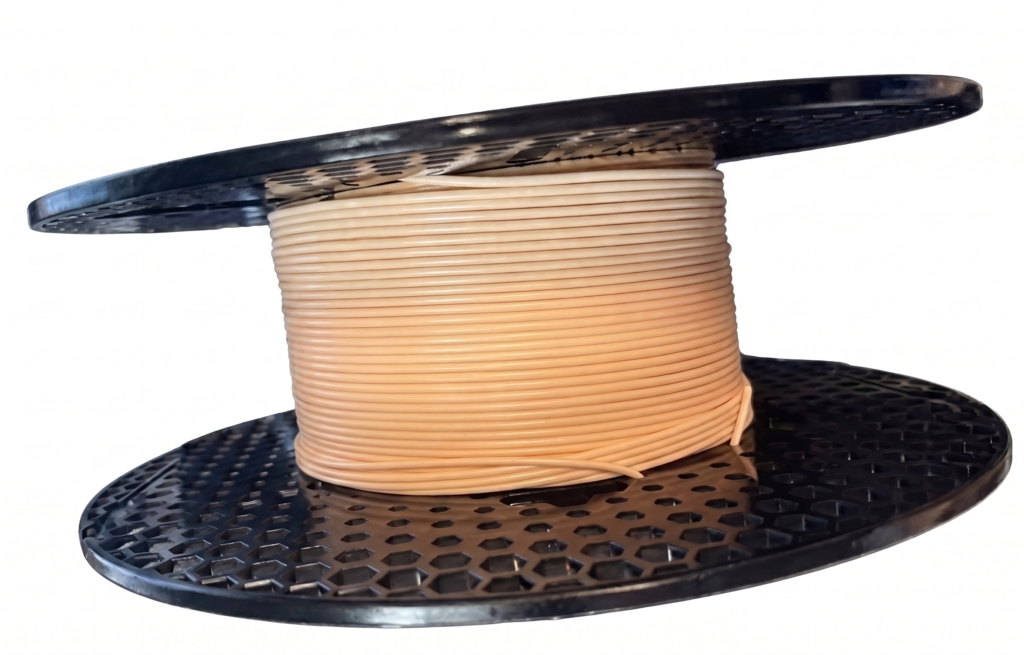
A full spool of recycled PLA filament featuring consistent diameter control
The Calibration Matrix
The biggest surprise after bringing the machine to life was the sheer complexity of the software and hardware calibration. In the digital design phase, you look at thermal simulations and mechanical loads, but in reality, achieving a perfect, consistent filament diameter depends on a delicate, interconnected web of variables, such as the exact temperature zones of the heating elements, the rotational speed of the extruder screw, the ambient cooling rate, and the feed rate of the shredded flakes. We spent a significant amount of time playing with all of these machine settings, adjusting them in tiny increments to find the perfect equilibrium.
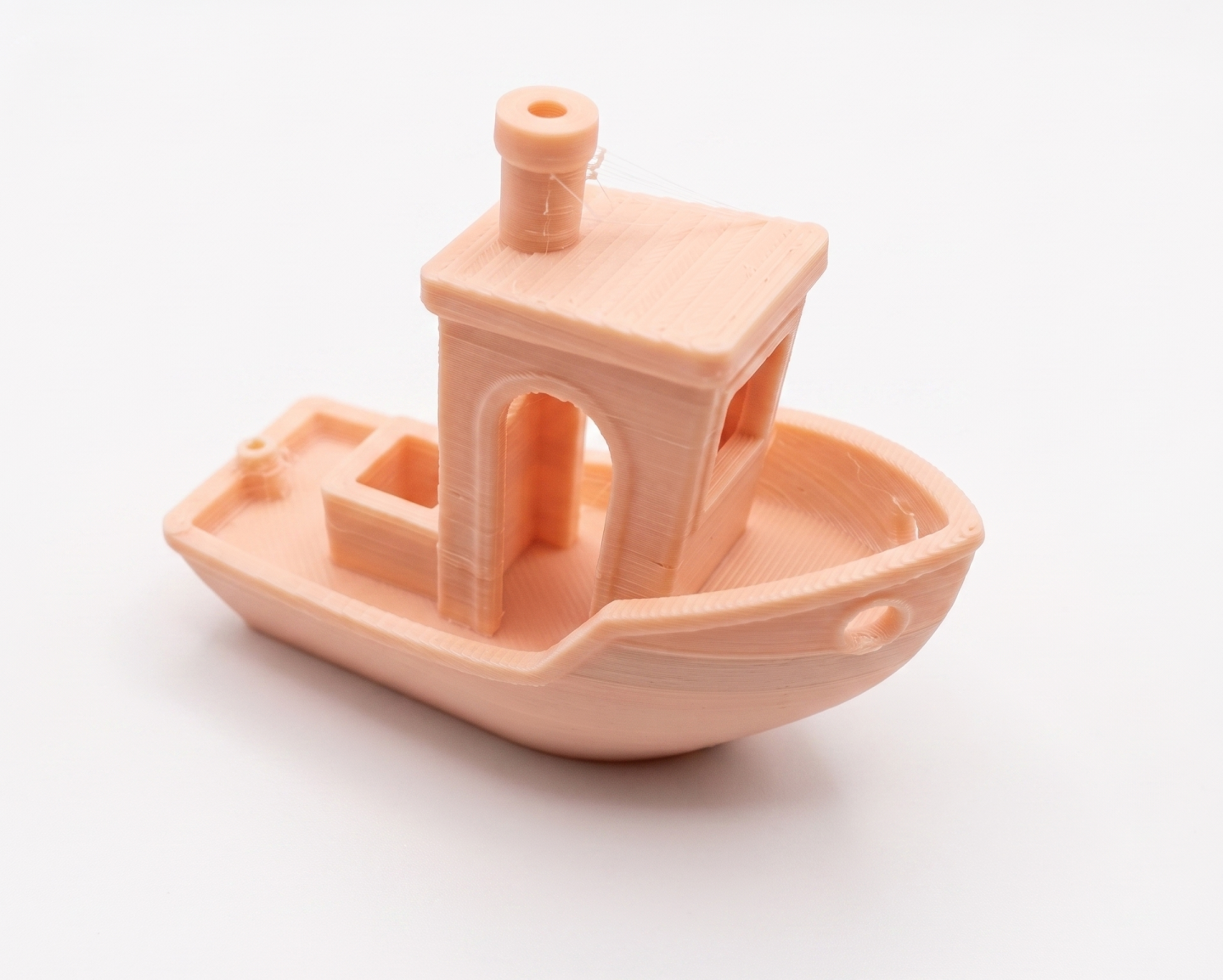
A standard 3D-printed benchmark boat (3DBenchy) produced entirely from the team’s recycled filament
Beyond the extrusion mechanics, integrating the touchscreen display proved to be another significant hurdle. It required programming an entirely new, intuitive user interface from scratch and networking it seamlessly with all the underlying drives, controls, and sensor regulations to ensure cohesive system feedback.
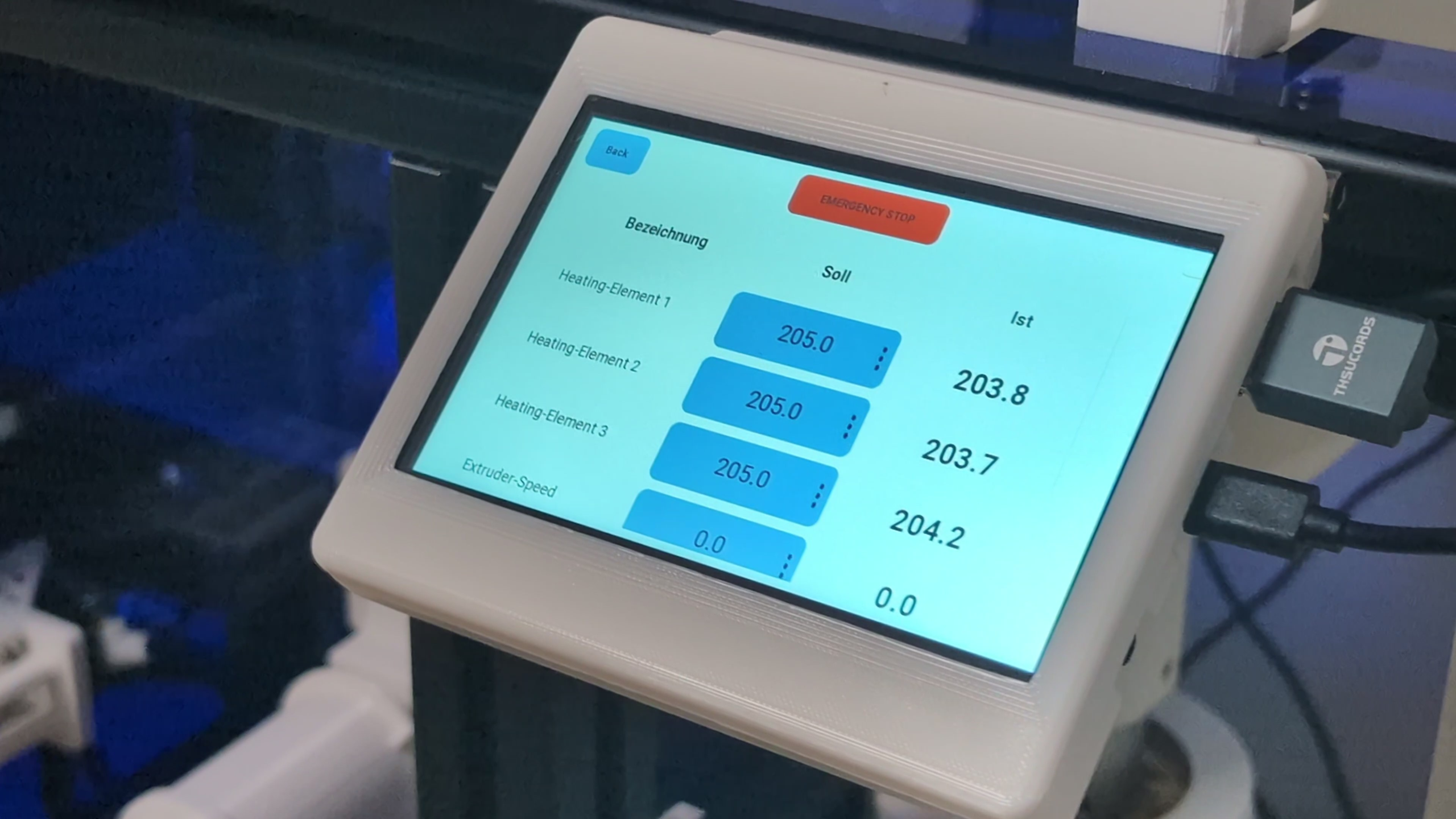
Project Outlook and Optimization Areas
While the machine is a functional success, engineering is an ongoing journey. If we were to develop the next version, we would focus on two main areas to improve the user experience. First, we would redesign a few remaining components to further reduce friction and streamline the material flow. Second, we would implement more robust safety mechanisms to ensure the high-temperature and high-torque environments are perfectly contained, moving the machine closer to a true consumer-ready desktop appliance. Integrating high-precision parts from Xometry with our own manufactured components at TGM successfully translated our engineering theories into a functional physical prototype.

Aerospace Institute Speeds Up R&D with Xometry's On-Demand Complex Parts
Machine Building
3D Printing
CNC Machining
Prototyping
Read Story
In the past, developing non-standard devices was always complicated by the issue of tolerance matching between externally purchased standard parts and custom-machined components. Xometry's one-stop solution perfectly solved this pain point: they not only handled the complex metal 3D printing and sourcing of components but also delivered a finished product that had undergone precision assembly and adjustment. What we received was a functionally ready component that met our precision requirements. This efficient and worry-free delivery experience is exactly what R&D personnel need.
Read Story

The 1-Millimetre Fix: How One Custom CNC Part Saved My 5-Axis Build
Machine Building
CNC Machining
Prototyping
Read Story
Building a CNC machine from scratch is full of moments where you find out whether your design actually works, or whether it only worked inside CAD. In the world of custom machine building, the transition from a digital model to physical assembly is rarely seamless. This was one of those moments.
Read Story
From Desktop Dreams to 400kg of Steel and Concrete: Building a High-Rigidity 5-Axis CNC
Machine Building
CNC Machining
Prototyping
Read Story
In the world of custom machine building, I’ve found there is a constant tug-of-war between theoretical performance and physical reality. As "The Practical Engineer," I dedicated this project to creating a 5-axis CNC machine that prioritizes rigidity over sheer speed.
Read Story

Torx Robot: The Story Behind Accu’s Engineering and Xometry’s Precision CNC Machining
Robotics
Machine Building
CNC Machining
Prototyping
Read Story
Go behind the scenes for the development of Torx: the combat robot built by Accu for FightFest 2026, with CNC machining support from Xometry. Explore the journey from the drawing board to the arena, showing how a combat robotics project takes shape, and see how Torx went on to win the official FightFest Championship trophy.
Read Story
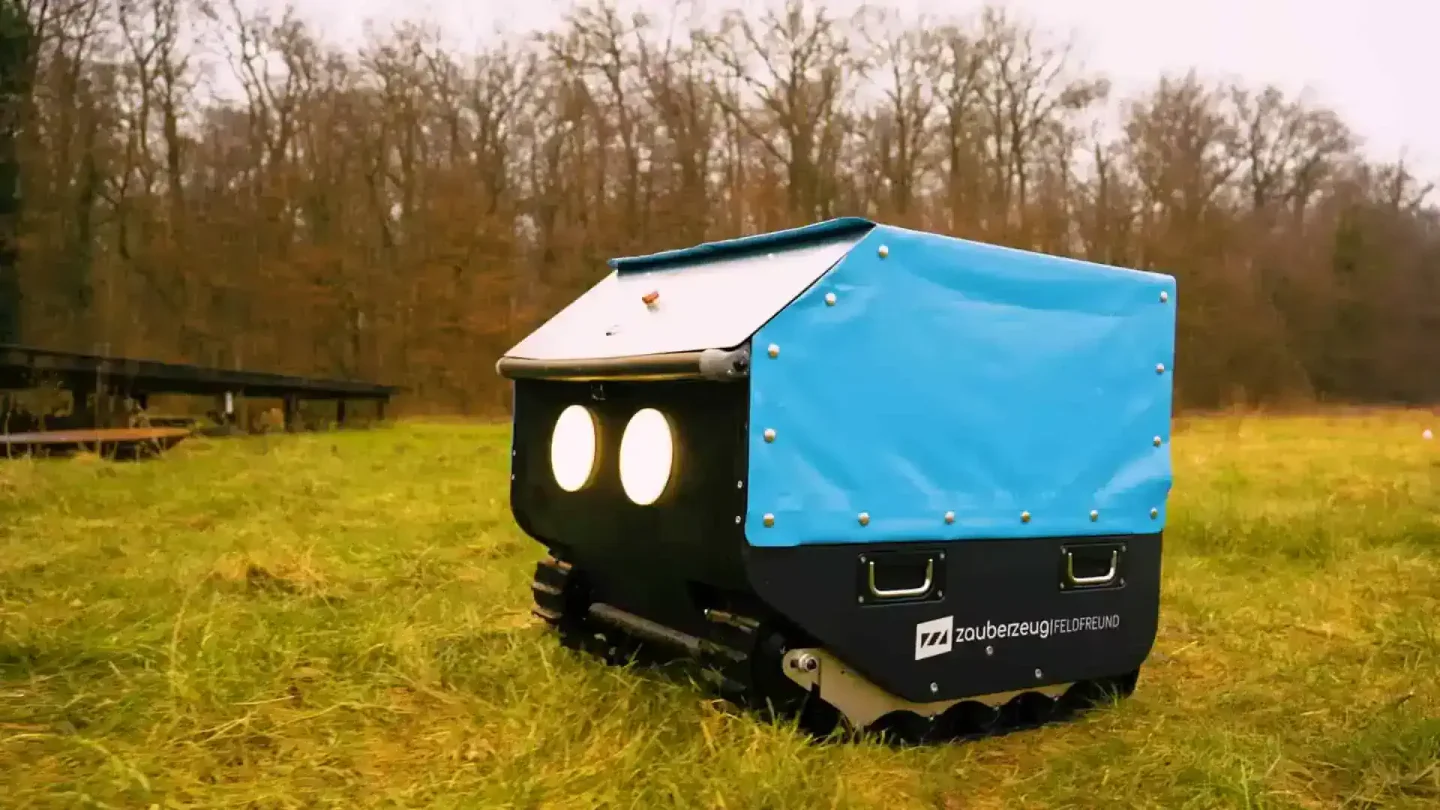

How Zauberzeug Uses Xometry for Fast and Efficient Sourcing of High-Tech Agricultural Robot Components
Robotics
Machine Building
CNC Machining
Procurement, Prototyping
Read Story
With Xometry, we have found a manufacturing partner that supports our development philosophy. The ability to quickly and precisely order small batches of parts gives us the freedom to iteratively improve our robots. This flexibility is essential to our innovation process.
Read Story
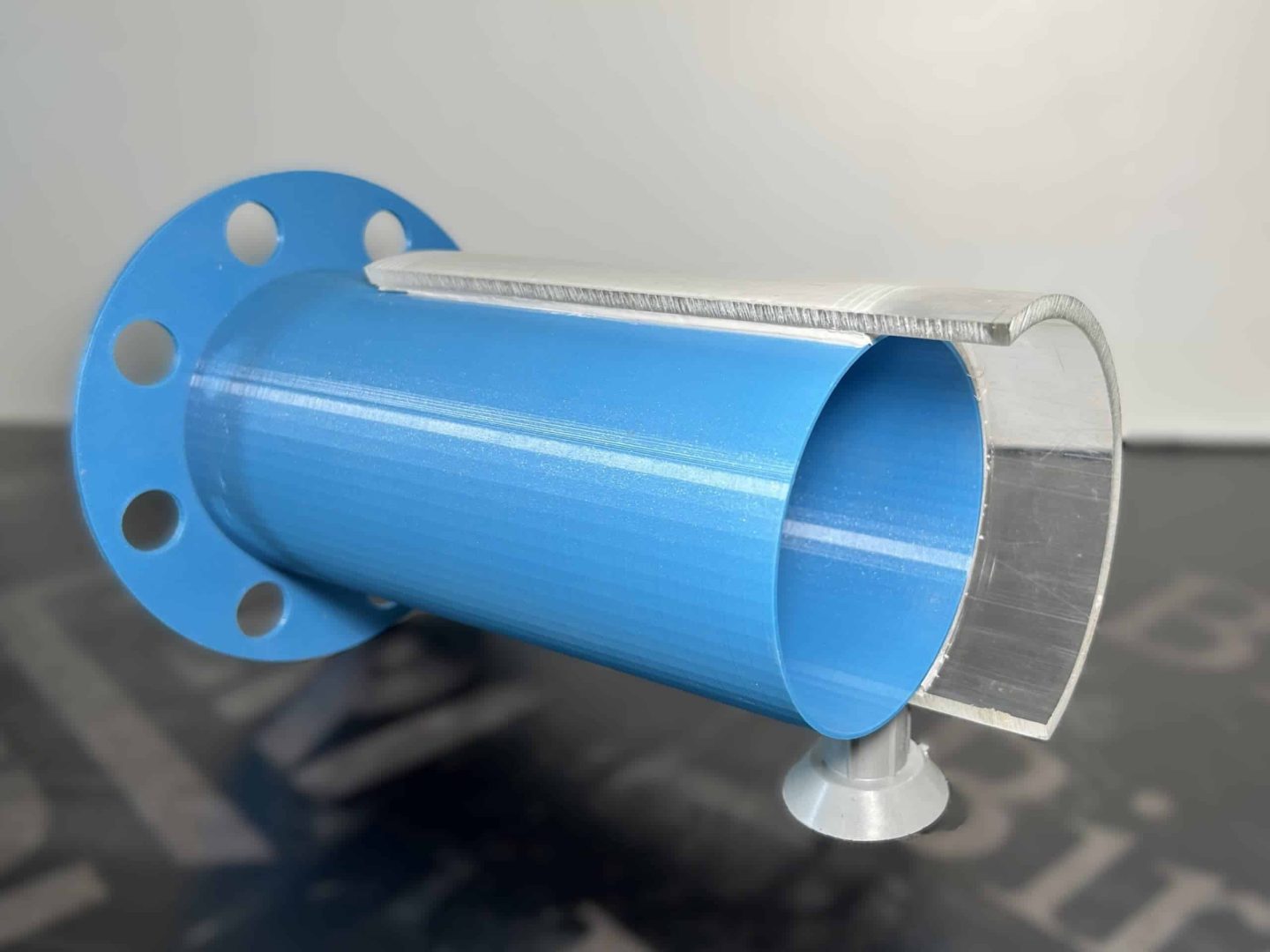
A New Era of Sealing for Wastewater Infrastructure: Xometry Supports Development of Universal Fittings for Pressure Pipelines
Machine Building
3D Printing
Prototyping
Read Story
Our development process begins with extensive brainstorming of potential shapes and sealing methods. 3D printing plays a key role at this stage, allowing us to quickly test different designs before determining the final production materials. Since the final materials are too costly and time-consuming for early prototype stages, we focus on creating small-scale test models in-house, then produce large prototypes through Xometry to ensure convenience and accuracy.
Read Story

Recreating the Barentsz Clock: A Blend of Tradition and Modern Manufacturing
Machine Building
3D Printing
Prototyping
Read Story
The Horological Society continuously balances its respect for traditional craftsmanship with an openness to modern innovation. One such innovation is the use of 3D printing, which has become an invaluable tool for prototyping clock components in plastic. By sourcing high-quality 3D-printed parts through Xometry, we should be able to test designs efficiently before committing to metal production. This approach allows us to refine intricate mechanisms like gear assemblies with minimal waste and cost.
Read Story
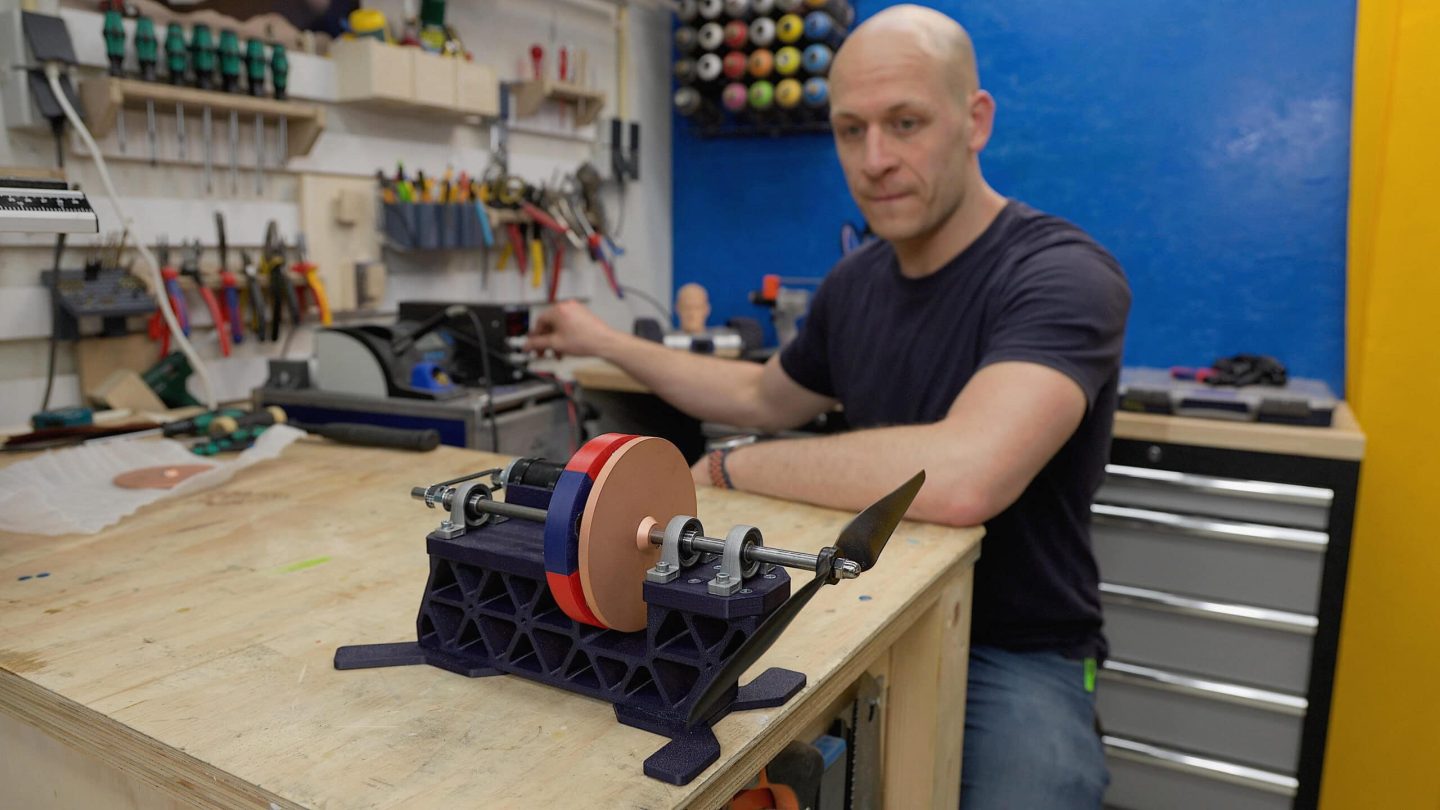

Exploring Magnetic Couplings: No Gears, No Belts, Just Magnets
Machine Building
3D Printing
Sheet Metal
R&D
Read Story
Emiel, an aerospace engineering graduate and creator of "The Practical Engineer" YouTube channel, built two magnetic coupling prototypes: magnet-to-magnet and magnet-to-copper using eddy currents. With Xometry's laser cutting service, he sourced copper plates of 3mm and 6mm thickness, discovering that the copper version enables smooth, self-regulating, non-contact torque transfer with 8mm gap capability.
Read Story
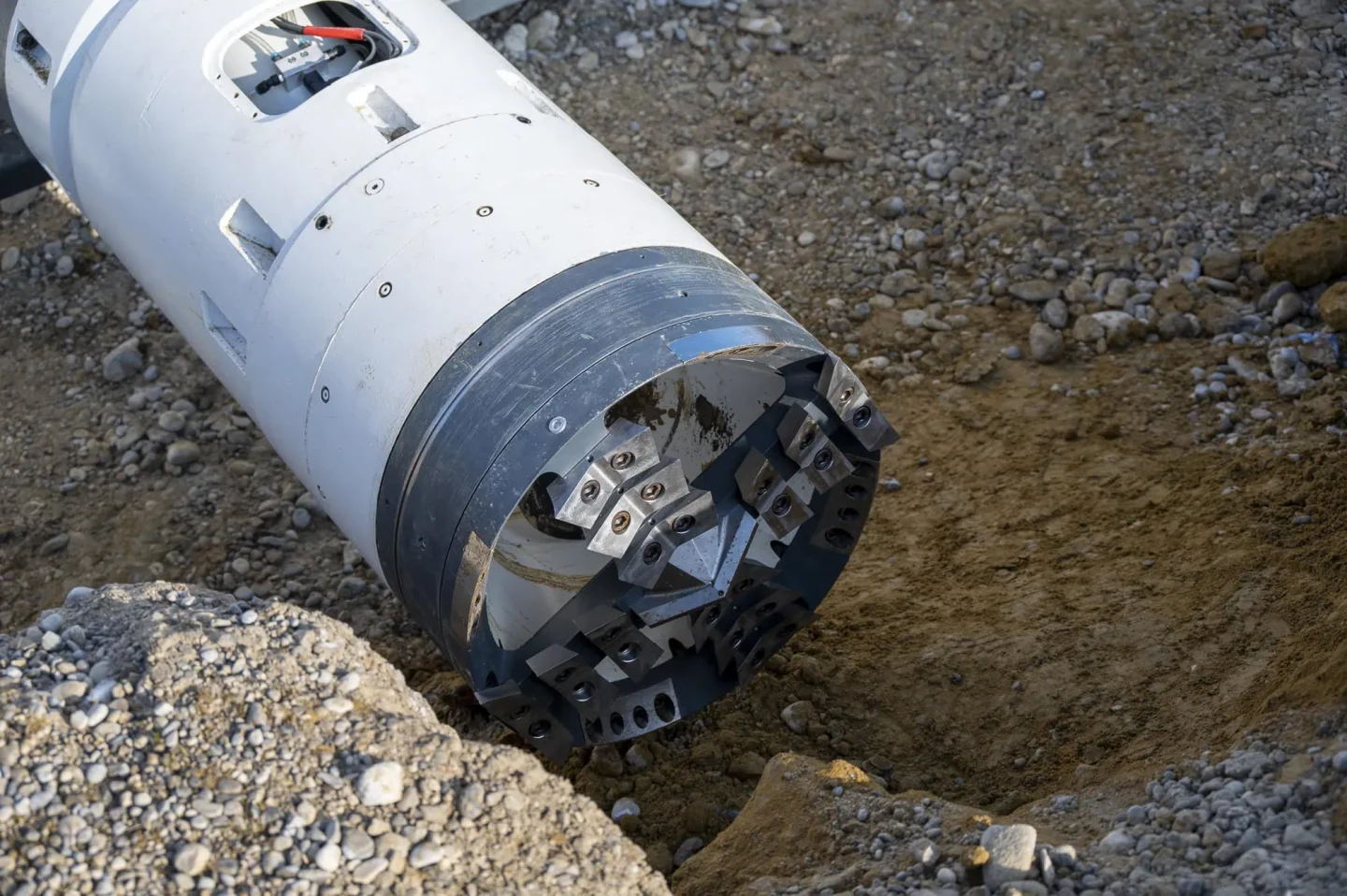
How We Set Tunneling Records and Won the Not-a-Boring Competition
Machine Building
CNC Machining
Prototyping
Read Story
The lessons we learned go far beyond mechanics. We reflect on three key takeaways: people are the ultimate success factor — both the team and its supporters; divide and conquer: breaking the project into subsystems prevents chaos and enables parallel innovation; and industry partners like Xometry are strategic enablers, not just suppliers.
Read Story
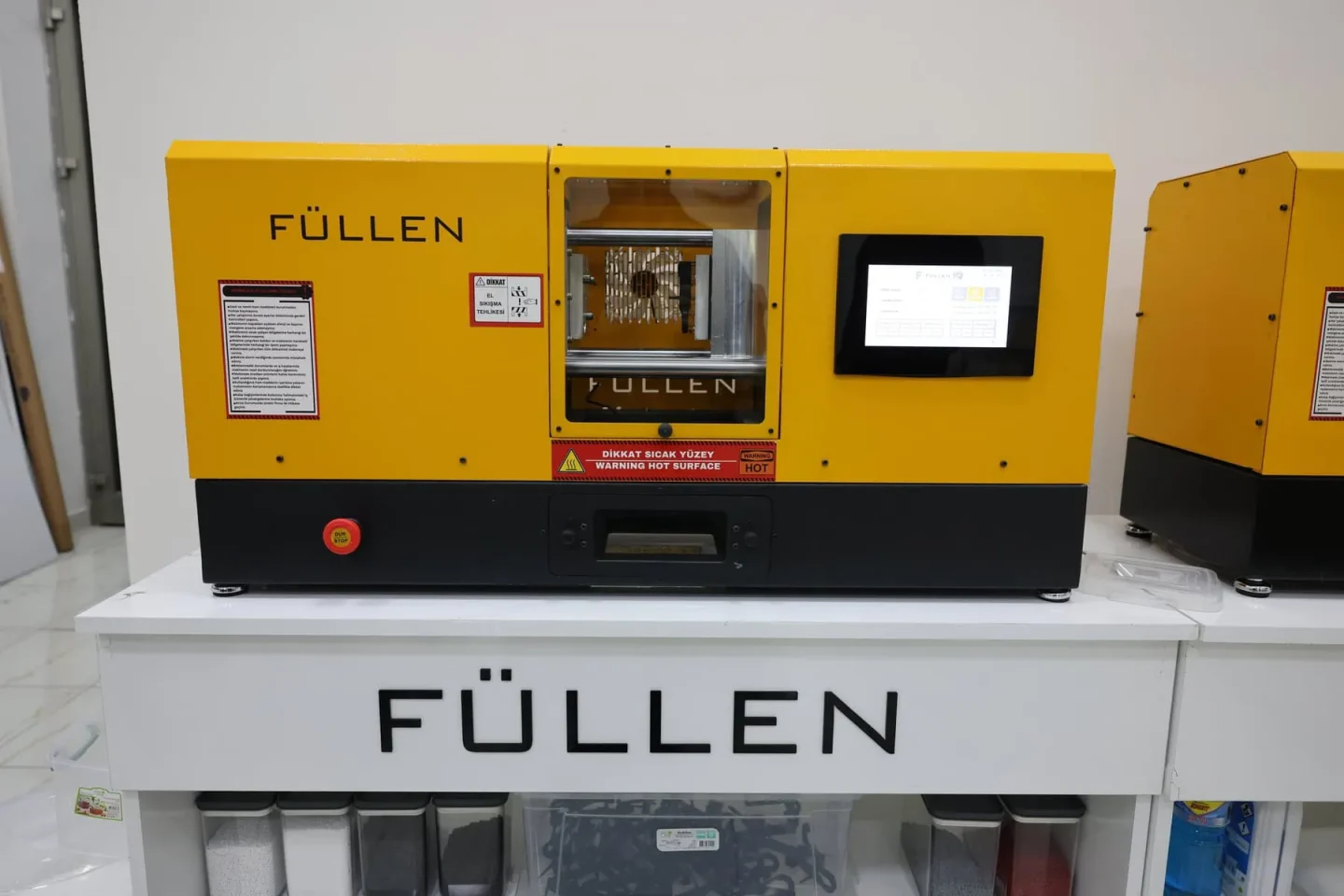

Füllen’s Desktop Plastic Injection Machine MiniMolder Manufactured with Xometry
Machine Building
CNC Machining
High-Volume Manufacturing
Read Story
We make the design, upload it to the Xometry Instant Quoting Engine. We see the price and delivery time immediately. Previously, we had to contact four or five different places separately. Now, we receive ready-to-assemble parts from a single channel.
Read Story
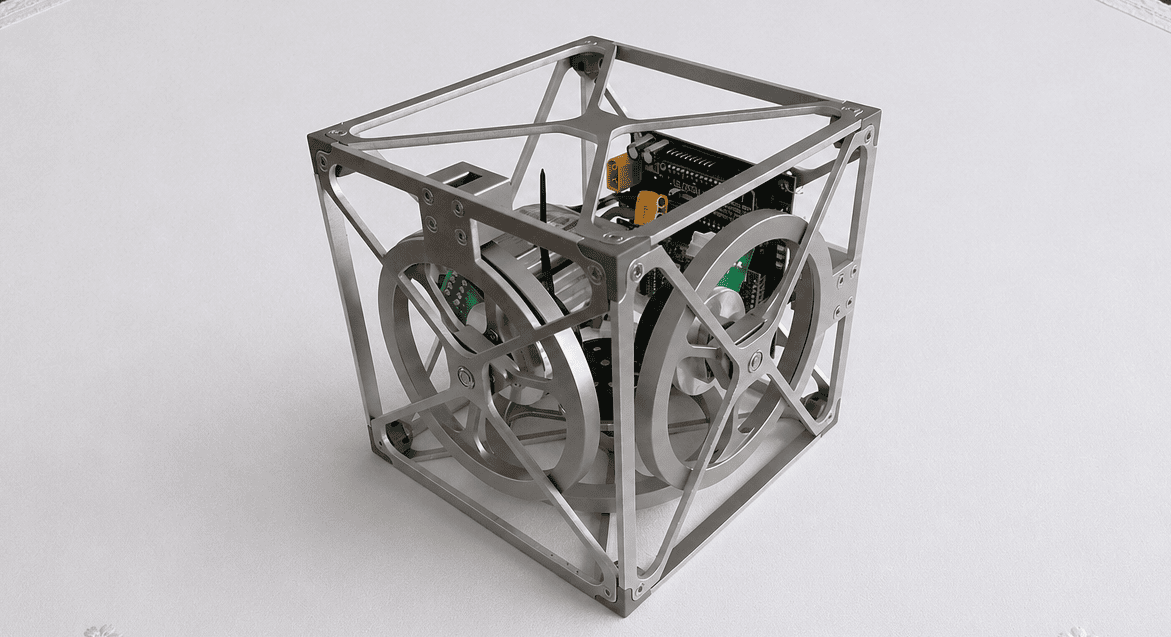
A Cube That Doesn’t Fall Over: The Making of a Self-Balancing Gyroscopic Cube
Machine Building
Sheet Metal
Prototyping
Read Story
The HTL team from Austria overcame mass distribution and precision challenges to successfully build Cubli, a self-balancing cube powered by reaction wheels and control algorithms.
Read Story
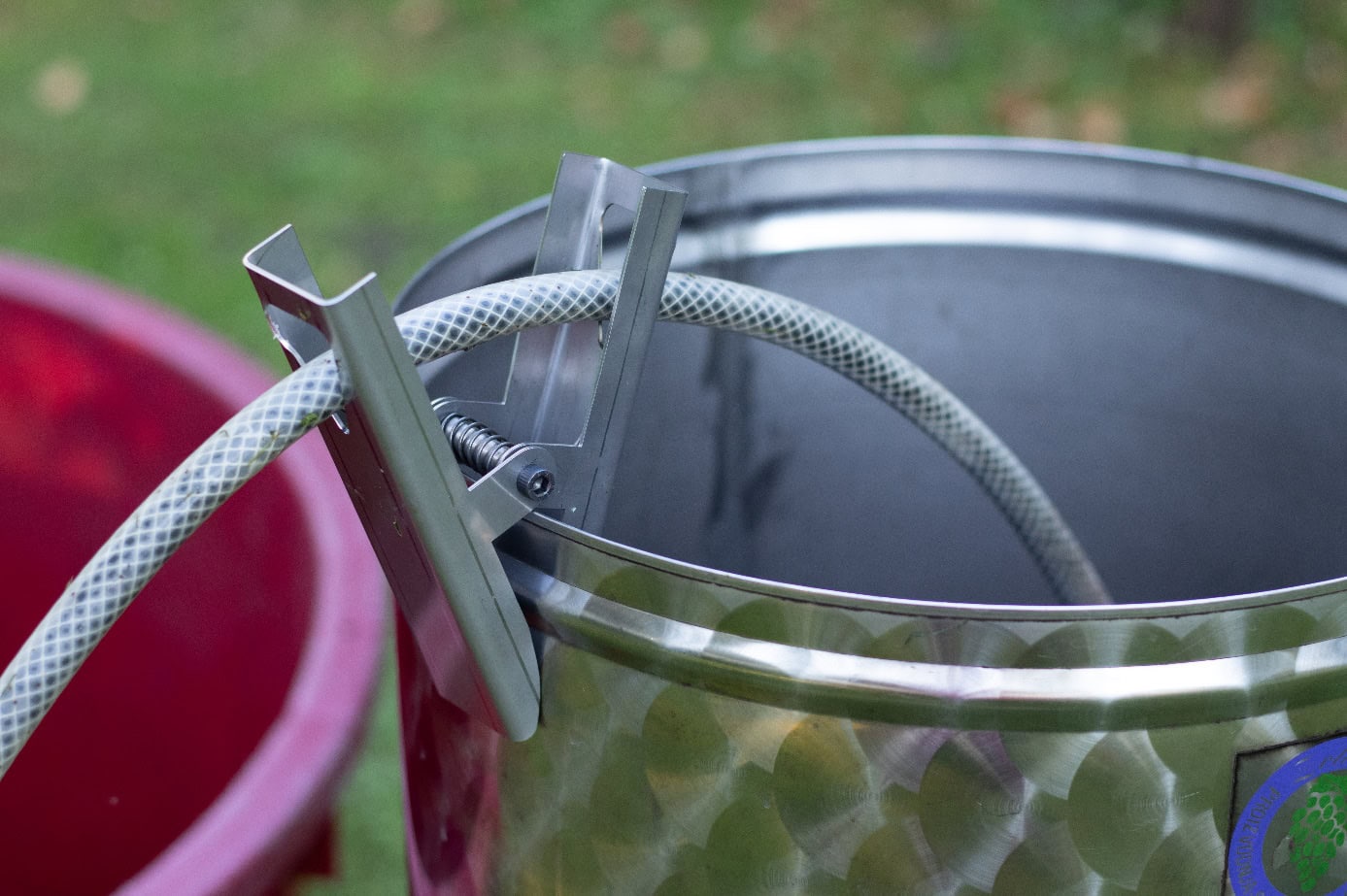

Designing a Hose Clip for the Beverage Industry: From Faculty Project to First Business Venture
Machine Building
Sheet Metal
Prototyping
Read Story
A student team from University of Maribor developed a stainless steel hose clip for the food and beverage industry, targeting wine and beer fermentation vessels. With Xometry's laser cutting service, they produced 1.5mm thick stainless steel sheet parts featuring elongated teardrop-shaped holes that pinch hoses at two points. The 80 × 45 × 170 mm design requires no lubrication, is food-safe, and grips vessel flanges securely without screws.
Read Story