TUM Boring, a student team from Technical University of Munich, won the 2025 Not-a-Boring Competition by drilling 22.5 meters, surpassing the previous record of 20 meters. While most custom CNC parts were produced with external partners, Xometry served as a strategic fallback for urgent design changes, providing rapid delivery of precision parts. The machine featured a foam-based anti-adhesion system and rotary union requiring tight tolerances.
Industry
Machine Building
Country

Germany
Use case
Prototyping
Technology
CNC Machining
Product
Tunnel Boring Machine
The lessons we learned go far beyond mechanics. We reflect on three key takeaways: people are the ultimate success factor — both the team and its supporters; divide and conquer: breaking the project into subsystems prevents chaos and enables parallel innovation; and industry partners like Xometry are strategic enablers, not just suppliers.
Hi, we are the TUM Boring team from the Technical University of Munich (Germany). We designed and built a next-generation tunnel boring machine to compete in the international 2025 Not-a-Boring Competition in Texas — and we won the event, setting a new tunneling distance record. With a clear vision, precise engineering, and bold teamwork, we proved what’s possible when innovation meets smart engineering.
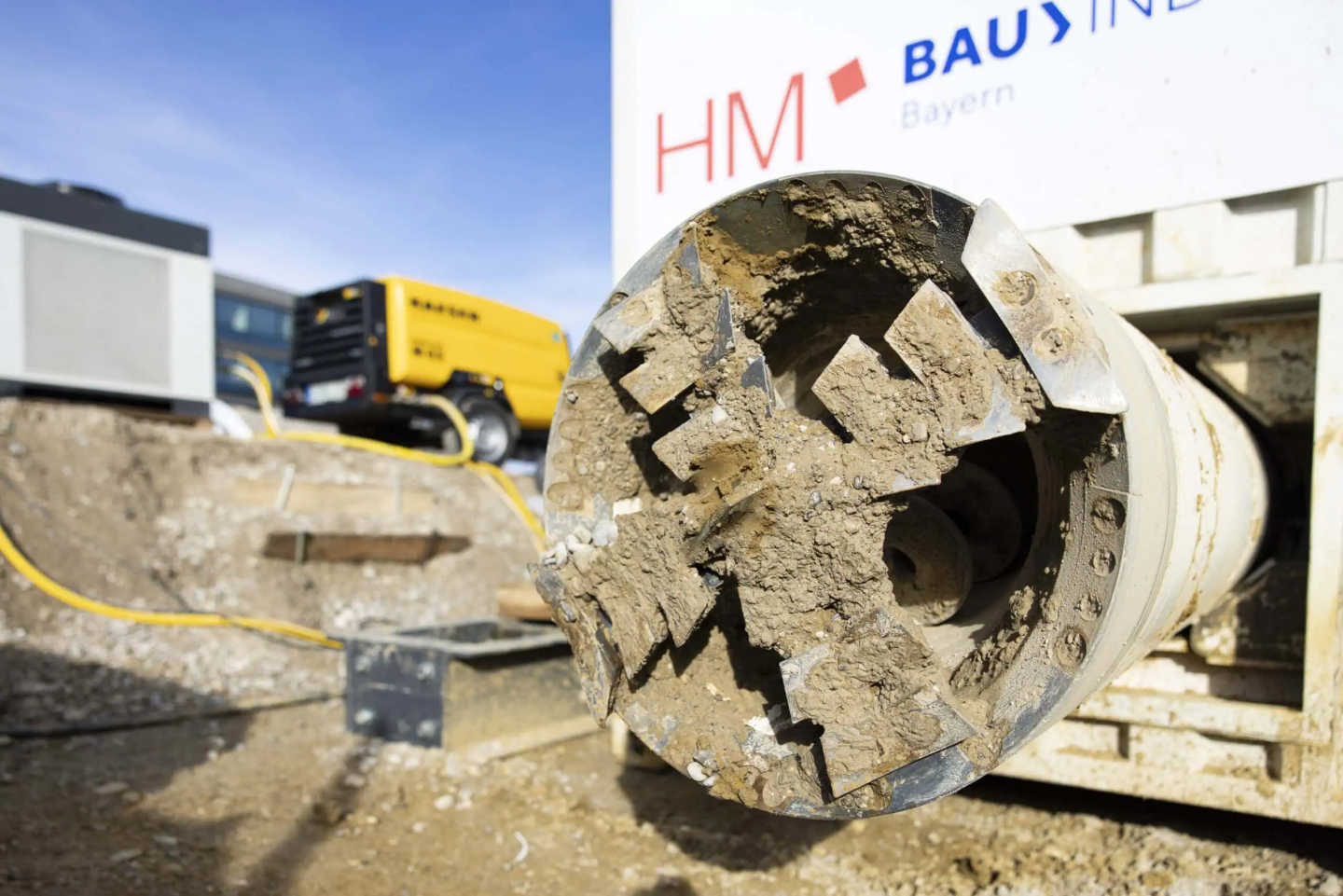
At the heart of our success lies a self-developed, next-generation tunnel boring machine — modular, powerful, and engineered by us, a team of students from the Technical University of Munich. It was built to perform reliably across a wide range of geological conditions. This machine formed the foundation of our record-breaking performance and guided every decision we made along the way.
Building on the experience we gained during our participation in the 2023 Not-a-Boring Competition, we refined and expanded our ideas to create this record-breaking machine.
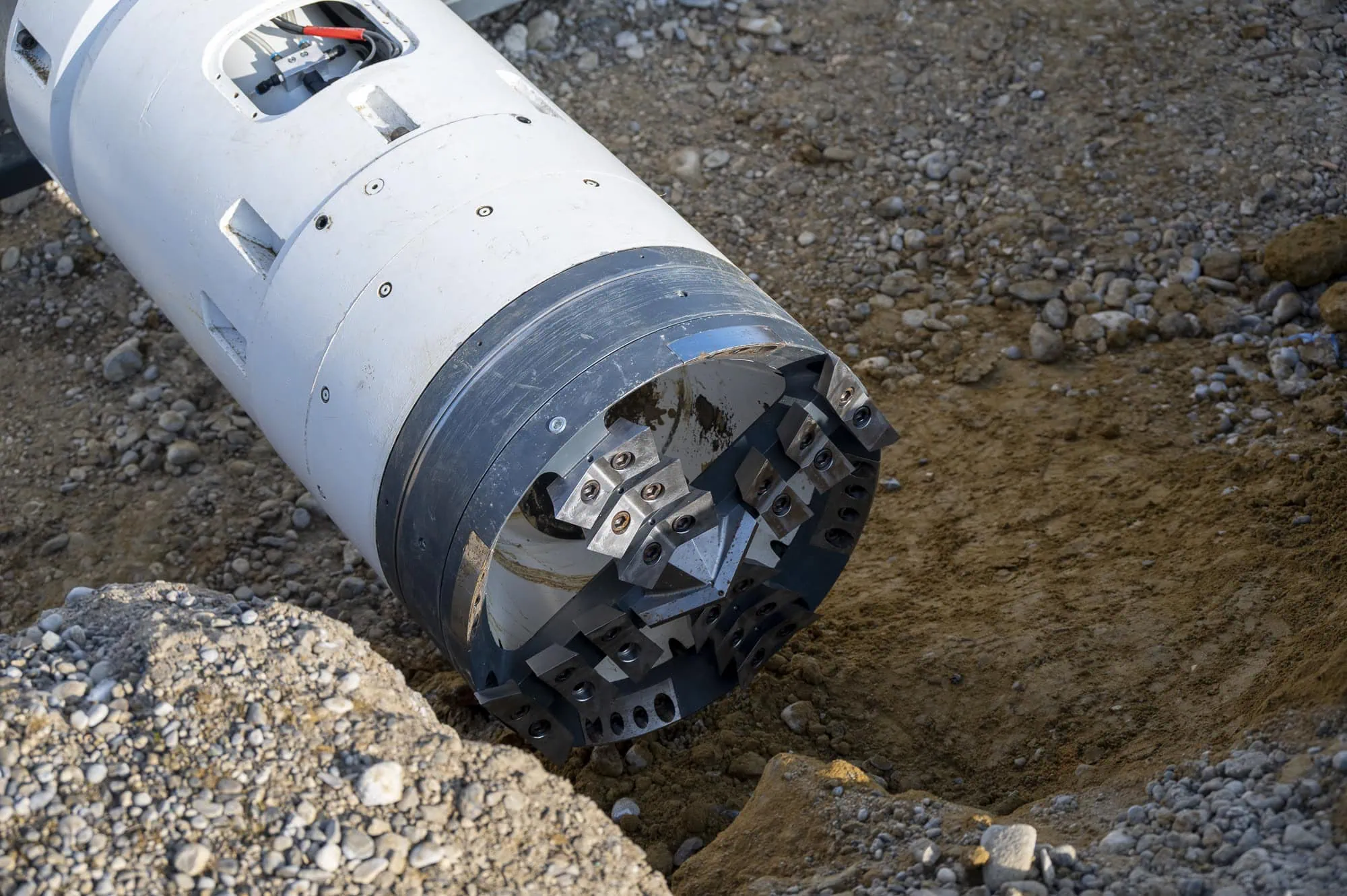
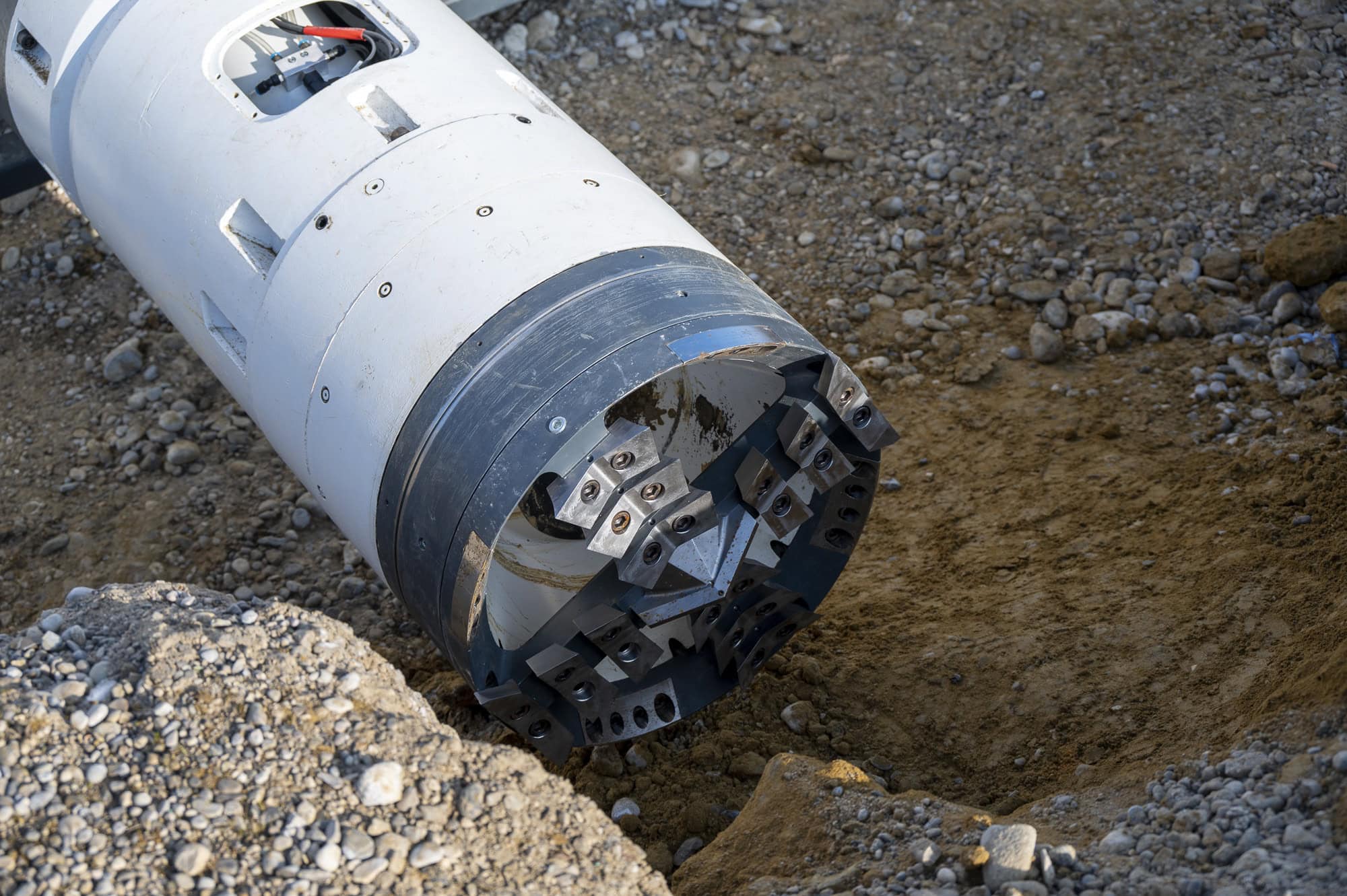
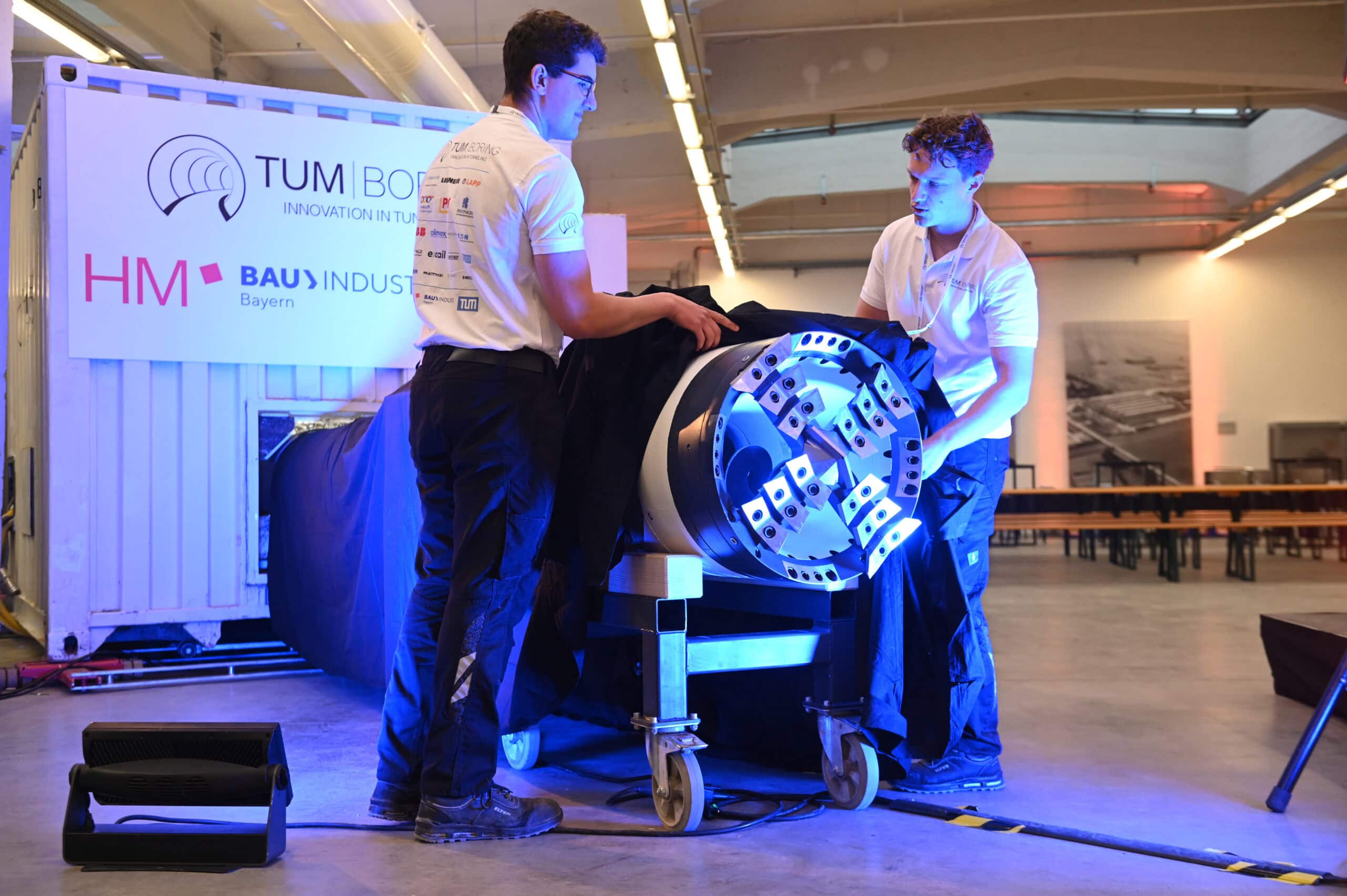
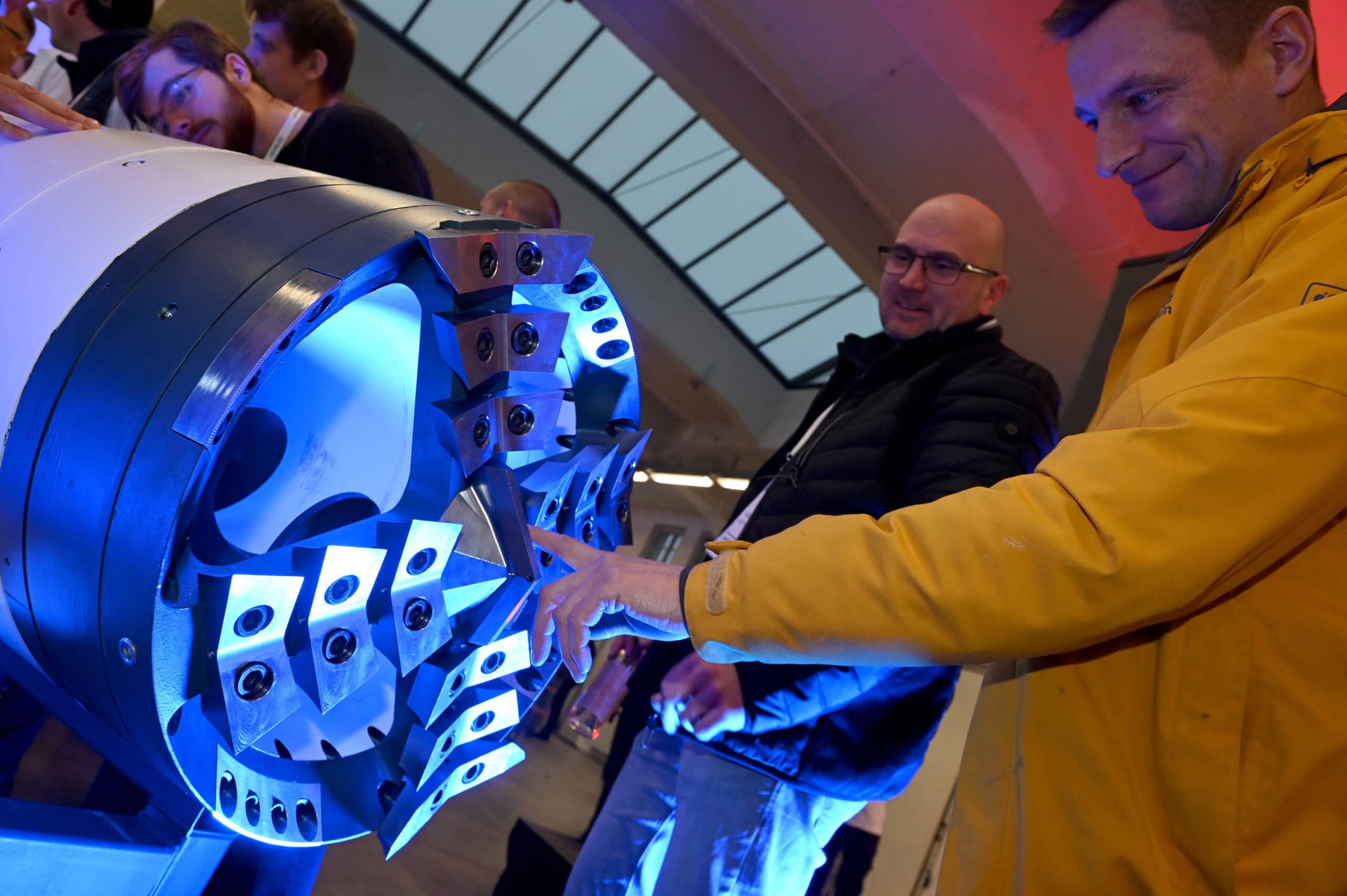
The cutting head — the core component of the record-breaking tunnel boring machine

From Concept to Record-Breaking Machine: The TUM Boring 2024 Project
The main challenge of the Not-a-Boring Competition, organized by The Boring Company, was clear: bore a 30-meter tunnel as fast as possible. For us at TUM Boring, this meant combining high performance with maximum versatility. We focused on three key design priorities:
- Increased torque at the cutting head
- Extended maximum tunnel length
- Adaptability to a range of geological scenarios
Although the competition rules offered plenty of design freedom, teams had to meet strict safety requirements and work within infrastructure constraints. Based on local soil samples, we expected sticky clay — and designed a foam-based anti-adhesion system within the cutter head. But once on site, we faced a much harder soil, which unexpectedly slowed progress, underscoring the importance of adaptability.
Precision Engineering: From Fluid Mechanics to Finite Element Analysis
One of the most complex subsystems was the rotary union in the ground conditioning system. This component had to transfer foam from the non-rotating to the rotating part of the machine — right into the cutter head — requiring extremely tight tolerances and high surface finish quality.
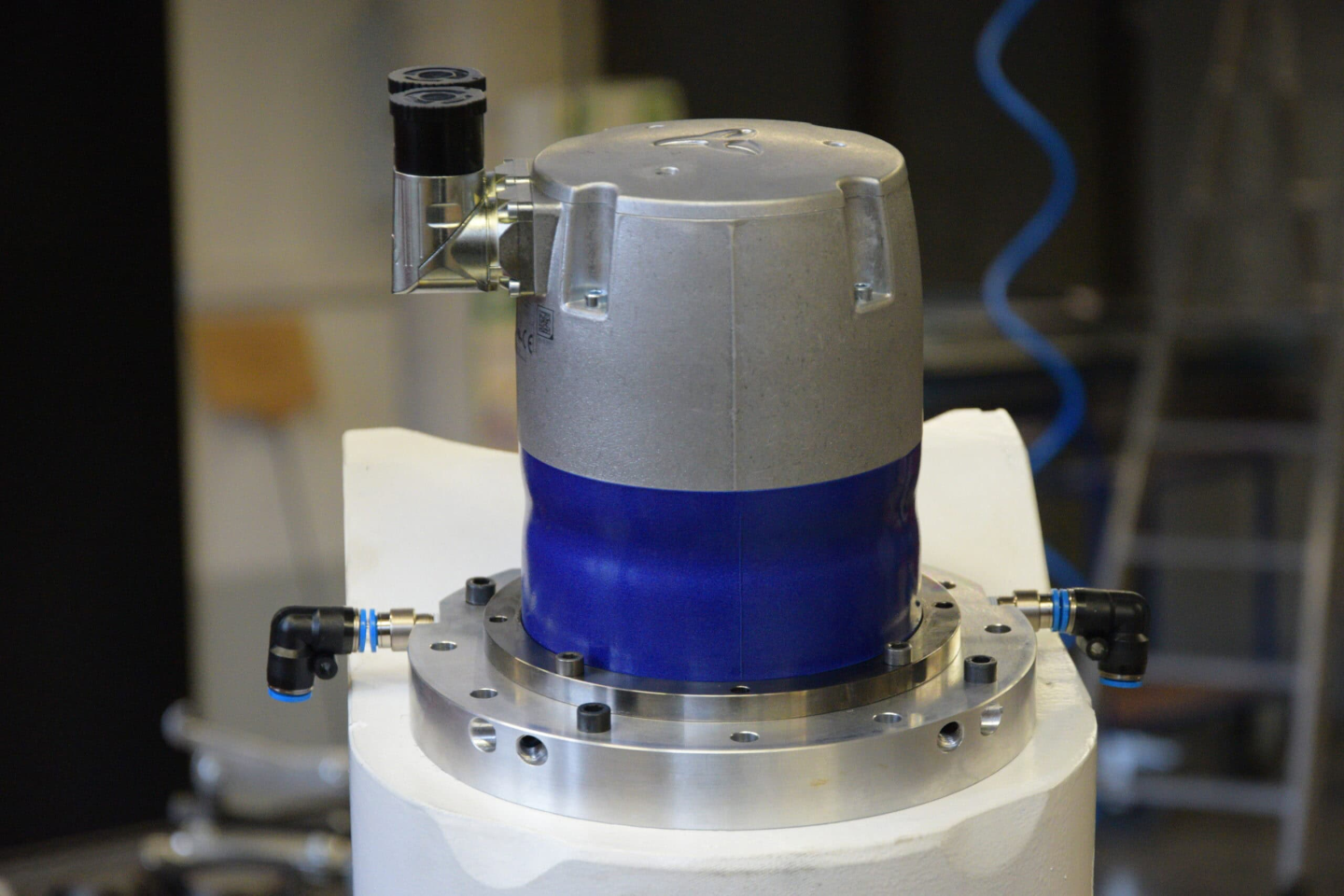
Assembly of the new cutting head
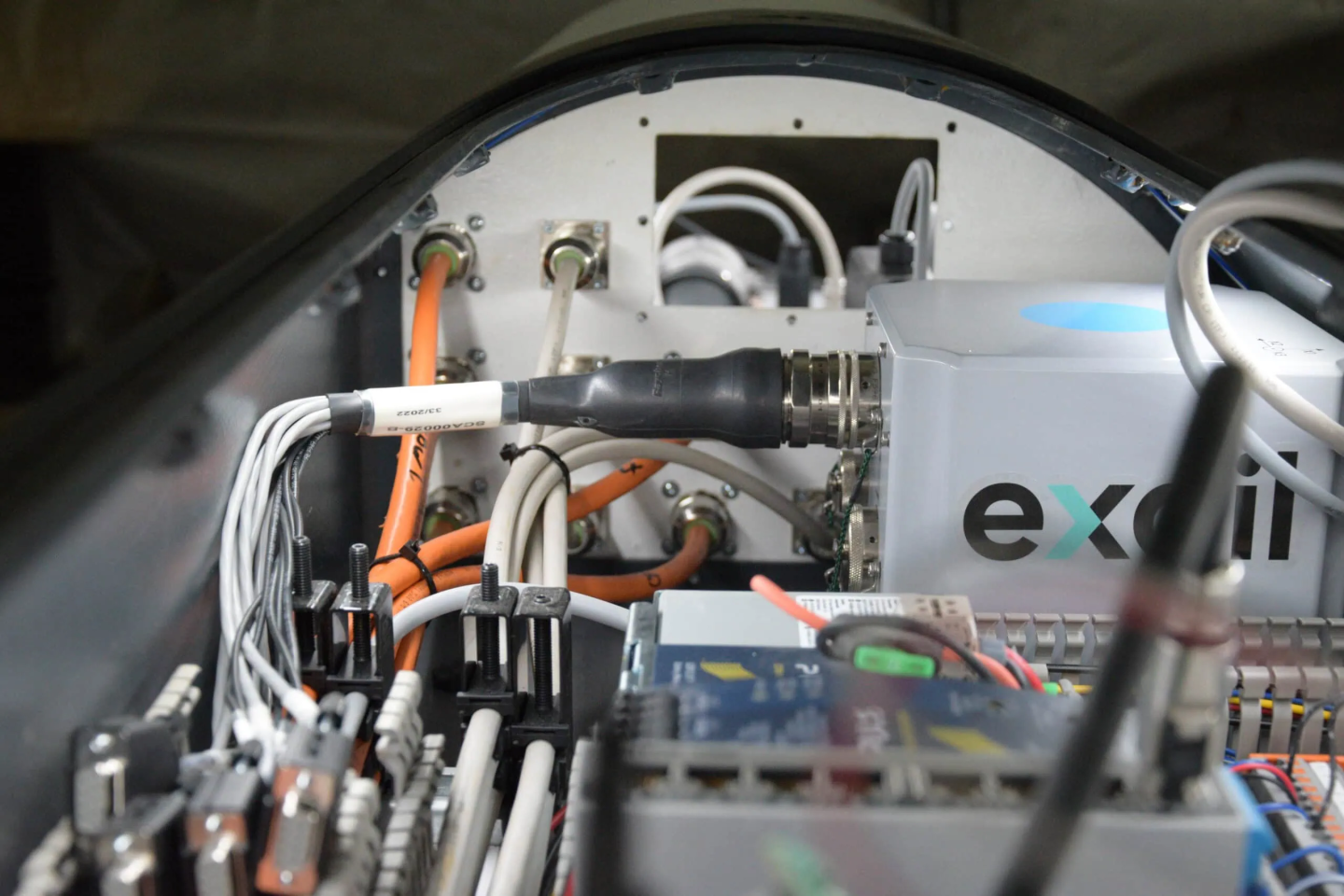
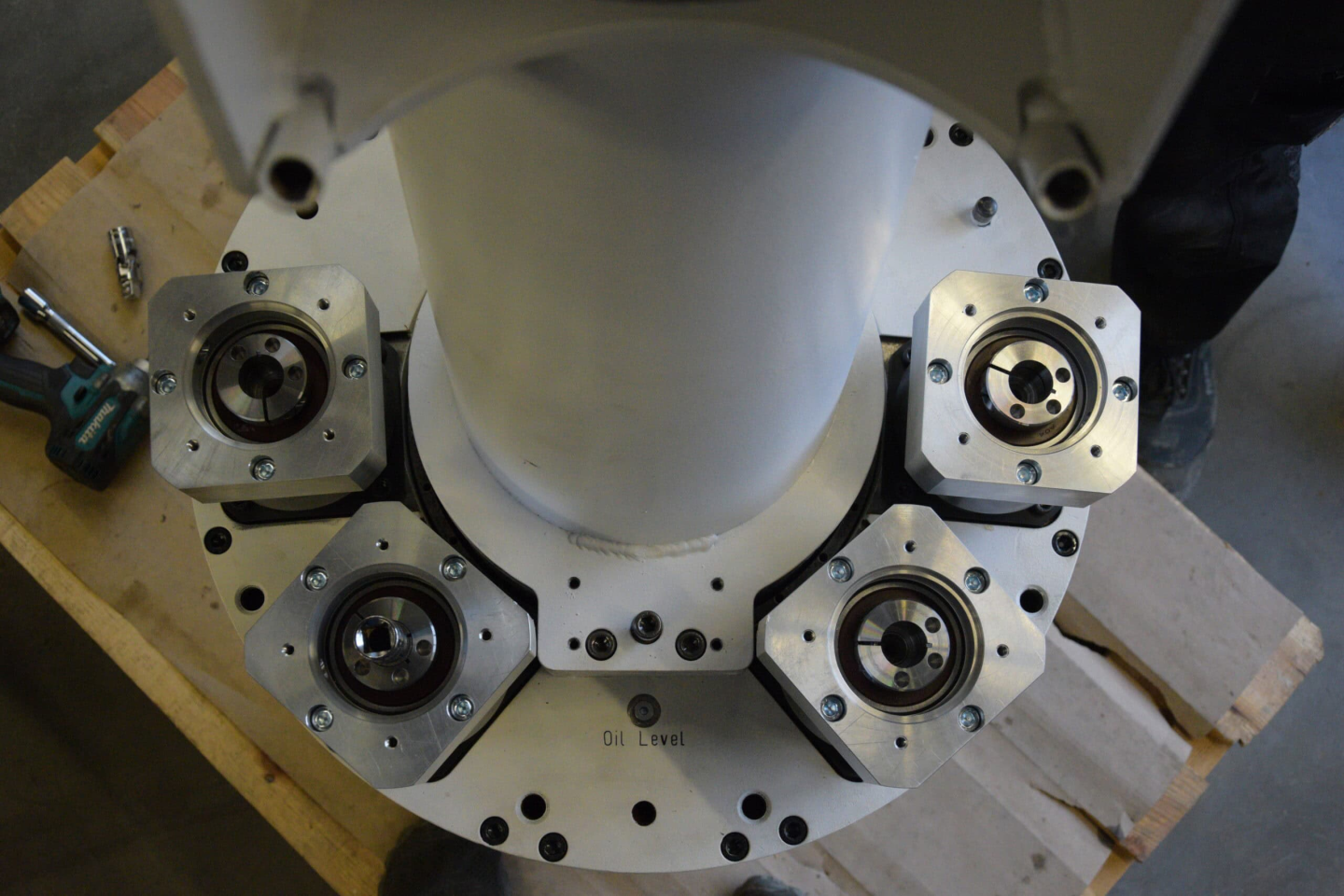
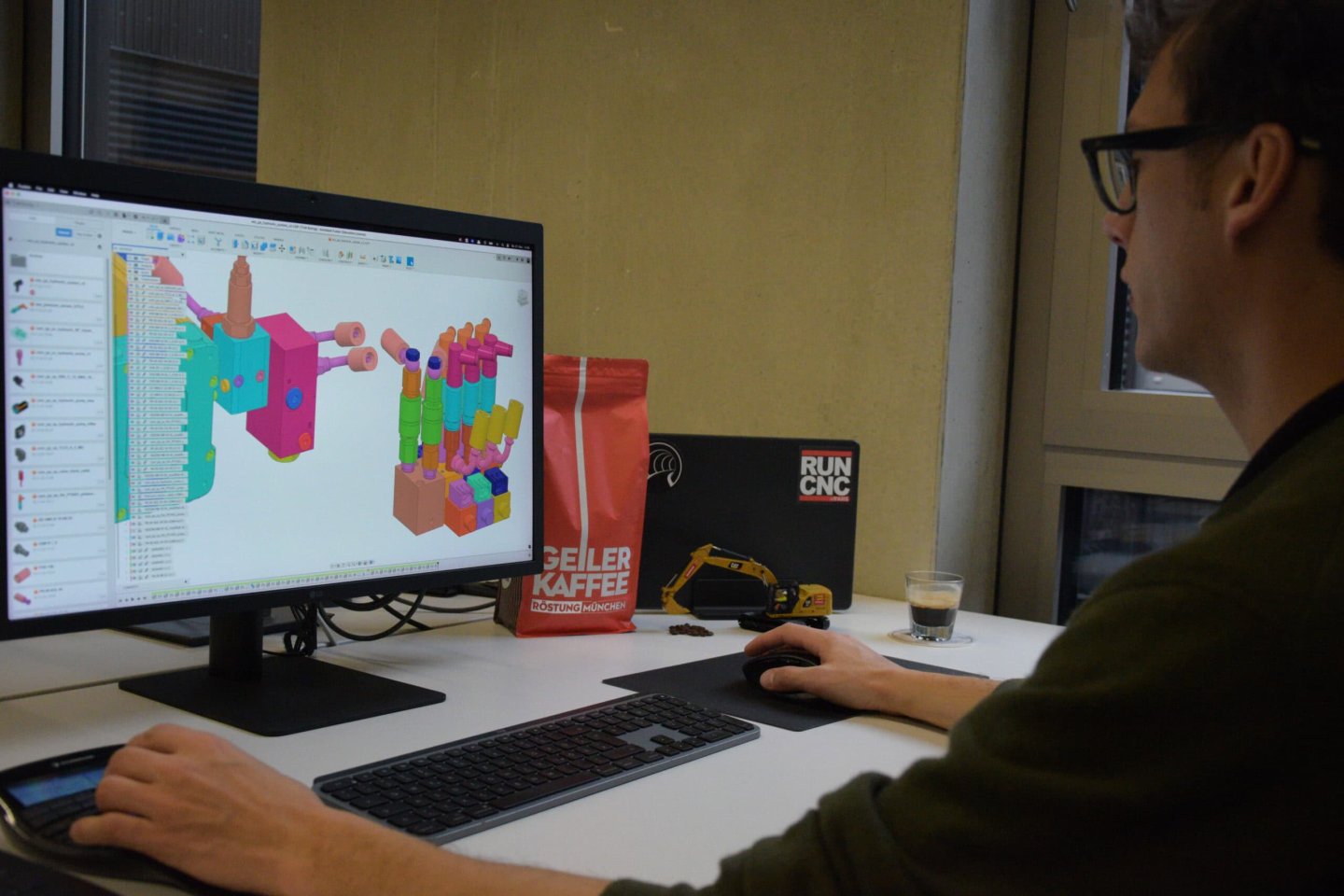
We used Autodesk Fusion to design the entire machine — leveraging its cloud collaboration features for real-time teamwork. Our engineering workflow included:
- A structured requirements-definition phase
- Multiple concept iterations, evaluated via decision matrices
- 3D-printed prototypes to physically validate concepts
- FEM and CFD simulations to assess mechanical and fluid performance
Working on the tunnel boring machine’s design process in Autodesk Fusion
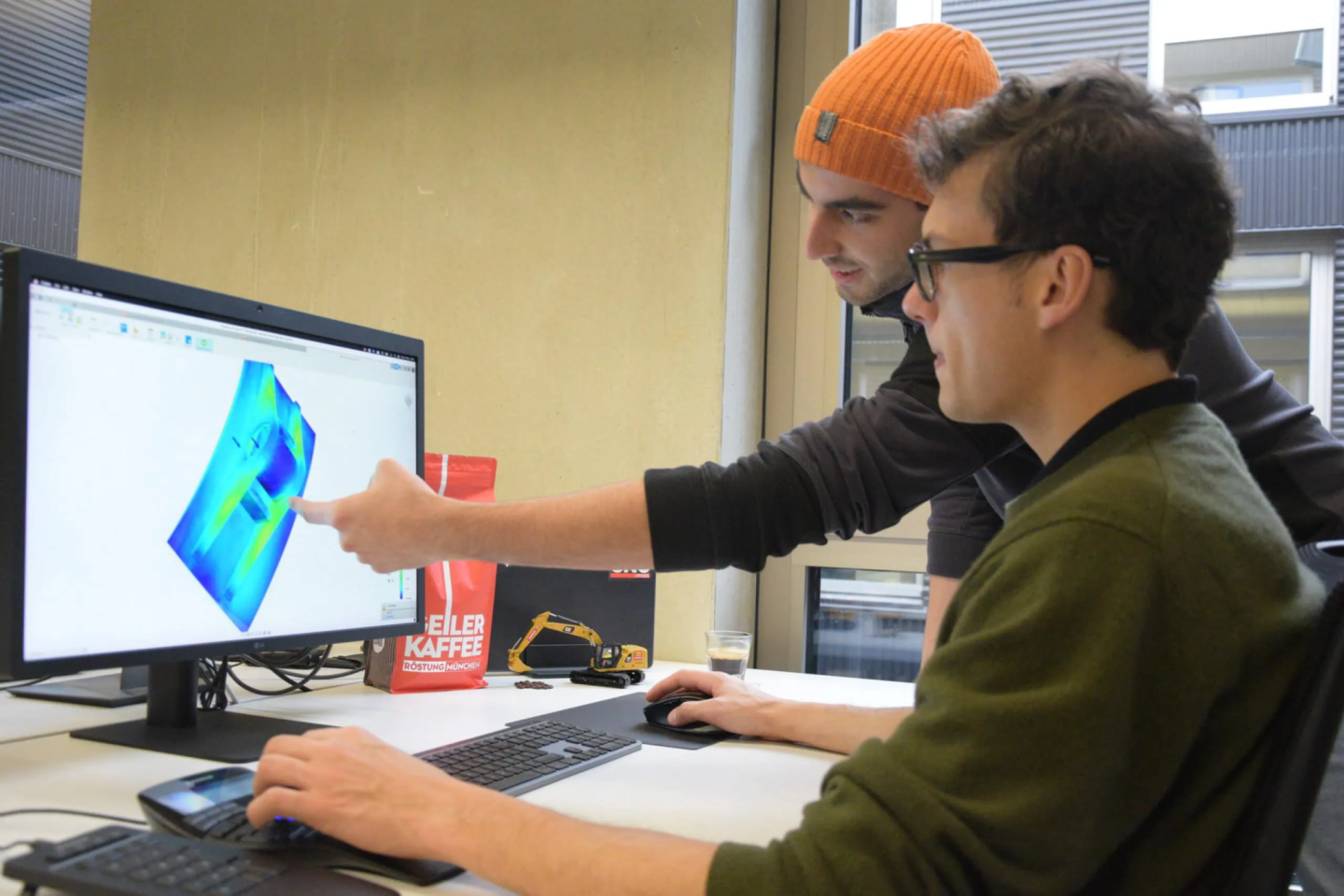
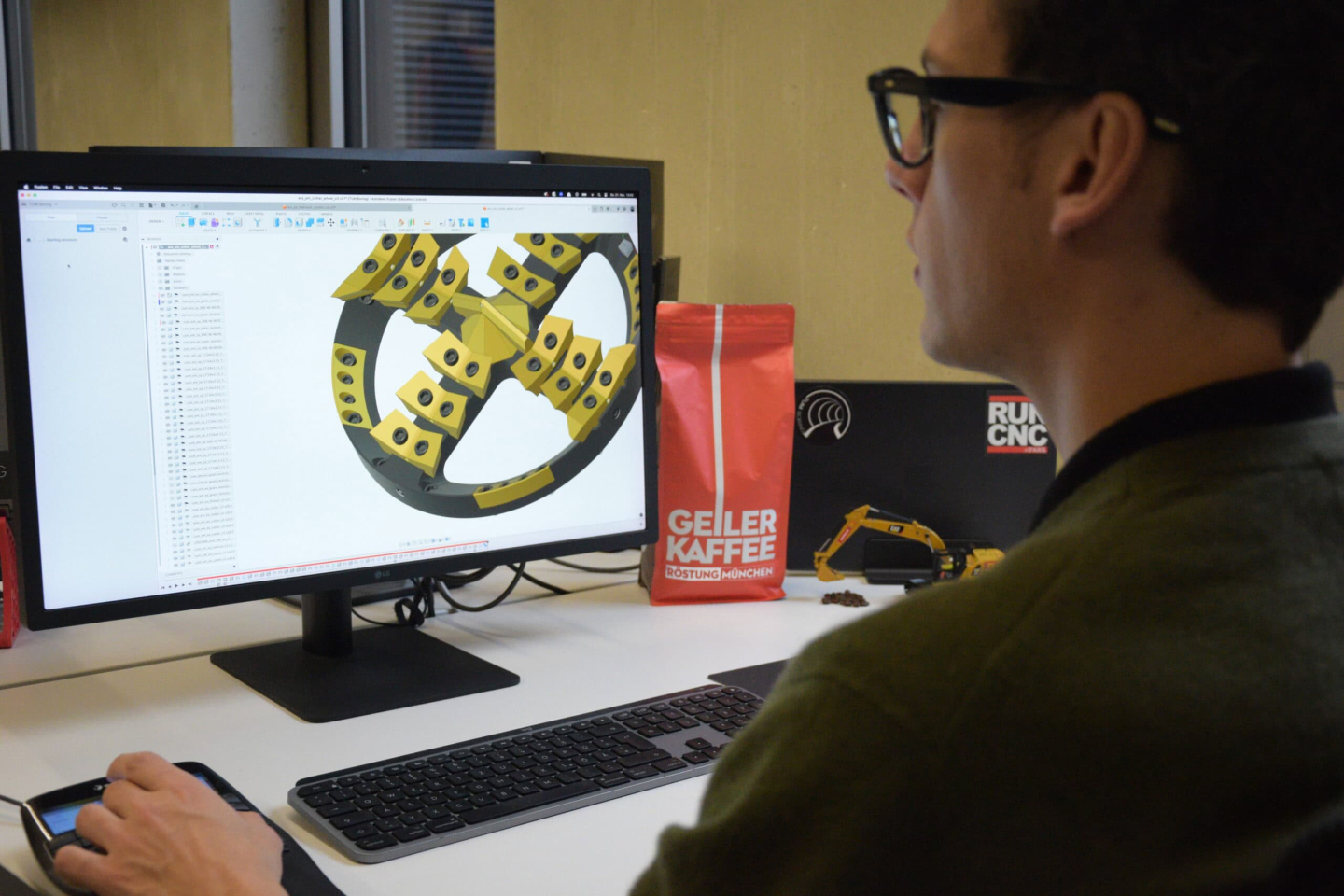
The entire design, manufacturing, and assembly process was optimized to fit our tight timeline. We designed and ordered the components with the longest delivery times first, though some parts still arrived close to or after our deadlines. Overall, we used as many standardized parts as possible to benefit from their lower cost and shorter delivery times. The custom-made CNC parts were mostly manufactured with external partners due to their large volume and size, while parts with very low complexity and urgent deadlines were produced in-house on our own milling or turning machines.
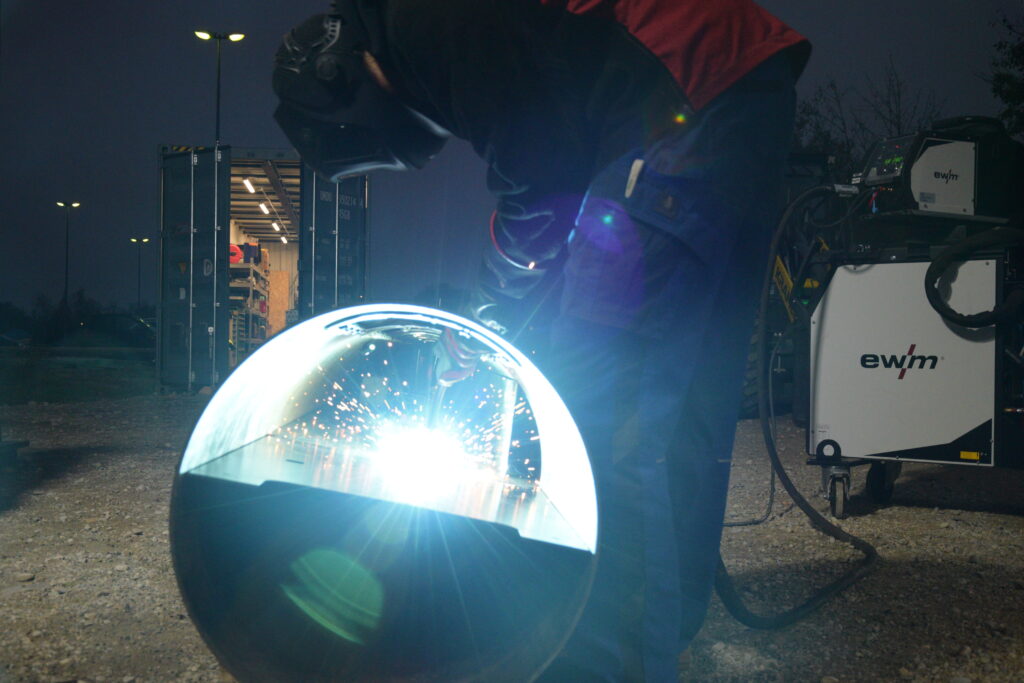
Although we didn’t end up needing it before the competition this time, having Xometry as a strategic fallback for unplanned parts or urgent design changes gave us peace of mind. Knowing we had an “ace up the sleeve” — ready to deliver precise CNC parts quickly when time and flexibility became critical — allowed us to stay focused and confident. Looking ahead, we plan to rely on this rapid manufacturing approach even more in future development cycles.
The assembly process — similar to our design approach — followed a “divide & conquer” strategy: assembling different subsystems separately before integrating them into the overall machine. The same principle guided our testing phase: each subsystem was tested individually, then combined with others, and finally the entire machine with all its subsystems was brought to life.
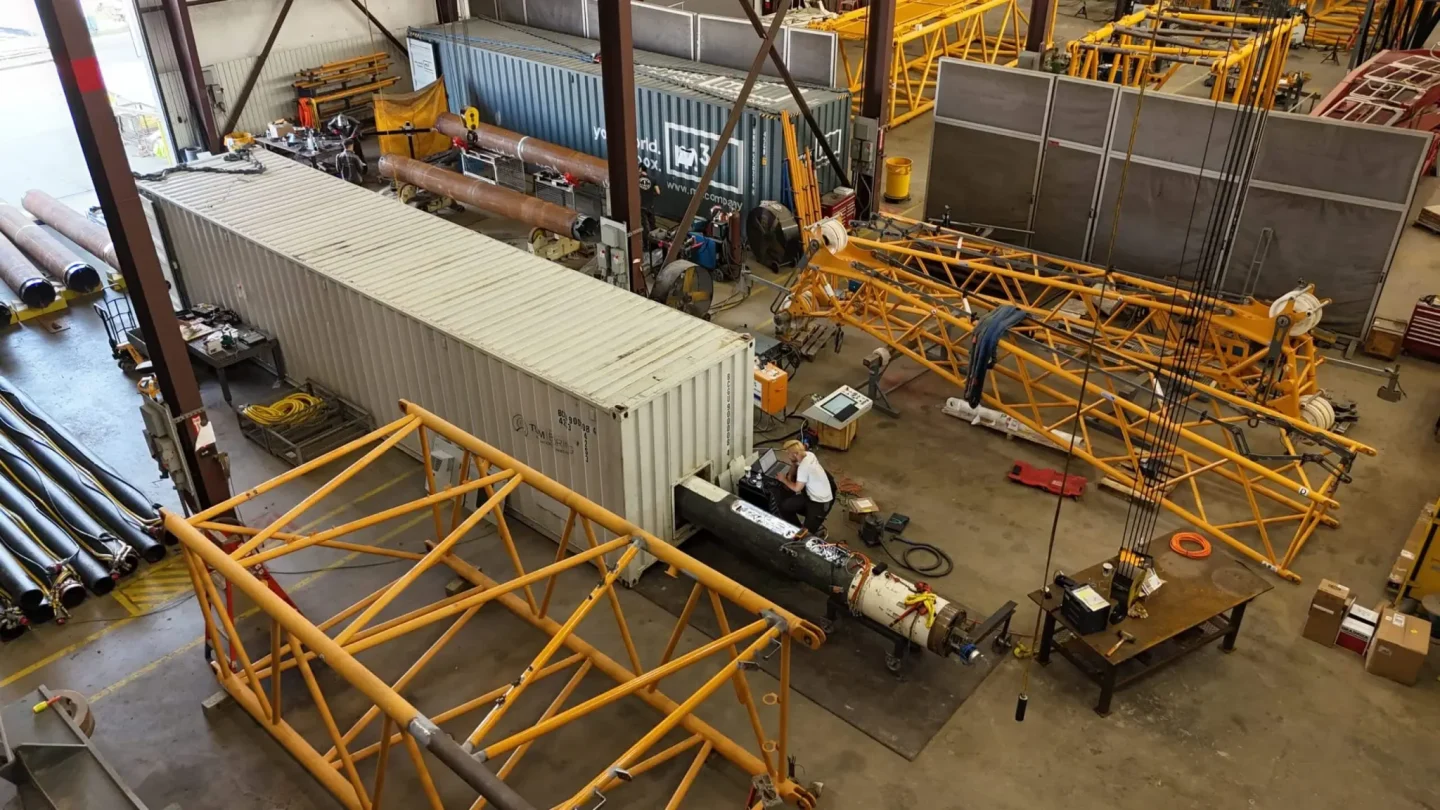
Final assembly of the tunnel boring machine in the US
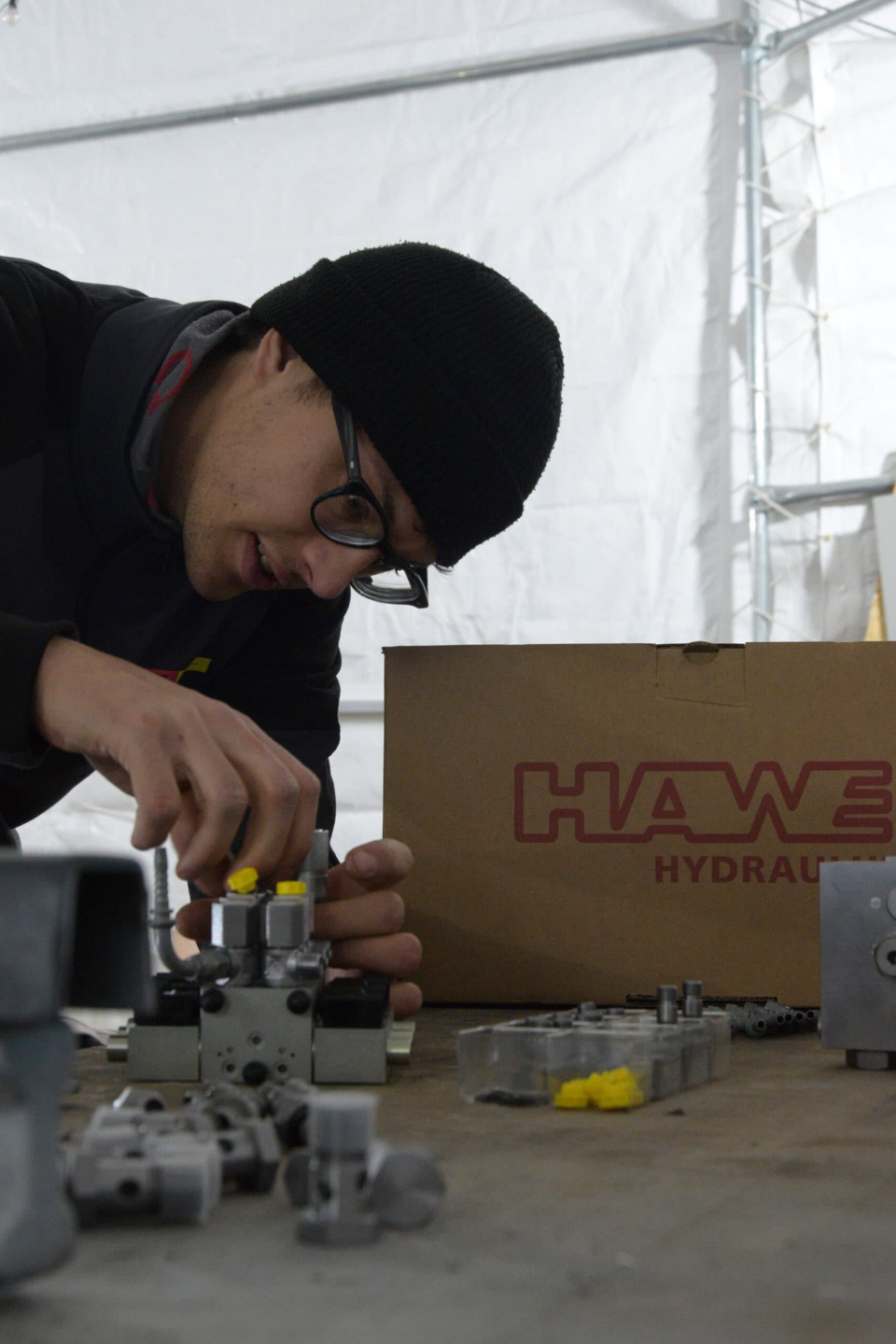
Assembly of the steering hydraulics
Victory, Milestones, and What’s Next
The most rewarding moment came when we realized we had not only won — but also set a new tunnel length record. The previous record stood at around 20 meters, and we surpassed it by drilling 22.5 meters. While our machine was designed to go much farther, the unexpectedly hard geology at the competition site threw a spanner in the works — making the achievement all the more meaningful. It was a powerful milestone that crowned over a year of intense preparation, engineering sprints, and countless hours of teamwork.
And it doesn’t stop there: the next competition has already been announced for 2026. A new TUM Boring team is assembling to push the limits even further — with a new machine, fresh ideas, and even higher goals.
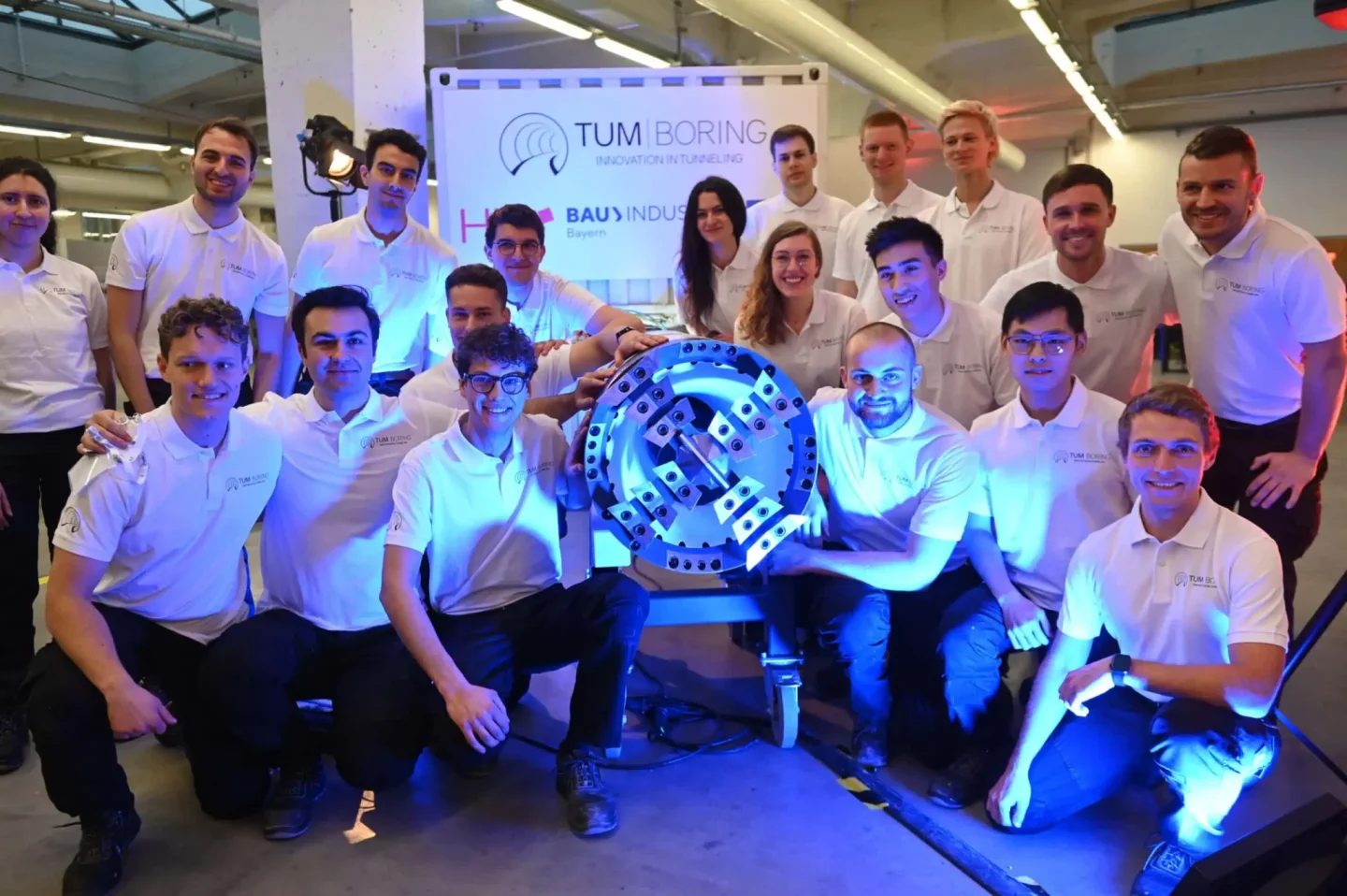
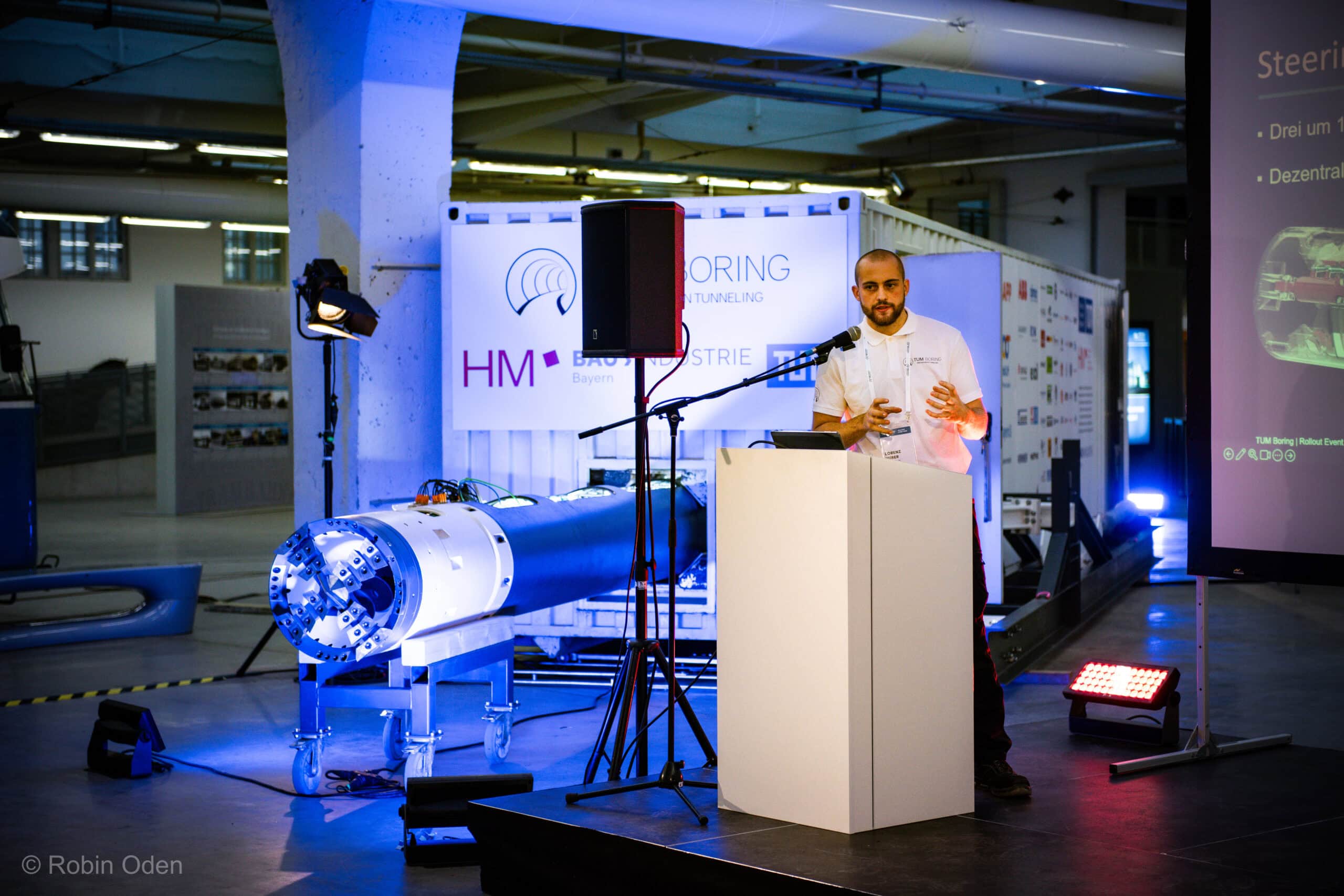
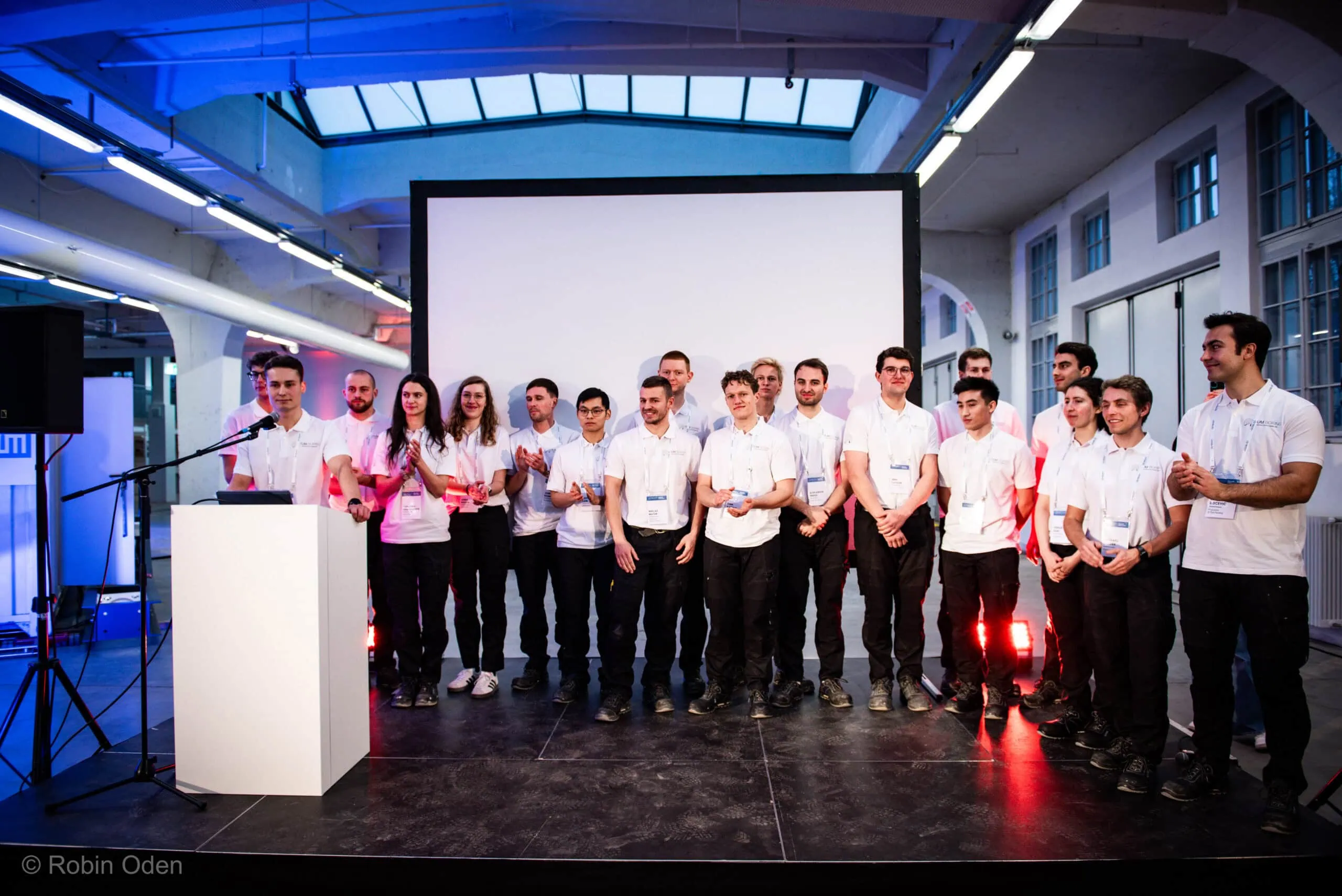
Scenes from the TUM Boring Rollout Event 2025, where the team presented their tunnel boring machine ahead of the Not-a-Boring Competition
Engineering Education Beyond the Classroom
The lessons we learned go far beyond mechanics. We reflect on three key takeaways: people are the ultimate success factor — both the team and its supporters; divide and conquer: breaking the project into subsystems prevents chaos and enables parallel innovation; and industry partners like Xometry are strategic enablers, not just suppliers.
TUM Boring team photos from fieldwork and rollout activities for the Not-a-Boring Competition
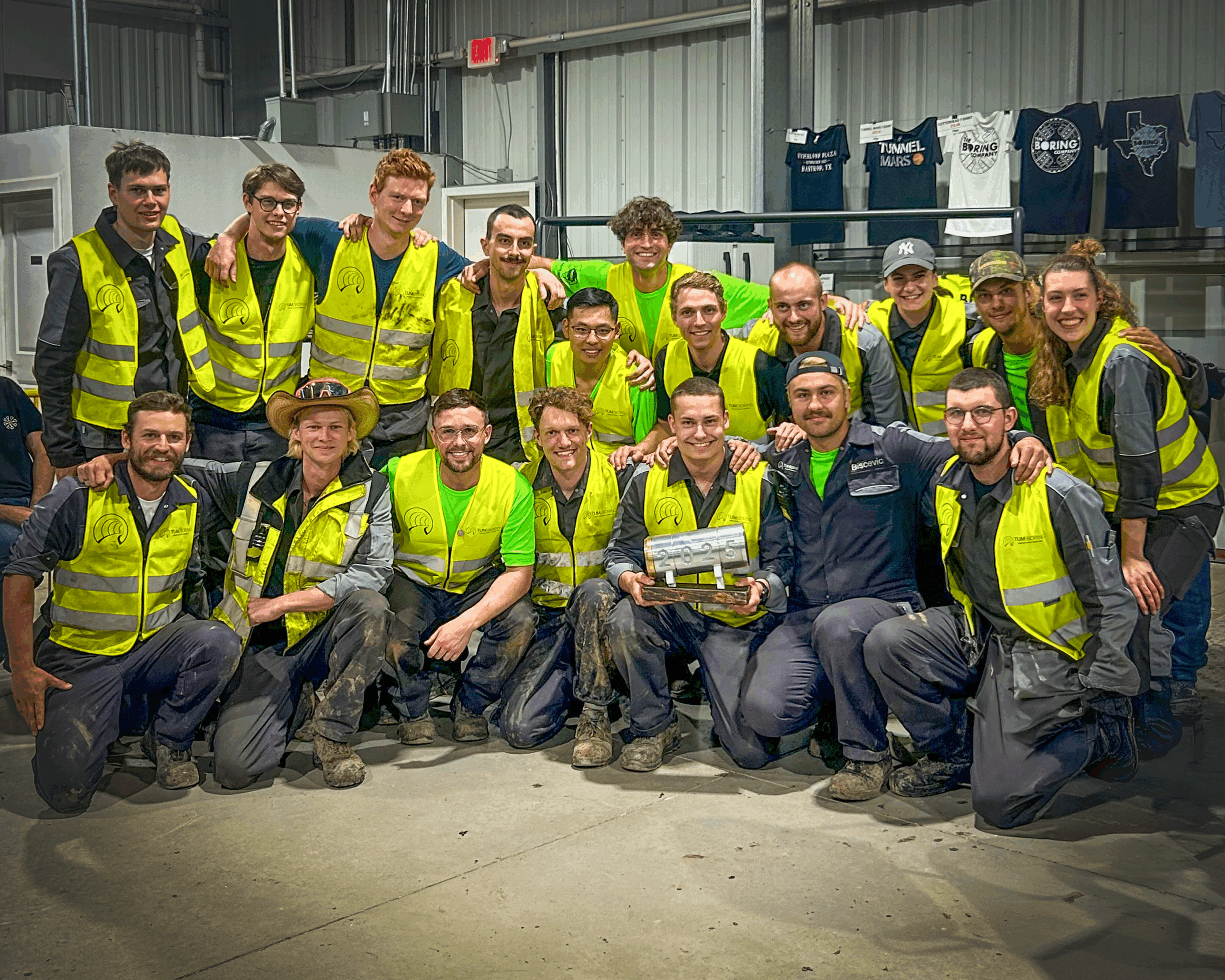
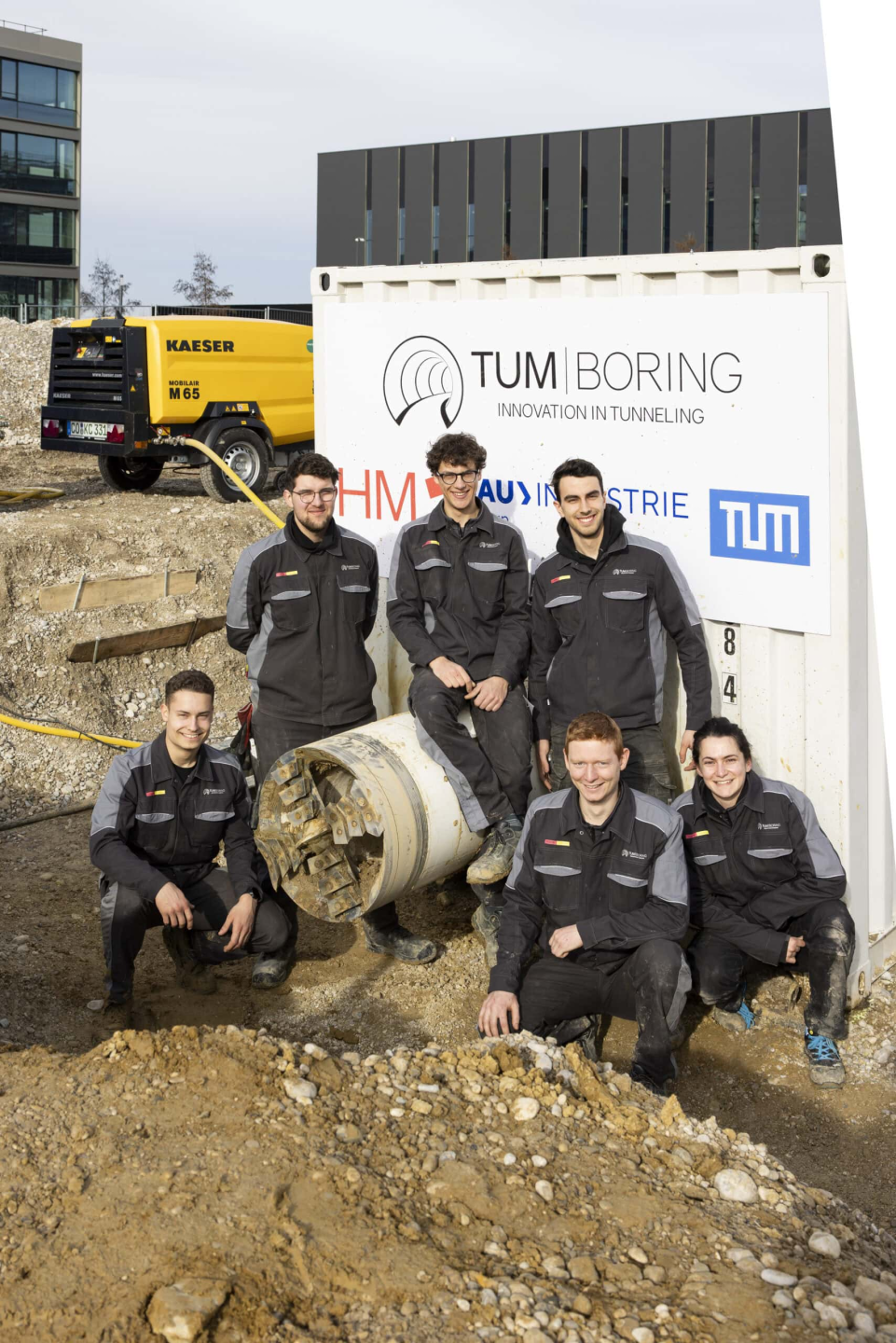
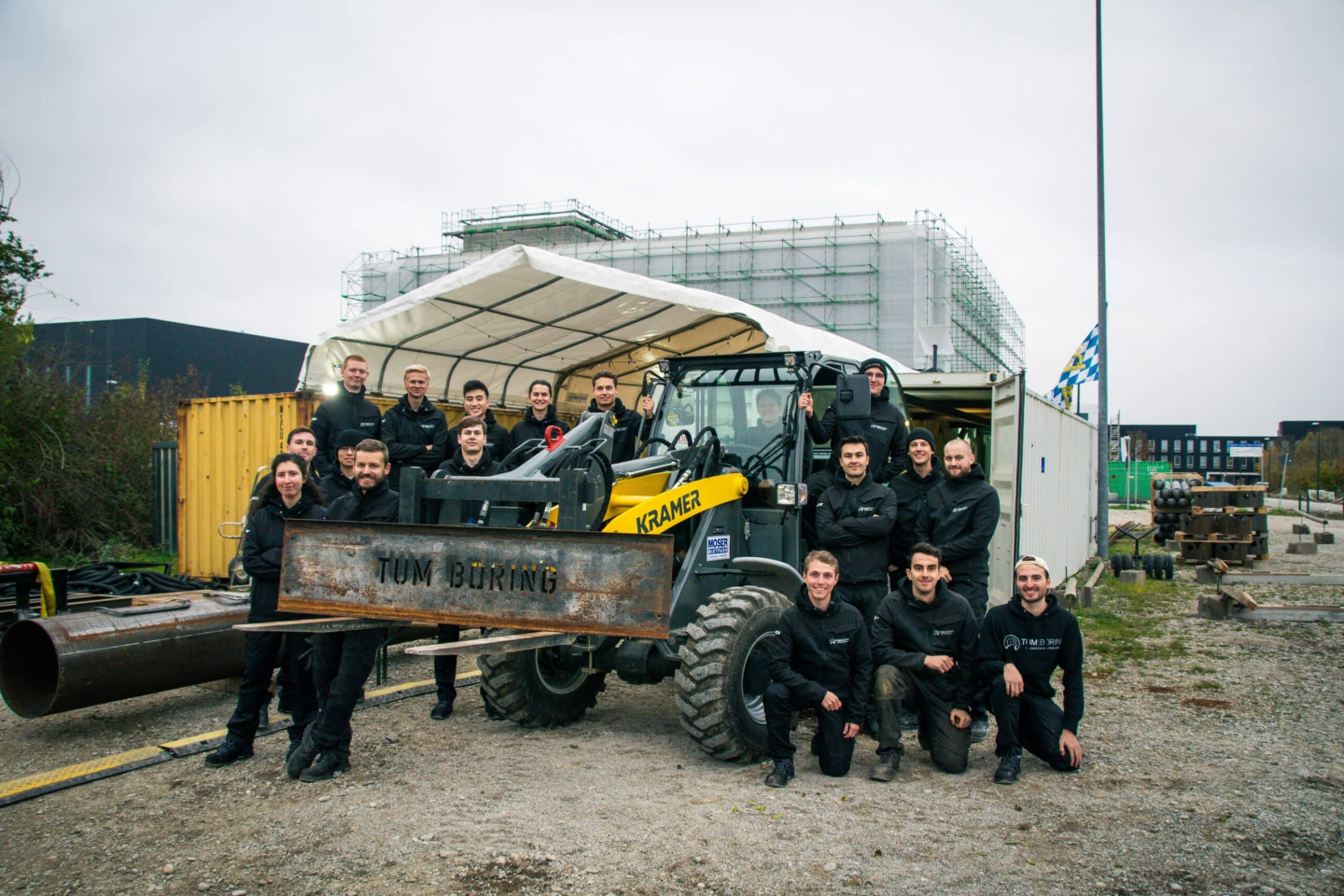
Great ideas attract great allies — clear communication of technical innovation inspires support. A tunnel boring machine is never a solo effort; it’s the result of engineering excellence, team spirit, and trusted partners who show up when it count
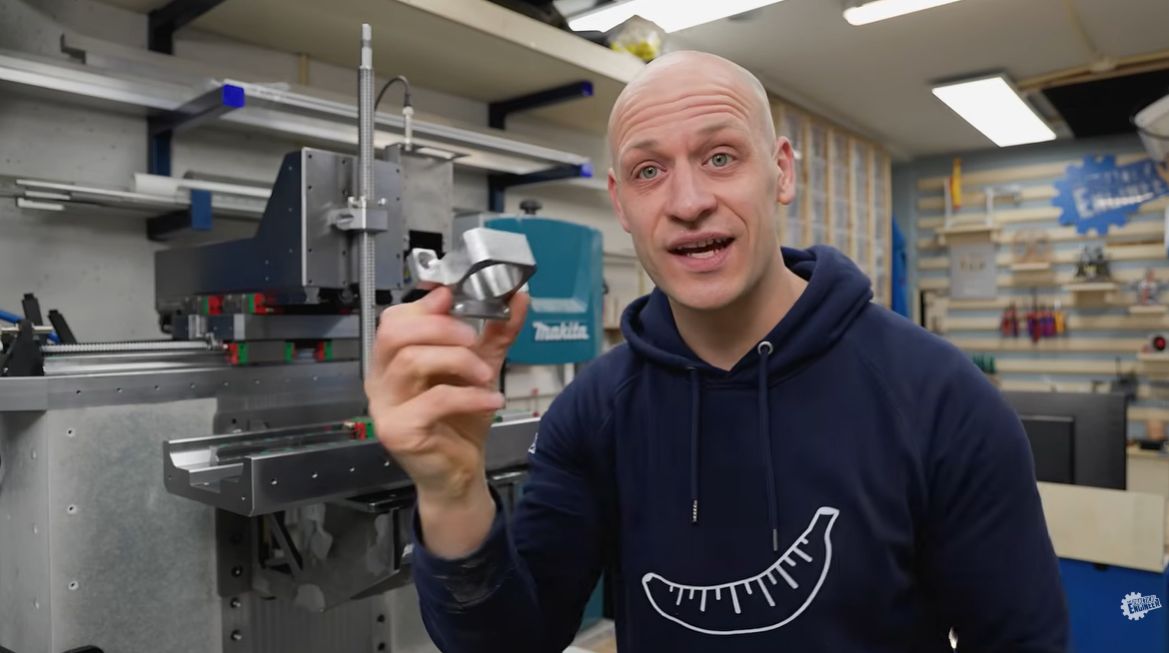

The 1-Millimetre Fix: How One Custom CNC Part Saved My 5-Axis Build
Machine Building
CNC Machining
Prototyping
Read Story
Building a CNC machine from scratch is full of moments where you find out whether your design actually works, or whether it only worked inside CAD. In the world of custom machine building, the transition from a digital model to physical assembly is rarely seamless. This was one of those moments.
Read Story
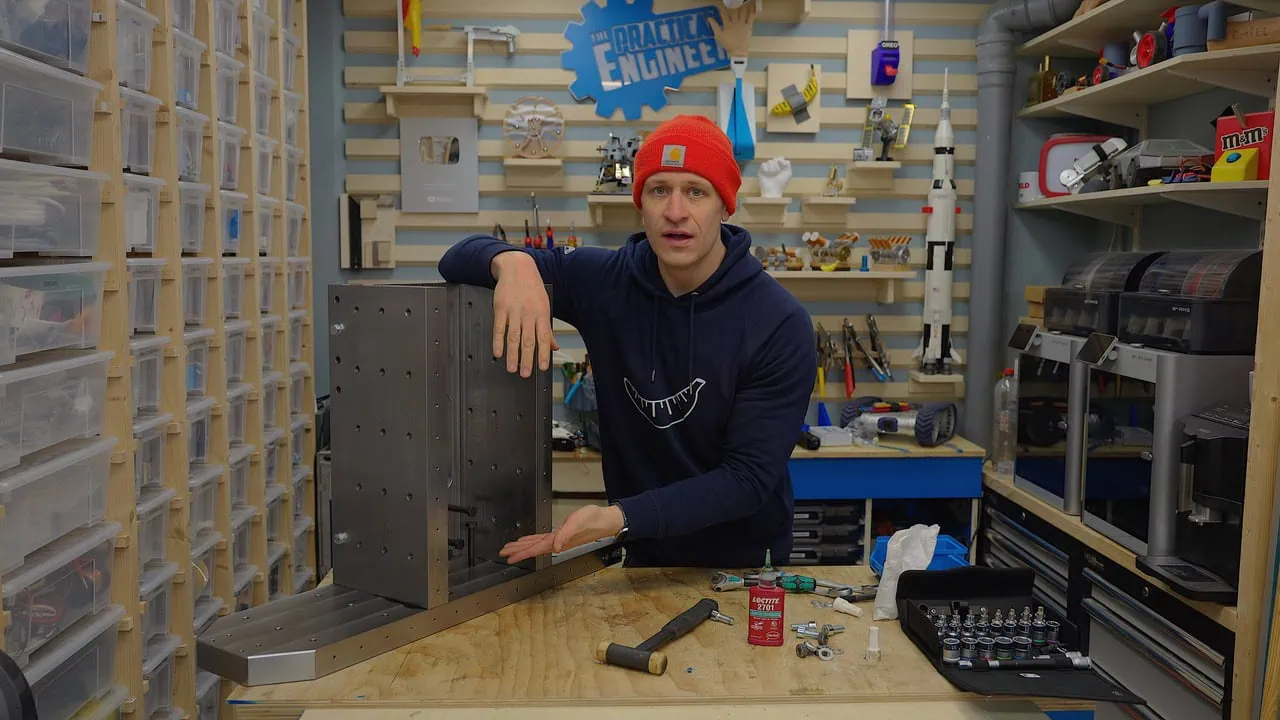
From Desktop Dreams to 400kg of Steel and Concrete: Building a High-Rigidity 5-Axis CNC
Machine Building
CNC Machining
Prototyping
Read Story
In the world of custom machine building, I’ve found there is a constant tug-of-war between theoretical performance and physical reality. As "The Practical Engineer," I dedicated this project to creating a 5-axis CNC machine that prioritizes rigidity over sheer speed.
Read Story
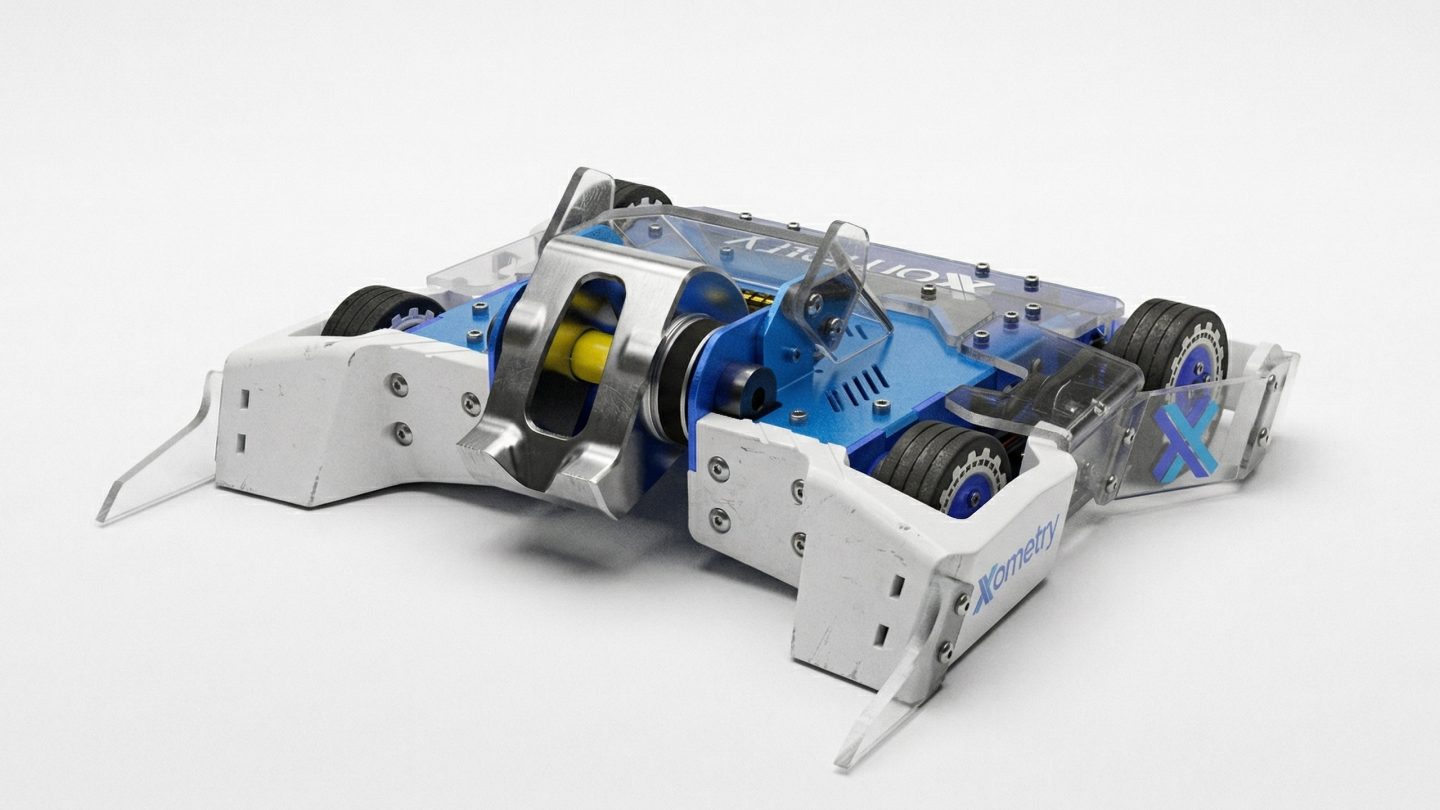

Torx Robot: The Story Behind Accu’s Engineering and Xometry’s Precision CNC Machining
Robotics
Machine Building
CNC Machining
Prototyping
Read Story
Go behind the scenes for the development of Torx: the combat robot built by Accu for FightFest 2026, with CNC machining support from Xometry. Explore the journey from the drawing board to the arena, showing how a combat robotics project takes shape, and see how Torx went on to win the official FightFest Championship trophy.
Read Story
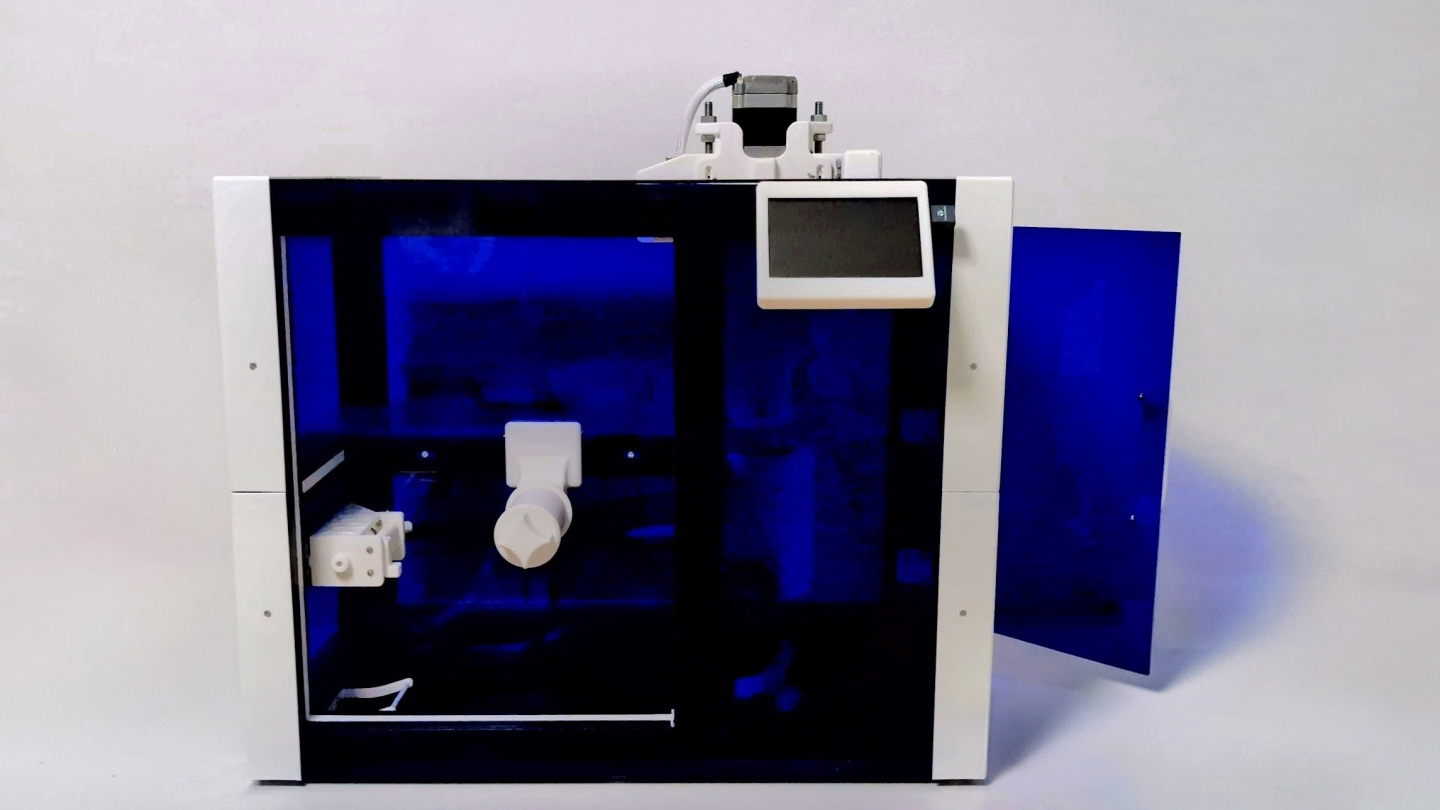

The Rethink of 3D Printing Waste and the Next Chapter of the Desktop Filament Recycler Story
Machine Building
3D Printing
CNC Machining
Prototyping
Read Story
By using agile testing and redesigning a double-sided support to resolve motor deformation and calibration challenges, the TGM student team successfully turned 3D printing waste into high-quality PLA filament.
Read Story
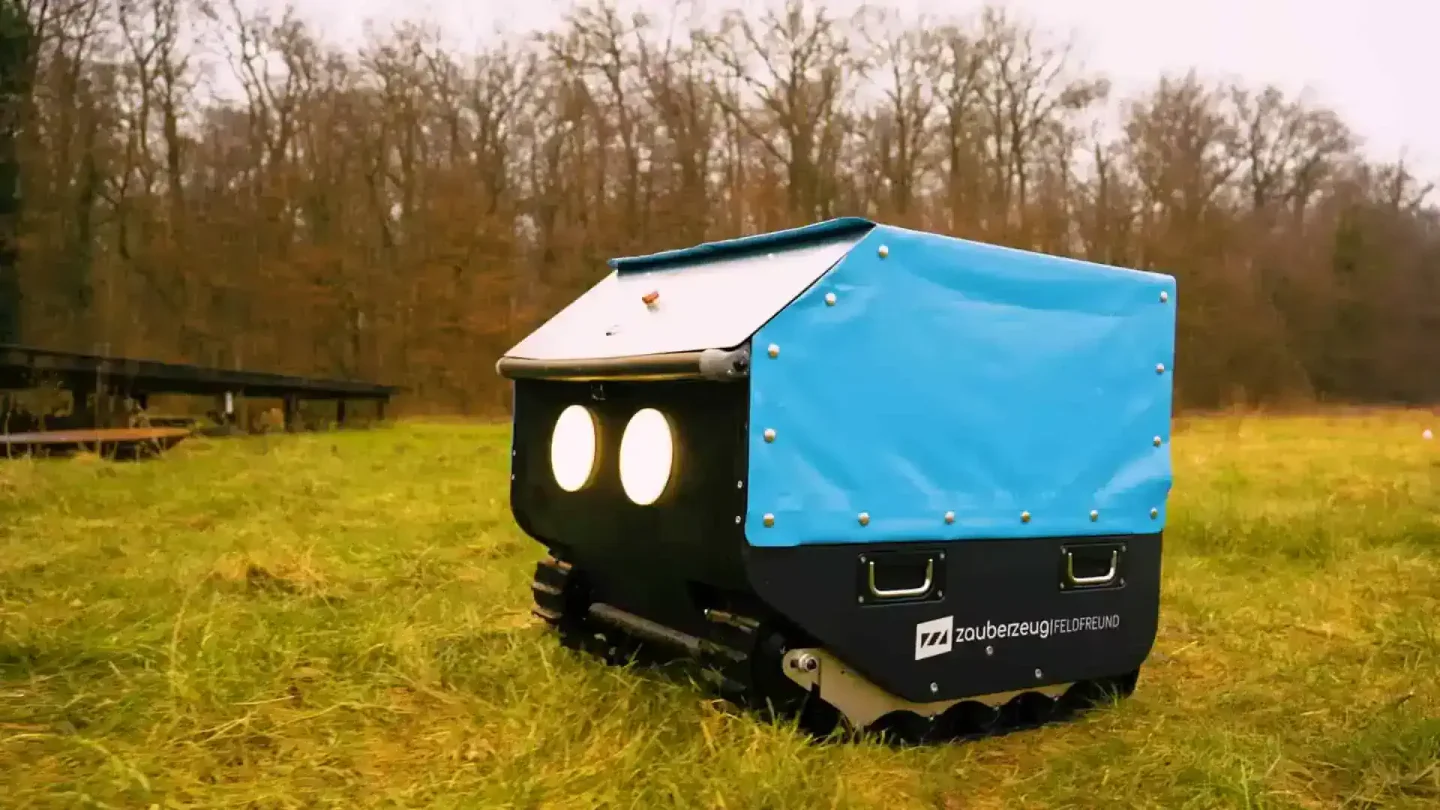
How Zauberzeug Uses Xometry for Fast and Efficient Sourcing of High-Tech Agricultural Robot Components
Robotics
Machine Building
CNC Machining
Procurement, Prototyping
Read Story
With Xometry, we have found a manufacturing partner that supports our development philosophy. The ability to quickly and precisely order small batches of parts gives us the freedom to iteratively improve our robots. This flexibility is essential to our innovation process.
Read Story
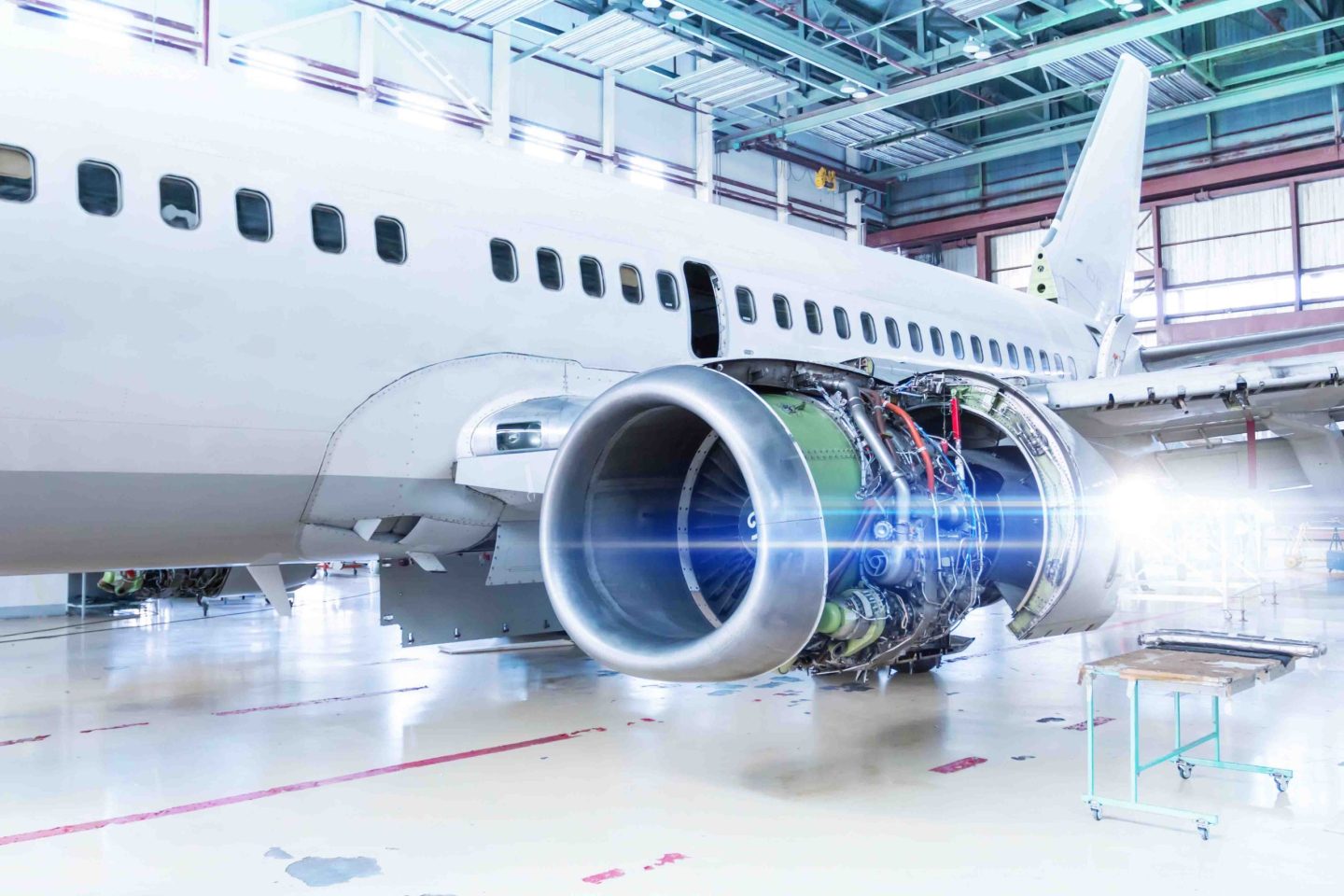

Aerospace Institute Speeds Up R&D with Xometry's On-Demand Complex Parts
Machine Building
3D Printing
CNC Machining
Prototyping
Read Story
In the past, developing non-standard devices was always complicated by the issue of tolerance matching between externally purchased standard parts and custom-machined components. Xometry's one-stop solution perfectly solved this pain point: they not only handled the complex metal 3D printing and sourcing of components but also delivered a finished product that had undergone precision assembly and adjustment. What we received was a functionally ready component that met our precision requirements. This efficient and worry-free delivery experience is exactly what R&D personnel need.
Read Story
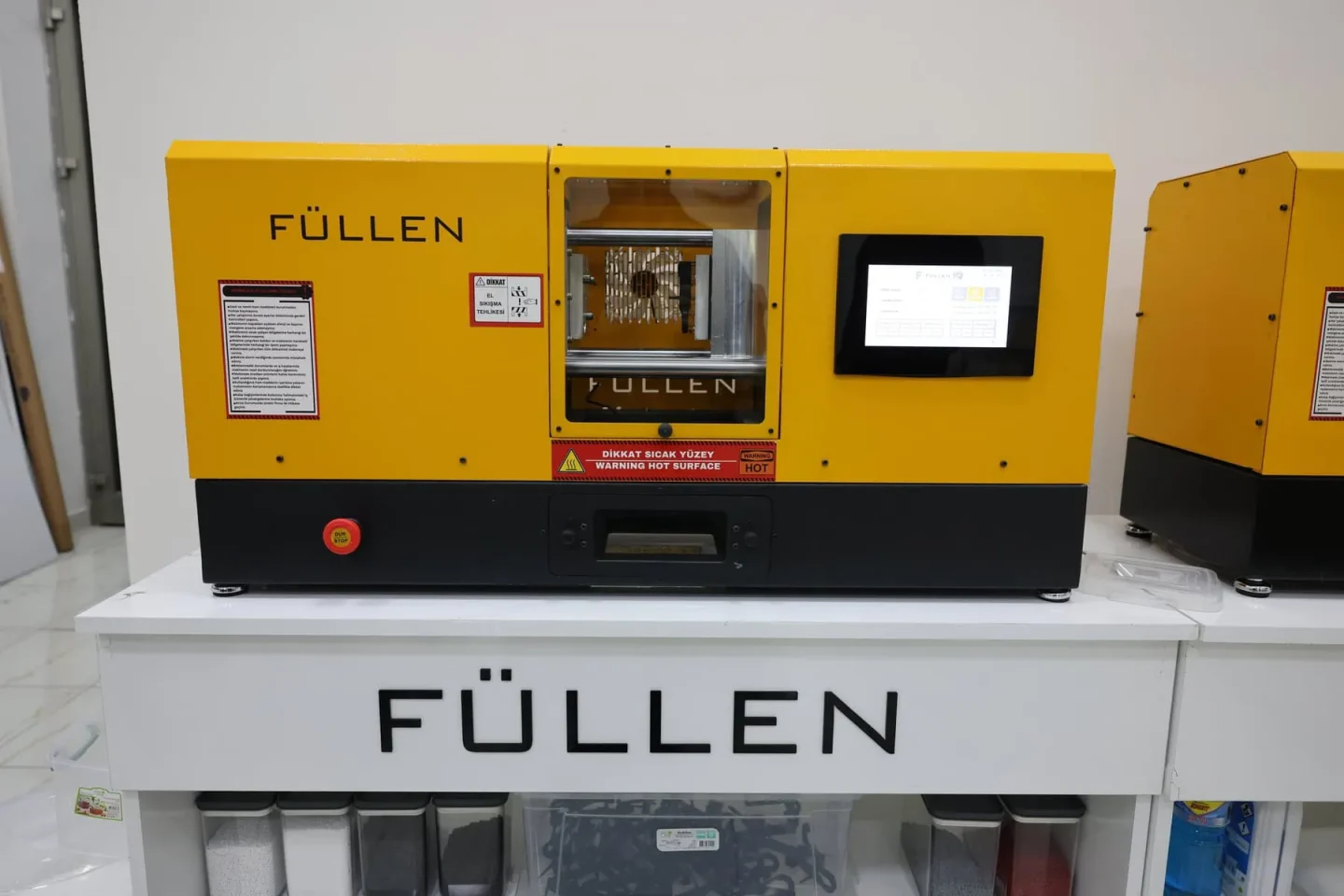

Füllen’s Desktop Plastic Injection Machine MiniMolder Manufactured with Xometry
Machine Building
CNC Machining
High-Volume Manufacturing
Read Story
We make the design, upload it to the Xometry Instant Quoting Engine. We see the price and delivery time immediately. Previously, we had to contact four or five different places separately. Now, we receive ready-to-assemble parts from a single channel.
Read Story
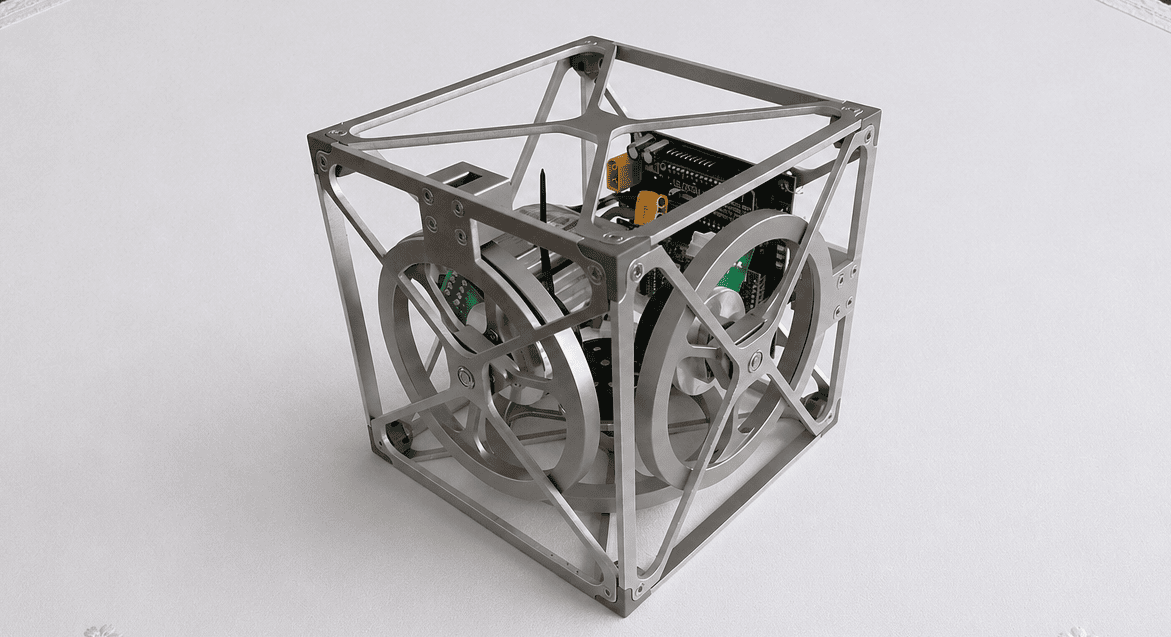
A Cube That Doesn’t Fall Over: The Making of a Self-Balancing Gyroscopic Cube
Machine Building
Sheet Metal
Prototyping
Read Story
The HTL team from Austria overcame mass distribution and precision challenges to successfully build Cubli, a self-balancing cube powered by reaction wheels and control algorithms.
Read Story
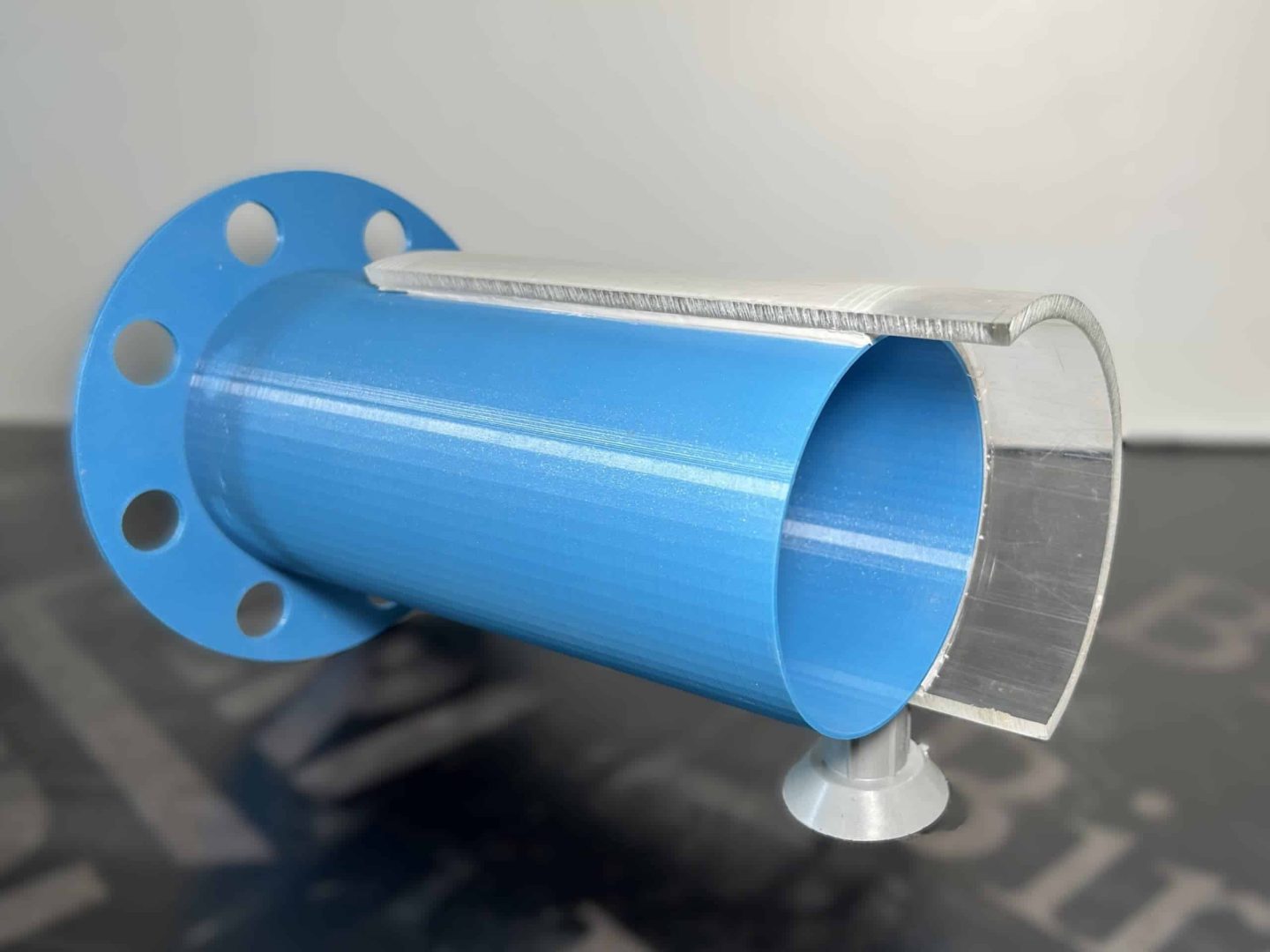
A New Era of Sealing for Wastewater Infrastructure: Xometry Supports Development of Universal Fittings for Pressure Pipelines
Machine Building
3D Printing
Prototyping
Read Story
Our development process begins with extensive brainstorming of potential shapes and sealing methods. 3D printing plays a key role at this stage, allowing us to quickly test different designs before determining the final production materials. Since the final materials are too costly and time-consuming for early prototype stages, we focus on creating small-scale test models in-house, then produce large prototypes through Xometry to ensure convenience and accuracy.
Read Story
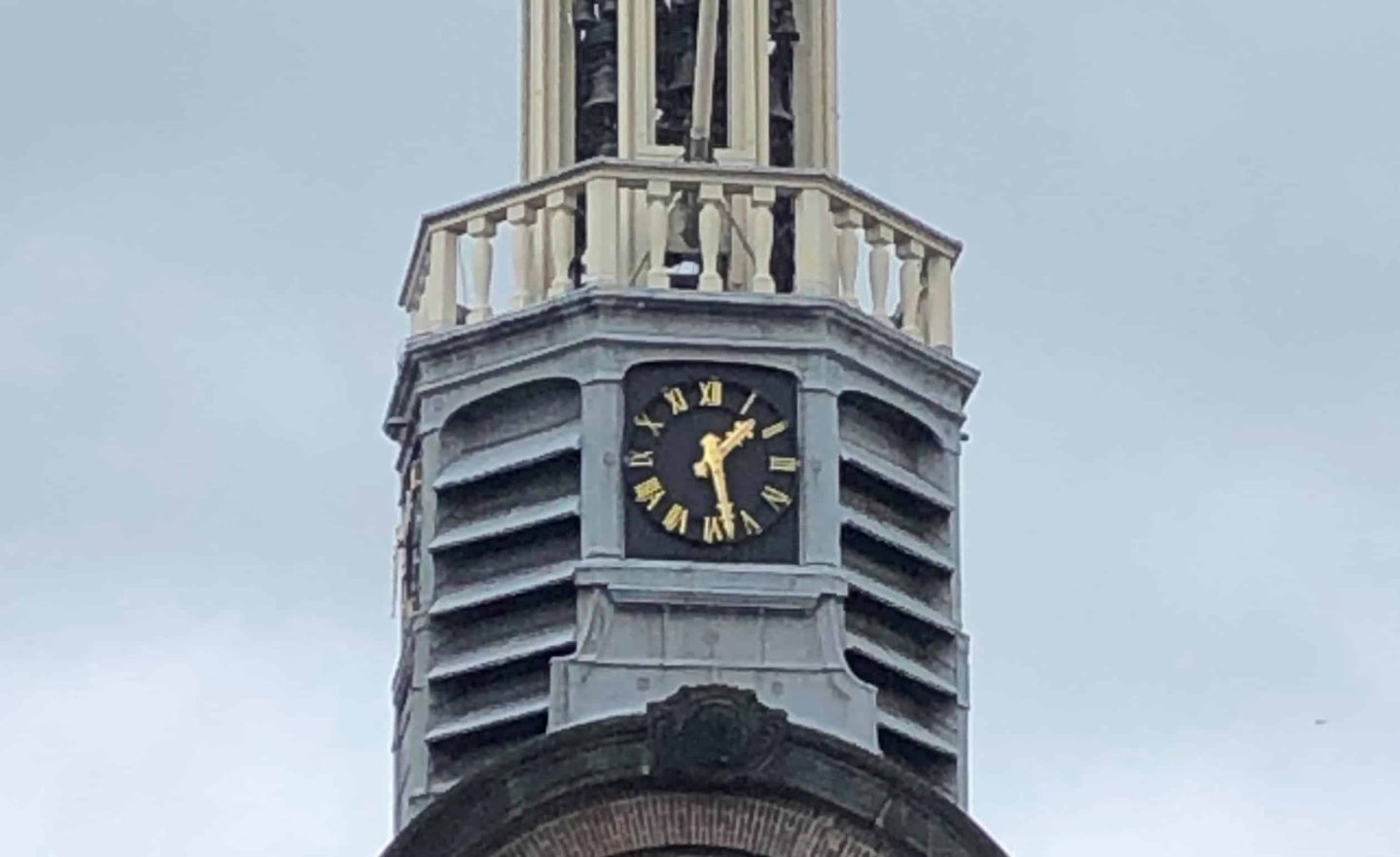
Recreating the Barentsz Clock: A Blend of Tradition and Modern Manufacturing
Machine Building
3D Printing
Prototyping
Read Story
The Horological Society continuously balances its respect for traditional craftsmanship with an openness to modern innovation. One such innovation is the use of 3D printing, which has become an invaluable tool for prototyping clock components in plastic. By sourcing high-quality 3D-printed parts through Xometry, we should be able to test designs efficiently before committing to metal production. This approach allows us to refine intricate mechanisms like gear assemblies with minimal waste and cost.
Read Story
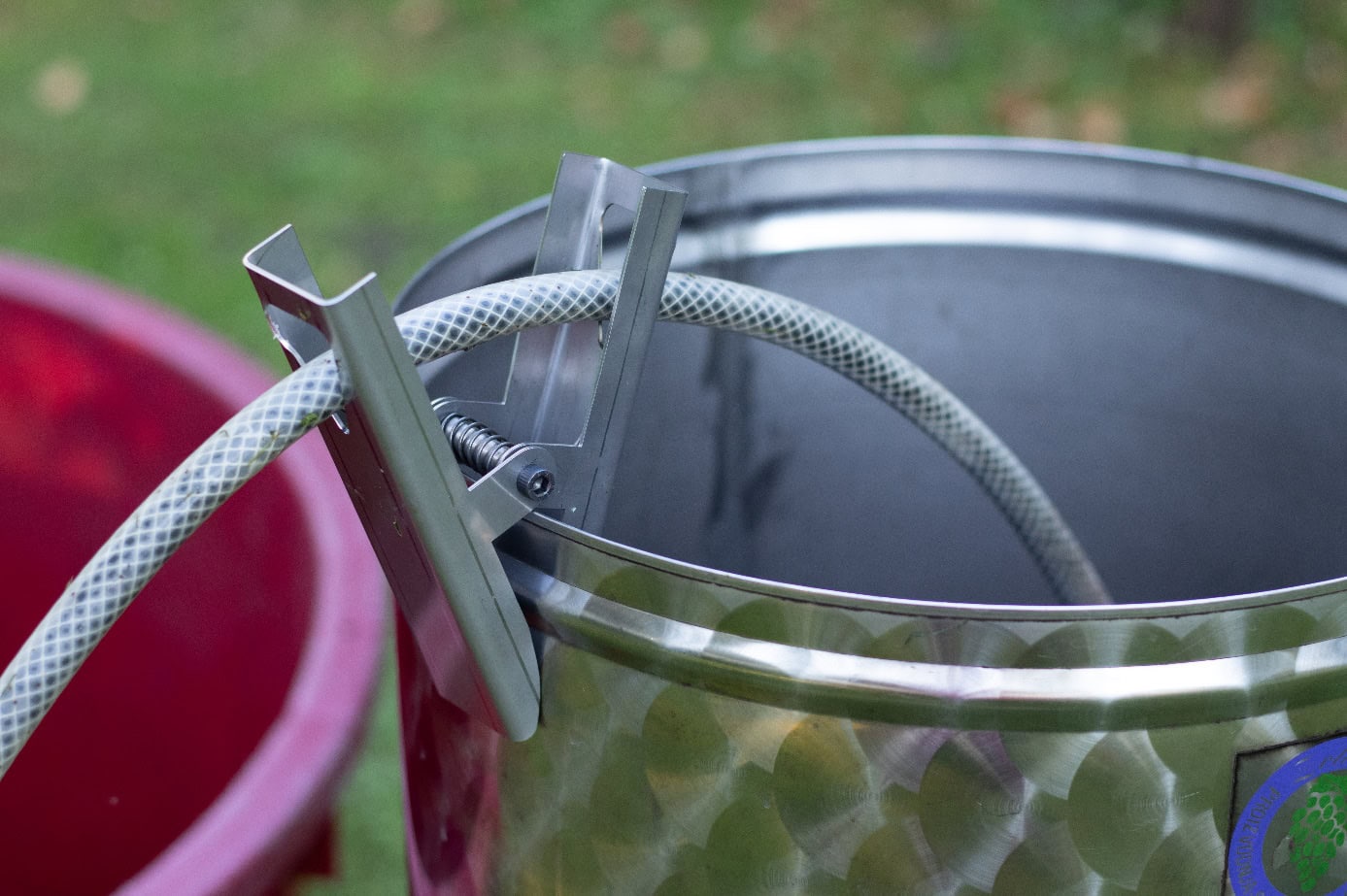

Designing a Hose Clip for the Beverage Industry: From Faculty Project to First Business Venture
Machine Building
Sheet Metal
Prototyping
Read Story
A student team from University of Maribor developed a stainless steel hose clip for the food and beverage industry, targeting wine and beer fermentation vessels. With Xometry's laser cutting service, they produced 1.5mm thick stainless steel sheet parts featuring elongated teardrop-shaped holes that pinch hoses at two points. The 80 × 45 × 170 mm design requires no lubrication, is food-safe, and grips vessel flanges securely without screws.
Read Story
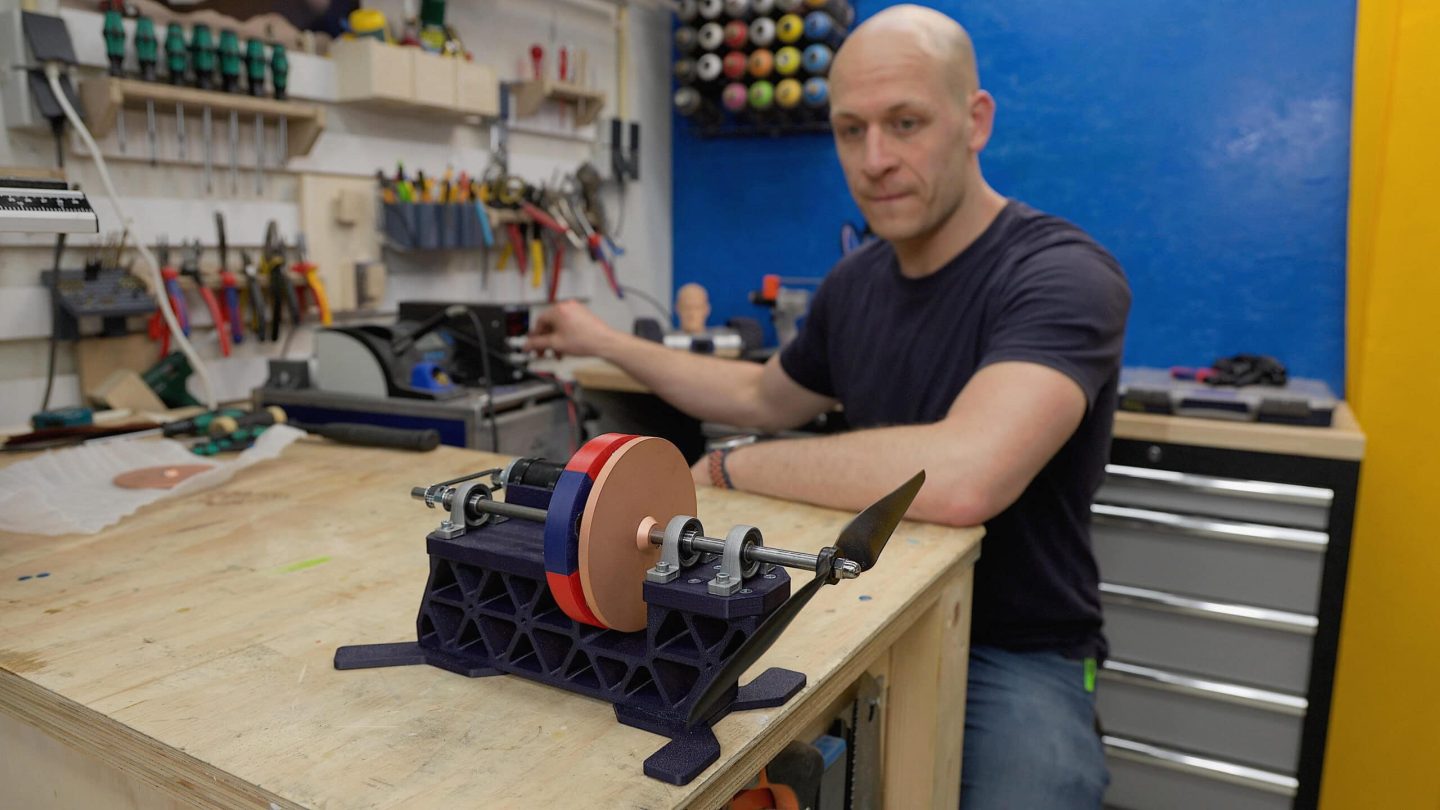

Exploring Magnetic Couplings: No Gears, No Belts, Just Magnets
Machine Building
3D Printing
Sheet Metal
R&D
Read Story
Emiel, an aerospace engineering graduate and creator of "The Practical Engineer" YouTube channel, built two magnetic coupling prototypes: magnet-to-magnet and magnet-to-copper using eddy currents. With Xometry's laser cutting service, he sourced copper plates of 3mm and 6mm thickness, discovering that the copper version enables smooth, self-regulating, non-contact torque transfer with 8mm gap capability.
Read Story