The HTL team from Austria overcame mass distribution and precision challenges to successfully build Cubli, a self-balancing cube powered by reaction wheels and control algorithms.
Industry
Machine Building
Country

Austria
Use case
Prototyping
Technology
Sheet Metal
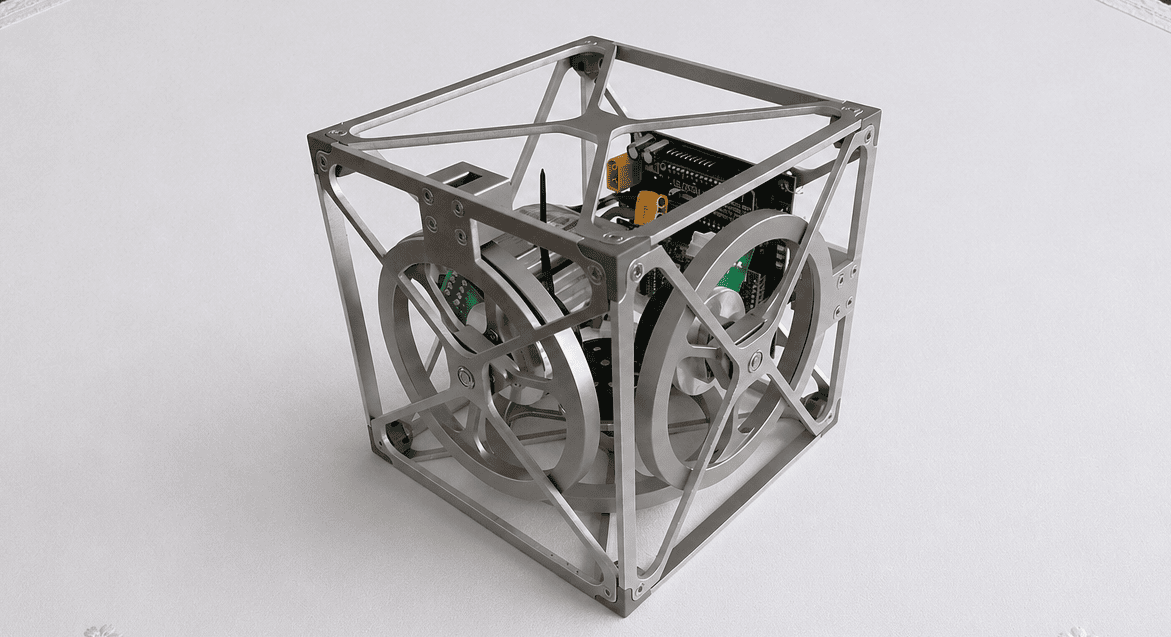
As part of the diploma thesis, students from HTL Hollabrunn built a Cubli, a self-balancing gyroscopic cube capable of stabilizing itself on an edge or corner using internal reaction wheels. Combining mechanical design, electronics, and control engineering, the project turned a complex robotics concept into a fully functional prototype.
Hi, I’m Timon Moser, and together with Alexander Moldaschl and Florian Fafilek from the Mechanical Design and Construction Department at HTL Hollabrunn, Austria, we developed a self-balancing gyroscopic cube as part of our diploma thesis.
The Idea: A Cube That Does Not Simply Fall Over
The project did not begin with a typical everyday problem, but with a technical challenge: Can a cube be stabilized using internal reaction wheels? The idea eventually evolved into a fully functional Cubli: a compact system that combines mechanical design, electronics, and control engineering.
A Cubli is a gyroscopic cube that can balance on an edge or corner using rotating flywheels. A sensor detects the cube’s position, a microcontroller processes the data, and controls the motors. By changing the flywheels’ rotational speed, reaction torques are generated that help restore the cube’s balance.
For the team, the project was especially exciting because it combined several disciplines: mechanics, electronics, software, and control engineering. I was particularly interested in working on a project that was not only theoretical, but could actually be built and made to work.
From a 2D Test Setup to a 3D Cubli
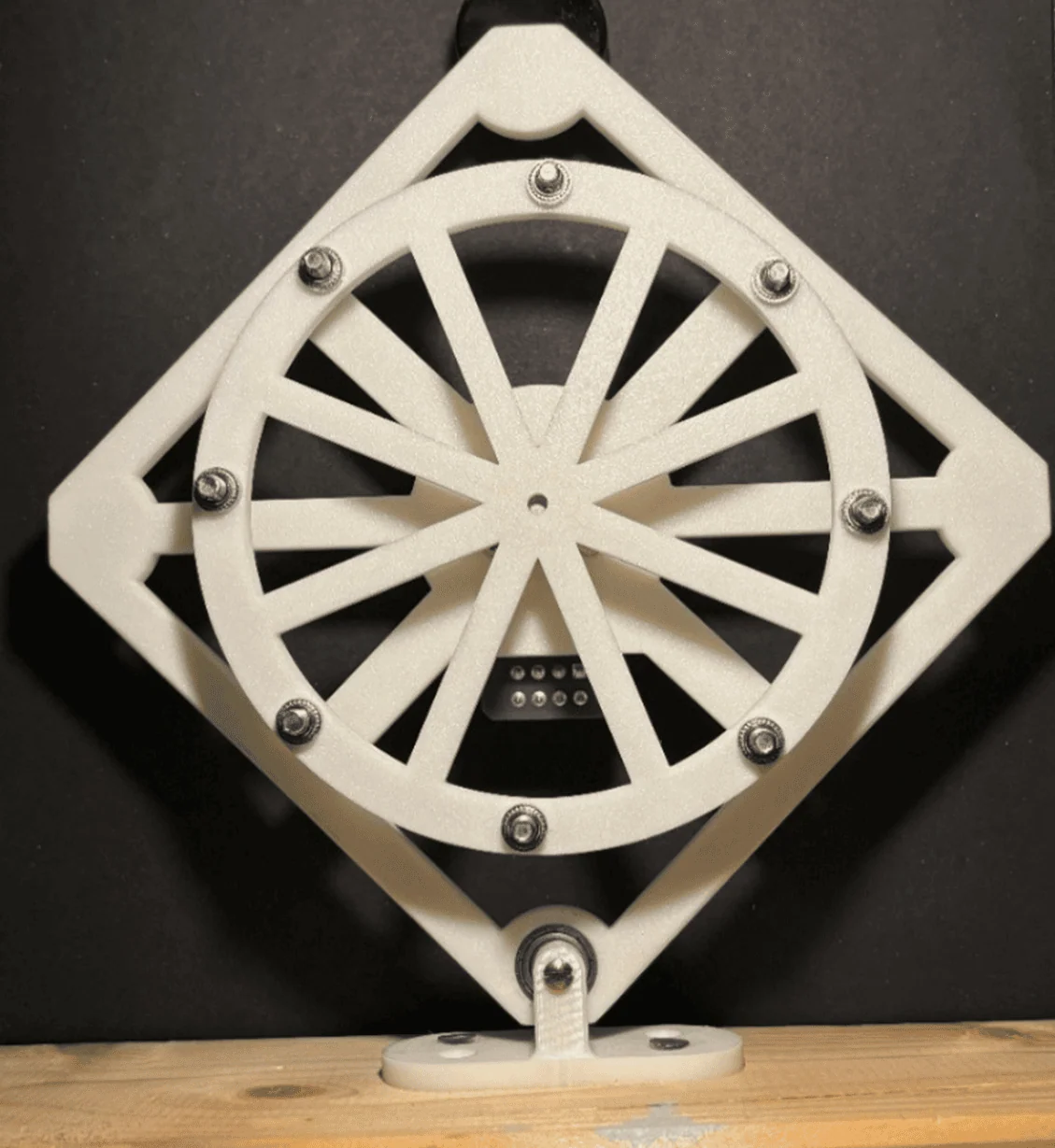
Before building the complete 3D cube, our team first developed a two-dimensional test setup. This reduced the complexity to a single tilting axis and made the basic principle easier to control: one frame, one motor, one reaction wheel, and one defined axis of rotation.
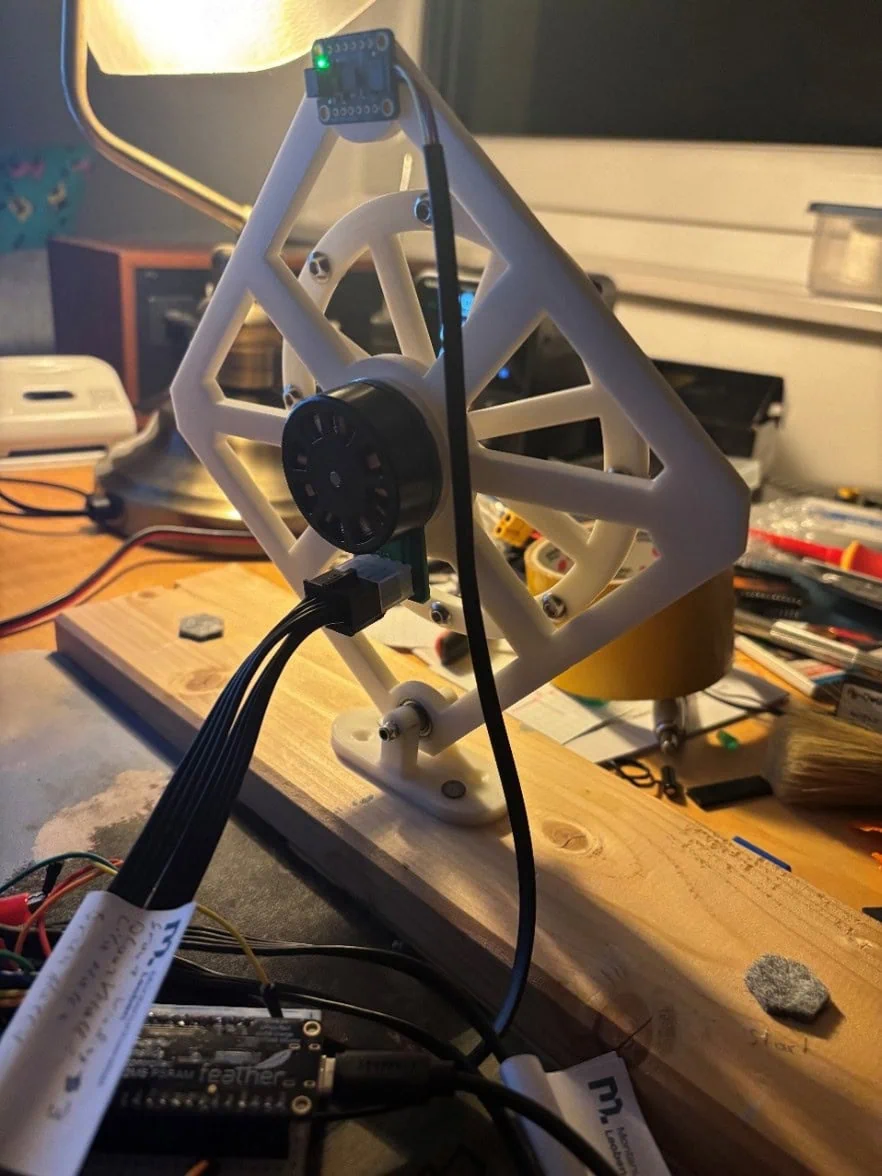
Prototype setup with electronics
This intermediate step was crucial. The 2D setup helped to understand the behavior of a single reaction wheel, observe the mass distribution, and identify potential design issues at an early stage. Only then was the principle transferred to three spatial axes.
The final 3D Cubli consists of six rectangular frame parts that form the cube. Inside are three orthogonally arranged reaction wheels, motors, motor mounts, torque transmission components, and the electronics, including the PCB. Each axis must be able to act independently without colliding with the other wheels or components.
Design: When the Center of Gravity Determines Functionality
In a project like this, success does not depend only on whether all parts fit together. What matters just as much is where the mass is located.
When balancing, the Cubli is in an unstable equilibrium position. Even small deviations in the center of gravity can create additional tipping moments and make control more difficult. That is why the heavy components had to be positioned as close to the center as possible. At the same time, the cube needed sufficient space for motors, reaction wheels, bearings, torque-transmission components, and electronics.
I was mainly responsible for the mechanical part of the project. Alexander handled the software and PCB design, while Florian handled the electronics, calculations, wiring, and assembly. This clear distribution of responsibilities was important because mechanics, electronics, and control engineering directly interact in this project.
The most important mechanical components included:
- Frame parts as the supporting structure
- Reaction wheels to generate angular momentum
- Motor mounts
- Torque transmission components
- Bearings and connecting elements
- 3D-printed corner elements
- PCB and electronic components
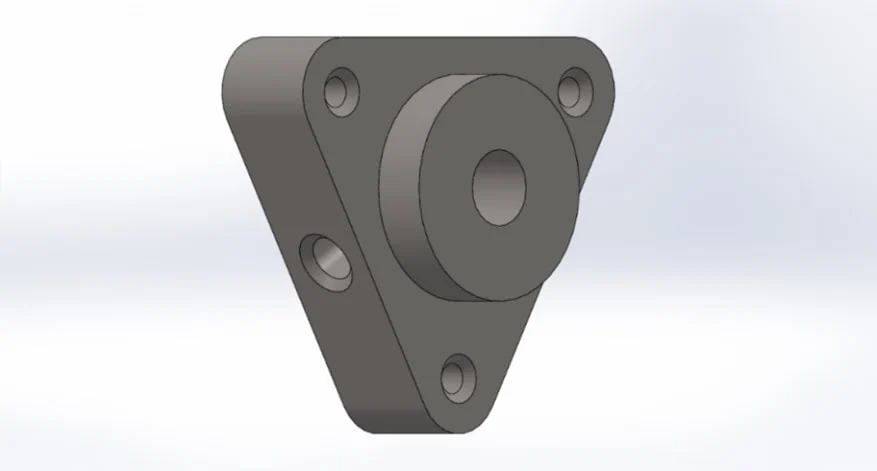
CAD model of the torque transmission component
The biggest challenge was coordinating all mechanical components in such a way that the setup would actually work later and fit together precisely.
Laser-Cut Frame Parts as a Stable Foundation
For the frame parts we chose laser cutting. These components form the basic structure of the cube and had to be lightweight, stable, and precisely manufactured. Aluminum was the obvious choice because it offers a good combination of low weight and sufficient stability.
The laser-cut frame parts were manufactured with support by Xometry. For our team, not only was the manufacturing itself important, but also the fast and straightforward process. In a diploma thesis, time is limited. Quotes, decisions, and manufacturing steps, therefore, need to fit together quickly.
For our team, this was practical help and proof that companies take technical student projects seriously. In a project with a limited budget and tight schedule, a reliable manufacturing partner can make a decisive difference. Beyond a clean finish, the frame parts had to ensure precise mechanical assembly.
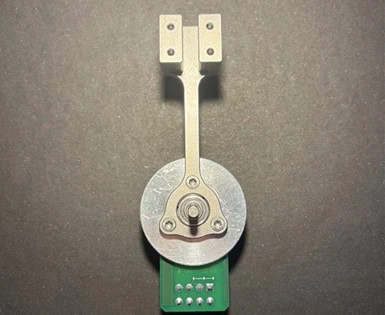
Assembly steps of the gyroscopic cube using laser-cut aluminum parts and the reaction wheel
Challenges: Small Manufacturing Details with Major Consequences
As with many technical projects, the gyroscopic cube also showed that the most important lessons often do not appear in the CAD model, but during real assembly.
One particular challenge was cutting threads in stainless steel components. The thread taps broke off and got stuck in the motor mount and torque transmission parts. As a result, some threads could not be completed initially. The problem was not only frustrating but also blocked further mechanical assembly.
We looked for external solutions and learned how important design for manufacturability really is. Some holes could have been adjusted earlier, certain thread depths proved unfavorable for manual machining, and small details had a greater impact than expected.
This became one of the project’s most important lessons: even small design decisions can later have major consequences for manufacturing, assembly, and functionality.
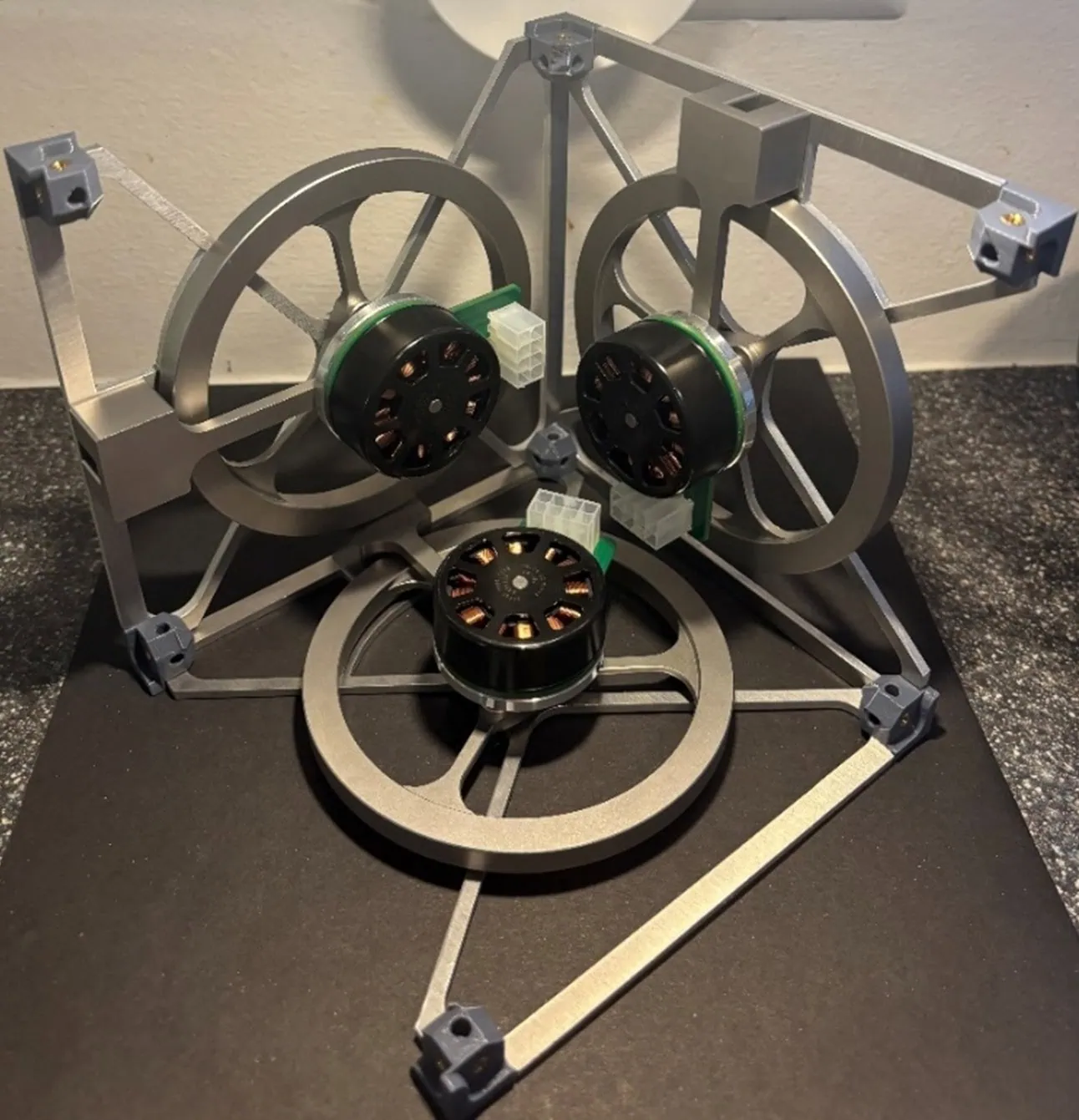
Where the Project Leads Next
In the end, the result is not only a technical demonstrator but a project that closely connects theory and practice. The team built a functional 2D test setup, completed the final mechanical and electrical assembly of the 3D Cubli, and gained valuable experience in design, manufacturing, electronics, and project work.
For me it was especially motivating to see an idea gradually turn into a physical system. What excites me most is that, in the end, you have a real functioning system in front of you and not just a theoretical concept.
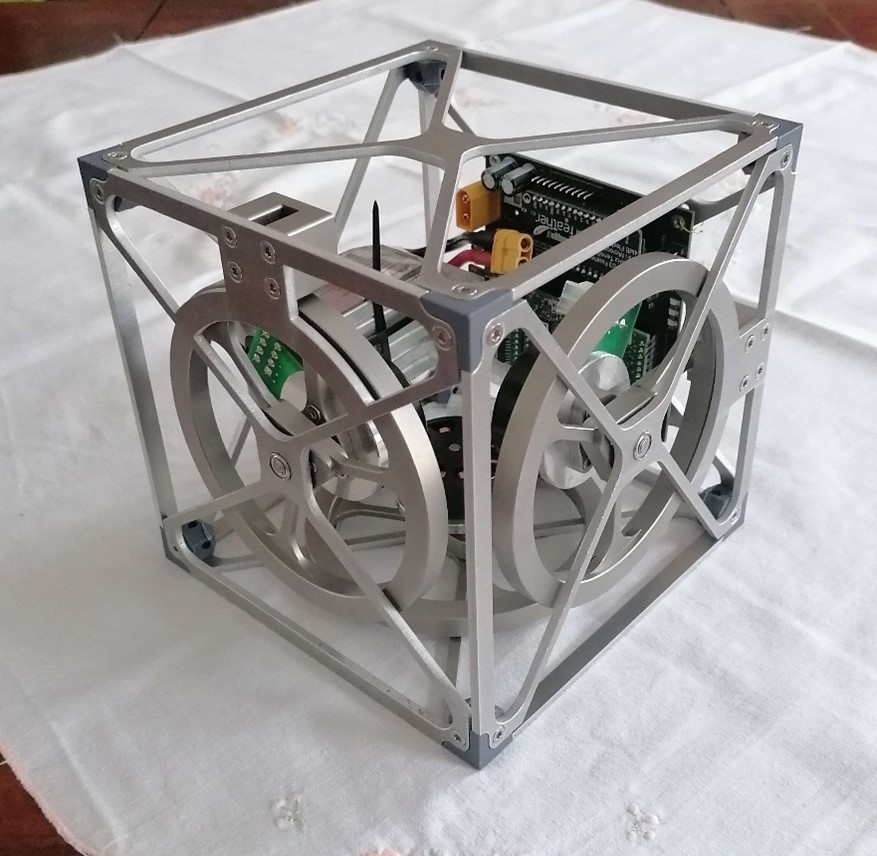
The next steps are the full implementation and testing of the stabilization system. One possible future development would be enabling the Cubli to stand itself up autonomously.
The most important insight, however, is already clear: technical projects rarely work without detours. And that is exactly what makes them valuable. Planning, precision, and clean design are important – but so is the ability to react flexibly to problems and keep going.
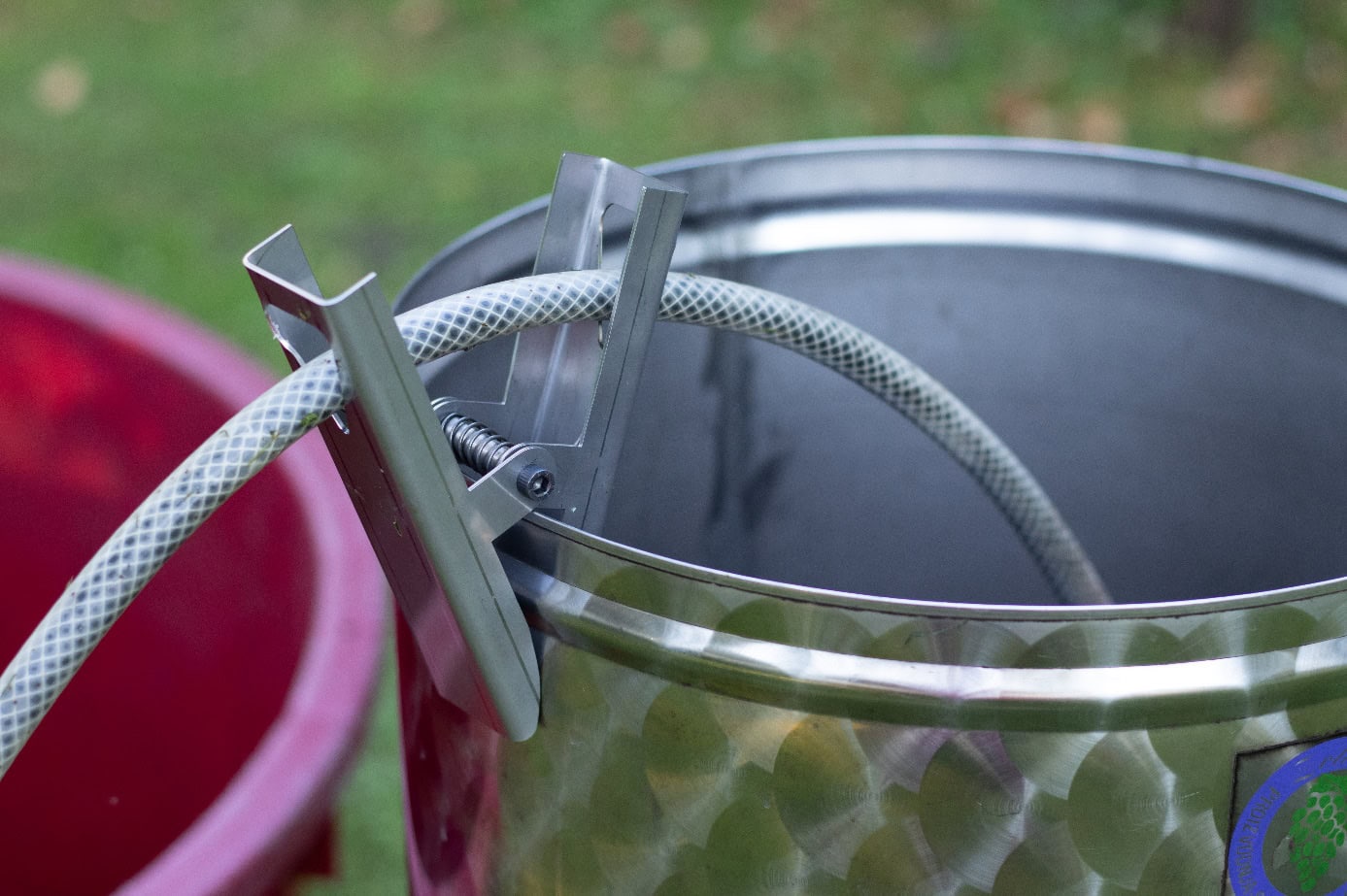

Designing a Hose Clip for the Beverage Industry: From Faculty Project to First Business Venture
Machine Building
Sheet Metal
Prototyping
Read Story
A student team from University of Maribor developed a stainless steel hose clip for the food and beverage industry, targeting wine and beer fermentation vessels. With Xometry's laser cutting service, they produced 1.5mm thick stainless steel sheet parts featuring elongated teardrop-shaped holes that pinch hoses at two points. The 80 × 45 × 170 mm design requires no lubrication, is food-safe, and grips vessel flanges securely without screws.
Read Story
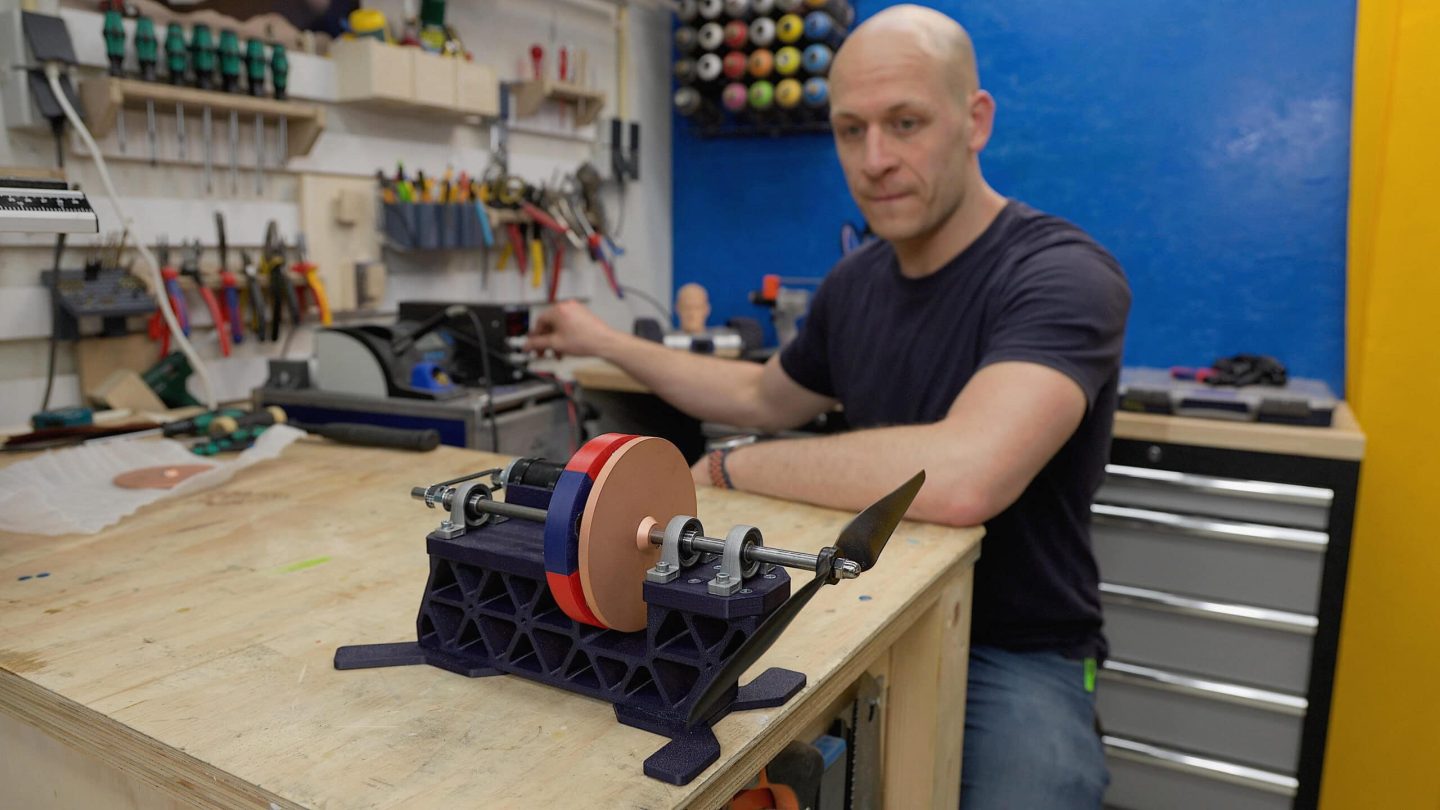

Exploring Magnetic Couplings: No Gears, No Belts, Just Magnets
Machine Building
3D Printing
Sheet Metal
R&D
Read Story
Emiel, an aerospace engineering graduate and creator of "The Practical Engineer" YouTube channel, built two magnetic coupling prototypes: magnet-to-magnet and magnet-to-copper using eddy currents. With Xometry's laser cutting service, he sourced copper plates of 3mm and 6mm thickness, discovering that the copper version enables smooth, self-regulating, non-contact torque transfer with 8mm gap capability.
Read Story
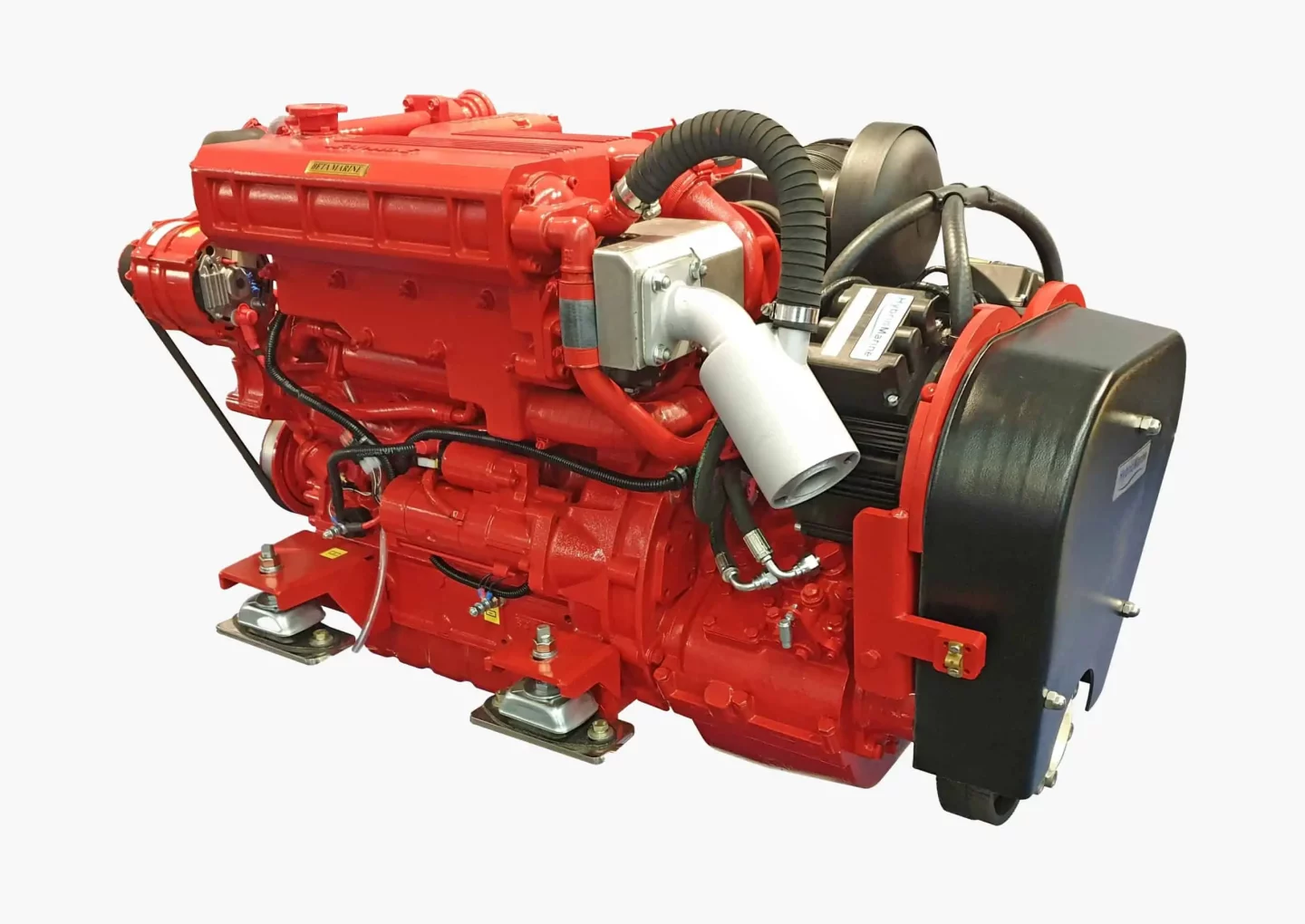

Hybrid engines for the marine industry produced faster with on-demand manufacturing
Machine Building
CNC Machining
Sheet Metal
Procurement, R&D
Read Story
With Xometry, we don’t have to go through that,” referring to simplified and faster quoting and manufacturing.
Read Story

Revolutionary tunnel-boring machine made with on-demand manufacturing wins the Not-A-Boring Competition
Machine Building
CNC Machining
Sheet Metal
Prototyping
Read Story
he project had a very ambitious timeline since we had to plan, produce, test and ship our complex machine all within one year. The short and scheduled delivery times from Xometry were a great help in achieving this. We were also really satisfied with the quality of the parts provided by Xometry.
Read Story
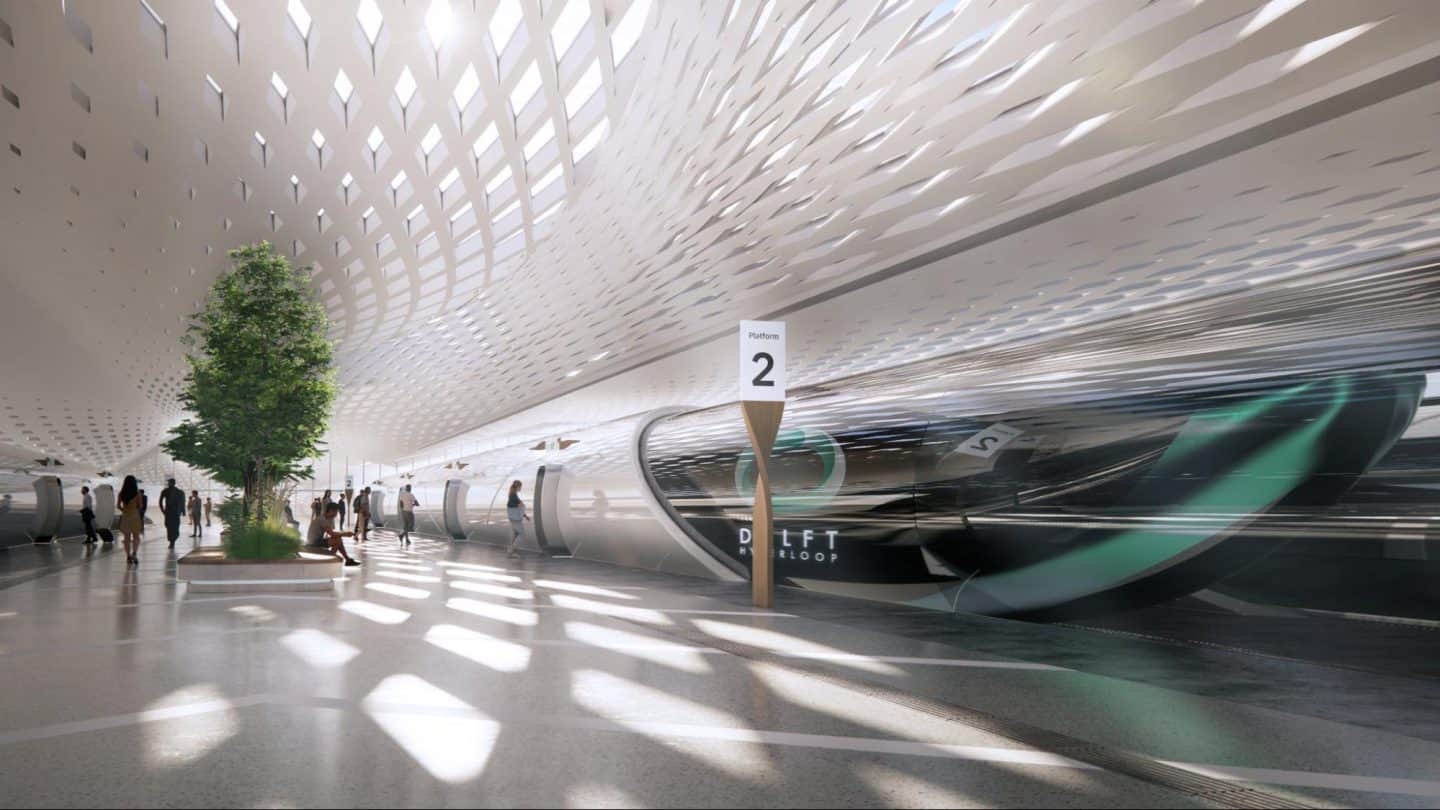

Delft Hyperloop and Xometry Collaborate to Revolutionise Sustainable Travel Through High-Precision Manufacturing
Machine Building
E-Mobility
CNC Machining
Sheet Metal
Procurement, Prototyping, R&D
Read Story
We obtained around 3200 sheet metal parts and they were perfectly within tolerance. As a student team supplied entirely by partnerships, we were especially satisfied with the cost-quality ratio provided by Xometry.
Read Story
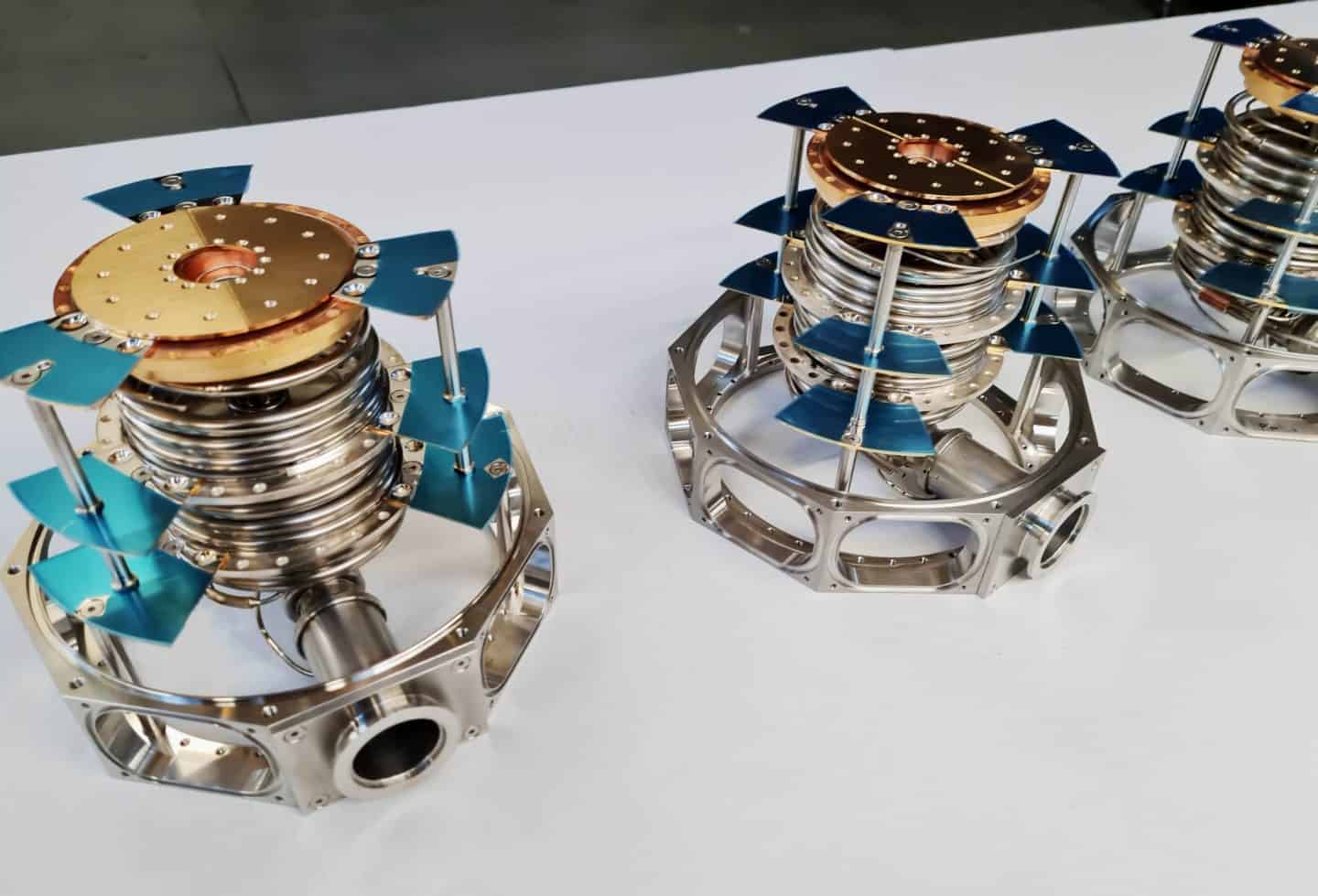
Xometry Supports Qinu in Manufacturing High-Tech Cooling Systems for Industry and Research
Machine Building
Electronic
CNC Machining
Sheet Metal
Procurement, High-Volume Manufacturing, R&D
Read Story
With regular manufacturers, you have to wait a week to 10 days before you even get a quote, but Xometry is usually already in the middle of production by then.
Read Story
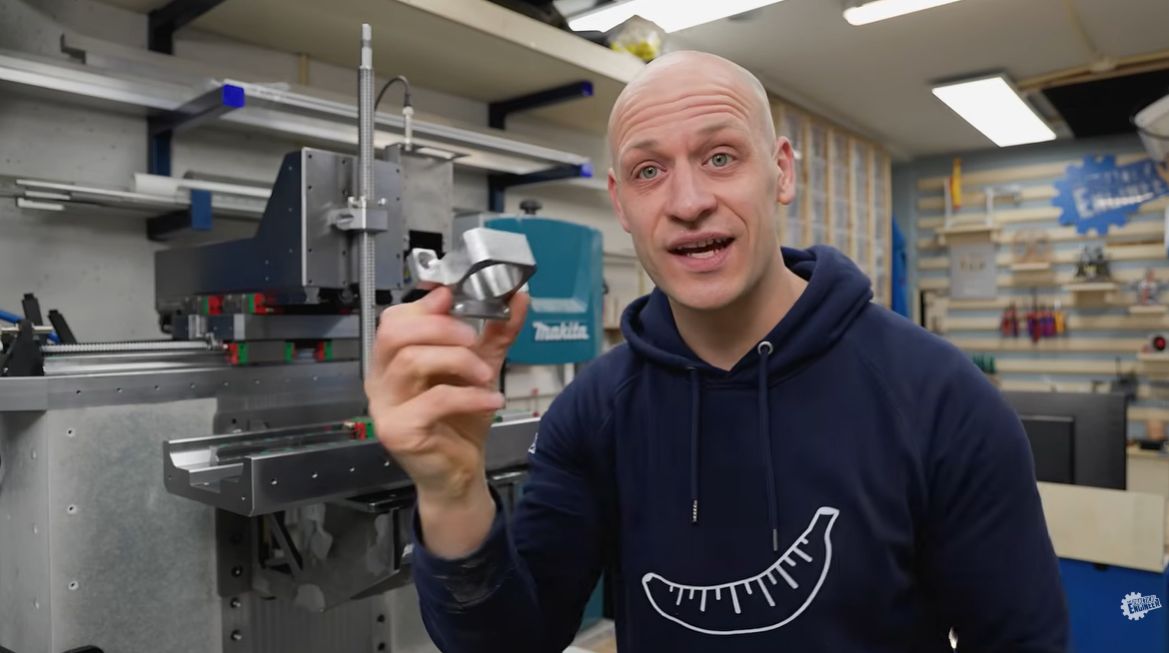
The 1-Millimetre Fix: How One Custom CNC Part Saved My 5-Axis Build
Machine Building
CNC Machining
Prototyping
Read Story
Building a CNC machine from scratch is full of moments where you find out whether your design actually works, or whether it only worked inside CAD. In the world of custom machine building, the transition from a digital model to physical assembly is rarely seamless. This was one of those moments.
Read Story
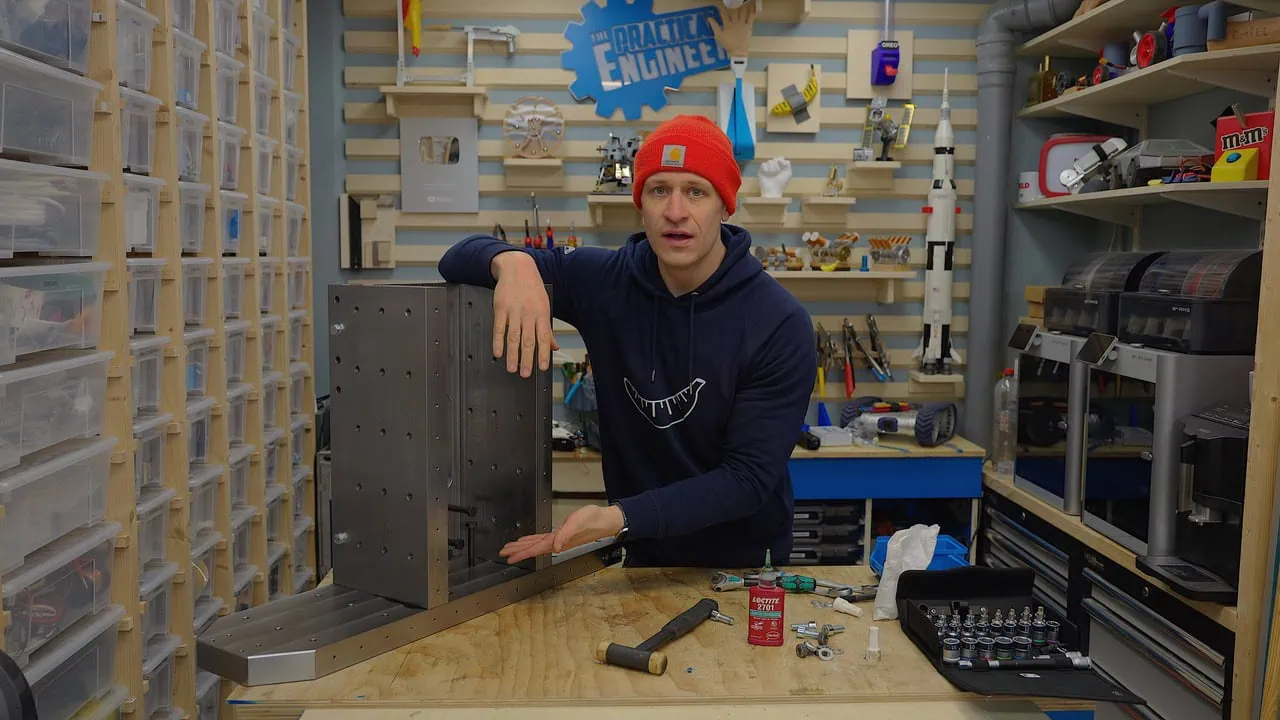
From Desktop Dreams to 400kg of Steel and Concrete: Building a High-Rigidity 5-Axis CNC
Machine Building
CNC Machining
Prototyping
Read Story
In the world of custom machine building, I’ve found there is a constant tug-of-war between theoretical performance and physical reality. As "The Practical Engineer," I dedicated this project to creating a 5-axis CNC machine that prioritizes rigidity over sheer speed.
Read Story
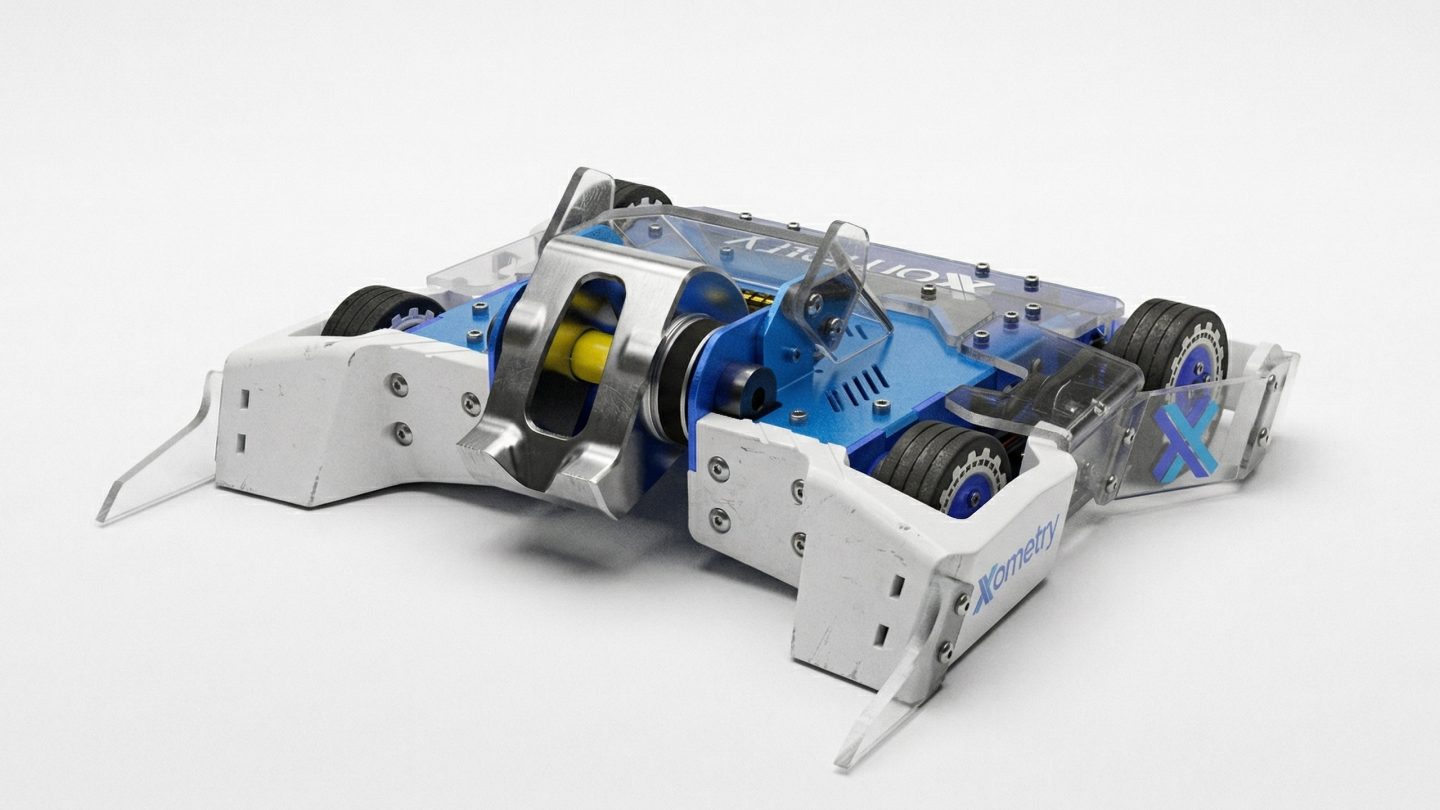
Torx Robot: The Story Behind Accu’s Engineering and Xometry’s Precision CNC Machining
Robotics
Machine Building
CNC Machining
Prototyping
Read Story
Go behind the scenes for the development of Torx: the combat robot built by Accu for FightFest 2026, with CNC machining support from Xometry. Explore the journey from the drawing board to the arena, showing how a combat robotics project takes shape, and see how Torx went on to win the official FightFest Championship trophy.
Read Story
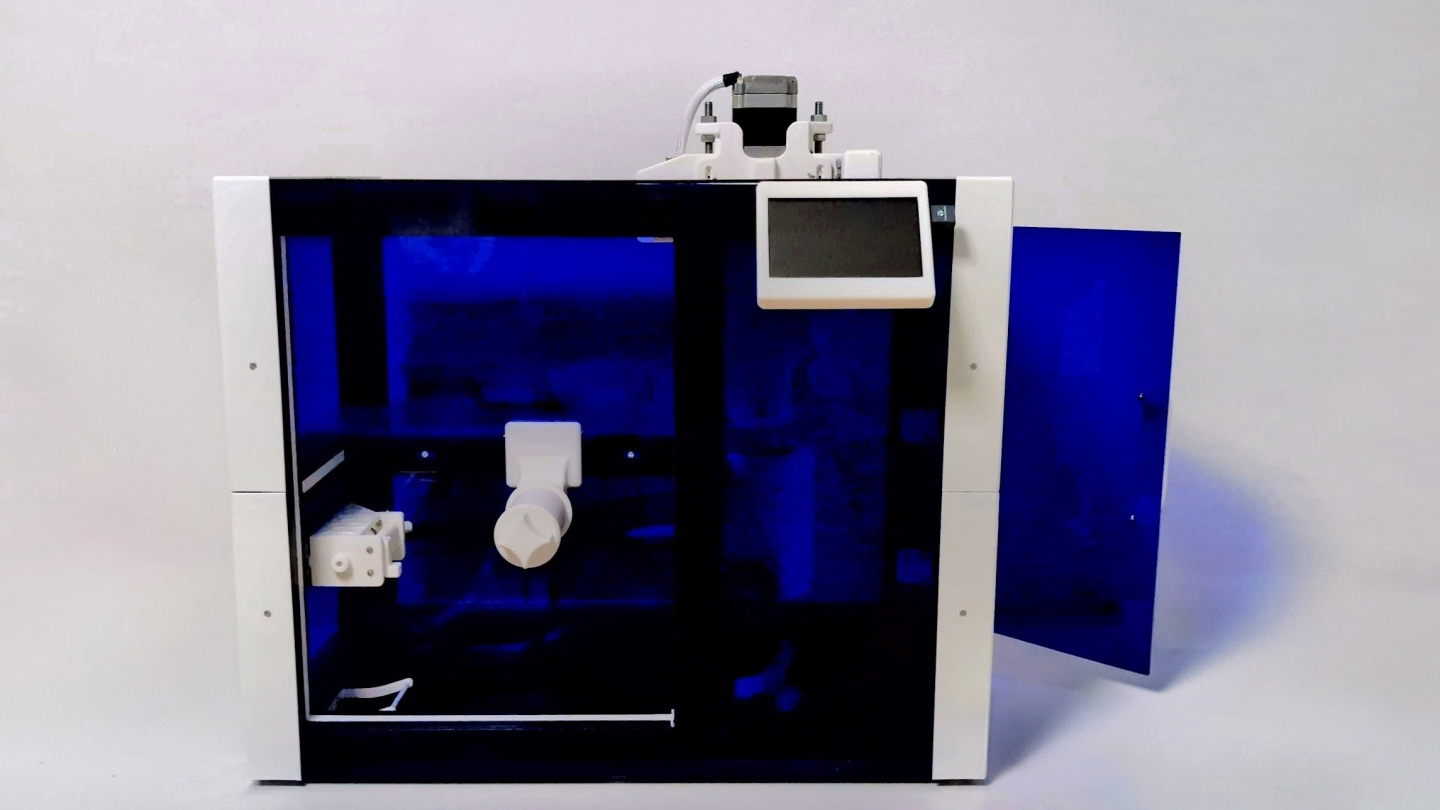
The Rethink of 3D Printing Waste and the Next Chapter of the Desktop Filament Recycler Story
Machine Building
3D Printing
CNC Machining
Prototyping
Read Story
By using agile testing and redesigning a double-sided support to resolve motor deformation and calibration challenges, the TGM student team successfully turned 3D printing waste into high-quality PLA filament.
Read Story
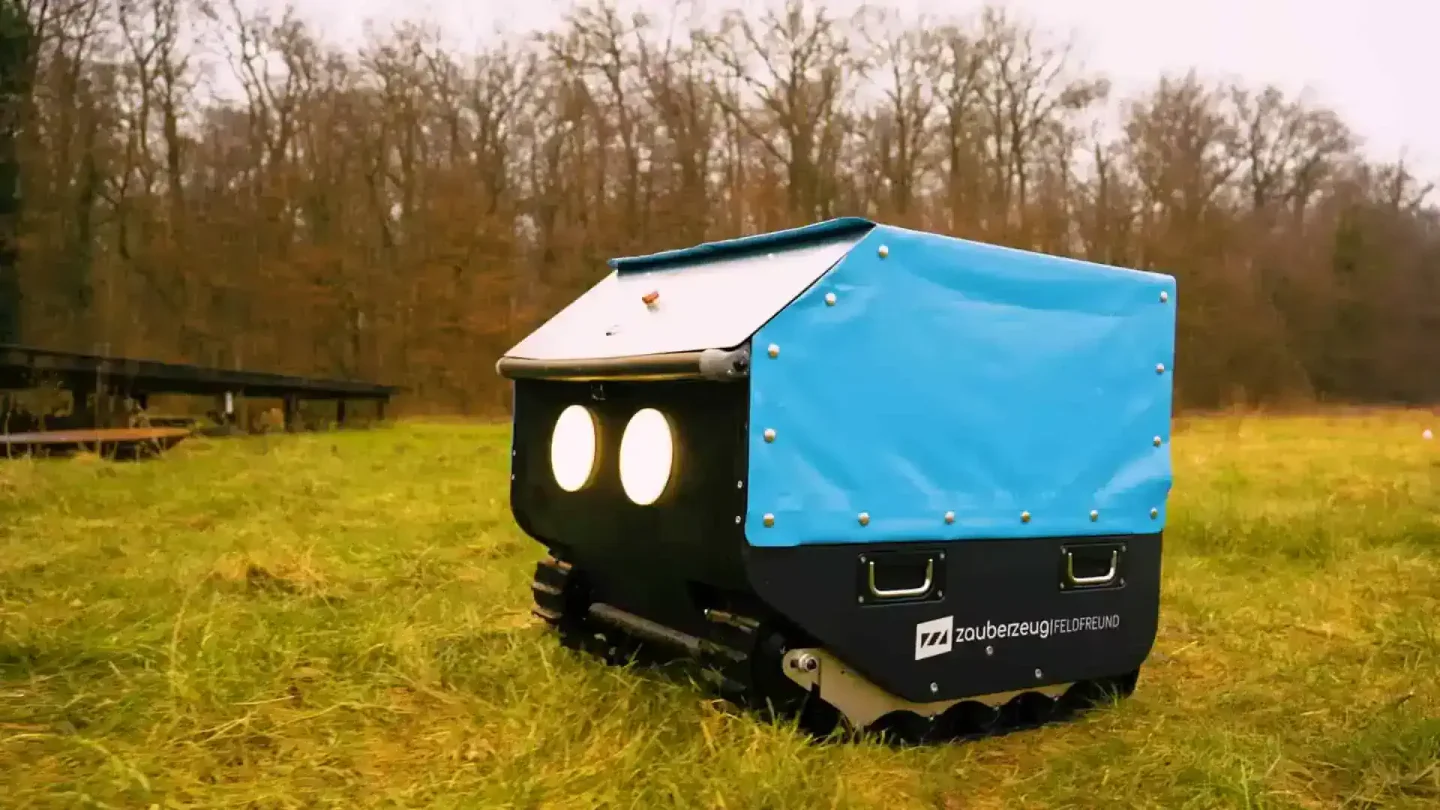
How Zauberzeug Uses Xometry for Fast and Efficient Sourcing of High-Tech Agricultural Robot Components
Robotics
Machine Building
CNC Machining
Procurement, Prototyping
Read Story
With Xometry, we have found a manufacturing partner that supports our development philosophy. The ability to quickly and precisely order small batches of parts gives us the freedom to iteratively improve our robots. This flexibility is essential to our innovation process.
Read Story
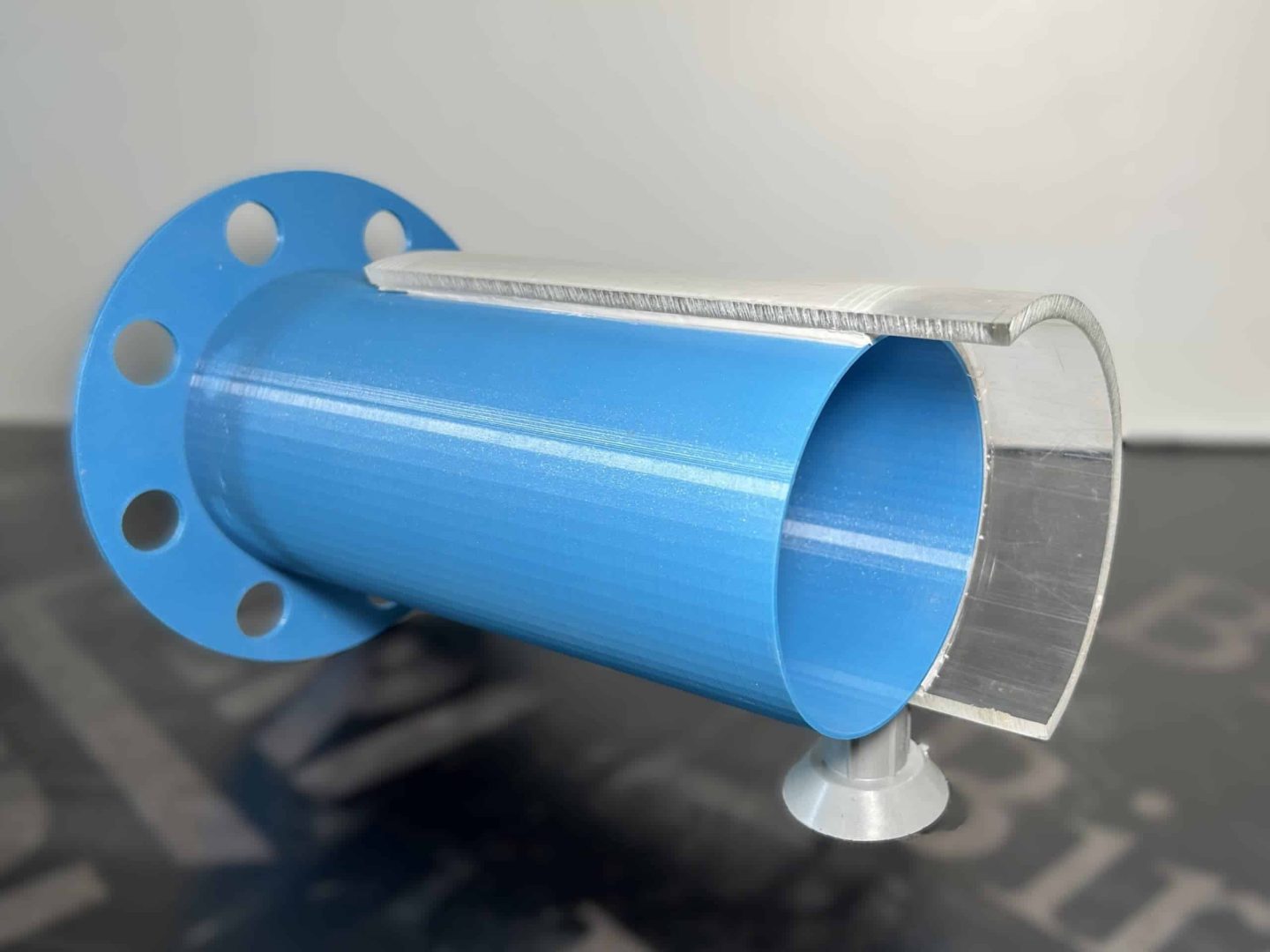
A New Era of Sealing for Wastewater Infrastructure: Xometry Supports Development of Universal Fittings for Pressure Pipelines
Machine Building
3D Printing
Prototyping
Read Story
Our development process begins with extensive brainstorming of potential shapes and sealing methods. 3D printing plays a key role at this stage, allowing us to quickly test different designs before determining the final production materials. Since the final materials are too costly and time-consuming for early prototype stages, we focus on creating small-scale test models in-house, then produce large prototypes through Xometry to ensure convenience and accuracy.
Read Story