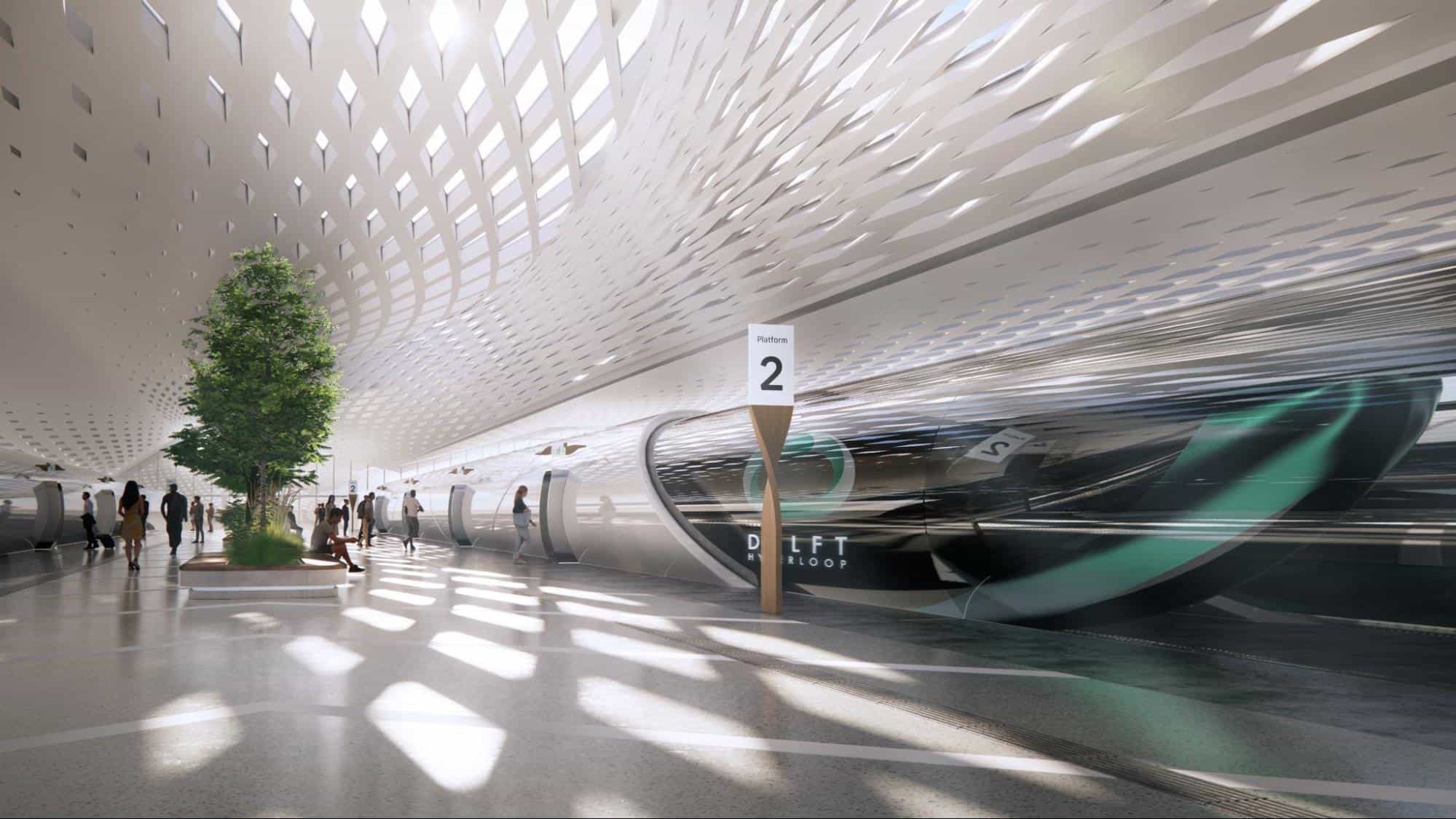
Delft Hyperloop, a student team from Delft University of Technology, develops Hyperloop pod technology for near-vacuum tube transportation. With Xometry's sheet metal fabrication, they produced 3,180 stator sheets (3mm thick each) from regular construction steel, bolted together to form a 50-meter, 50kg track segment for the linear flux-switching permanent magnet motor. The precision parts enabled successful testing and European Hyperloop Week competition.
Industry
E-MobilityMachine Building
Country

Netherlands
Use case
ProcurementPrototypingR&D
Technology
CNC MachiningSheet Metal
Materials
Regular Construction Steel
Product
Hyperloop prototype components, including a 50-metre steel “stator” track for the linear motor
We obtained around 3200 sheet metal parts and they were perfectly within tolerance. As a student team supplied entirely by partnerships, we were especially satisfied with the cost-quality ratio provided by Xometry.
The Delft Hyperloop team is on a mission to revolutionise transportation with the Hyperloop concept. Inspired by the announcement of the SpaceX Hyperloop pod competition by Elon Musk, the team was founded in September 2015. Since then, they have been working hard towards making the Hyperloop a reality by pushing the boundaries of transportation and innovation.
Hyperloop’s Unparalleled Speed & Efficiency
The Hyperloop, often referred to as the fifth mode of transportation, defies traditional classification. It travels through a near-vacuum tube, minimising air resistance, while magnetic levitation eliminates rolling resistance. This unique combination delivers unparalleled speed and energy efficiency, with the potential to reach speeds of around 1000 kilometres per hour. Delft Hyperloop operates as a D:Dream initiative and is currently represented by their seventh team, DH07. The team is participating in the European Hyperloop Week competition where they won the complete pod design award last year. Beyond the competition, their focus extends to conducting research, overcoming challenges, and collaborating with partners to develop and implement the Hyperloop concept.


DH07’s Collaborative Approach and Resourcefulness Drive Hyperloop Innovation
The DH07 team consists of 41 dedicated students. Each member plays a crucial role in various departments, including Management, Scalability, Propulsion, Levitation, Mechanical, and Sense & Control. With their diverse skill sets and shared vision, they work together to advance the Hyperloop technology and pave the way for a sustainable future.
The design and production processes involved in creating the Hyperloop and its components require a collaborative and resourceful approach. The team relies on partnerships and creative problem-solving to overcome challenges and meet project requirements. As DH07 starts their project journey, they follow a structured project timeline, starting with conceptual design and progressing through preliminary design, detailed design, production, and testing phases.
In the design and production processes of the Hyperloop and its components, the DH07 team demonstrates resourcefulness and adaptability, leveraging their partnerships to find innovative solutions. Recognising the time constraints involved, the team relies on the expertise and resources of their partners. “Since we don’t always have the time to design something ourselves, such as computer chips (waiting times could be months/years), we have to use the things we can source in a reasonable time frame. Sometimes this requires a very creative solution and manufacturers help us with that,“ says Nolen.

Xometry’s Precision Machining Delivers Hyperloop’s Stator Solution
The development of the Linear Flux-Switching Permanent Magnet motor – a groundbreaking innovation for the Hyperloop – presented unique challenges for the team. Initially, traditional CNC machining was considered for manufacturing the complex track with over 500 precisely designed teeth, which serve as the primary acceleration mechanism for the pod. However, this approach proved to be incredibly expensive and unsuitable for large-scale production. The partnership with Xometry and their innovative manufacturing techniques demonstrated the team’s commitment to exploring innovative solutions and addressed the challenges posed by traditional production methods. Xometry played a crucial role in the manufacturing process of the Hyperloop, particularly in producing the 50-metre motor track known as the “Stator”. Made entirely of steel, the stator is a fundamental component of the linear magnetic motor, enabling the pod to accelerate swiftly while levitating above the track. Through extensive discussions with the Xometry technical support team, the team devised a creative solution to produce the critical component in a cost-efficient and scalable manner.

The team chose to manufacture thin, precision-cut metal sheets that could be bolted together to create a robust track segment weighing 50 kilograms. Xometry manufactured an impressive 3180 stator sheets, each 3mm thick, for prototyping purposes, allowing thorough testing and validation of the design. The success of the stator design and manufacturing demonstrated the potential for future mass production at Xometry for kilometre-long trajectories. Precision and quality were of utmost importance, and Xometry’s high precision machining expertise, combined with their understanding of the unique needs for the Hyperloop, played a vital role. The decision-making process involved brainstorming sessions and consultations with Xometry’s experts, ultimately resulting in the selection of regular construction steel as a material that struck the perfect balance between strength and affordability. The stator’s operation within a near-vacuum, isolated environment eliminated the need for additional protection against corrosion.
“We obtained around 3200 sheet metal parts and they were perfectly within tolerance. As a student team supplied entirely by partnerships, we were especially satisfied with the cost-quality ratio provided by Xometry, “ explains Nolen.


The DH07 team were introduced to Xometry through the Instant Quoting Engine, which gave them an overview of the possibilities offered as their production partner. Sourcing their parts from Xometry had numerous advantages. Xometry’s commitment to quality and efficiency was evident, which also aligned with their expectations. However, it was Xometry’s exceptional project management and communication that truly impressed the team. They faced the immense challenge of developing a fully operational hyperloop prototype within a year, with limited resources and various complexities. One of their critical components, the stator, exemplified the value Xometry brought to the table. Its production required straightforward techniques that were prohibitively expensive for the project. Nonetheless, Xometry stepped in, handling the production of 50 metres of the stator within weeks. Without Xometry’s efficiency and commitment, the project timeline would have been at risk, jeopardising the team’s participation in the European Hyperloop Week of 2023.
“The project management and communication at Xometry pleasantly surprised us…we were very pleased with the communication from Xometry and the efficient management of placing, producing, and delivering the order within time,” states Nolen.
DH07’s Exciting Future: Advancing Hyperloop Technology and Milestones
Delft Hyperloop has an exciting future ahead filled with ambitious projects and plans. They are on a mission to continue to revolutionise transportation and DH07 aims to accomplish several significant goals in the upcoming year. They will focus on achieving full levitation, implementing a new, highly efficient motor, and developing a vacuum-compatible thermal management system. These advancements will optimise their speed capabilities and energy consumption, driving the development of sustainable transportation solutions. Overcoming the challenge of lane switching is a key priority for the team. They are actively exploring innovative solutions to ensure smooth transitions between tracks, which would enhance the efficiency and versatility of their hyperloop system. DH07 also plans to extend the length of their tracks to showcase the impressive speeds their system can reach—up to 1000 km/h. These extended tracks will demonstrate their engineering expertise and underline the immense potential of hyperloop technology. Creating a vacuum environment within the tube surrounding the tracks is another crucial objective. By eliminating air drag, DH07 aims to optimise speed and efficiency to keep pushing the boundaries of transportation technology.
While the current prototype may not require additional steel parts as they pass the project to the next team, DH07 is excited to announce that their future project, DH08, will have steel part requirements. Xometry is now the team’s go-to manufacturing partner for any new needs, highlighting the strong partnership developed between DH07 and Xometry in transportation innovation.
About Delft Hyperloop: Delft Hyperloop is a pioneering project led by a dedicated team of students from Delft University of Technology in the Netherlands. With a passion for revolutionising transportation, the team is at the forefront of Hyperloop technology innovation. Supported by esteemed institutions and government entities, Delft Hyperloop is committed to pushing the boundaries of sustainable travel.
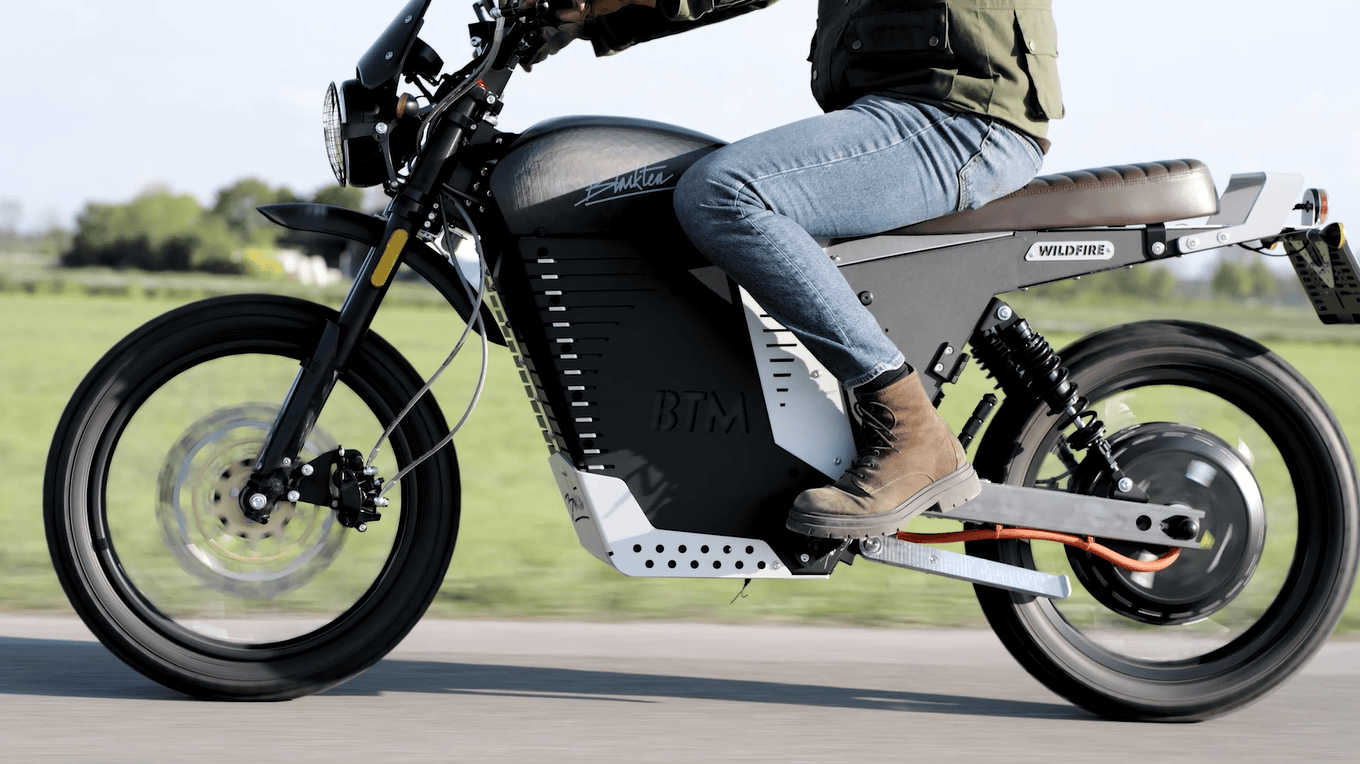

Efficient Sourcing of Electric Motorcycle Parts with Xometry
Automotive
E-Mobility
CNC Machining
Sheet Metal
High-Volume Manufacturing
Read Story
Black Tea Motorbikes, a Munich-based startup founded in 2020, builds retro-inspired electric Café Racer motorcycles with production in Bavaria. With Xometry's sheet metal fabrication and CNC machining, they produce complex multi-bend frame components requiring tight design tolerances. Parts are ordered in small batches of 20 units, enabling flexible production scheduling and optimized cash flow.
Read Story
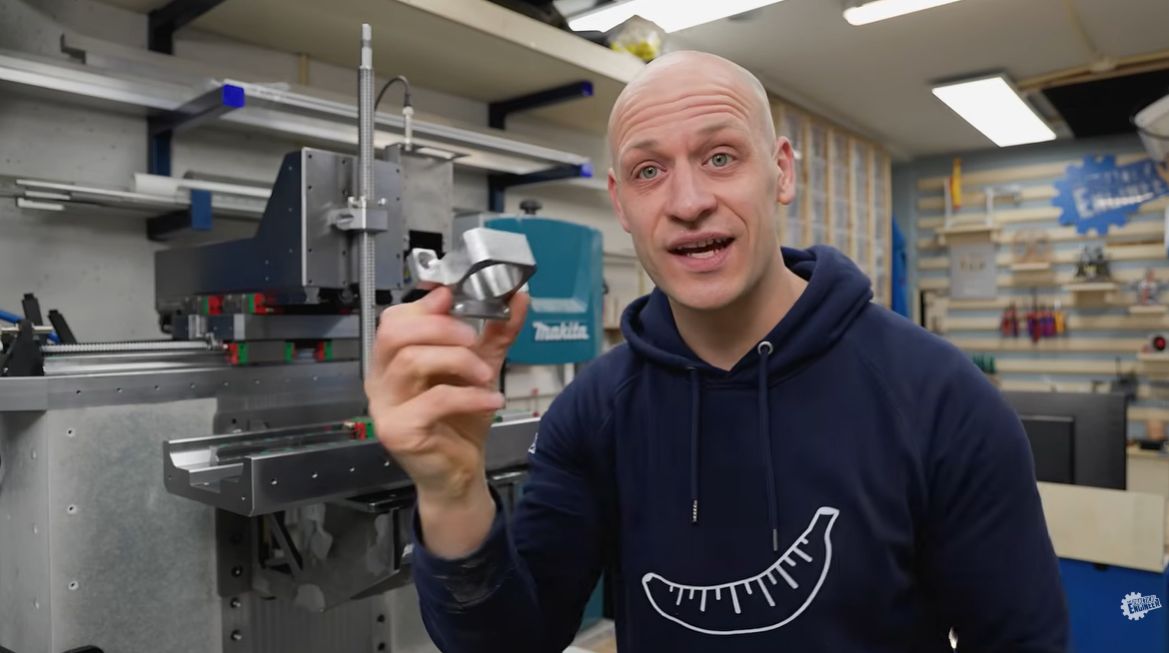
The 1-Millimetre Fix: How One Custom CNC Part Saved My 5-Axis Build
Machine Building
CNC Machining
Prototyping
Read Story
Building a CNC machine from scratch is full of moments where you find out whether your design actually works, or whether it only worked inside CAD. In the world of custom machine building, the transition from a digital model to physical assembly is rarely seamless. This was one of those moments.
Read Story
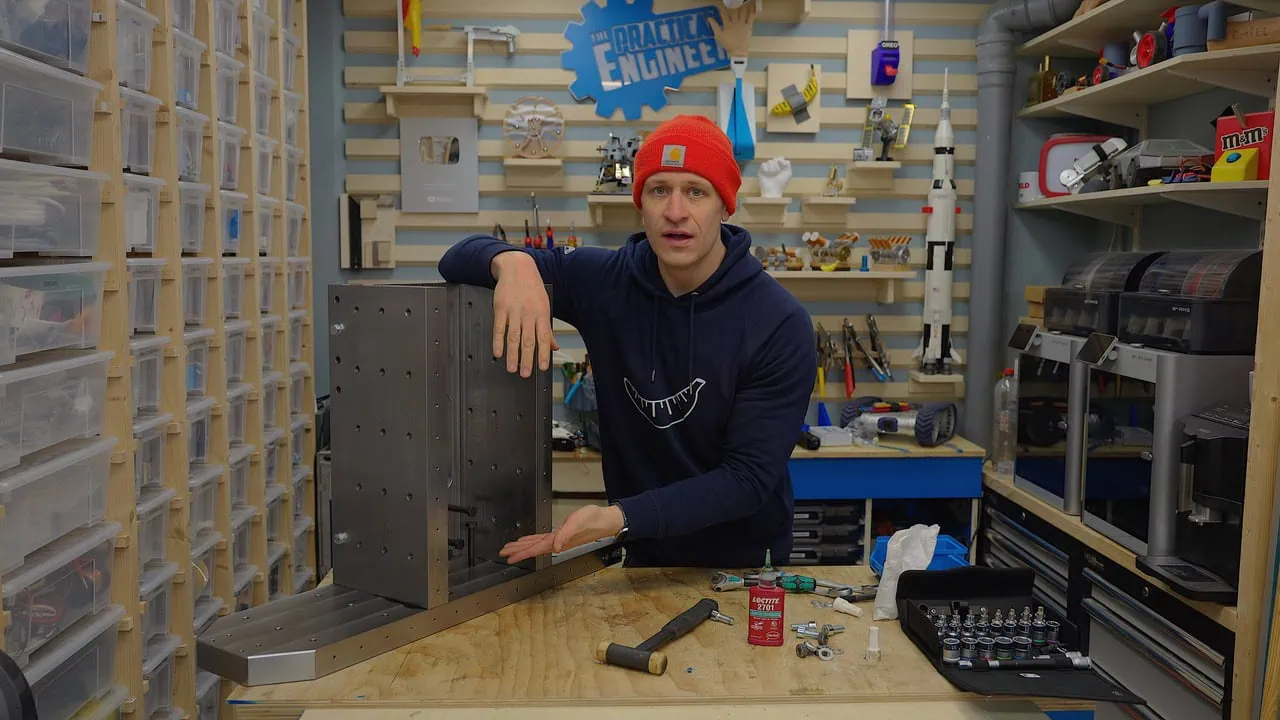
From Desktop Dreams to 400kg of Steel and Concrete: Building a High-Rigidity 5-Axis CNC
Machine Building
CNC Machining
Prototyping
Read Story
In the world of custom machine building, I’ve found there is a constant tug-of-war between theoretical performance and physical reality. As "The Practical Engineer," I dedicated this project to creating a 5-axis CNC machine that prioritizes rigidity over sheer speed.
Read Story
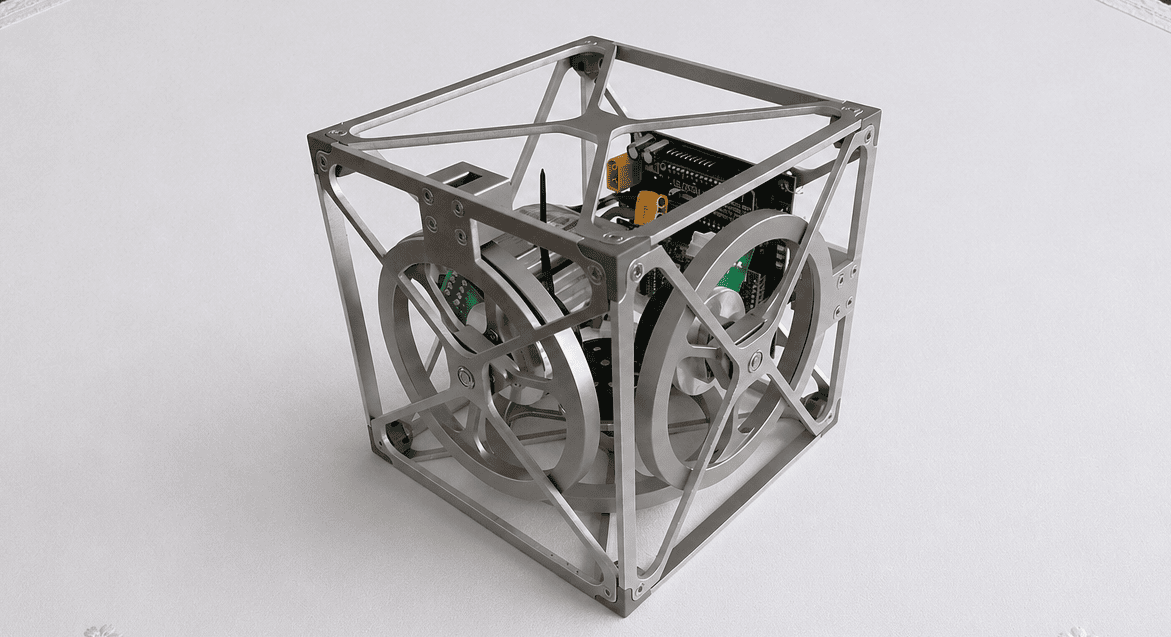

A Cube That Doesn’t Fall Over: The Making of a Self-Balancing Gyroscopic Cube
Machine Building
Sheet Metal
Prototyping
Read Story
The HTL team from Austria overcame mass distribution and precision challenges to successfully build Cubli, a self-balancing cube powered by reaction wheels and control algorithms.
Read Story
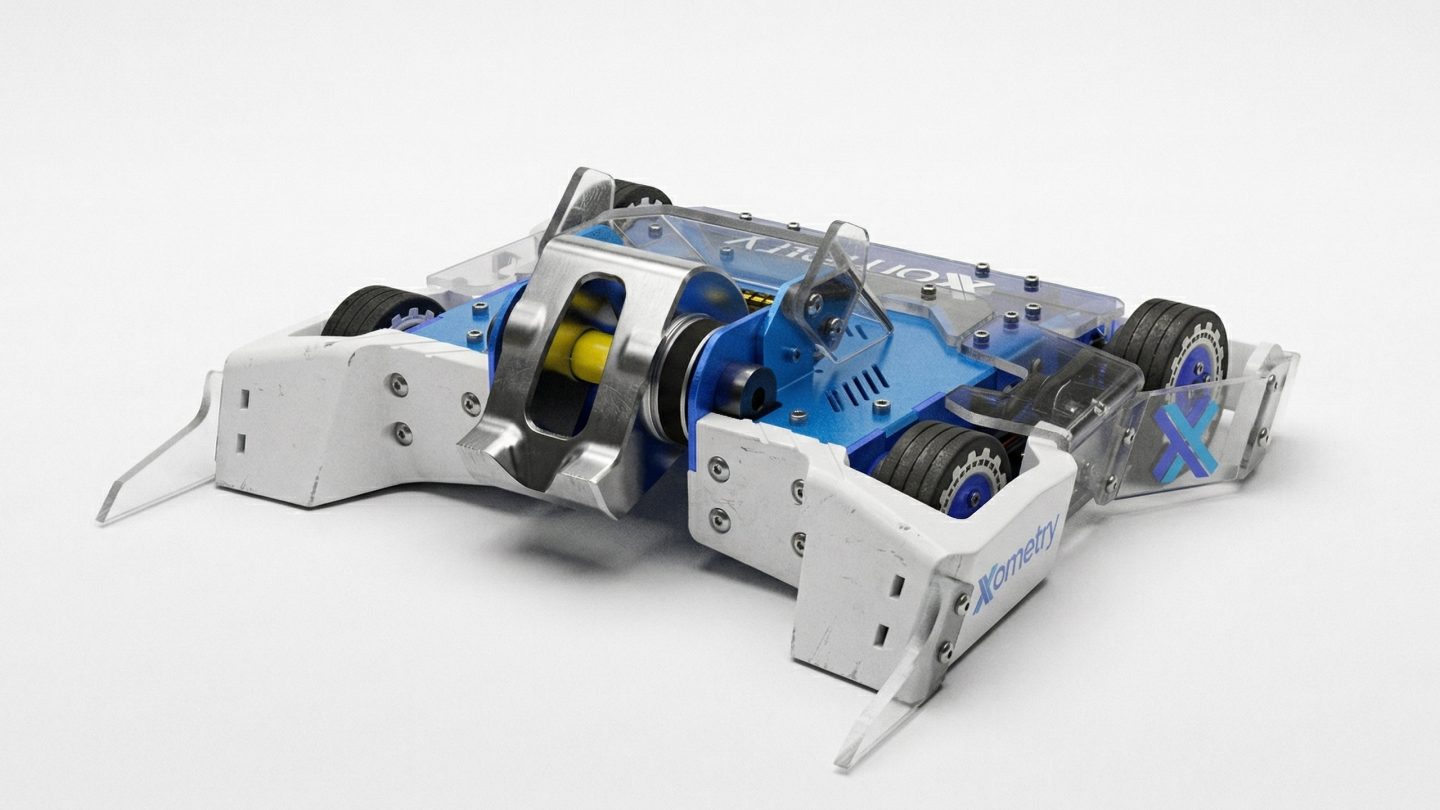

Torx Robot: The Story Behind Accu’s Engineering and Xometry’s Precision CNC Machining
Robotics
Machine Building
CNC Machining
Prototyping
Read Story
Go behind the scenes for the development of Torx: the combat robot built by Accu for FightFest 2026, with CNC machining support from Xometry. Explore the journey from the drawing board to the arena, showing how a combat robotics project takes shape, and see how Torx went on to win the official FightFest Championship trophy.
Read Story
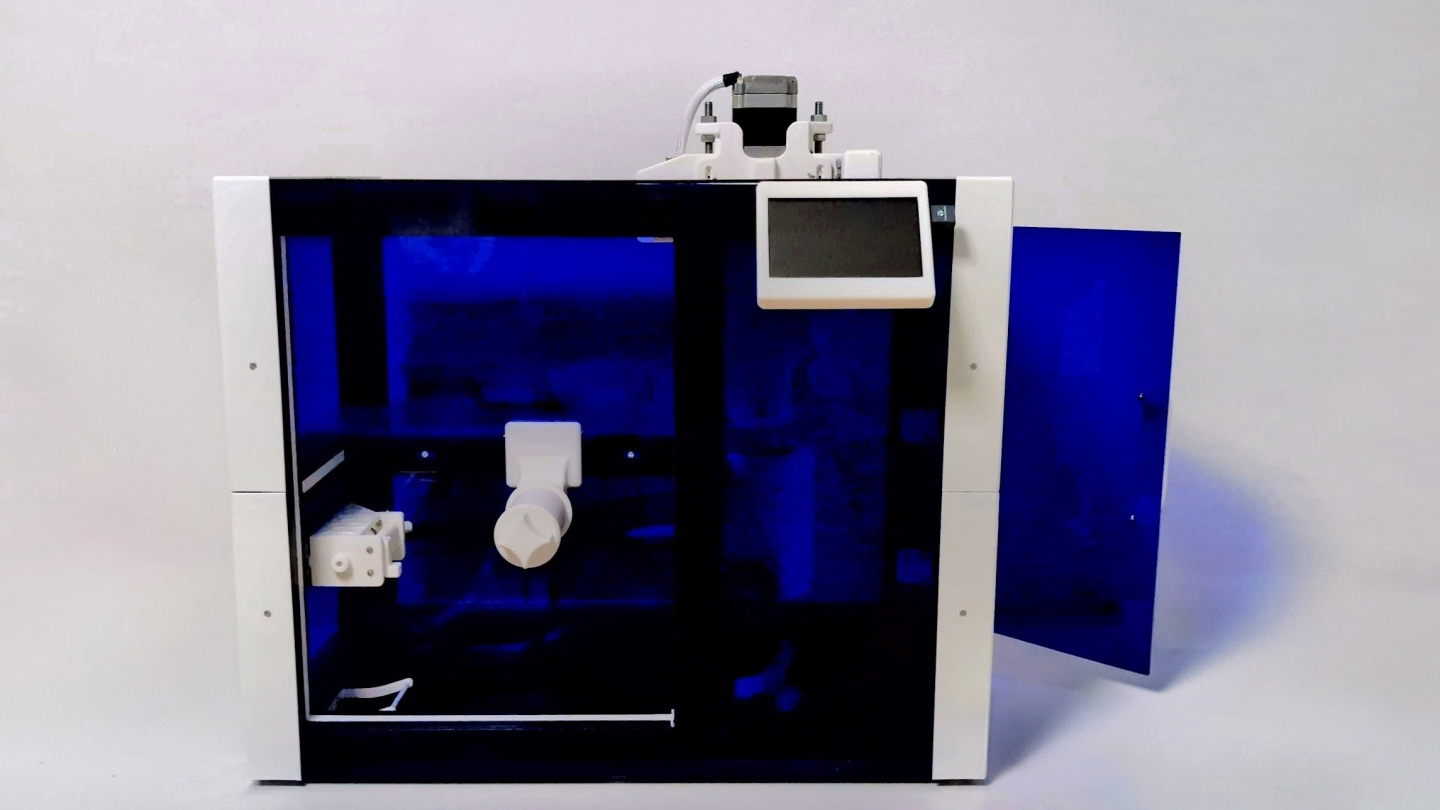
The Rethink of 3D Printing Waste and the Next Chapter of the Desktop Filament Recycler Story
Machine Building
3D Printing
CNC Machining
Prototyping
Read Story
By using agile testing and redesigning a double-sided support to resolve motor deformation and calibration challenges, the TGM student team successfully turned 3D printing waste into high-quality PLA filament.
Read Story
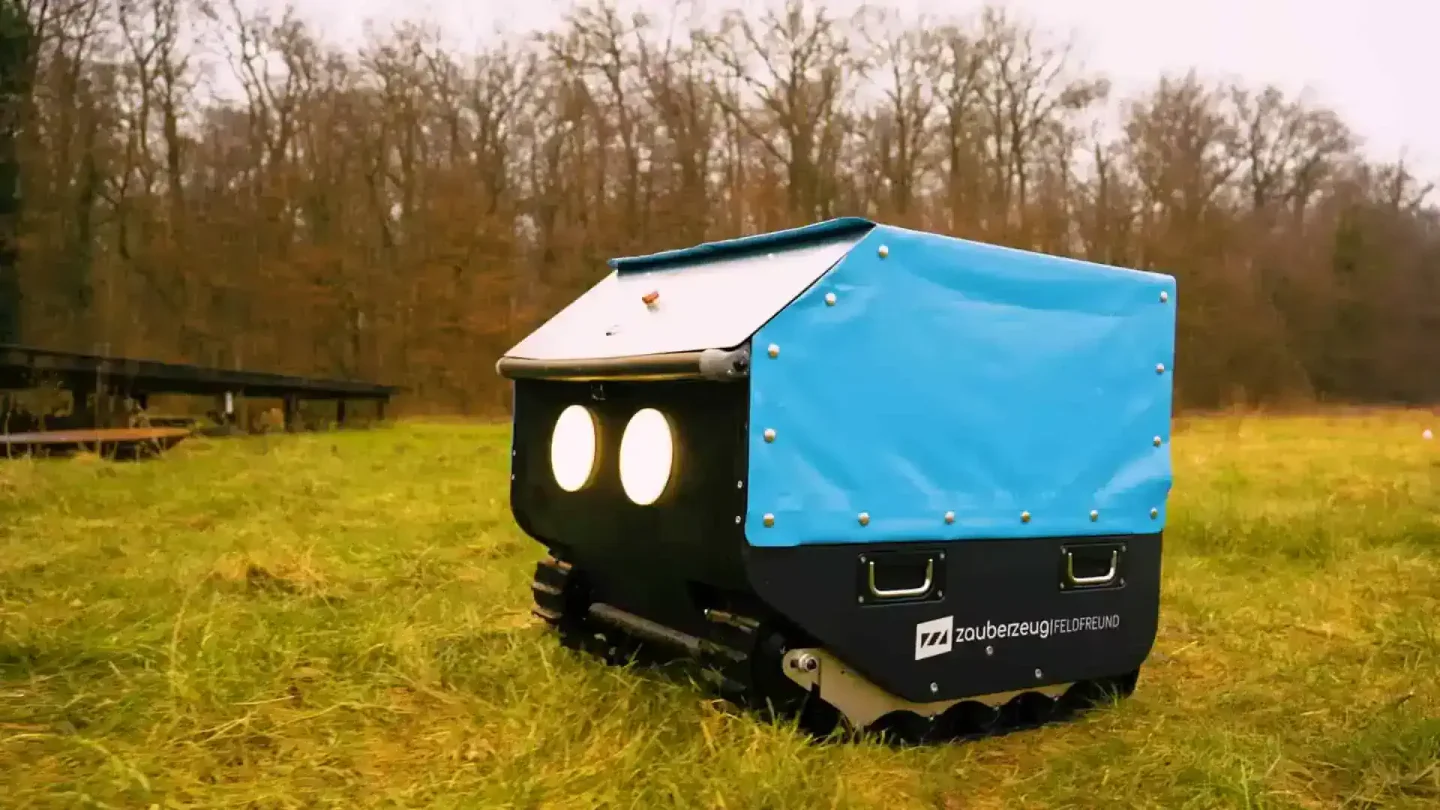
How Zauberzeug Uses Xometry for Fast and Efficient Sourcing of High-Tech Agricultural Robot Components
Robotics
Machine Building
CNC Machining
Procurement, Prototyping
Read Story
With Xometry, we have found a manufacturing partner that supports our development philosophy. The ability to quickly and precisely order small batches of parts gives us the freedom to iteratively improve our robots. This flexibility is essential to our innovation process.
Read Story
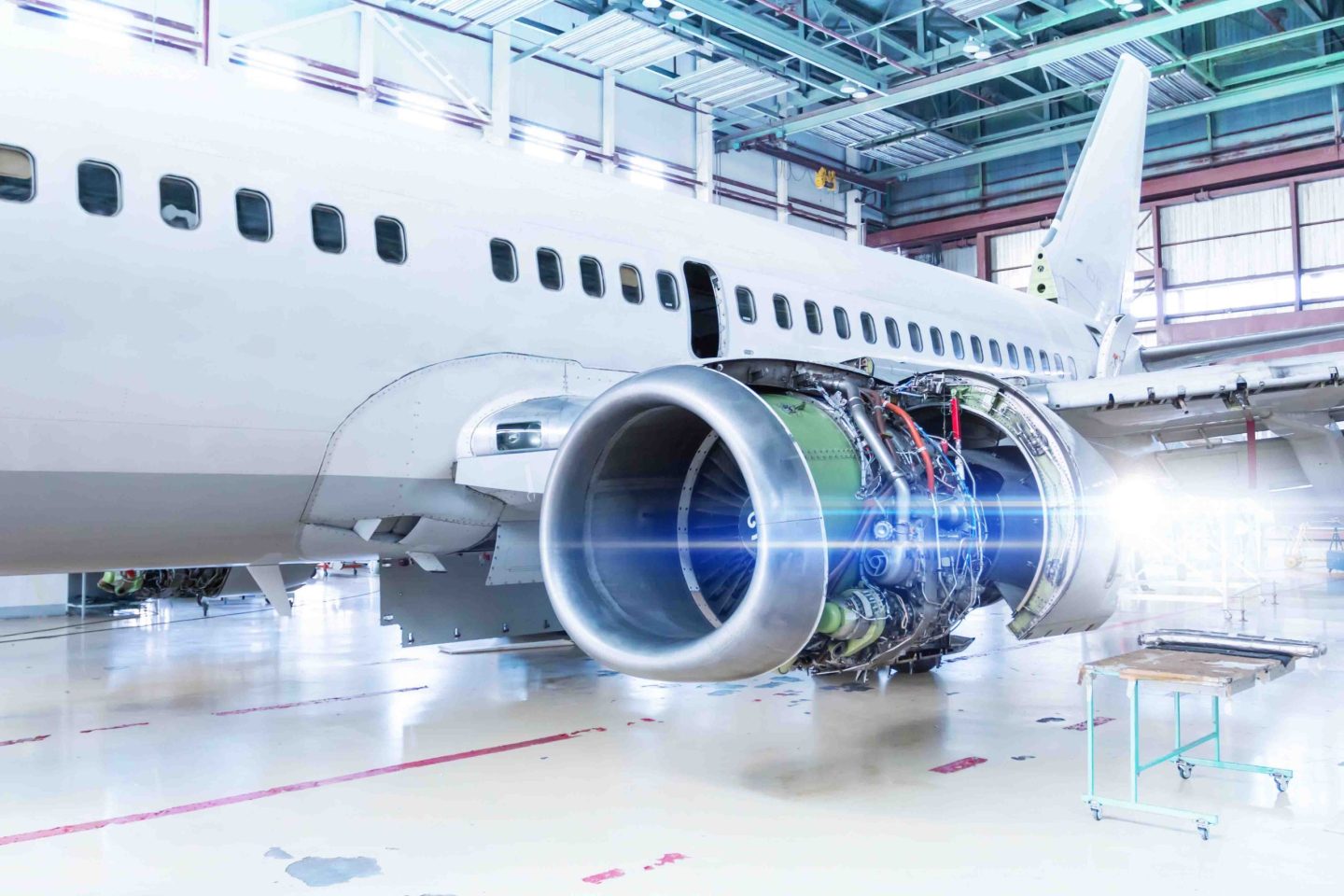

Aerospace Institute Speeds Up R&D with Xometry's On-Demand Complex Parts
Machine Building
3D Printing
CNC Machining
Prototyping
Read Story
In the past, developing non-standard devices was always complicated by the issue of tolerance matching between externally purchased standard parts and custom-machined components. Xometry's one-stop solution perfectly solved this pain point: they not only handled the complex metal 3D printing and sourcing of components but also delivered a finished product that had undergone precision assembly and adjustment. What we received was a functionally ready component that met our precision requirements. This efficient and worry-free delivery experience is exactly what R&D personnel need.
Read Story
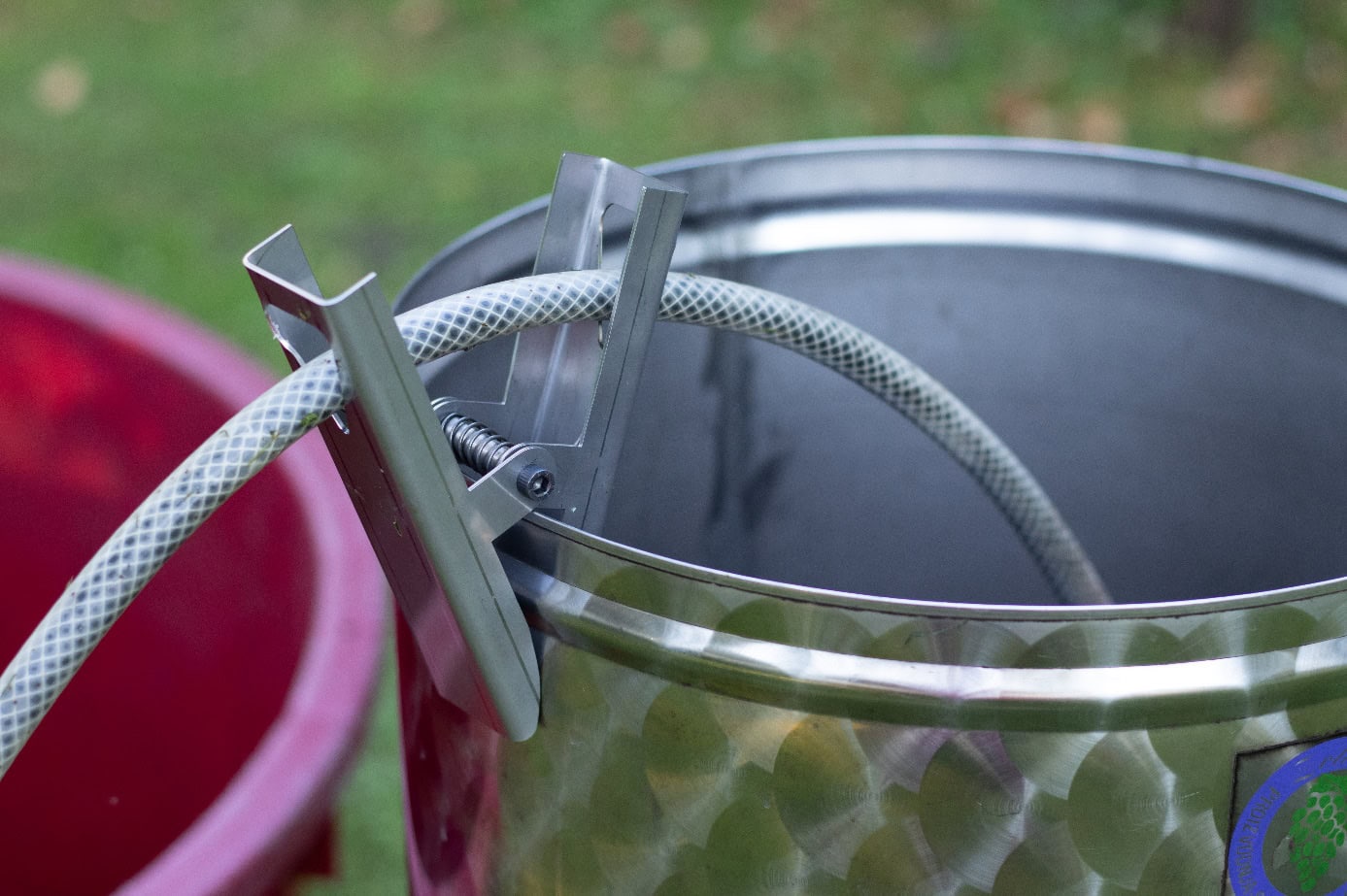

Designing a Hose Clip for the Beverage Industry: From Faculty Project to First Business Venture
Machine Building
Sheet Metal
Prototyping
Read Story
A student team from University of Maribor developed a stainless steel hose clip for the food and beverage industry, targeting wine and beer fermentation vessels. With Xometry's laser cutting service, they produced 1.5mm thick stainless steel sheet parts featuring elongated teardrop-shaped holes that pinch hoses at two points. The 80 × 45 × 170 mm design requires no lubrication, is food-safe, and grips vessel flanges securely without screws.
Read Story
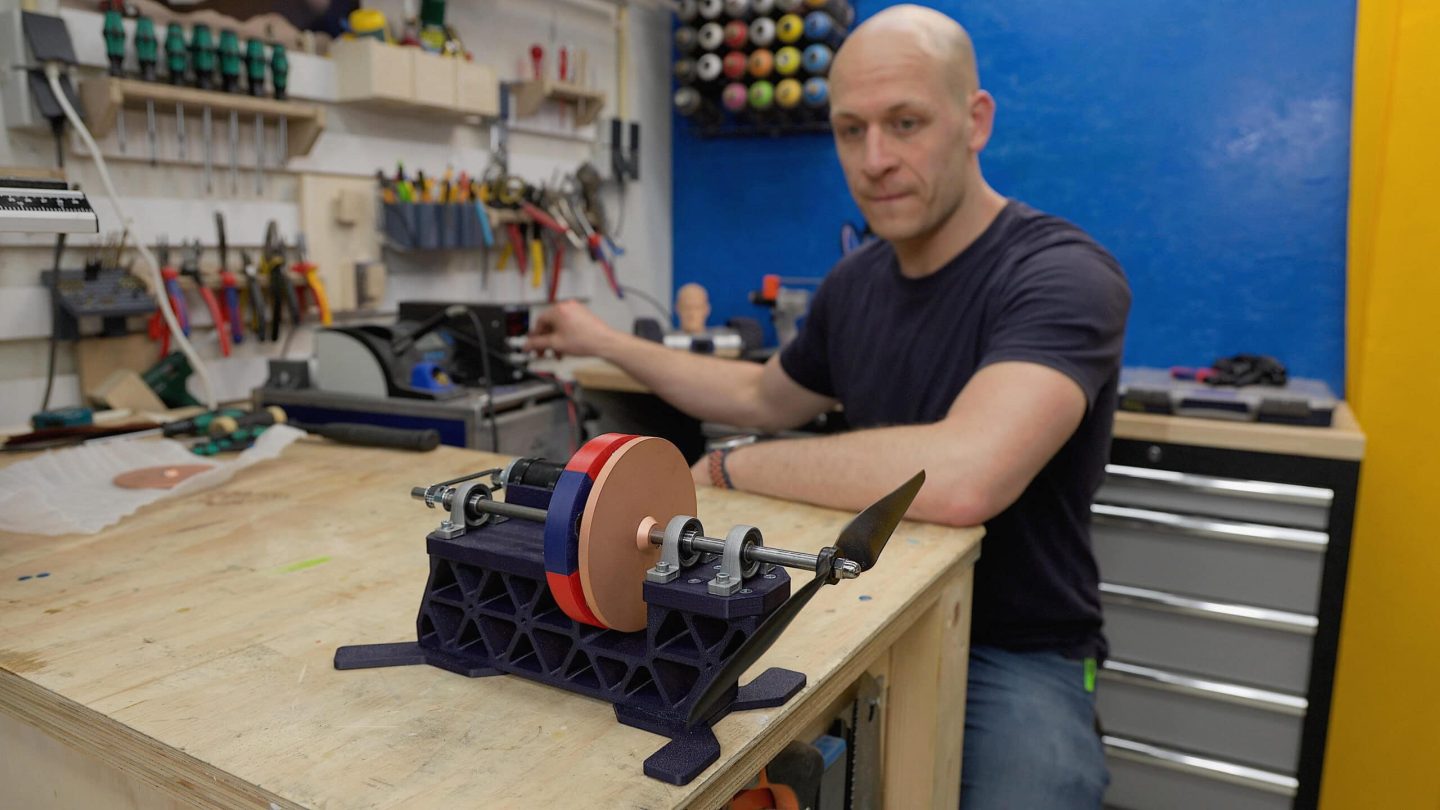

Exploring Magnetic Couplings: No Gears, No Belts, Just Magnets
Machine Building
3D Printing
Sheet Metal
R&D
Read Story
Emiel, an aerospace engineering graduate and creator of "The Practical Engineer" YouTube channel, built two magnetic coupling prototypes: magnet-to-magnet and magnet-to-copper using eddy currents. With Xometry's laser cutting service, he sourced copper plates of 3mm and 6mm thickness, discovering that the copper version enables smooth, self-regulating, non-contact torque transfer with 8mm gap capability.
Read Story
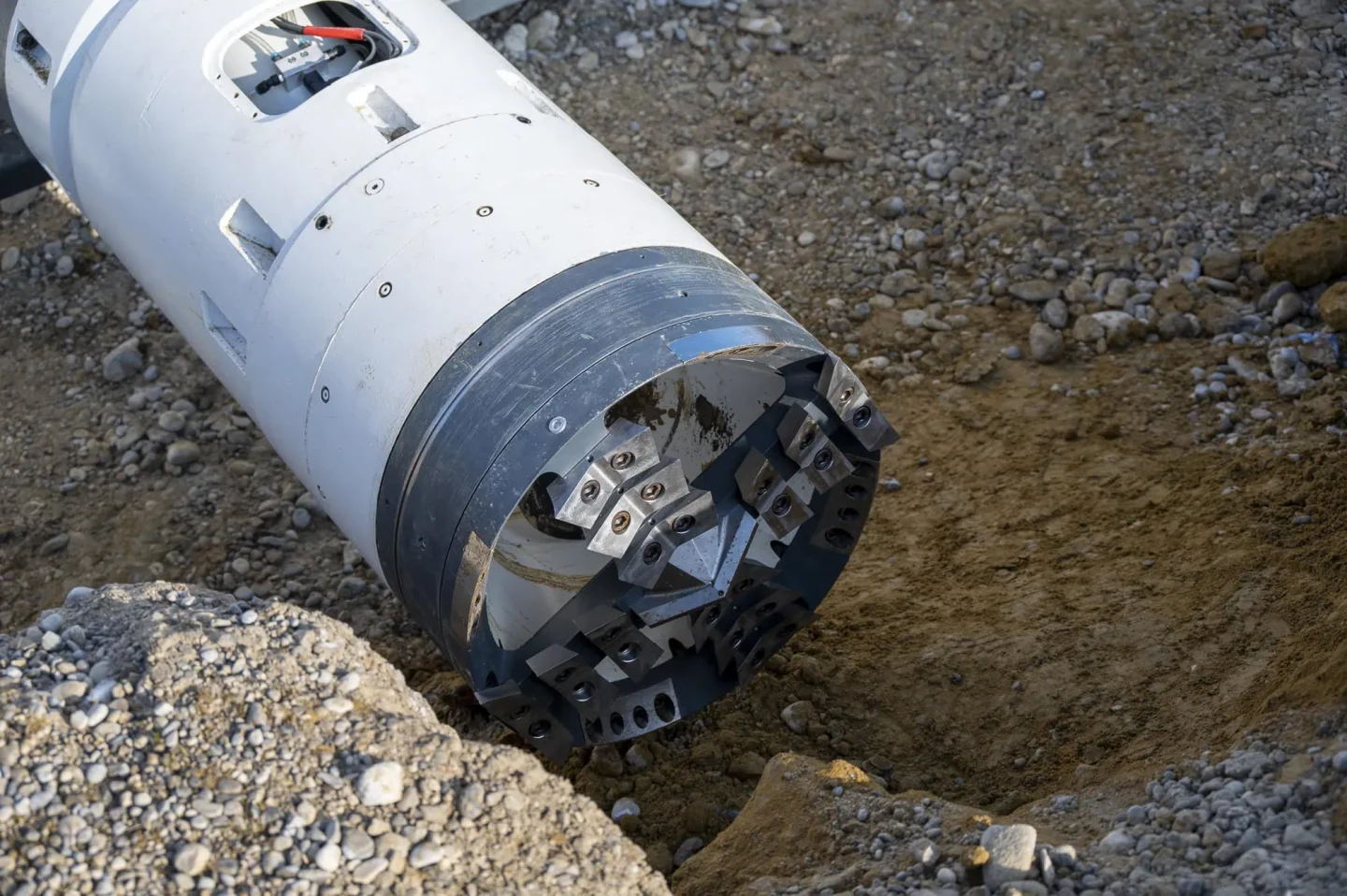
How We Set Tunneling Records and Won the Not-a-Boring Competition
Machine Building
CNC Machining
Prototyping
Read Story
The lessons we learned go far beyond mechanics. We reflect on three key takeaways: people are the ultimate success factor — both the team and its supporters; divide and conquer: breaking the project into subsystems prevents chaos and enables parallel innovation; and industry partners like Xometry are strategic enablers, not just suppliers.
Read Story
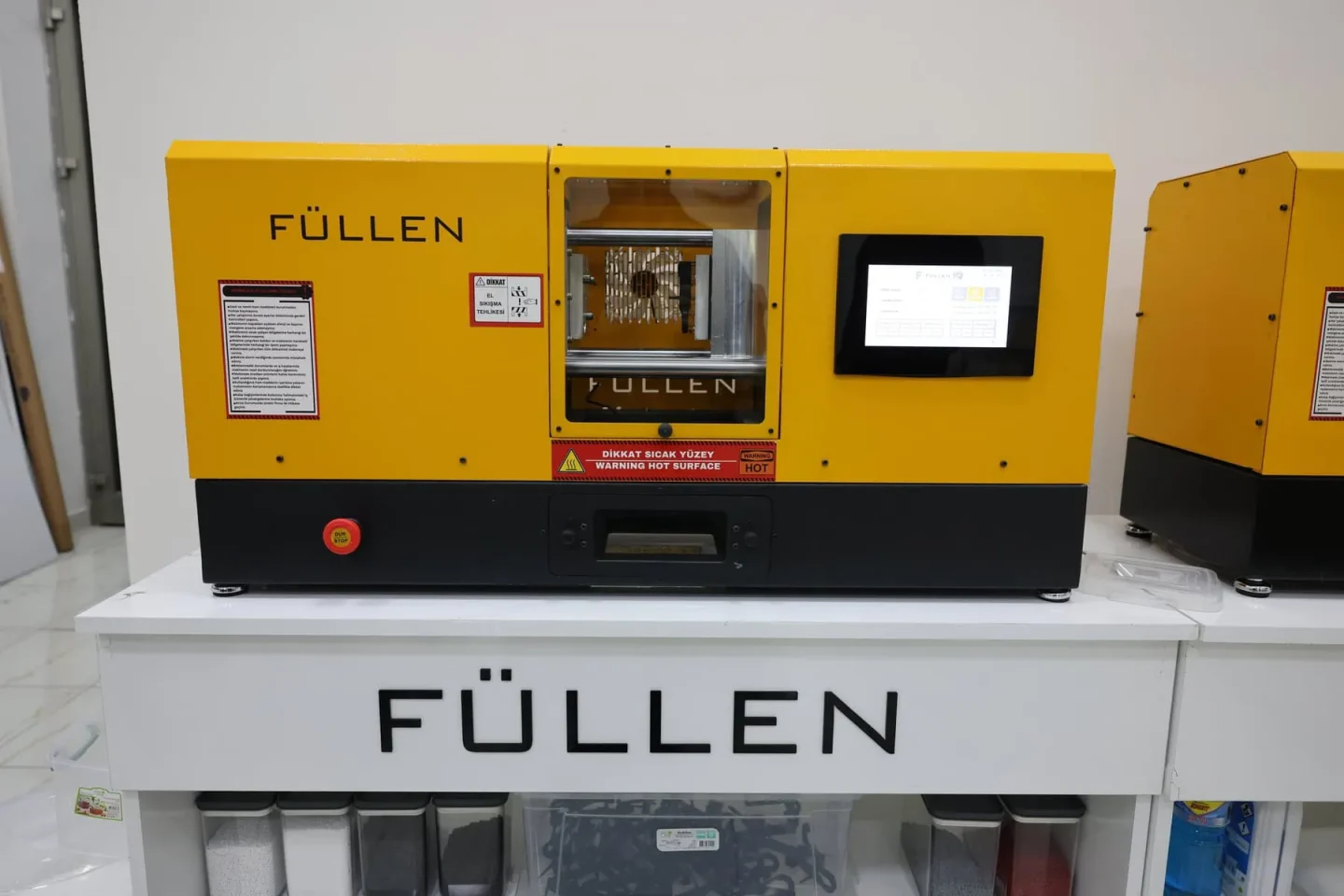

Füllen’s Desktop Plastic Injection Machine MiniMolder Manufactured with Xometry
Machine Building
CNC Machining
High-Volume Manufacturing
Read Story
We make the design, upload it to the Xometry Instant Quoting Engine. We see the price and delivery time immediately. Previously, we had to contact four or five different places separately. Now, we receive ready-to-assemble parts from a single channel.
Read Story