The Horological Society 'Klokkengroep 's-Hertogenbosch' in the Netherlands recreated the Barentsz Clock, a medieval timepiece from Willem Barentsz's 1596 Arctic expedition. With Xometry's waterjet cutting service, they produced 48 steel gearwheels for 8 replica clocks. The waterjet process preserved sharp corners and thin spokes of the original design without additional edge finishing, enabling gear cutting and precision boring in their workshop.
Industry
Machine Building
Country

Netherlands
Use case
Prototyping
Technology
3D Printing
Materials
Steel
Product
Barentsz Clock Steel Gear
The Horological Society continuously balances its respect for traditional craftsmanship with an openness to modern innovation. One such innovation is the use of 3D printing, which has become an invaluable tool for prototyping clock components in plastic. By sourcing high-quality 3D-printed parts through Xometry, we should be able to test designs efficiently before committing to metal production. This approach allows us to refine intricate mechanisms like gear assemblies with minimal waste and cost.
Hello, my name is Peter Chevalier, and I am a proud member of the Horological Society 'Klokkengroep 's-Hertogenbosch' in the Netherlands. With a lifelong passion for engineering, I come from a family of mechanical engineers spanning six generations. After a career spent in the theoretical side of machining, I returned to hands-on work in retirement, building clocks and tools in my backyard workshop.

Klokkengroep ‘s-Hertogenbosch is a group of over 100 clockmaking enthusiasts, ranging from retired manufacturing experts to complete beginners. Together, we share a passion for building and restoring timepieces, often designing and crafting them from scratch in our workshops.
In June 2024, we embarked on our most ambitious project to date: recreating the Barentsz Clock, a mediaeval timepiece with an extraordinary history. To bring this piece of history to life, we combined traditional horological techniques with cutting-edge manufacturing methods, including precision waterjet cutting sourced from Xometry.
Passing on Craftsmanship: A Year of Traditional Training
Our society is dedicated to preserving traditional machining and horological skills through a year-long program. Weekly sessions combine theory with hands-on practice, where trainees build a simple weight-driven clock from raw materials like brass sheets and steel rods. This project introduces essential techniques such as gear cutting, precision boring, and assembly.
The workshop is equipped with high-precision tools, including Swiss Schaublin 102 VM lathes, Aciera F3 milling machines, and Austrian EMCO lathes, enabling members to master both traditional and modern machining methods.


During the training program, members create a weight-driven clock entirely from scratch, using brass sheets for the wheels and steel rods for the shafts and pinions. This straightforward design introduces essential techniques like gear cutting, precision boring, and assembly, forming a strong foundation for tackling advanced projects like the Barentsz Clock.

The Inspiration Behind the Barentsz Clock Project
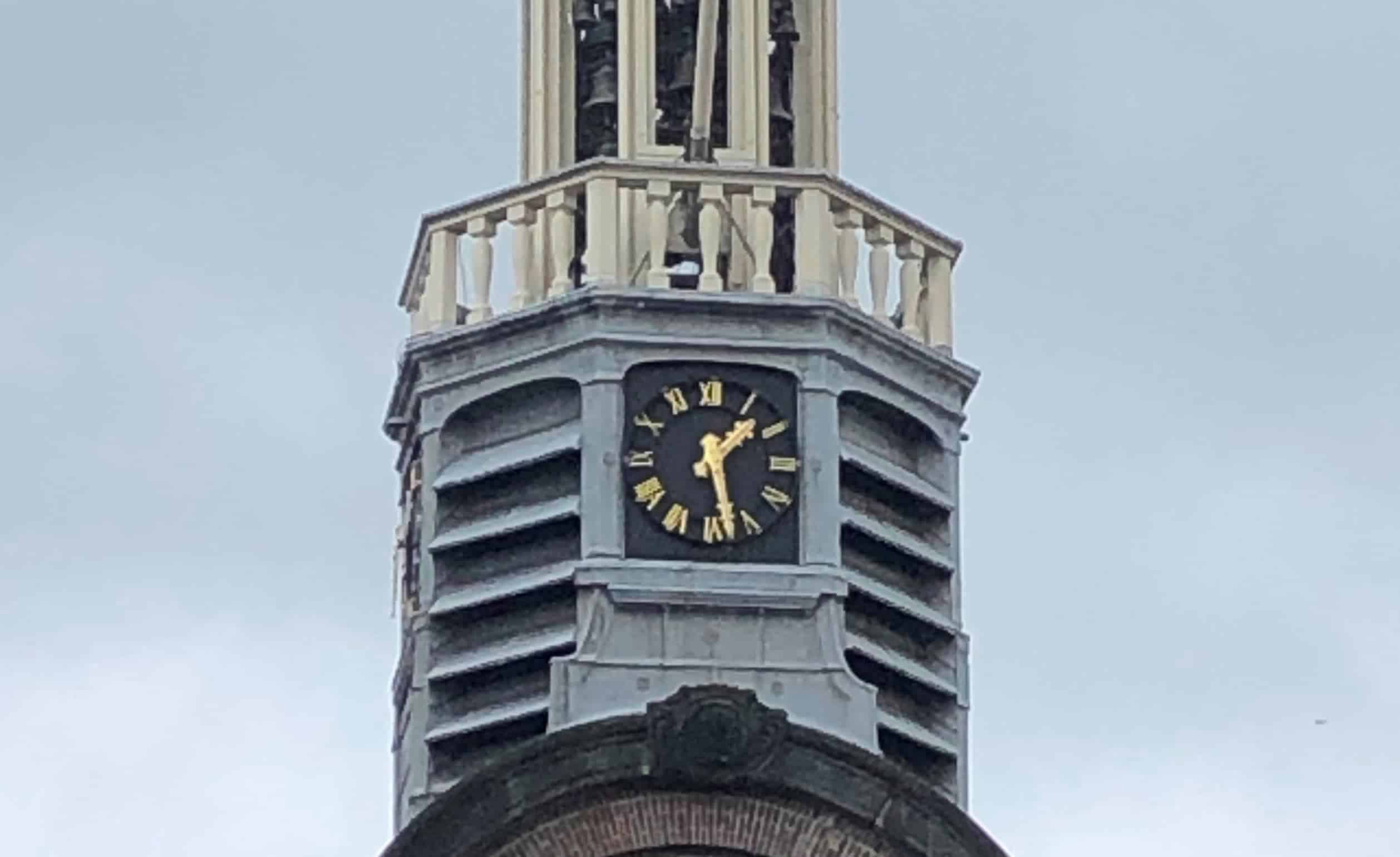
The Barentsz Clock dates back to the late 1500s and accompanied Willem Barentsz on his Arctic expedition. The clock was one of many elaborate gifts meant for high-ranking officials in the Far East. However, the expedition failed when Barentsz’s ship, “De Witte Swaen” (The White Swan), became trapped in the ice near Nova Zembla.
The crew endured a harsh Arctic winter in a wooden shelter, Het Behouden Huijs (The Safe House), constructed from the ship’s remains. The clock was left behind when they escaped, and it wasn’t until 1871 that a Norse hunter rediscovered it alongside the remains of the shelter. Now part of the Rijksmuseum collection in Amsterdam, the clock is a rare surviving example of mediaeval horology.
Recreating this historical masterpiece was not a solo endeavour; it became a collaborative effort involving multiple members of the Horological Society. Each participant contributed their unique skills and expertise, from researching historical methods to adapting modern manufacturing techniques. This collective passion and teamwork were essential to bringing the Barentsz Clock back to life.

Revealing the Secrets of the Barentsz Clock
The Barentsz Clock stands out as an exceptional example of mediaeval horology. Unlike many other historical clocks, it has never been modernised, preserving its original design. Every component was crafted entirely from steel, using intricate hot-forging techniques that showcased the exceptional skill of mediaeval smiths.
Creating a single geared wheel involved a multi-step process:
- Forging a bar with a rectangular profile.
- Bending the bar into a round hoop.
- Hot-welding the hoop to form a closed ring.
- Marking 64 punch points for the teeth.
- Hammering the tooth profiles into the red-hot hoop.
- Creating a steel cross for the spokes.
- Hot-welding the spoke cross to the wheel ring.
- Filing the teeth to their final profiles.
Such methods, while remarkable for their time, are beyond the reach of traditional manufacturing today. No current traditional manufacturing technology can hope to match these mediaeval smithing skills. As these methods are far beyond reach today, some replica builders opt for easier-to-make brass wheels, which became popular in the mid-17th century.

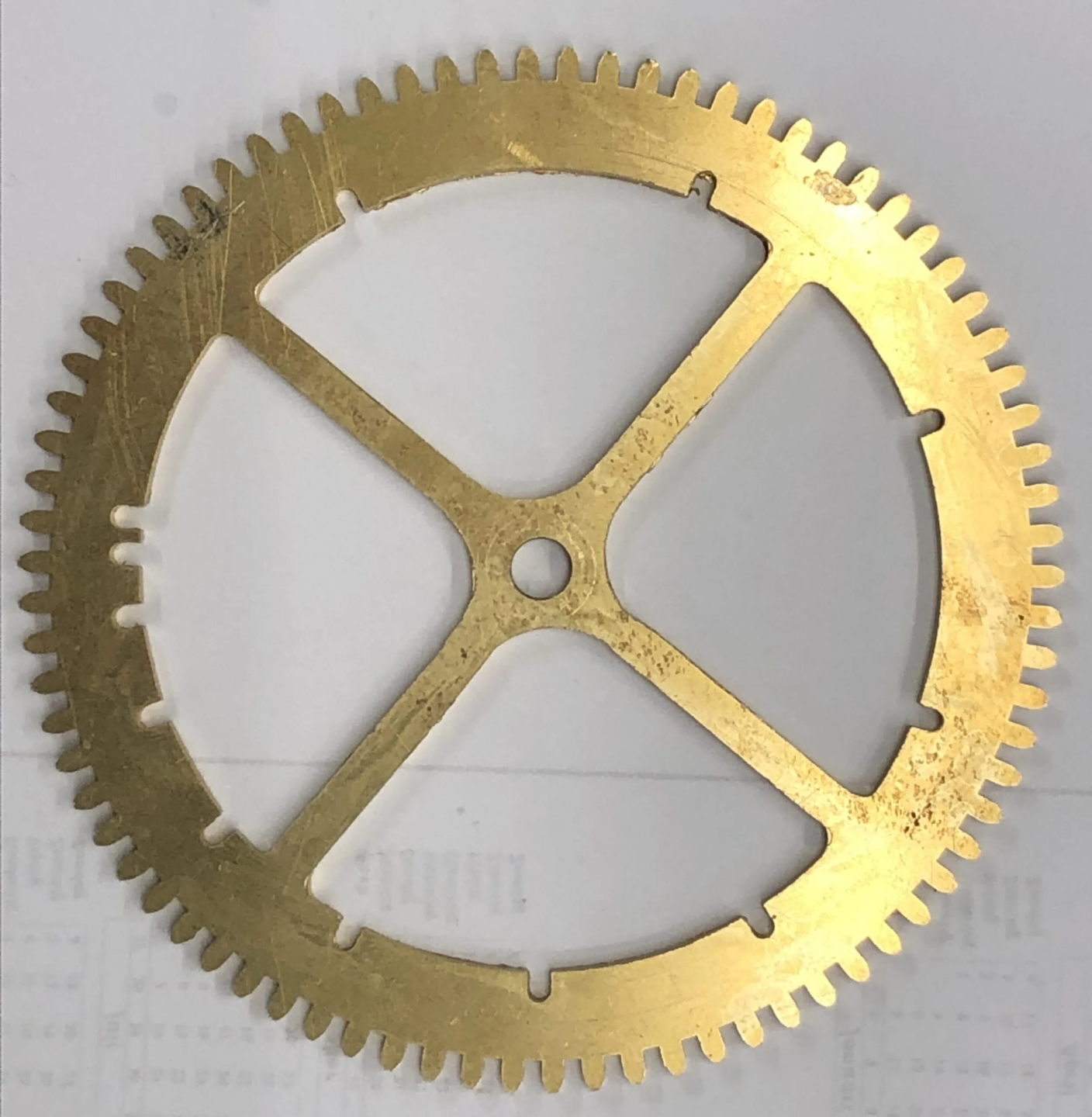
A brass replica wheel, a simpler alternative often chosen by modern builders.
A steel wheel produced using waterjet cutting by Xometry, replicating the intricate design of the Barentsz Clock’s original components.
The Process: Blending Old Techniques with Modern Manufacturing
To recreate the 48 steel gearwheels needed for the 8 copies of the Barentsz Clock, our society turned to waterjet cutting—a modern manufacturing technique that perfectly aligns with the intricate craftsmanship of the original design. This approach allowed us to replicate the sharp corners and thin spokes of the steel wheels with exceptional precision while maintaining the material’s integrity.
By using waterjet cutting, we avoided the need for additional finishing on the cut edges, leaving the wheels ready for gear cutting and precision boring in our workshop. This seamless integration of modern technology ensured the steel wheels retained the intricate design and authenticity of their mediaeval counterparts, paying homage to the original artisans’ expertise while embracing 21st-century efficiency.
The resulting replicas are fascinating not only from a horological and manufacturing perspective but also visually. These clocks give an approximation of time rather than precision, with a daily accuracy of give or take an hour. As a result, the clocks feature only one hand.

Exploring New Horizons: The Role of 3D Printing
The Horological Society continuously balances its respect for traditional craftsmanship with an openness to modern innovation. One such innovation is the use of 3D printing, which has become an invaluable tool for prototyping clock components in plastic. By sourcing high-quality 3D-printed parts through Xometry, we should be able to test designs efficiently before committing to metal production. This approach allows us to refine intricate mechanisms like gear assemblies with minimal waste and cost.
Looking to the future, we see great potential in metal 3D printing for creating highly intricate parts such as Tourbillon cages. These components, often regarded as the pinnacle of horological craftsmanship, could open new possibilities for blending precision engineering with creative design in our clockmaking projects. With Xometry’s advanced manufacturing services, we are well-positioned to explore these possibilities and continue innovating in the field of horology.
For those interested in learning more about the Barentsz Clock, Cees Wijnberg’s book, “Het uurwerk van de Barentsz-expeditie 1596”, offers detailed insights into its history and guidance on building a replica. The book is available through the Museum Zaanse Tijd.

The Rethink of 3D Printing Waste and the Next Chapter of the Desktop Filament Recycler Story
Machine Building
3D Printing
CNC Machining
Prototyping
Read Story
By using agile testing and redesigning a double-sided support to resolve motor deformation and calibration challenges, the TGM student team successfully turned 3D printing waste into high-quality PLA filament.
Read Story
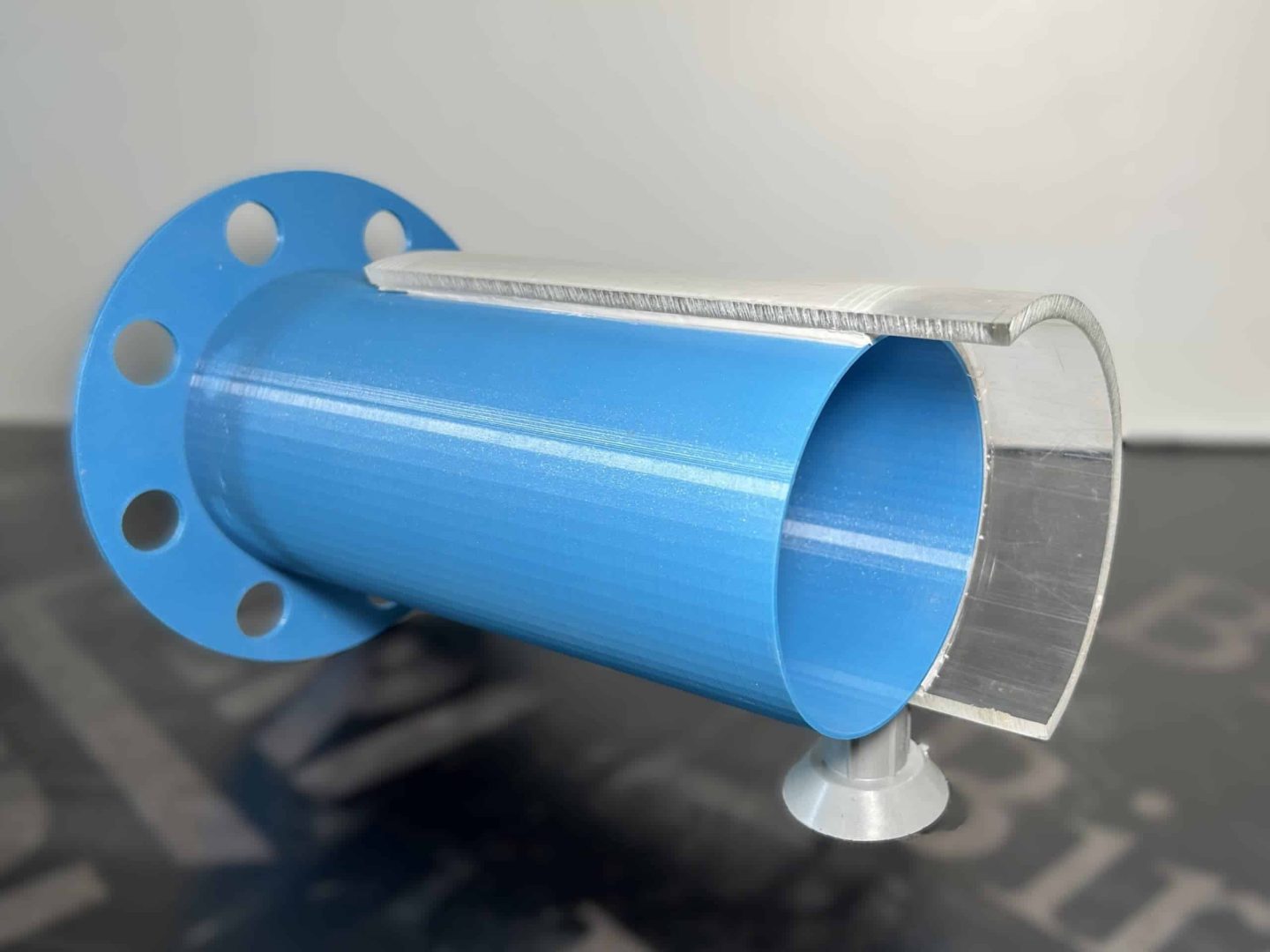

A New Era of Sealing for Wastewater Infrastructure: Xometry Supports Development of Universal Fittings for Pressure Pipelines
Machine Building
3D Printing
Prototyping
Read Story
Our development process begins with extensive brainstorming of potential shapes and sealing methods. 3D printing plays a key role at this stage, allowing us to quickly test different designs before determining the final production materials. Since the final materials are too costly and time-consuming for early prototype stages, we focus on creating small-scale test models in-house, then produce large prototypes through Xometry to ensure convenience and accuracy.
Read Story


Aerospace Institute Speeds Up R&D with Xometry's On-Demand Complex Parts
Machine Building
3D Printing
CNC Machining
Prototyping
Read Story
In the past, developing non-standard devices was always complicated by the issue of tolerance matching between externally purchased standard parts and custom-machined components. Xometry's one-stop solution perfectly solved this pain point: they not only handled the complex metal 3D printing and sourcing of components but also delivered a finished product that had undergone precision assembly and adjustment. What we received was a functionally ready component that met our precision requirements. This efficient and worry-free delivery experience is exactly what R&D personnel need.
Read Story
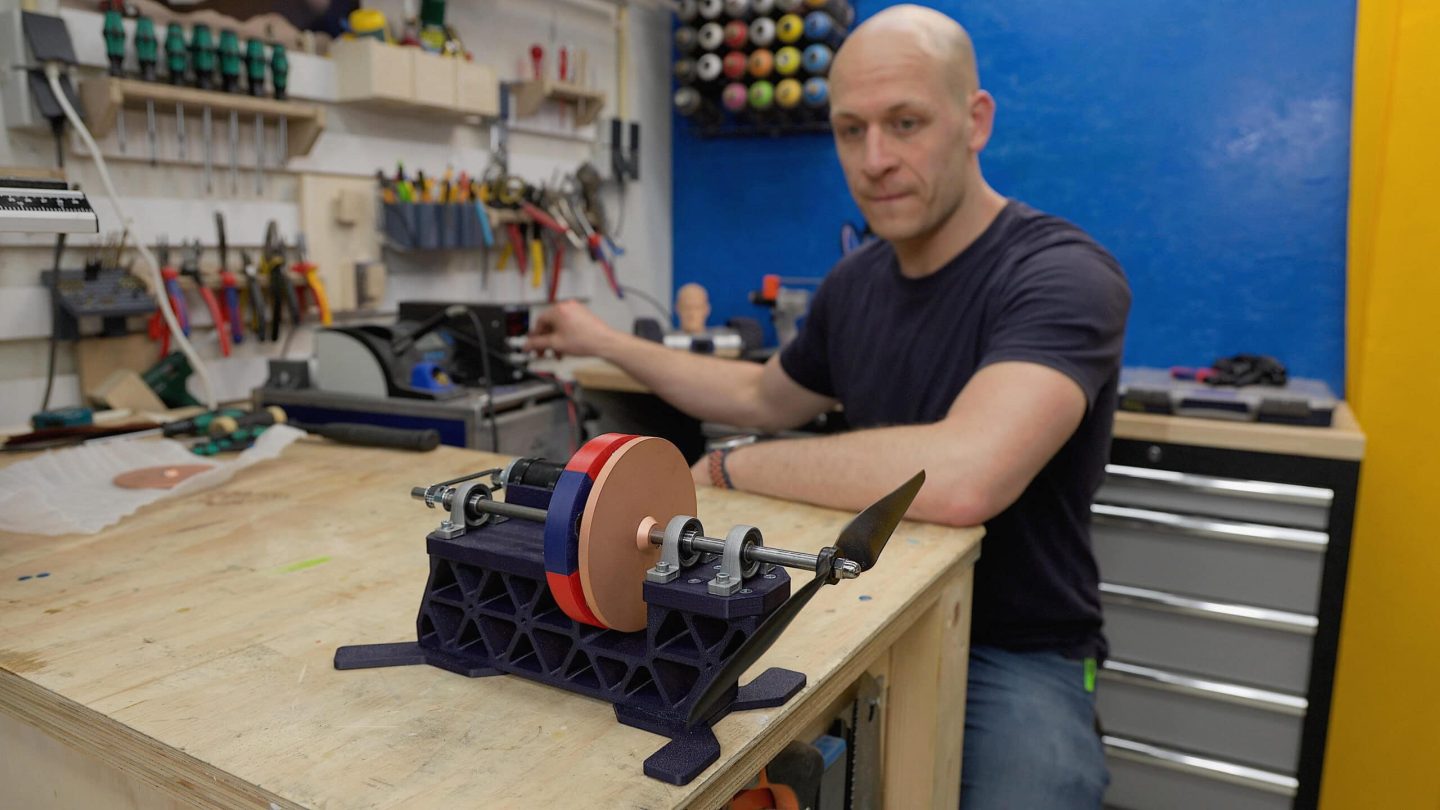

Exploring Magnetic Couplings: No Gears, No Belts, Just Magnets
Machine Building
3D Printing
Sheet Metal
R&D
Read Story
Emiel, an aerospace engineering graduate and creator of "The Practical Engineer" YouTube channel, built two magnetic coupling prototypes: magnet-to-magnet and magnet-to-copper using eddy currents. With Xometry's laser cutting service, he sourced copper plates of 3mm and 6mm thickness, discovering that the copper version enables smooth, self-regulating, non-contact torque transfer with 8mm gap capability.
Read Story
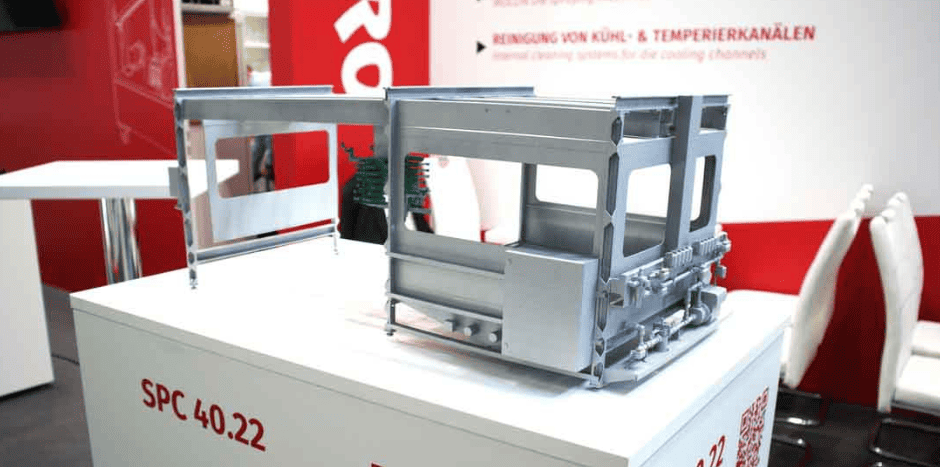
FIMRO harnesses the power of 3D printing with Xometry for miniature models at trade fairs
Machine Building
3D Printing
Procurement, Prototyping
Read Story
We are at a lot of trade fairs and the problem is that our systems are rather large. The scaled-down version we have printed with Xometry – with a scale of about 1:10 – is usually around 7 meters long. So it would be quite time-consuming and expensive to present the standard size at trade fairs.
Read Story
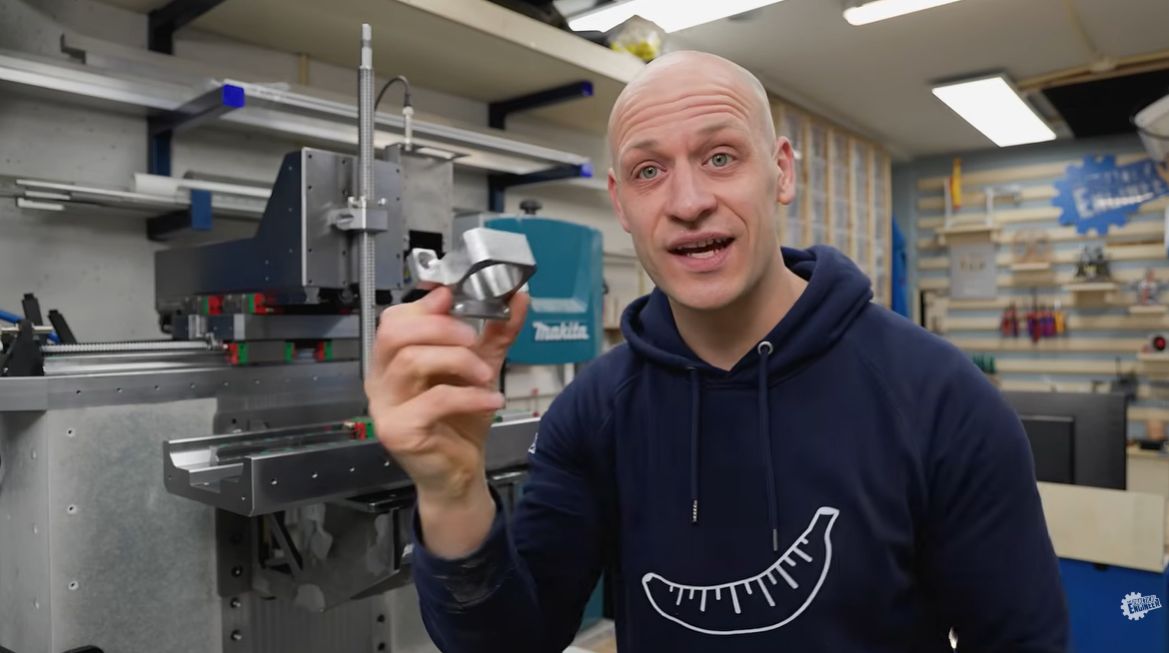
The 1-Millimetre Fix: How One Custom CNC Part Saved My 5-Axis Build
Machine Building
CNC Machining
Prototyping
Read Story
Building a CNC machine from scratch is full of moments where you find out whether your design actually works, or whether it only worked inside CAD. In the world of custom machine building, the transition from a digital model to physical assembly is rarely seamless. This was one of those moments.
Read Story
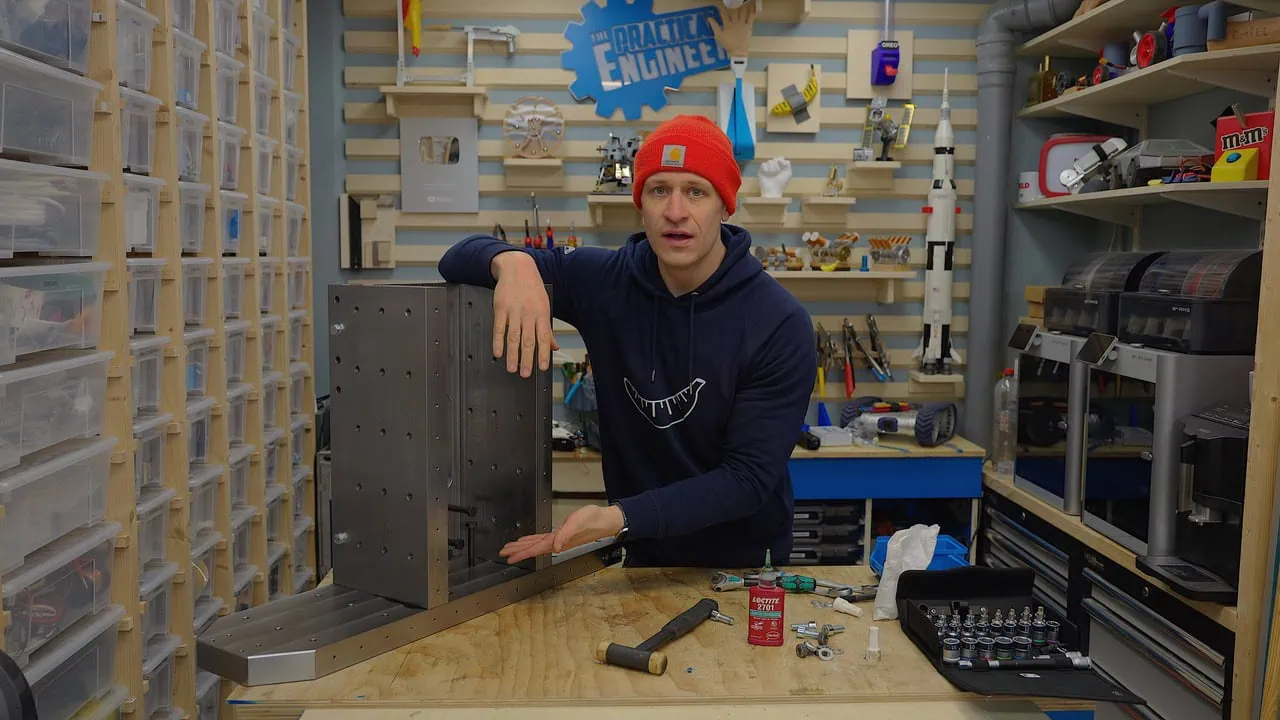
From Desktop Dreams to 400kg of Steel and Concrete: Building a High-Rigidity 5-Axis CNC
Machine Building
CNC Machining
Prototyping
Read Story
In the world of custom machine building, I’ve found there is a constant tug-of-war between theoretical performance and physical reality. As "The Practical Engineer," I dedicated this project to creating a 5-axis CNC machine that prioritizes rigidity over sheer speed.
Read Story
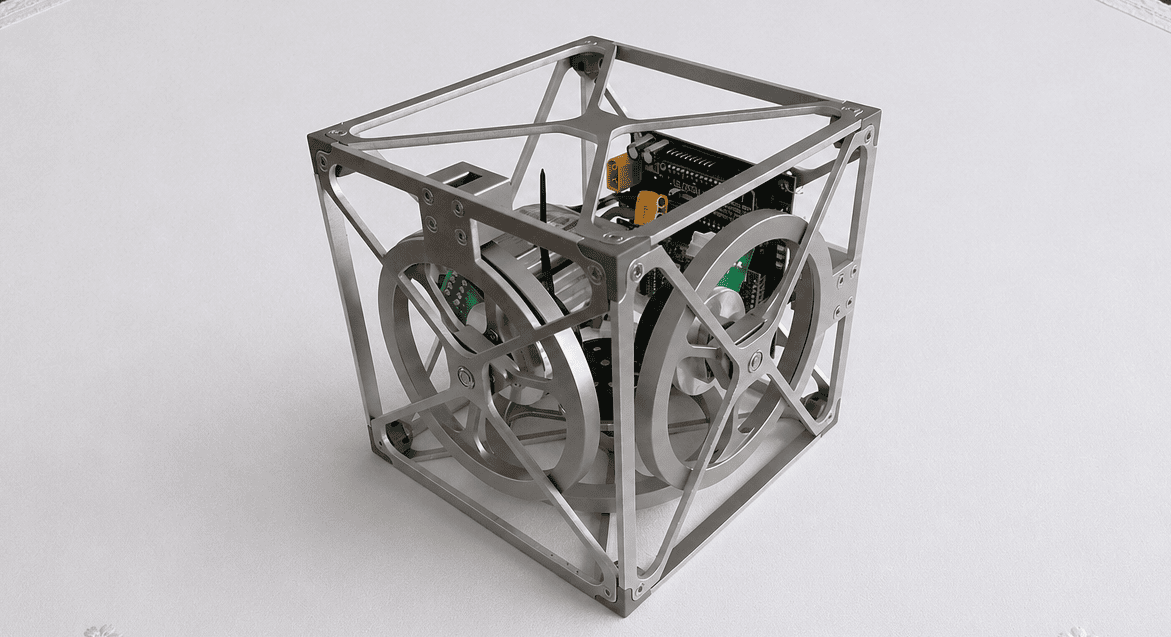
A Cube That Doesn’t Fall Over: The Making of a Self-Balancing Gyroscopic Cube
Machine Building
Sheet Metal
Prototyping
Read Story
The HTL team from Austria overcame mass distribution and precision challenges to successfully build Cubli, a self-balancing cube powered by reaction wheels and control algorithms.
Read Story
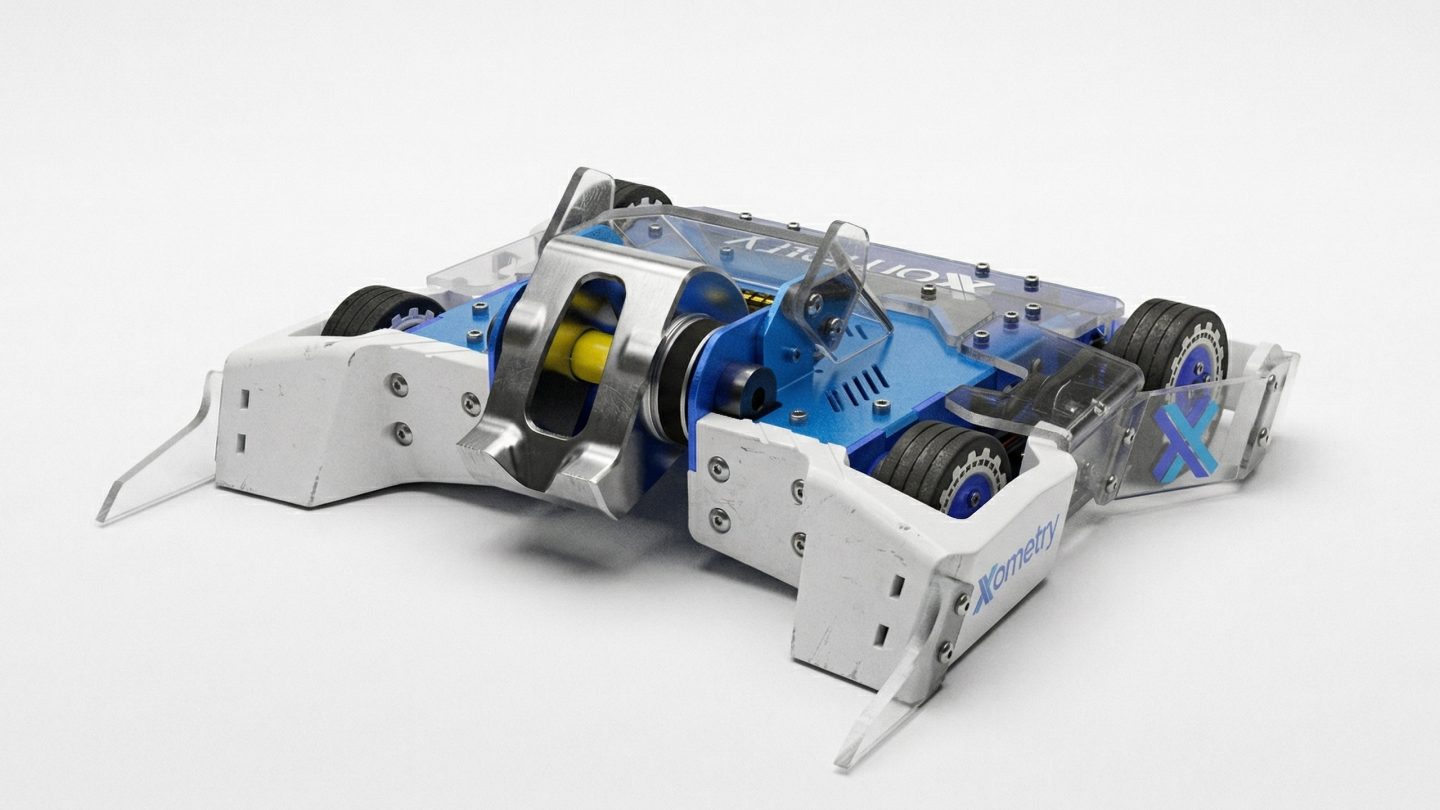

Torx Robot: The Story Behind Accu’s Engineering and Xometry’s Precision CNC Machining
Robotics
Machine Building
CNC Machining
Prototyping
Read Story
Go behind the scenes for the development of Torx: the combat robot built by Accu for FightFest 2026, with CNC machining support from Xometry. Explore the journey from the drawing board to the arena, showing how a combat robotics project takes shape, and see how Torx went on to win the official FightFest Championship trophy.
Read Story
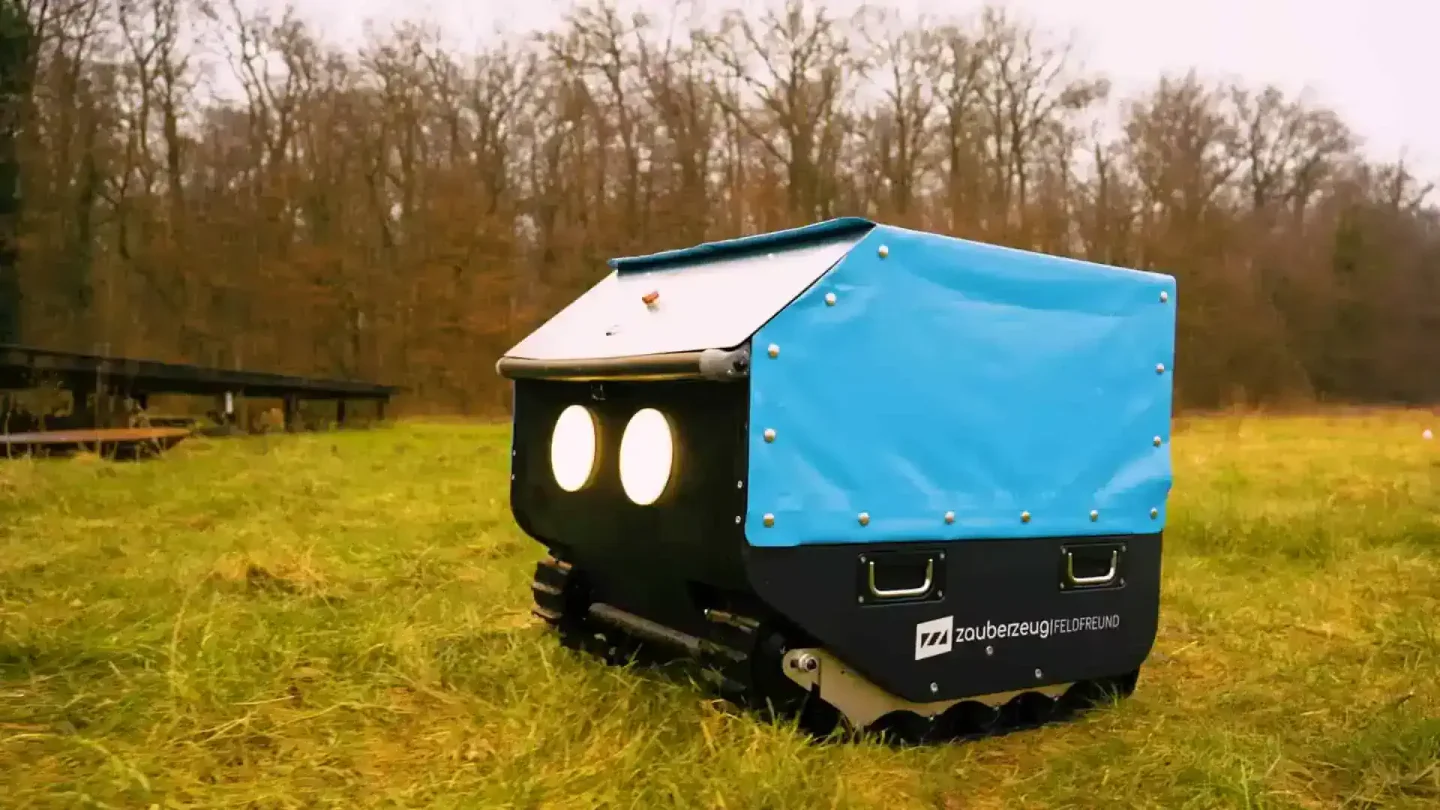
How Zauberzeug Uses Xometry for Fast and Efficient Sourcing of High-Tech Agricultural Robot Components
Robotics
Machine Building
CNC Machining
Procurement, Prototyping
Read Story
With Xometry, we have found a manufacturing partner that supports our development philosophy. The ability to quickly and precisely order small batches of parts gives us the freedom to iteratively improve our robots. This flexibility is essential to our innovation process.
Read Story
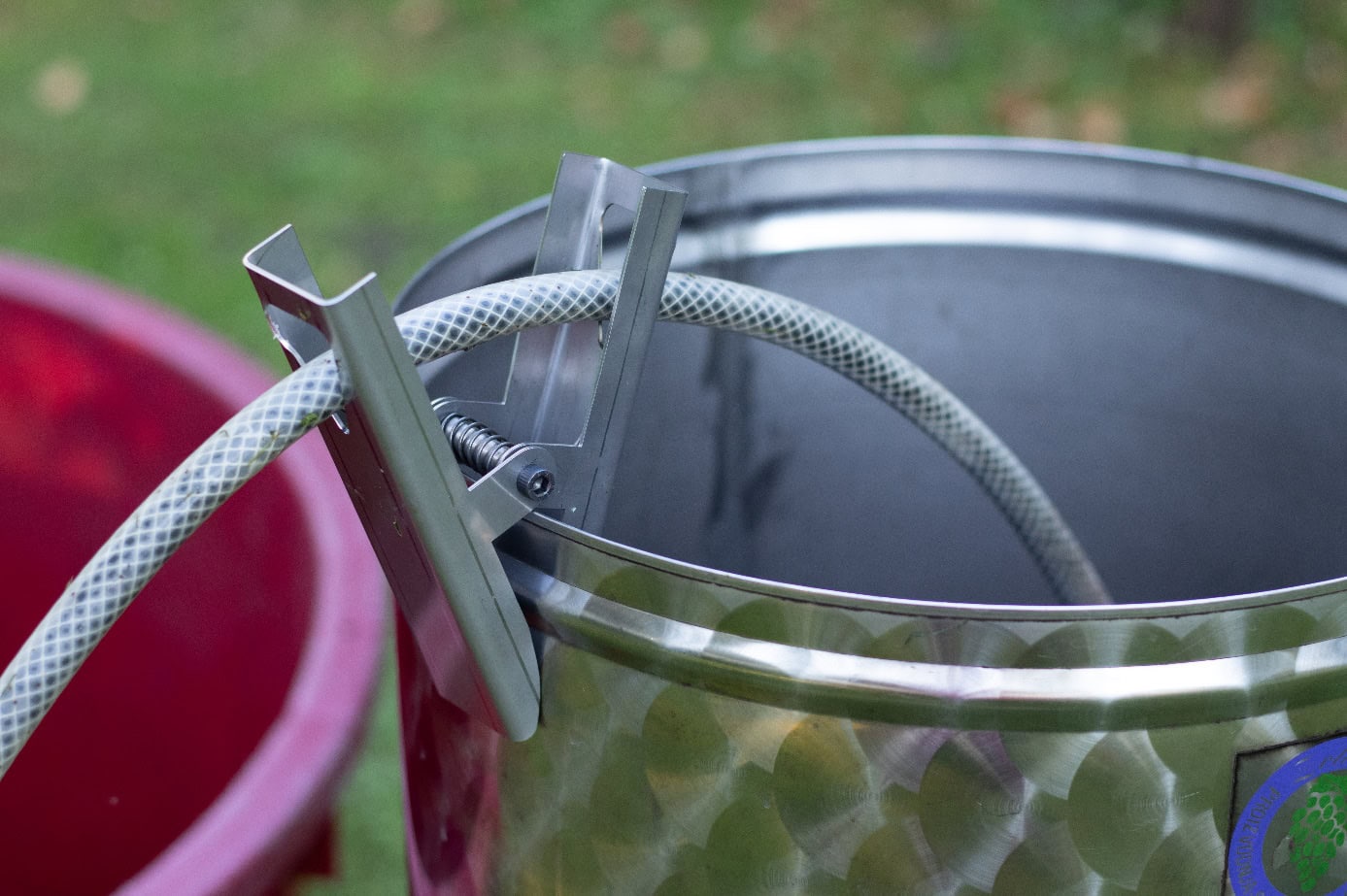

Designing a Hose Clip for the Beverage Industry: From Faculty Project to First Business Venture
Machine Building
Sheet Metal
Prototyping
Read Story
A student team from University of Maribor developed a stainless steel hose clip for the food and beverage industry, targeting wine and beer fermentation vessels. With Xometry's laser cutting service, they produced 1.5mm thick stainless steel sheet parts featuring elongated teardrop-shaped holes that pinch hoses at two points. The 80 × 45 × 170 mm design requires no lubrication, is food-safe, and grips vessel flanges securely without screws.
Read Story
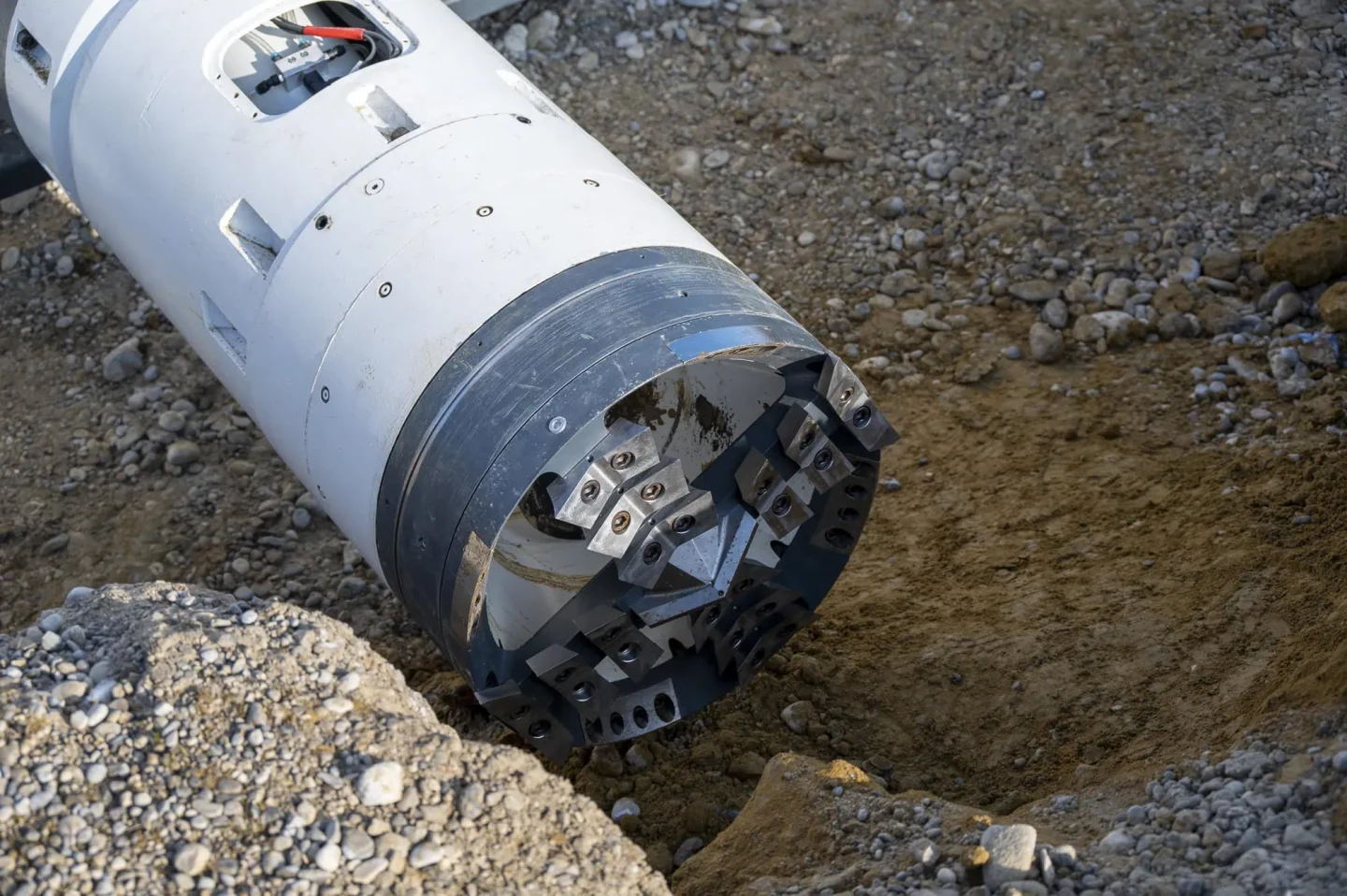
How We Set Tunneling Records and Won the Not-a-Boring Competition
Machine Building
CNC Machining
Prototyping
Read Story
The lessons we learned go far beyond mechanics. We reflect on three key takeaways: people are the ultimate success factor — both the team and its supporters; divide and conquer: breaking the project into subsystems prevents chaos and enables parallel innovation; and industry partners like Xometry are strategic enablers, not just suppliers.
Read Story