Ashby Manufacturing, a Pittsburgh-area machine shop founded in 1976, joined Xometry's Manufacturing Partner Network to solve boom-and-bust cycles. The partnership enabled them to find small-quantity, quick-turnaround CNC machining jobs within days, filling production gaps without spending time on marketing or manual quoting.
Industry
Machine Building
Country

United States
Use case
High-Volume ManufacturingProcurement
Technology
CNC Machining
Product
Customized mechanical parts processing orders
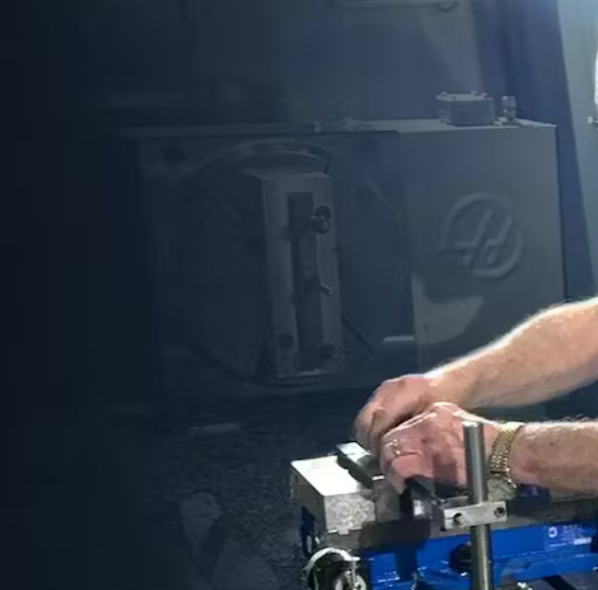
Every day I come in I know I am going to have five or six jobs on Xometry that I can fit into any free space that I might have out on the floor. It is just really nice to be able to have it , because always in the back of my mind, I’m thinking, ‘Oh man, I have no new orders coming in from my current clients, but I could take this job that's right here [on Xometry] and keep busy for a while.’ That is huge for us.
The Glory and Pain of Steel City
Anyone who’s even remotely familiar with the history of Pittsburgh knows that it’s now the “Steel City” in name only. In the 1920s, Pittsburgh steel companies produced one-third of the world’s steel and the industry generated over 300,000 jobs that served as the backbone of the local economy. But in the early 1980s that dominance came to an abrupt end.
Deregulation and foreign competition sent the price of steel plummeting and it wasn’t long before Pittsburgh steel companies began hemorrhaging jobs — 133,000 between 1979 and 1987. In at least one Pittsburgh-area county, the unemployment rate reached 27 percent, which is higher than the peak national unemployment rate during the Great Depression.
But Pittsburgh eventually endured and adapted to the 21st century economy. Today, the city is the home of thriving companies in the technology, health care, and education industries. And though many of those steel-era manufacturing companies closed down, some managed to evolve with the times and are still operating today.
A Family Business's Path to Survival
One such company is Ashby Manufacturing. Now owned and operated by Tim O’Donnell (his brother Kevin is also a part owner), it was founded by his father, Manus, in 1976. “My father came over from England in 1965,” O’Donnell recalled. “He went to school for engineering and wanted to see what America was like, so he and a friend came over here and he just fell in love with it. Came back six months later and started renting an apartment from my grandmother, which is how he met my mother.”
This was when steel was a still-thriving industry, and O’Donnell’s father started as a machinist for a shop called Miller Printing. It wasn’t long though before he started taking jobs on the side and then eventually left to start his own machine shop. It started as a small operation in Pittsburgh and as it grew he moved to a larger facility in the suburbs. “As it got bigger, everybody started pitching in and helping out,” recalled O’Donnell. “My mom would have a phone in the kitchen for business calls. She was basically our secretary.”
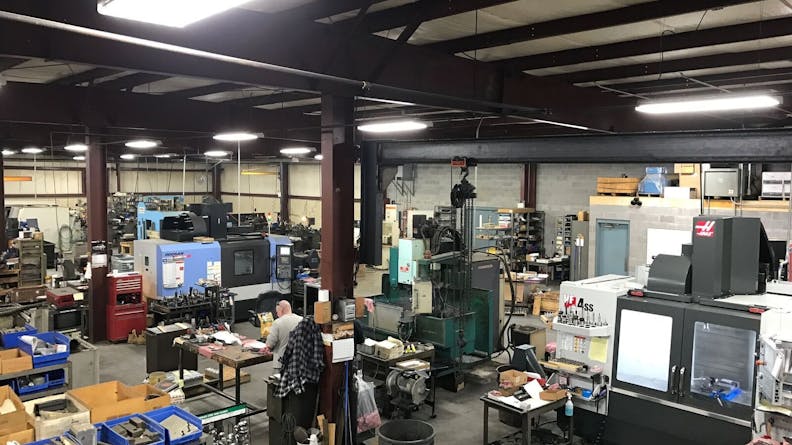
Ashby Manufacturing
It was fairly early in his life that O’Donnell realized he would end up joining the family business. He began working for it as a teenager and then later went to school for engineering and business. He learned CAD technology, which was relatively new at that time, as well as the intricacies of fulfilling government contracts. And by working in his father’s shop, O’Donnell was exposed to some of the most experienced machinists in the business. “Really our strength is the people who have been working here for decades, which translates to a lot of experience on the floor,” he said. “The second guy we hired is still here, and so is the fourth guy we hired. There’s another gentlemen who has worked here for 22 years. Bouncing around with all those guys allowed me to learn from their wealth of experience, and then I was able to add some expertise of my own on the technology side of things.”
By the time the steel market crashed in the 80s, Ashby Manufacturing was well-positioned to weather the storm. “We bought some high end machines that a lot of our competitors didn’t have, and that allowed us to go after some high end work back then,” said O’Donnell. “That set us apart.” It also primed the company for what came to replace the steel industry; the rise of tech, health care, and service companies shifted much of Ashby Manufacturing’s focus from high-volume orders to low-volume jobs with quick turnarounds. “Small quantity, quick turnaround kind of work is what we found we shine to. We were small enough that we realized we could take on things like that.”
But even though Ashby Manufacturing adapted to the changing economy and secured business relationships that have lasted for decades, it was still subject to the boom and bust cycles that most smaller machine shops face. Such shops are often highly reliant on local industries, so they’ll struggle to fulfill a rush of orders and then wait for new orders to come in — a wait that could last days or even weeks. These manufacturers also experience difficulty securing new customers because they don’t have a marketing budget or sales team in place. “A potential new customer might come along who wants to manufacture a part, and so you spend several hours making sure you have the right materials and determining the cost,” said O’Donnell. “But then when you get back to them you find out you’re not the lowest bidder, or they were only toying with the idea of making a part and not all that serious about it. You do have to be careful how much time you spend quoting things.”
Digital Empowerment Brings New Life to a Small Shop
Earlier this year, O’Donnell solved this problem by signing on to Xometry’s Manufacturing Partner Network. “We had a representative come in from a large supply house, and he said, ‘There’s this thing called Xometry, and its guys are looking for small shops and you guys are a real good fit,’” recalled O’Donnell. After spending time on the Xometry website and speaking with someone from its partnership team, he decided to register for the program. “I think we had our first job within three or four days. It’s a pretty good system. Whenever someone posts a job to Xometry, we can see the delivery date, the materials, and the price, and so then all we have to do is decide whether we’re able to take the job or not.” He likes the fact that he doesn’t have to waste time with marketing or quoting prices.
So how does O’Donnell decide whether he’ll take on an order from the Xometry network? “Every day I come in I know I am going to have five or six jobs on Xometry that I can fit into any free space that I might have out on the floor,” he explained. “It is just really nice to be able to have it , because always in the back of my mind, I’m thinking, ‘Oh man, I have no new orders coming in from my current clients, but I could take this job that's right here [on Xometry] and keep busy for a while.’ That is huge for us.”
Not only does the Xometry partnership allow Ashby Manufacturing to pick up work during down time, but it also expands its client base beyond local industries. “Normally, it is really difficult for me to say, ‘Hi, I’m in Pennsylvania, and I would like to do some quick turnaround work for you and you are out in Colorado.’ A lot of buyers are like, ‘I want the guy down the street. But Xometry has taken out that distance factor.”
“In fact,” he added, laughing, “I might take a job right after we get off the phone.”
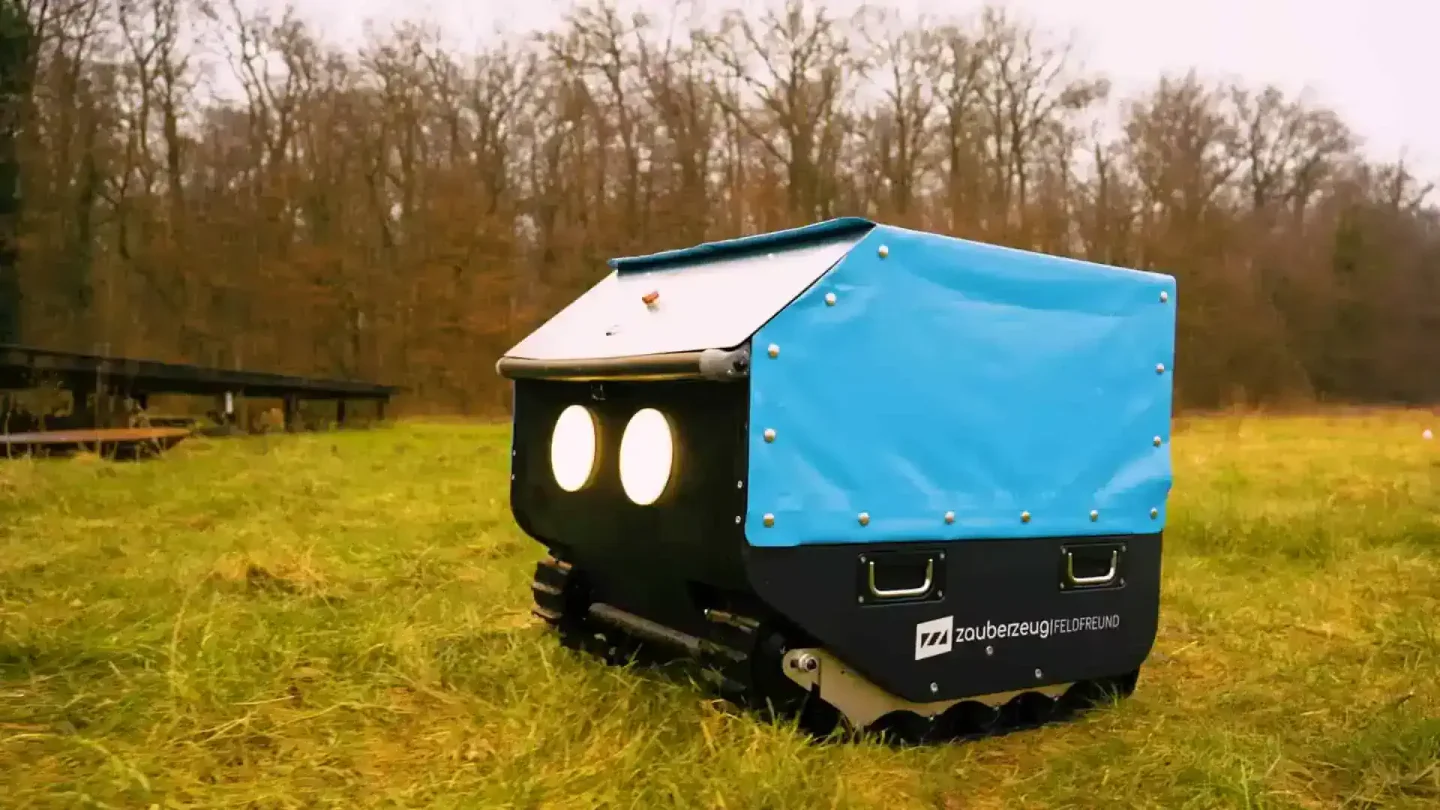

How Zauberzeug Uses Xometry for Fast and Efficient Sourcing of High-Tech Agricultural Robot Components
Robotics
Machine Building
CNC Machining
Procurement, Prototyping
Read Story
With Xometry, we have found a manufacturing partner that supports our development philosophy. The ability to quickly and precisely order small batches of parts gives us the freedom to iteratively improve our robots. This flexibility is essential to our innovation process.
Read Story


Aerospace Institute Speeds Up R&D with Xometry's On-Demand Complex Parts
Machine Building
3D Printing
CNC Machining
Prototyping
Read Story
In the past, developing non-standard devices was always complicated by the issue of tolerance matching between externally purchased standard parts and custom-machined components. Xometry's one-stop solution perfectly solved this pain point: they not only handled the complex metal 3D printing and sourcing of components but also delivered a finished product that had undergone precision assembly and adjustment. What we received was a functionally ready component that met our precision requirements. This efficient and worry-free delivery experience is exactly what R&D personnel need.
Read Story
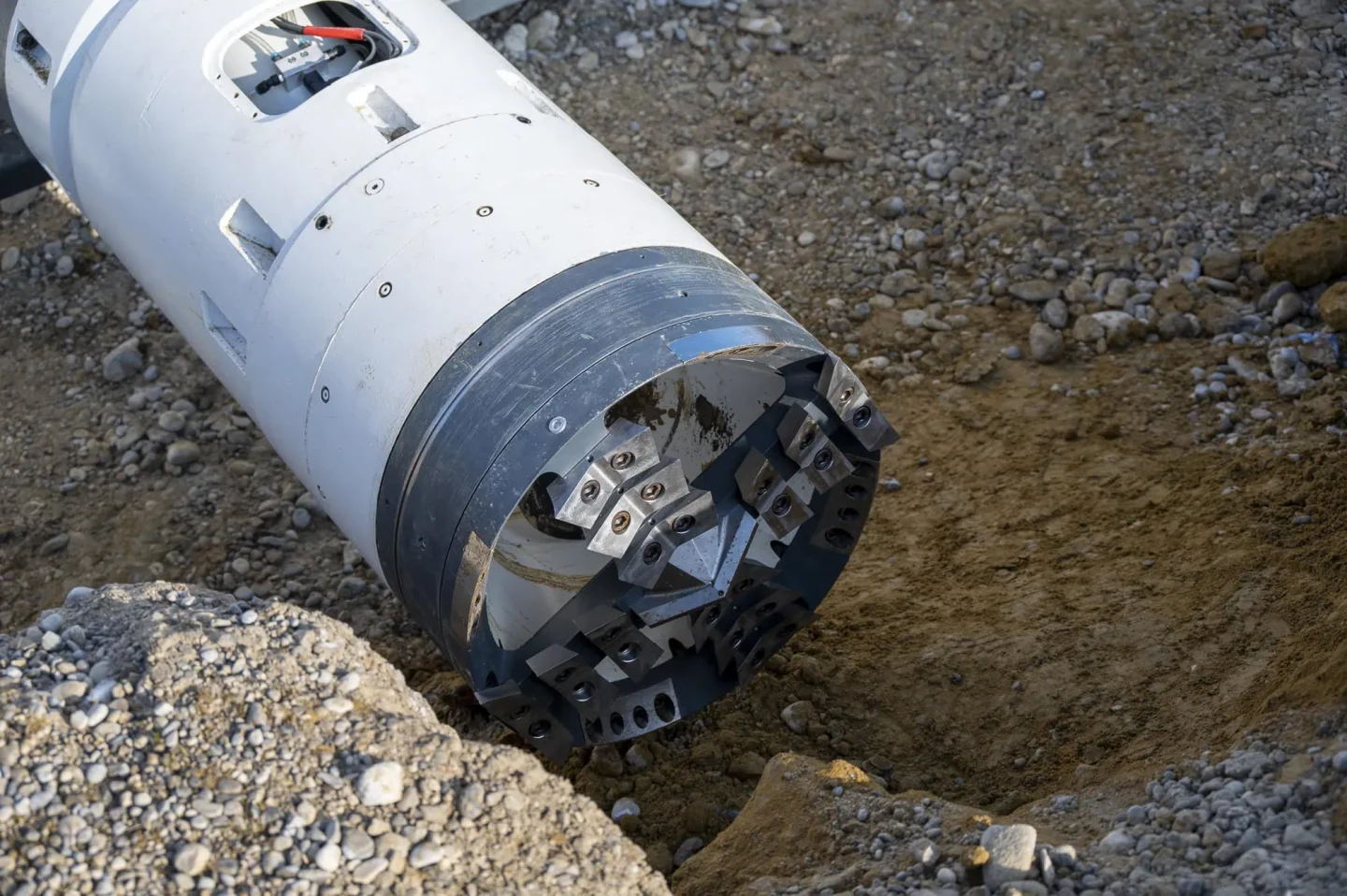
How We Set Tunneling Records and Won the Not-a-Boring Competition
Machine Building
CNC Machining
Prototyping
Read Story
The lessons we learned go far beyond mechanics. We reflect on three key takeaways: people are the ultimate success factor — both the team and its supporters; divide and conquer: breaking the project into subsystems prevents chaos and enables parallel innovation; and industry partners like Xometry are strategic enablers, not just suppliers.
Read Story
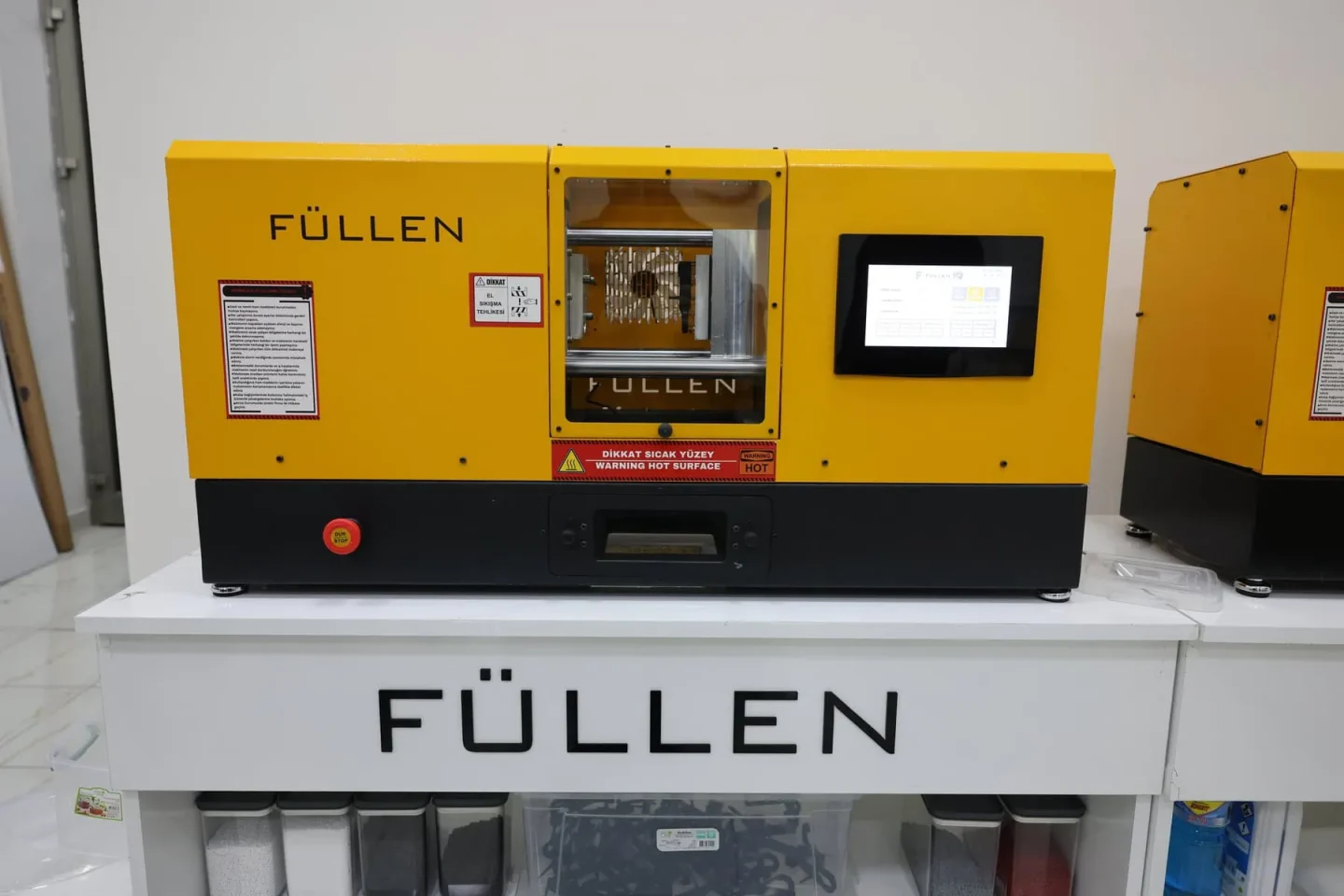

Füllen’s Desktop Plastic Injection Machine MiniMolder Manufactured with Xometry
Machine Building
CNC Machining
High-Volume Manufacturing
Read Story
We make the design, upload it to the Xometry Instant Quoting Engine. We see the price and delivery time immediately. Previously, we had to contact four or five different places separately. Now, we receive ready-to-assemble parts from a single channel.
Read Story
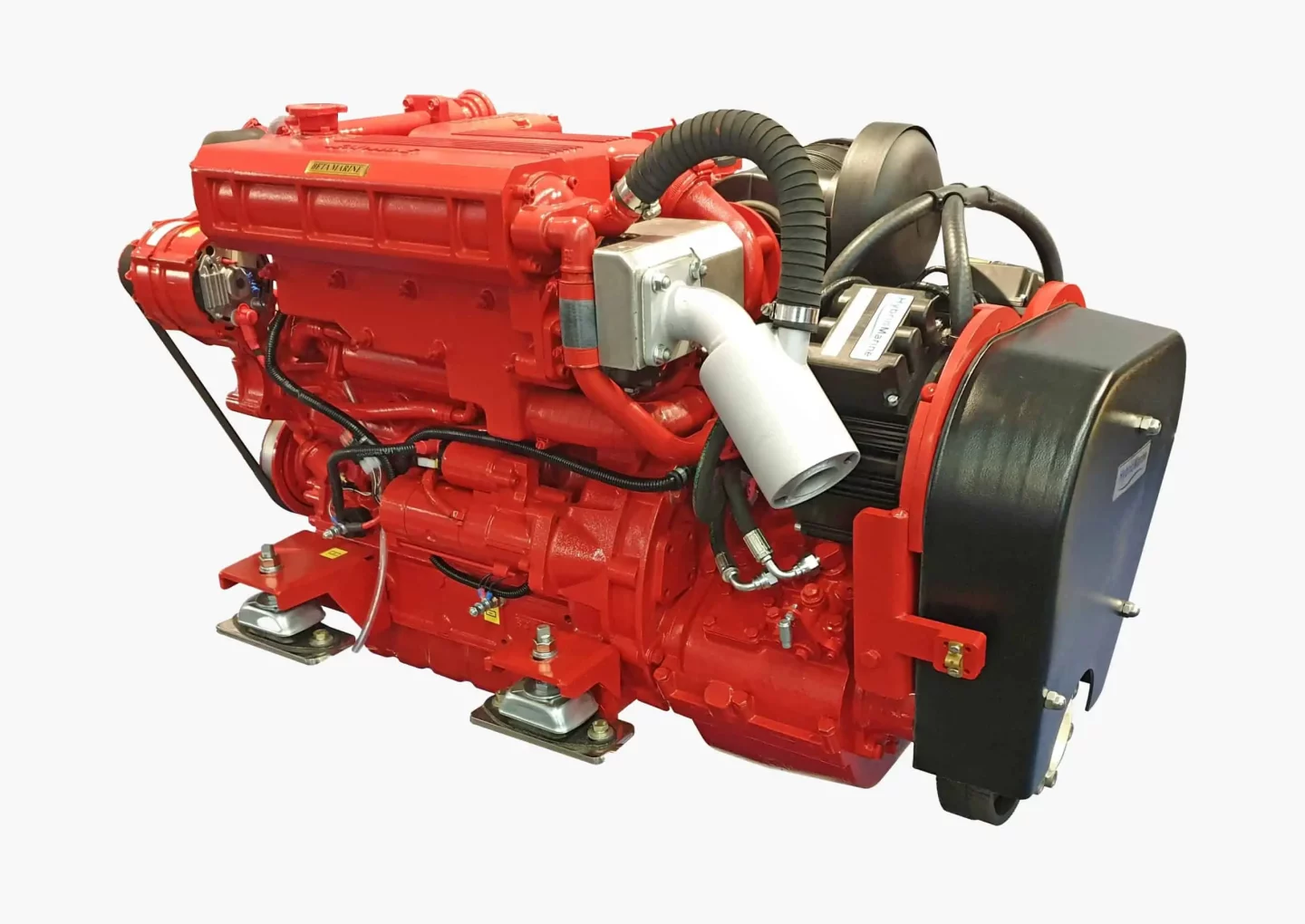

Hybrid engines for the marine industry produced faster with on-demand manufacturing
Machine Building
CNC Machining
Sheet Metal
Procurement, R&D
Read Story
With Xometry, we don’t have to go through that,” referring to simplified and faster quoting and manufacturing.
Read Story
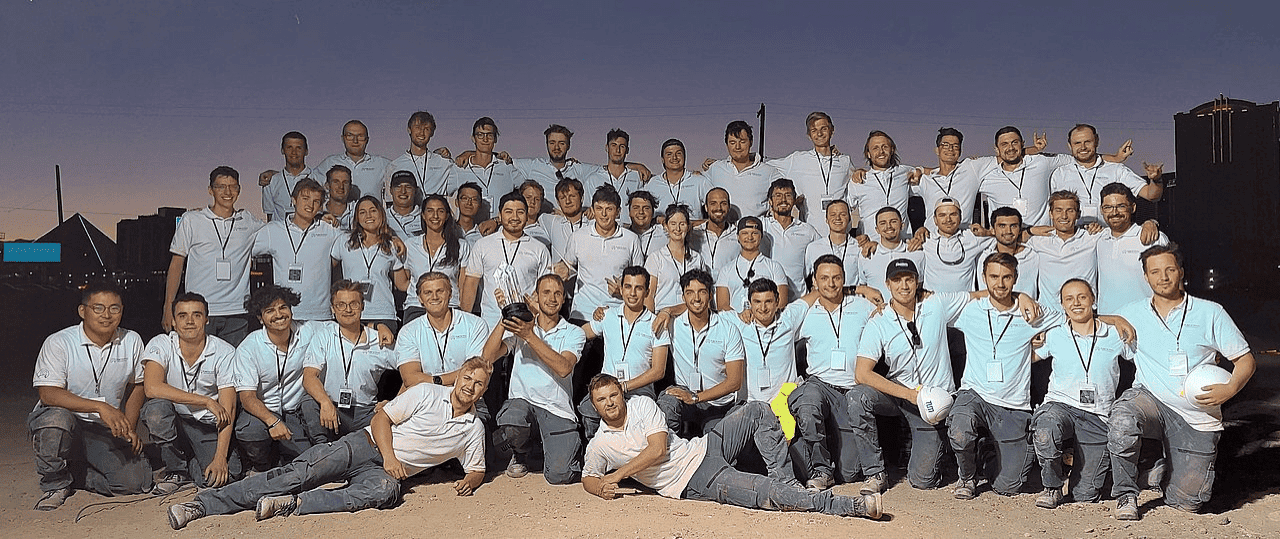
Revolutionary tunnel-boring machine made with on-demand manufacturing wins the Not-A-Boring Competition
Machine Building
CNC Machining
Sheet Metal
Prototyping
Read Story
he project had a very ambitious timeline since we had to plan, produce, test and ship our complex machine all within one year. The short and scheduled delivery times from Xometry were a great help in achieving this. We were also really satisfied with the quality of the parts provided by Xometry.
Read Story
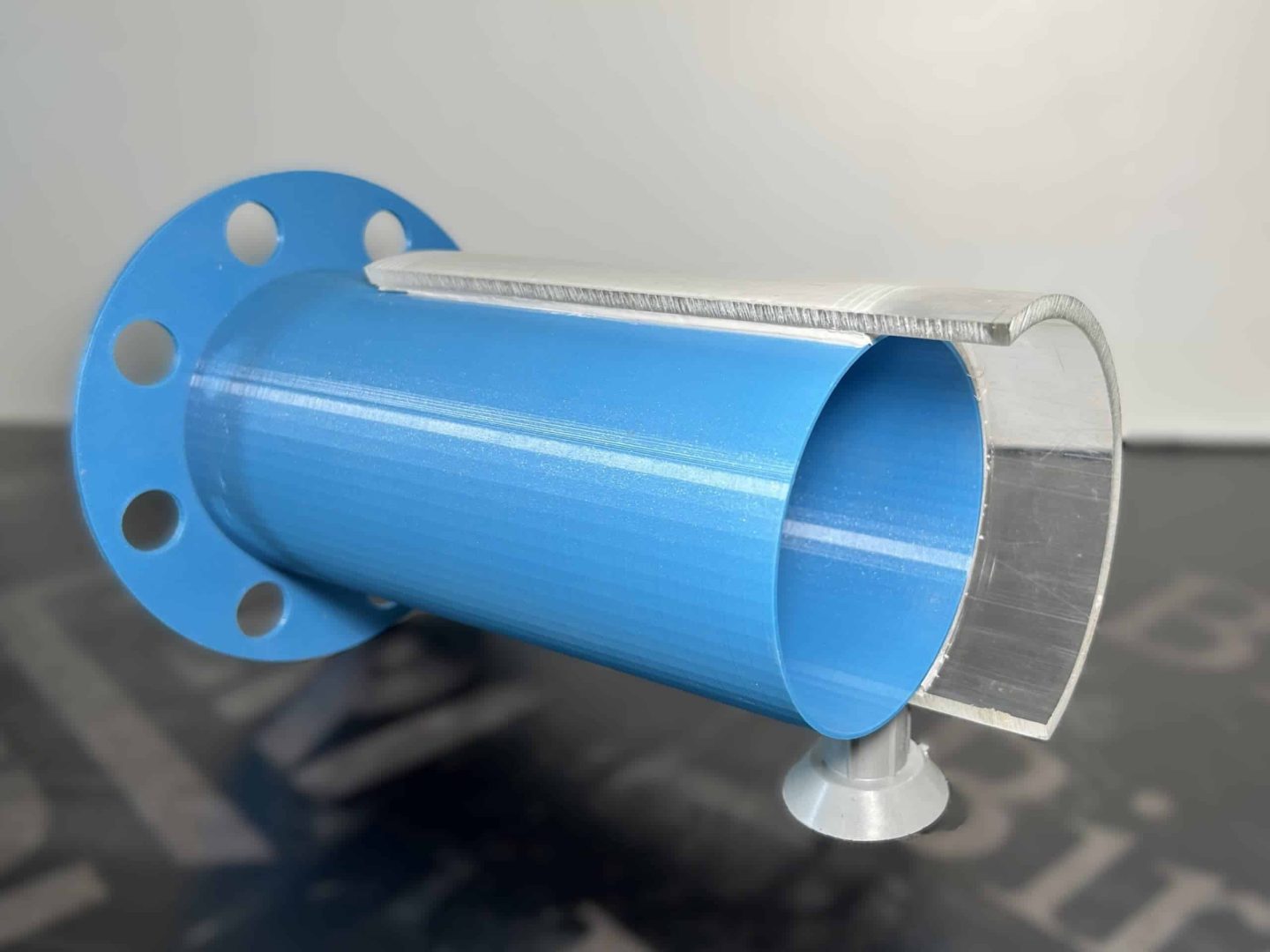
A New Era of Sealing for Wastewater Infrastructure: Xometry Supports Development of Universal Fittings for Pressure Pipelines
Machine Building
3D Printing
Prototyping
Read Story
Our development process begins with extensive brainstorming of potential shapes and sealing methods. 3D printing plays a key role at this stage, allowing us to quickly test different designs before determining the final production materials. Since the final materials are too costly and time-consuming for early prototype stages, we focus on creating small-scale test models in-house, then produce large prototypes through Xometry to ensure convenience and accuracy.
Read Story
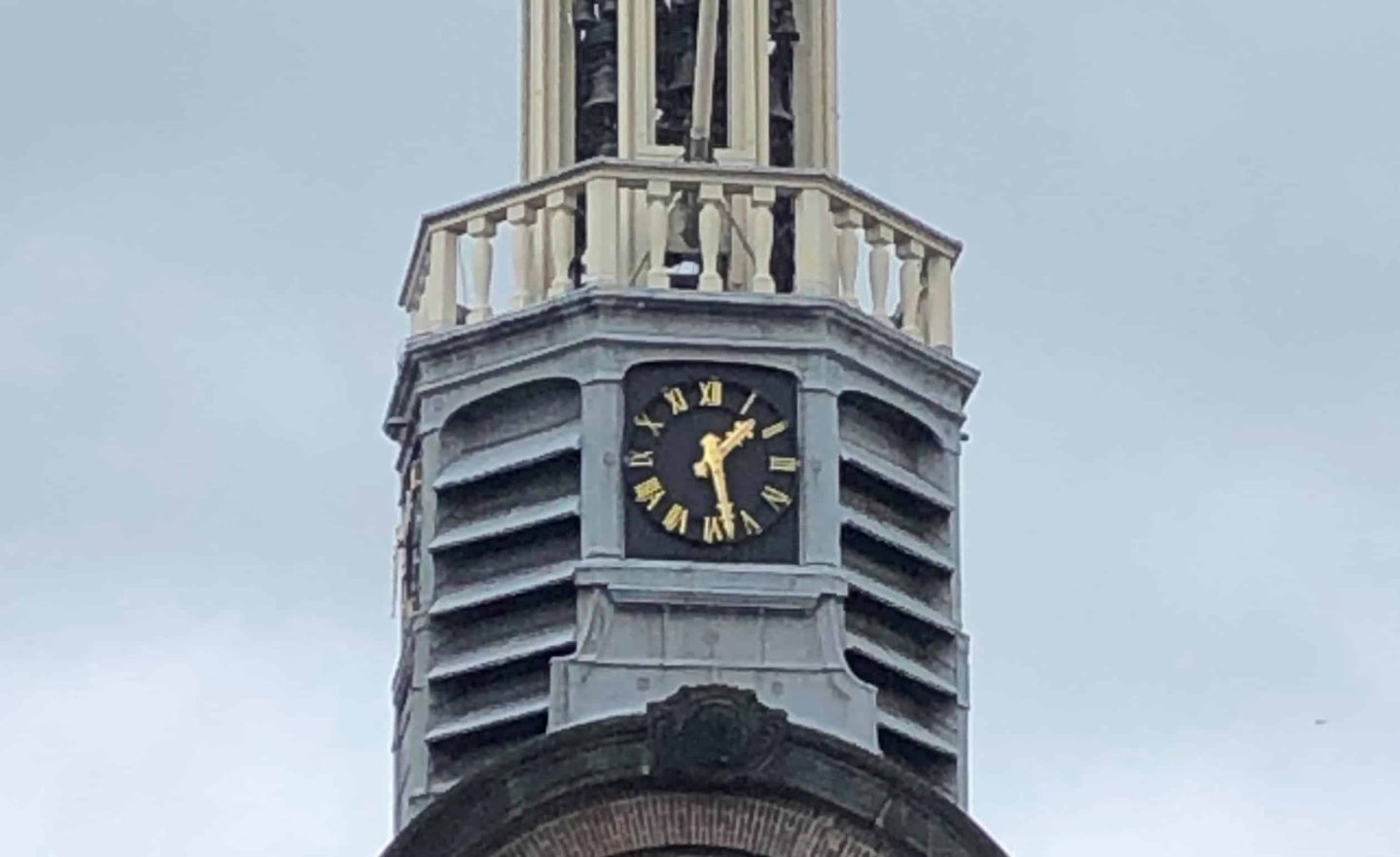

Recreating the Barentsz Clock: A Blend of Tradition and Modern Manufacturing
Machine Building
3D Printing
Prototyping
Read Story
The Horological Society continuously balances its respect for traditional craftsmanship with an openness to modern innovation. One such innovation is the use of 3D printing, which has become an invaluable tool for prototyping clock components in plastic. By sourcing high-quality 3D-printed parts through Xometry, we should be able to test designs efficiently before committing to metal production. This approach allows us to refine intricate mechanisms like gear assemblies with minimal waste and cost.
Read Story
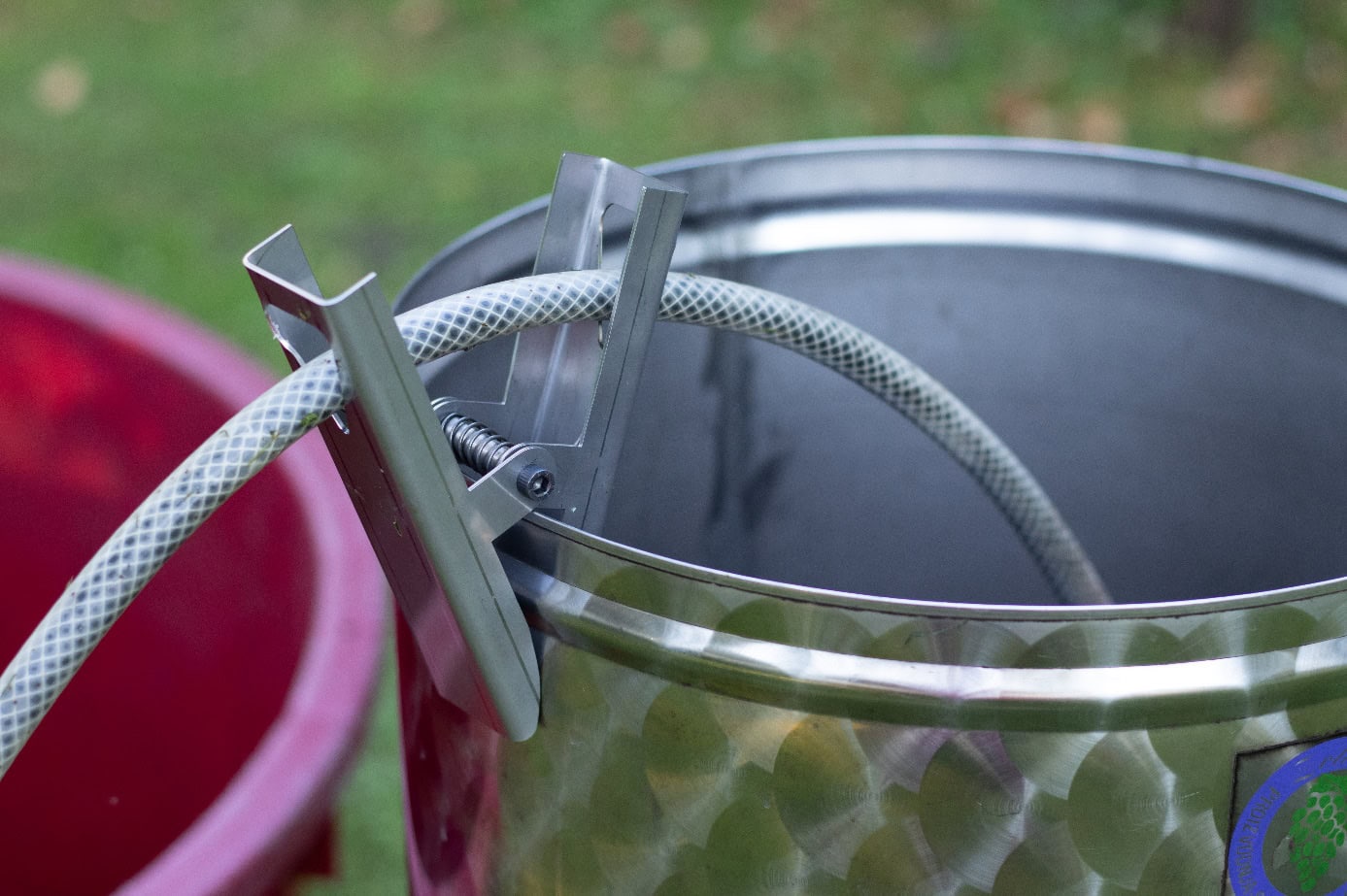

Designing a Hose Clip for the Beverage Industry: From Faculty Project to First Business Venture
Machine Building
Sheet Metal
Prototyping
Read Story
A student team from University of Maribor developed a stainless steel hose clip for the food and beverage industry, targeting wine and beer fermentation vessels. With Xometry's laser cutting service, they produced 1.5mm thick stainless steel sheet parts featuring elongated teardrop-shaped holes that pinch hoses at two points. The 80 × 45 × 170 mm design requires no lubrication, is food-safe, and grips vessel flanges securely without screws.
Read Story
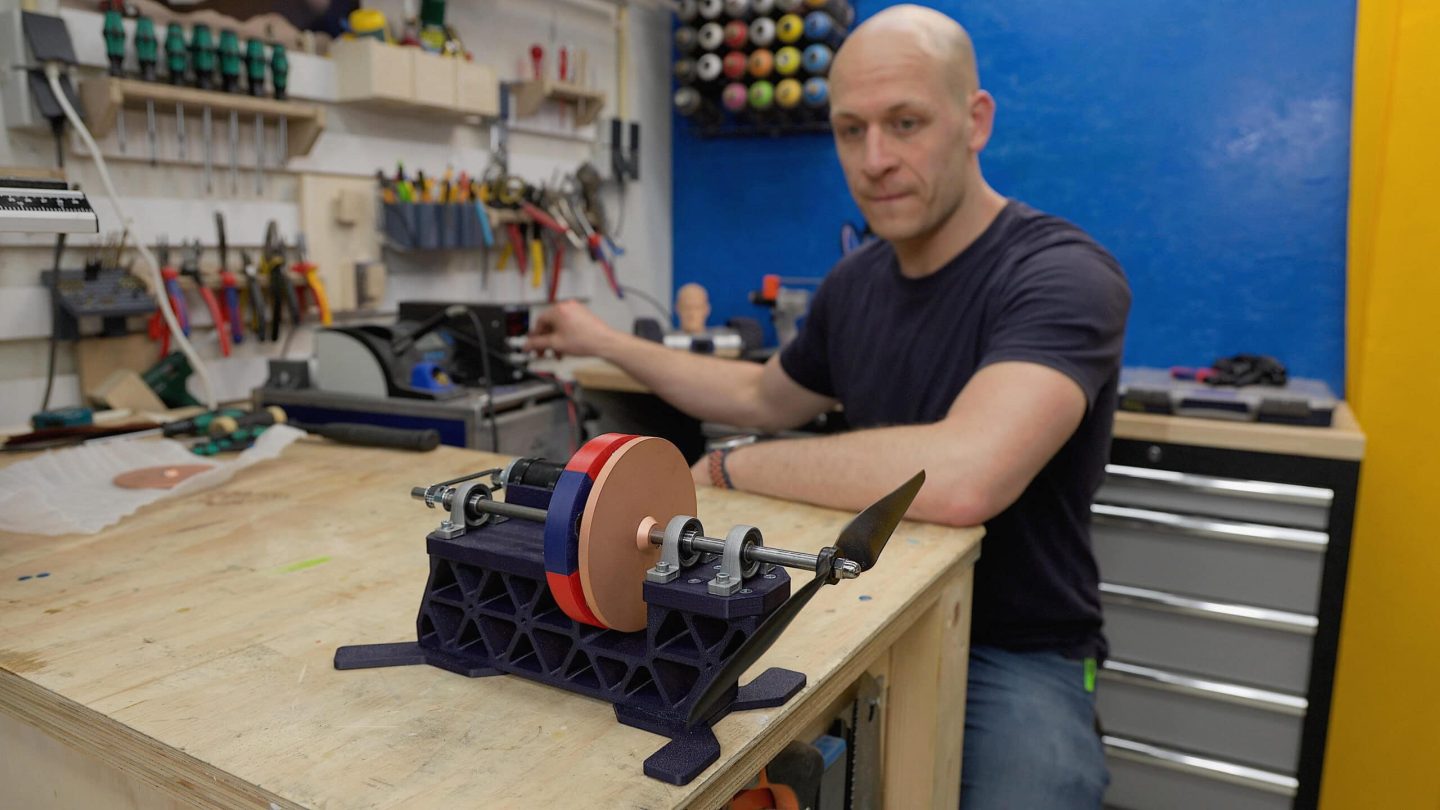
Exploring Magnetic Couplings: No Gears, No Belts, Just Magnets
Machine Building
3D Printing
Sheet Metal
R&D
Read Story
Emiel, an aerospace engineering graduate and creator of "The Practical Engineer" YouTube channel, built two magnetic coupling prototypes: magnet-to-magnet and magnet-to-copper using eddy currents. With Xometry's laser cutting service, he sourced copper plates of 3mm and 6mm thickness, discovering that the copper version enables smooth, self-regulating, non-contact torque transfer with 8mm gap capability.
Read Story
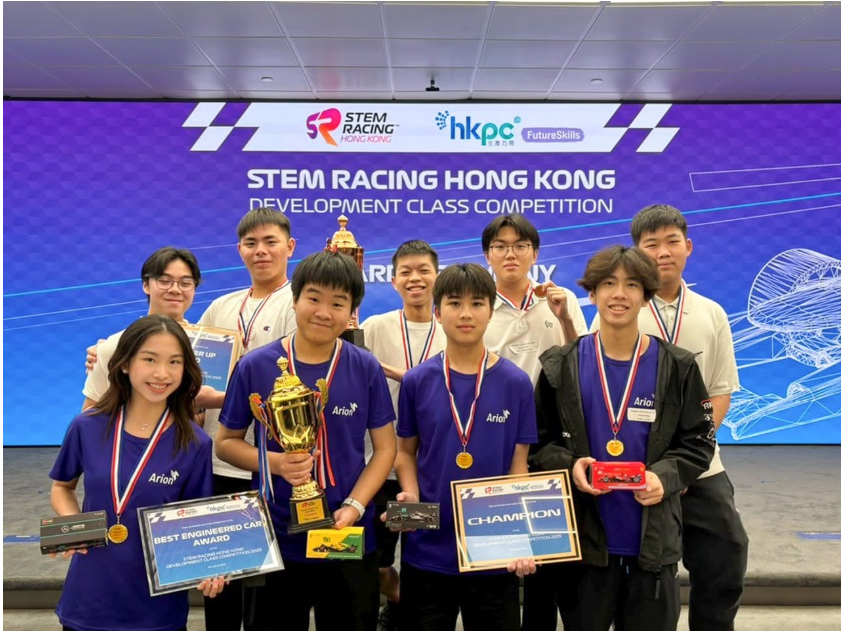

How AI-Powered On-Demand Manufacturing Helps a STEM Racing Team Achieve Faster Iteration and Championship Performance
Automotive
3D Printing
CNC Machining
Sheet Metal
R&D
Read Story
Team Arion, a student racing team from Singapore International School Hong Kong, used Xometry’s AI‑powered on‑demand manufacturing platform to overcome the hurdles of small‑batch, complex parts production, accelerated their design iterations, and went on to win the 2025 STEM Racing championship along with the Best Engineering Design Award.
Read Story
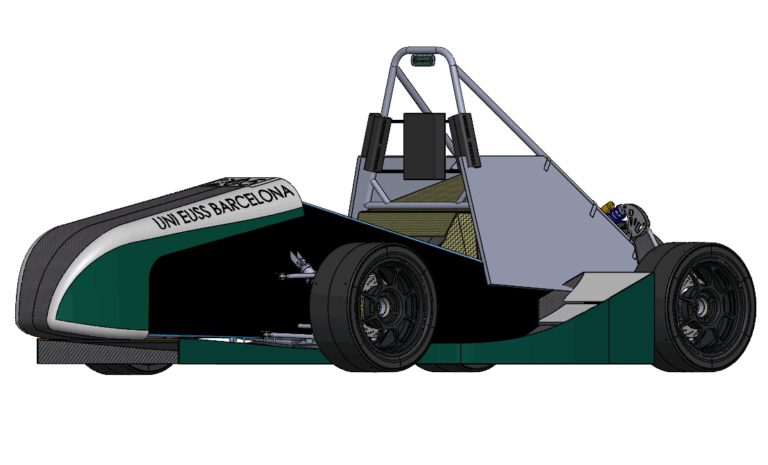

Building the EM-05: Our Journey to EUSS Motorsport’s Most Innovative Electric Race Car
Automotive
CNC Machining
Prototyping
Read Story
The transition to electric has been a steep learning curve, but what keeps us moving forward is our ability to adapt and to work closely as a team. Every mistake or setback becomes a lesson that makes us stronger. Even when continuity is difficult, with experienced members graduating and new ones joining, the project itself becomes the bridge, carrying knowledge and experience forward.
Read Story