Johannes König, an engineer at BK Pipecheck, developed a universal fitting to seal pressurized wastewater pipelines, addressing a problem where nearly 50% of pipeline ends could not be properly sealed. With Xometry's 3D printing service, he produced large-scale prototypes for testing geometries, sealing methods, and adhesive bonding compatibility with cast iron, fiber cement, PVC, and PE pipes. The design enables adhesive injection into gaps behind pipelines.
Industry
Machine Building
Country

Germany
Use case
Prototyping
Technology
3D Printing
Product
General Joint for Sewage Pressure Pipeline
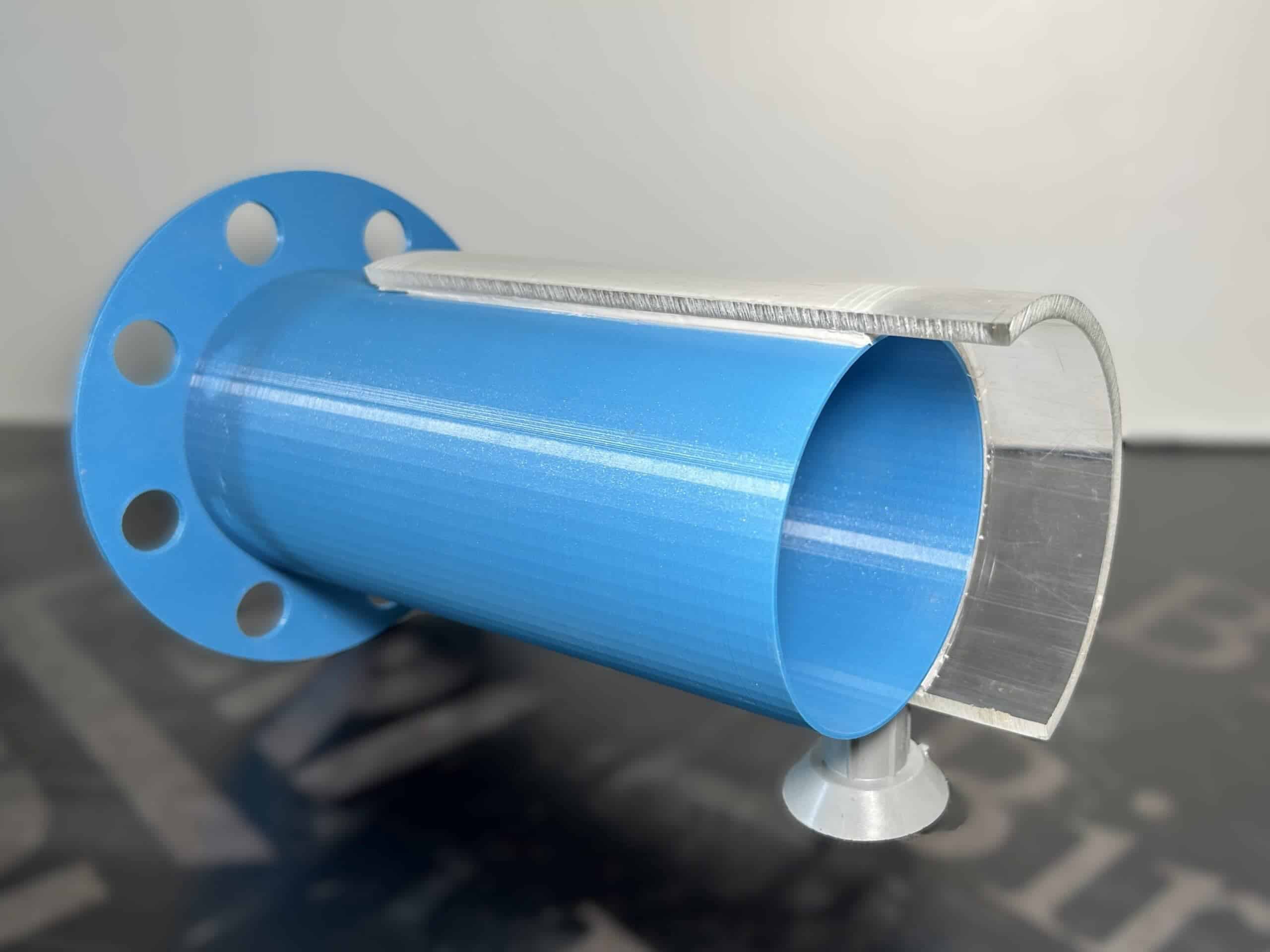
Our development process begins with extensive brainstorming of potential shapes and sealing methods. 3D printing plays a key role at this stage, allowing us to quickly test different designs before determining the final production materials. Since the final materials are too costly and time-consuming for early prototype stages, we focus on creating small-scale test models in-house, then produce large prototypes through Xometry to ensure convenience and accuracy.
Hi, I’m Johannes König, an engineer at BK Pipecheck. My work focuses on ensuring the reliability of pressurized wastewater pipelines, a vital yet often overlooked part of critical infrastructure. My engineering background and problem‑solving mindset led me to this field, where I develop practical solutions to prevent costly repairs and system failures.
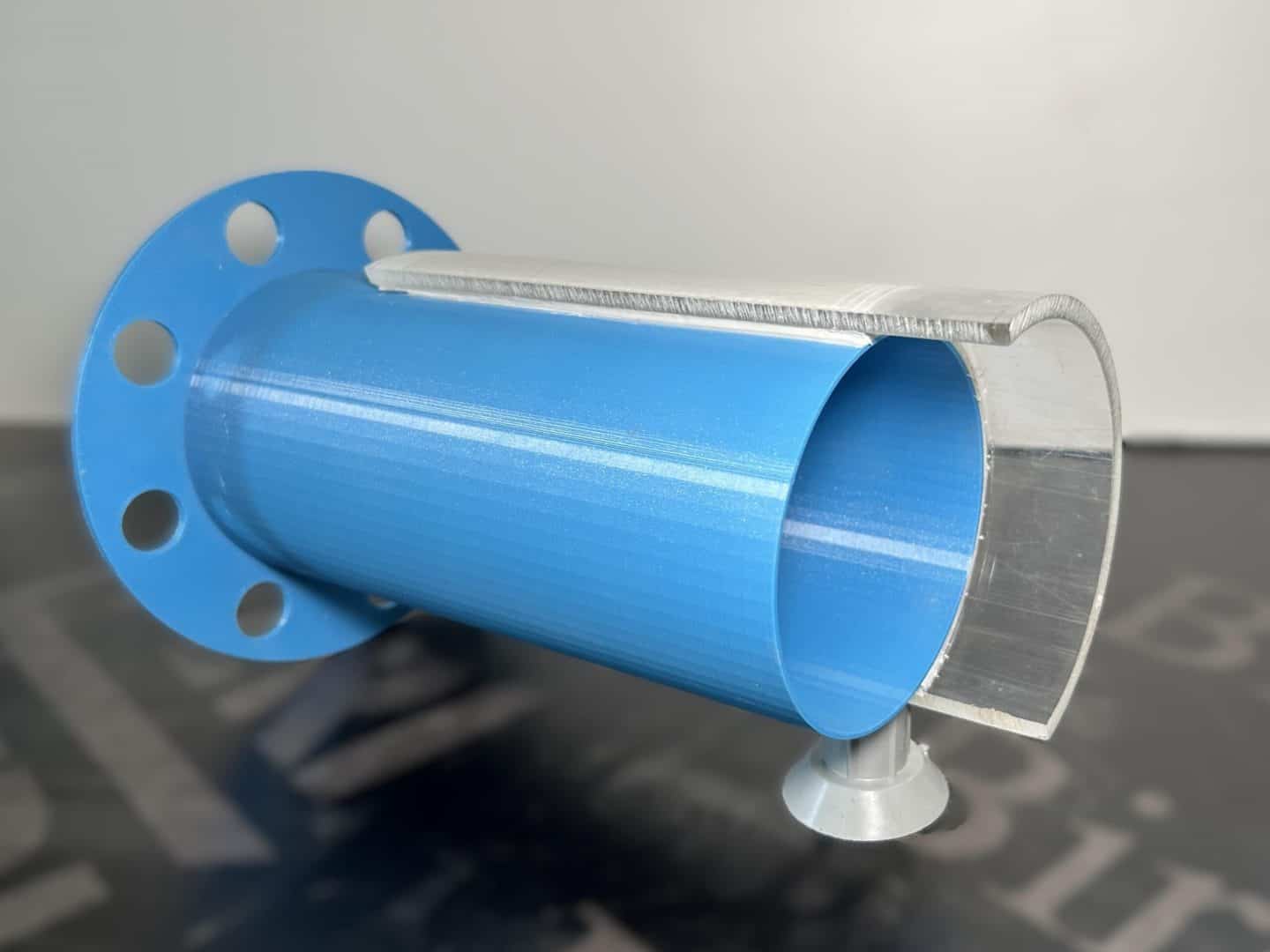
During an earlier research project, my team from the Augsburg University of Applied Sciences developed a legally binding testing procedure for pressurized wastewater pipelines. While conducting on‑site pressure tests on wastewater networks operated by multiple service providers, we identified a major issue: nearly 50% of all pressure pipeline ends could not be properly sealed. Since pressure pipelines account for roughly 10% of the entire wastewater system, this problem carries significant implications. Poor sealing can require full replacement of inspection shaft structures — a highly expensive and time‑consuming process.
This discovery motivated me to develop a universal fitting capable of fast, low‑cost sealing for pressure pipelines, avoiding unnecessary infrastructure replacement.
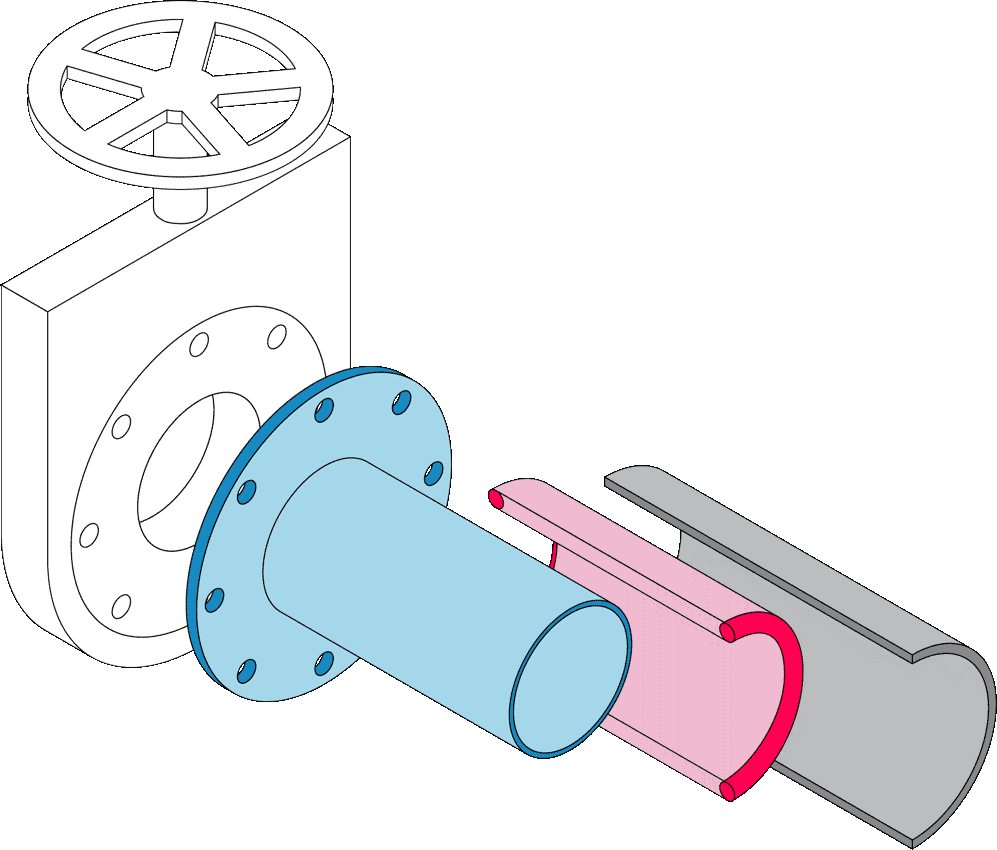
Universal Fitting Prototype Design
Developing a Universal Solution
For ease of use, the universal fitting needed to function as a multi‑purpose solution that seamlessly adapts to pipelines of different sizes and materials — this represented our biggest development challenge. Additionally, wastewater environments are extremely harsh: constant wastewater flow, chemical corrosion and high mechanical loads demand solutions that are both durable and easy to install. Since wastewater flows continuously, installation must be quick, reliable and cause minimal disruption.
Our development process began with extensive brainstorming on potential geometries and sealing methods. 3D printing played a key role at this stage, allowing us to rapidly test different designs before finalizing production materials. As production‑grade materials are costly and time‑consuming for early‑stage prototyping, we focused on producing small‑scale test models in‑house, while relying on Xometry to manufacture large‑scale prototypes for convenience and precision.
Refining Designs and Selecting Optimal Materials
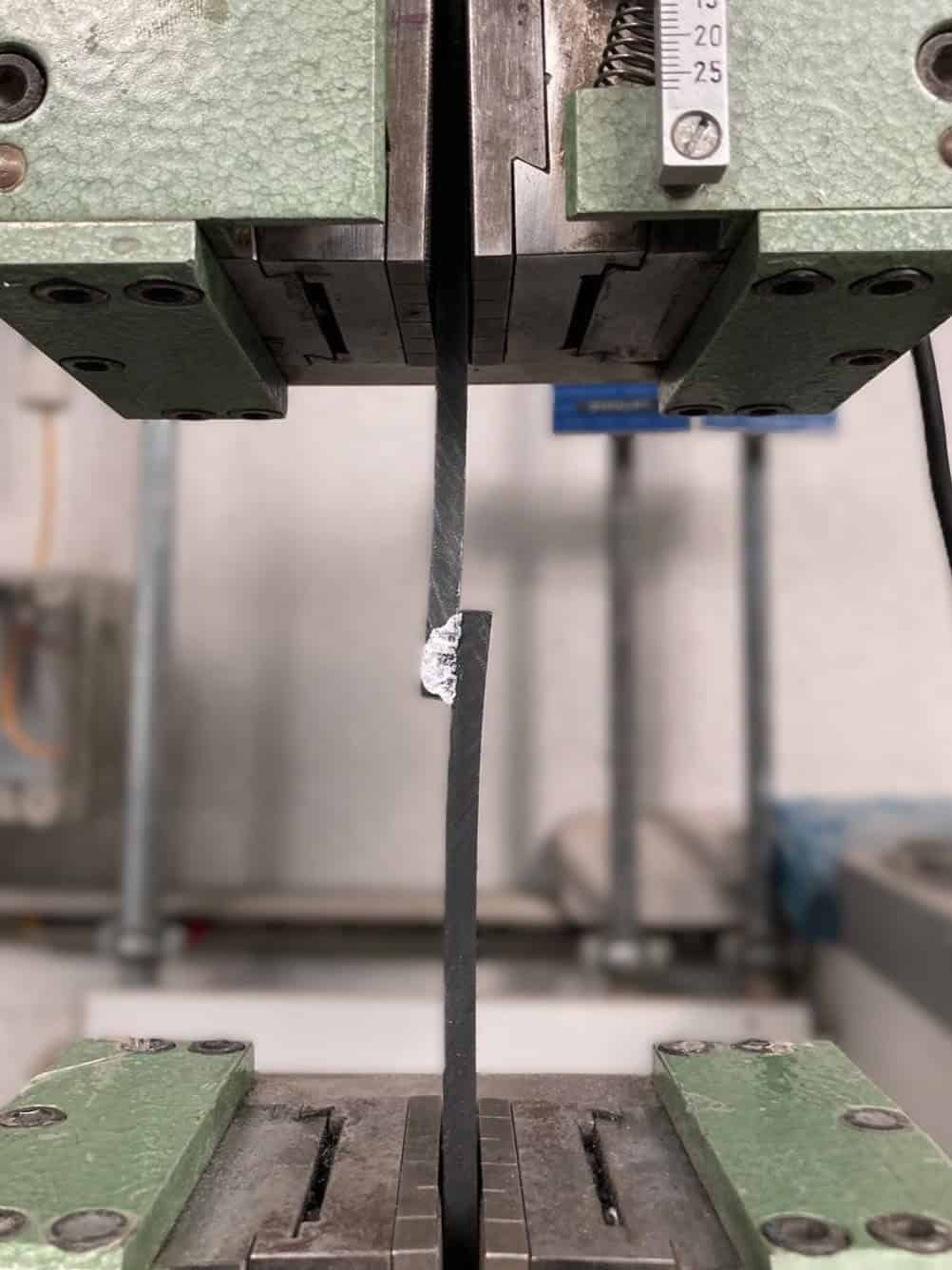
In collaboration with the Augsburg University of Applied Sciences, we launched student‑led research into the best materials and adhesives for the universal fitting. Bonding presented a major technical challenge, as compatibility was required for common pipeline materials ranging from cast iron and fiber cement to PVC and PE (polyethylene). Plastics were particularly difficult to bond due to their smooth surface, which results in low interfacial adhesion. Long‑term performance depended heavily on joint durability and even adhesive distribution. To replicate real‑world operating conditions, we printed 1:1 scale models to simulate actual installation scenarios.
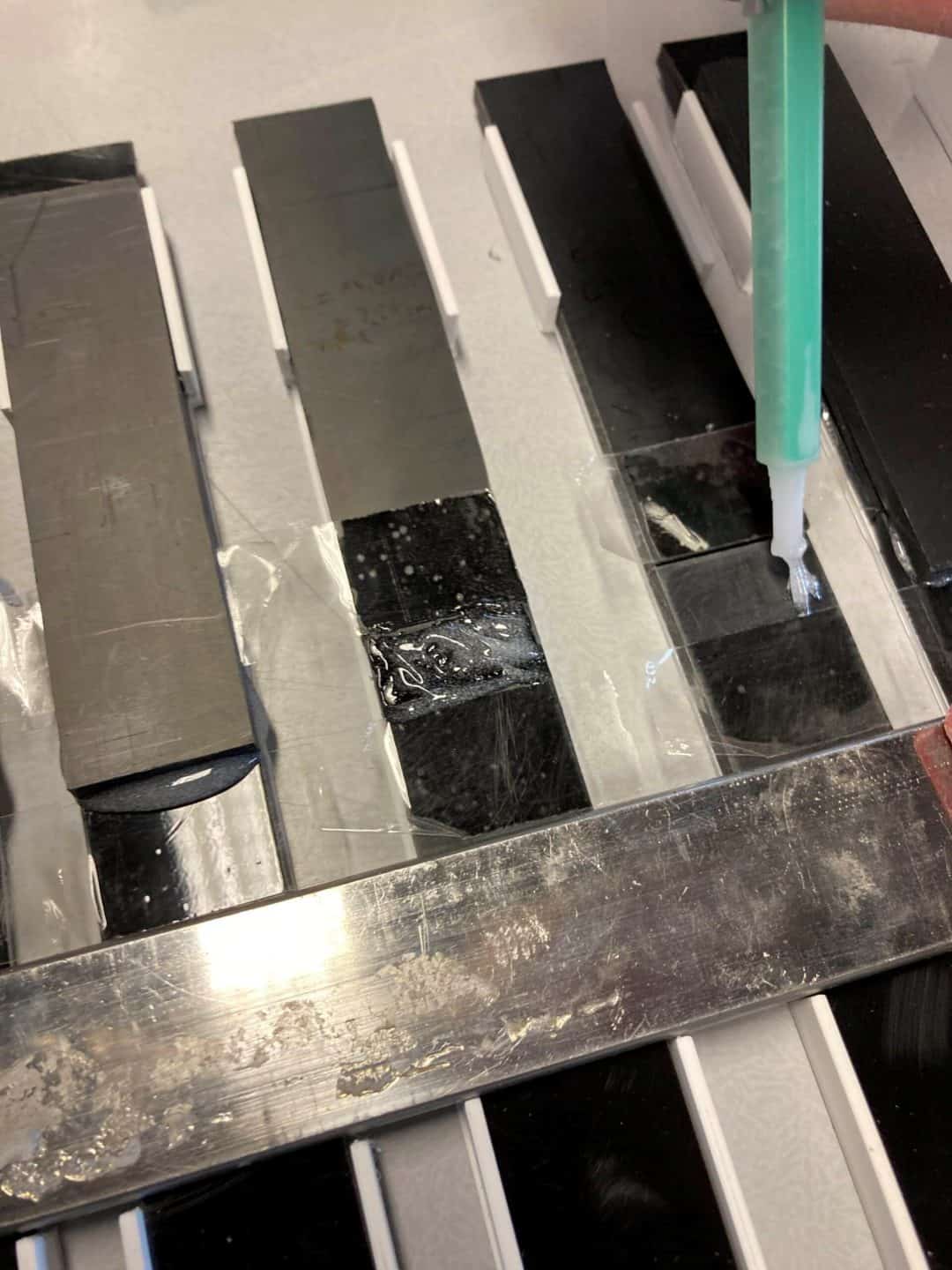
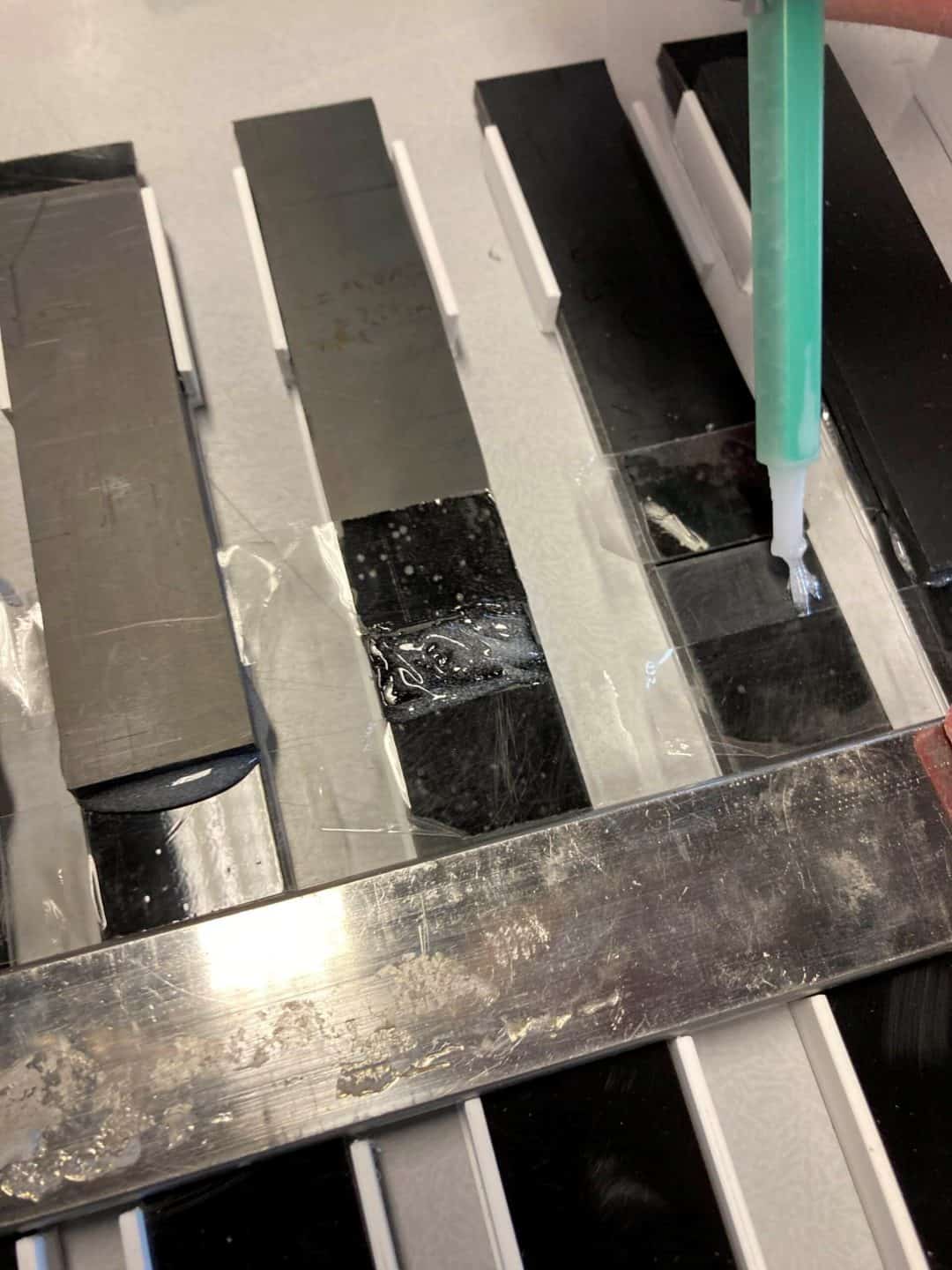
Tensile test sample bonding & Adhesive tensile test
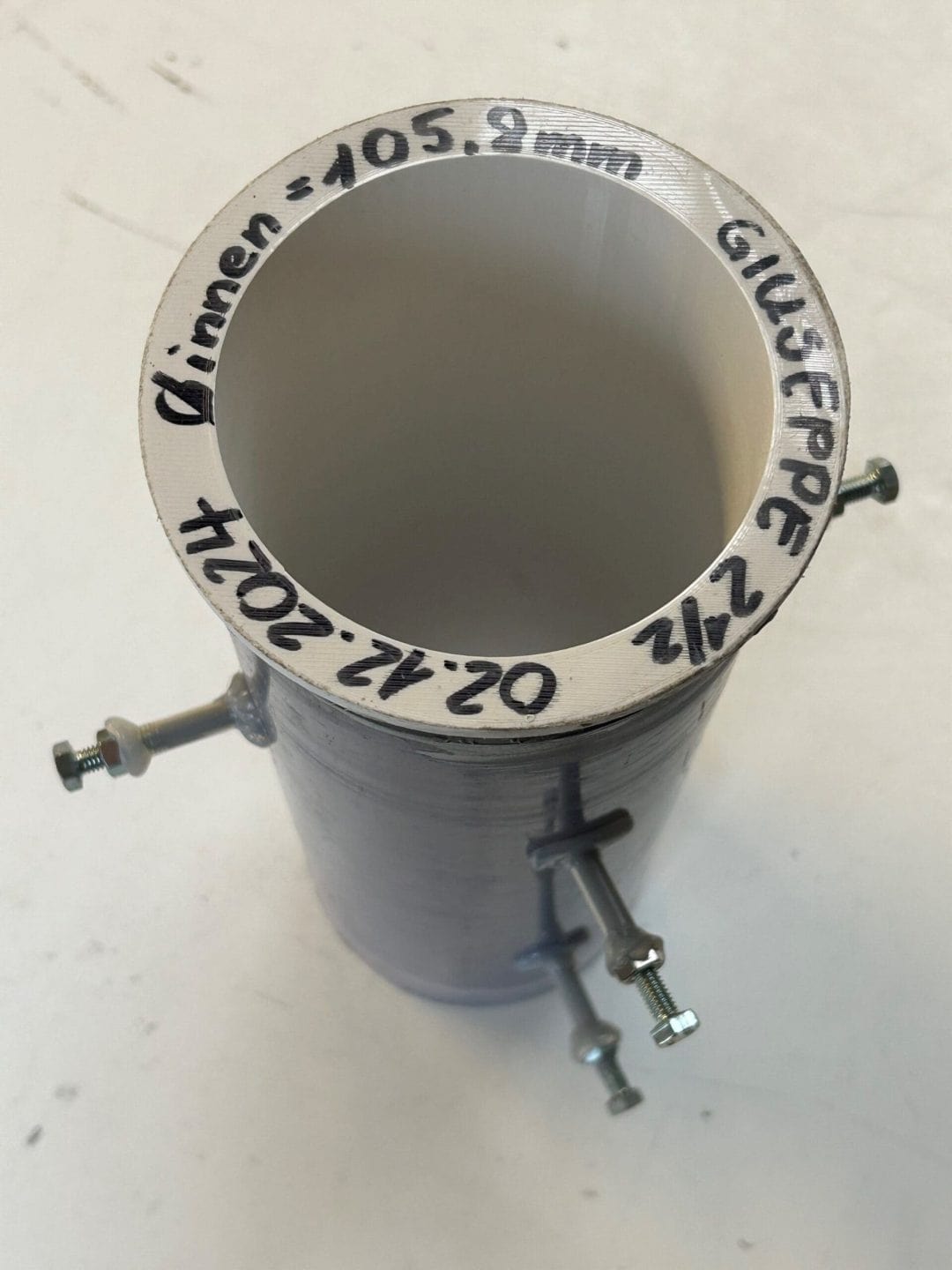
Through multiple iterations and optimizations, we improved the shape of the joints, the sealing method, and the installation process. The latest design prototype is equipped with precisely positioned gaskets and has been validated through transparent pipeline testing for bonding and sealing performance.
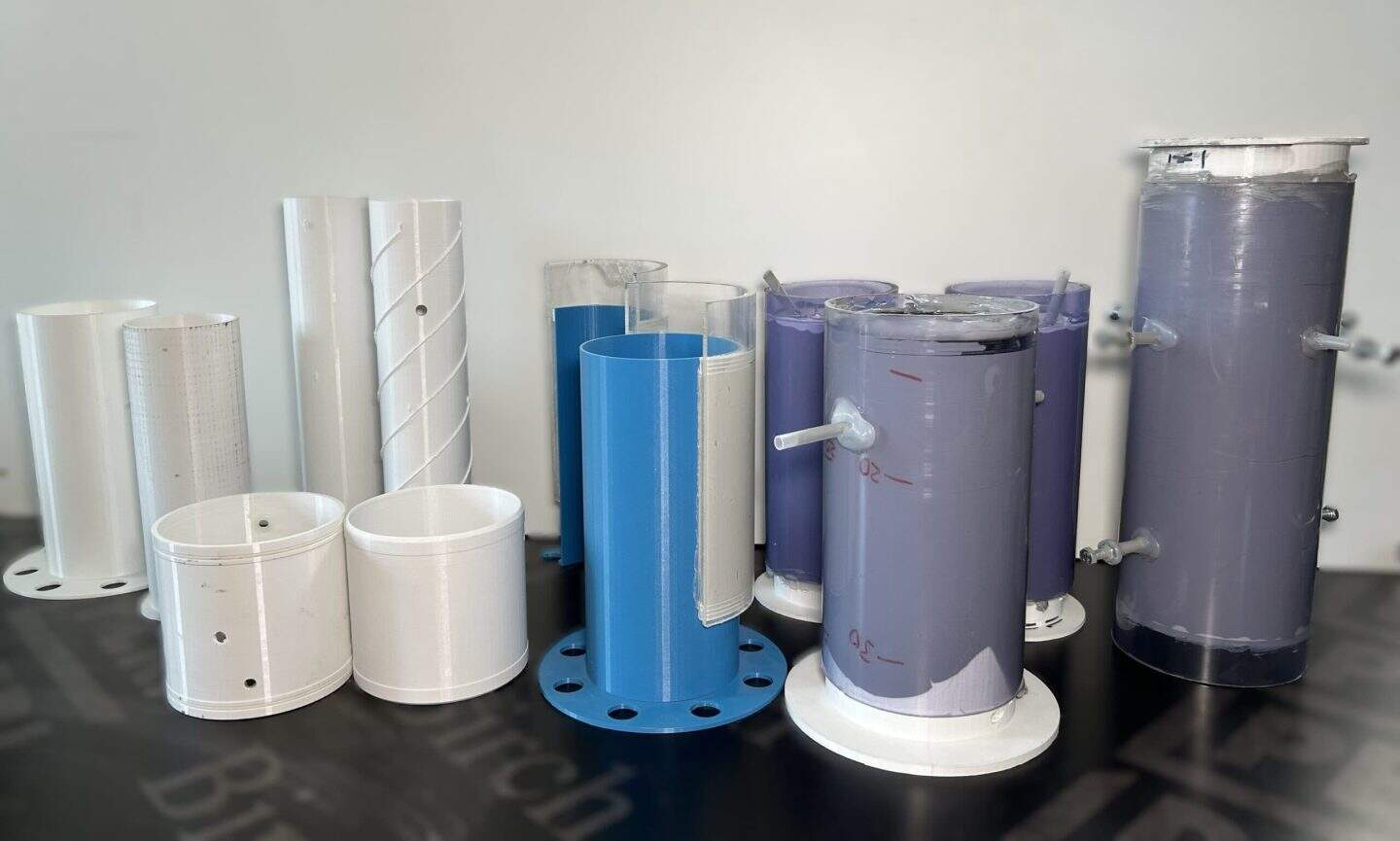
Various 3D printed prototypes with adhesive tubes
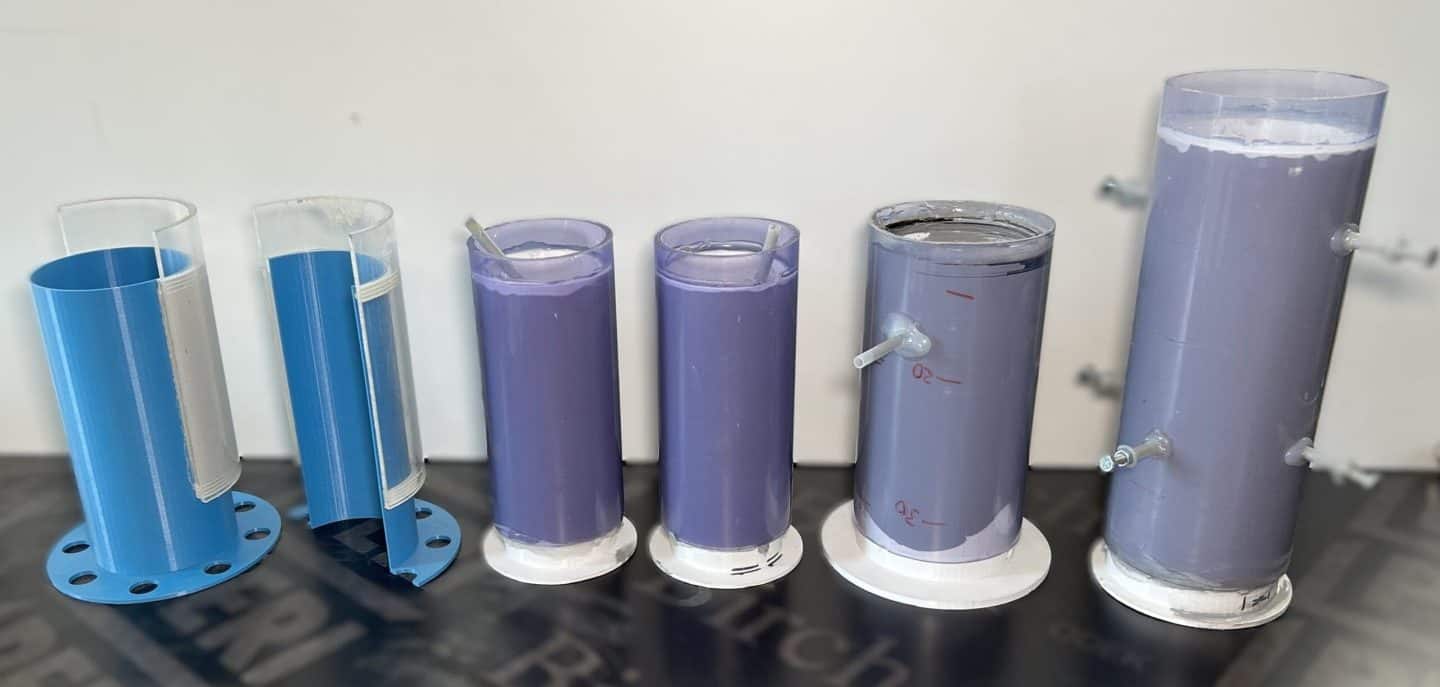
Prototypes were engineered to enable adhesive injection into gaps behind pipelines, ensuring robust bonding.
Scaling for the Future
While 3D printing was critical for prototype development and testing, our next step is to shift to CNC machining and injection molding for mass production. These manufacturing methods will deliver the required strength, durability and scalability for large‑scale deployment across real‑world wastewater networks. We have established contacts with multiple pipeline operators, who have shown strong interest in this technology. We are also in talks with wastewater pressure pipeline contractors that currently use conventional plugging solutions. Our design must match or outperform existing alternatives in both cost and installation efficiency.
Moving forward, we will continue testing and optimizing our design with the goal of commercializing the universal fitting. This innovation is expected to significantly reduce costs for wastewater operators — indirectly benefiting the public through lower network maintenance charges embedded in water tariffs — while minimizing unnecessary infrastructure replacement.
Key Takeaways and Advice for Innovators
One of the most important lessons from this project is the value of iteration and flexibility. No solution is perfect from the start — every prototype, setback and adjustment brings us closer to an ideal product. My advice for innovators tackling similar engineering challenges is to embrace rapid prototyping, leverage expert collaboration, and stay open to unexpected findings that can improve your design.
At BK Pipecheck, we are committed to making wastewater treatment infrastructure more efficient, reliable and cost‑effective, and we look forward to seeing the tangible industry impact of our universal fitting.
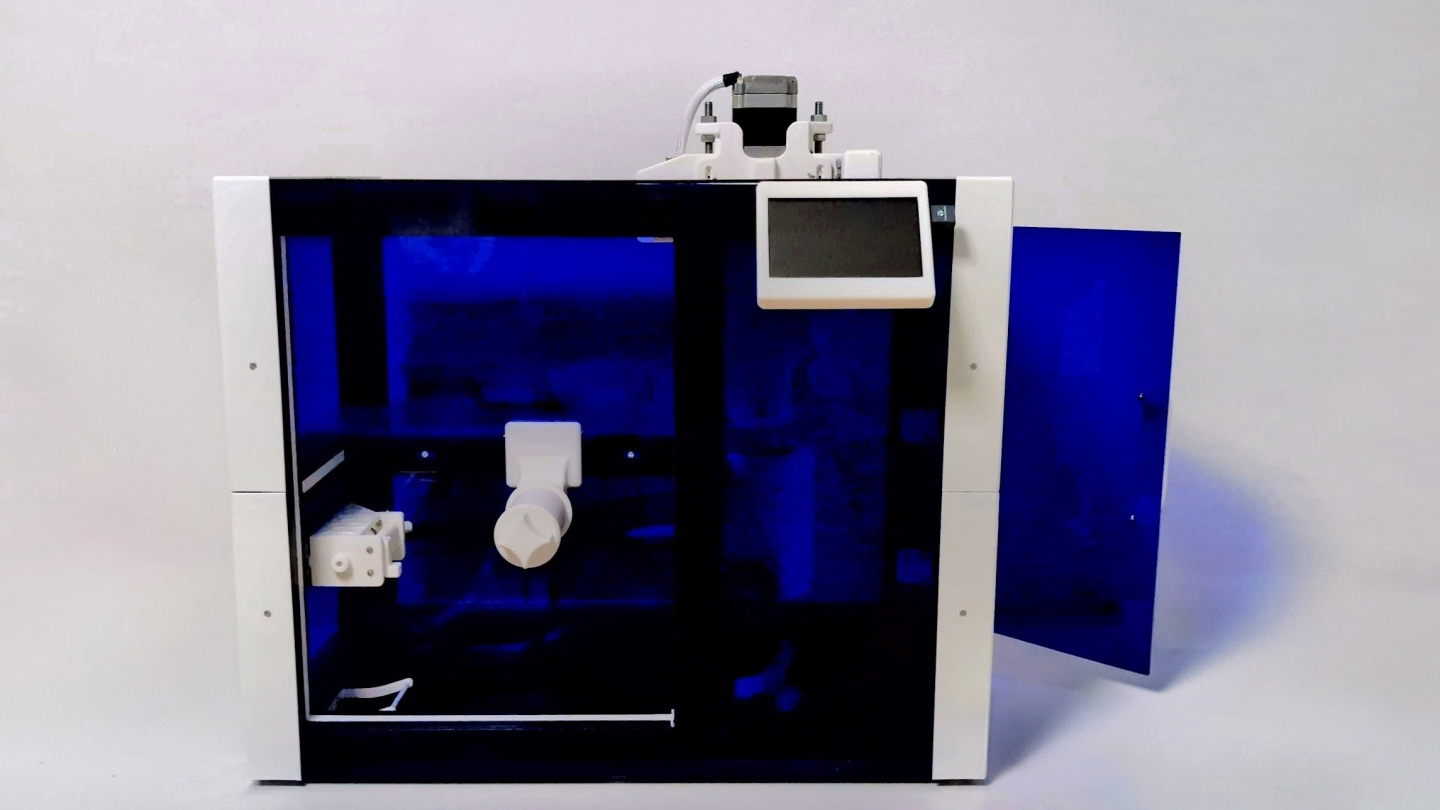

The Rethink of 3D Printing Waste and the Next Chapter of the Desktop Filament Recycler Story
Machine Building
3D Printing
CNC Machining
Prototyping
Read Story
By using agile testing and redesigning a double-sided support to resolve motor deformation and calibration challenges, the TGM student team successfully turned 3D printing waste into high-quality PLA filament.
Read Story
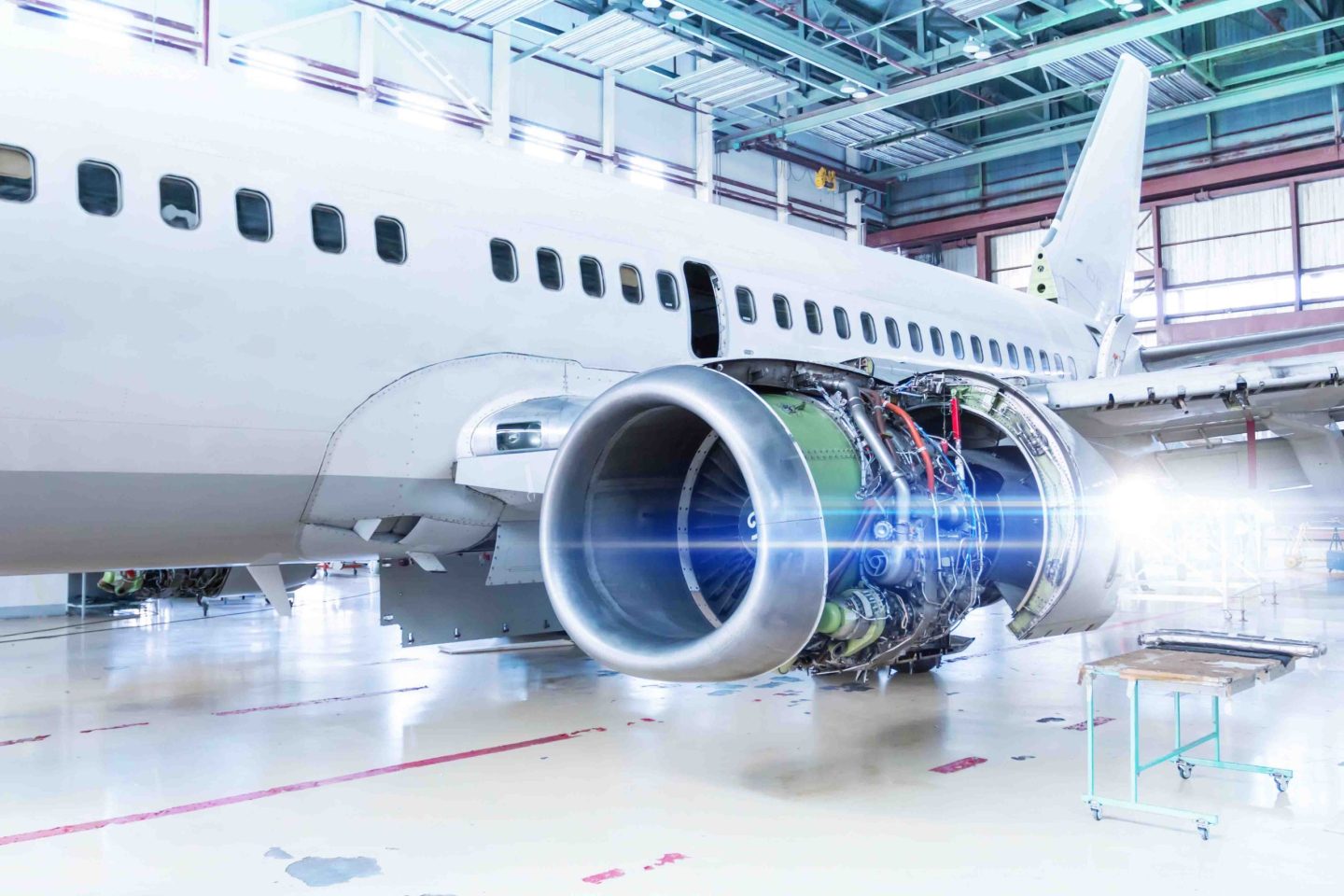

Aerospace Institute Speeds Up R&D with Xometry's On-Demand Complex Parts
Machine Building
3D Printing
CNC Machining
Prototyping
Read Story
In the past, developing non-standard devices was always complicated by the issue of tolerance matching between externally purchased standard parts and custom-machined components. Xometry's one-stop solution perfectly solved this pain point: they not only handled the complex metal 3D printing and sourcing of components but also delivered a finished product that had undergone precision assembly and adjustment. What we received was a functionally ready component that met our precision requirements. This efficient and worry-free delivery experience is exactly what R&D personnel need.
Read Story


Recreating the Barentsz Clock: A Blend of Tradition and Modern Manufacturing
Machine Building
3D Printing
Prototyping
Read Story
The Horological Society continuously balances its respect for traditional craftsmanship with an openness to modern innovation. One such innovation is the use of 3D printing, which has become an invaluable tool for prototyping clock components in plastic. By sourcing high-quality 3D-printed parts through Xometry, we should be able to test designs efficiently before committing to metal production. This approach allows us to refine intricate mechanisms like gear assemblies with minimal waste and cost.
Read Story
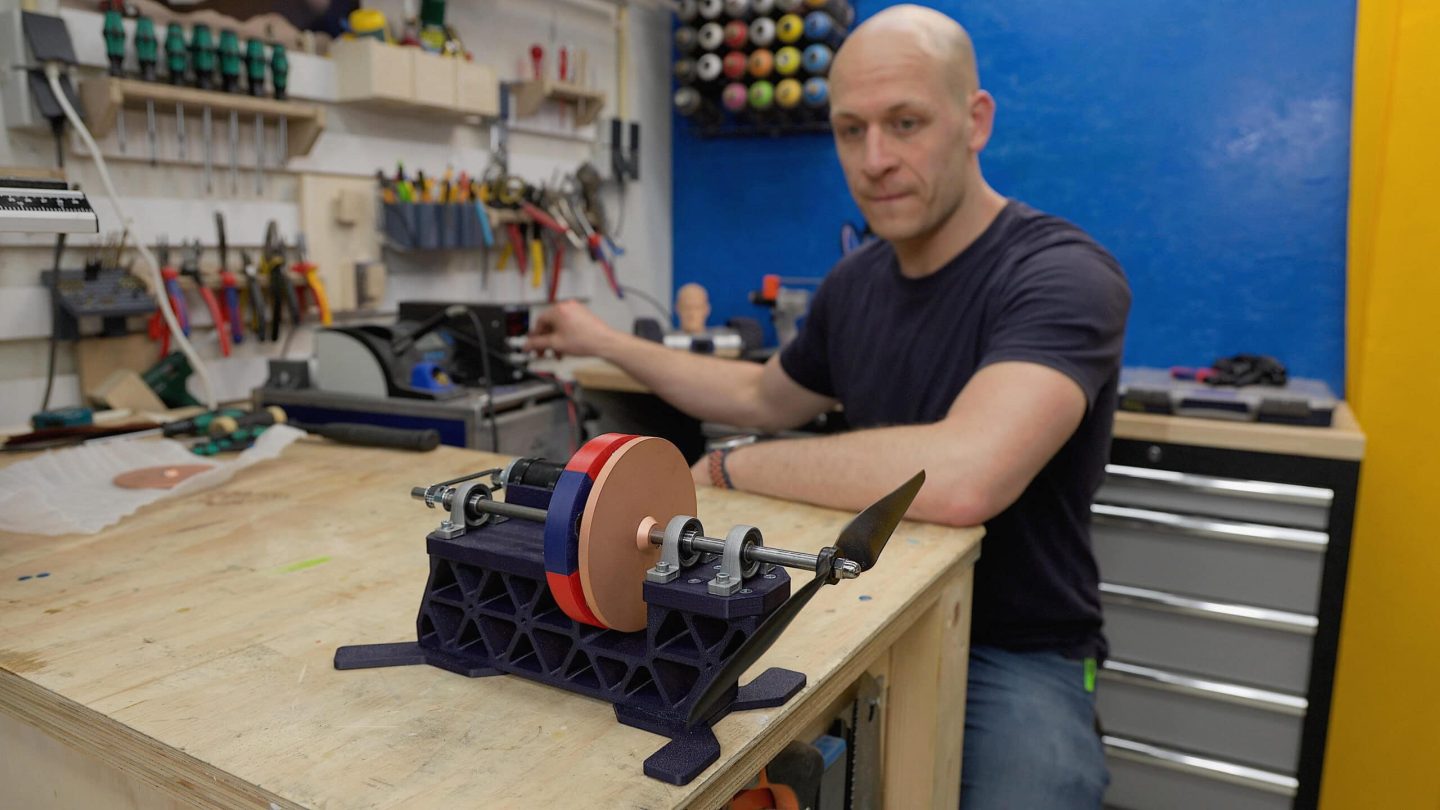

Exploring Magnetic Couplings: No Gears, No Belts, Just Magnets
Machine Building
3D Printing
Sheet Metal
R&D
Read Story
Emiel, an aerospace engineering graduate and creator of "The Practical Engineer" YouTube channel, built two magnetic coupling prototypes: magnet-to-magnet and magnet-to-copper using eddy currents. With Xometry's laser cutting service, he sourced copper plates of 3mm and 6mm thickness, discovering that the copper version enables smooth, self-regulating, non-contact torque transfer with 8mm gap capability.
Read Story
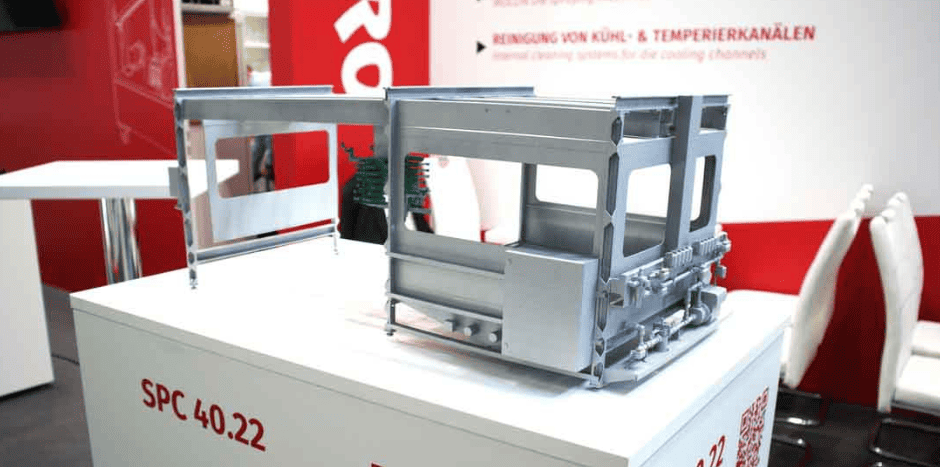
FIMRO harnesses the power of 3D printing with Xometry for miniature models at trade fairs
Machine Building
3D Printing
Procurement, Prototyping
Read Story
We are at a lot of trade fairs and the problem is that our systems are rather large. The scaled-down version we have printed with Xometry – with a scale of about 1:10 – is usually around 7 meters long. So it would be quite time-consuming and expensive to present the standard size at trade fairs.
Read Story
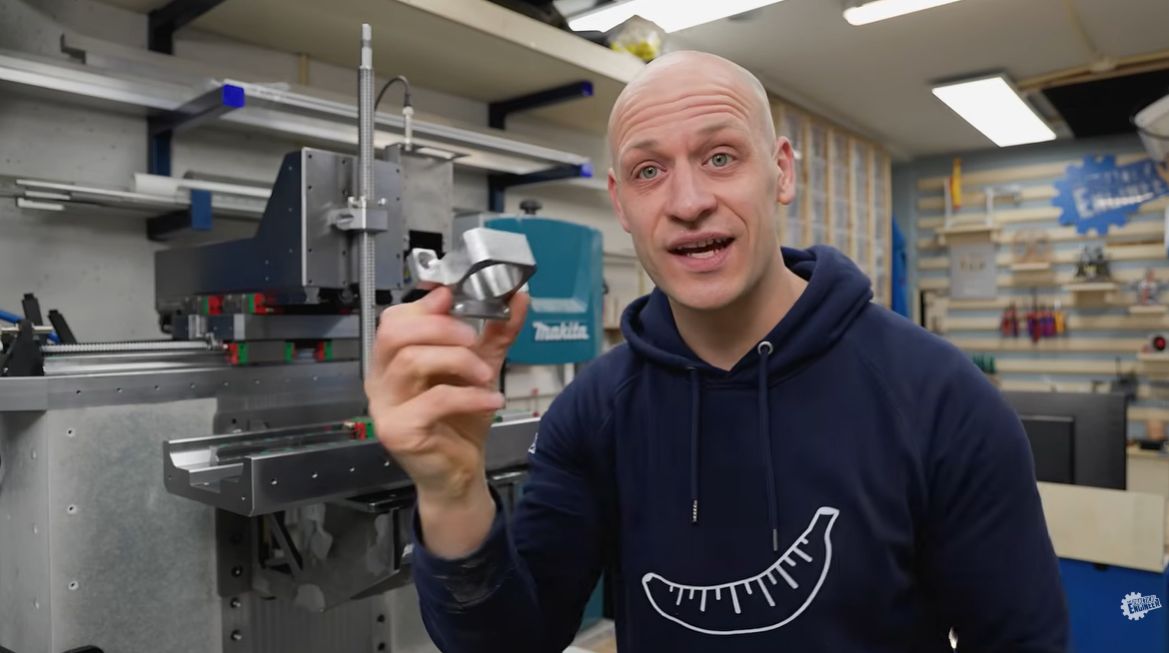
The 1-Millimetre Fix: How One Custom CNC Part Saved My 5-Axis Build
Machine Building
CNC Machining
Prototyping
Read Story
Building a CNC machine from scratch is full of moments where you find out whether your design actually works, or whether it only worked inside CAD. In the world of custom machine building, the transition from a digital model to physical assembly is rarely seamless. This was one of those moments.
Read Story
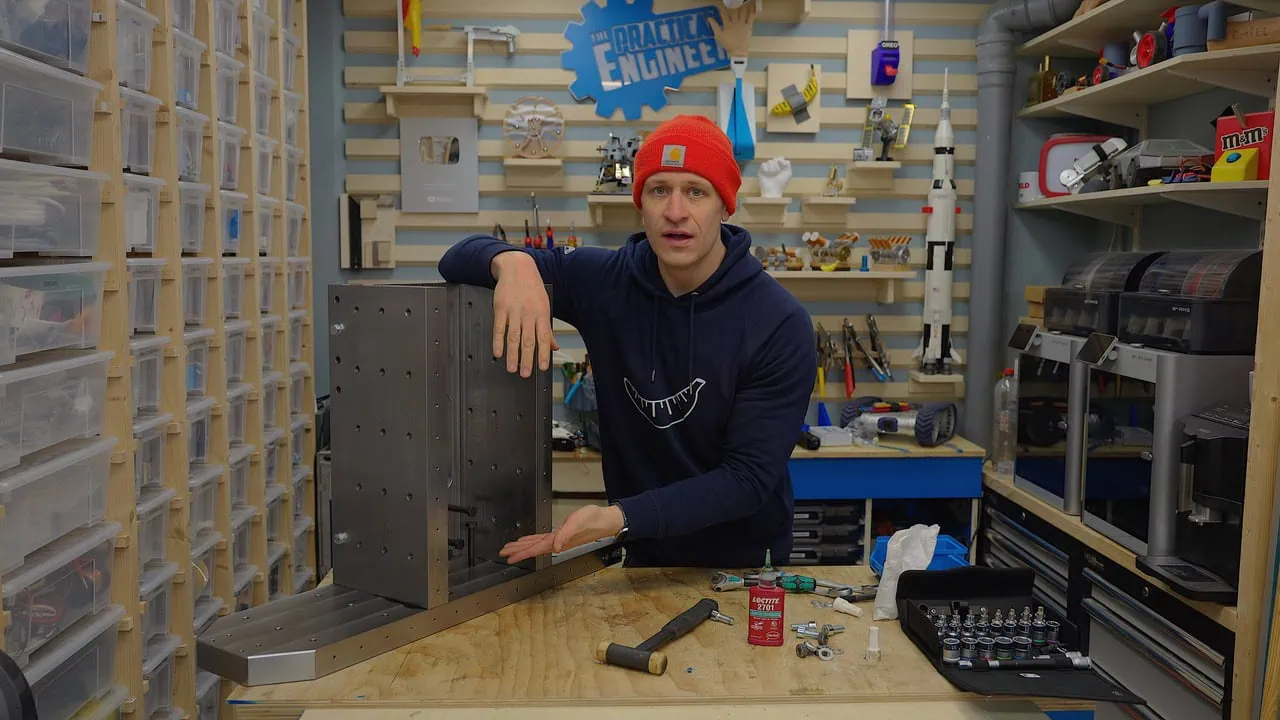
From Desktop Dreams to 400kg of Steel and Concrete: Building a High-Rigidity 5-Axis CNC
Machine Building
CNC Machining
Prototyping
Read Story
In the world of custom machine building, I’ve found there is a constant tug-of-war between theoretical performance and physical reality. As "The Practical Engineer," I dedicated this project to creating a 5-axis CNC machine that prioritizes rigidity over sheer speed.
Read Story
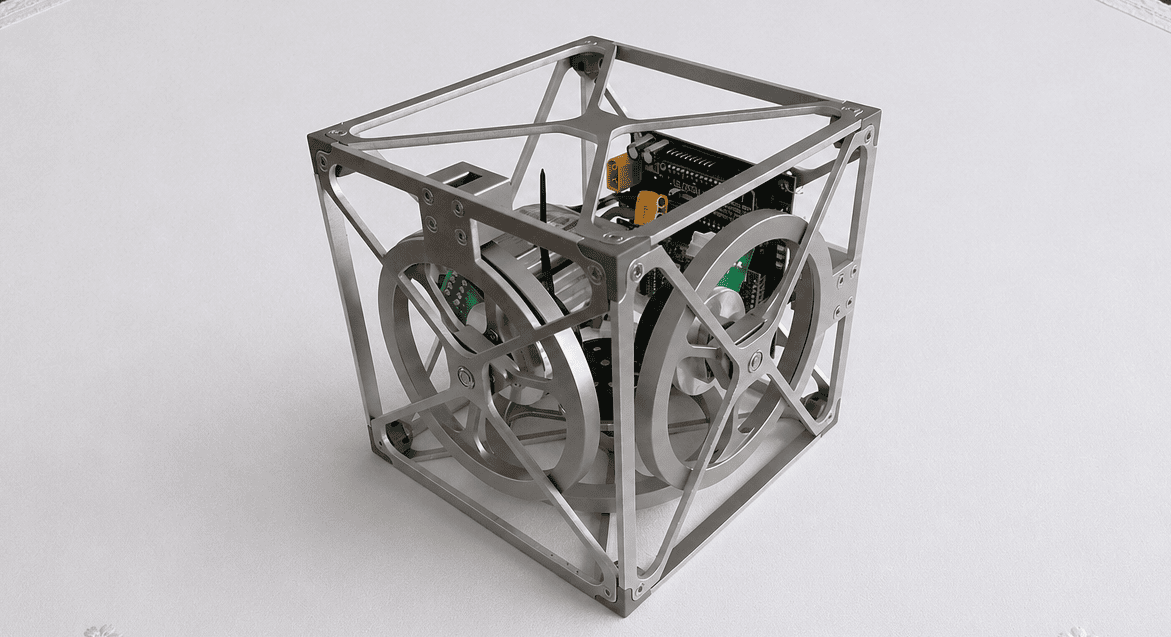
A Cube That Doesn’t Fall Over: The Making of a Self-Balancing Gyroscopic Cube
Machine Building
Sheet Metal
Prototyping
Read Story
The HTL team from Austria overcame mass distribution and precision challenges to successfully build Cubli, a self-balancing cube powered by reaction wheels and control algorithms.
Read Story
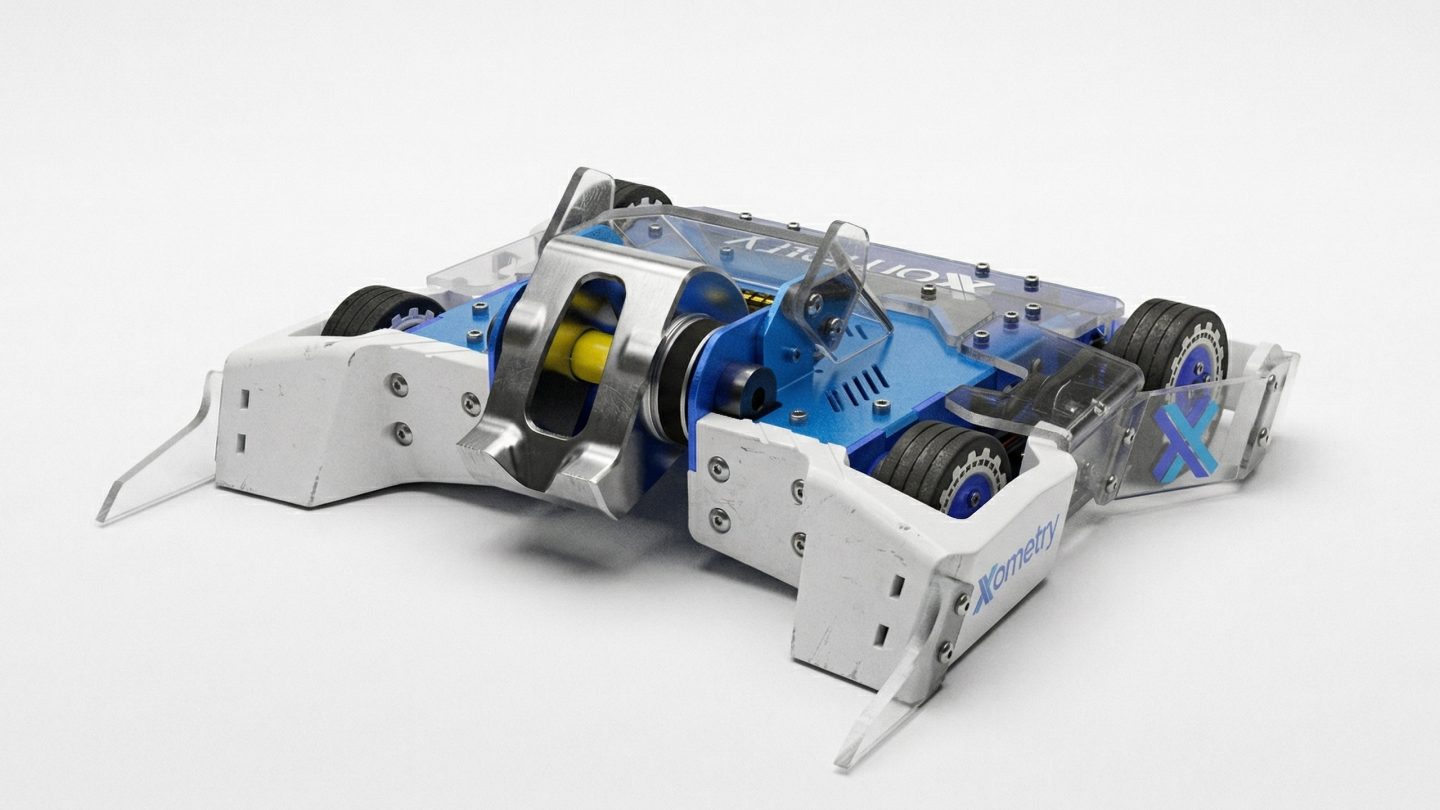

Torx Robot: The Story Behind Accu’s Engineering and Xometry’s Precision CNC Machining
Robotics
Machine Building
CNC Machining
Prototyping
Read Story
Go behind the scenes for the development of Torx: the combat robot built by Accu for FightFest 2026, with CNC machining support from Xometry. Explore the journey from the drawing board to the arena, showing how a combat robotics project takes shape, and see how Torx went on to win the official FightFest Championship trophy.
Read Story
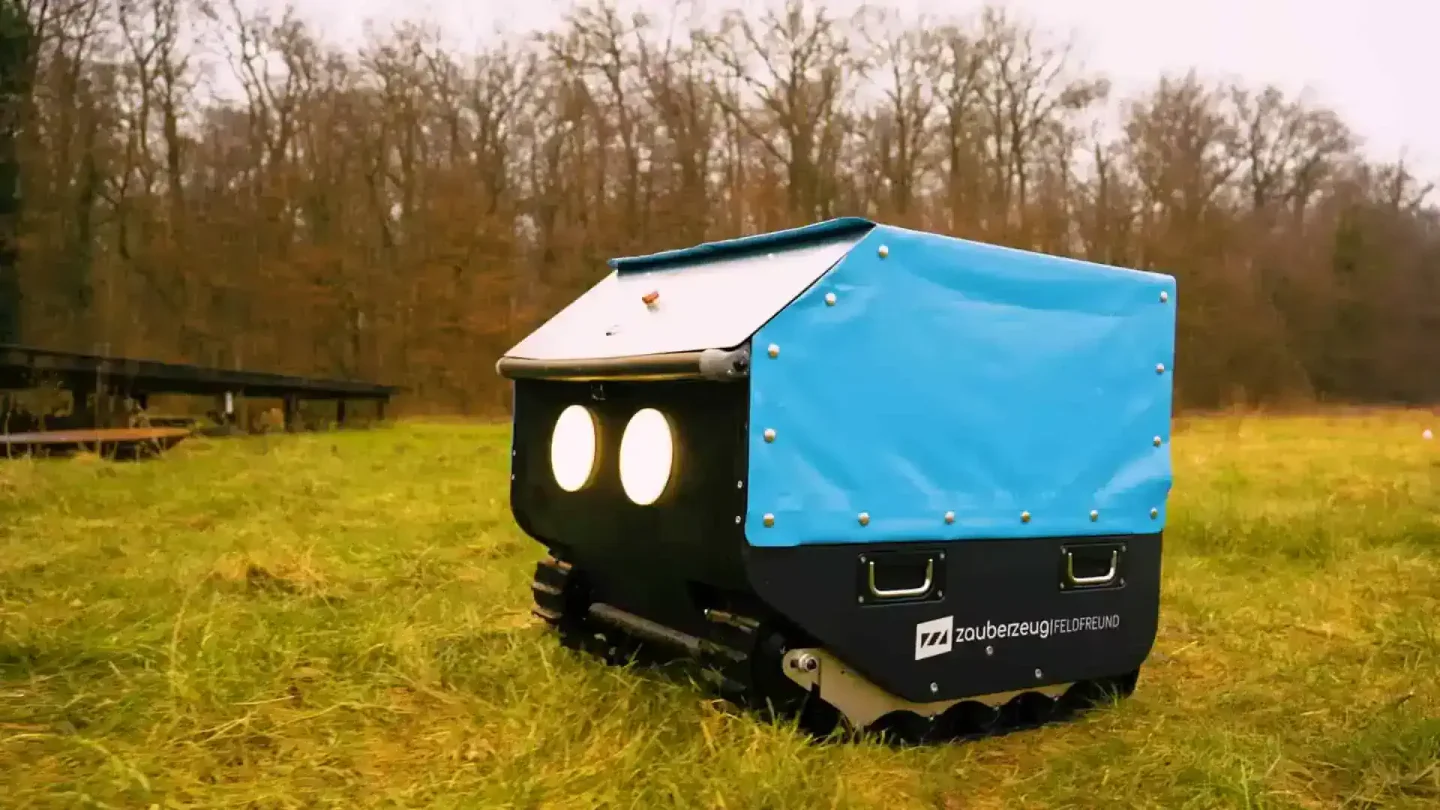
How Zauberzeug Uses Xometry for Fast and Efficient Sourcing of High-Tech Agricultural Robot Components
Robotics
Machine Building
CNC Machining
Procurement, Prototyping
Read Story
With Xometry, we have found a manufacturing partner that supports our development philosophy. The ability to quickly and precisely order small batches of parts gives us the freedom to iteratively improve our robots. This flexibility is essential to our innovation process.
Read Story
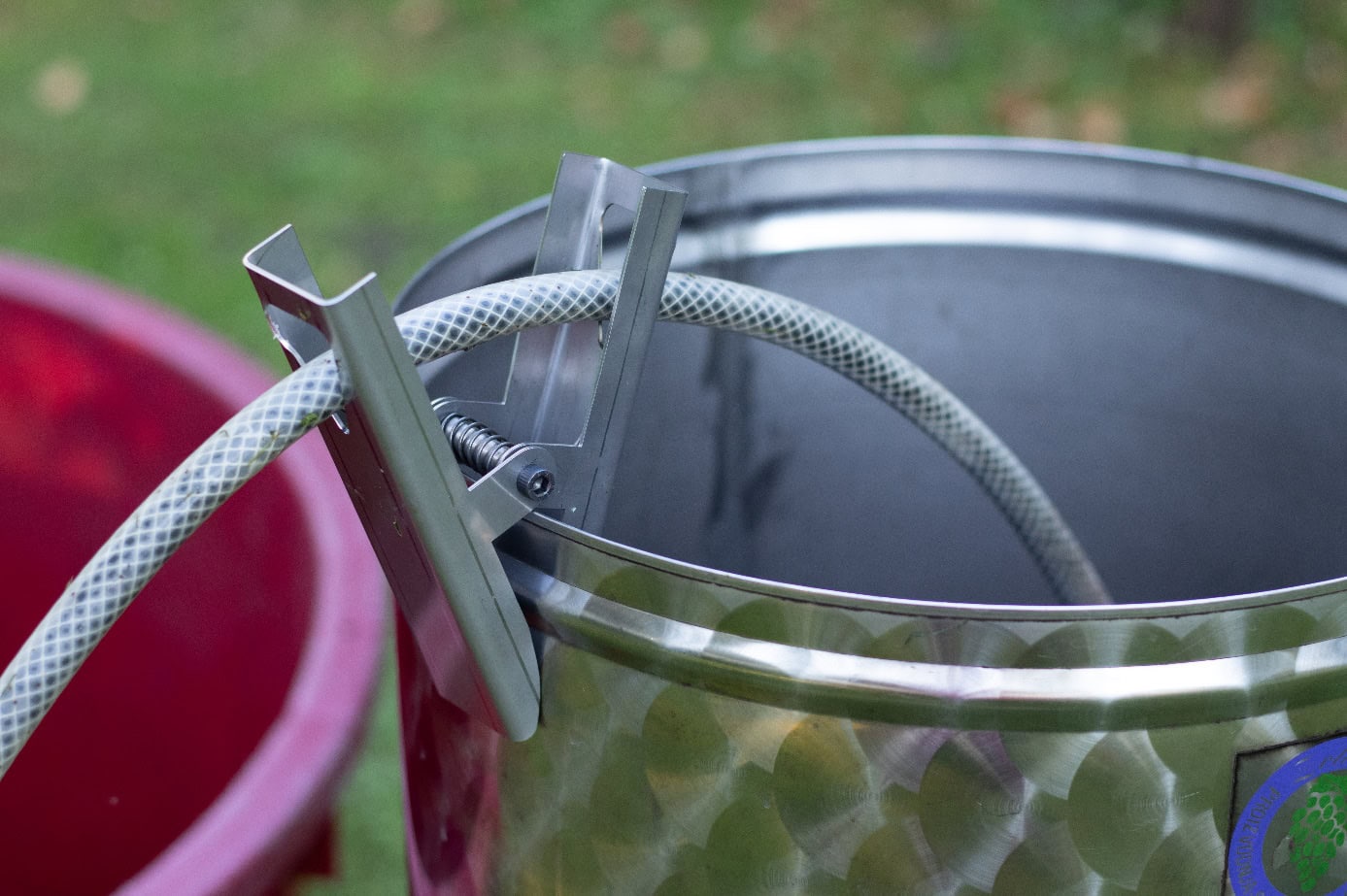

Designing a Hose Clip for the Beverage Industry: From Faculty Project to First Business Venture
Machine Building
Sheet Metal
Prototyping
Read Story
A student team from University of Maribor developed a stainless steel hose clip for the food and beverage industry, targeting wine and beer fermentation vessels. With Xometry's laser cutting service, they produced 1.5mm thick stainless steel sheet parts featuring elongated teardrop-shaped holes that pinch hoses at two points. The 80 × 45 × 170 mm design requires no lubrication, is food-safe, and grips vessel flanges securely without screws.
Read Story
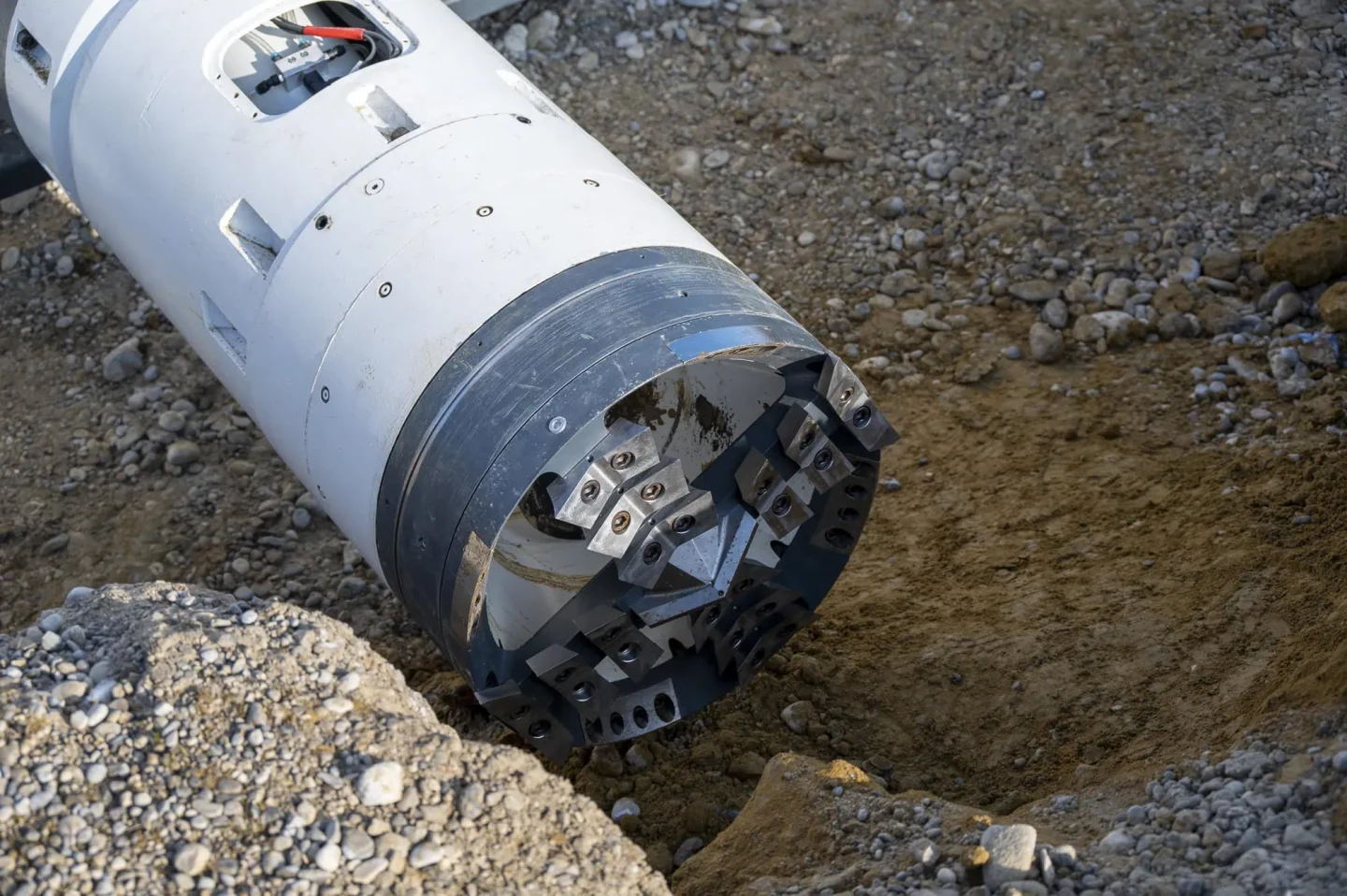
How We Set Tunneling Records and Won the Not-a-Boring Competition
Machine Building
CNC Machining
Prototyping
Read Story
The lessons we learned go far beyond mechanics. We reflect on three key takeaways: people are the ultimate success factor — both the team and its supporters; divide and conquer: breaking the project into subsystems prevents chaos and enables parallel innovation; and industry partners like Xometry are strategic enablers, not just suppliers.
Read Story