Emiel, an aerospace engineering graduate and creator of "The Practical Engineer" YouTube channel, built two magnetic coupling prototypes: magnet-to-magnet and magnet-to-copper using eddy currents. With Xometry's laser cutting service, he sourced copper plates of 3mm and 6mm thickness, discovering that the copper version enables smooth, self-regulating, non-contact torque transfer with 8mm gap capability.
Industry
Machine Building
Country

United States
Use case
R&D
Technology
3D PrintingSheet Metal
Materials
Copper (3mm and 6mm plates)
Product
Magnetic Coupler Experimental Setup
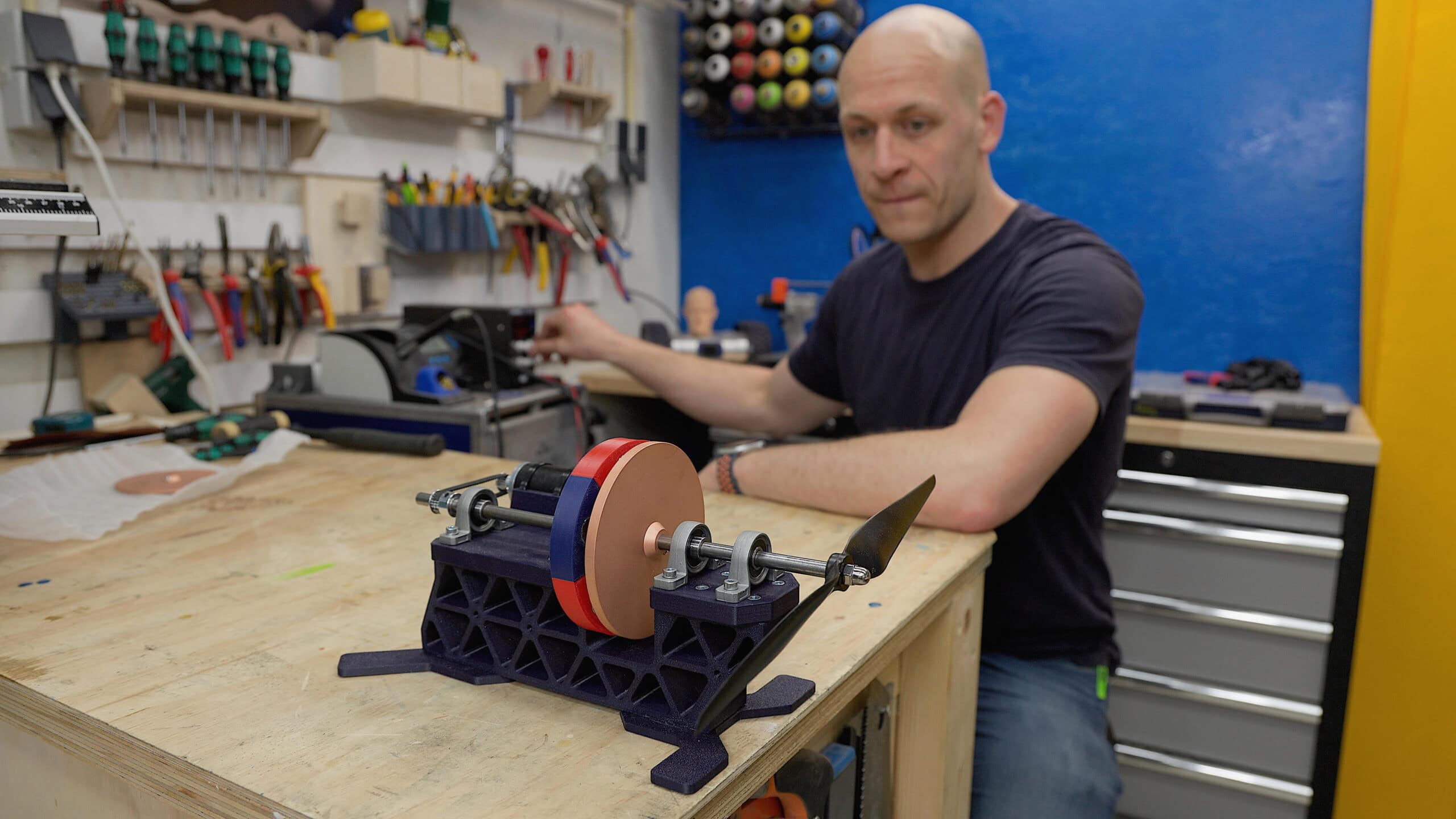
What if I told you I could spin a propeller without touching it? No gears. No belts. Nothing but magnets. Sounds like science fiction, right? I’m Emiel, The Practical Engineer — you might know me from my last project, the booster backpack. This time, I dove into magnetic couplings, and what I discovered honestly surprised me.
As an aerospace engineering graduate with a passion for hands-on design, I spend most of my time experimenting and building functional things. Through my YouTube channel, I share engineering challenges like this one to inspire others to get creative and start building themselves.
Why Build a Motor With No Contact?
I’d heard of magnetic couplings before, mainly in the context of stirrers at the bottom of lab beakers, where the spinning magnetic field drives a tiny bar in a sealed container. But I had never built one myself.
It seemed like the perfect hands-on challenge: how strong and functional could these non-contact connections actually be? Could I spin a shaft with nothing but magnetic force — and could I control it?
As I was researching different setups, I stumbled upon a curious variant that didn’t rely on a second magnet at all. Instead, it used a solid copper plate and rotating magnets to generate motion. That’s when the real excitement began.
This setup makes use of eddy currents — swirling loops of electric current induced in conductors, which in turn generate opposing magnetic fields. It’s the same principle behind magnetic braking in roller coasters or high-speed trains.
My goal was simple: build both versions, test them, and get a feel for the forces involved.
From CAD Sketch to Copper and Magnets
Everything started as a sketch in Fusion 360. I modeled two rotating disks, each holding six neodymium magnets in alternating polarity: north pole up on one disk, south pole up on the other. The idea was that when one disk spun, magnetic forces would transfer that motion to the other.
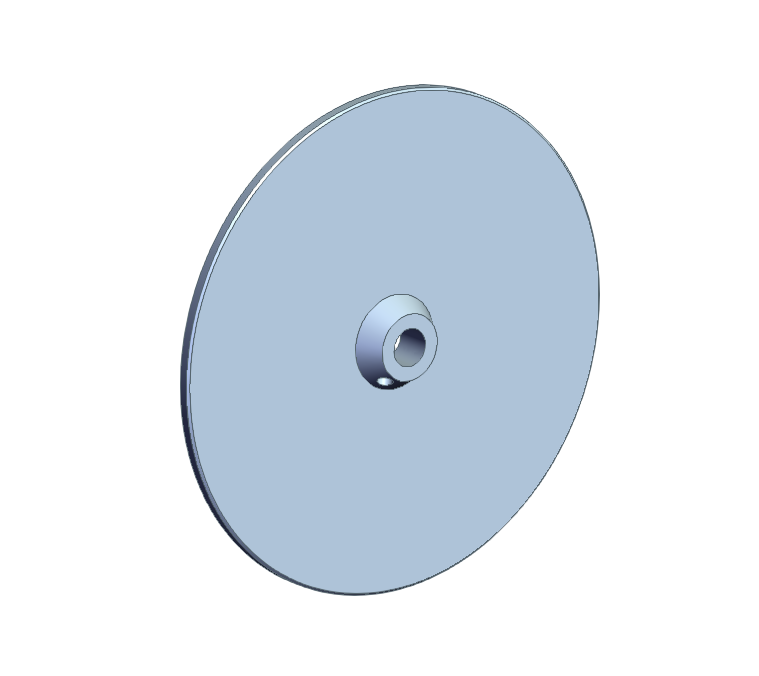
CAD model of the copper disk, designed in Fusion 360 to interact with the magnetic coupling.©
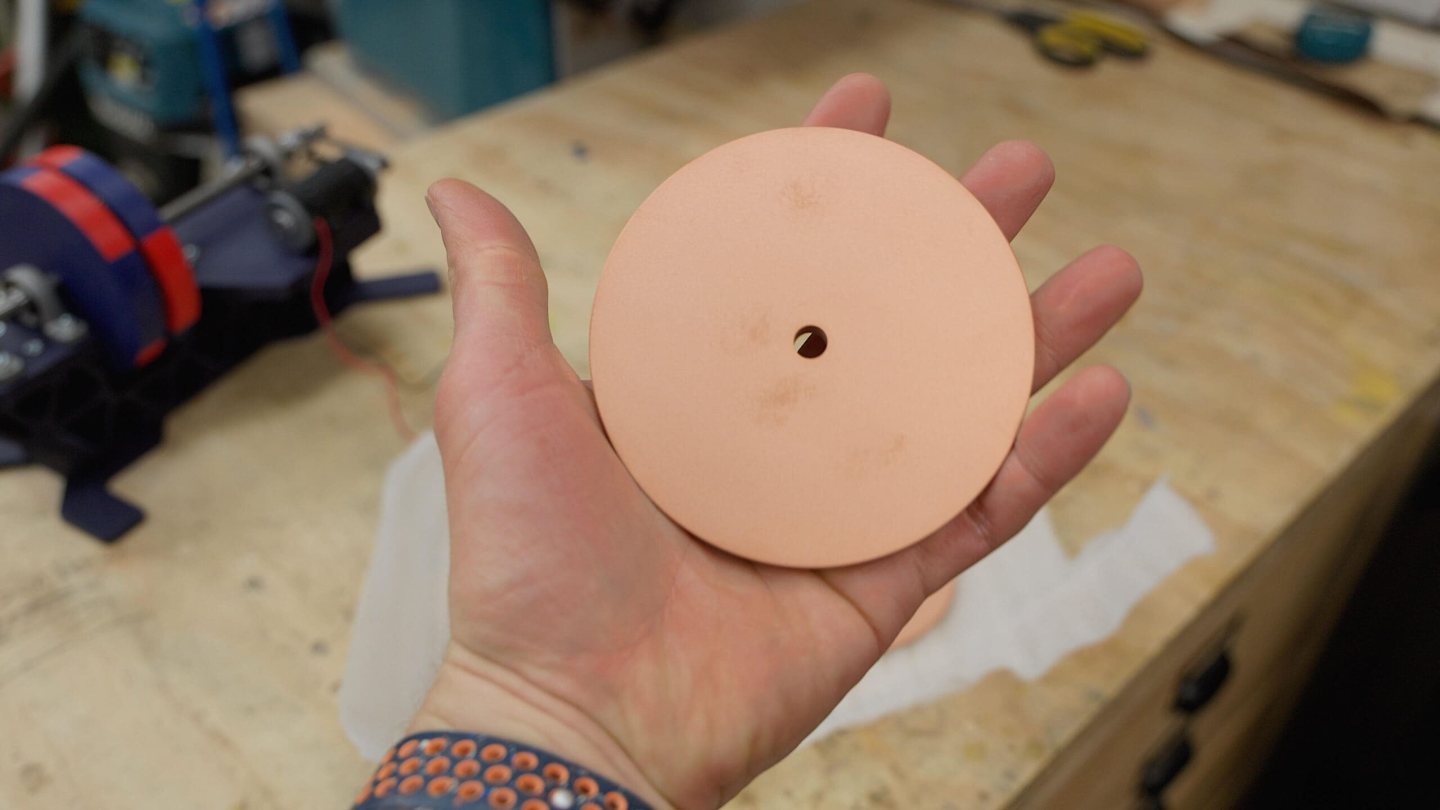
I 3D printed the housings using my Bambu Lab printers and sourced the copper plates from Xometry.
Version 1: Magnet vs Magnet
This version used two identical magnetic disks placed face to face. When one disk spun, the magnetic field pulled the second one into rotation with it. The coupling was surprisingly strong and extremely responsive.
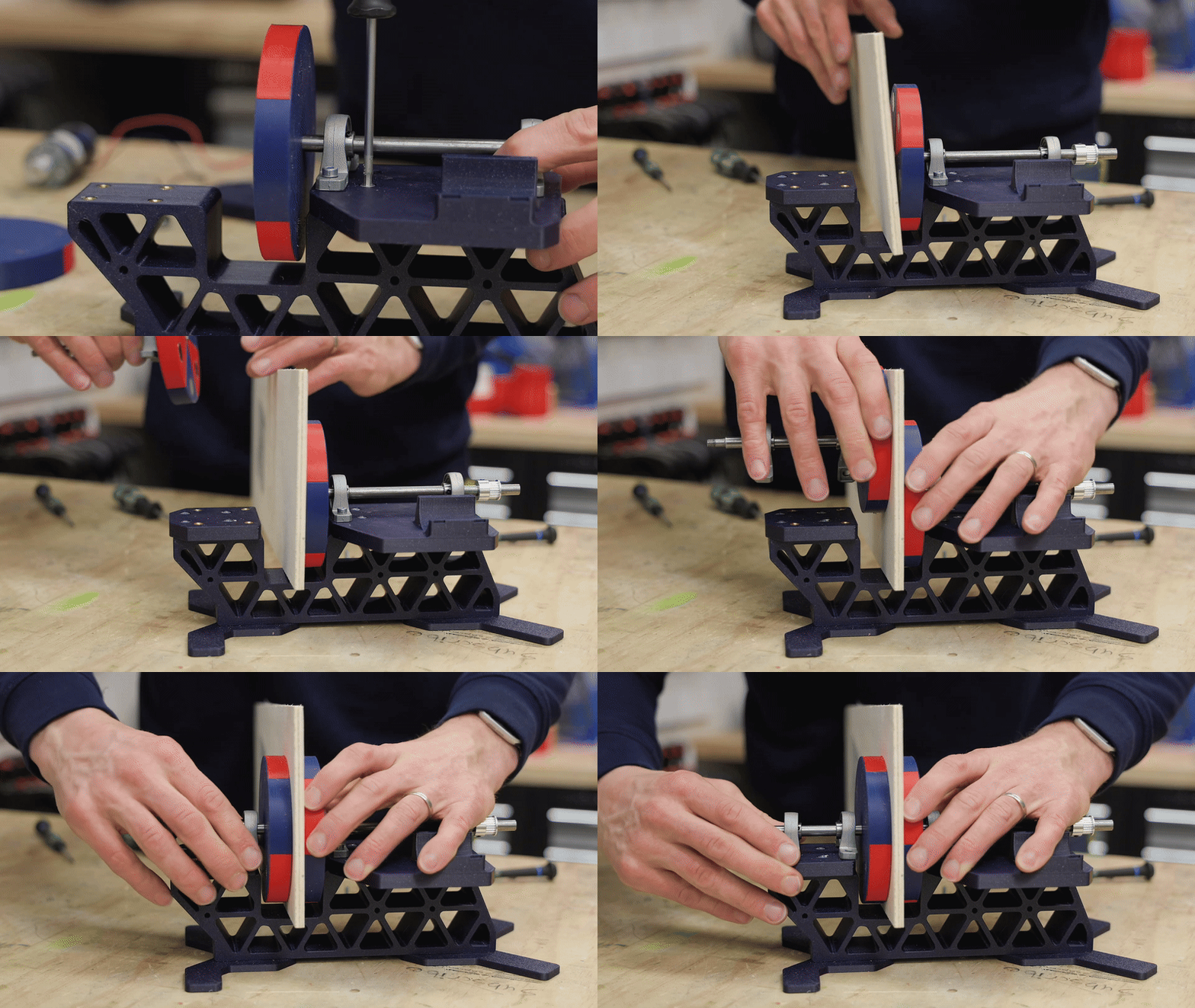
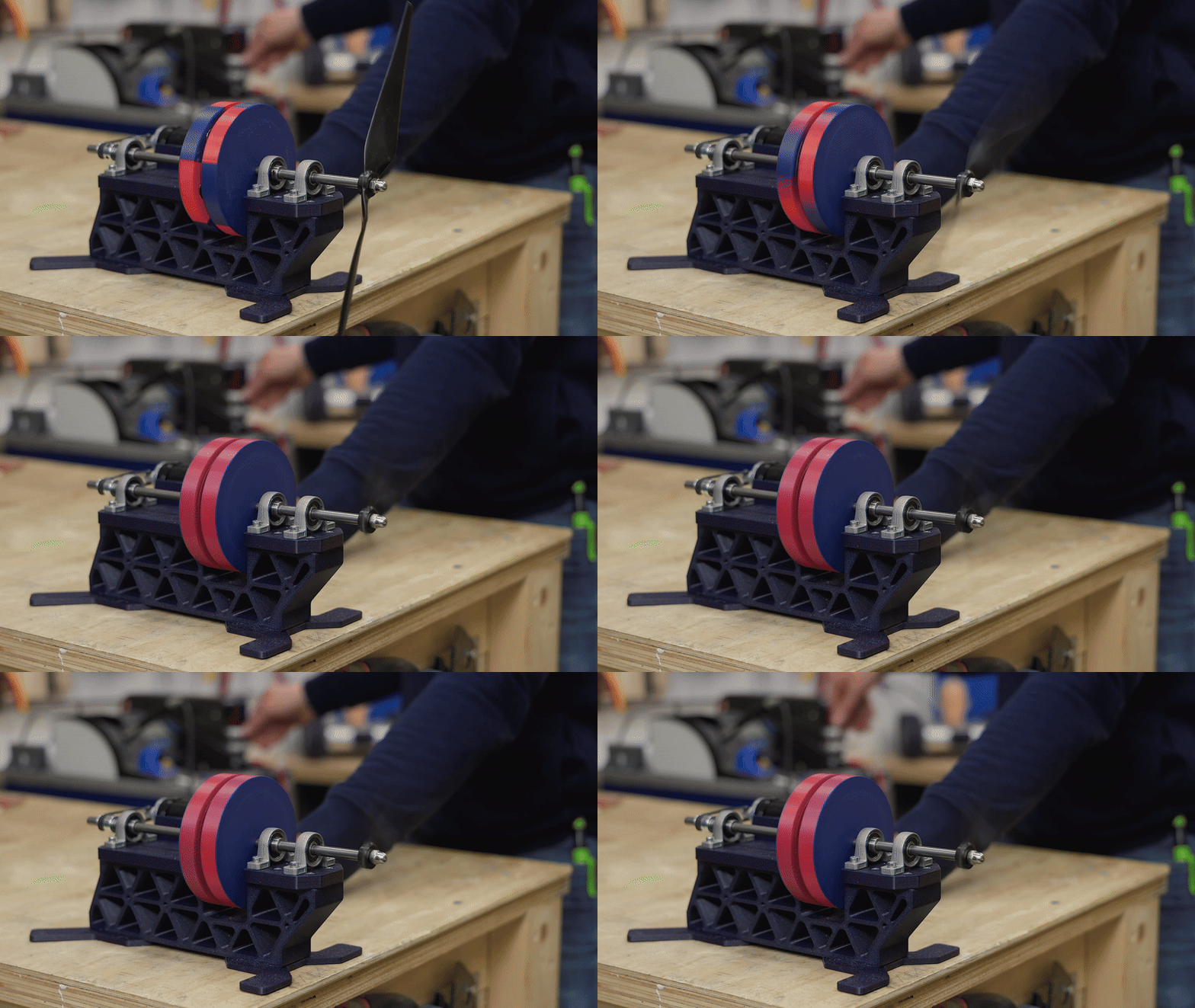
However, the connection was rigid, too rigid. If anything jammed or encountered resistance, the entire system halted. There was no slip, which is great for torque transfer, but not ideal in applications where flexibility or safety is needed.
Version 2: Magnet vs Copper Plate
This is where it got really exciting. When I spun the magnetic disk near the copper plate, the plate started to rotate, without touching anything. That’s the magic of eddy currents in action.
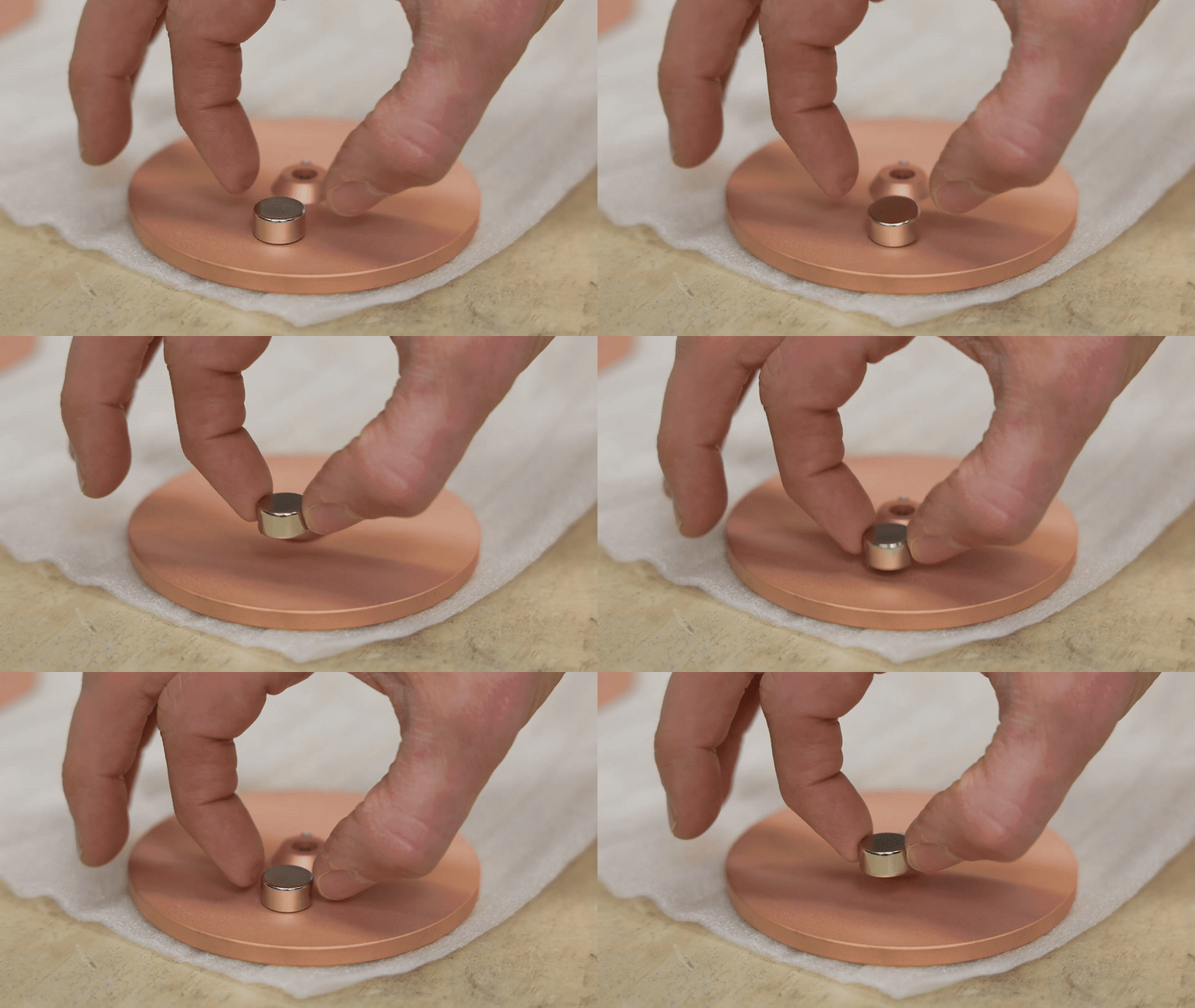
Though copper isn’t magnetic, the falling magnet slows slightly as eddy currents create resistance just before contact.©
It felt like turning a paddle through honey. The connection was smooth, resistant, and self-regulating. The faster the magnets moved, the stronger the induced currents and torque. The closer the magnets were to the plate, the more force they could transfer.
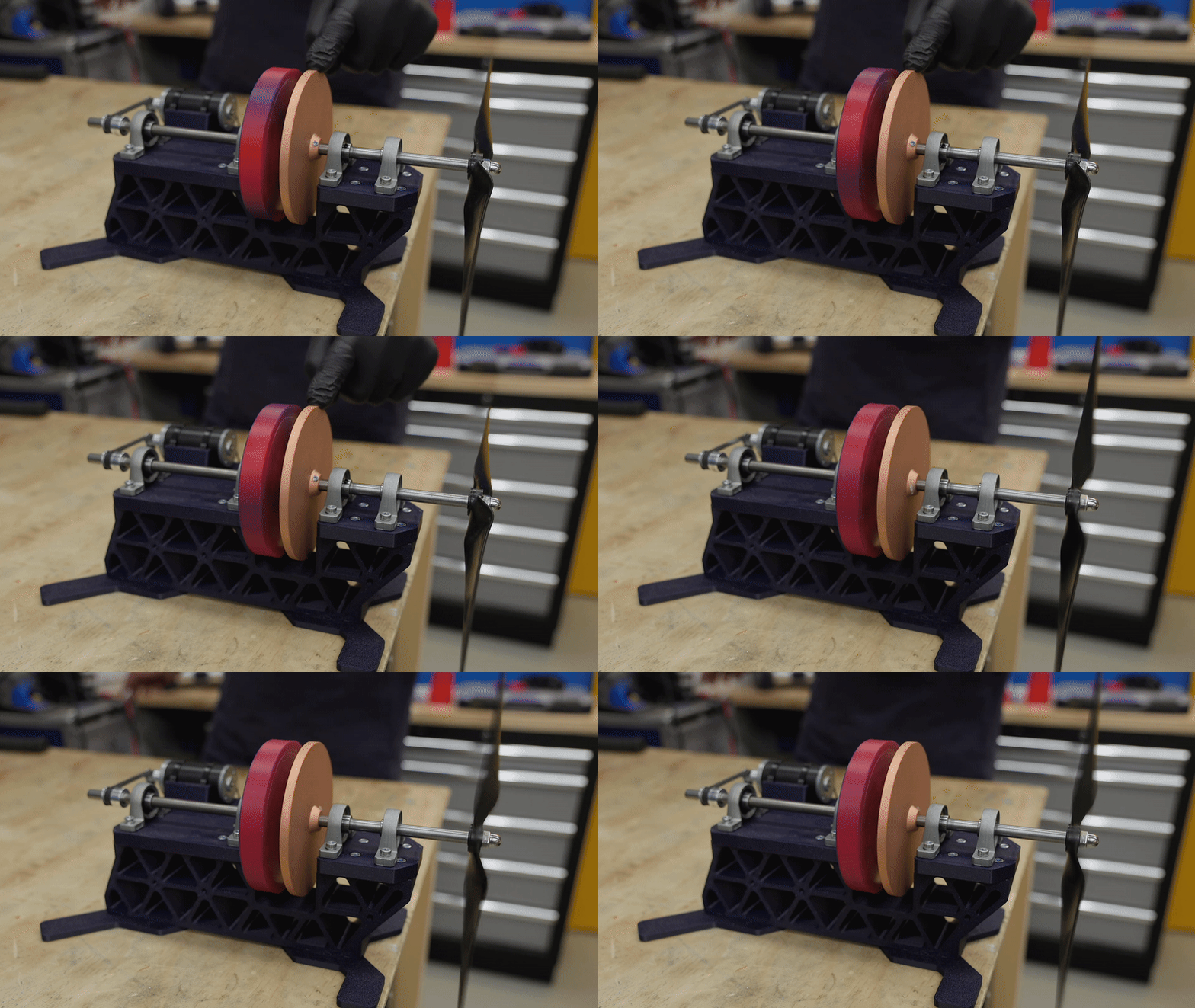
Too far, and the coupling weakened. Too close, and the system tried to pull itself forward. The effect was surprisingly strong — even with a gap of over 8mm, the interaction still worked.
One thing that amazed me: the copper setup also worked in reverse. When I spun the copper plate, it started rotating the magnet disk. I didn’t expect that.
I even tried different thicknesses — a 6mm plate versus a 3mm one. The thinner one responded faster, likely due to its lower inertia.
Real-World Potential
Could this have real-world applications? Definitely.
Think about situations where you need to drive a shaft through a sealed wall — for example, in chemical processing, underwater systems, or food production lines. These environments benefit from non-contact torque transfer, since there’s no risk of contamination or leaks.
The copper version’s natural slip could even act as a safety feature — providing soft starts or disengaging when overloaded.
What’s Next?
If I build a next version, I’d design a system that lets me adjust the spacing between the magnet disk and the copper plate on the fly. That way, I could fine-tune the amount of torque transferred.
I’d also like to try out different magnet configurations or materials, maybe even turn this into a real-world application.
For now, I’m just glad I gave the copper version a shot — even though I didn’t believe in it at first. Turns out, sometimes the best results come from the ideas you doubt the most.

A Cube That Doesn’t Fall Over: The Making of a Self-Balancing Gyroscopic Cube
Machine Building
Sheet Metal
Prototyping
Read Story
The HTL team from Austria overcame mass distribution and precision challenges to successfully build Cubli, a self-balancing cube powered by reaction wheels and control algorithms.
Read Story
The Rethink of 3D Printing Waste and the Next Chapter of the Desktop Filament Recycler Story
Machine Building
3D Printing
CNC Machining
Prototyping
Read Story
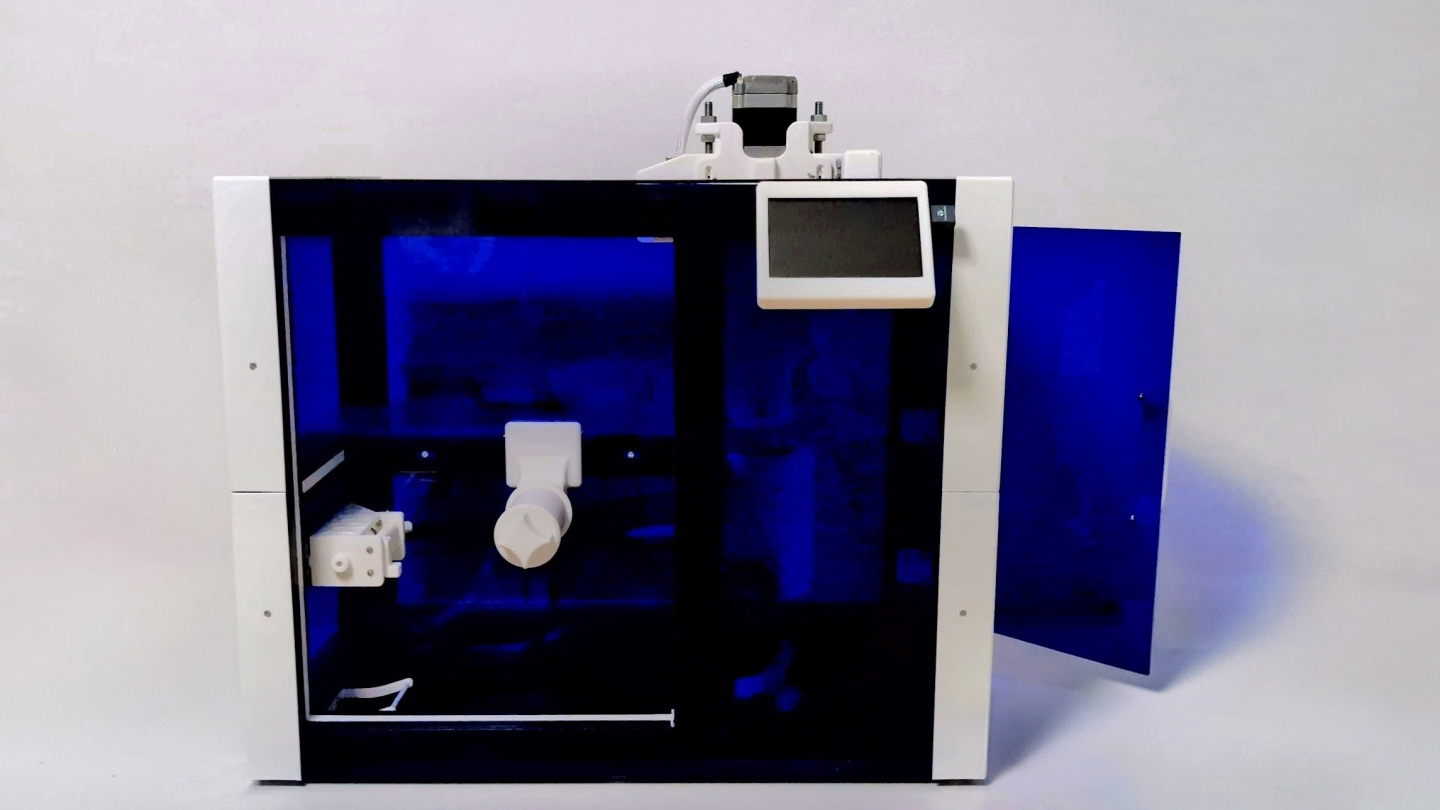
By using agile testing and redesigning a double-sided support to resolve motor deformation and calibration challenges, the TGM student team successfully turned 3D printing waste into high-quality PLA filament.
Read Story

A New Era of Sealing for Wastewater Infrastructure: Xometry Supports Development of Universal Fittings for Pressure Pipelines
Machine Building
3D Printing
Prototyping
Read Story
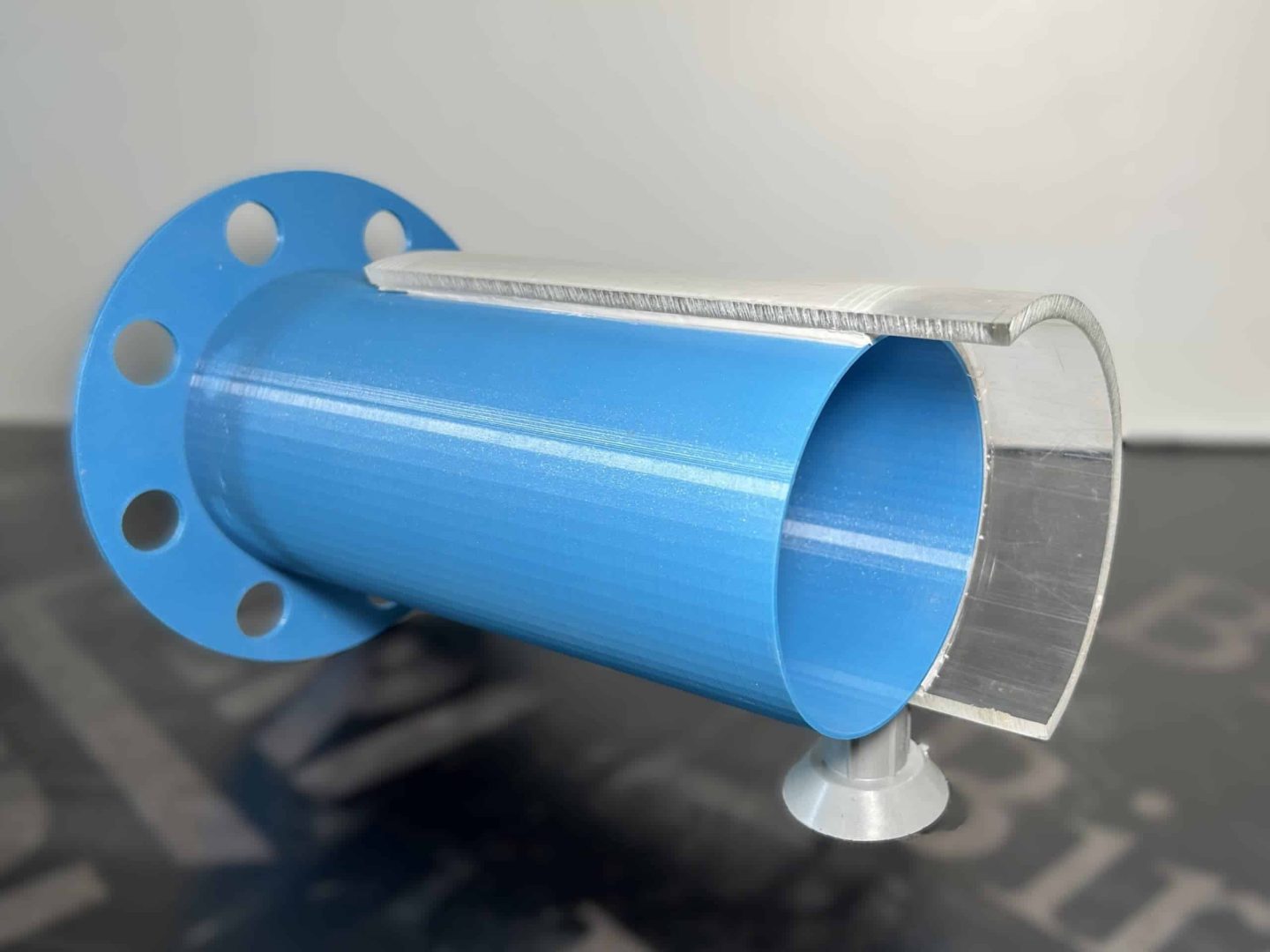
Our development process begins with extensive brainstorming of potential shapes and sealing methods. 3D printing plays a key role at this stage, allowing us to quickly test different designs before determining the final production materials. Since the final materials are too costly and time-consuming for early prototype stages, we focus on creating small-scale test models in-house, then produce large prototypes through Xometry to ensure convenience and accuracy.
Read Story


Aerospace Institute Speeds Up R&D with Xometry's On-Demand Complex Parts
Machine Building
3D Printing
CNC Machining
Prototyping
Read Story
In the past, developing non-standard devices was always complicated by the issue of tolerance matching between externally purchased standard parts and custom-machined components. Xometry's one-stop solution perfectly solved this pain point: they not only handled the complex metal 3D printing and sourcing of components but also delivered a finished product that had undergone precision assembly and adjustment. What we received was a functionally ready component that met our precision requirements. This efficient and worry-free delivery experience is exactly what R&D personnel need.
Read Story


Recreating the Barentsz Clock: A Blend of Tradition and Modern Manufacturing
Machine Building
3D Printing
Prototyping
Read Story
The Horological Society continuously balances its respect for traditional craftsmanship with an openness to modern innovation. One such innovation is the use of 3D printing, which has become an invaluable tool for prototyping clock components in plastic. By sourcing high-quality 3D-printed parts through Xometry, we should be able to test designs efficiently before committing to metal production. This approach allows us to refine intricate mechanisms like gear assemblies with minimal waste and cost.
Read Story

Designing a Hose Clip for the Beverage Industry: From Faculty Project to First Business Venture
Machine Building
Sheet Metal
Prototyping
Read Story
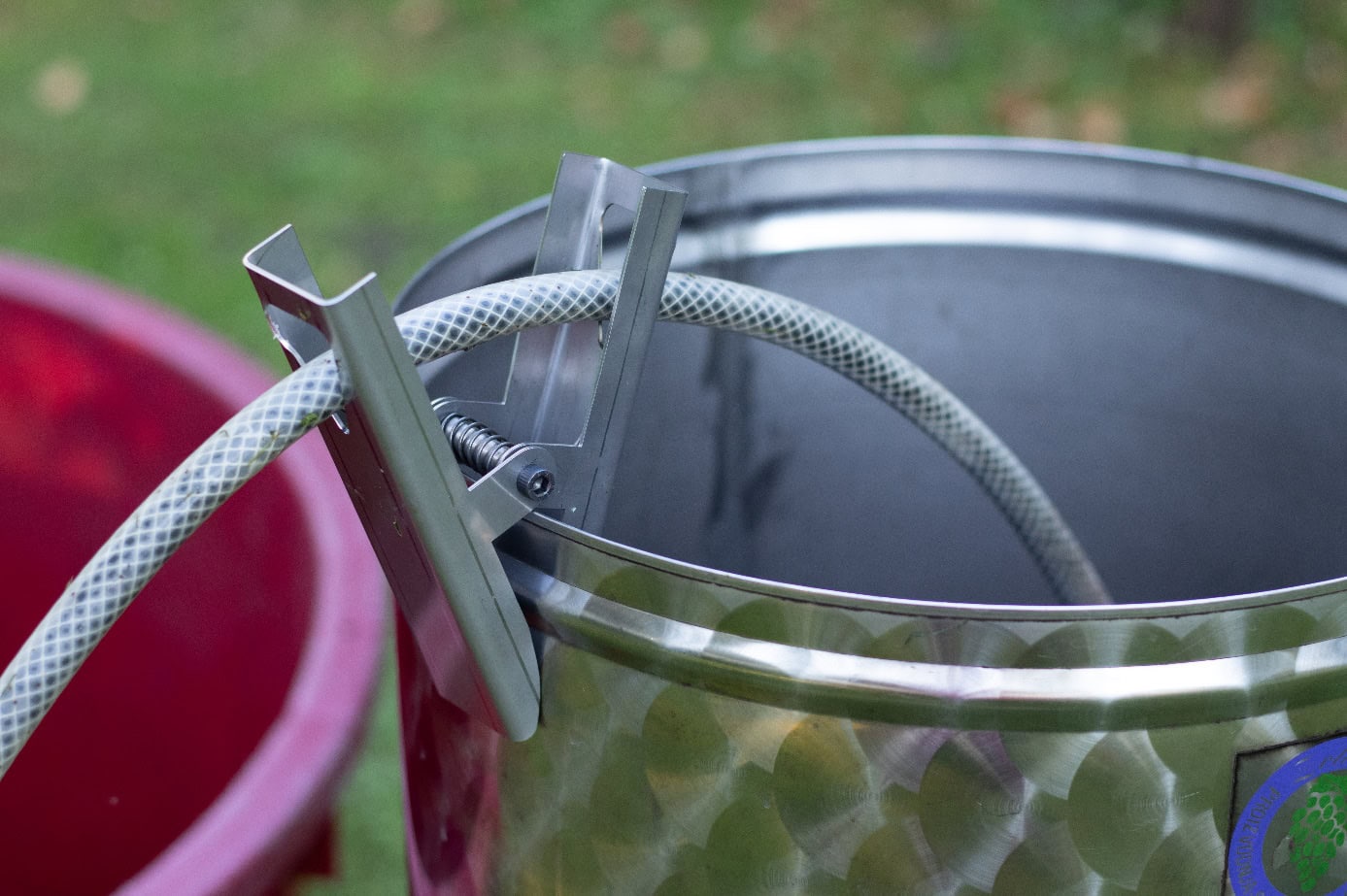
A student team from University of Maribor developed a stainless steel hose clip for the food and beverage industry, targeting wine and beer fermentation vessels. With Xometry's laser cutting service, they produced 1.5mm thick stainless steel sheet parts featuring elongated teardrop-shaped holes that pinch hoses at two points. The 80 × 45 × 170 mm design requires no lubrication, is food-safe, and grips vessel flanges securely without screws.
Read Story

Hybrid engines for the marine industry produced faster with on-demand manufacturing
Machine Building
CNC Machining
Sheet Metal
Procurement, R&D
Read Story
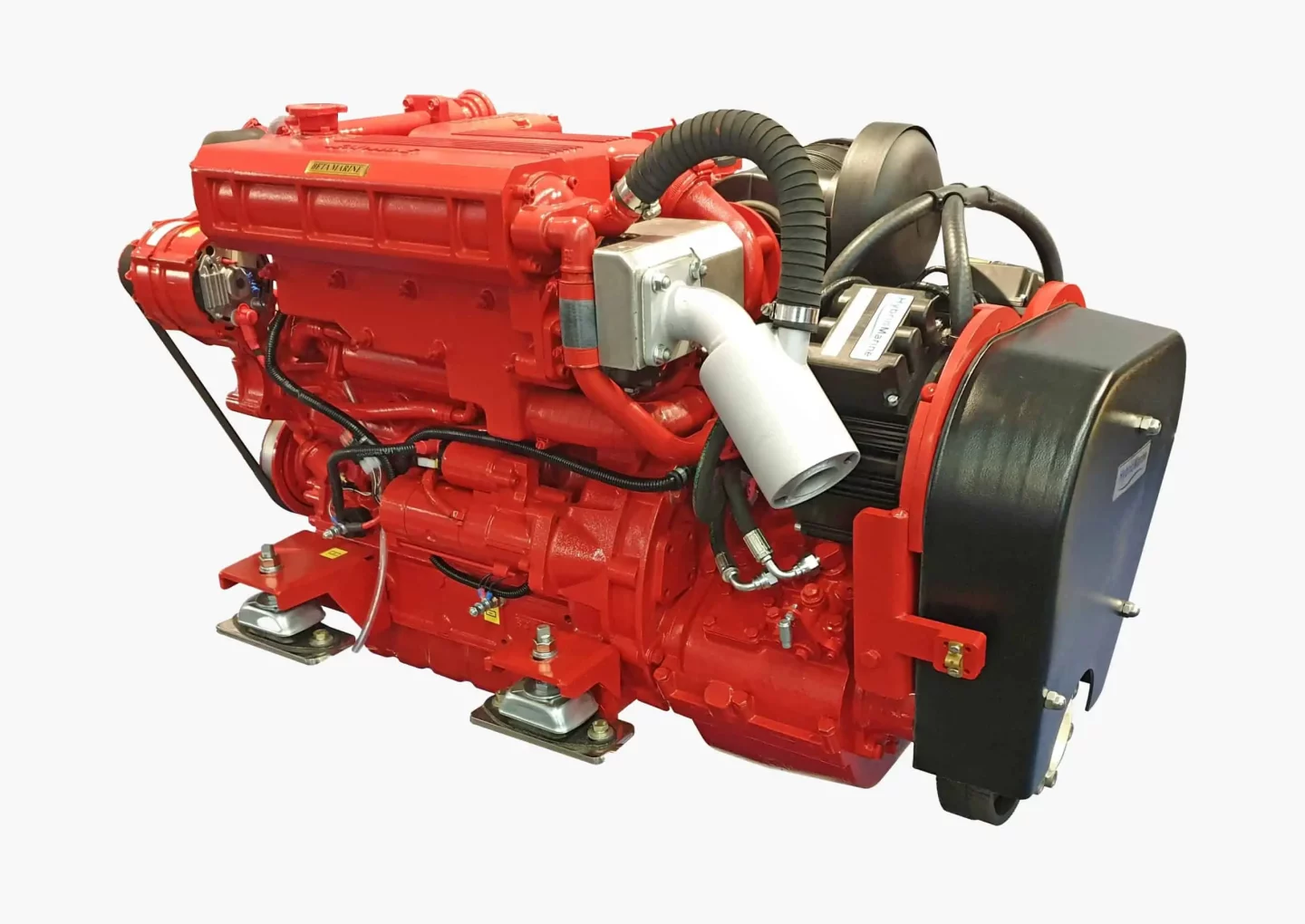
With Xometry, we don’t have to go through that,” referring to simplified and faster quoting and manufacturing.
Read Story
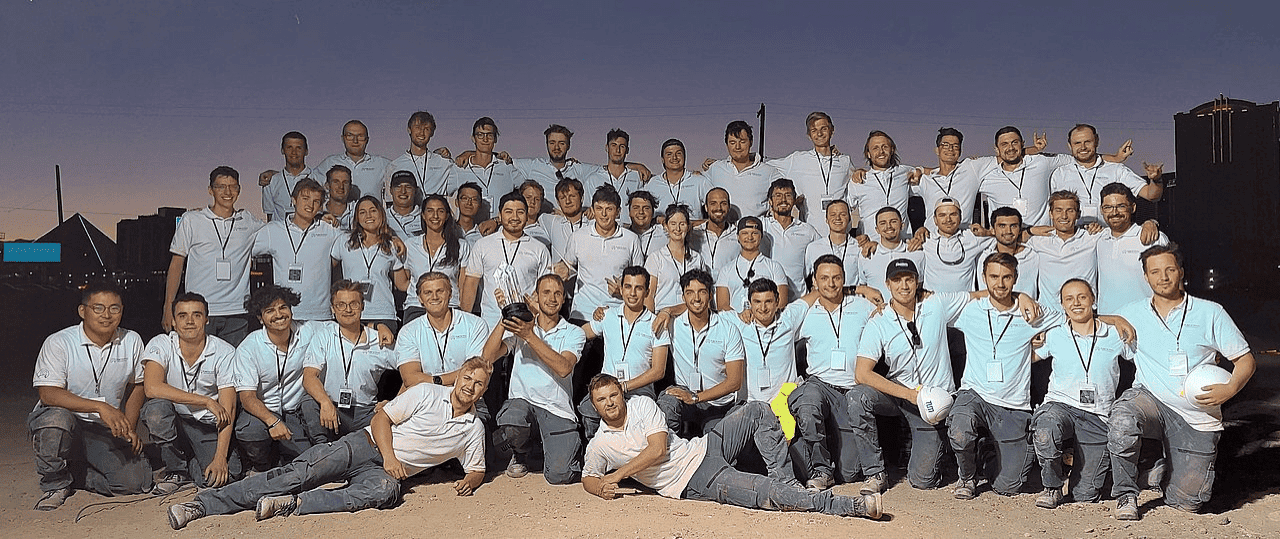
Revolutionary tunnel-boring machine made with on-demand manufacturing wins the Not-A-Boring Competition
Machine Building
CNC Machining
Sheet Metal
Prototyping
Read Story
he project had a very ambitious timeline since we had to plan, produce, test and ship our complex machine all within one year. The short and scheduled delivery times from Xometry were a great help in achieving this. We were also really satisfied with the quality of the parts provided by Xometry.
Read Story

Delft Hyperloop and Xometry Collaborate to Revolutionise Sustainable Travel Through High-Precision Manufacturing
Machine Building
E-Mobility
CNC Machining
Sheet Metal
Procurement, Prototyping, R&D
Read Story
We obtained around 3200 sheet metal parts and they were perfectly within tolerance. As a student team supplied entirely by partnerships, we were especially satisfied with the cost-quality ratio provided by Xometry.
Read Story
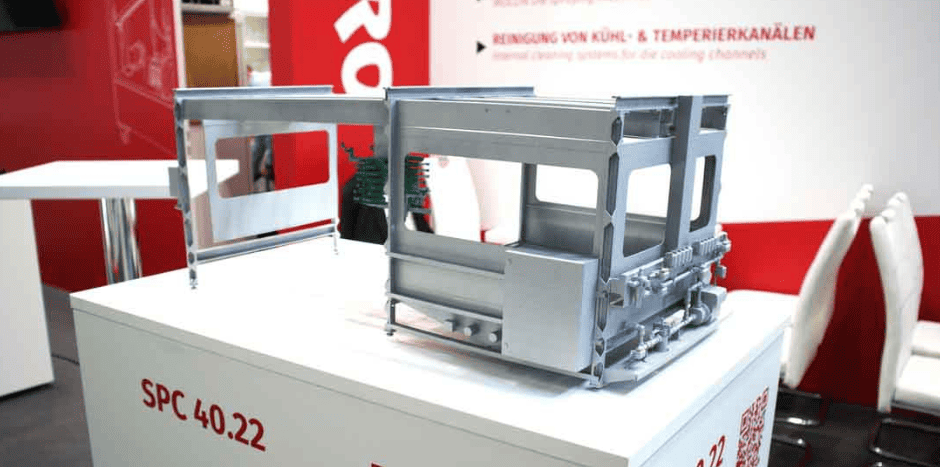
FIMRO harnesses the power of 3D printing with Xometry for miniature models at trade fairs
Machine Building
3D Printing
Procurement, Prototyping
Read Story
We are at a lot of trade fairs and the problem is that our systems are rather large. The scaled-down version we have printed with Xometry – with a scale of about 1:10 – is usually around 7 meters long. So it would be quite time-consuming and expensive to present the standard size at trade fairs.
Read Story
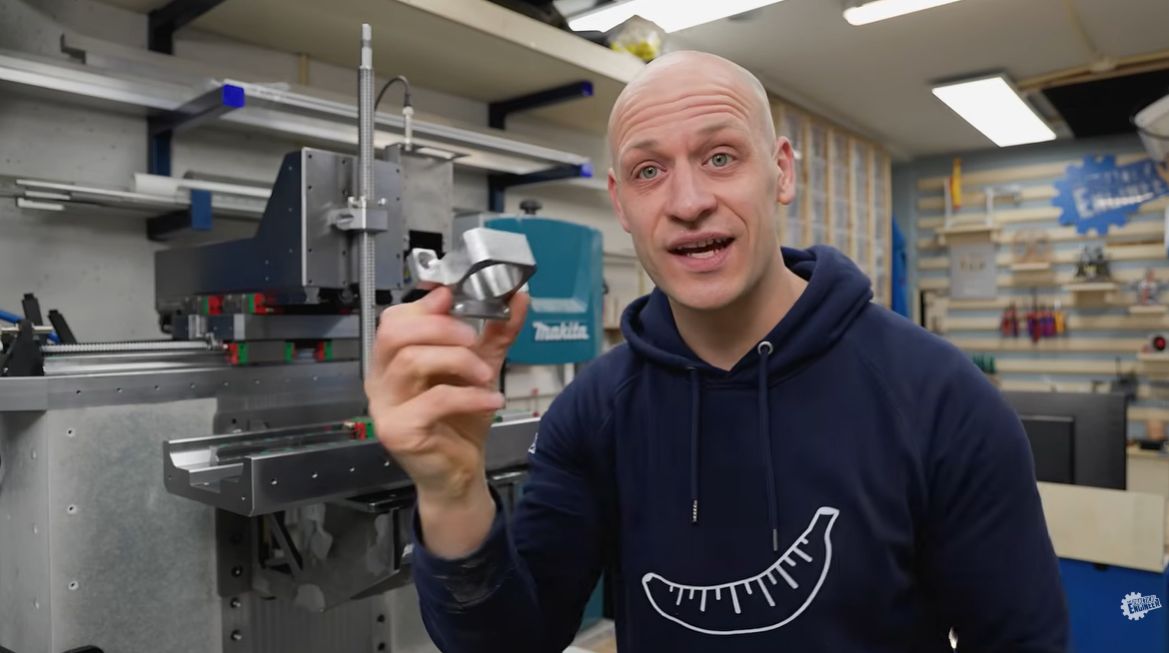
The 1-Millimetre Fix: How One Custom CNC Part Saved My 5-Axis Build
Machine Building
CNC Machining
Prototyping
Read Story
Building a CNC machine from scratch is full of moments where you find out whether your design actually works, or whether it only worked inside CAD. In the world of custom machine building, the transition from a digital model to physical assembly is rarely seamless. This was one of those moments.
Read Story
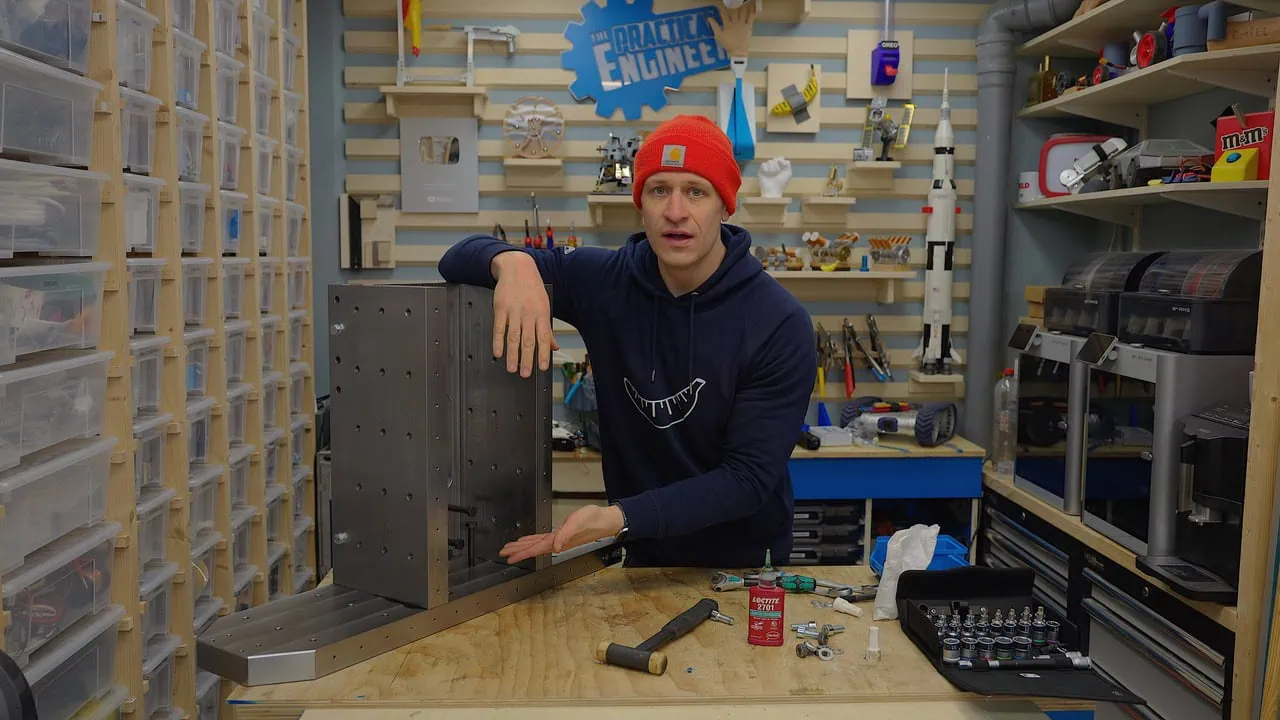
From Desktop Dreams to 400kg of Steel and Concrete: Building a High-Rigidity 5-Axis CNC
Machine Building
CNC Machining
Prototyping
Read Story
In the world of custom machine building, I’ve found there is a constant tug-of-war between theoretical performance and physical reality. As "The Practical Engineer," I dedicated this project to creating a 5-axis CNC machine that prioritizes rigidity over sheer speed.
Read Story