A student team from University of Maribor developed a stainless steel hose clip for the food and beverage industry, targeting wine and beer fermentation vessels. With Xometry's laser cutting service, they produced 1.5mm thick stainless steel sheet parts featuring elongated teardrop-shaped holes that pinch hoses at two points. The 80 × 45 × 170 mm design requires no lubrication, is food-safe, and grips vessel flanges securely without screws.
Industry
Machine Building
Country

Slovenia
Use case
Prototyping
Technology
Sheet Metal
Materials
Stainless Steel (1.5mm sheet)
Product
Hose-lock Clip
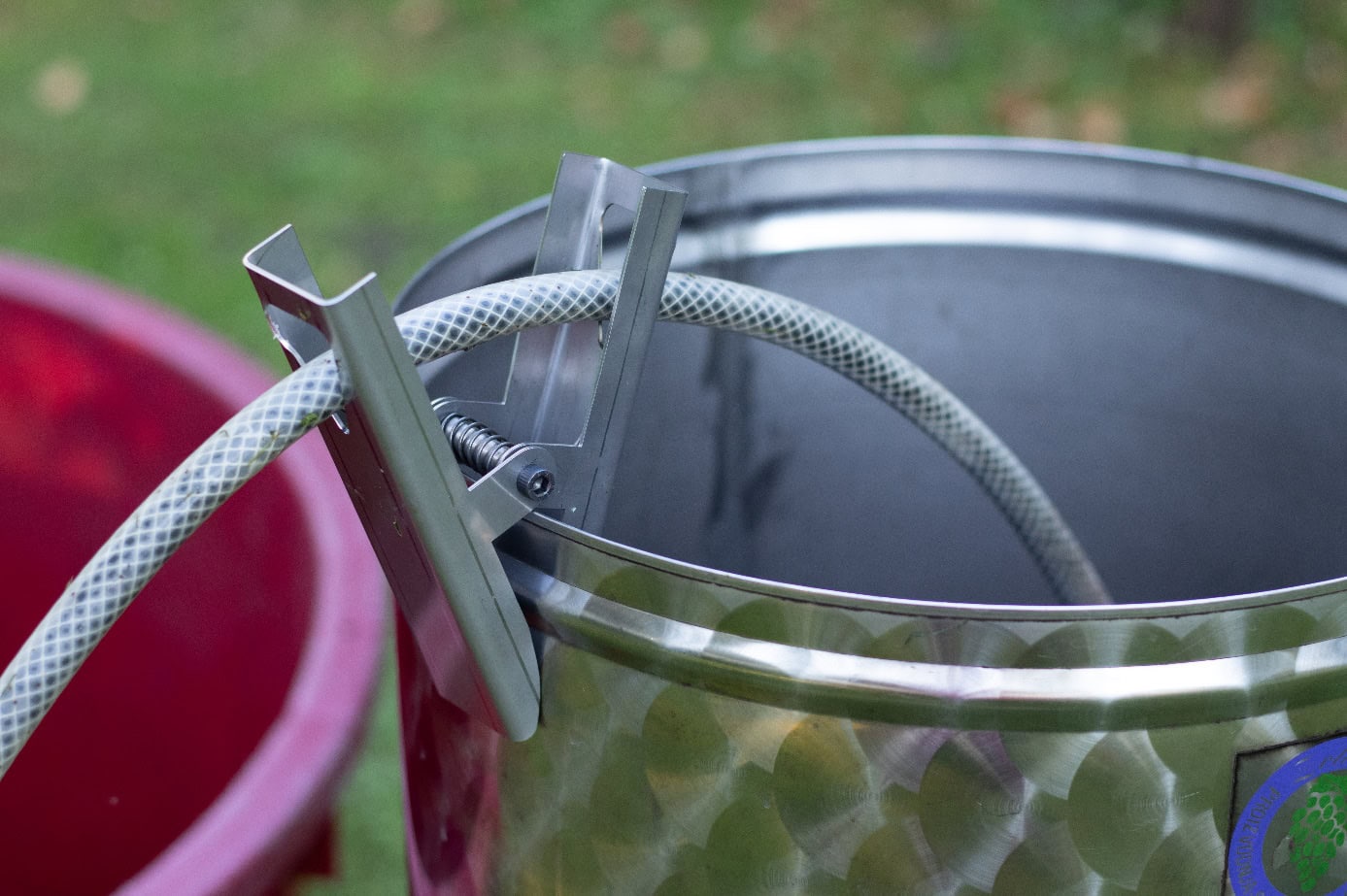
Hi all, my name is Filip Ljevar, and I’m a postgraduate student in Engineering and Management at the University of Maribor, Slovenia. Together with a team of fellow master’s students, I developed a practical hose clip device for the food and beverage industry. Our project started as a semester assignment and ended with a filed utility model and a small-scale business experiment—packed with lessons in design, manufacturing, and market realities.
This story is about a faculty project turned into a small (but real) business venture, “Hose-lock Clip”. About a year ago, we were assigned a semester-long challenge: design, produce, and present a device for attaching a flexible hose to a liquid container—ensuring that the fluid pressure wouldn’t knock the hose out of the vessel. No specific constraints were given, encouraging each team to pursue a unique solution.
While other teams focused on swimming pool equipment or aquarium devices, we chose to target the food and beverage industry, specifically wine-making and beer-making. That meant our design needed to be food-safe, durable, and large enough to avoid falling into the beverage. We had to ensure the material would not corrode when in contact with food or liquids like water or wine, would not leach any substances into the beverage, and would require no lubrication to remain safe and functional.
From Idea to Prototype: Iterating the Hose Clip Design
Our first goal was to make the clip usable with one hand and avoid screws or bolts for attachment. Wine fermentation vessels typically have a thick flange, so our design had to grip that flange securely—but still be compatible with vessels with thinner walls.
We initially experimented with a large, bent-wire clothespin concept. However, we soon faced manufacturability issues: bending wire into complex, functional shapes was too difficult and the result was not robust enough.
We pivoted to a new solution: a clothespin-style clip made from two laser-cut sheet metal shells joined by a shoulder screw and closed with a torsion spring. Initially, we added two hose ducts—one on each handle—to hold the hose. But this made the device heavy and awkward to use with one hand.
We built a first prototype and replaced the ducts with round holes to thread the hose through. Unfortunately, the round shape only provided one contact point, which wasn’t enough to hold the hose reliably.
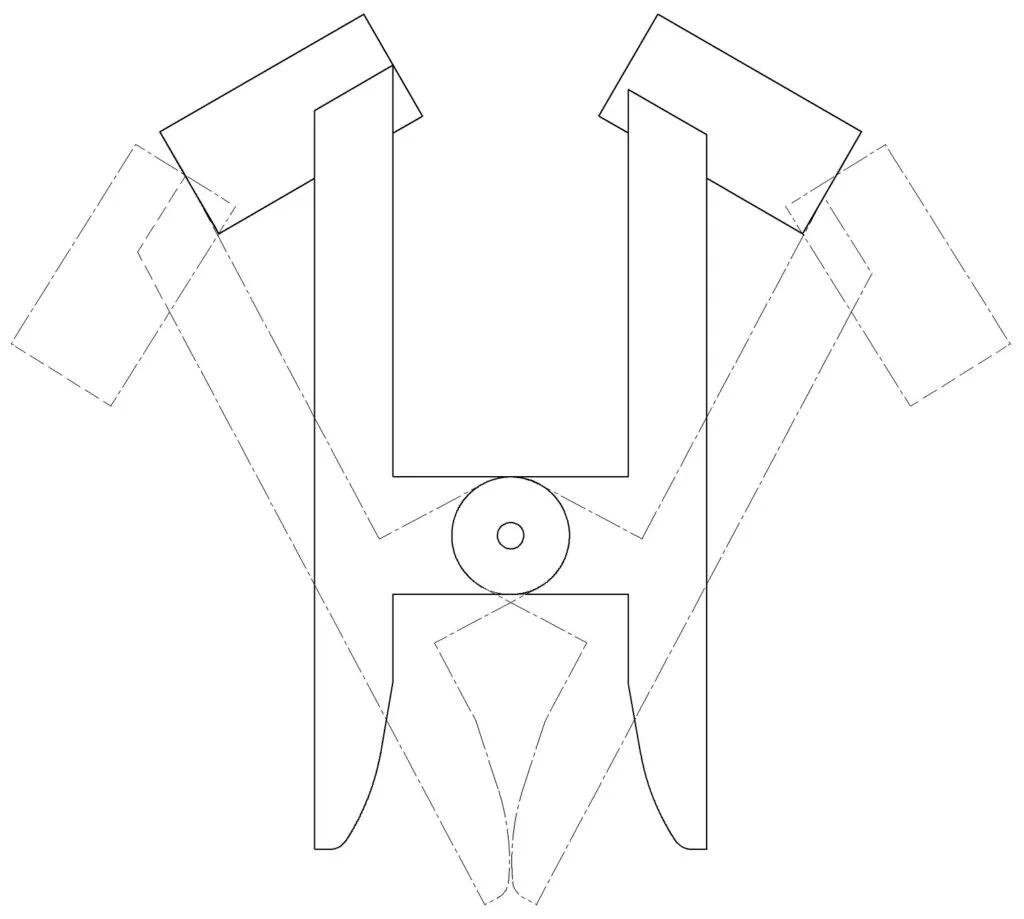
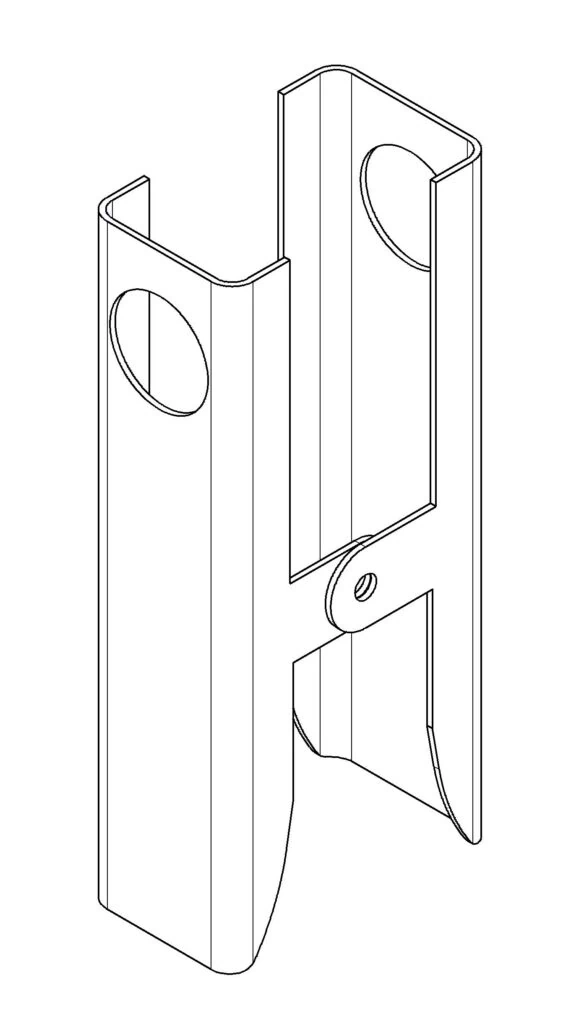
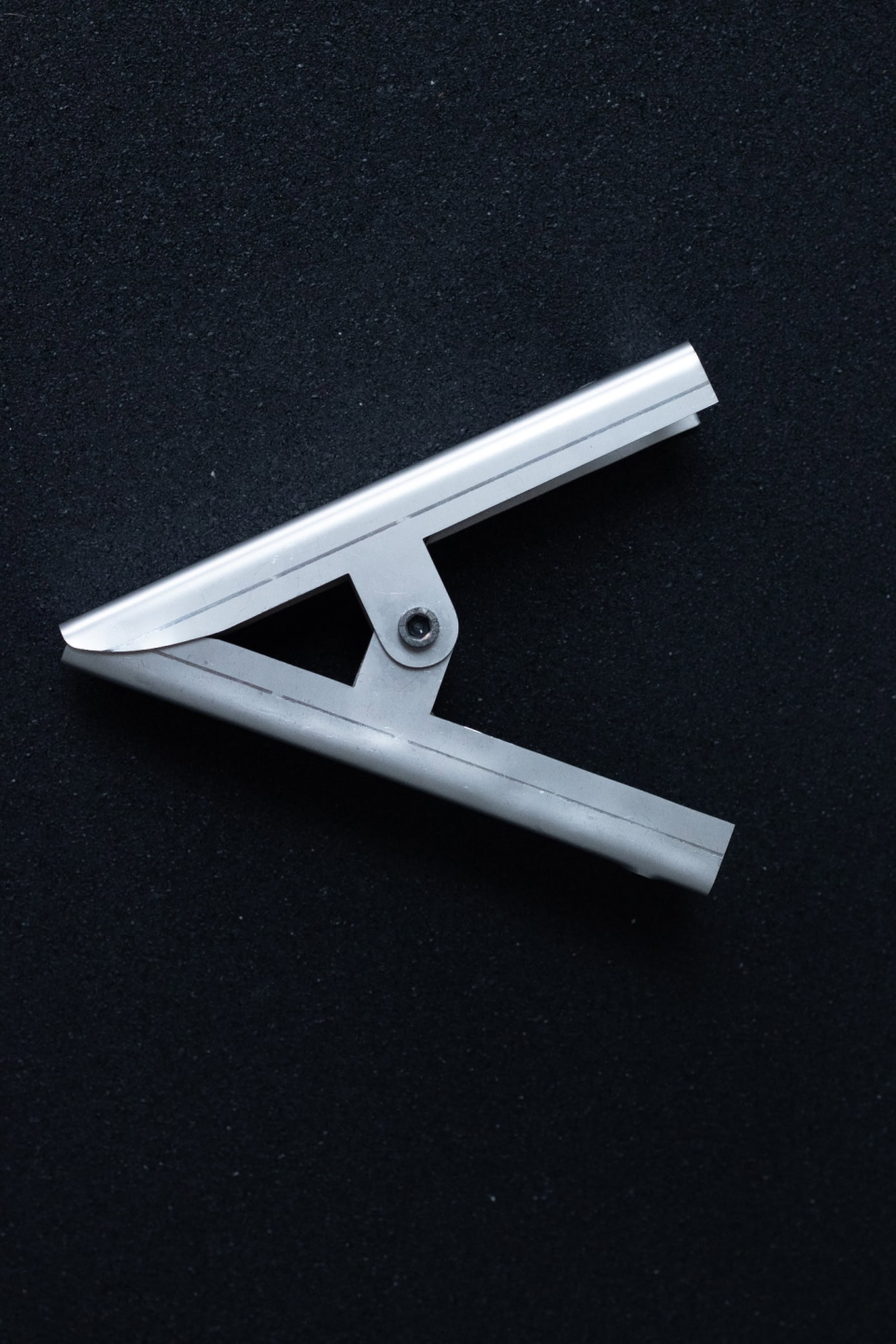
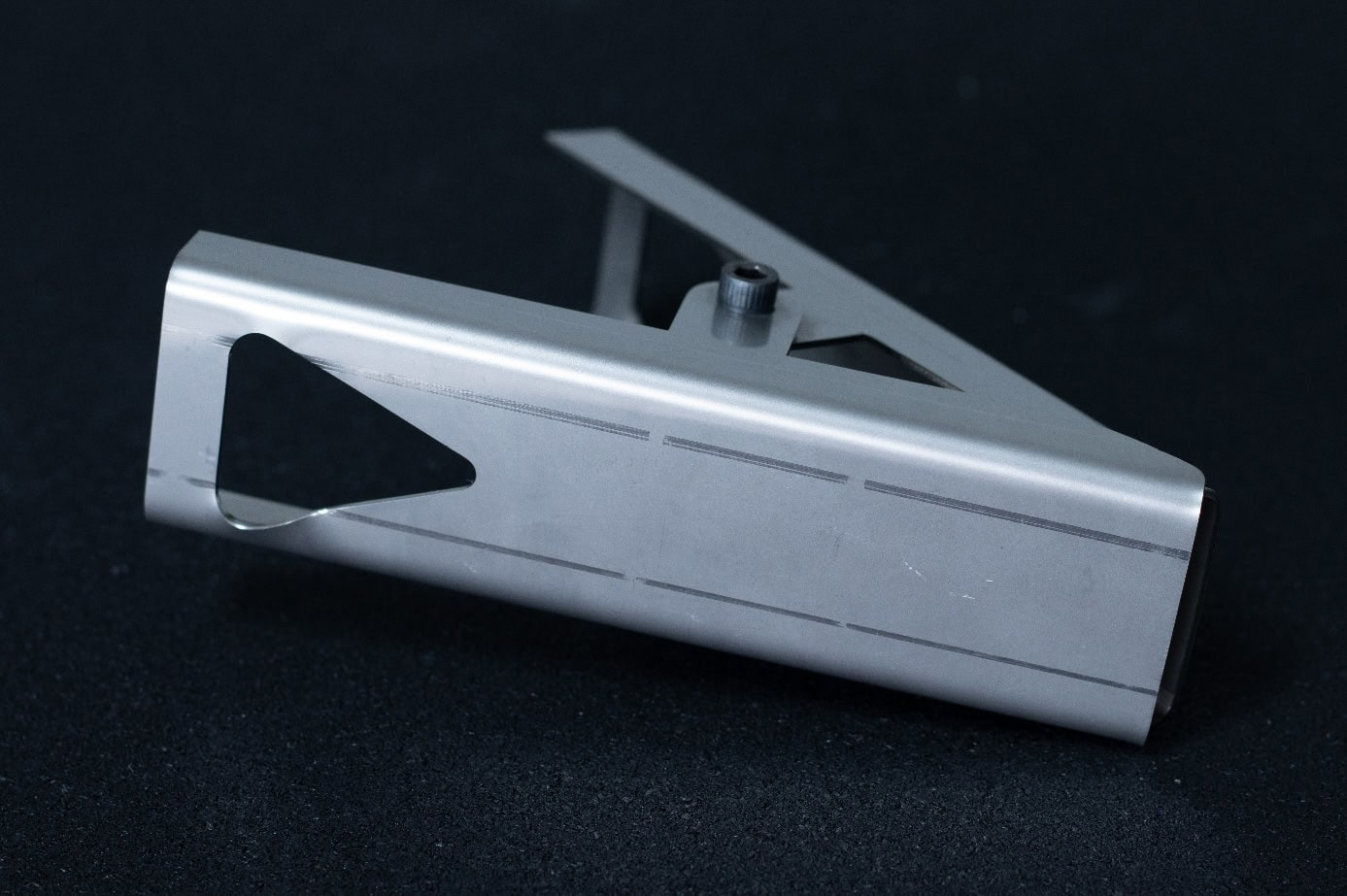
Eventually, we arrived at our final design: elongated, upside-down teardrop-shaped holes that pinched the hose in two spots. This solution was simple, universal (fitting multiple hose diameters), and held the hose in place even with strong fluid flow. Eventually, we arrived at our final design: elongated, upside-down teardrop-shaped holes that pinched the hose in two spots. This solution was simple, universal (fitting multiple hose diameters), and held the hose in place even with strong fluid flow. Made from 1.5 mm thick stainless steel, the final clip measures 80 × 45 × 170 mm and offers both durability and food safety.
From Prototype to Protection: Filing for a Utility Model
Once the design was finalized, we filed for a Slovenian national utility model—similar to a patent—to protect the concept. Around the same time, we presented our final project and received an excellent grade. The evaluators appreciated the sturdy feel of the clip in hand but recommended considering thinner sheet steel in future iterations to optimize material use.
But we weren’t done. Seeing commercial potential, we decided to bring the product to market.
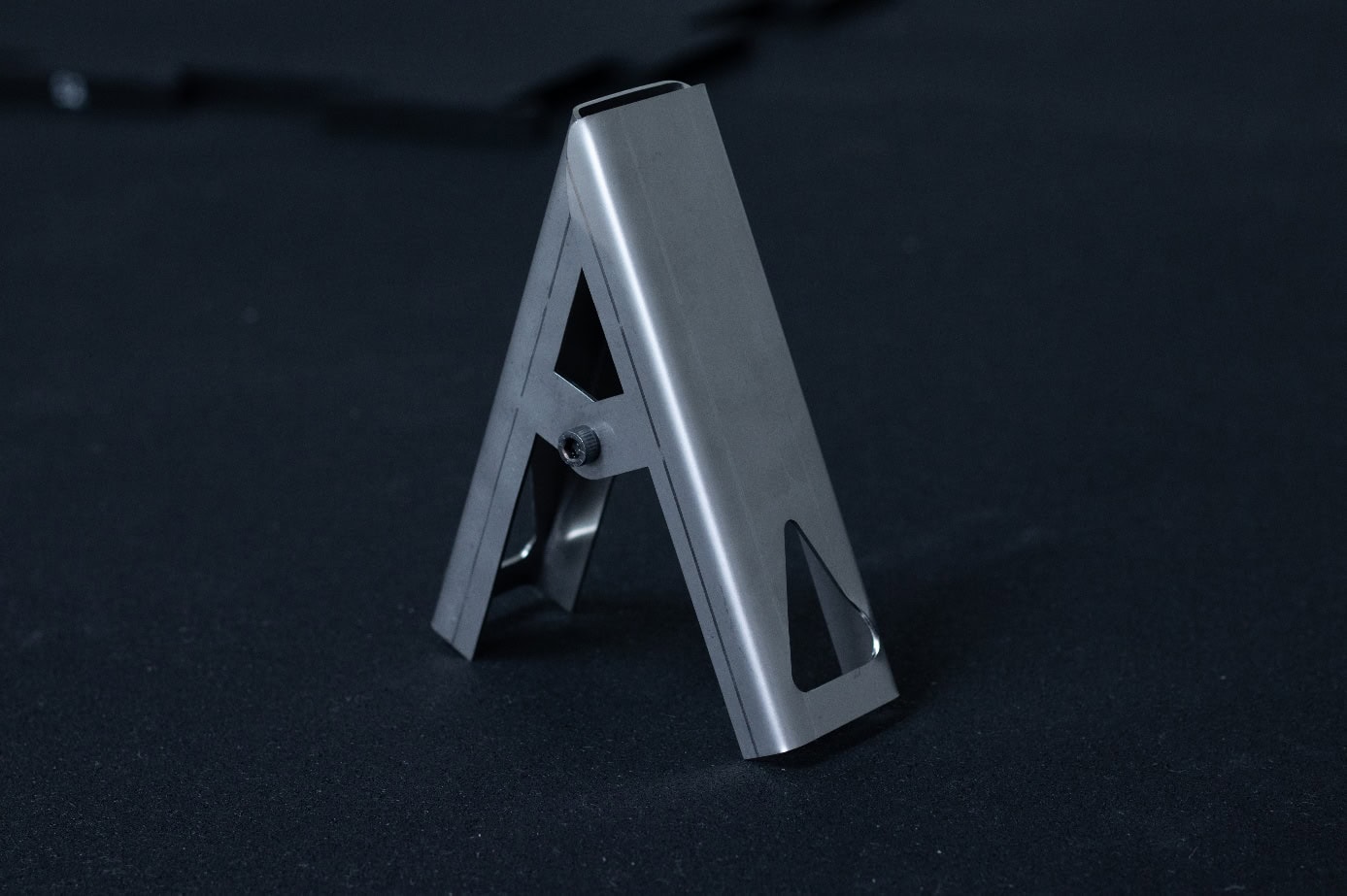
Final stainless steel hose clip
Going to Market: Small-Scale Production and Big Lessons
We took the next steps: creating promotional photos and videos, setting up an online store, and launching a social media campaign. We partnered with suppliers for laser-cut stainless steel parts and got ready to ship.
But after a week of ads, we had zero sales.
Analytics showed people were clicking through, but they dropped off at checkout. The price—€20 per clip plus €6 shipping—was a barrier. With production costs close to €15 (for 100-unit batches), we felt the price was fair. But the market didn’t agree.
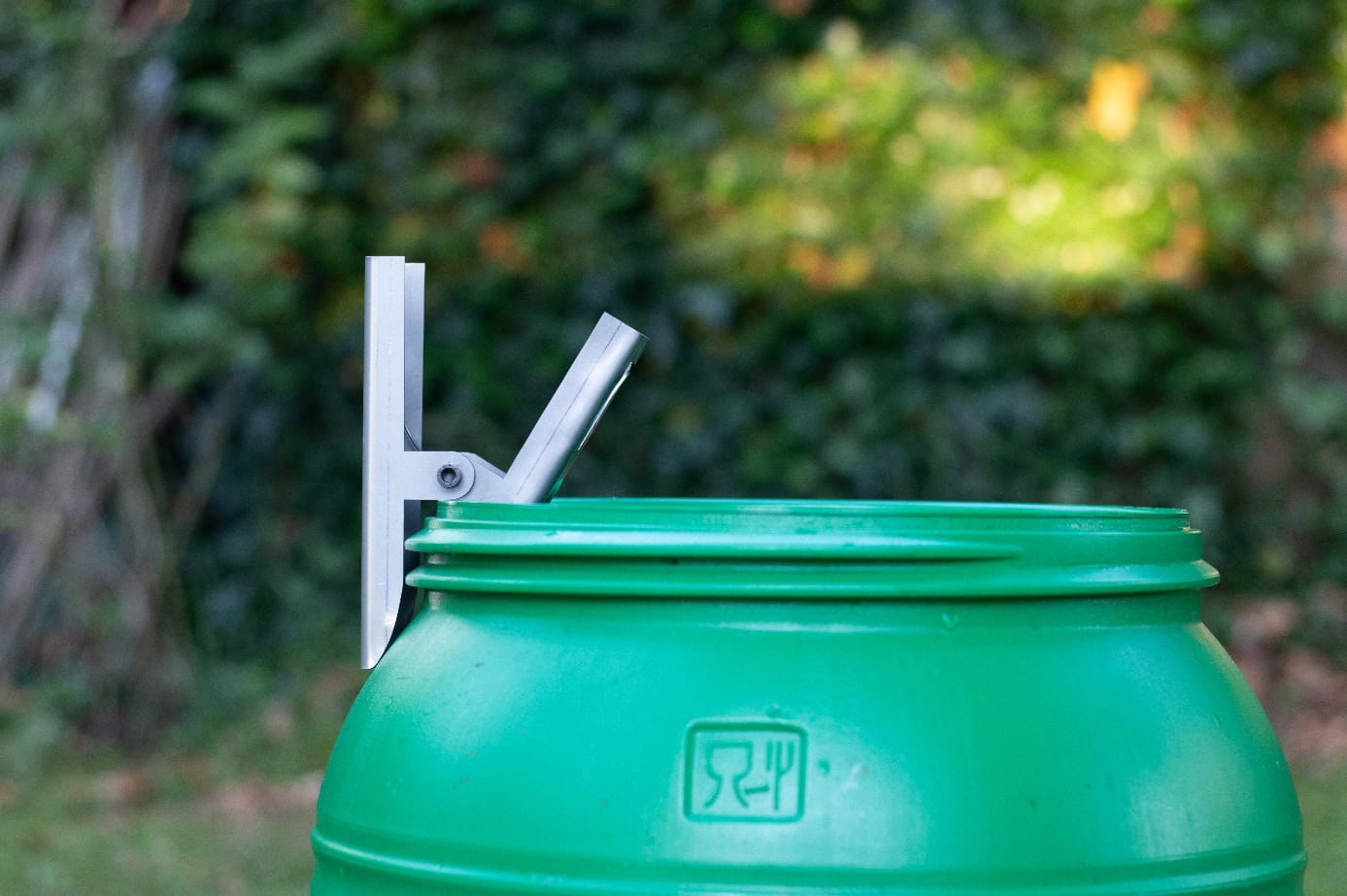
Hose clip attached to barrel
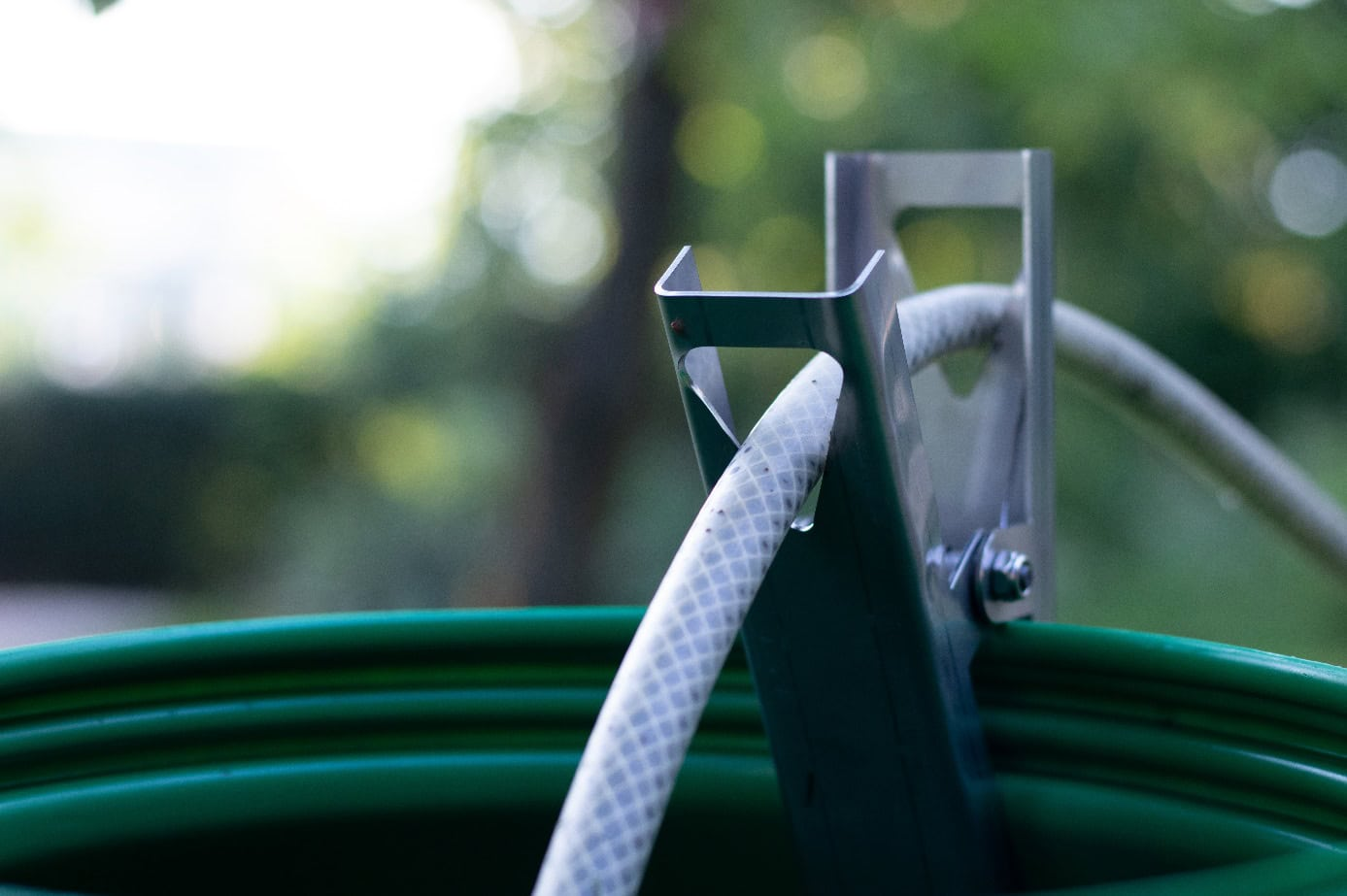
Hose clip attached to barrel and hoding a pipe
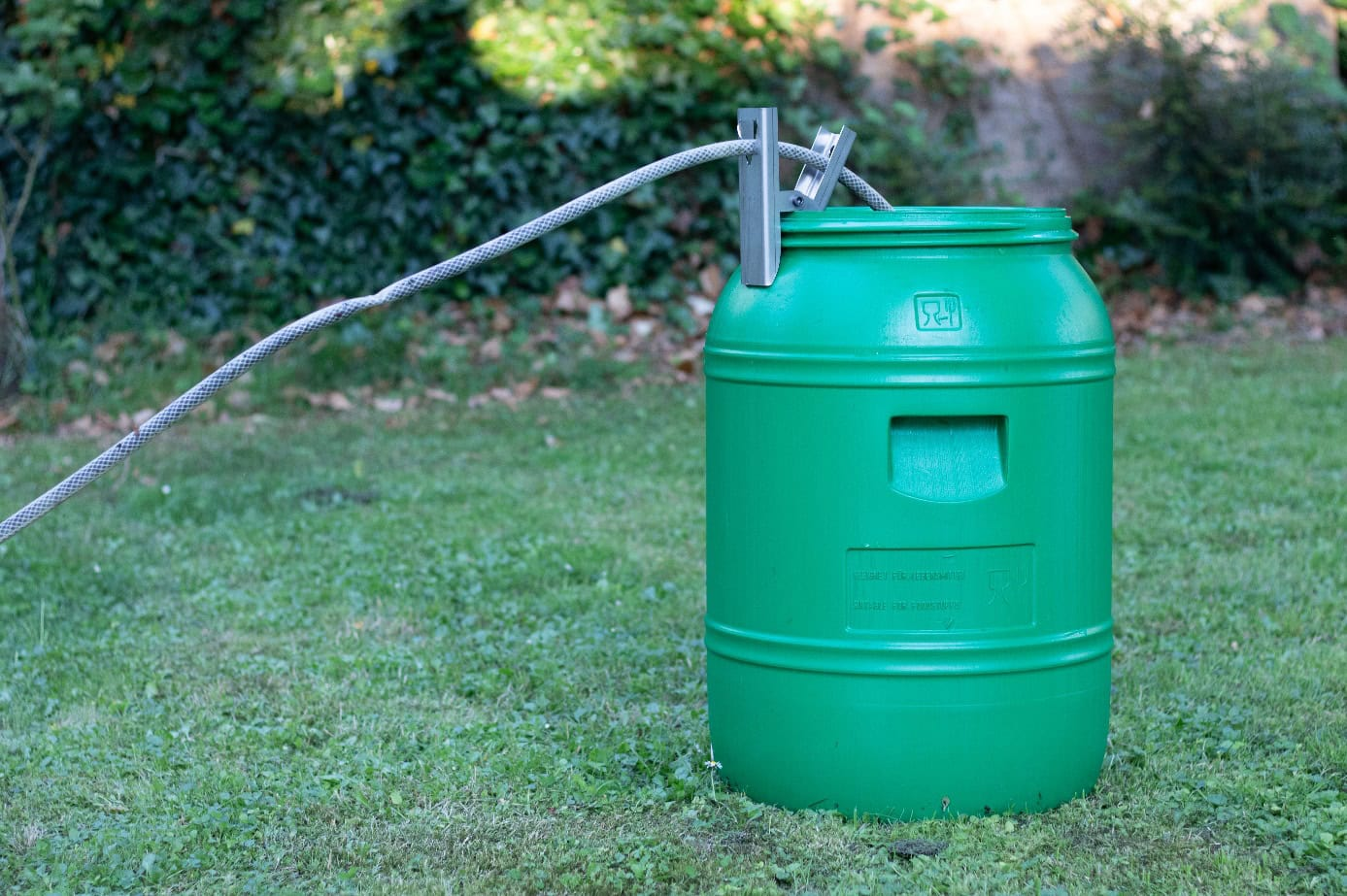
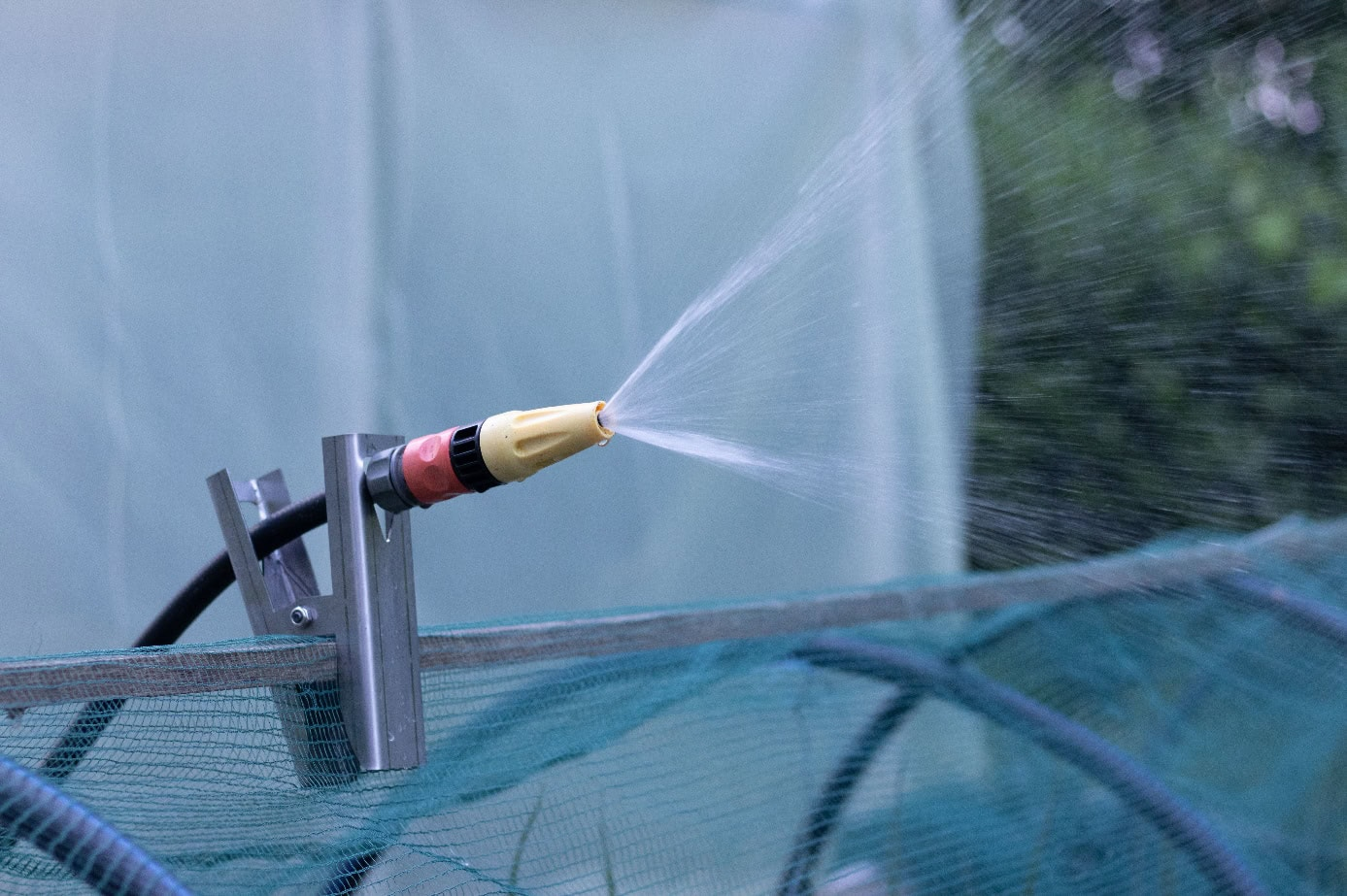
Hose clip attached to barrel and hoding a pipe
Hose clip hoding a pipe spraying water
We experimented with bundles and e-books, and even considered switching to anodized aluminum to cut costs. However, that would compromise the product’s sturdy feel, and reducing the price would only highlight the relatively high shipping cost. Increasing production volume was too risky.
So, we made the hard decision to stop.
Although we didn’t sell a single hose clip, the project gave us a lot in return: a granted utility model and bonus points for a scholarship.
We still believe in the product and may one day publish the design as open source to help others facing a similar challenge.

A Cube That Doesn’t Fall Over: The Making of a Self-Balancing Gyroscopic Cube
Machine Building
Sheet Metal
Prototyping
Read Story
The HTL team from Austria overcame mass distribution and precision challenges to successfully build Cubli, a self-balancing cube powered by reaction wheels and control algorithms.
Read Story

Exploring Magnetic Couplings: No Gears, No Belts, Just Magnets
Machine Building
3D Printing
Sheet Metal
R&D
Read Story
Emiel, an aerospace engineering graduate and creator of "The Practical Engineer" YouTube channel, built two magnetic coupling prototypes: magnet-to-magnet and magnet-to-copper using eddy currents. With Xometry's laser cutting service, he sourced copper plates of 3mm and 6mm thickness, discovering that the copper version enables smooth, self-regulating, non-contact torque transfer with 8mm gap capability.
Read Story
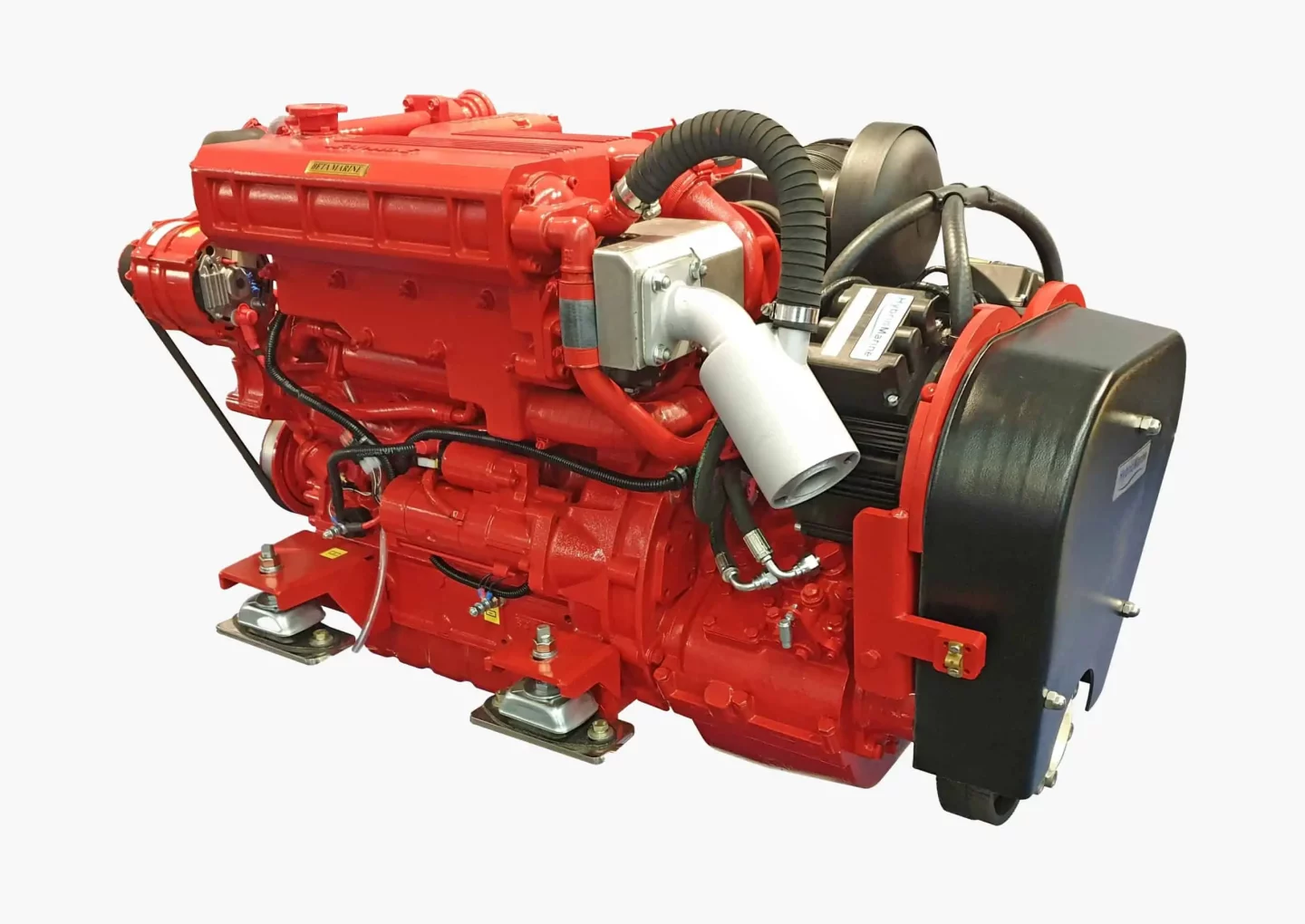

Hybrid engines for the marine industry produced faster with on-demand manufacturing
Machine Building
CNC Machining
Sheet Metal
Procurement, R&D
Read Story
With Xometry, we don’t have to go through that,” referring to simplified and faster quoting and manufacturing.
Read Story

Revolutionary tunnel-boring machine made with on-demand manufacturing wins the Not-A-Boring Competition
Machine Building
CNC Machining
Sheet Metal
Prototyping
Read Story
he project had a very ambitious timeline since we had to plan, produce, test and ship our complex machine all within one year. The short and scheduled delivery times from Xometry were a great help in achieving this. We were also really satisfied with the quality of the parts provided by Xometry.
Read Story


Delft Hyperloop and Xometry Collaborate to Revolutionise Sustainable Travel Through High-Precision Manufacturing
Machine Building
E-Mobility
CNC Machining
Sheet Metal
Procurement, Prototyping, R&D
Read Story
We obtained around 3200 sheet metal parts and they were perfectly within tolerance. As a student team supplied entirely by partnerships, we were especially satisfied with the cost-quality ratio provided by Xometry.
Read Story
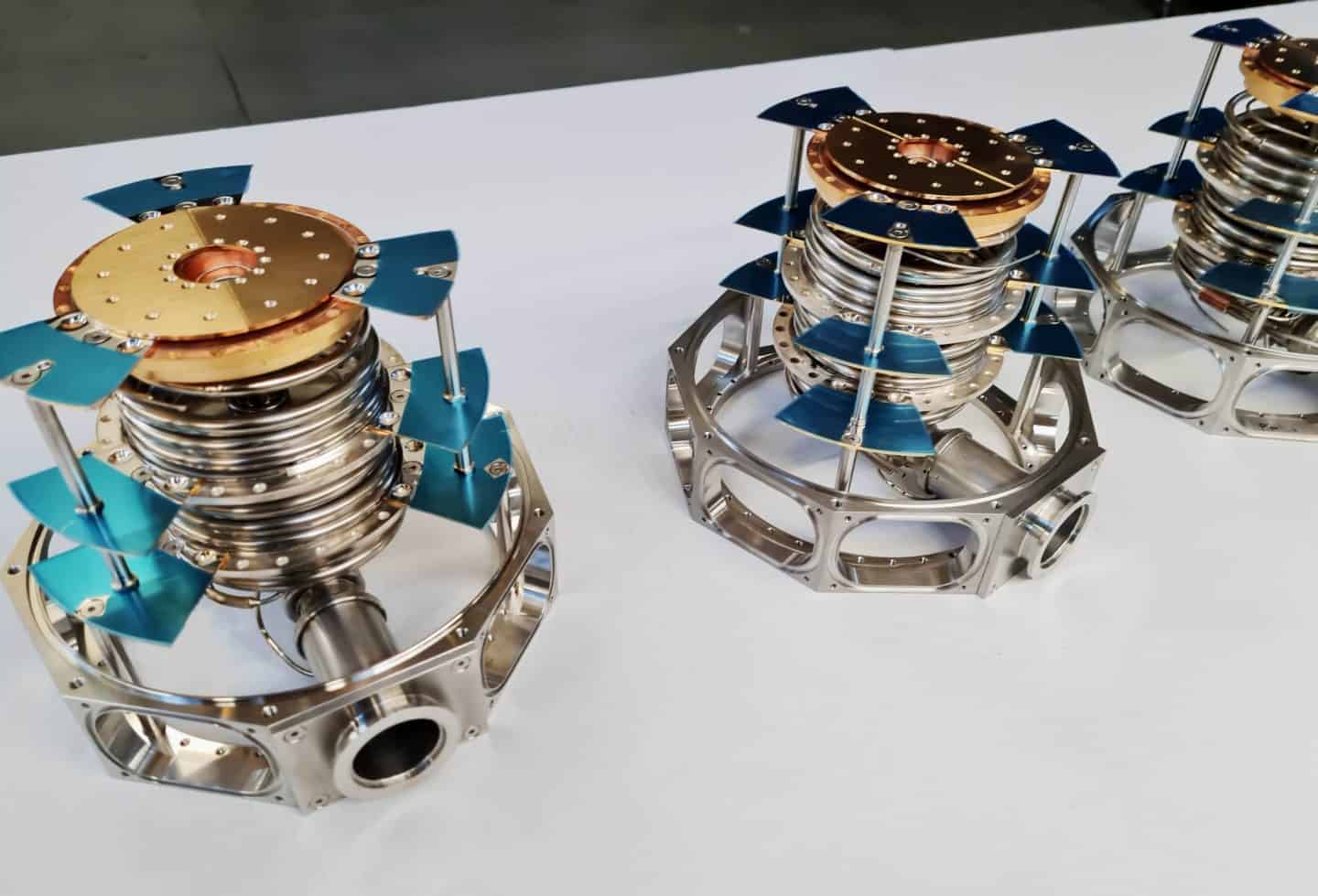
Xometry Supports Qinu in Manufacturing High-Tech Cooling Systems for Industry and Research
Machine Building
Electronic
CNC Machining
Sheet Metal
Procurement, High-Volume Manufacturing, R&D
Read Story
With regular manufacturers, you have to wait a week to 10 days before you even get a quote, but Xometry is usually already in the middle of production by then.
Read Story
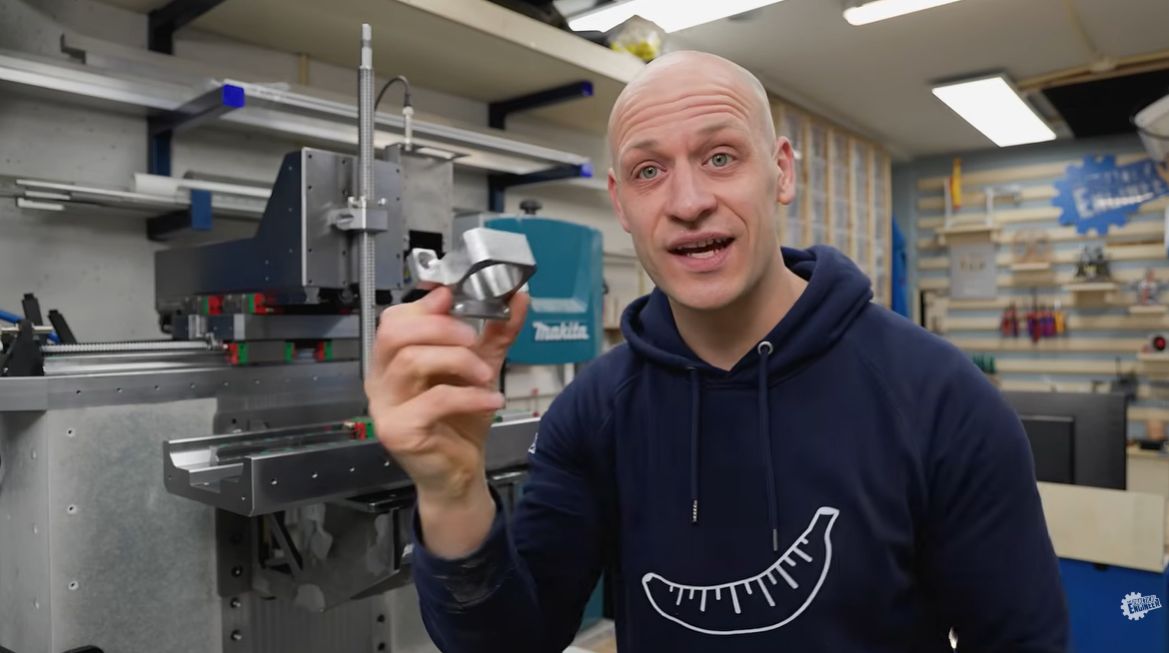
The 1-Millimetre Fix: How One Custom CNC Part Saved My 5-Axis Build
Machine Building
CNC Machining
Prototyping
Read Story
Building a CNC machine from scratch is full of moments where you find out whether your design actually works, or whether it only worked inside CAD. In the world of custom machine building, the transition from a digital model to physical assembly is rarely seamless. This was one of those moments.
Read Story
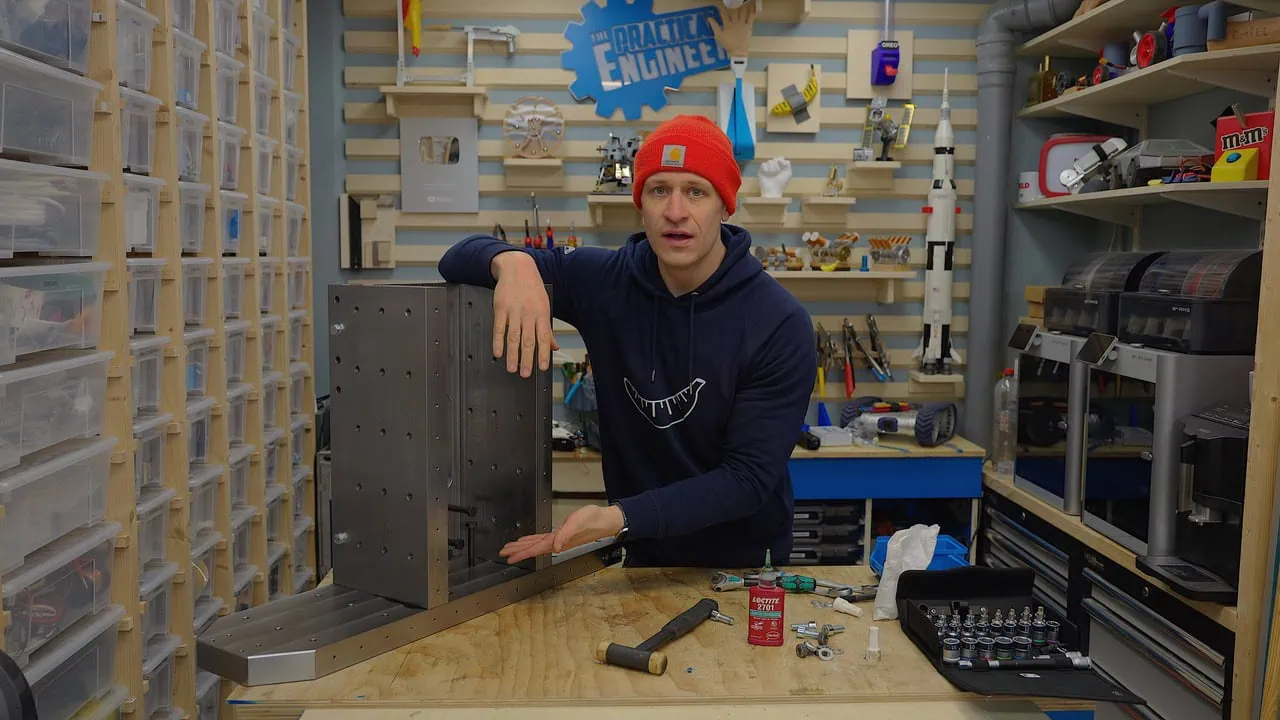
From Desktop Dreams to 400kg of Steel and Concrete: Building a High-Rigidity 5-Axis CNC
Machine Building
CNC Machining
Prototyping
Read Story
In the world of custom machine building, I’ve found there is a constant tug-of-war between theoretical performance and physical reality. As "The Practical Engineer," I dedicated this project to creating a 5-axis CNC machine that prioritizes rigidity over sheer speed.
Read Story
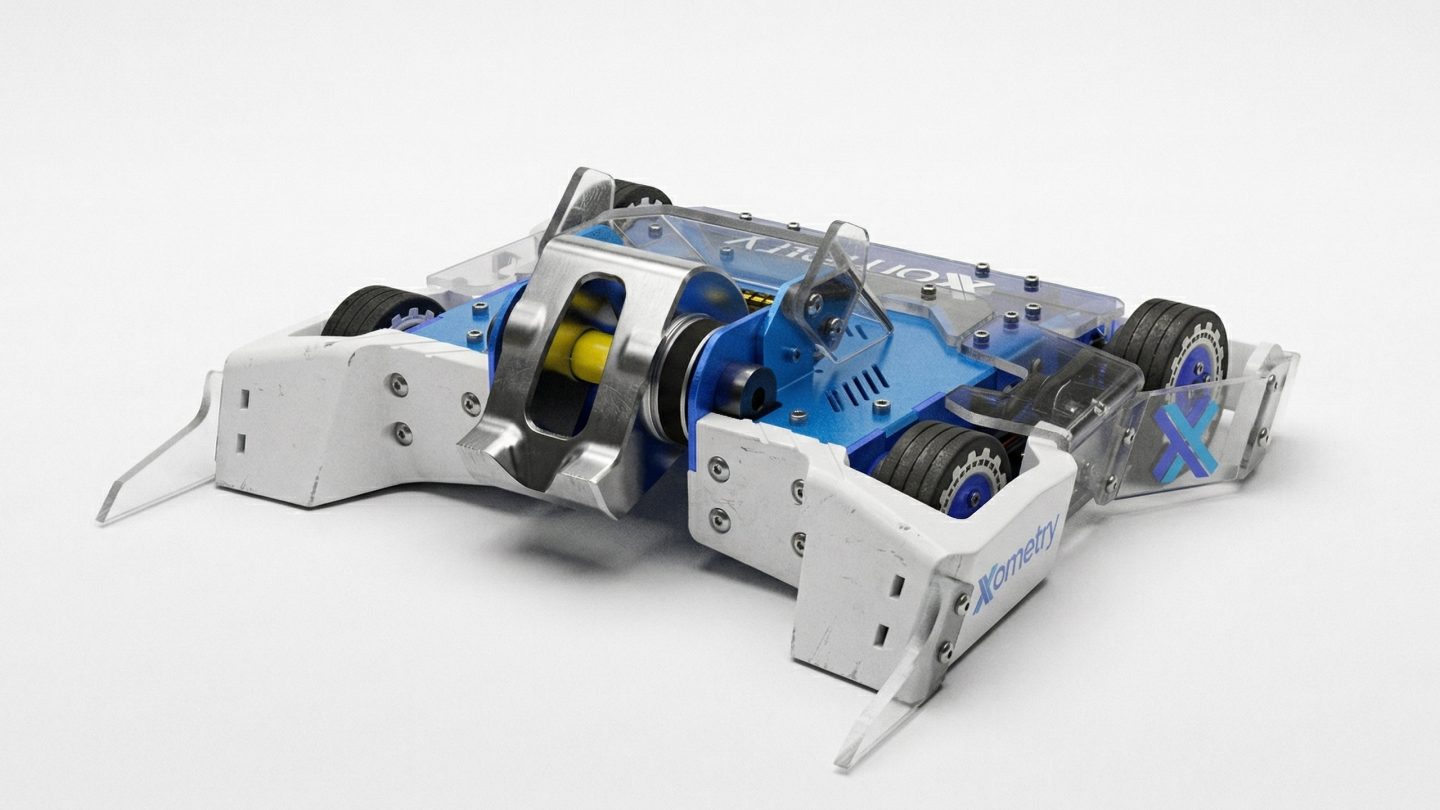
Torx Robot: The Story Behind Accu’s Engineering and Xometry’s Precision CNC Machining
Robotics
Machine Building
CNC Machining
Prototyping
Read Story
Go behind the scenes for the development of Torx: the combat robot built by Accu for FightFest 2026, with CNC machining support from Xometry. Explore the journey from the drawing board to the arena, showing how a combat robotics project takes shape, and see how Torx went on to win the official FightFest Championship trophy.
Read Story
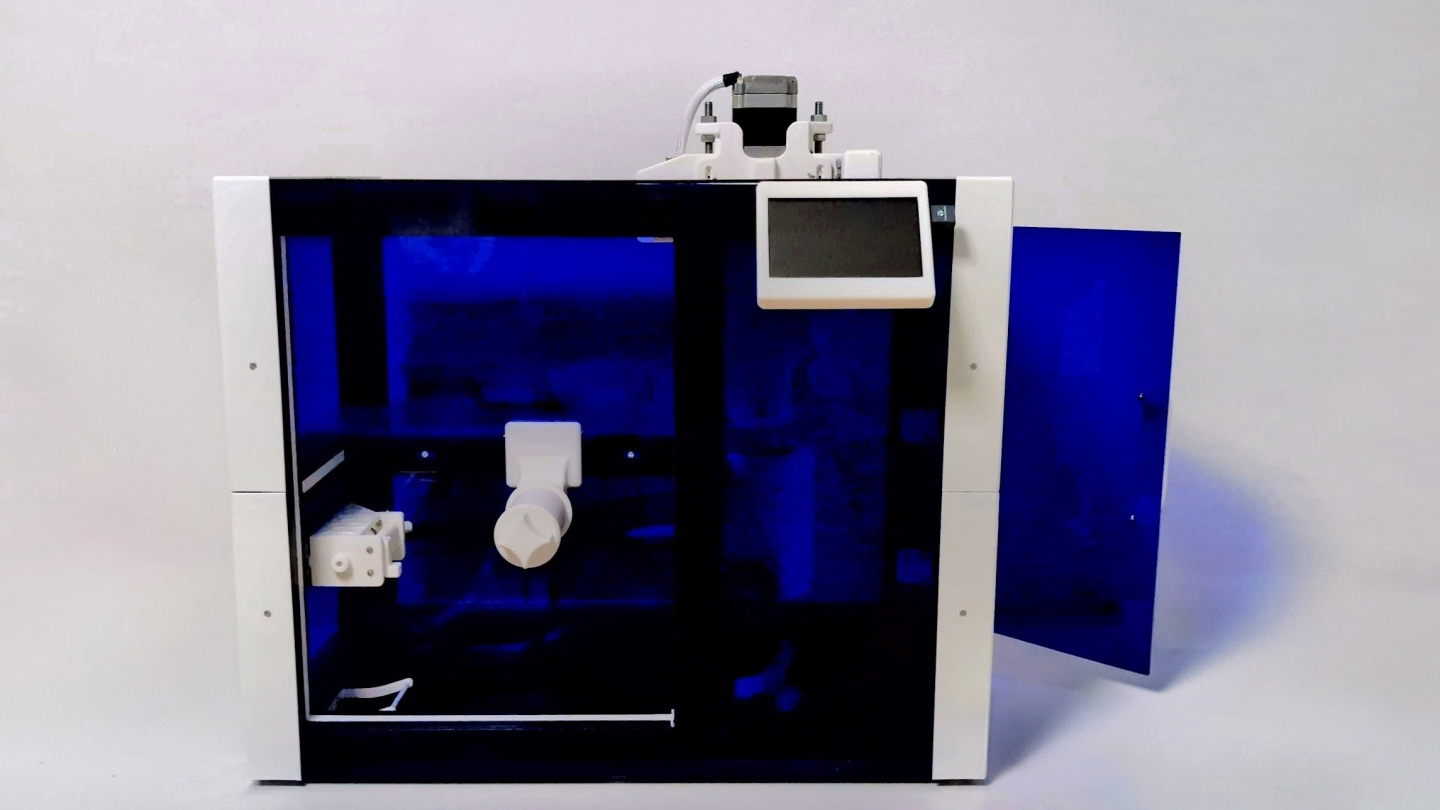
The Rethink of 3D Printing Waste and the Next Chapter of the Desktop Filament Recycler Story
Machine Building
3D Printing
CNC Machining
Prototyping
Read Story
By using agile testing and redesigning a double-sided support to resolve motor deformation and calibration challenges, the TGM student team successfully turned 3D printing waste into high-quality PLA filament.
Read Story
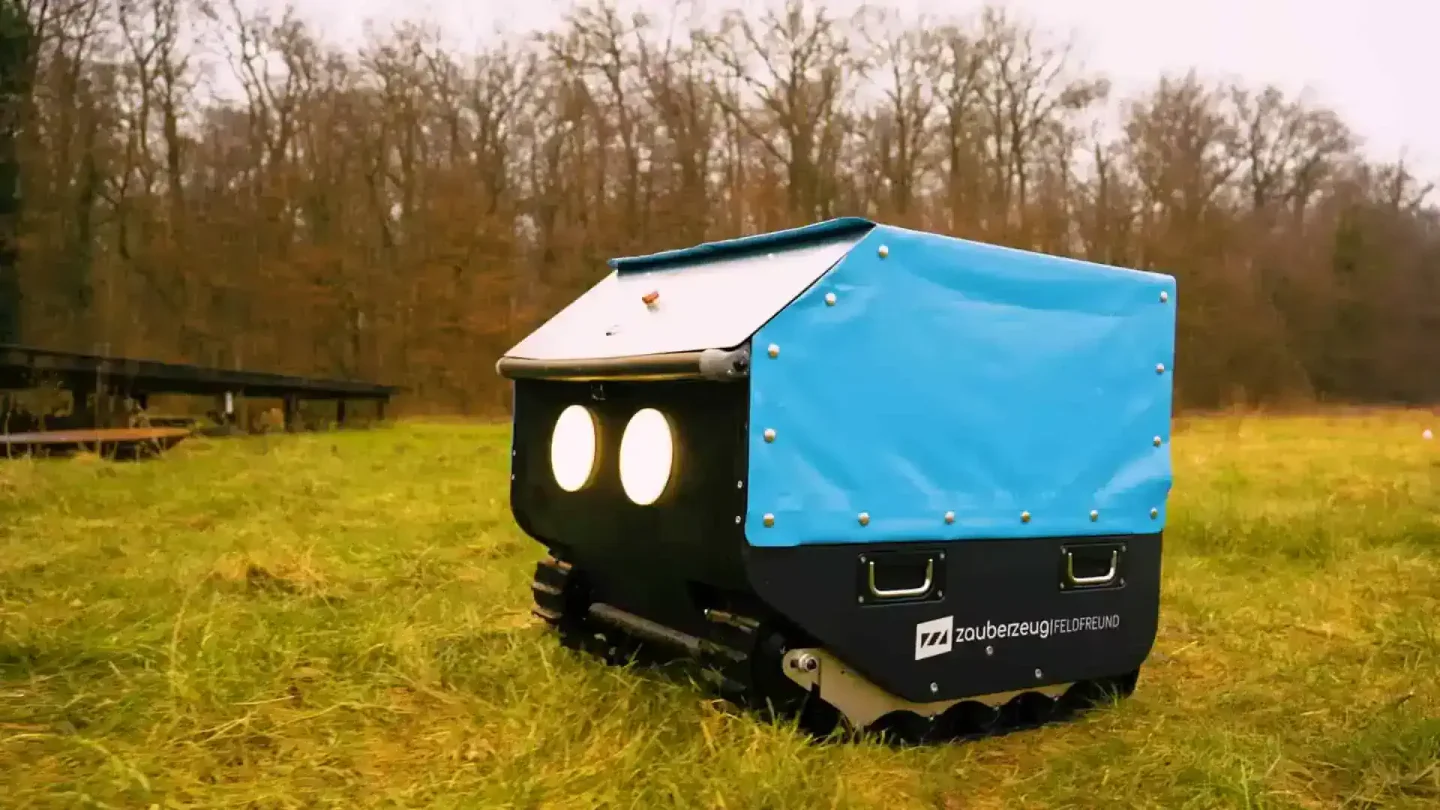
How Zauberzeug Uses Xometry for Fast and Efficient Sourcing of High-Tech Agricultural Robot Components
Robotics
Machine Building
CNC Machining
Procurement, Prototyping
Read Story
With Xometry, we have found a manufacturing partner that supports our development philosophy. The ability to quickly and precisely order small batches of parts gives us the freedom to iteratively improve our robots. This flexibility is essential to our innovation process.
Read Story
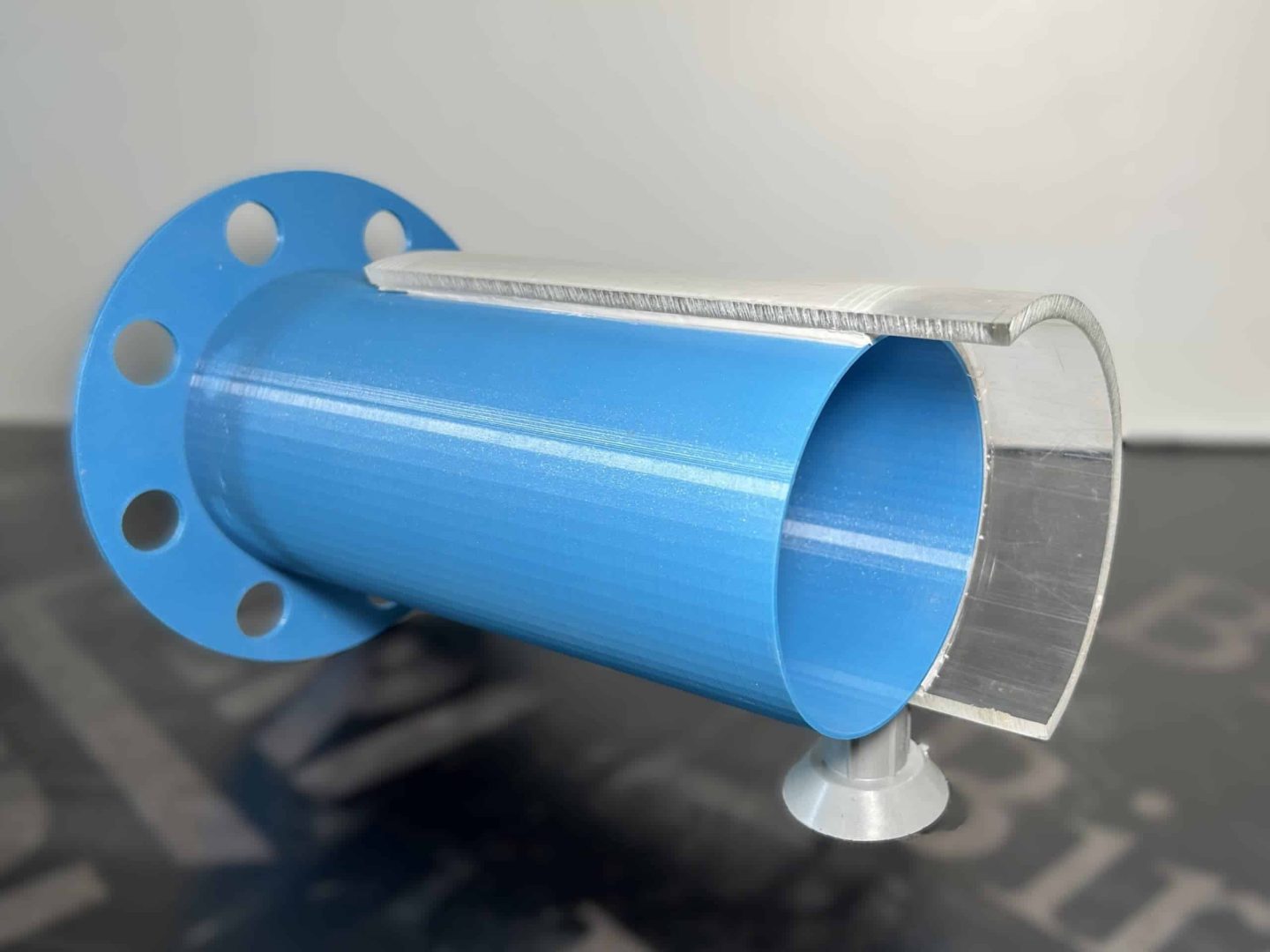
A New Era of Sealing for Wastewater Infrastructure: Xometry Supports Development of Universal Fittings for Pressure Pipelines
Machine Building
3D Printing
Prototyping
Read Story
Our development process begins with extensive brainstorming of potential shapes and sealing methods. 3D printing plays a key role at this stage, allowing us to quickly test different designs before determining the final production materials. Since the final materials are too costly and time-consuming for early prototype stages, we focus on creating small-scale test models in-house, then produce large prototypes through Xometry to ensure convenience and accuracy.
Read Story