In the world of custom machine building, I’ve found there is a constant tug-of-war between theoretical performance and physical reality. As "The Practical Engineer," I dedicated this project to creating a 5-axis CNC machine that prioritizes rigidity over sheer speed.
Industry
Machine Building
Country

Netherlands
Use case
Prototyping
Technology
CNC Machining
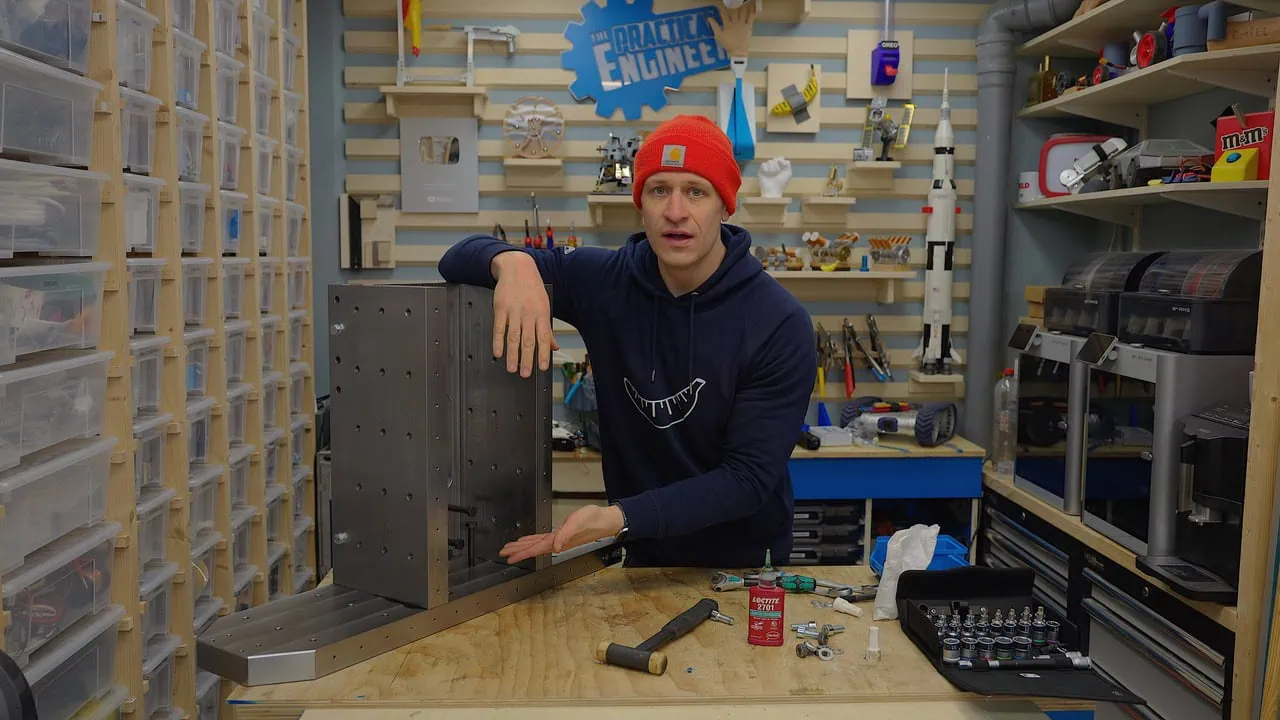
The Evolution: When “Desktop” Isn’t Enough
I began with a modest goal: a compact, desktop-sized machine capable of machining aluminum. However, as I progressed with the design in Fusion 360, the engineering reality of machining steel became clear to me—stability requires mass.
What started as a light concept evolved into a 400kg powerhouse. The foundation of the machine is now a closed structure featuring:
- S355 Structural Steel: Chosen for its reliability and strength.
- 40mm Thick Plates: To ensure maximum stiffness under multi-axis cutting forces.
- UHPC (Ultra-High Performance Concrete) Filling: Added to the steel frame to increase total mass and provide critical structural damping.
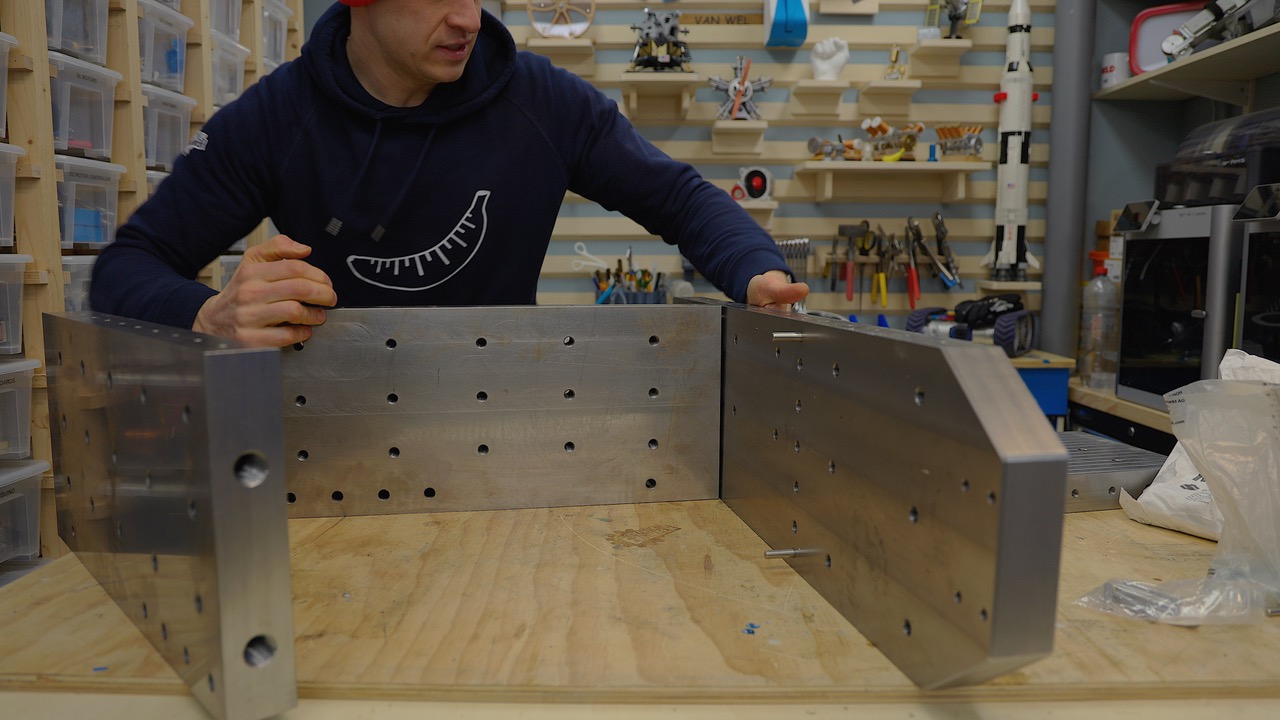
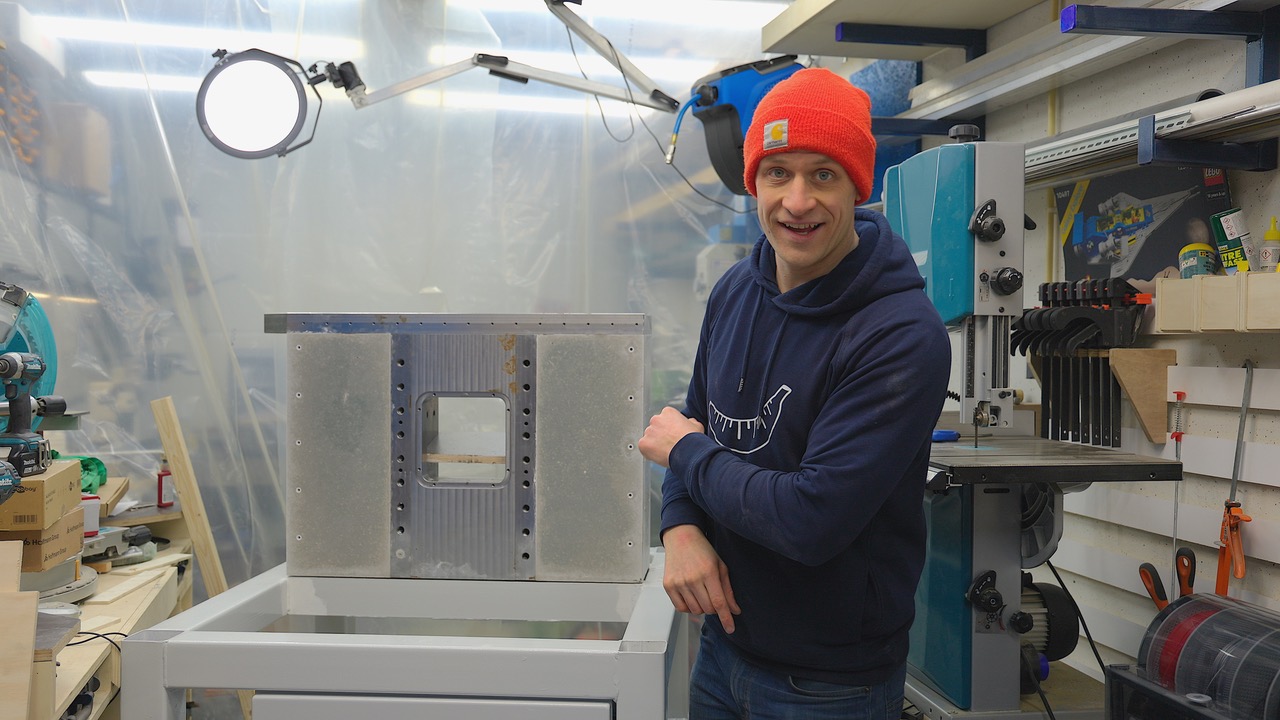
Scaling up to 40mm thick S355 steel plates to ensure the machine can realistically handle the forces of machining steel.
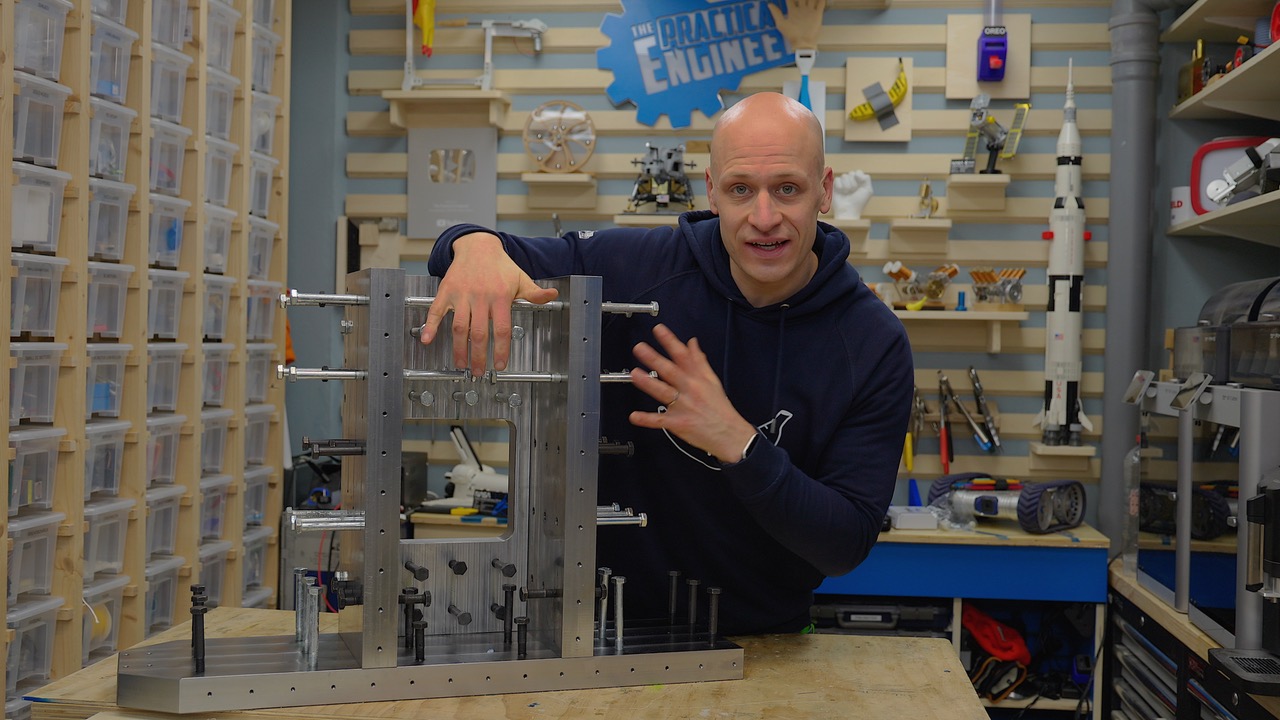
Engineering Strategy: Milled Components vs. Welding
I knew that thermal distortion caused by welding is a common challenge in large steel frames. To maintain my target command resolution of 0.01 mm, I opted for a more controlled approach: I built the structure from precision-milled steel plates.
By machining all critical surfaces myself—including linear rail mounting faces and reference planes—I reduced the “unknowns” often found in welded assemblies. This pragmatic choice gave me a predictable starting point, ensuring my rails remain parallel and preventing my axes from preloading unintentionally.
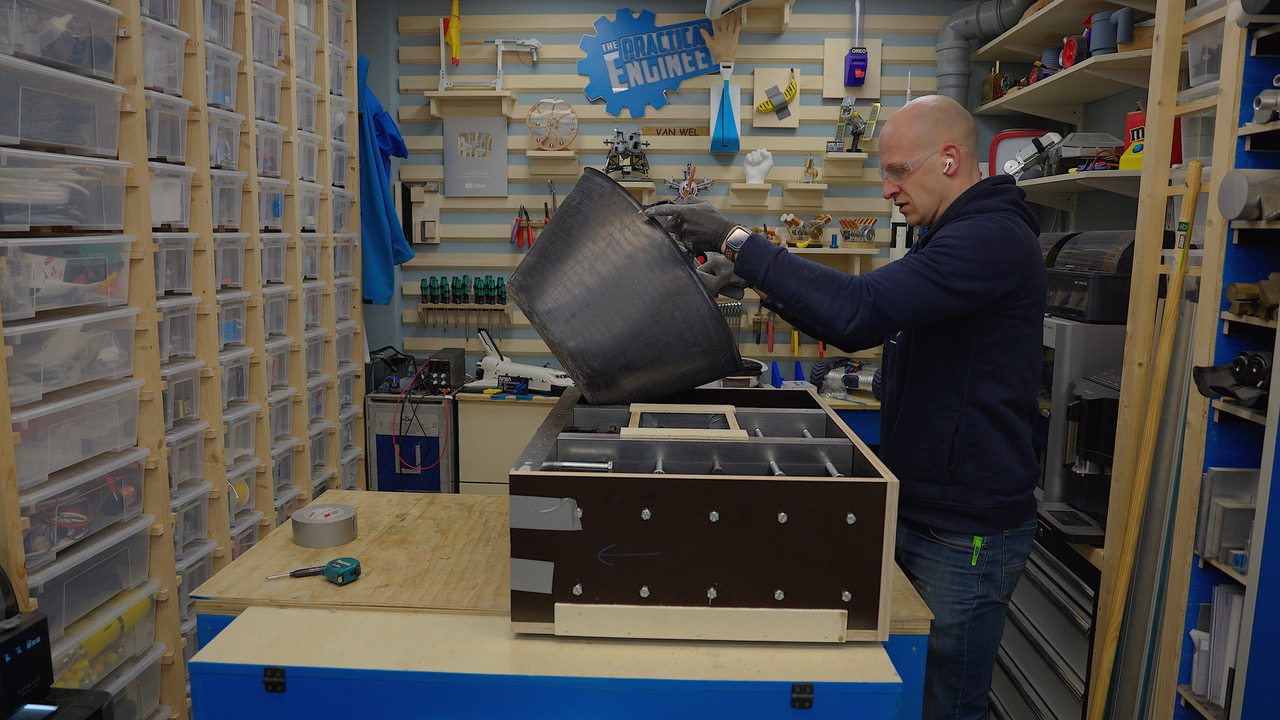
Pouring the UHPC concrete into the steel frame to double the mass and increase structural damping.
The X, Y, and Z Axes: Prioritising Rigidity
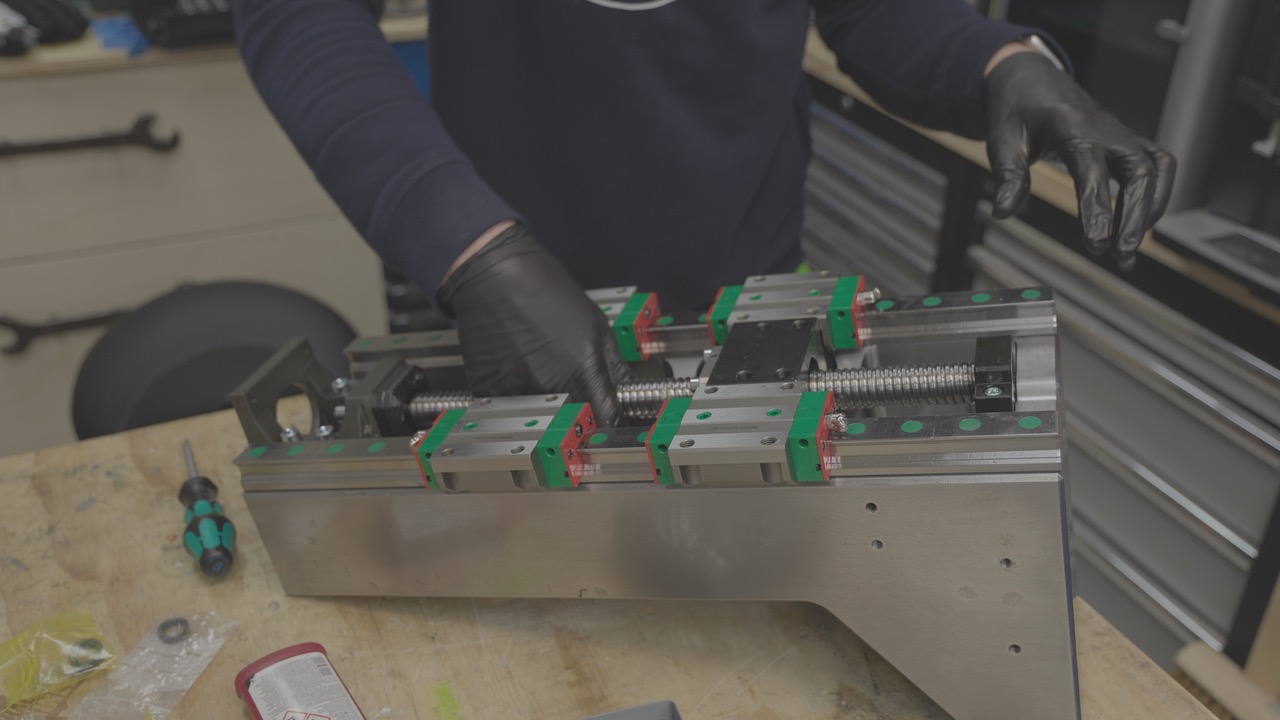
While many desktop machines focus on reducing moving mass to increase speed, I took the opposite philosophy. I dimensioned my carriage plates and motor mounts conservatively rather than aggressively optimizing them for weight.
The Performance Trade-off:
- Target Rapids: 10,000 to 15,000 mm/min.
- Target Accelerations: 1,000 to 2,500 mm/s².
- The Logic: “I would rather have more mass and slightly lower dynamic performance than a lightweight structure that sacrifices stiffness”.
By accepting heavier carriages, I increased the machine’s resistance to the lateral and torsional loads unique to 5-axis machining.
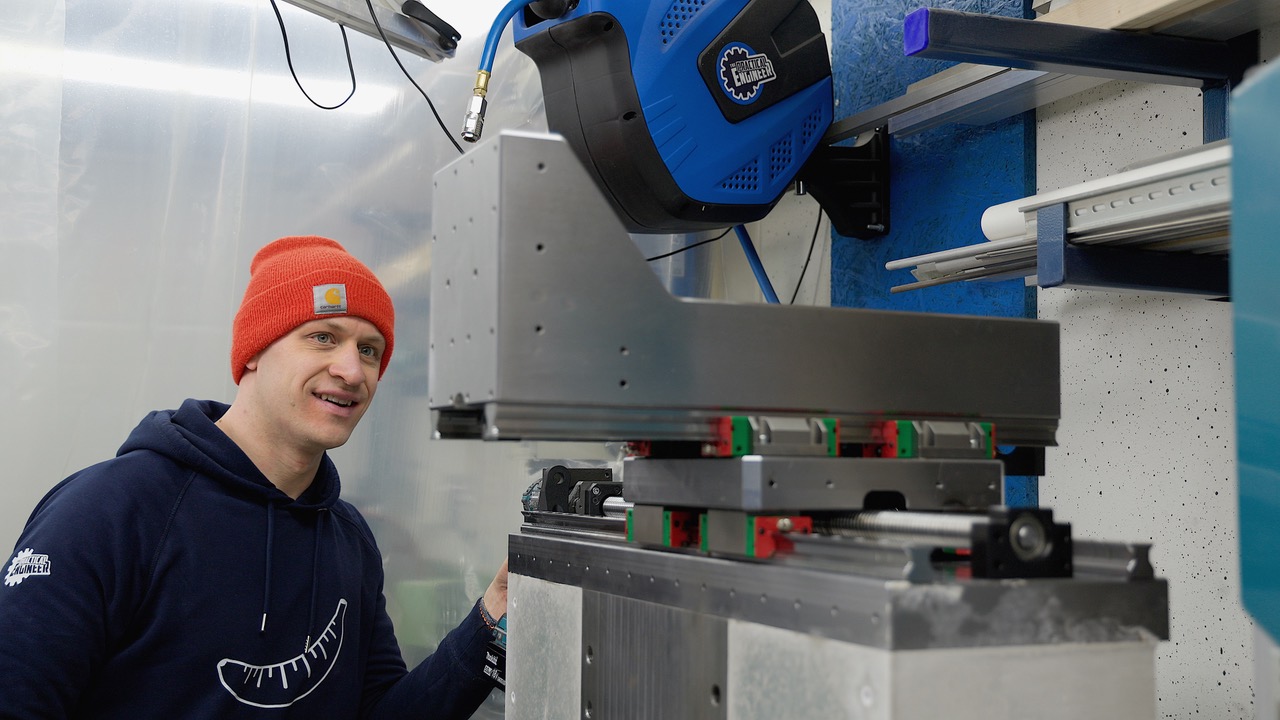
Carriage plates and support structures are dimensioned conservatively to prioritise rigidity over maximum speed.
Lessons from the Shop Floor
The transition to heavy-scale engineering provided several key takeaways for any developer looking to source or build custom machinery:
- Tolerance Stack-up: Machining mounting surfaces directly into thick plates limits errors introduced by multiple component interfaces.
- Thermal Compatibility: Combining steel and UHPC is effective because their thermal expansion coefficients are closely matched, reducing internal stress during temperature shifts.
- Preparation is Key: Small oversights, such as failing to seal threaded holes before a concrete pour, can lead to significant cleanup later.
Looking Ahead
With my 400kg frame cured and the robust axis components milled, I now have a “mechanically sound platform”. I am ready for the next phase: tuning the servos and reality-checking my theoretical speeds against real-world vibrations and resonance.
For me, this project isn’t just about chasing peak numbers—it’s about building a foundation where my theoretical numbers finally meet practical limits.
The 1-Millimetre Fix: How One Custom CNC Part Saved My 5-Axis Build
Machine Building
CNC Machining
Prototyping
Read Story
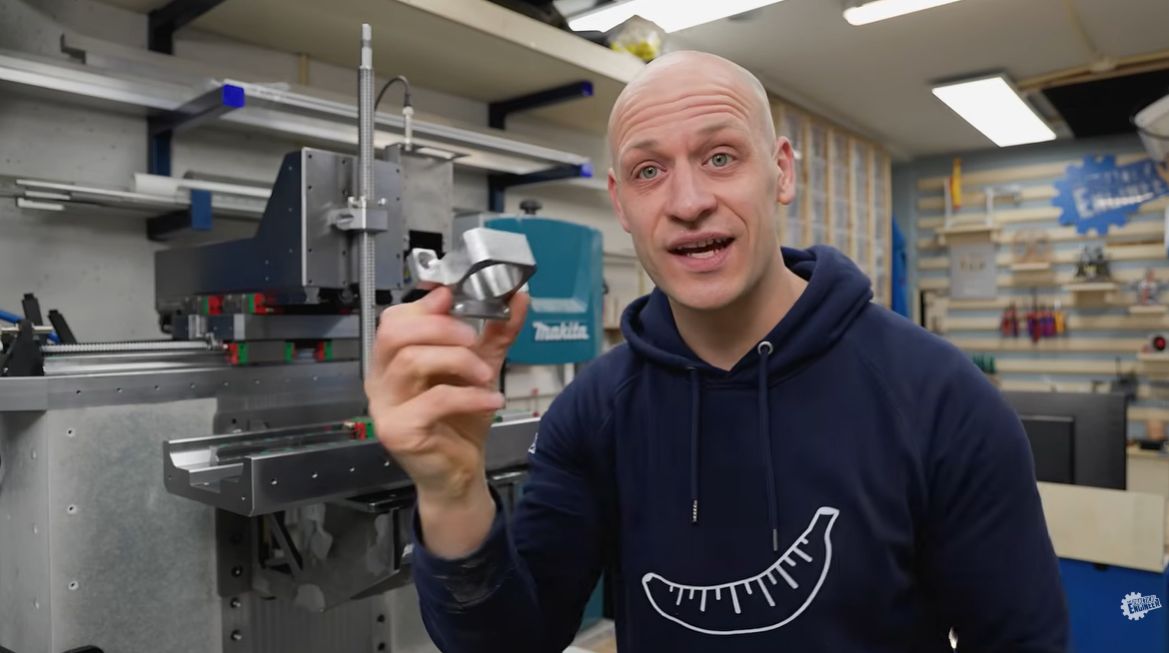
Building a CNC machine from scratch is full of moments where you find out whether your design actually works, or whether it only worked inside CAD. In the world of custom machine building, the transition from a digital model to physical assembly is rarely seamless. This was one of those moments.
Read Story
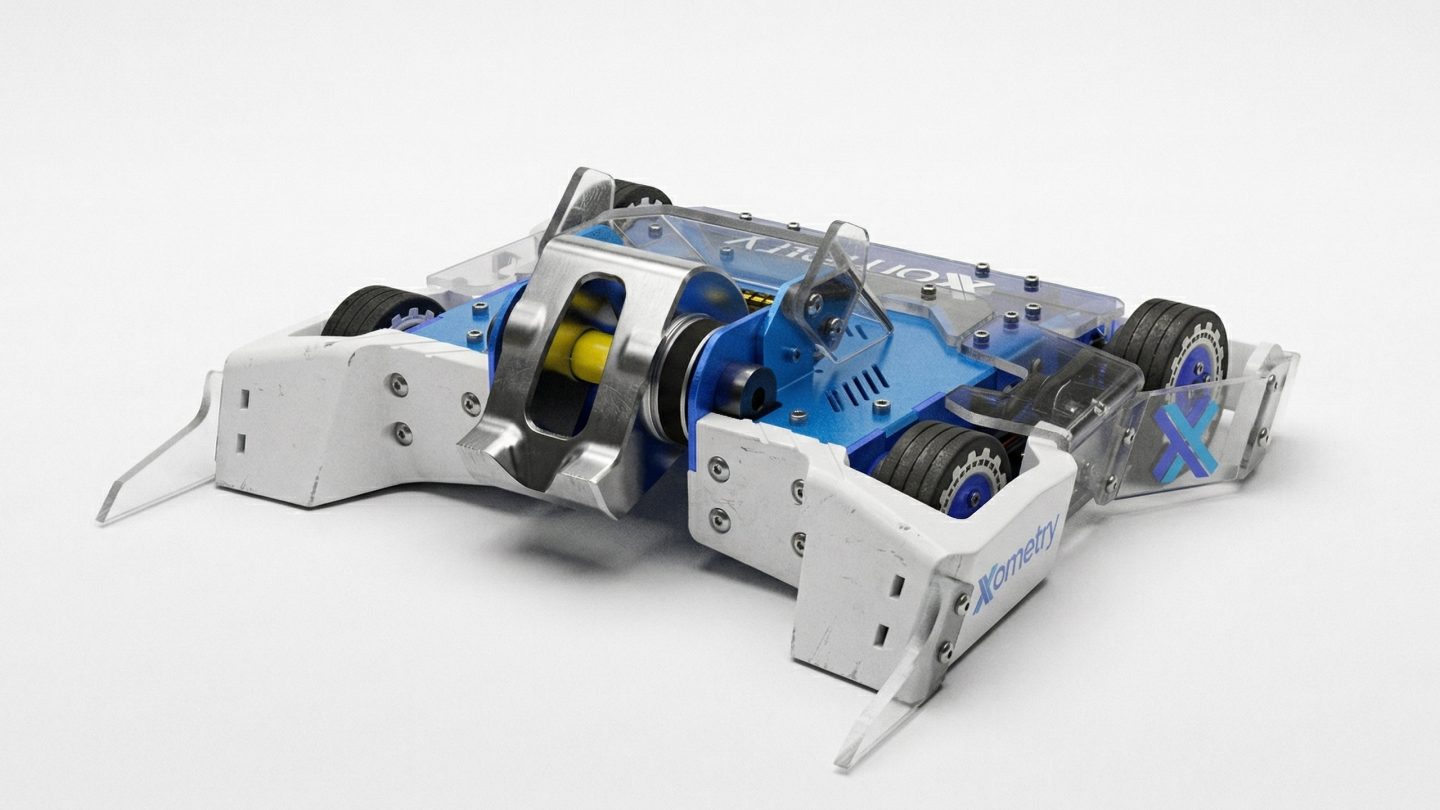

Torx Robot: The Story Behind Accu’s Engineering and Xometry’s Precision CNC Machining
Robotics
Machine Building
CNC Machining
Prototyping
Read Story
Go behind the scenes for the development of Torx: the combat robot built by Accu for FightFest 2026, with CNC machining support from Xometry. Explore the journey from the drawing board to the arena, showing how a combat robotics project takes shape, and see how Torx went on to win the official FightFest Championship trophy.
Read Story
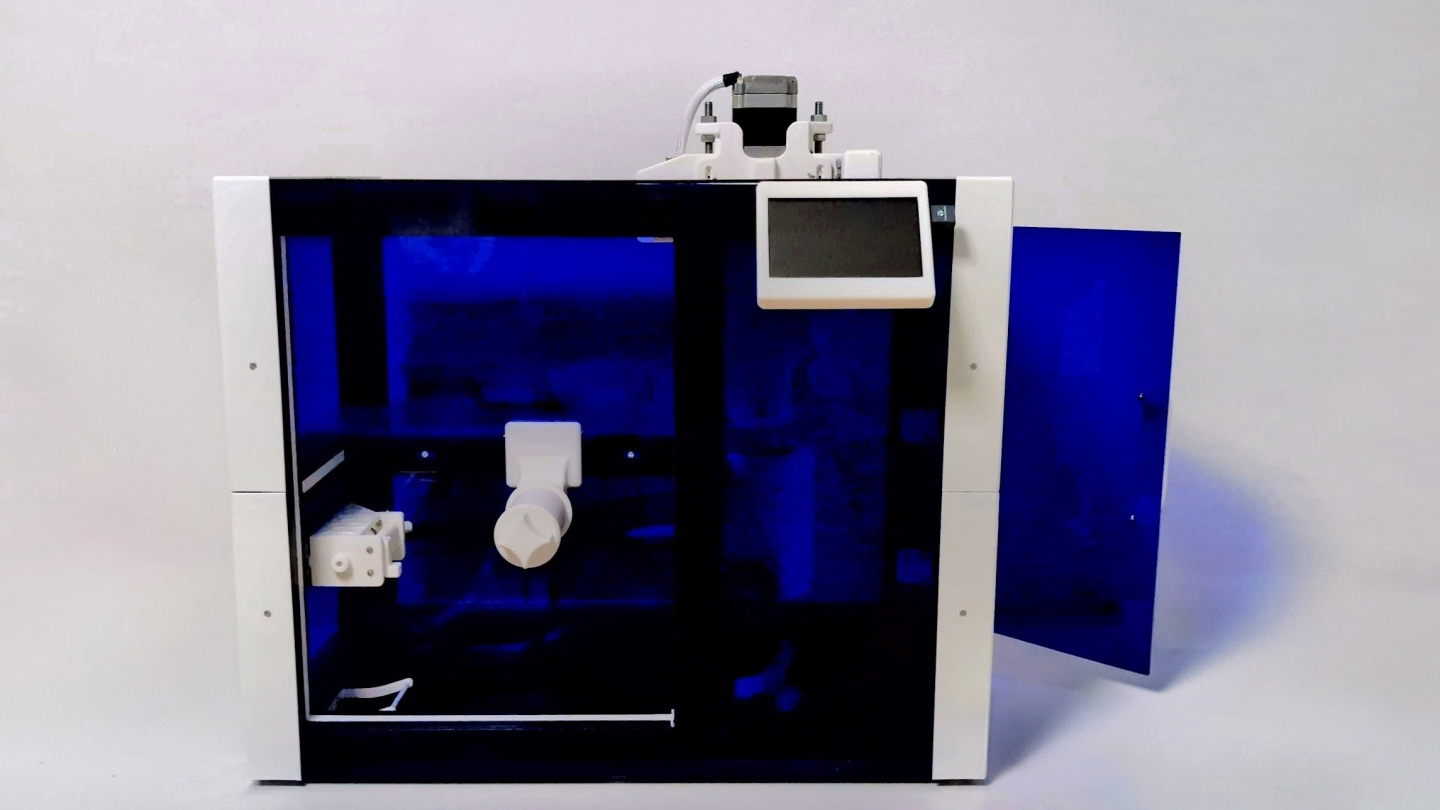

The Rethink of 3D Printing Waste and the Next Chapter of the Desktop Filament Recycler Story
Machine Building
3D Printing
CNC Machining
Prototyping
Read Story
By using agile testing and redesigning a double-sided support to resolve motor deformation and calibration challenges, the TGM student team successfully turned 3D printing waste into high-quality PLA filament.
Read Story
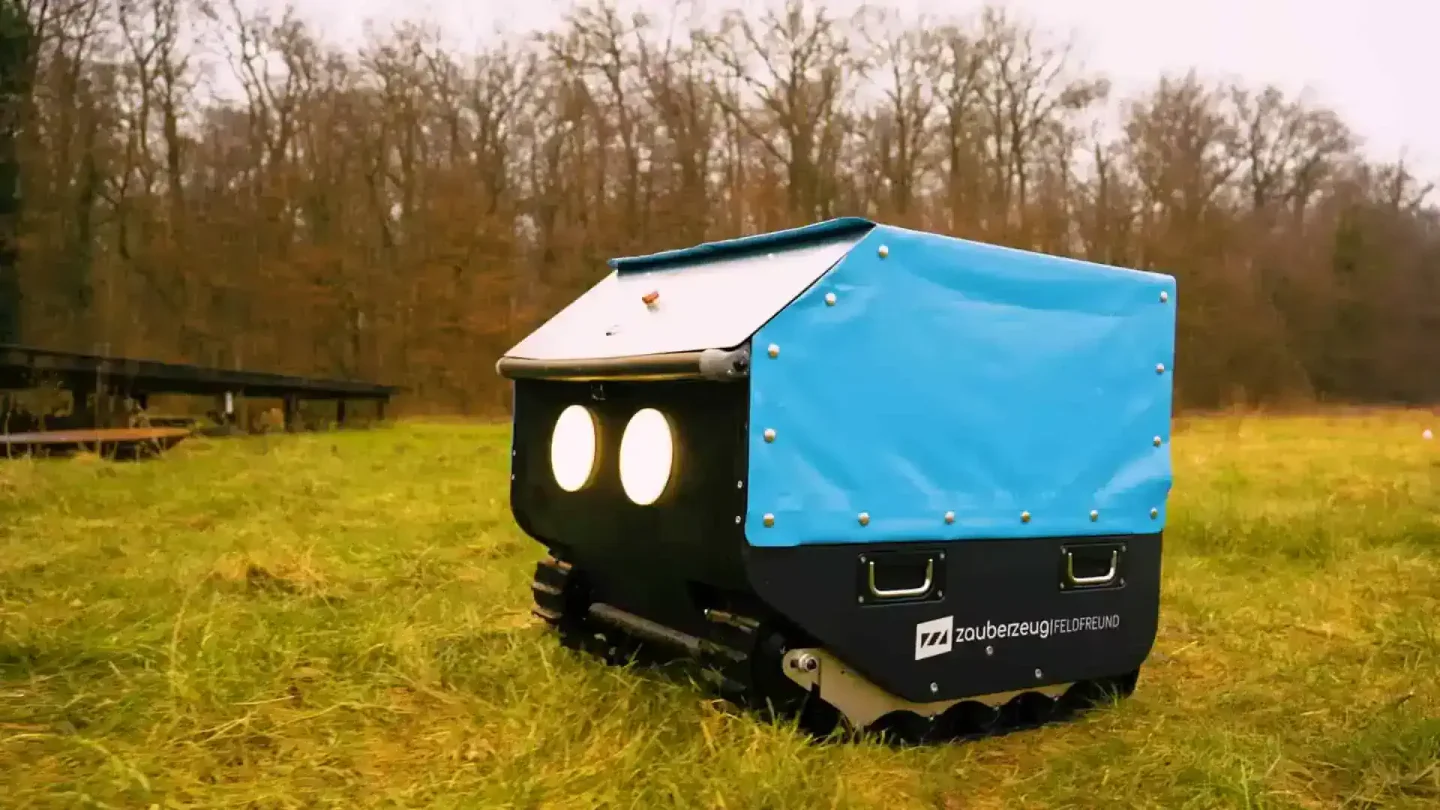

How Zauberzeug Uses Xometry for Fast and Efficient Sourcing of High-Tech Agricultural Robot Components
Robotics
Machine Building
CNC Machining
Procurement, Prototyping
Read Story
With Xometry, we have found a manufacturing partner that supports our development philosophy. The ability to quickly and precisely order small batches of parts gives us the freedom to iteratively improve our robots. This flexibility is essential to our innovation process.
Read Story
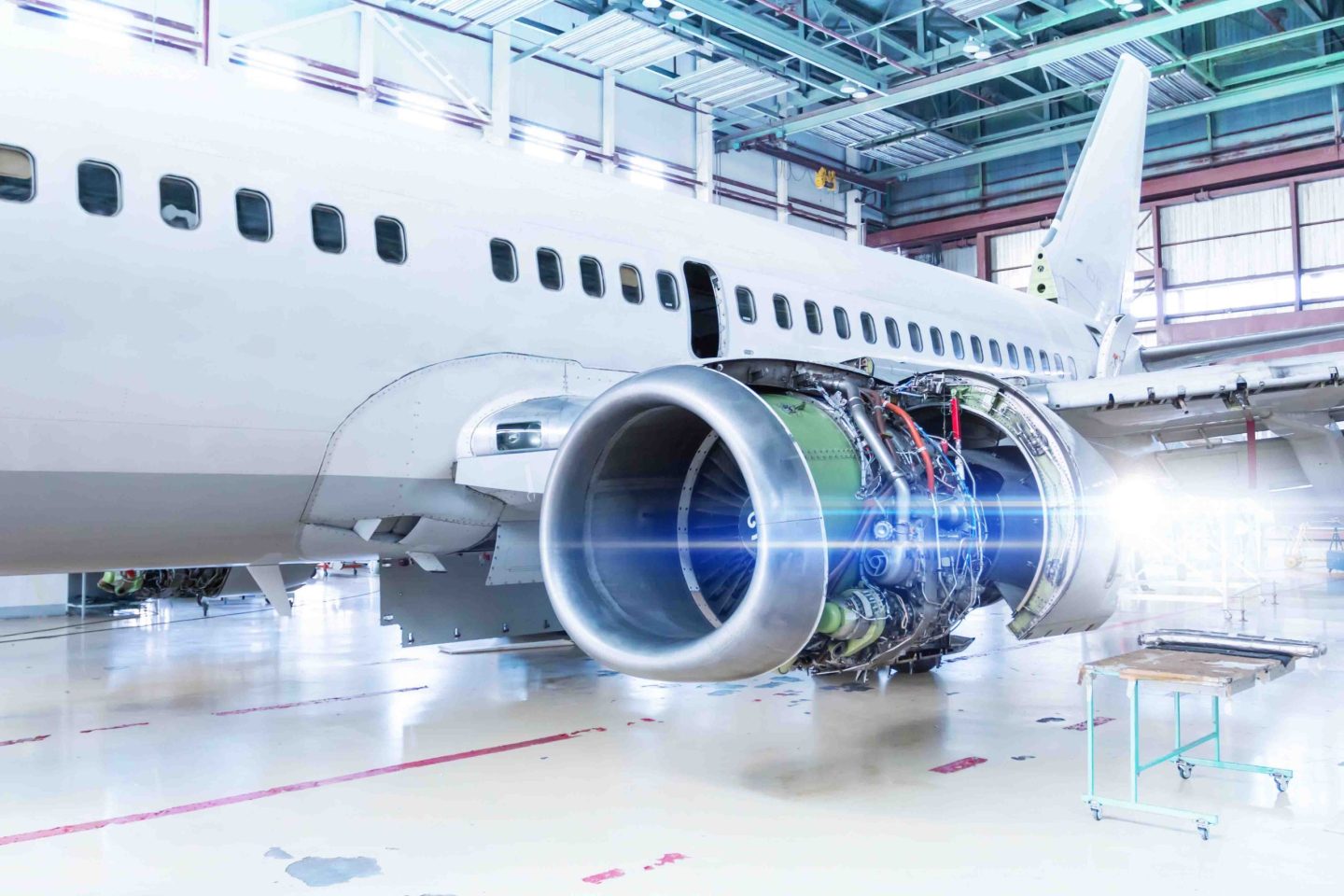

Aerospace Institute Speeds Up R&D with Xometry's On-Demand Complex Parts
Machine Building
3D Printing
CNC Machining
Prototyping
Read Story
In the past, developing non-standard devices was always complicated by the issue of tolerance matching between externally purchased standard parts and custom-machined components. Xometry's one-stop solution perfectly solved this pain point: they not only handled the complex metal 3D printing and sourcing of components but also delivered a finished product that had undergone precision assembly and adjustment. What we received was a functionally ready component that met our precision requirements. This efficient and worry-free delivery experience is exactly what R&D personnel need.
Read Story
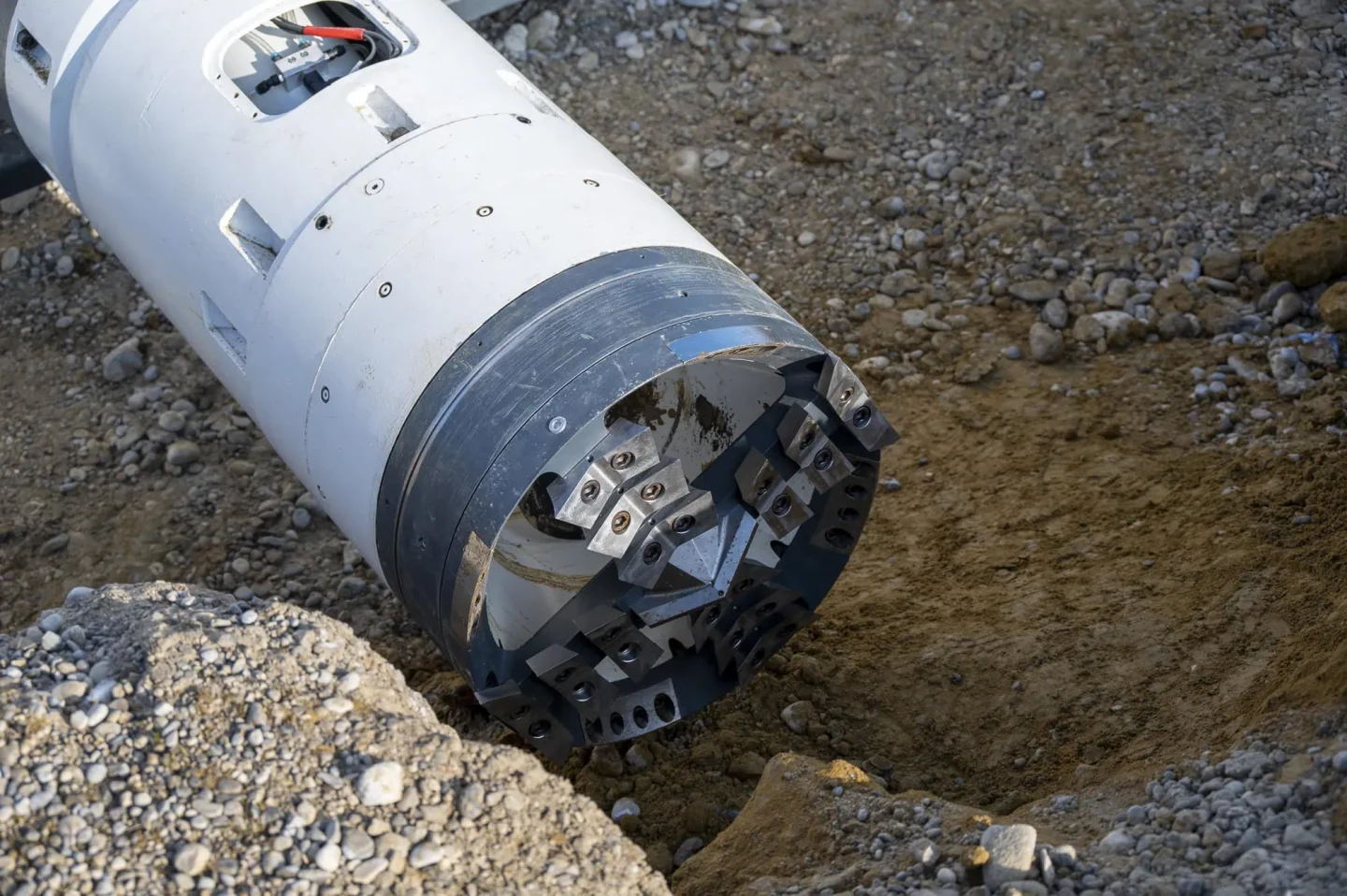
How We Set Tunneling Records and Won the Not-a-Boring Competition
Machine Building
CNC Machining
Prototyping
Read Story
The lessons we learned go far beyond mechanics. We reflect on three key takeaways: people are the ultimate success factor — both the team and its supporters; divide and conquer: breaking the project into subsystems prevents chaos and enables parallel innovation; and industry partners like Xometry are strategic enablers, not just suppliers.
Read Story
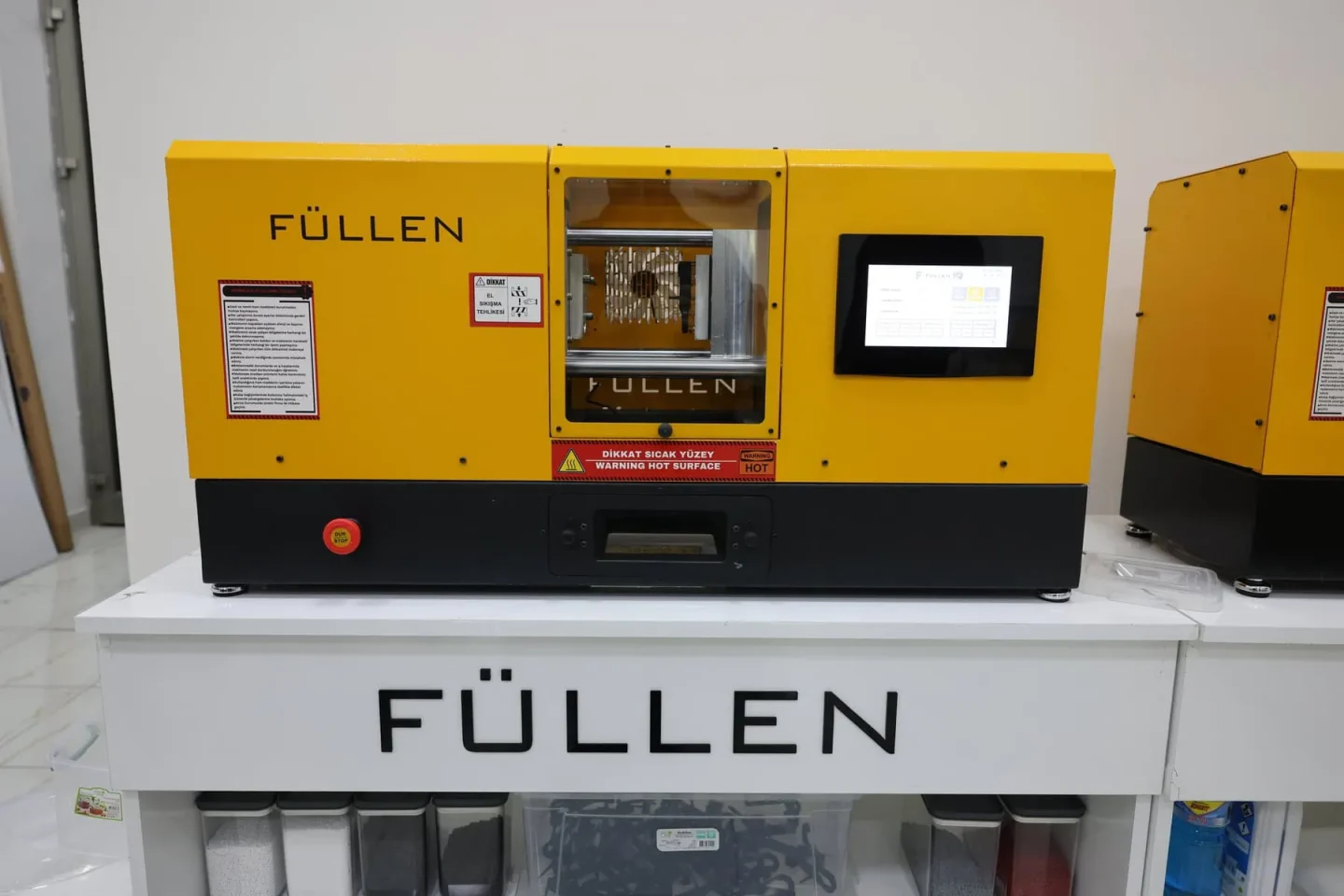

Füllen’s Desktop Plastic Injection Machine MiniMolder Manufactured with Xometry
Machine Building
CNC Machining
High-Volume Manufacturing
Read Story
We make the design, upload it to the Xometry Instant Quoting Engine. We see the price and delivery time immediately. Previously, we had to contact four or five different places separately. Now, we receive ready-to-assemble parts from a single channel.
Read Story
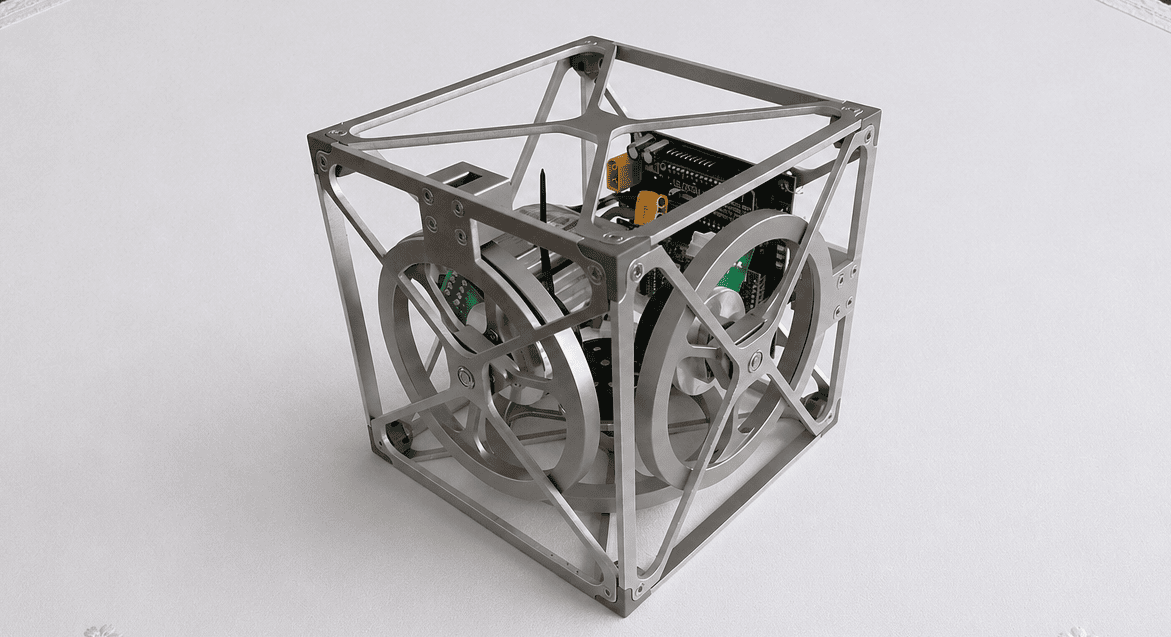
A Cube That Doesn’t Fall Over: The Making of a Self-Balancing Gyroscopic Cube
Machine Building
Sheet Metal
Prototyping
Read Story
The HTL team from Austria overcame mass distribution and precision challenges to successfully build Cubli, a self-balancing cube powered by reaction wheels and control algorithms.
Read Story
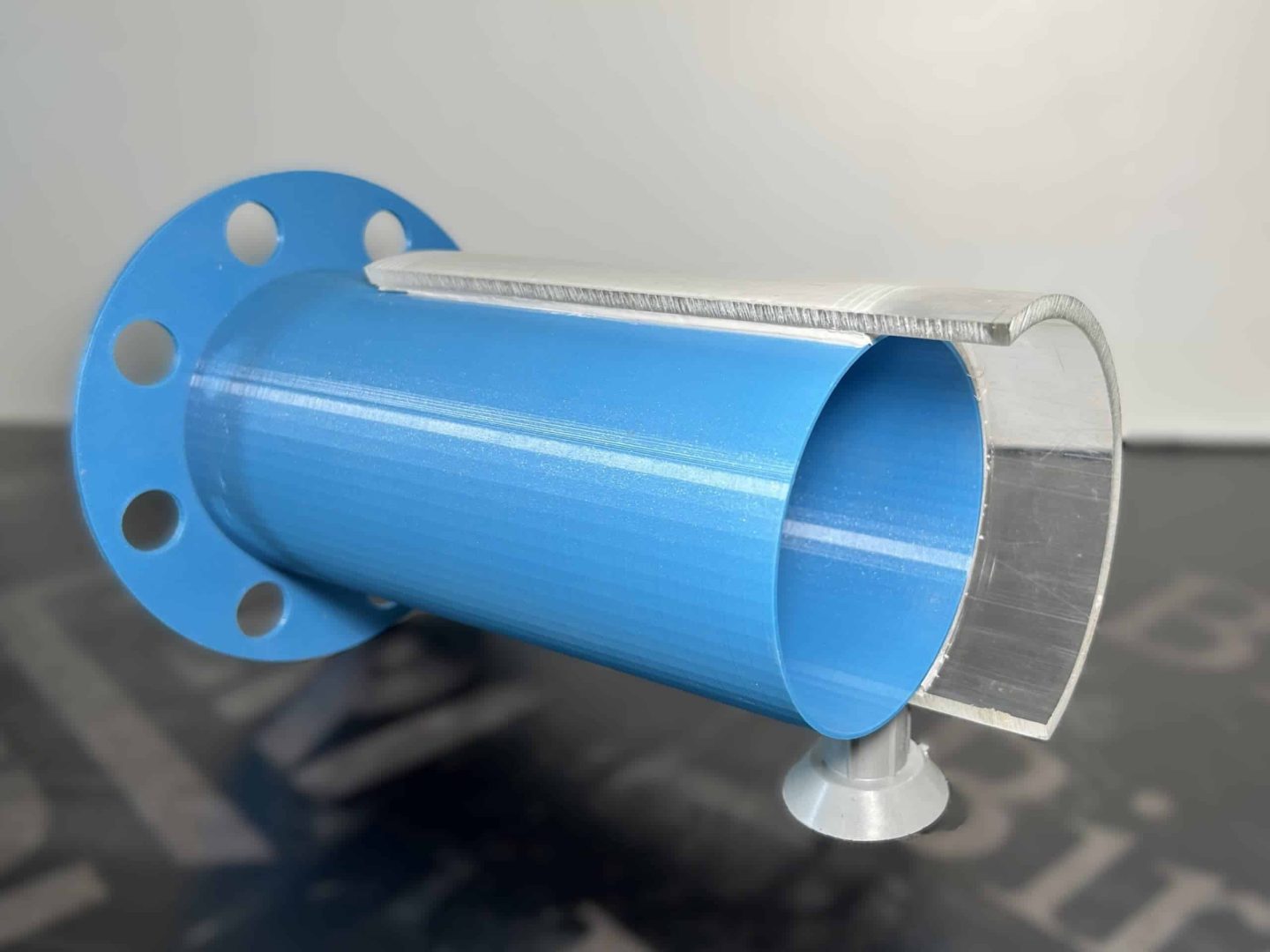
A New Era of Sealing for Wastewater Infrastructure: Xometry Supports Development of Universal Fittings for Pressure Pipelines
Machine Building
3D Printing
Prototyping
Read Story
Our development process begins with extensive brainstorming of potential shapes and sealing methods. 3D printing plays a key role at this stage, allowing us to quickly test different designs before determining the final production materials. Since the final materials are too costly and time-consuming for early prototype stages, we focus on creating small-scale test models in-house, then produce large prototypes through Xometry to ensure convenience and accuracy.
Read Story

Recreating the Barentsz Clock: A Blend of Tradition and Modern Manufacturing
Machine Building
3D Printing
Prototyping
Read Story
The Horological Society continuously balances its respect for traditional craftsmanship with an openness to modern innovation. One such innovation is the use of 3D printing, which has become an invaluable tool for prototyping clock components in plastic. By sourcing high-quality 3D-printed parts through Xometry, we should be able to test designs efficiently before committing to metal production. This approach allows us to refine intricate mechanisms like gear assemblies with minimal waste and cost.
Read Story
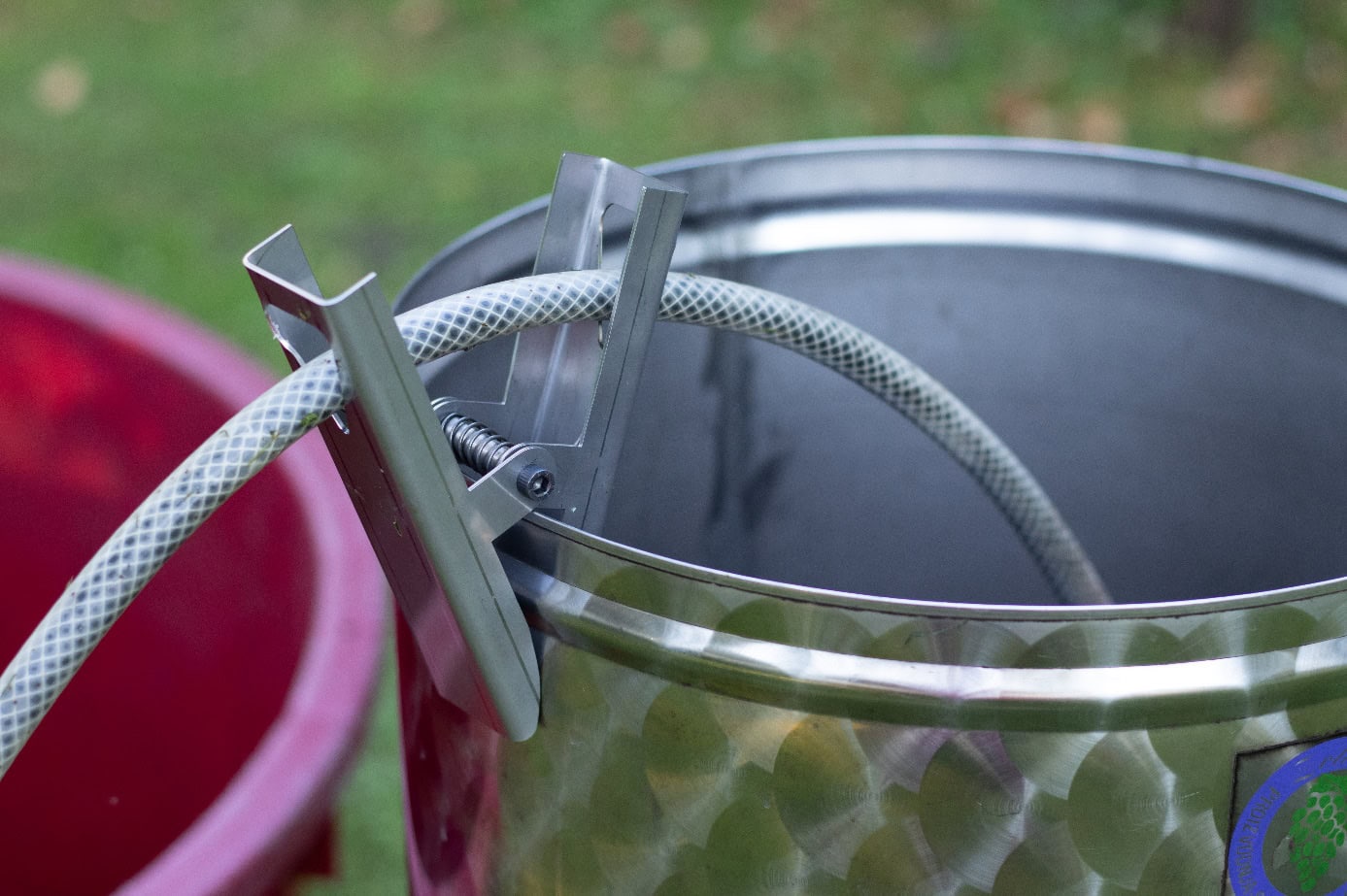

Designing a Hose Clip for the Beverage Industry: From Faculty Project to First Business Venture
Machine Building
Sheet Metal
Prototyping
Read Story
A student team from University of Maribor developed a stainless steel hose clip for the food and beverage industry, targeting wine and beer fermentation vessels. With Xometry's laser cutting service, they produced 1.5mm thick stainless steel sheet parts featuring elongated teardrop-shaped holes that pinch hoses at two points. The 80 × 45 × 170 mm design requires no lubrication, is food-safe, and grips vessel flanges securely without screws.
Read Story
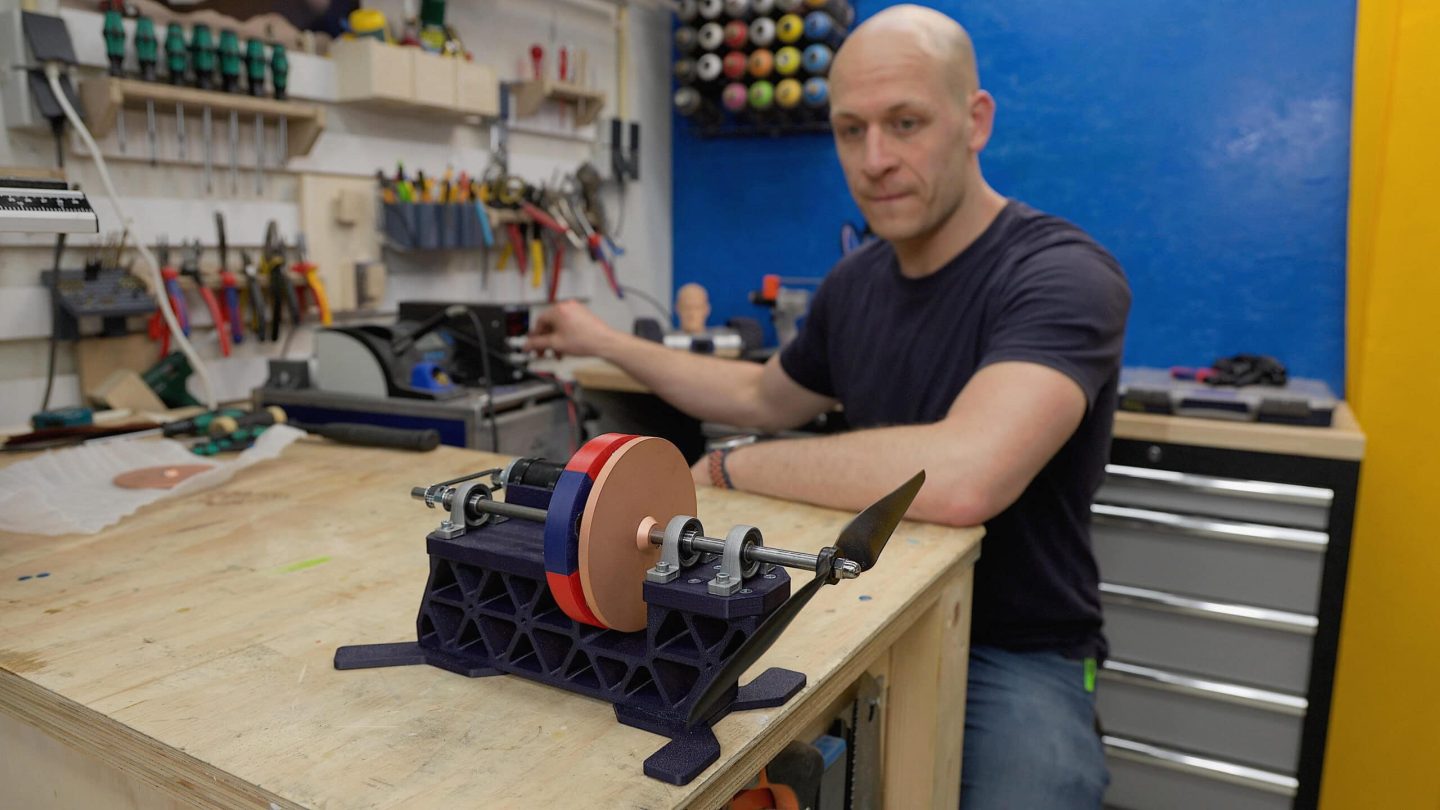

Exploring Magnetic Couplings: No Gears, No Belts, Just Magnets
Machine Building
3D Printing
Sheet Metal
R&D
Read Story
Emiel, an aerospace engineering graduate and creator of "The Practical Engineer" YouTube channel, built two magnetic coupling prototypes: magnet-to-magnet and magnet-to-copper using eddy currents. With Xometry's laser cutting service, he sourced copper plates of 3mm and 6mm thickness, discovering that the copper version enables smooth, self-regulating, non-contact torque transfer with 8mm gap capability.
Read Story