Overwatch Imaging develops high-altitude drone imaging technology for forest fire mapping and crop health assessment. With Xometry's 3D printing and CNC machining services, they produced aluminum parts and high-quality prototypes beyond their in-house printer capabilities, launching Firewatch in months and Cropwatch in 2 months.
Industry
Aerospace
Country

United States
Use case
PrototypingR&D
Technology
3D Printing
Materials
Aluminum
Product
Firewatch and Cropwatch imaging systems
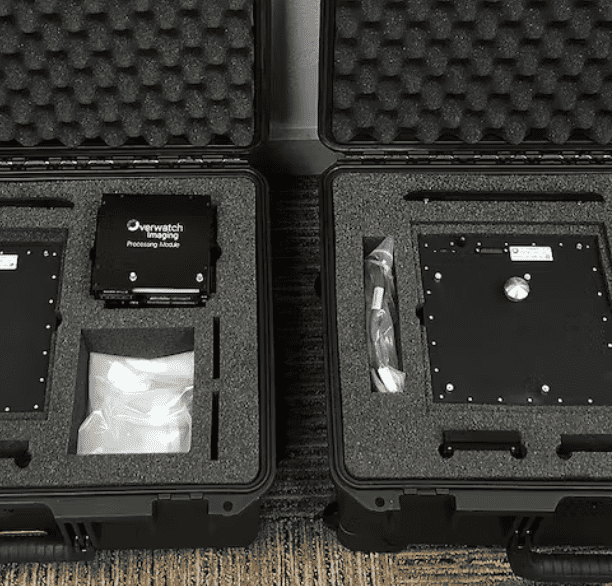
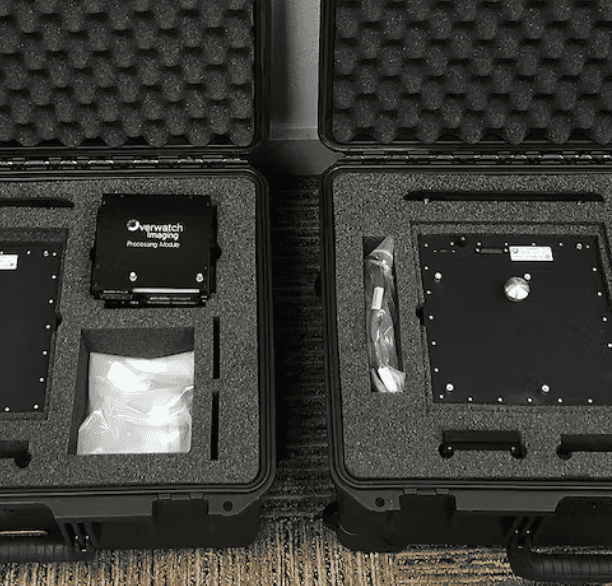
We came up with three different prototypes and then around May we ordered all of the aluminum parts and expensive cameras. For the prototyping, Overwatch relied on two in-house 3D printers and Xometry.
Recognizing the drone market opportunity early
When Nick Anderson embarked on his career in unmanned aerial vehicles (the technical term for what’s commonly referred to as drones), the consumer market for this type of technology didn’t yet exist. While enthusiasts today can purchase handheld drones for less than a thousand dollars, when Anderson graduated college — in 2008, with a degree in aerospace engineering– the market mainly consisted of high-end products that were only available to the military and large-scale industries. “When I graduated, the only way to work on UAVs was to join one of the handful of companies that produced them,” he said in an interview.
And so Anderson took a job at Insitu, a drone company that, around the time of his hiring, was acquired by Boeing. He was hired on as a mechanical engineer and was responsible for structural layout, CAD design, and fabricating rapid prototype and composite parts. Two years later he took a job at Cloud Cap Technology, which built drone avionics and stabilized turrets for larger UAVs. By this point the consumer drone market had begun to heat up, and though he enjoyed his work, he started noticing that lower-cost drones were beginning to take on tasks that weren’t well served by the higher-end UAV industry. “I bought a drone off Amazon and began playing around with it,” he recalled. “I saw it as this cool technology and individuals and small companies were making some neat data products out of these low-altitude drones. What struck me was that I had been working on these higher-end drones and they couldn’t produce images as good as the ones taken by a GoPro.”
Anderson and Greg Davis, a colleague who had worked with him at both Insitu and Cloud Cap, noticed that land management personnel, forest firefighters, and especially farmers were using these low-altitude drones rather than their high-altitude counterparts. “With the rate at which the imaging technology was developing, it seemed like there was an opportunity to marry those two together” — high resolution cameras with high-altitude drones — “and come up with some pretty cool ideas that would allow these larger, more expensive platforms to take the same quality of images, but at a much larger scale.”
What did this mean from a practical standpoint? Well, farmers were already using consumer drones to take aerial photos of their crops to assess their health, but, due to these drones’ ability to only fly at low altitudes, they were limited in scope and usefulness. A high-altitude drone, the kind that costs tens of thousands of dollars, can cover a larger geographic area at a faster speed.
Realizing there was a market opportunity, Anderson and Davis quit their jobs at Cloud Cap last year so they could launch Overwatch Imaging, a hardware and software company that builds high-quality imaging technology for drones.
One of Overwatch Imaging's products, Cropwatch, uses two daytime cameras that are modified to be sensitive to the particular frequencies to tell if a crop is healthy or not.
The Firewatch system helps detect forest fires.
Overwatch’s first product, launched late last summer, is called Firewatch and is designed for use by forest fire fighting teams. “We took a thermal camera and a daytime camera and coupled them together with a big computer on board to analyze the images that those cameras are taking in real time,” he explained. “It’s designed for forest fire mapping, to create a real time heat map of what is going on that shows up in Google Earth and other data programs.”
Currently there are only a handful of planes used nationwide for forest fire monitoring. “They fly over the Western U.S. and map these big fires at night” Anderson said. “Obviously they can’t go everywhere, so if your fire isn’t big enough or you don’t put in your request soon enough you may not get data for two or three days.” With the Firewatch system, a forest service employee could get the same quality data, and then they wouldn’t have to wait for one of those planes to become available.
Overwatch Imaging partnered with Xometry for prototyping.
Anderson and Davis developed the initial concepts for Firewatch in March. “We came up with three different prototypes and then around May we ordered all of the aluminum parts and expensive cameras,” said Anderson. For the prototyping, Overwatch relied on two in-house 3D printers and Xometry. “The printers we have at the office are great for when we want to get an immediate look at something,” he said. “But it is not the level of quality or refinement that we could get from a part printed by Xometry. So we had some parts that were built in-house, but the vast majority of the prototyping stuff was built through Xometry along with all production parts.”
Once the product was ready for market, it was then a matter of leveraging their personal network and attending trade shows to sell it. “There was the reaction of, ‘Yeah, we were waiting for something like this,’” said Anderson. “But also because you have these thermal cameras and the amount of electrical and software work that had to go into it, it’s quite expensive, so it’s not something a company decides to acquire overnight. So there was some serious work to get that first initial order in.”
But the customer response was strong enough that Anderson felt confident there was sufficient demand. So Overwatch set about developing its next product: Cropwatch. “That one we kicked off in August and we delivered in October,” he said. “For Cropwatch, we were able to use a lot of the same design and intellectual property we had come up with for Firewatch. The main distinction is that the Firewatch includes a thermal camera to detect heat, whereas Cropwatch uses two daytime cameras that are modified to be sensitive to the particular frequencies to tell if a crop is healthy or not.”
Nick Anderson, Co-founder of Overwatch Imaging.
Because Overwatch doesn’t build the drones itself, just the imaging technology that can be added with the drone, it teams up with drone companies that sell their services to these large agriculture companies and park services. “We are selling to the large agri-businesses of the world,” said Anderson, “those large companies that operate lots and lots of farms. The smaller, traditional farmers can use the consumer drones because they only need to map a thousand acres at most. For our product, we are talking about the ability to map all of North Dakota with a single UAV.”
While Overwatch is focused largely on expanding its penetration into the agriculture and land management services market, Anderson said there are plenty of new areas for which the company can customize its technology.
“Part of the company’s value proposition is the customized aspect,” he said. “We are trying to solve challenging problems that other companies have, so that kind of branches us out in a lot of different directions. We’re developing a core architecture that is mechanical and software based that we can then very quickly leverage into the right solution for different sized-aircraft, be it domestic or international. The plan is to grow, so right now we are hiring and expanding.”
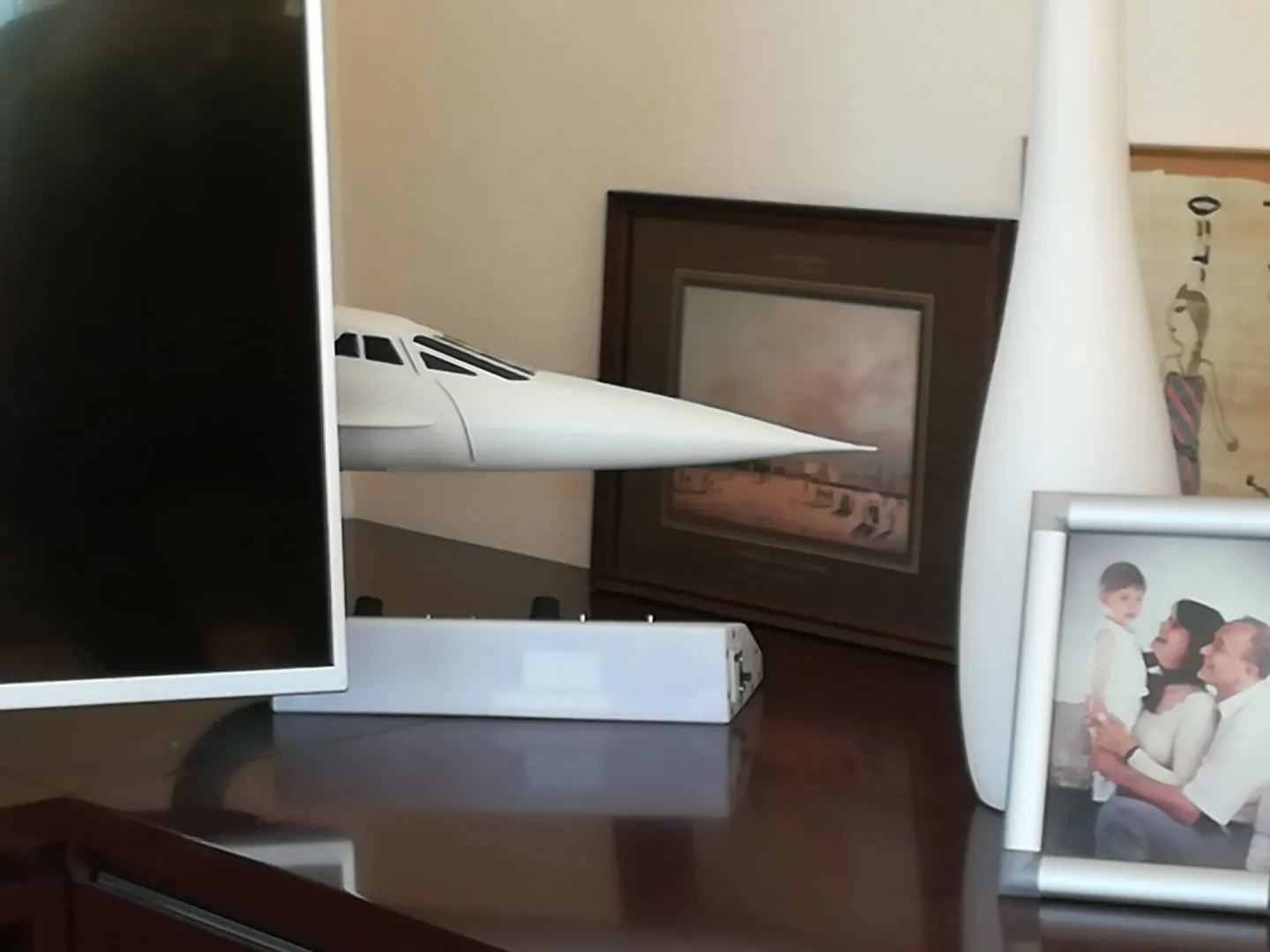

Engineering the Concorde Nose Mechanism: A Tribute to Aerospace Design
Aerospace
3D Printing
Prototyping
Read Story
For the physical prototype, I selected Selective Laser Sintering (SLS) using PA12 nylon. This combination offered the durability and dimensional accuracy I needed, while being light enough to preserve the model’s integrity and strong enough to handle repeated use. I ordered the parts through Xometry’s on-demand manufacturing service, which allowed me to test my designs without investing in a printer or tooling—a crucial advantage when working with small volumes and evolving prototypes.
Read Story
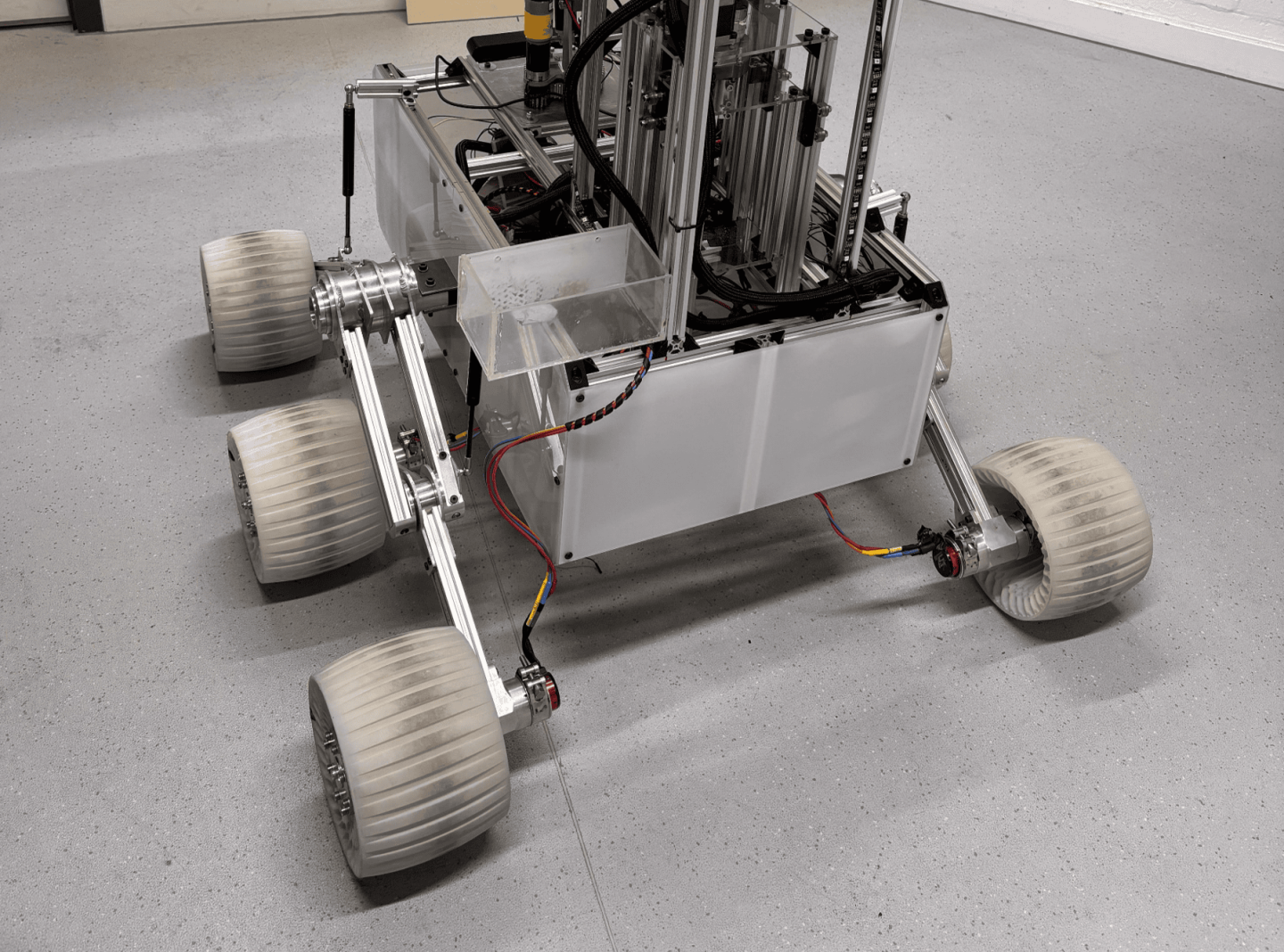

Reinventing the Wheel for Mars: How We Engineered a Flexible Airless Tyre
Aerospace
3D Printing
Prototyping
Read Story
UCL Racing's Mars Rover team developed an airless flexible wheel for the European Rover Challenge, competing on a simulated Martian surface. With Xometry's SLS 3D printing and engineering feedback, they produced six wheels from EOS TPU 1301 (Shore 86A) with a radial honeycomb lattice structure. The final design meets 220mm diameter and 120N load requirements, featuring symmetric tread pattern and integrated motor mount.
Read Story
These Students Invented a Way to Brew Beer on the Moon
Aerospace
3D Printing
Prototyping, R&D
Read Story
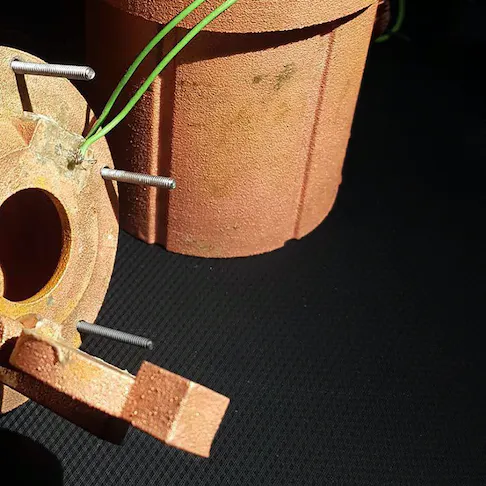
We used it to fabricate our canister design out of nylon and plated it with copper and nickel to ensure air tightness. In school we’ve all learned how to use 3D printing, but we always use plastics or acrylics, basic materials. Working with Xometry really expanded our horizons when it came to using materials like nylon, copper plating, and nickel. These are materials we’d never worked with before, and that was really cool to see.
Read Story
How Fly-Mi Team Prepares a Cargo UAV for the Air Cargo Challenge
Aerospace
CNC Machining
Prototyping
Read Story
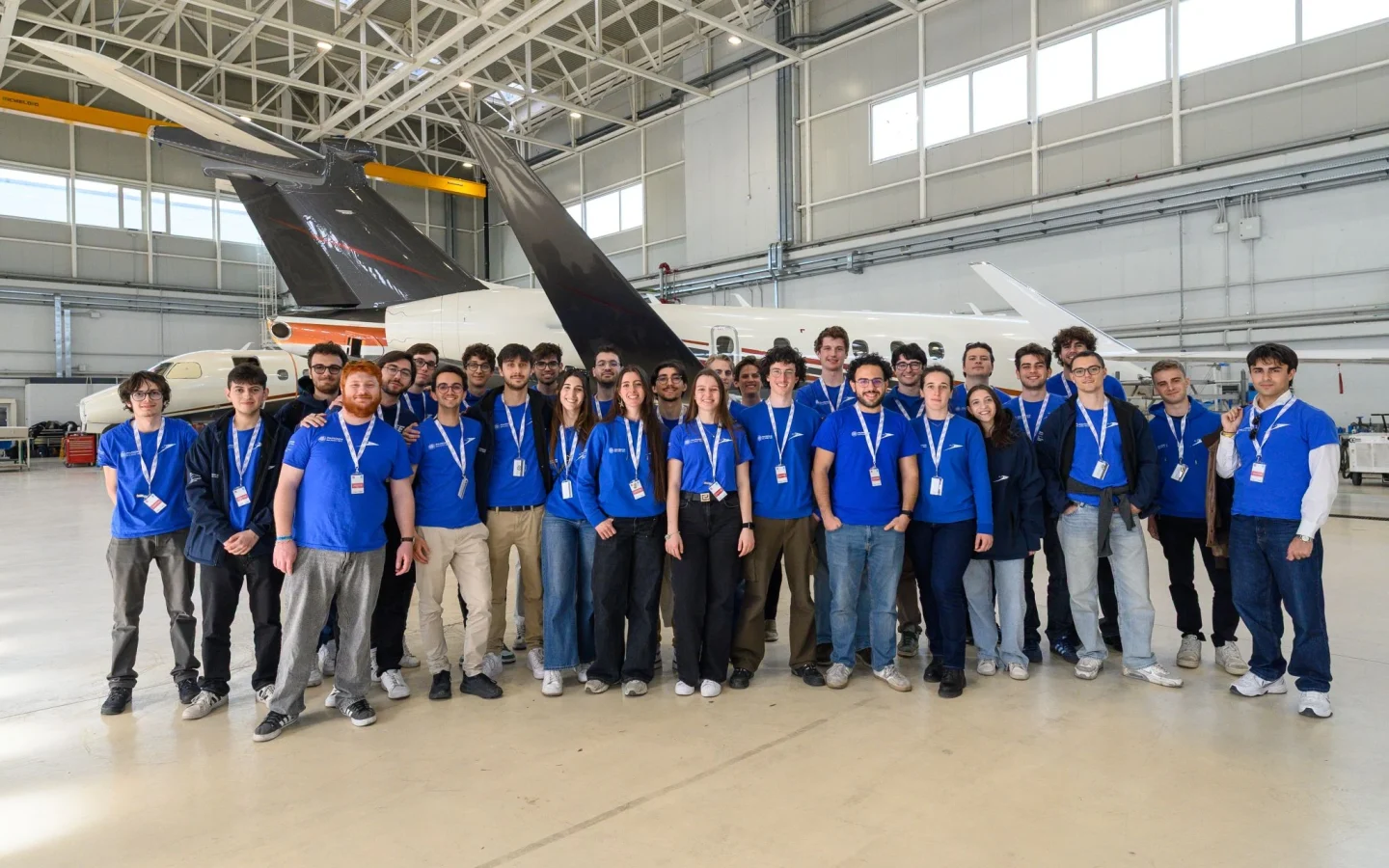
Preparing for the 2026 Air Cargo Challenge, the Fly-Mi team is developing Heméra, a fixed-wing UAV designed for maximum payload transport. This project integrates advanced aerodynamics, structural FEM analysis, and precision-engineered aluminum tooling to create a twin-motor aircraft capable of reaching flight speeds of 35 m/s.
Read Story

From Tunneling to the Stars – How Elara Aerospace Is Advancing Suborbital Rocket Engineering in Europe
Aerospace
CNC Machining
R&D
Read Story
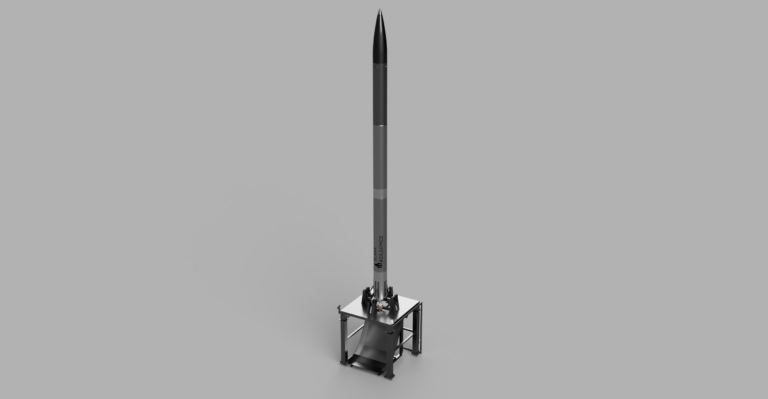
To turn these components into reality, we required high-precision manufacturing with fast turnaround times. Through Xometry, we produced a brass test chamber for our injector experiments, machined to the specifications needed for our early-stage testing.
Read Story

Xometry Powers AcubeSAT from Prototype to Launch‑Ready Nanosatellite
Aerospace
CNC Machining
R&D
Read Story
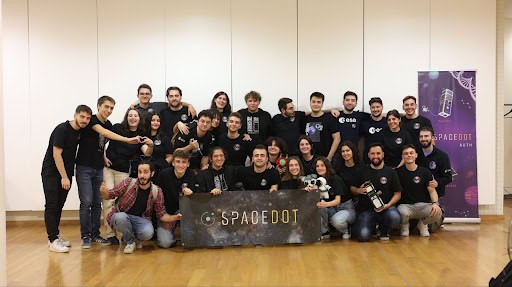
At this time, we decisively decided to significantly simplify the design, allowing it to achieve higher precision and tolerance control through machining. During the redesign process, we realized that we needed to find a partner capable of manufacturing high-precision prototype parts—so we chose Xometry.
Read Story
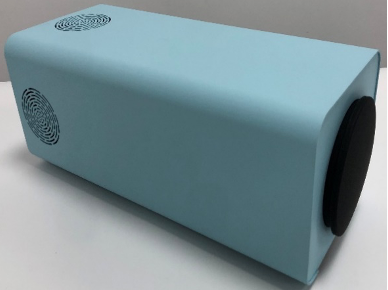

R&D Efficiency Restored: Xometry Ensures Uninterrupted Supply of Critical Precision Parts
Aerospace
CNC Machining
R&D
Read Story
Collaborating with Xometry allows us to concentrate more on our core R&D, saving substantial time and significantly boosting project efficiency.
Read Story
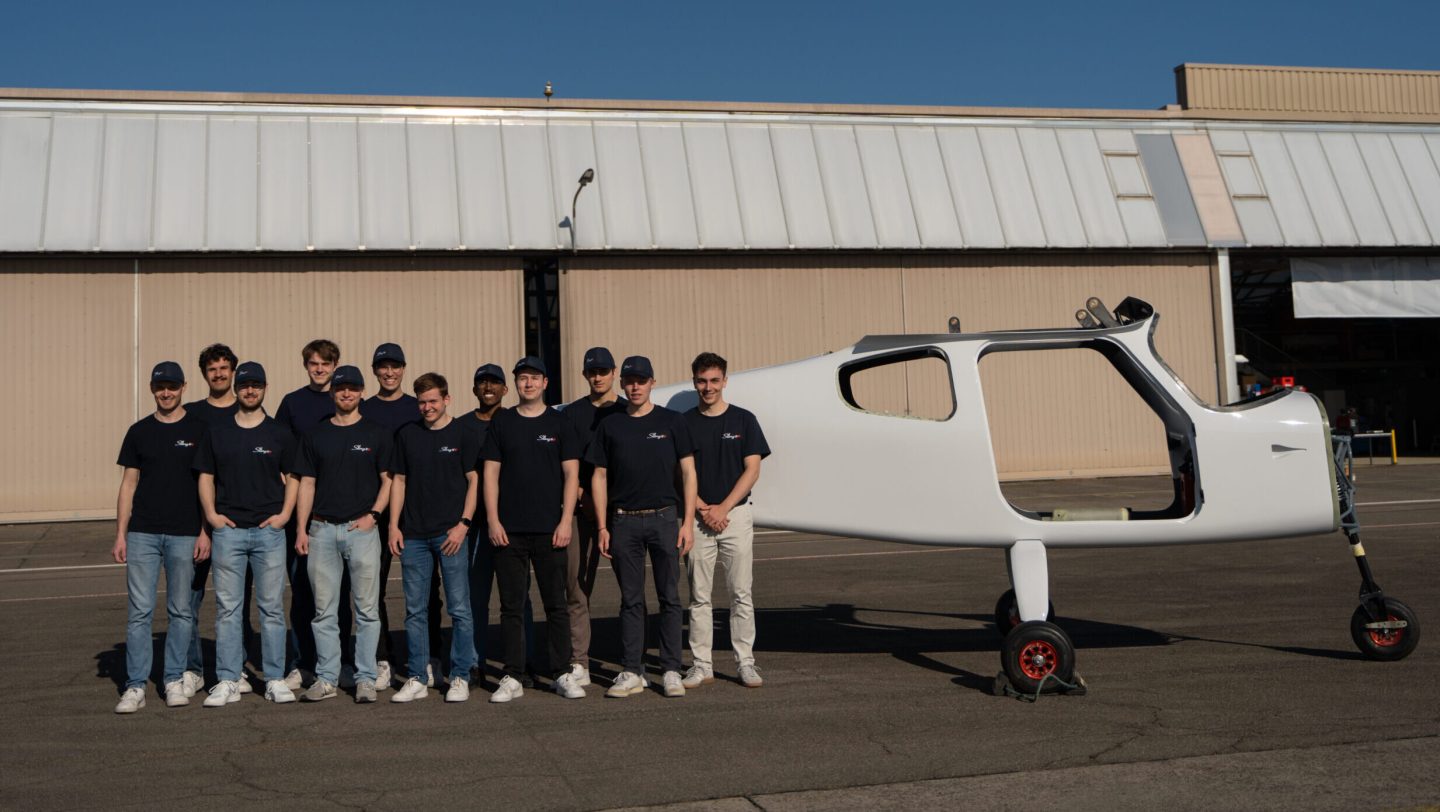

Emission-Free Across the Alps – How Cellsius Is Enabling Hydrogen-Powered Flight
Aerospace
CNC Machining
Prototyping
Read Story
We designed it with maximum strength-to-weight efficiency in mind, combining tight tolerances with complex geometry. Since producing a part this precise was beyond our in-house capabilities, we relied on external manufacturing to bring it to life. Working with Xometry’s digital manufacturing platform proved to be a practical solution. The ordering process was simple, and the part was delivered exactly to spec, which helped us stay on schedule and move forward with system integration.
Read Story
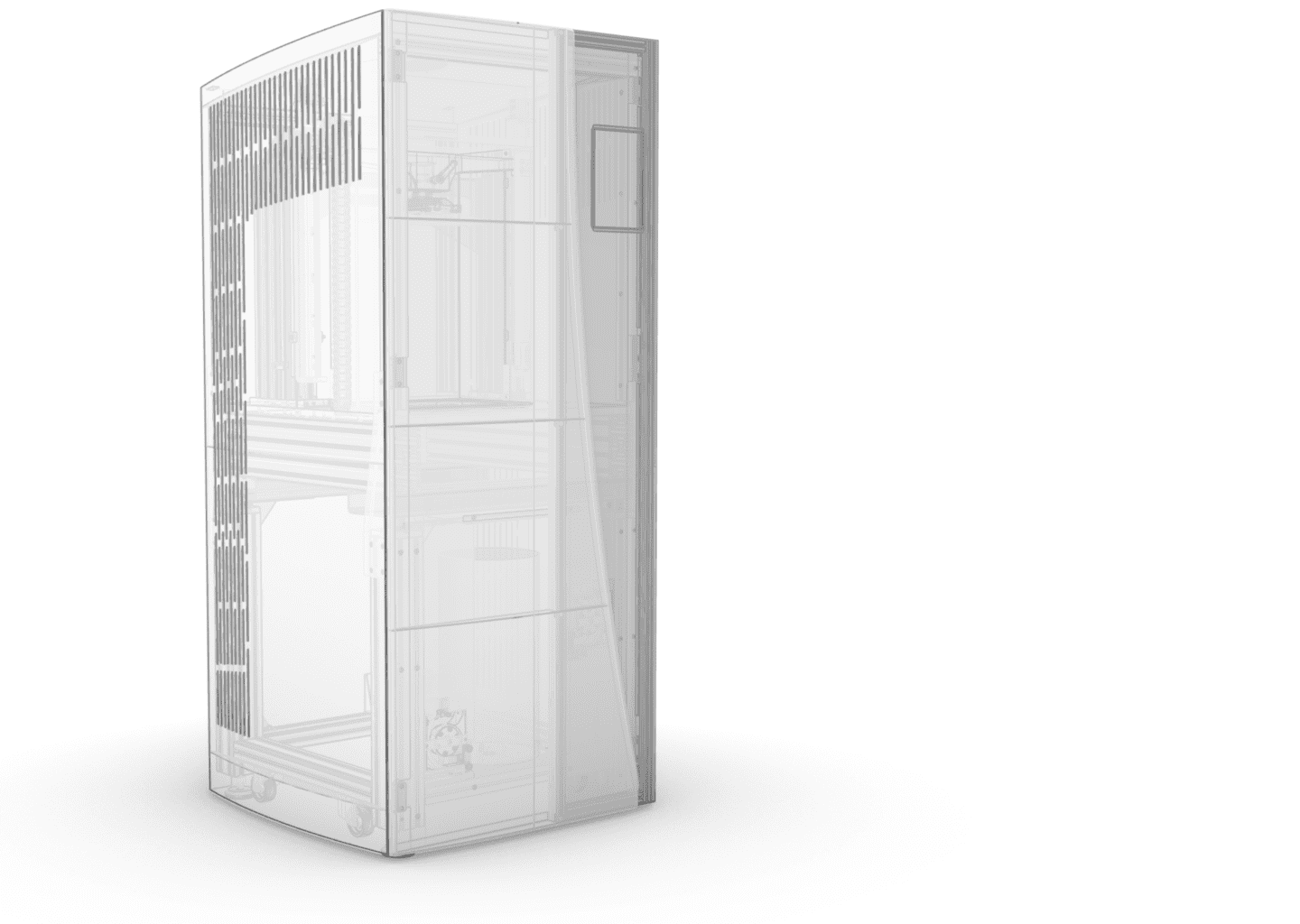
A 3D printer powered by revolutionary Hybrid PhotoSynthesis technology, designed & produced in just 9 months
Aerospace
CNC Machining
Prototyping, R&D
Read Story
We can’t imagine any other partner who could have been able to deliver the parts in time to allow us to launch the product and exhibit it at Formnext.
Read Story
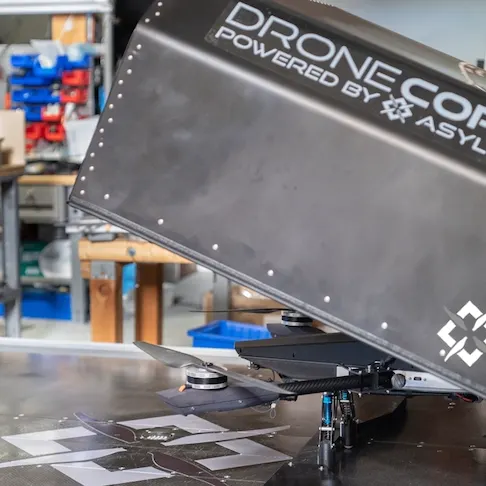
Asylon’s Autonomous Drones Secure the Skies with Help from Xometry
Aerospace
Sheet Metal
Prototyping, High-Volume Manufacturing
Read Story
Xometry has always given us exactly what we needed. We’ve received parts with holes in the right places, with the right finish, and on time. Even having a user-friendly website, with options laid out in a logical way, translates to a faster turnaround time for us.
Read Story
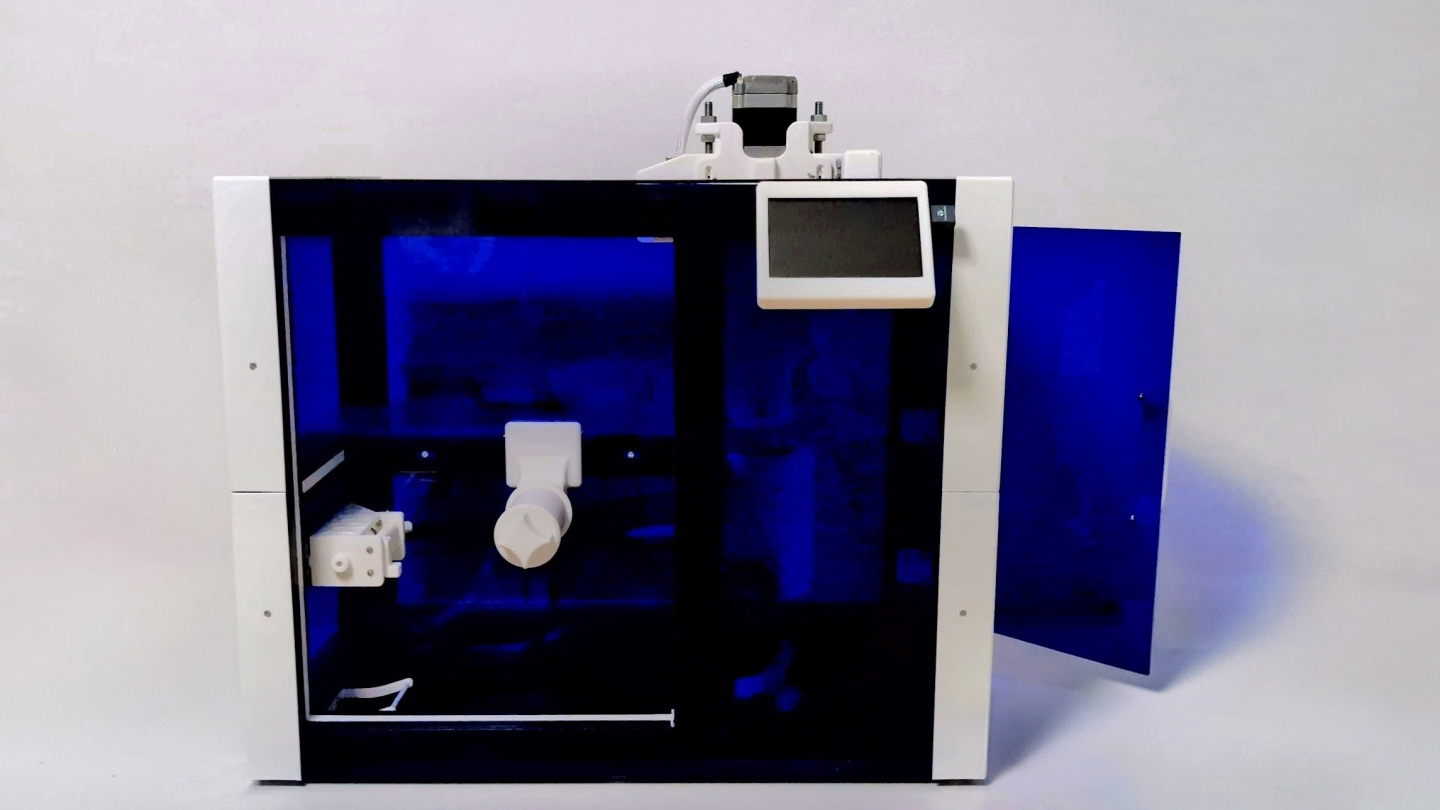

The Rethink of 3D Printing Waste and the Next Chapter of the Desktop Filament Recycler Story
Machine Building
3D Printing
CNC Machining
Prototyping
Read Story
By using agile testing and redesigning a double-sided support to resolve motor deformation and calibration challenges, the TGM student team successfully turned 3D printing waste into high-quality PLA filament.
Read Story
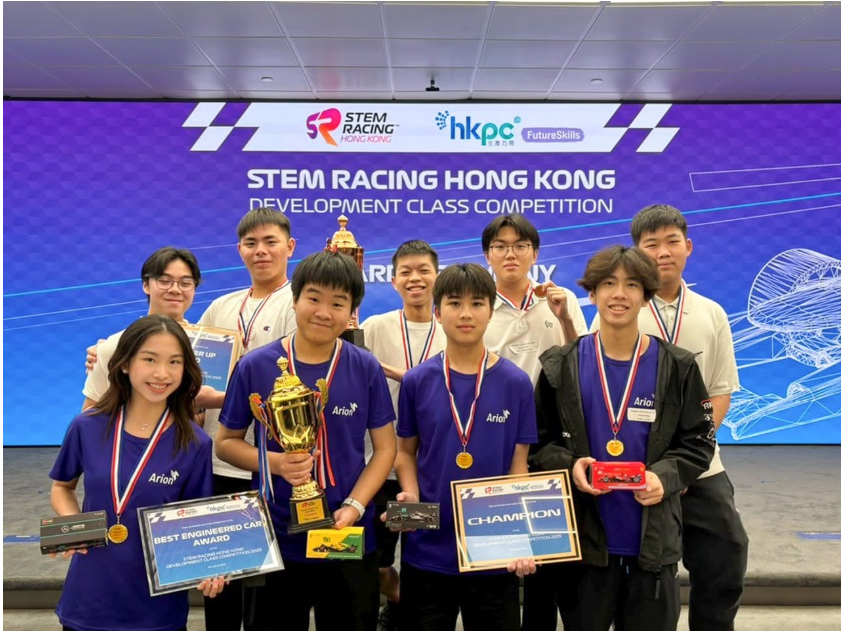

How AI-Powered On-Demand Manufacturing Helps a STEM Racing Team Achieve Faster Iteration and Championship Performance
Automotive
3D Printing
CNC Machining
Sheet Metal
R&D
Read Story
Team Arion, a student racing team from Singapore International School Hong Kong, used Xometry’s AI‑powered on‑demand manufacturing platform to overcome the hurdles of small‑batch, complex parts production, accelerated their design iterations, and went on to win the 2025 STEM Racing championship along with the Best Engineering Design Award.
Read Story