UC San Diego student Neeki Ashari led Team Original Gravity in the Lab2Moon competition to design a beer-brewing experiment for lunar gravity. With Xometry's 3D printing service, they produced a nylon canister with copper and nickel plating to ensure airtightness, enabling yeast and wort mixing to study yeast viability on the moon.
Industry
Aerospace
Country

United States
Use case
PrototypingR&D
Technology
3D Printing
Materials
Nylon, Copper Plating, and Nickel Plating
Product
Moon beer brewing canister prototype
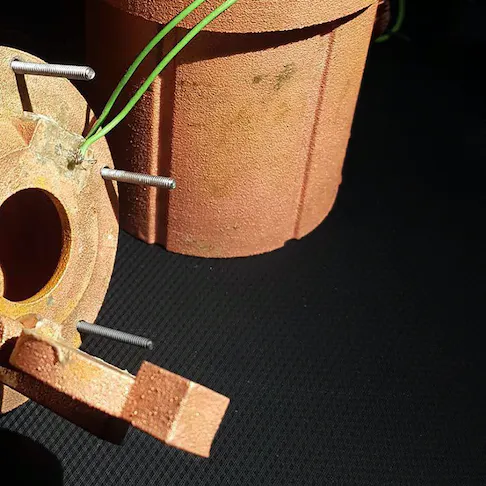
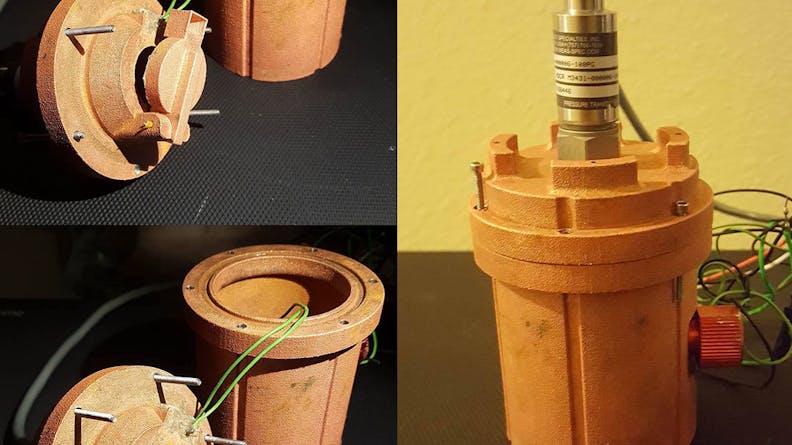
We used it to fabricate our canister design out of nylon and plated it with copper and nickel to ensure air tightness. In school we’ve all learned how to use 3D printing, but we always use plastics or acrylics, basic materials. Working with Xometry really expanded our horizons when it came to using materials like nylon, copper plating, and nickel. These are materials we’d never worked with before, and that was really cool to see.
To call Neeki Ashari a “space nerd” would be a vast understatement. She got interested in space travel at a young age when her father, a pilot and engineer, would take her to flight museums. “He gave me an appreciation for the principles of flight,” she said in an interview. “He’d always teach me about astronomy and the grandiosity of engineering.”
By the time Ashari reached college, this obsession had only intensified, and choosing an area of focus was a no-brainer; in 2012, she began attending the University of California San Diego, majoring in bioengineering. “I want to integrate the field of bioengineering with space exploration,” she said. “This means understanding the integration between life and space and designing biomedical instrumentation to help sustain life outside of Earth.”
In fact, Ashari has already secured funding from NASA to solve two of these kinds of problems. In the first, she’s developing a lower body negative pressure suit that helps combat the shift of head fluid to the lower extremities of the body. For the second project, she’s measuring microvascular blood flow and foot sensation by applying mild external compression via leg chamber. “Astronauts who sustain injuries in space don’t have the same healing processes that we do on Earth,” she explained. “So by applying compression it helps with the healing process, that way it can go faster.”
Given that Ashari has a full course load and two NASA-funded projects, you’d think she wouldn’t be able to take on any new research studies, but you’d be wrong. In the summer of 2016, a professor at UC San Diego asked one of his students to post an open call to several university Facebook groups asking students to volunteer for an upcoming competition. The competition, called Lab2Moon, was developed by TeamIndus, a team of engineers that participated in the coveted Google Lunar X Prize, which aims to conduct unmanned, private space missions to the moon. “The objective for [the Lab2Moon] competition was for people under the age of 25 to design and develop an experiment for sustaining life on the moon,” she explained. The winners of the competition would actually see their experiment conducted when TeamIndus launches its moon mission in December.
After seeing the Facebook group post, Ashari immediately messaged other engineering students about the competition. The group, which eventually comprised six UC San Diego students, began brainstorming potential experiments they could enter into the competition. “We have a home brewer on our team who likes to brew his own beer,” she said. “In San Diego, home brewing is a huge culture. As a joke, he said, ‘How about we brew beer on the moon?’ And at first we all started laughing, but then we went silent because we realized there would actually be a practical application for that kind of experiment.” Because many foods and pharmaceuticals involve the use of yeast, brewing beer on the moon would give scientists key insights into the viability of yeast in a lunar gravity environment.
The team, which calls itself “Team Original Gravity,” started by writing what’s called a concept note, which describes the experiment, and sent it to TeamIndus. Shortly afterward, they learned that, out of 3,000 applications, they were one of 25 finalists who would be tasked with building out the instrumentation of their experiments and presenting their project in Bangalore, India.
So Team Original Gravity got to work. Funded by a grant from Qualcomm, they began designing and engineering prototypes of their moon brewer. There were certainly a number of obstacles they needed overcome before making such an instrument work. “Our biggest challenge was coming up with our valve design,” said Ashari. “We have a valve between two chambers to separate the wort and the yeast, and basically once the valve opens, the yeast and the wort mix, and the yeast consumes the sugars and then the CO2 will come out, which is beer.” While the moon’s lower gravity would have a minimal impact, the team was most worried about the wide variation in temperatures the yeast would be subjected to. “We had to calculate the ideal ratio of food to canister volume such that the beer we’d incorporate would have the perfect amount of carbonation, which would reduce the possibility of exploding.”
Team Original Gravity turned to Xometry to complete the prototyping process. “We used it to fabricate our canister design out of nylon and plated it with copper and nickel to ensure air tightness,” said Ashari. “In school we’ve all learned how to use 3D printing, but we always use plastics or acrylics, basic materials. Working with Xometry really expanded our horizons when it came to using materials like nylon, copper plating, and nickel. These are materials we’d never worked with before, and that was really cool to see.”
On March 13th, Team Original Gravity embarked on a flight to Bangalore, India, where they presented their cannister prototype to TeamIndus, and though they weren’t among those officially chosen for the lunar mission, the competition provided valuable experience the team can use in their post-college career. “I graduate in June 2017, and my plans are to work at a space exploration company to develop and design biomedical devices for space exploration,” said Ashari.
We on the Xometry team were curious about one key detail: if Team Original Gravity had been chosen to brew beer on the moon, would they have been allowed to taste it afterward? “Unfortunately, we wouldn’t have been able to taste the beer we created, because it wouldn’t have come back to Earth,” replied Ashari. But given the current craft beer obsession sweeping across the country, she could see why there’d be high demand for such a brew. “Can you imagine imported beer from the moon?” she asked, laughing. “We could probably charge a fortune!”

Engineering the Concorde Nose Mechanism: A Tribute to Aerospace Design
Aerospace
3D Printing
Prototyping
Read Story
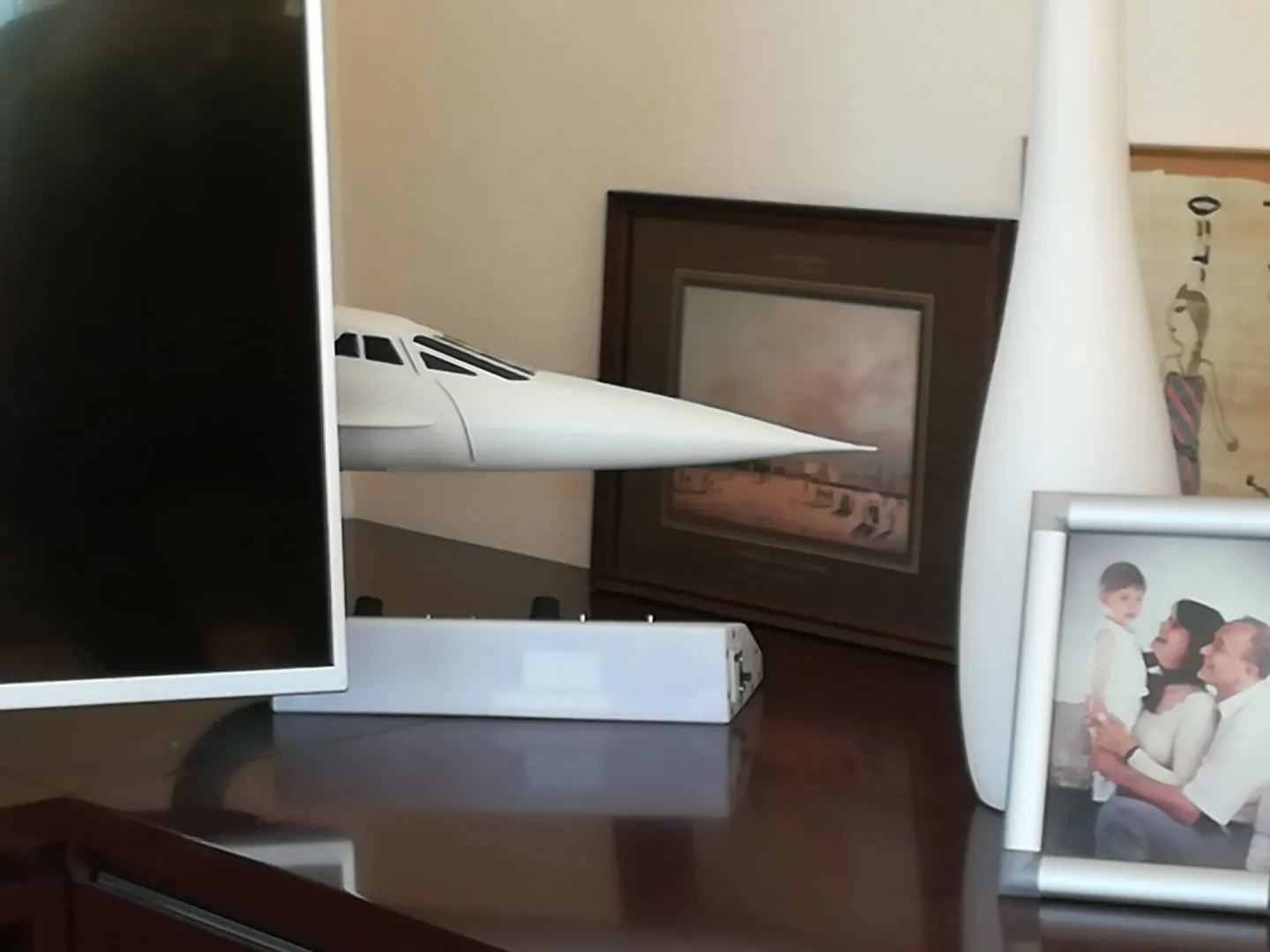
For the physical prototype, I selected Selective Laser Sintering (SLS) using PA12 nylon. This combination offered the durability and dimensional accuracy I needed, while being light enough to preserve the model’s integrity and strong enough to handle repeated use. I ordered the parts through Xometry’s on-demand manufacturing service, which allowed me to test my designs without investing in a printer or tooling—a crucial advantage when working with small volumes and evolving prototypes.
Read Story

Reinventing the Wheel for Mars: How We Engineered a Flexible Airless Tyre
Aerospace
3D Printing
Prototyping
Read Story
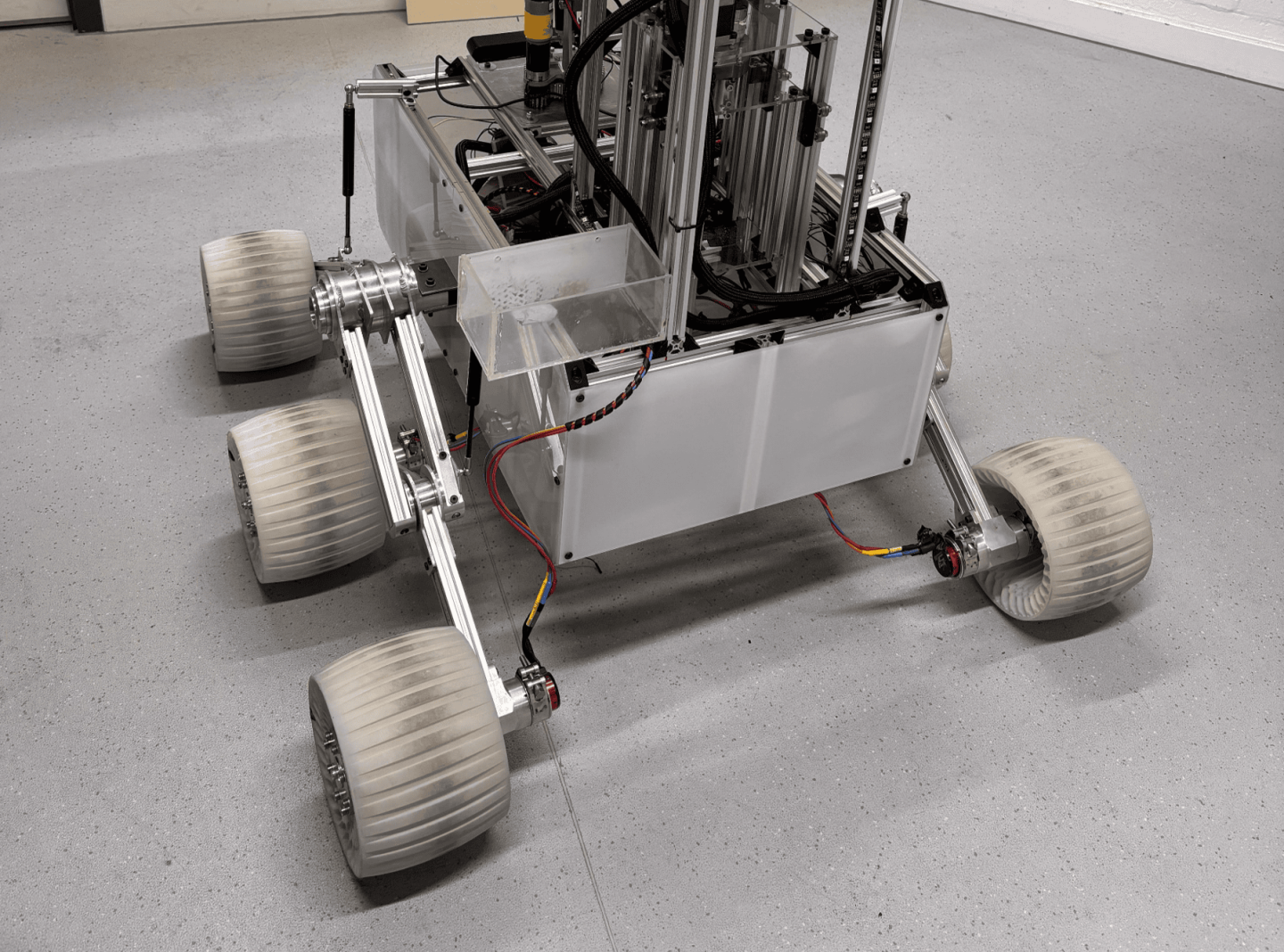
UCL Racing's Mars Rover team developed an airless flexible wheel for the European Rover Challenge, competing on a simulated Martian surface. With Xometry's SLS 3D printing and engineering feedback, they produced six wheels from EOS TPU 1301 (Shore 86A) with a radial honeycomb lattice structure. The final design meets 220mm diameter and 120N load requirements, featuring symmetric tread pattern and integrated motor mount.
Read Story
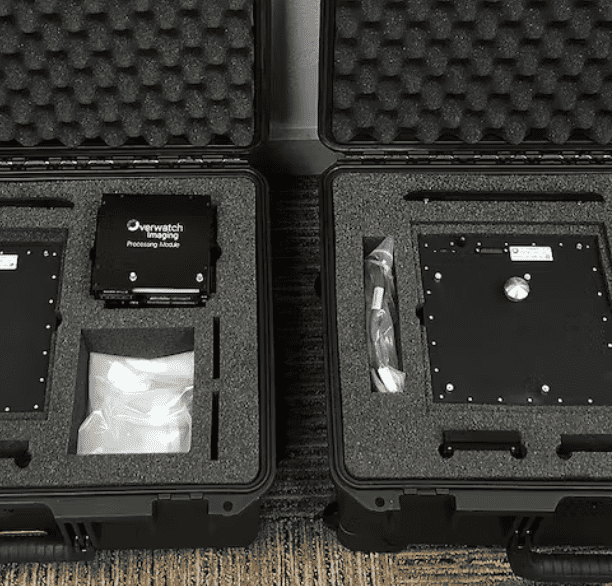
Why Two Entrepreneurs Quit Their Jobs and Launched Their Own Drone Imaging Company
Aerospace
3D Printing
Prototyping, R&D
Read Story
We came up with three different prototypes and then around May we ordered all of the aluminum parts and expensive cameras. For the prototyping, Overwatch relied on two in-house 3D printers and Xometry.
Read Story
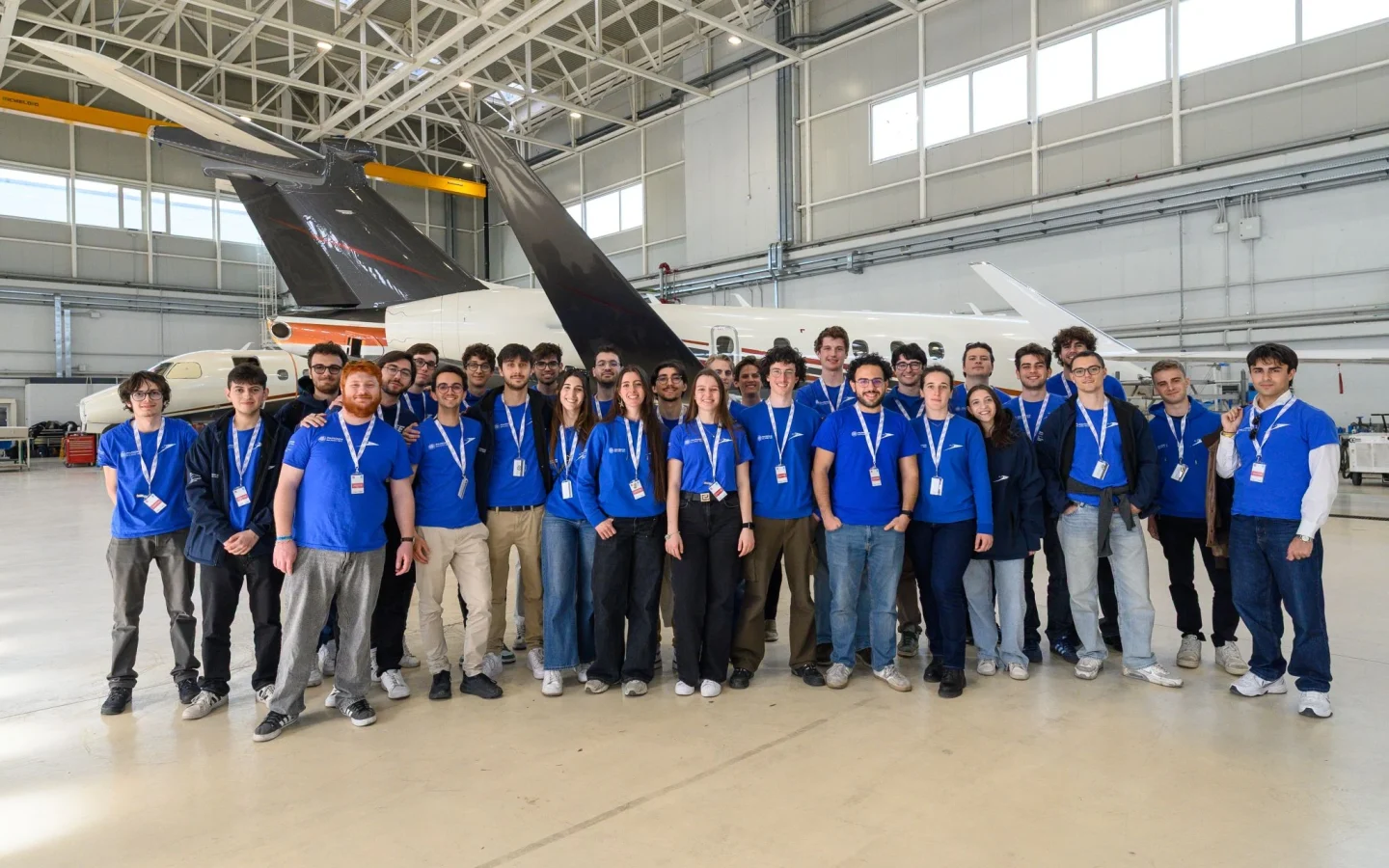
How Fly-Mi Team Prepares a Cargo UAV for the Air Cargo Challenge
Aerospace
CNC Machining
Prototyping
Read Story
Preparing for the 2026 Air Cargo Challenge, the Fly-Mi team is developing Heméra, a fixed-wing UAV designed for maximum payload transport. This project integrates advanced aerodynamics, structural FEM analysis, and precision-engineered aluminum tooling to create a twin-motor aircraft capable of reaching flight speeds of 35 m/s.
Read Story
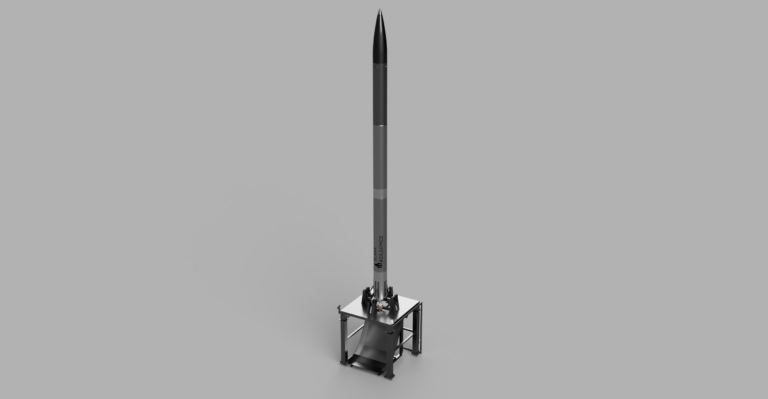

From Tunneling to the Stars – How Elara Aerospace Is Advancing Suborbital Rocket Engineering in Europe
Aerospace
CNC Machining
R&D
Read Story
To turn these components into reality, we required high-precision manufacturing with fast turnaround times. Through Xometry, we produced a brass test chamber for our injector experiments, machined to the specifications needed for our early-stage testing.
Read Story
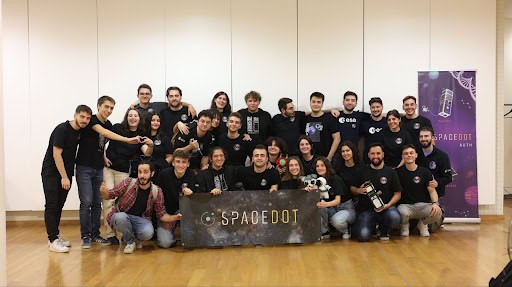

Xometry Powers AcubeSAT from Prototype to Launch‑Ready Nanosatellite
Aerospace
CNC Machining
R&D
Read Story
At this time, we decisively decided to significantly simplify the design, allowing it to achieve higher precision and tolerance control through machining. During the redesign process, we realized that we needed to find a partner capable of manufacturing high-precision prototype parts—so we chose Xometry.
Read Story
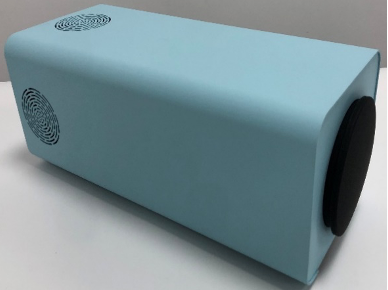

R&D Efficiency Restored: Xometry Ensures Uninterrupted Supply of Critical Precision Parts
Aerospace
CNC Machining
R&D
Read Story
Collaborating with Xometry allows us to concentrate more on our core R&D, saving substantial time and significantly boosting project efficiency.
Read Story
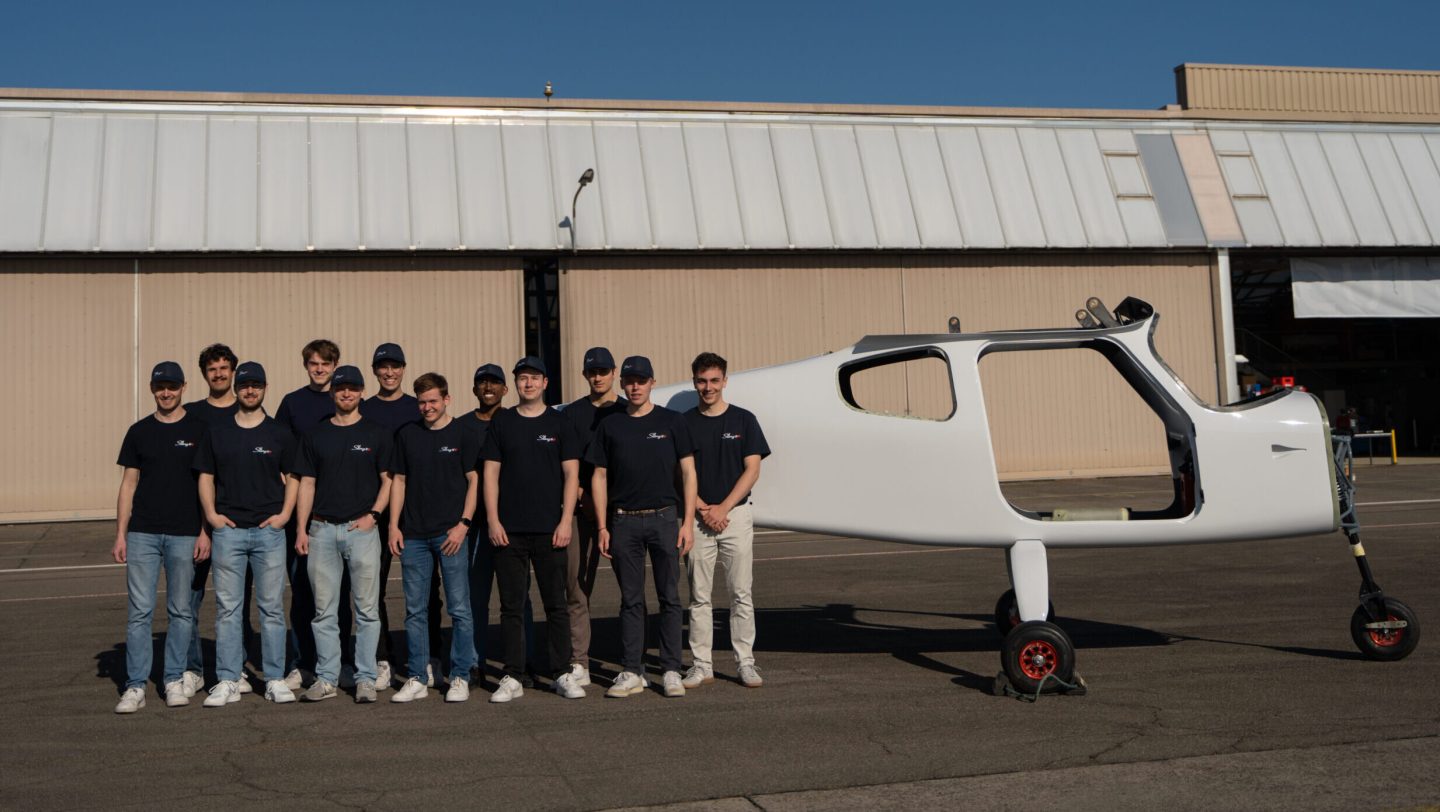

Emission-Free Across the Alps – How Cellsius Is Enabling Hydrogen-Powered Flight
Aerospace
CNC Machining
Prototyping
Read Story
We designed it with maximum strength-to-weight efficiency in mind, combining tight tolerances with complex geometry. Since producing a part this precise was beyond our in-house capabilities, we relied on external manufacturing to bring it to life. Working with Xometry’s digital manufacturing platform proved to be a practical solution. The ordering process was simple, and the part was delivered exactly to spec, which helped us stay on schedule and move forward with system integration.
Read Story
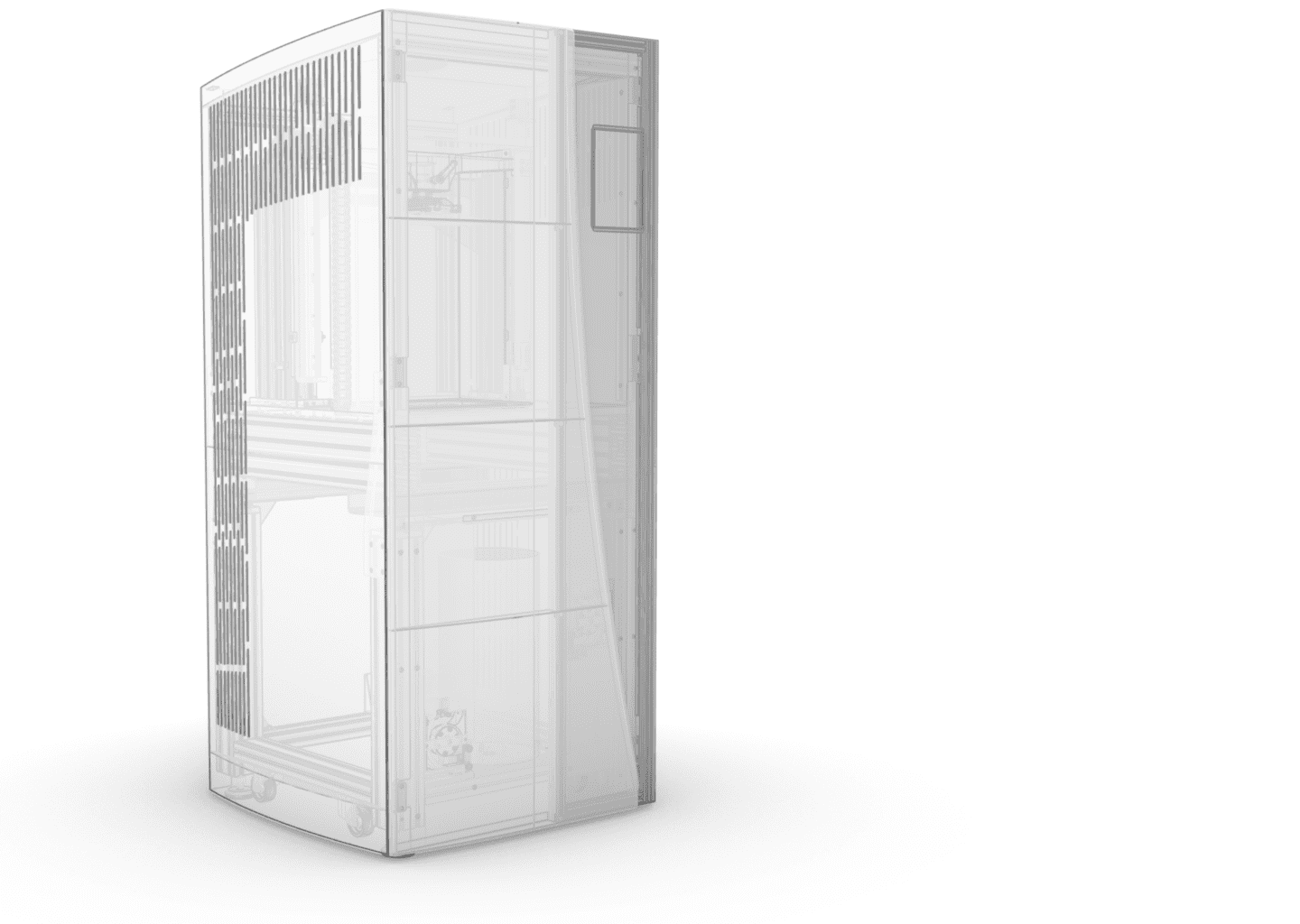
A 3D printer powered by revolutionary Hybrid PhotoSynthesis technology, designed & produced in just 9 months
Aerospace
CNC Machining
Prototyping, R&D
Read Story
We can’t imagine any other partner who could have been able to deliver the parts in time to allow us to launch the product and exhibit it at Formnext.
Read Story
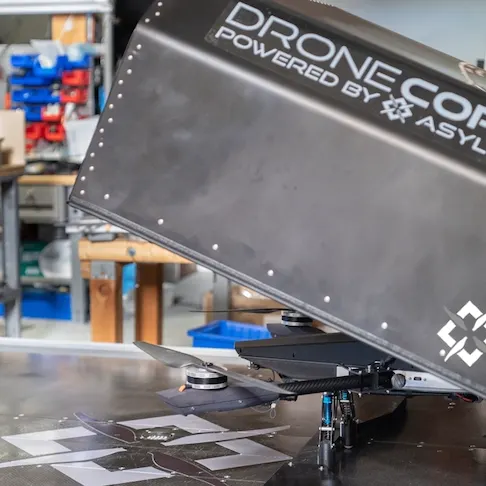
Asylon’s Autonomous Drones Secure the Skies with Help from Xometry
Aerospace
Sheet Metal
Prototyping, High-Volume Manufacturing
Read Story
Xometry has always given us exactly what we needed. We’ve received parts with holes in the right places, with the right finish, and on time. Even having a user-friendly website, with options laid out in a logical way, translates to a faster turnaround time for us.
Read Story
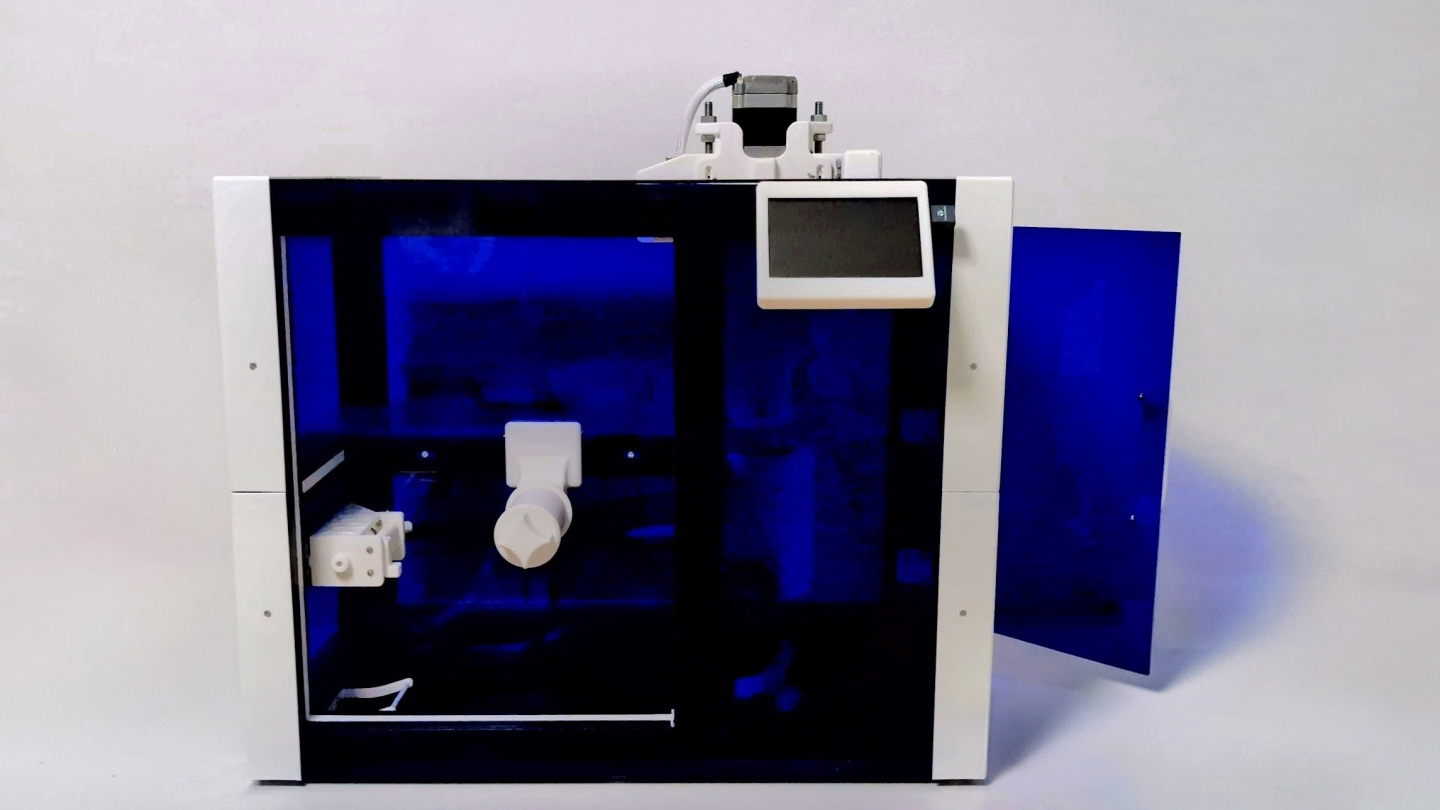

The Rethink of 3D Printing Waste and the Next Chapter of the Desktop Filament Recycler Story
Machine Building
3D Printing
CNC Machining
Prototyping
Read Story
By using agile testing and redesigning a double-sided support to resolve motor deformation and calibration challenges, the TGM student team successfully turned 3D printing waste into high-quality PLA filament.
Read Story
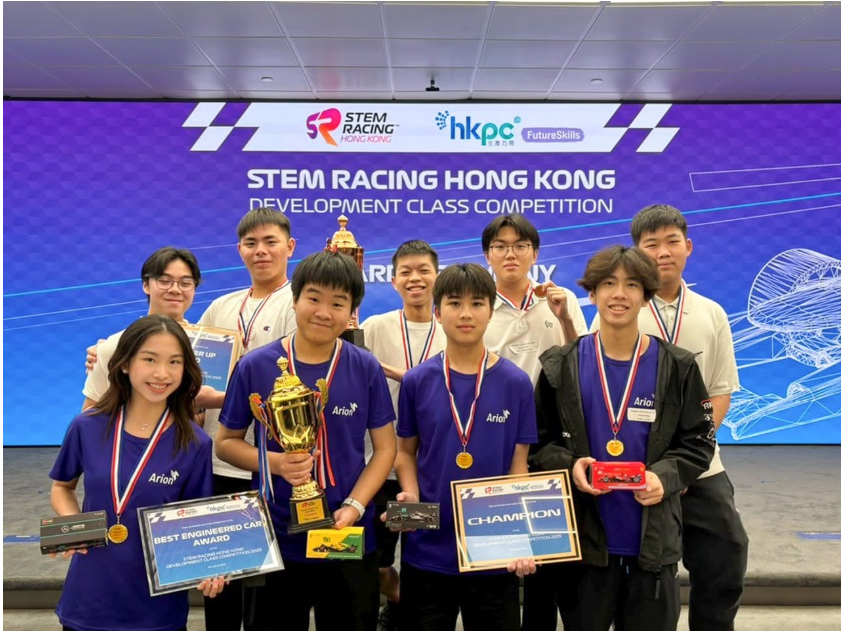

How AI-Powered On-Demand Manufacturing Helps a STEM Racing Team Achieve Faster Iteration and Championship Performance
Automotive
3D Printing
CNC Machining
Sheet Metal
R&D
Read Story
Team Arion, a student racing team from Singapore International School Hong Kong, used Xometry’s AI‑powered on‑demand manufacturing platform to overcome the hurdles of small‑batch, complex parts production, accelerated their design iterations, and went on to win the 2025 STEM Racing championship along with the Best Engineering Design Award.
Read Story