Aerospace enthusiast Gianni Ercolani designed and built a functional replica of the Concorde's iconic droop nose mechanism using Rhino 3D modeling. With Xometry's SLS 3D printing service and PA12 nylon, he produced durable, dimensionally accurate parts capable of repeated use. The model features 20+ interlocking rigid parts that simulate the nose's full transformation sequence, including visor and nose cone movement.
Industry
Aerospace
Country

Italy
Use case
Prototyping
Technology
3D Printing
Materials
PA12 Nylon (via SLS 3D Printing)
Product
Concorde nose mechanism static model
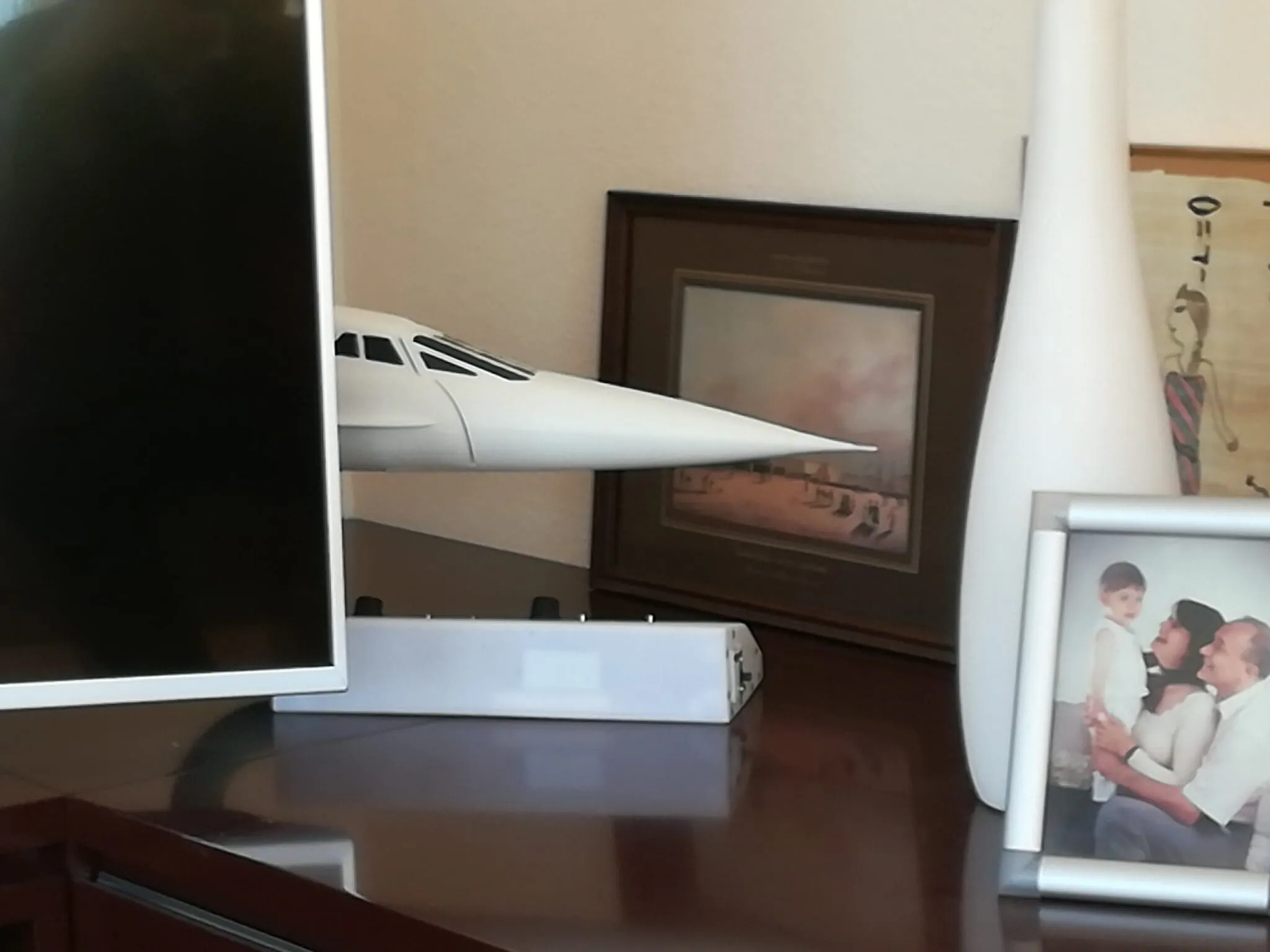
For the physical prototype, I selected Selective Laser Sintering (SLS) using PA12 nylon. This combination offered the durability and dimensional accuracy I needed, while being light enough to preserve the model’s integrity and strong enough to handle repeated use. I ordered the parts through Xometry’s on-demand manufacturing service, which allowed me to test my designs without investing in a printer or tooling—a crucial advantage when working with small volumes and evolving prototypes.
Hi, my name is Gianni Ercolani. I’ve always been fascinated by aerospace—what began as a personal passion became a creative mission to understand and replicate the engineering marvels of flight.
Through model-making and CAD design, I try to bring these innovations to life and share them on my YouTube channel. One aircraft, in particular, has long held my attention: the Concorde. Its aerodynamic profile, technological complexity, and iconic nose design represent the pinnacle of civilian aviation. That’s where my latest project began.
From Fan to Maker: Why I Recreated the Concorde’s Nose
The Concorde has captivated generations of engineers, designers, and aviation fans. I’m no exception. Over the years, I’ve built around ten flying models, each an experiment in aerodynamic design. But something was missing—something my viewers were quick to point out. “Where’s the nose mechanism?” they asked. And they were right. The characteristic droop nose, which tilts down during takeoff and landing to improve pilot visibility, is not only functional but symbolic.
Building a functional version of it, however, presented a major challenge. In a flying model, the mechanism would be too fragile, too complex, and simply too heavy to work reliably. But in a static model, those constraints vanish. I realized I could scale up the design, increase the weight, and focus entirely on mechanical accuracy. This opened the door to capturing the full transformation sequence of the Concorde nose—something rarely seen outside of museum archives.
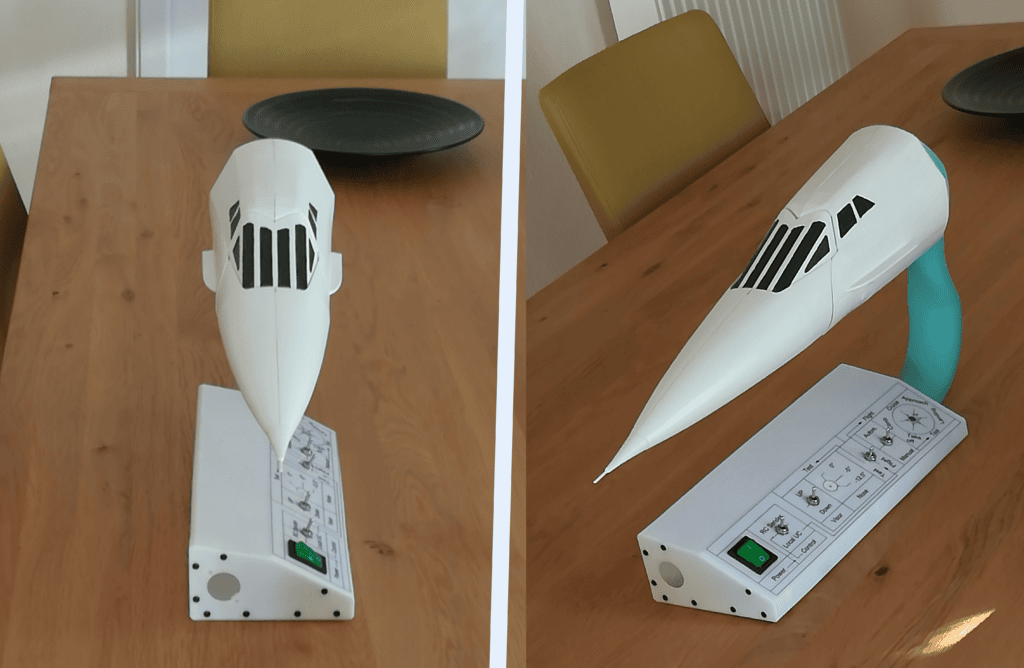
Designing a Mechanism That Moves Like the Real Thing
To recreate the Concorde’s nose, I had to simulate a precise sequence of movements involving over 20 rigid parts that rotate and shift with minimal clearance. This transition from one fixed form to another requires more than just visual accuracy—it demands mechanical harmony. The parts must move in sync, without warping, bending, or jamming under pressure.
I used Rhinoceros (Rhino) for 3D modeling. Its NURBS-based surface modeling gave me the flexibility to design organic curves and transitions while maintaining precise control over part dimensions. Rhino also allows for intuitive manipulation of surfaces and assemblies, which was critical in visualizing and refining the moving parts of the mechanism. After several design iterations (18 in total) and movement simulations, I arrived at a configuration that mimicked the real nose operation—one that viewers could recognize and engineers could respect.
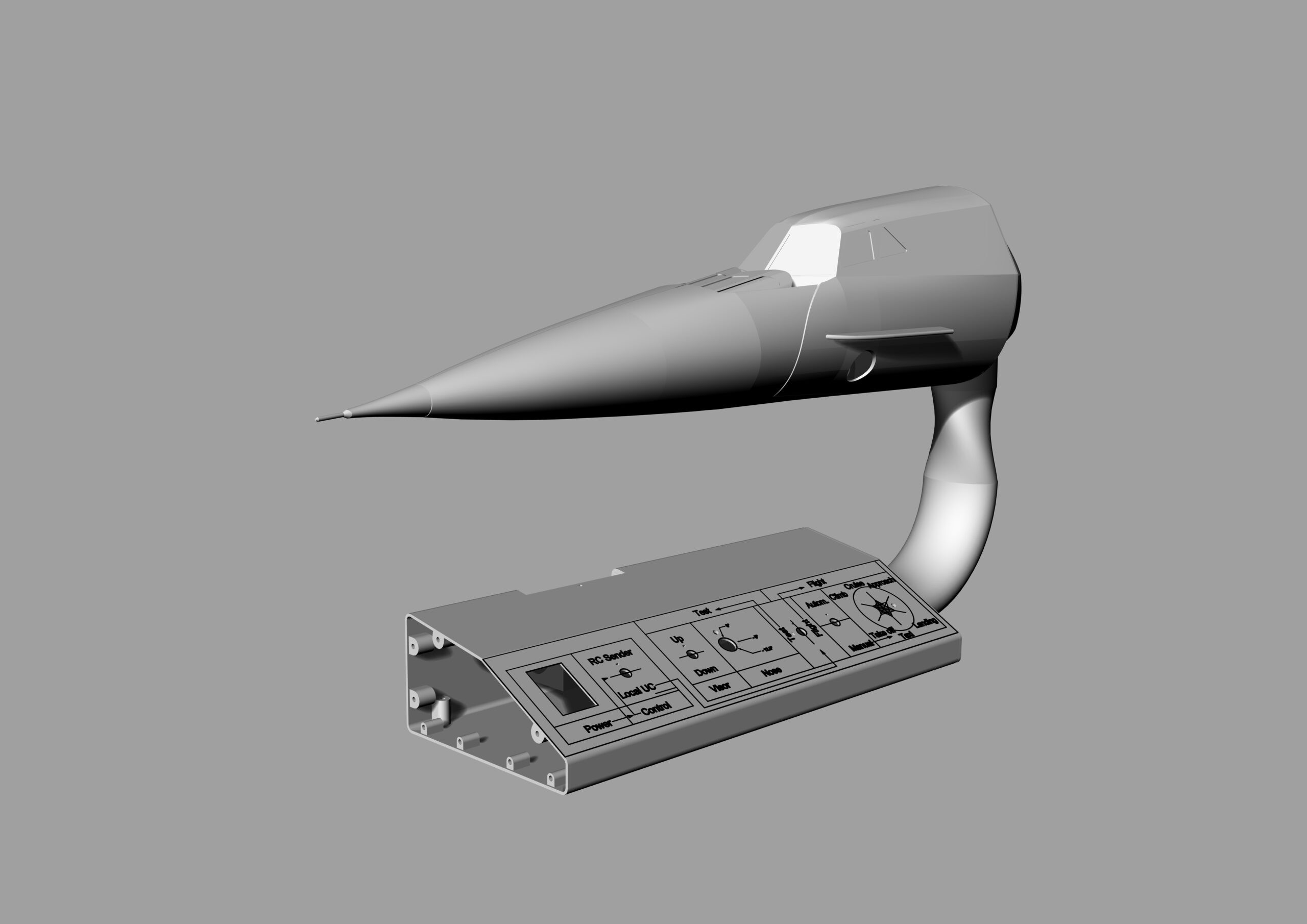
CAD file of the Concorde nose design
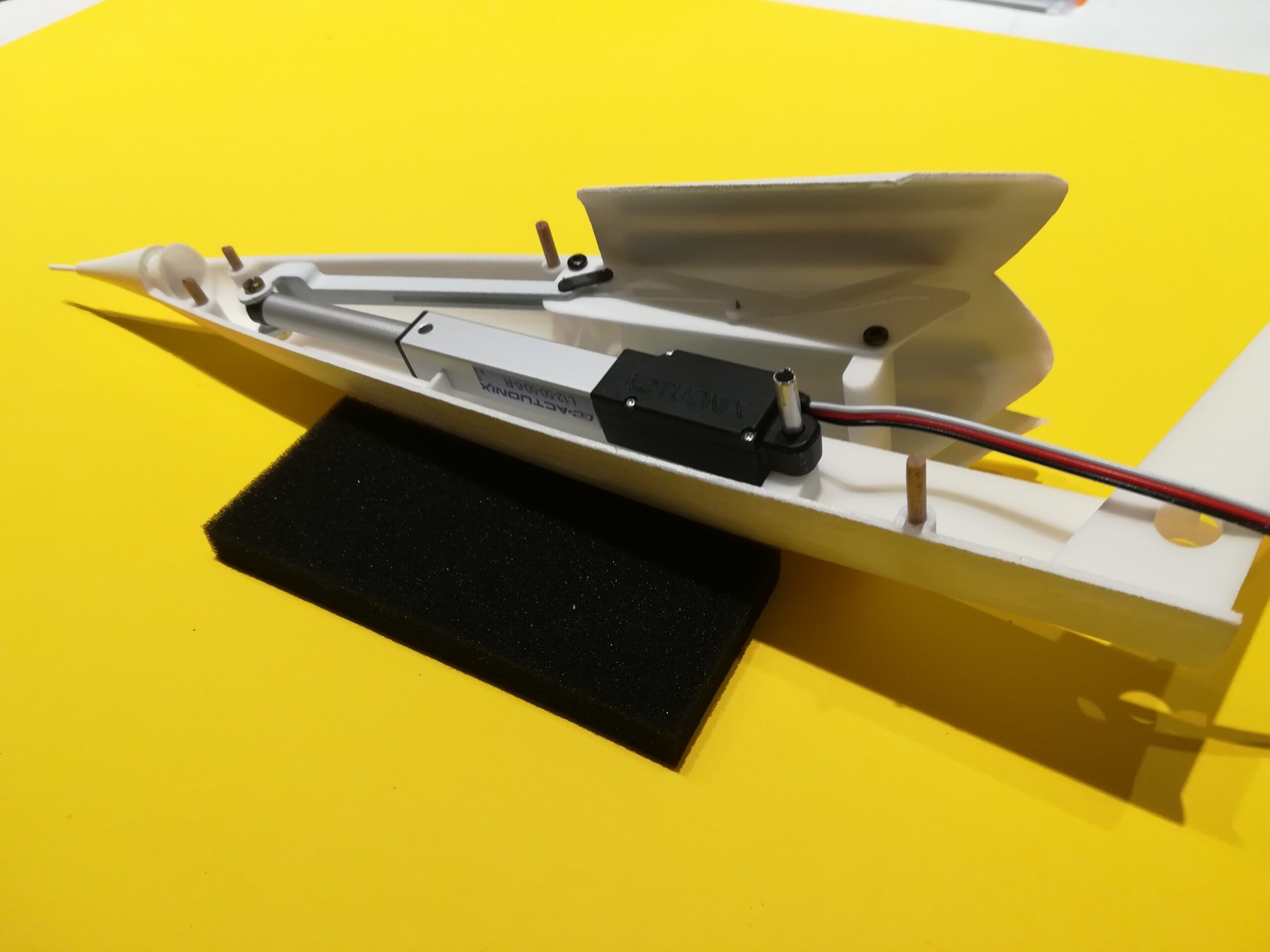
Detailed prototype of the Concorde nose
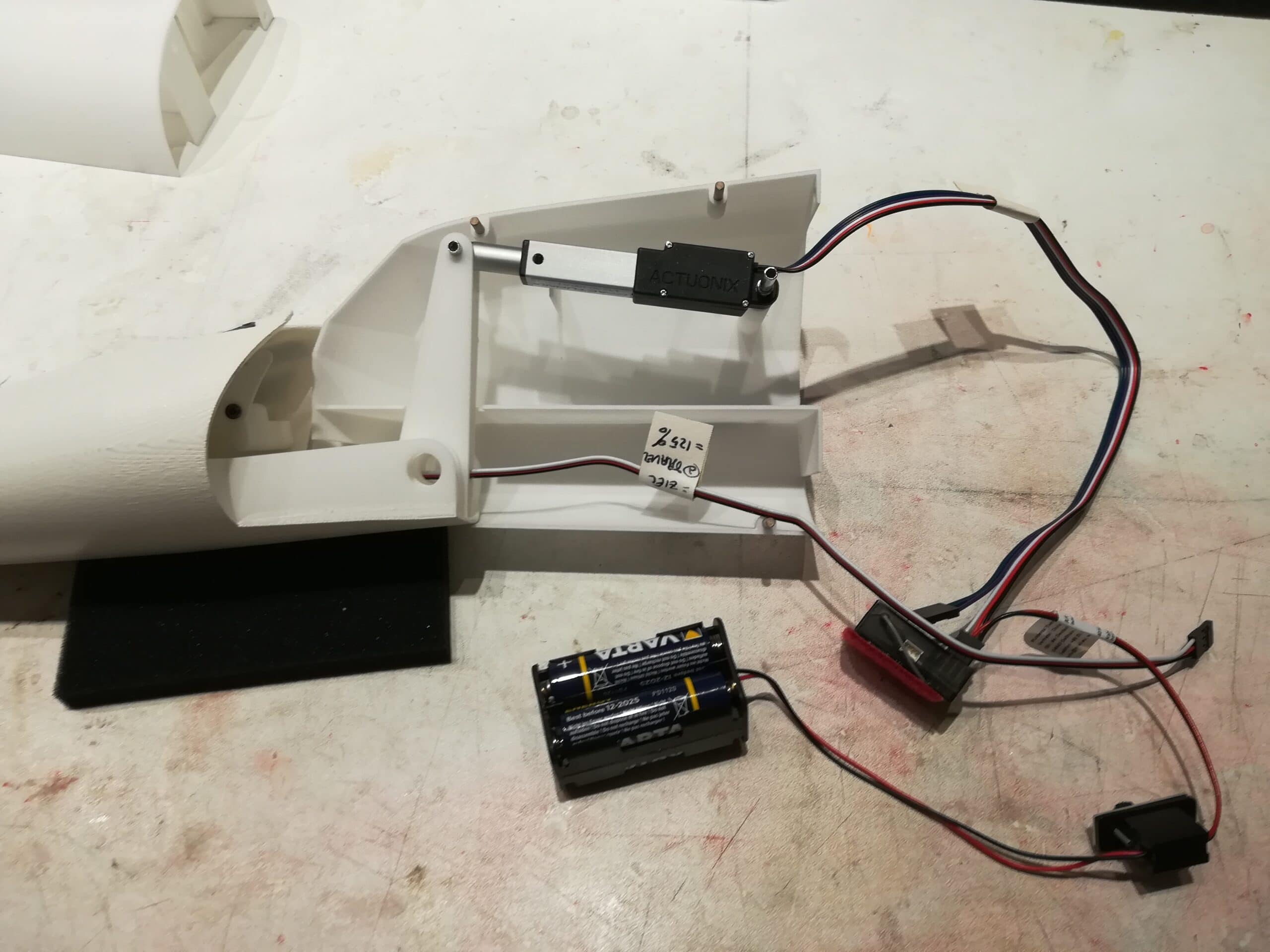
Electronic components of the Concorde nose
For the physical prototype, I selected Selective Laser Sintering (SLS) using PA12 nylon. This combination offered the durability and dimensional accuracy I needed, while being light enough to preserve the model’s integrity and strong enough to handle repeated use. I ordered the parts through Xometry’s on-demand manufacturing service, which allowed me to test my designs without investing in a printer or tooling—a crucial advantage when working with small volumes and evolving prototypes.
Simulating Aerospace Precision in a Static Model
One of the core challenges was capturing the feel of the real mechanism—not just its shape. The Concorde’s nose doesn’t simply fold or hinge; it transforms with smooth, deliberate motion. That meant designing interlocking parts that allowed for controlled, reliable movement. The tolerances had to be tight enough for the model to hold its shape, but forgiving enough to allow for assembly and use.
Through motion simulations in Rhino (the visor and nose cone fit required several CAD simulations), I was able to anticipate how each component would behave under load. I paid particular attention to stress points and contact areas. The final design balances realism with robustness—staying true to the original mechanism while remaining manageable for a tabletop demonstration model. The result is a working display that shows exactly how the Concorde’s nose would operate—without the risk of breaking during handling.
Turning Enthusiasm into Real-World Impact
The response to the prototype has been overwhelmingly positive. Aviation fans, engineers, and even casual viewers have expressed enthusiasm—not only for the fidelity of the model but also for its educational potential. In fact, several museums have already shown interest. Many institutions exhibit the Concorde, but few can demonstrate the nose movement due to the mechanical upkeep required. This model could fill that gap, offering a hands-on way to show one of the aircraft’s most distinctive features.
Some viewers have also reached out about purchasing kits to build their own version at home. This opens up the possibility of small-scale production—a future I’m currently exploring. Turning the prototype into a modular kit would require further development, including documentation, part optimization, and possibly even redesigns for easier assembly. But the interest is there, and that’s deeply motivating.
Bringing Aerospace History to Life, One Project at a Time
This project is more than a technical exercise—it’s a way to connect with others who share a love for aviation and design. It blends creativity and engineering in a tangible form, bringing one of the most iconic pieces of aerospace history to a wider audience. I see this as the start of a broader journey. I have other ideas in the pipeline—from spaceflight mechanisms to aircraft structures—and I’m excited to continue exploring them through the same hands-on, design-driven approach.
With the support of digital manufacturing services, I can keep focusing on the part I love most: designing innovative objects that merge precision and creativity.
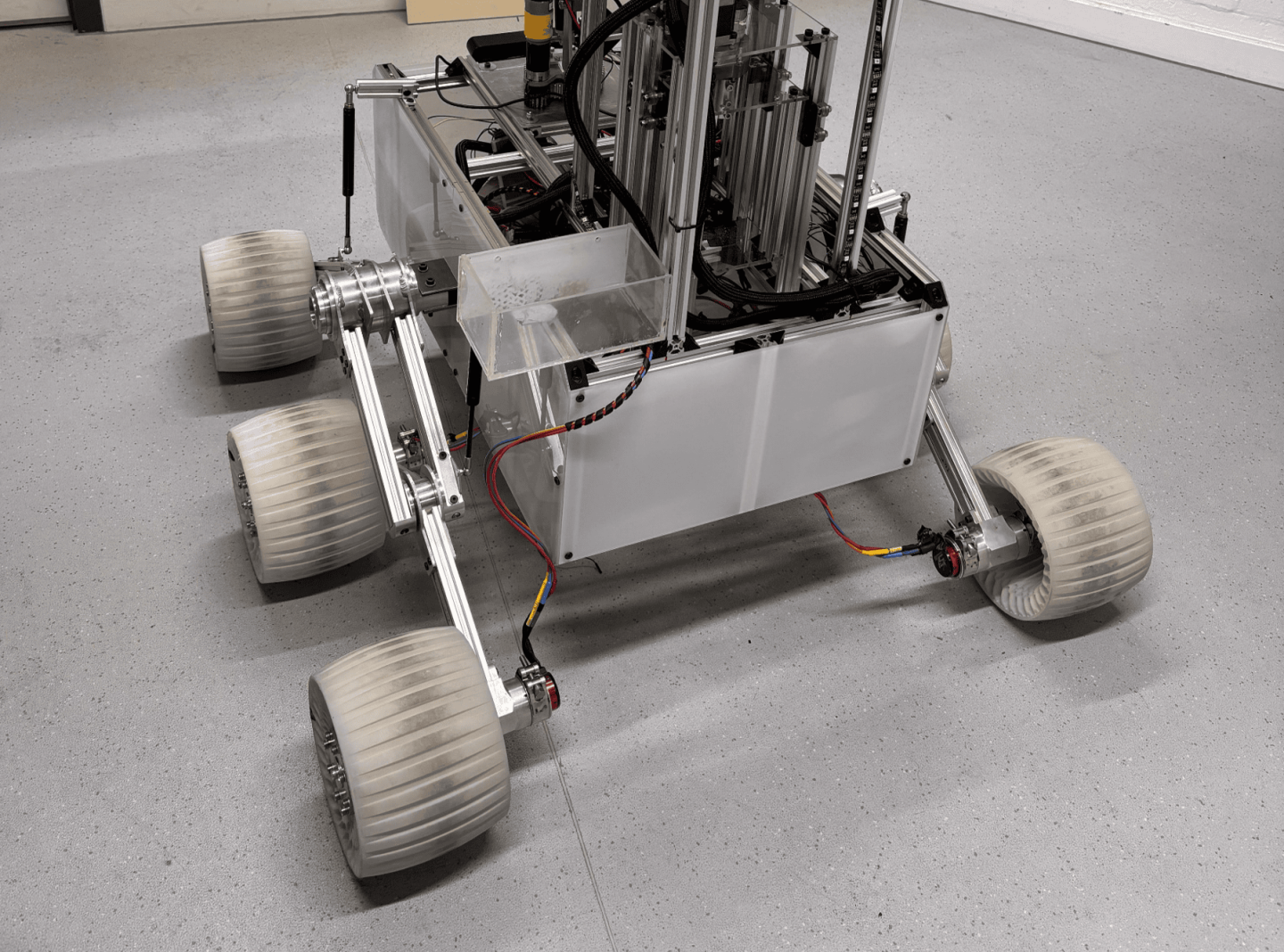

Reinventing the Wheel for Mars: How We Engineered a Flexible Airless Tyre
Aerospace
3D Printing
Prototyping
Read Story
UCL Racing's Mars Rover team developed an airless flexible wheel for the European Rover Challenge, competing on a simulated Martian surface. With Xometry's SLS 3D printing and engineering feedback, they produced six wheels from EOS TPU 1301 (Shore 86A) with a radial honeycomb lattice structure. The final design meets 220mm diameter and 120N load requirements, featuring symmetric tread pattern and integrated motor mount.
Read Story
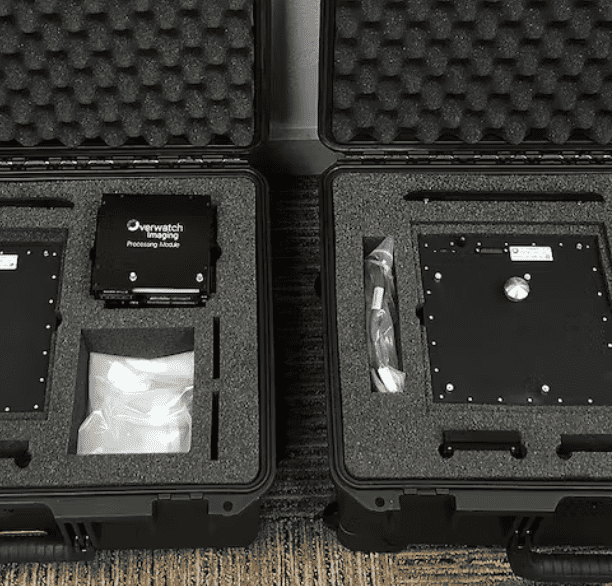

Why Two Entrepreneurs Quit Their Jobs and Launched Their Own Drone Imaging Company
Aerospace
3D Printing
Prototyping, R&D
Read Story
We came up with three different prototypes and then around May we ordered all of the aluminum parts and expensive cameras. For the prototyping, Overwatch relied on two in-house 3D printers and Xometry.
Read Story
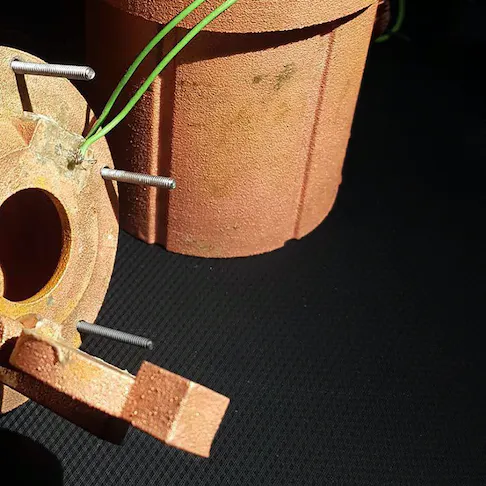
These Students Invented a Way to Brew Beer on the Moon
Aerospace
3D Printing
Prototyping, R&D
Read Story
We used it to fabricate our canister design out of nylon and plated it with copper and nickel to ensure air tightness. In school we’ve all learned how to use 3D printing, but we always use plastics or acrylics, basic materials. Working with Xometry really expanded our horizons when it came to using materials like nylon, copper plating, and nickel. These are materials we’d never worked with before, and that was really cool to see.
Read Story
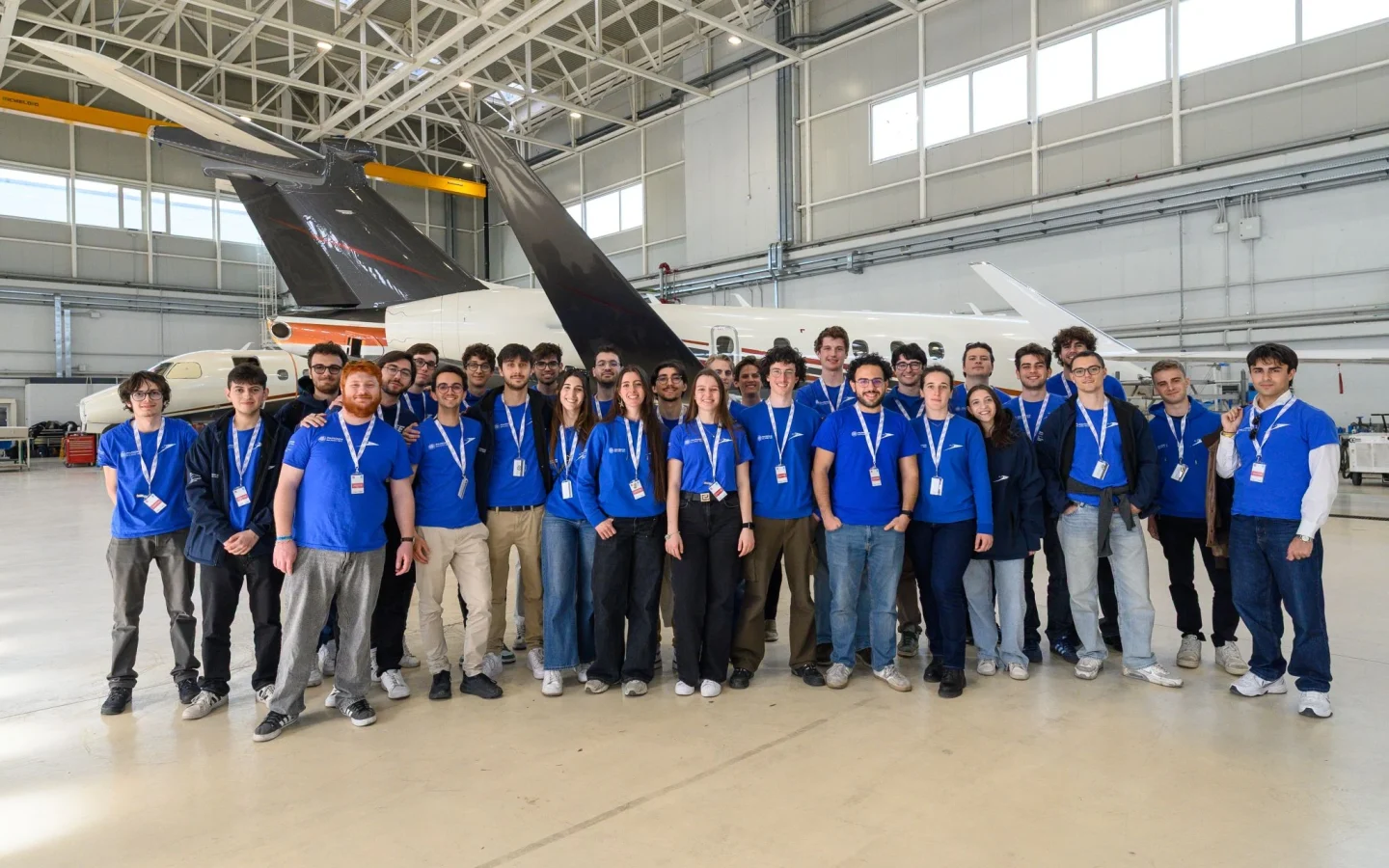
How Fly-Mi Team Prepares a Cargo UAV for the Air Cargo Challenge
Aerospace
CNC Machining
Prototyping
Read Story
Preparing for the 2026 Air Cargo Challenge, the Fly-Mi team is developing Heméra, a fixed-wing UAV designed for maximum payload transport. This project integrates advanced aerodynamics, structural FEM analysis, and precision-engineered aluminum tooling to create a twin-motor aircraft capable of reaching flight speeds of 35 m/s.
Read Story
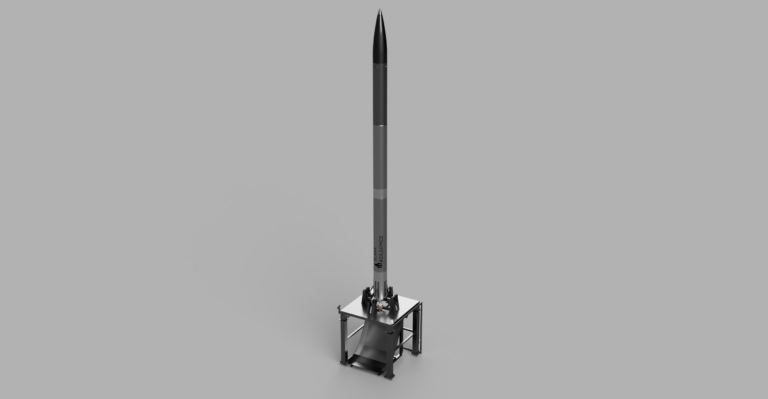

From Tunneling to the Stars – How Elara Aerospace Is Advancing Suborbital Rocket Engineering in Europe
Aerospace
CNC Machining
R&D
Read Story
To turn these components into reality, we required high-precision manufacturing with fast turnaround times. Through Xometry, we produced a brass test chamber for our injector experiments, machined to the specifications needed for our early-stage testing.
Read Story
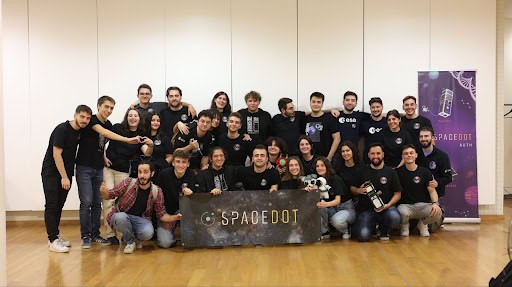

Xometry Powers AcubeSAT from Prototype to Launch‑Ready Nanosatellite
Aerospace
CNC Machining
R&D
Read Story
At this time, we decisively decided to significantly simplify the design, allowing it to achieve higher precision and tolerance control through machining. During the redesign process, we realized that we needed to find a partner capable of manufacturing high-precision prototype parts—so we chose Xometry.
Read Story
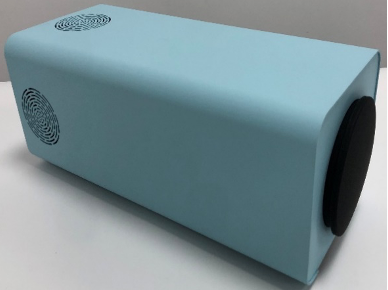

R&D Efficiency Restored: Xometry Ensures Uninterrupted Supply of Critical Precision Parts
Aerospace
CNC Machining
R&D
Read Story
Collaborating with Xometry allows us to concentrate more on our core R&D, saving substantial time and significantly boosting project efficiency.
Read Story
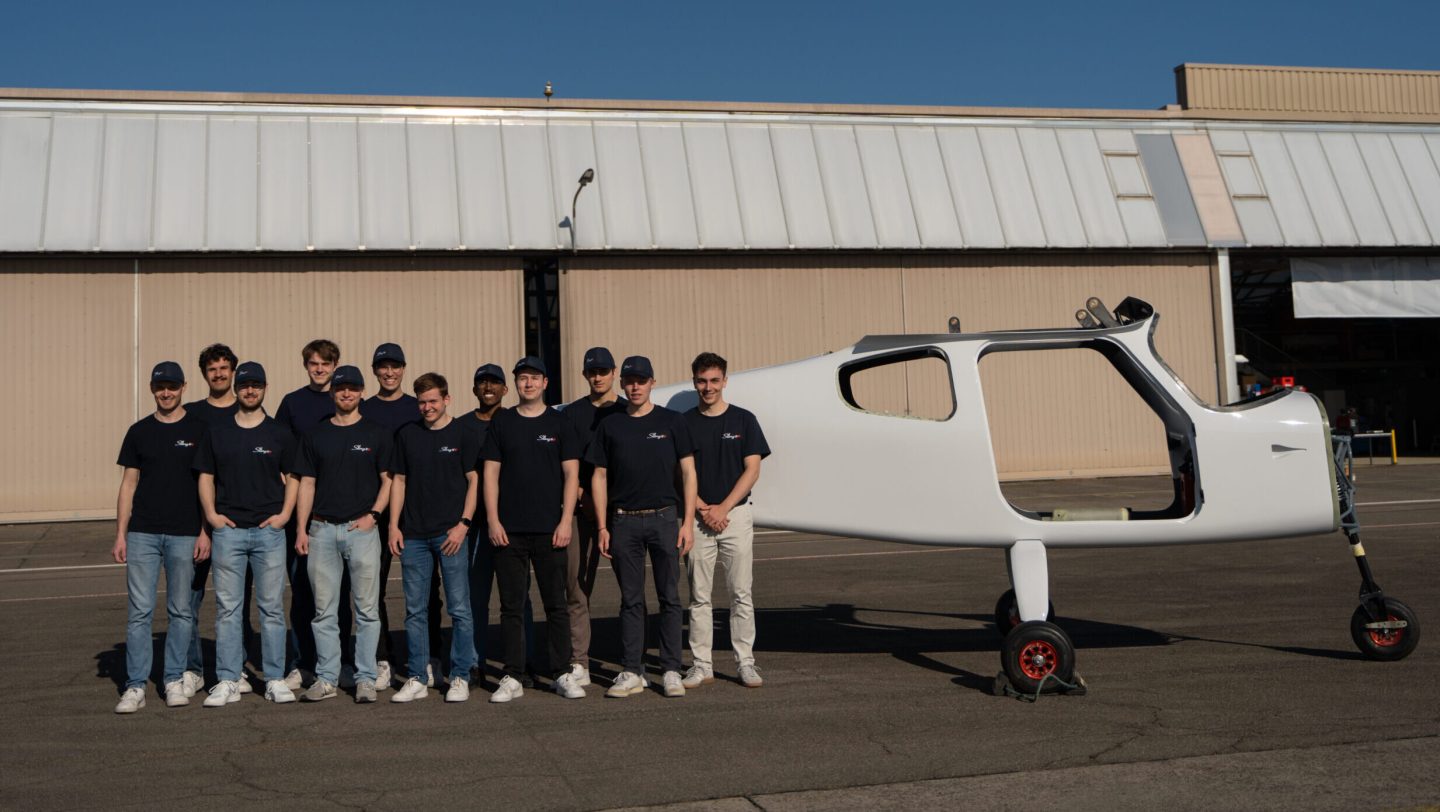

Emission-Free Across the Alps – How Cellsius Is Enabling Hydrogen-Powered Flight
Aerospace
CNC Machining
Prototyping
Read Story
We designed it with maximum strength-to-weight efficiency in mind, combining tight tolerances with complex geometry. Since producing a part this precise was beyond our in-house capabilities, we relied on external manufacturing to bring it to life. Working with Xometry’s digital manufacturing platform proved to be a practical solution. The ordering process was simple, and the part was delivered exactly to spec, which helped us stay on schedule and move forward with system integration.
Read Story
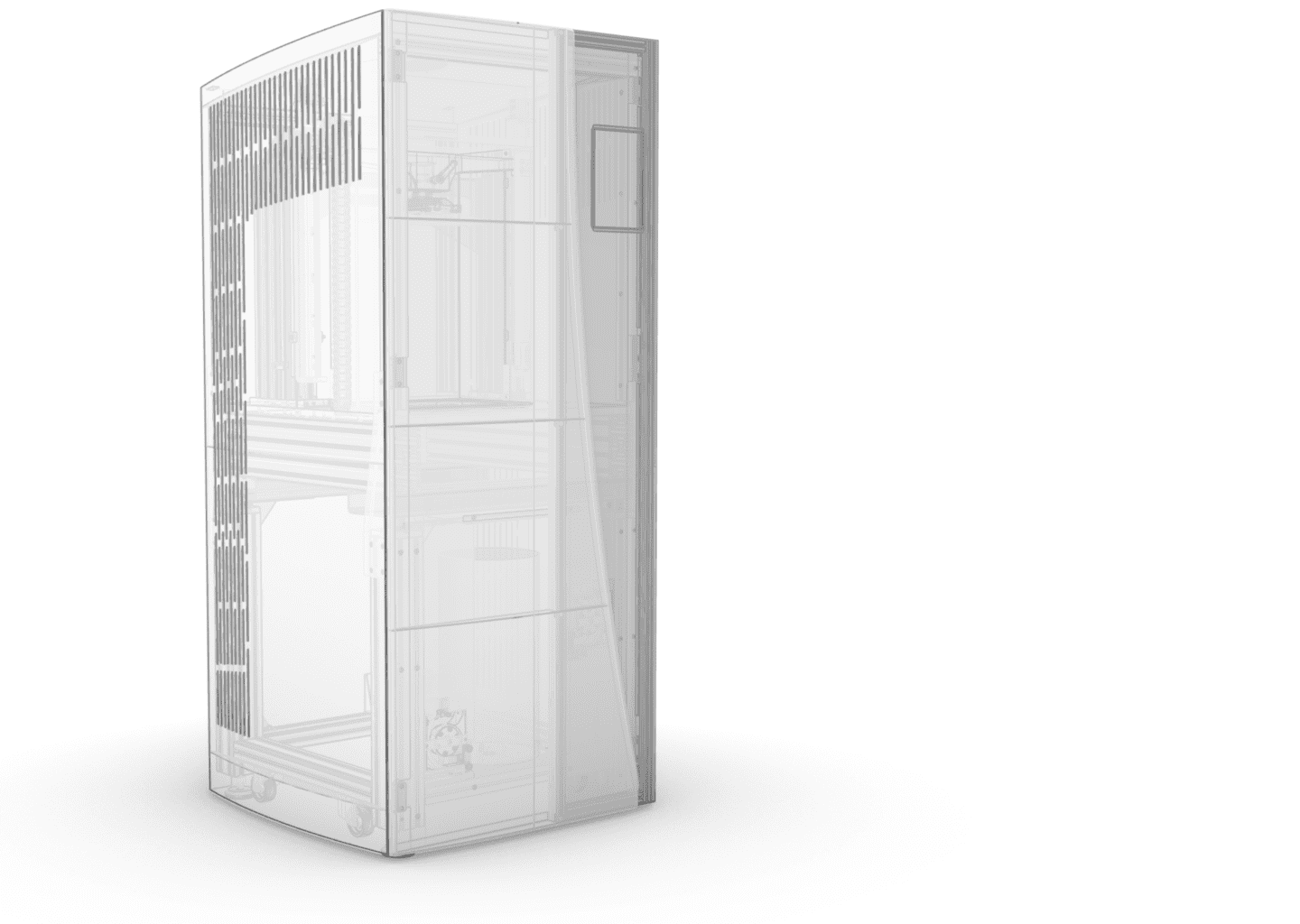
A 3D printer powered by revolutionary Hybrid PhotoSynthesis technology, designed & produced in just 9 months
Aerospace
CNC Machining
Prototyping, R&D
Read Story
We can’t imagine any other partner who could have been able to deliver the parts in time to allow us to launch the product and exhibit it at Formnext.
Read Story
Asylon’s Autonomous Drones Secure the Skies with Help from Xometry
Aerospace
Sheet Metal
Prototyping, High-Volume Manufacturing
Read Story
Xometry has always given us exactly what we needed. We’ve received parts with holes in the right places, with the right finish, and on time. Even having a user-friendly website, with options laid out in a logical way, translates to a faster turnaround time for us.
Read Story
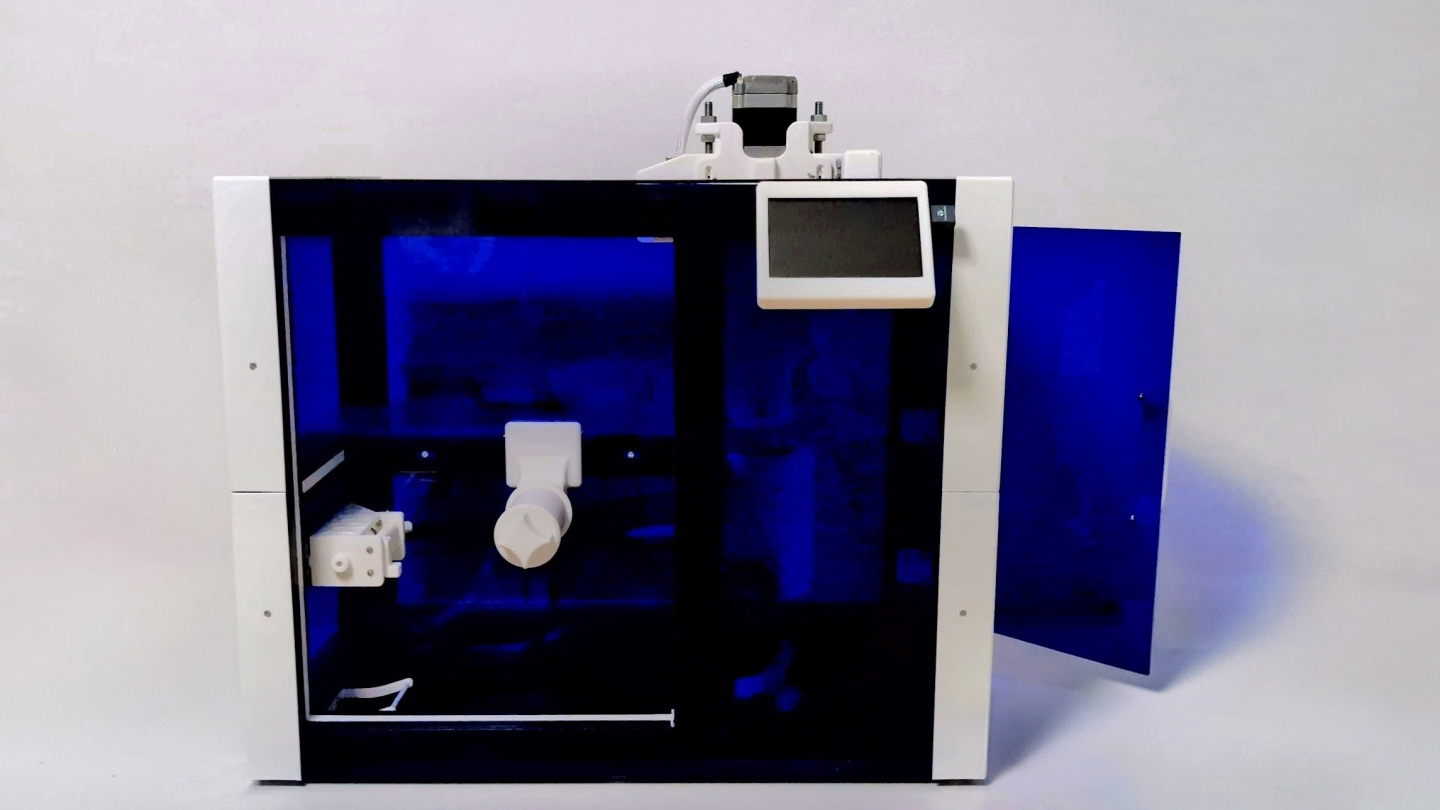

The Rethink of 3D Printing Waste and the Next Chapter of the Desktop Filament Recycler Story
Machine Building
3D Printing
CNC Machining
Prototyping
Read Story
By using agile testing and redesigning a double-sided support to resolve motor deformation and calibration challenges, the TGM student team successfully turned 3D printing waste into high-quality PLA filament.
Read Story
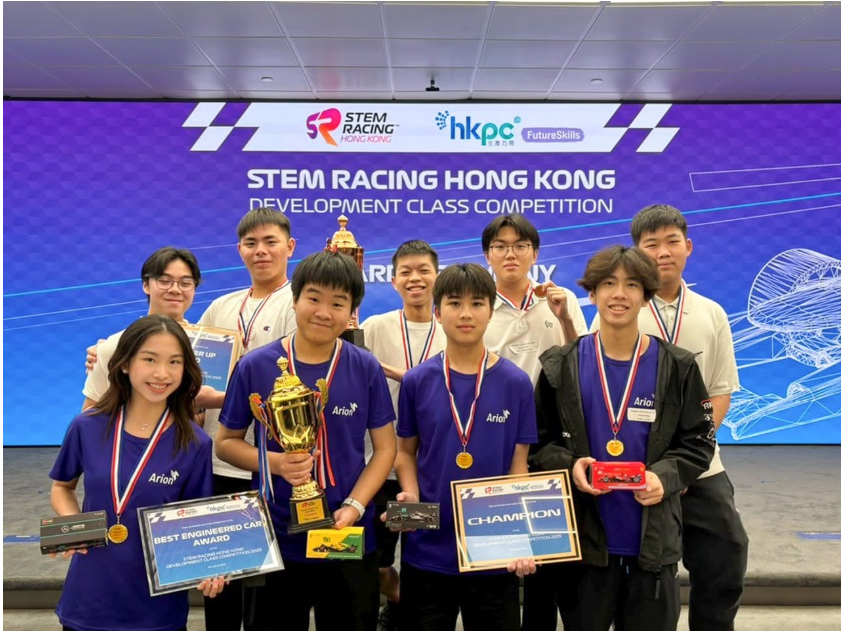

How AI-Powered On-Demand Manufacturing Helps a STEM Racing Team Achieve Faster Iteration and Championship Performance
Automotive
3D Printing
CNC Machining
Sheet Metal
R&D
Read Story
Team Arion, a student racing team from Singapore International School Hong Kong, used Xometry’s AI‑powered on‑demand manufacturing platform to overcome the hurdles of small‑batch, complex parts production, accelerated their design iterations, and went on to win the 2025 STEM Racing championship along with the Best Engineering Design Award.
Read Story