The SpaceDot team designed a fluid manifold for the AcubeSAT nanosatellite, shifting from 3D printing to CNC machining. With Xometry's high-precision aluminum prototype, they successfully advanced to environmental testing.
Industry
Aerospace
Country

Greece
Use case
R&D
Technology
CNC Machining
Materials
Aluminum
Product
AcubeSAT nanosatellite, and the fluid manifold within it
At this time, we decisively decided to significantly simplify the design, allowing it to achieve higher precision and tolerance control through machining. During the redesign process, we realized that we needed to find a partner capable of manufacturing high-precision prototype parts—so we chose Xometry.
Earlier, we introduced the SpaceDot team from the Aristotle University of Thessaloniki and its ambitious AcubeSAT project. Now the team is advancing to a new phase, upgrading AcubeSAT into a fully functional nanosatellite laboratory capable of sustaining yeast cells in orbit. By overcoming new engineering challenges and collaborating openly via GitLab, the team continues to demonstrate how academic‑led projects drive innovation in space exploration.
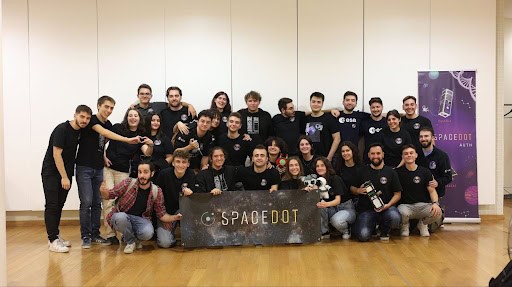
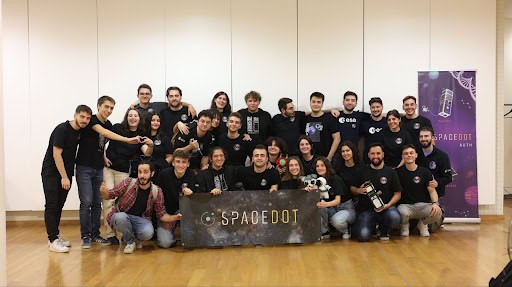
Hello! We are SpaceDot, a non‑profit interdisciplinary student team from the Aristotle University of Thessaloniki, Greece. Our mission is to pioneer innovative space applications and unlock the potential of open‑source space research. Using open‑source tools across all our projects, we are committed to sharing research outcomes with the global community. All our work — including code, models, designs and documentation — is published on GitHub under open licences via the AcubeSAT GitLab page.
In our previous case story, we shared how we designed and built AcubeSAT, a 3U nanosatellite (30×10×10 cm) equipped with a biological payload for yeast‑cell experiments, pushing the boundaries of open‑source space biology. We detailed the challenges of building a system capable of studying more than 100 proteins under the extreme conditions of space. Following initial trials and testing, we are excited to announce that through process optimisation and overcoming new engineering hurdles, AcubeSAT is now one step closer to its final orbital mission.

AcubeSAT: A Modular Nanosatellite for Space‑Based Biological Research
A Miniature Microbial Laboratory in Space
Our solution is a modular, fully functional mini‑laboratory engineered not only to meet mission requirements but also to enable rapid expansion and component interchangeability.
To achieve this, we designed inflatable pressurised vessels, a fluid system that delivers nutrients to cells, an imaging system for growth monitoring, precision electronics that govern all functions, and other essential subsystems. Among all components, the fluid manifold serves as the critical core of the experiment.
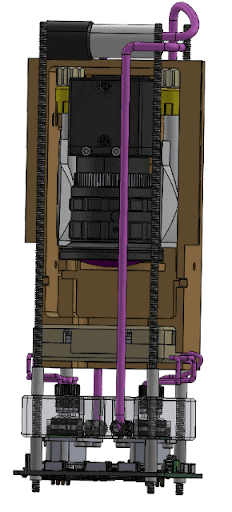
AcubeSAT Carrier Component Rendering
Engineering a Reliable Fluid Manifold for Space Missions
Multiple experiments must be conducted in‑orbit to fully investigate the impacts of the space environment. This requires a component that precisely distributes and regulates nutrient fluid flow.
The team initially considered complex piping networks, yet their numerous potential failure points failed to meet space‑grade reliability standards. We therefore shifted to a manifold design: a lightweight, compact component with internal flow channels controlled by a single inlet and outlet to deliver continuous nutrition to cells.
Manufacturing capability and material selection are as vital as functionality and must be considered from the earliest design phase. To meet the manifold’s complex design requirements, we began experimenting with 3D printing. We first validated concepts using FDM printing, yet inter‑layer void defects made the process unsuitable for space applications. We then moved to SLA printing for superior precision and quality.
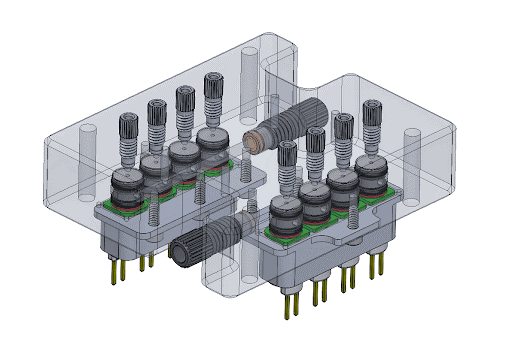
Fluid Manifold: Compact Design for Precise Nutrient Solution Flow Implementation on AcubeSAT
While initial results were promising, we soon discovered that this approach made proper assembly and leak‑proof sealing of numerous connectors extremely difficult, necessitating a full design revision.
At this point, we made the strategic decision to significantly simplify the design so it could be machined to achieve higher precision and tighter tolerance control. During the redesign phase, we recognised the need for a partner capable of manufacturing high‑fidelity prototypes — and chose Xometry.
Proof of Concept: Testing CNC‑Machined Prototypes
When we finally received our CNC‑machined aluminium prototype, the design was successfully brought to life. We immediately began rigorous testing to verify compliance with the project’s stringent requirements.
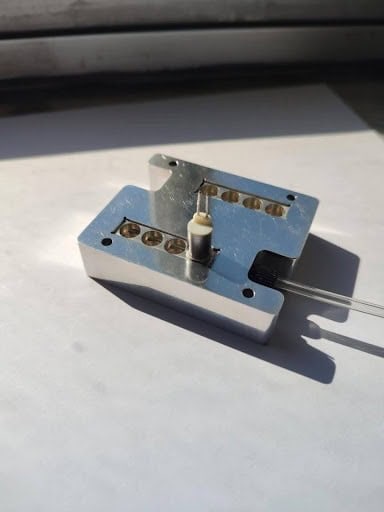
CNC machined prototype of a fluid manifold manufactured by Xometry Zemi Technology
Preliminary trials including valve assembly and fluid distribution testing validated the component’s strong potential. Although minor design adjustments were still required, we were confident we were moving in the right direction and that all efforts were worthwhile. Holding a physical component after months of digital design work is every engineer’s most rewarding milestone.
Entering the Final Phase of Environmental Qualification Testing
As the project advances rapidly, we look forward eagerly to upcoming milestones. Our next step is to subject the payload to extreme space‑environment qualification testing. Our design will undergo launch and in‑orbit simulation trials at ESA facilities in Belgium, which will ultimately verify its space compatibility and mission readiness.
With launch preparations now underway, we are thrilled to progress toward AcubeSAT’s planned mission. Wish us luck as we approach this pivotal moment!

How Fly-Mi Team Prepares a Cargo UAV for the Air Cargo Challenge
Aerospace
CNC Machining
Prototyping
Read Story
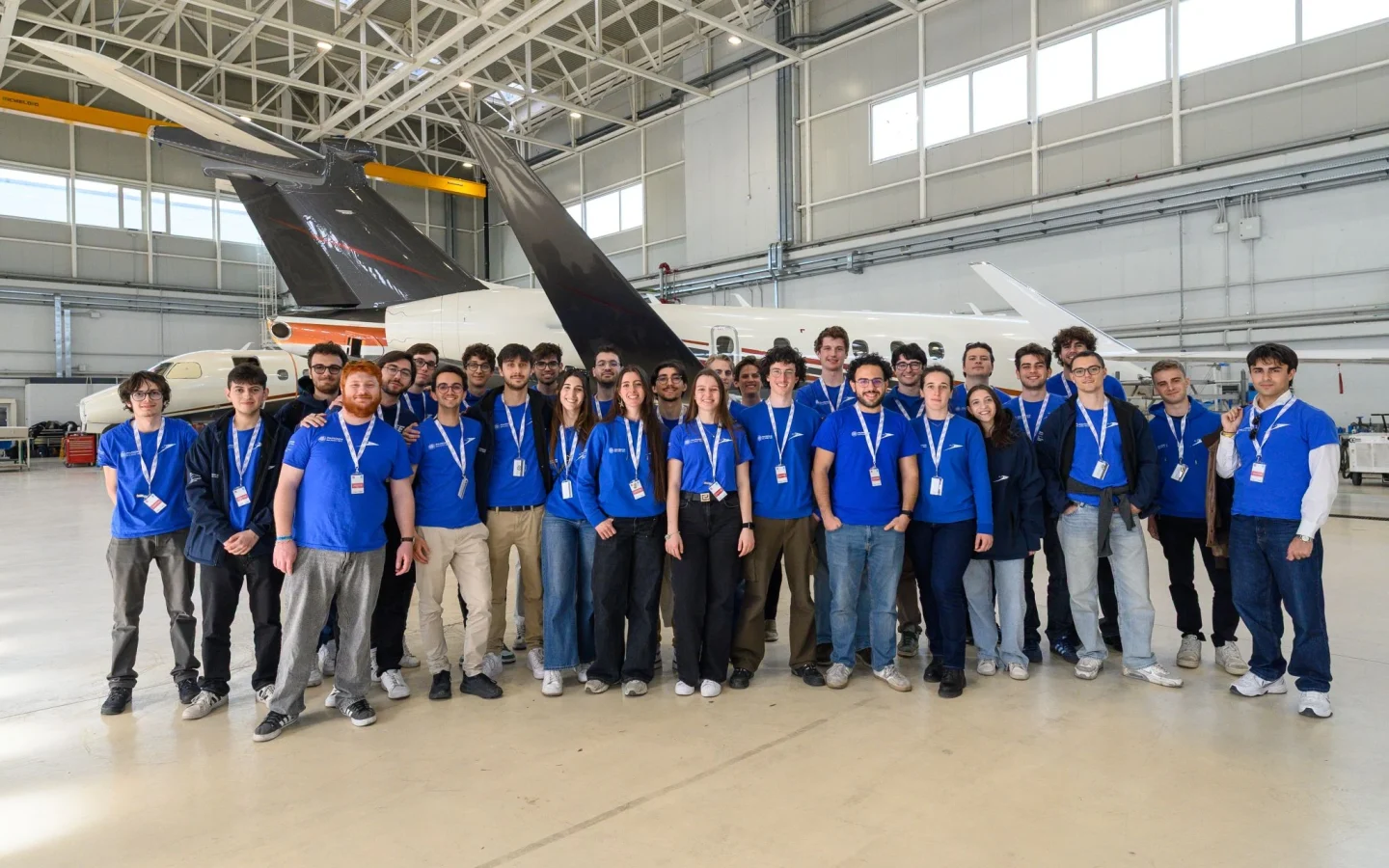
Preparing for the 2026 Air Cargo Challenge, the Fly-Mi team is developing Heméra, a fixed-wing UAV designed for maximum payload transport. This project integrates advanced aerodynamics, structural FEM analysis, and precision-engineered aluminum tooling to create a twin-motor aircraft capable of reaching flight speeds of 35 m/s.
Read Story

From Tunneling to the Stars – How Elara Aerospace Is Advancing Suborbital Rocket Engineering in Europe
Aerospace
CNC Machining
R&D
Read Story
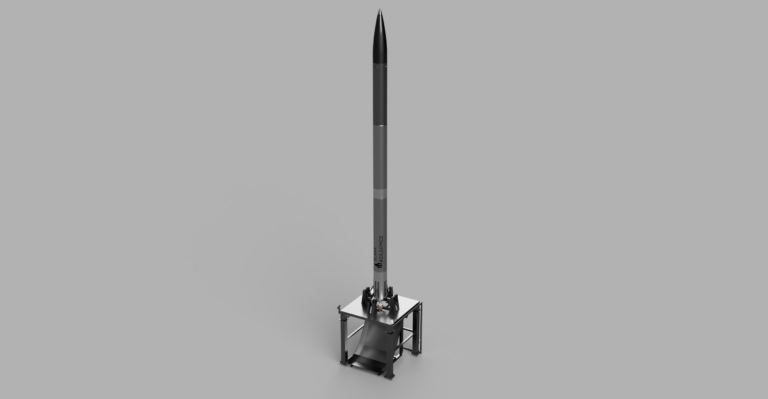
To turn these components into reality, we required high-precision manufacturing with fast turnaround times. Through Xometry, we produced a brass test chamber for our injector experiments, machined to the specifications needed for our early-stage testing.
Read Story

R&D Efficiency Restored: Xometry Ensures Uninterrupted Supply of Critical Precision Parts
Aerospace
CNC Machining
R&D
Read Story
Collaborating with Xometry allows us to concentrate more on our core R&D, saving substantial time and significantly boosting project efficiency.
Read Story
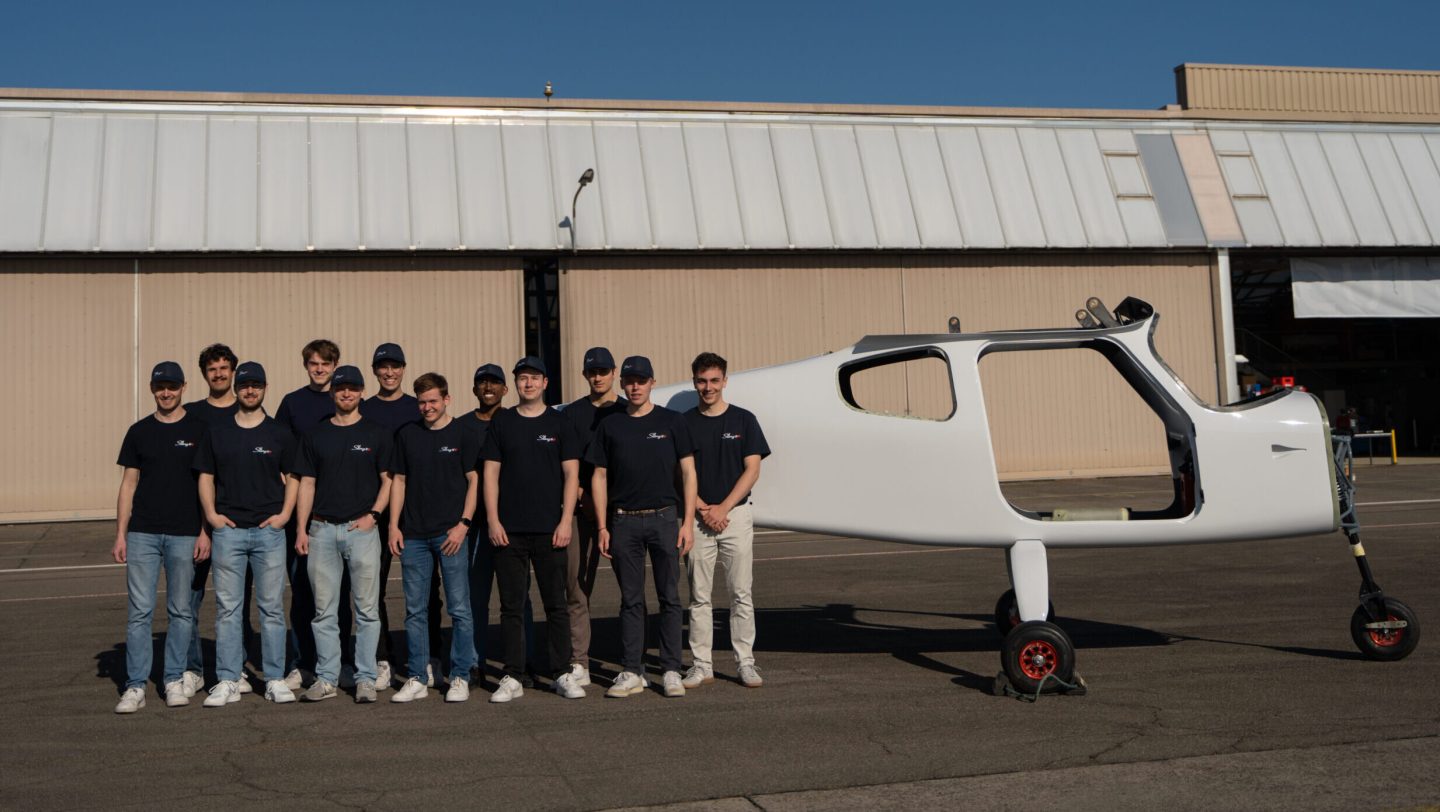

Emission-Free Across the Alps – How Cellsius Is Enabling Hydrogen-Powered Flight
Aerospace
CNC Machining
Prototyping
Read Story
We designed it with maximum strength-to-weight efficiency in mind, combining tight tolerances with complex geometry. Since producing a part this precise was beyond our in-house capabilities, we relied on external manufacturing to bring it to life. Working with Xometry’s digital manufacturing platform proved to be a practical solution. The ordering process was simple, and the part was delivered exactly to spec, which helped us stay on schedule and move forward with system integration.
Read Story
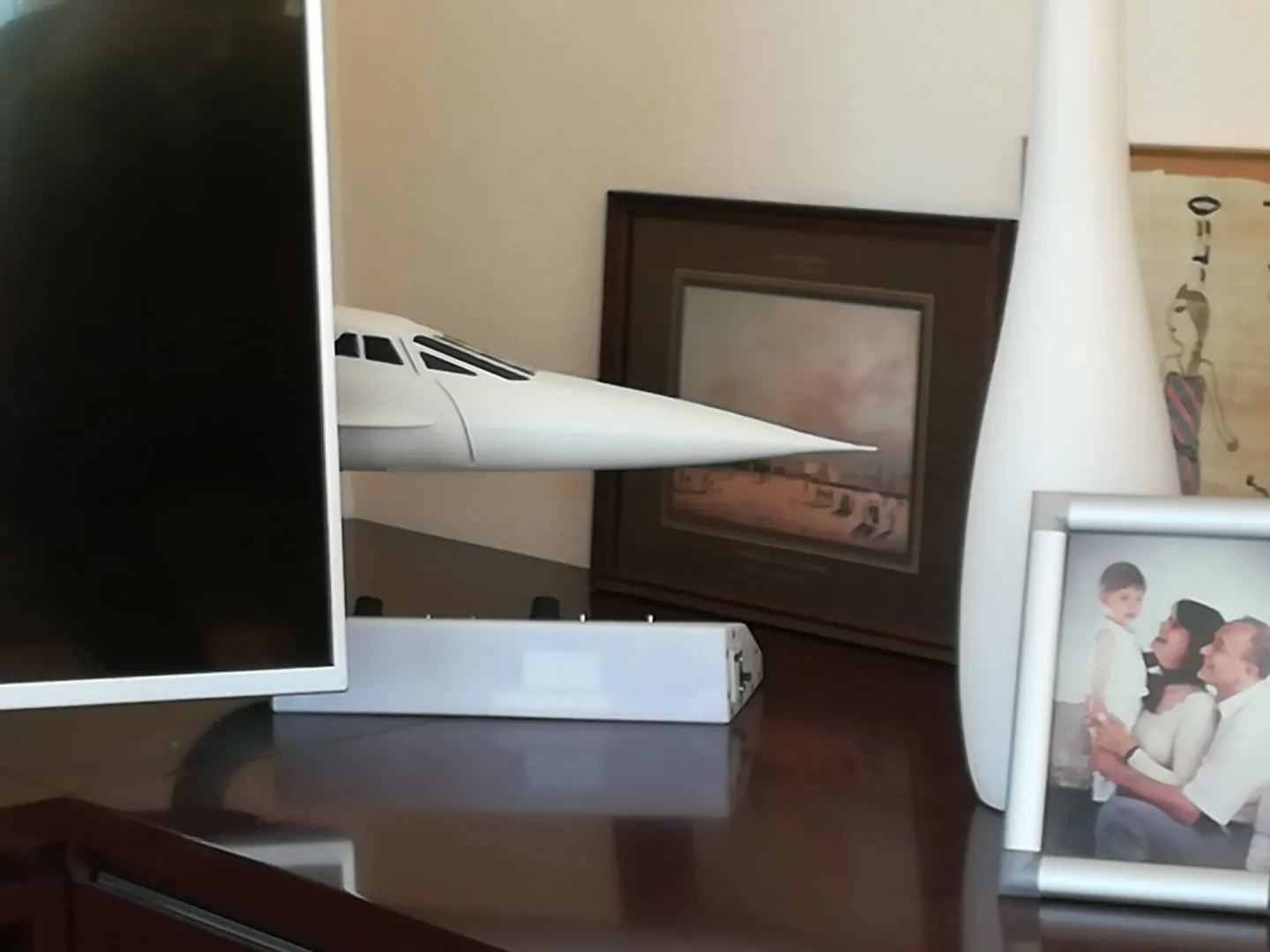
Engineering the Concorde Nose Mechanism: A Tribute to Aerospace Design
Aerospace
3D Printing
Prototyping
Read Story
For the physical prototype, I selected Selective Laser Sintering (SLS) using PA12 nylon. This combination offered the durability and dimensional accuracy I needed, while being light enough to preserve the model’s integrity and strong enough to handle repeated use. I ordered the parts through Xometry’s on-demand manufacturing service, which allowed me to test my designs without investing in a printer or tooling—a crucial advantage when working with small volumes and evolving prototypes.
Read Story
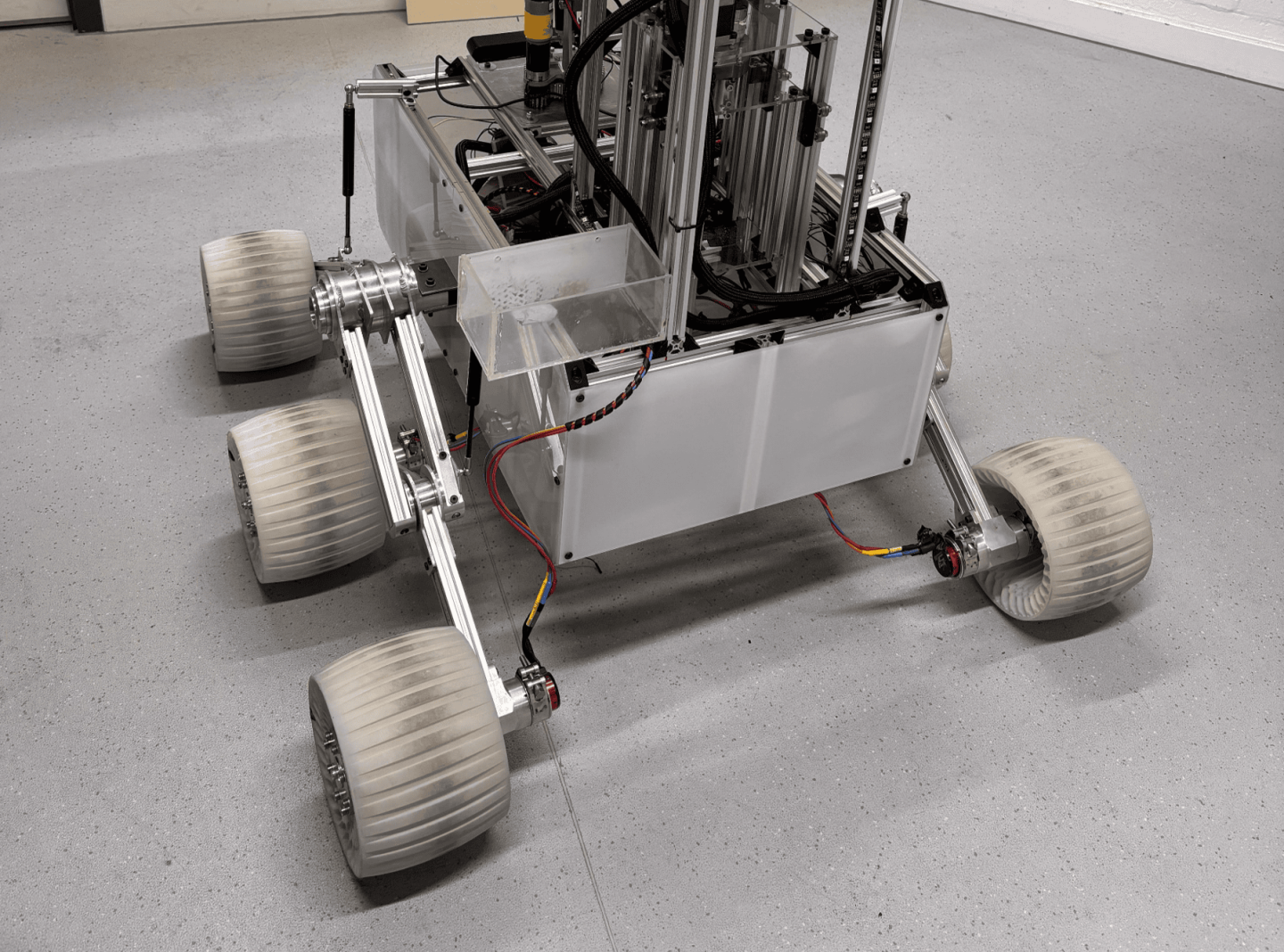

Reinventing the Wheel for Mars: How We Engineered a Flexible Airless Tyre
Aerospace
3D Printing
Prototyping
Read Story
UCL Racing's Mars Rover team developed an airless flexible wheel for the European Rover Challenge, competing on a simulated Martian surface. With Xometry's SLS 3D printing and engineering feedback, they produced six wheels from EOS TPU 1301 (Shore 86A) with a radial honeycomb lattice structure. The final design meets 220mm diameter and 120N load requirements, featuring symmetric tread pattern and integrated motor mount.
Read Story
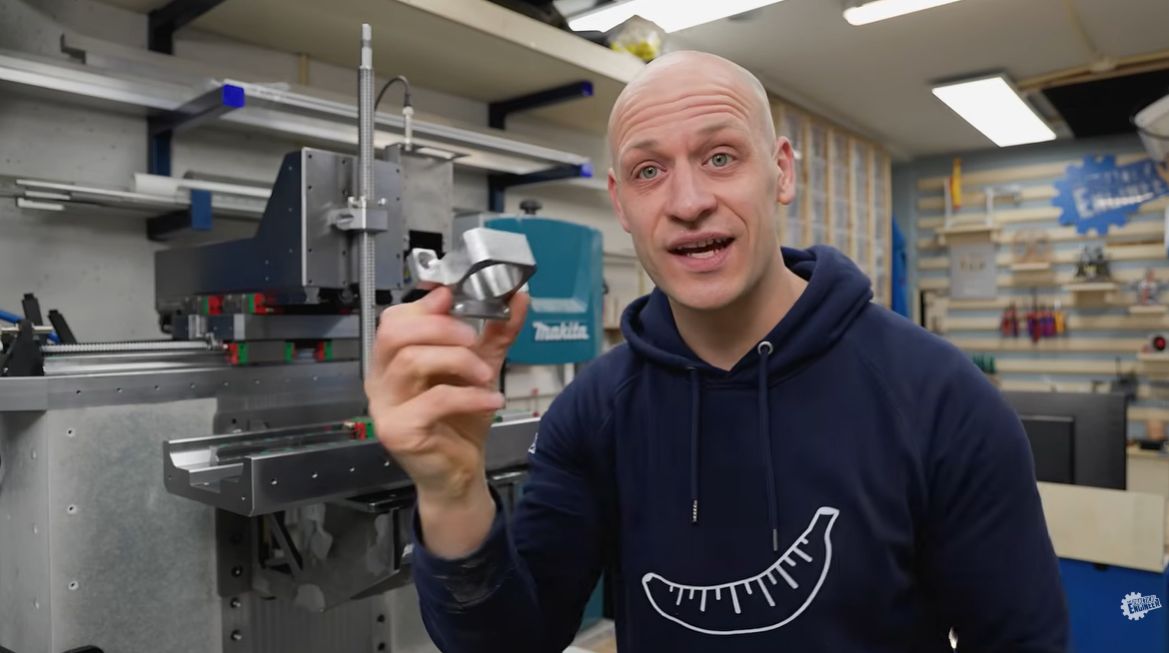

The 1-Millimetre Fix: How One Custom CNC Part Saved My 5-Axis Build
Machine Building
CNC Machining
Prototyping
Read Story
Building a CNC machine from scratch is full of moments where you find out whether your design actually works, or whether it only worked inside CAD. In the world of custom machine building, the transition from a digital model to physical assembly is rarely seamless. This was one of those moments.
Read Story
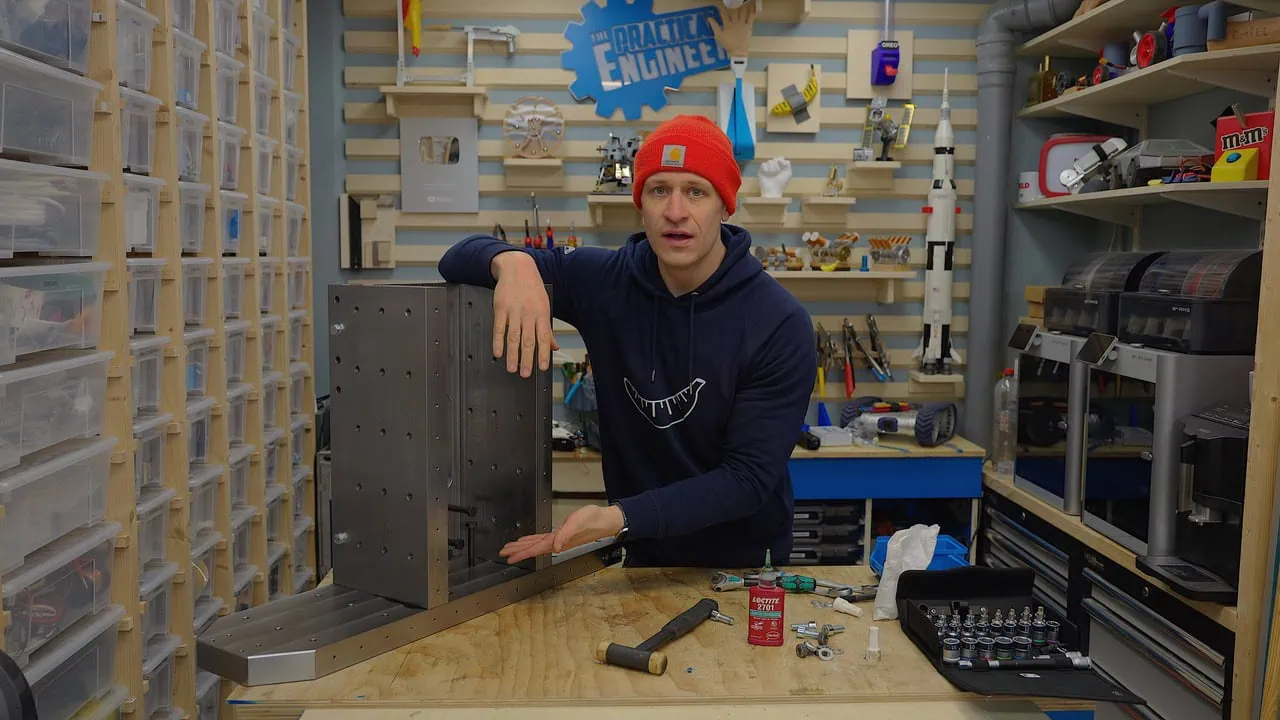
From Desktop Dreams to 400kg of Steel and Concrete: Building a High-Rigidity 5-Axis CNC
Machine Building
CNC Machining
Prototyping
Read Story
In the world of custom machine building, I’ve found there is a constant tug-of-war between theoretical performance and physical reality. As "The Practical Engineer," I dedicated this project to creating a 5-axis CNC machine that prioritizes rigidity over sheer speed.
Read Story
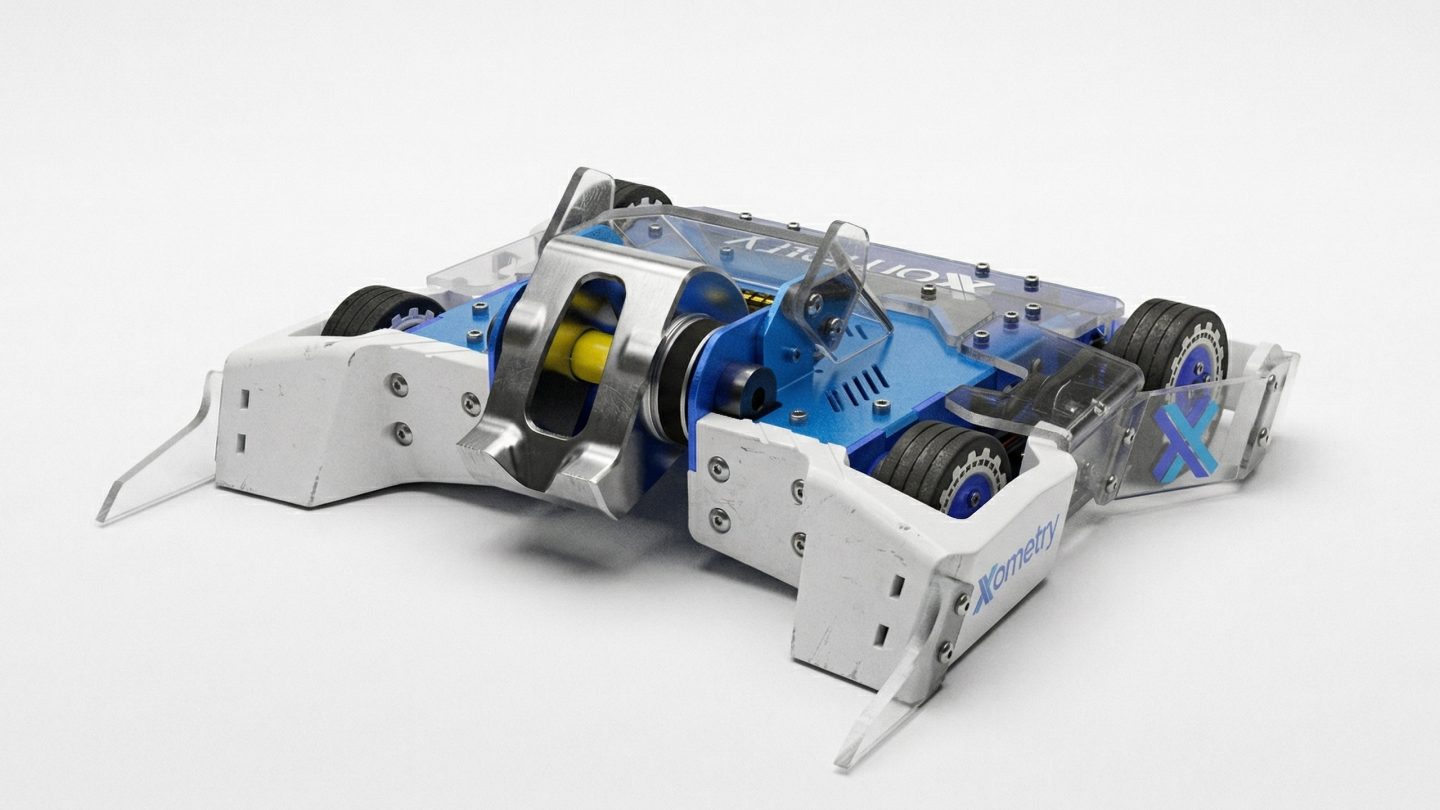
Torx Robot: The Story Behind Accu’s Engineering and Xometry’s Precision CNC Machining
Robotics
Machine Building
CNC Machining
Prototyping
Read Story
Go behind the scenes for the development of Torx: the combat robot built by Accu for FightFest 2026, with CNC machining support from Xometry. Explore the journey from the drawing board to the arena, showing how a combat robotics project takes shape, and see how Torx went on to win the official FightFest Championship trophy.
Read Story
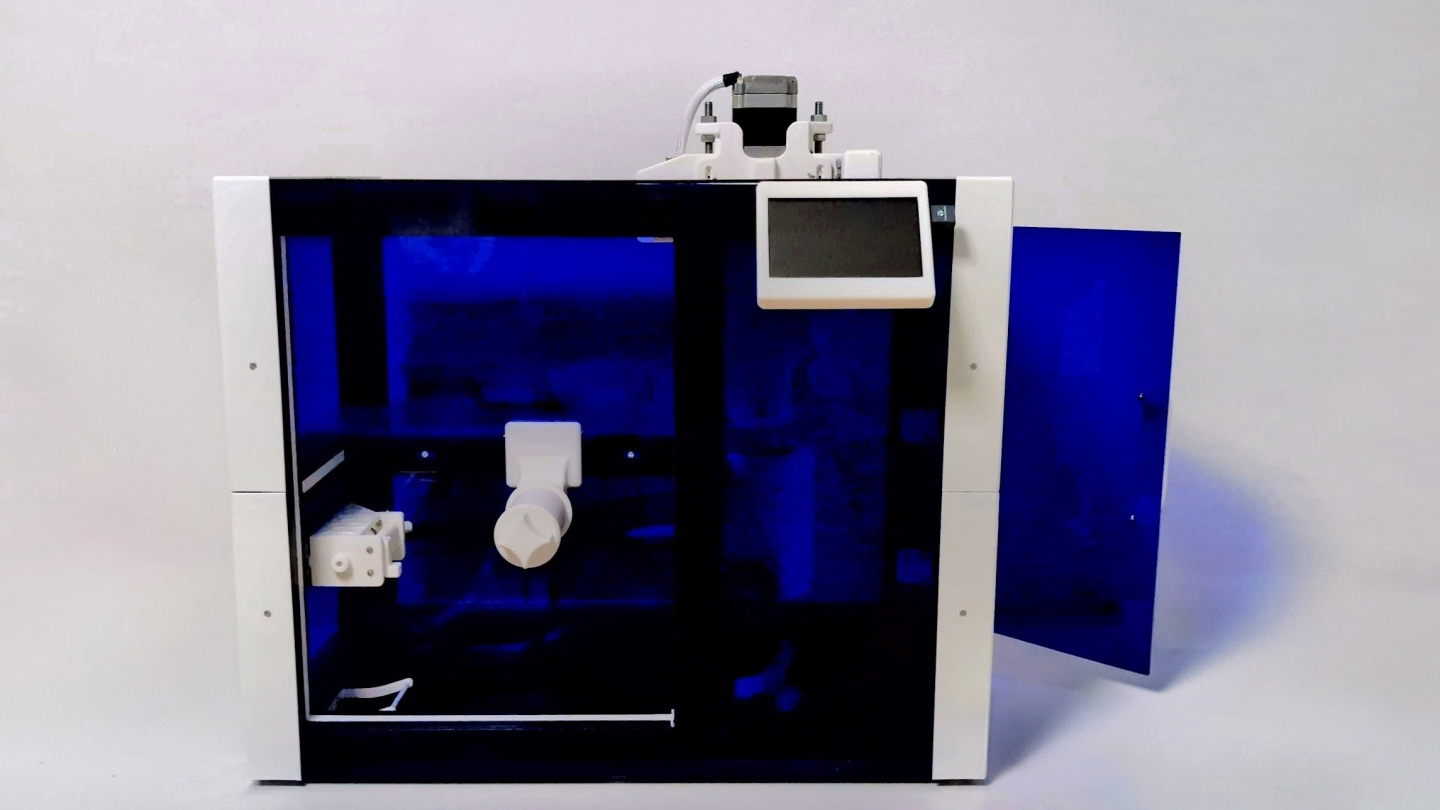

The Rethink of 3D Printing Waste and the Next Chapter of the Desktop Filament Recycler Story
Machine Building
3D Printing
CNC Machining
Prototyping
Read Story
By using agile testing and redesigning a double-sided support to resolve motor deformation and calibration challenges, the TGM student team successfully turned 3D printing waste into high-quality PLA filament.
Read Story
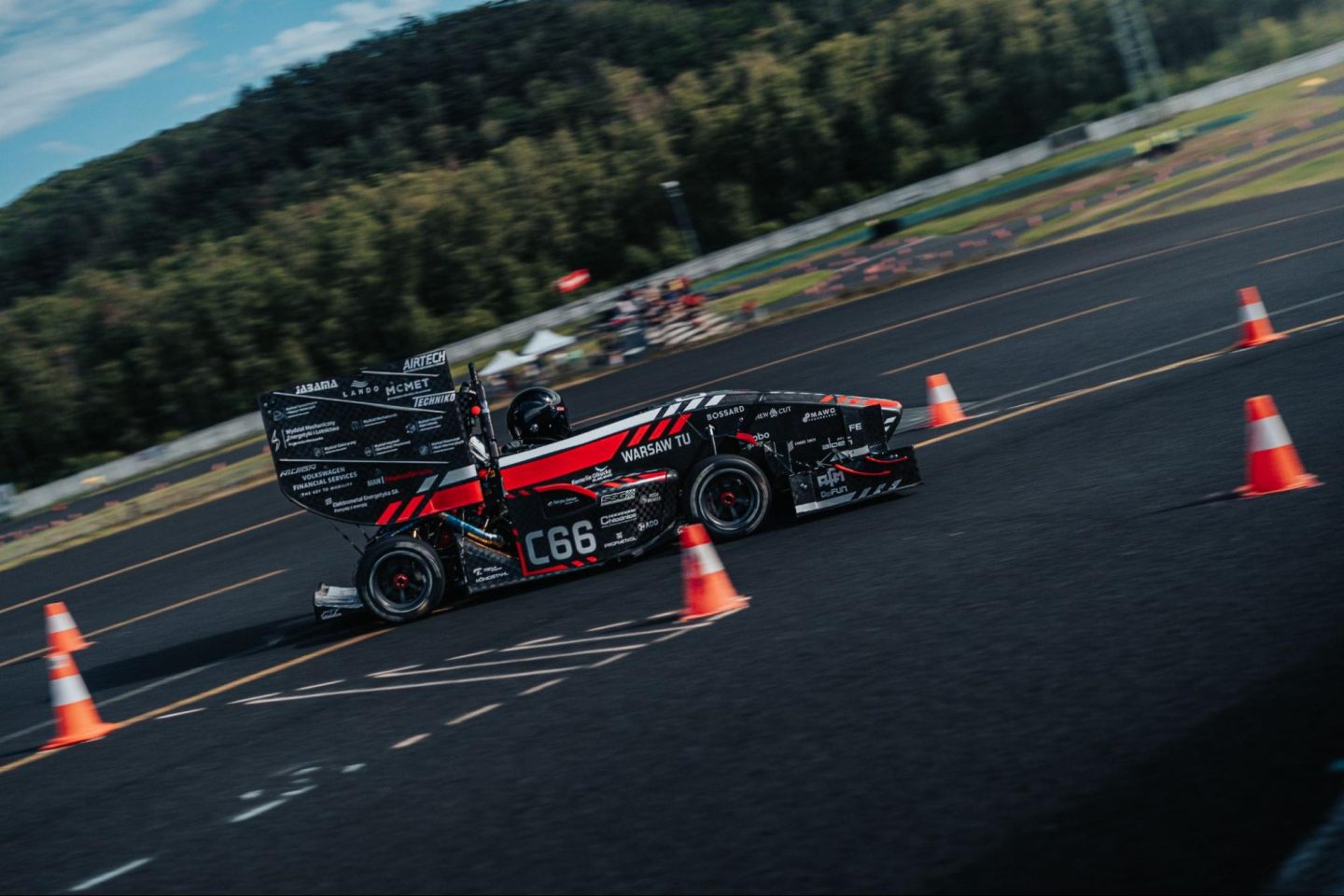

Inside the Engineering of the WUT-7 for Lightweight Performance
Automotive
CNC Machining
Prototyping
Read Story
Through topology optimization, refined kinematics, and a custom steering system, the WUT Racing team from Warsaw University of Technology reduced the weight of key WUT-7 components by over 50%, bringing their ultra-lightweight design from concept to track via precision manufacturing.
Read Story
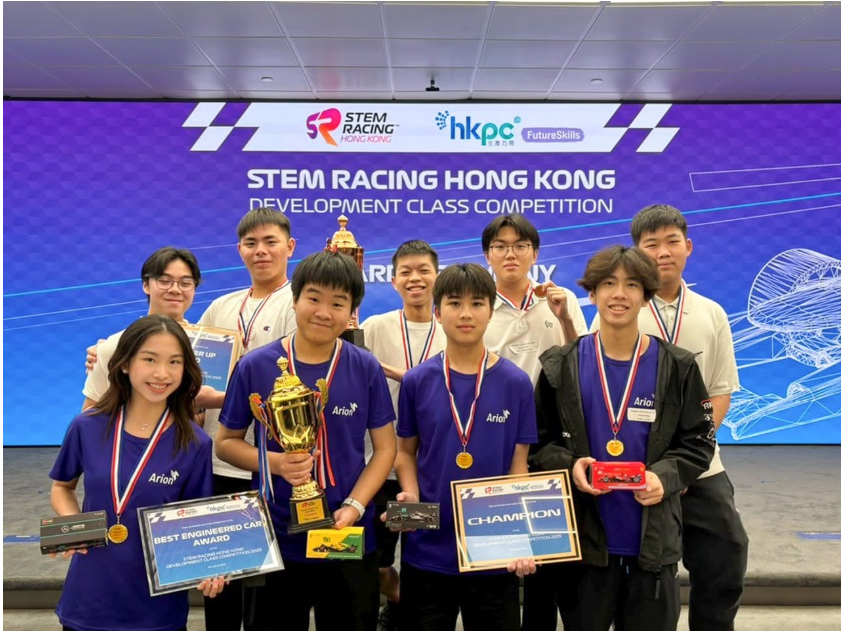

How AI-Powered On-Demand Manufacturing Helps a STEM Racing Team Achieve Faster Iteration and Championship Performance
Automotive
3D Printing
CNC Machining
Sheet Metal
R&D
Read Story
Team Arion, a student racing team from Singapore International School Hong Kong, used Xometry’s AI‑powered on‑demand manufacturing platform to overcome the hurdles of small‑batch, complex parts production, accelerated their design iterations, and went on to win the 2025 STEM Racing championship along with the Best Engineering Design Award.
Read Story