Industry
Energy
Country

New Zealand
Use case
R&D
Technology
CNC Machining
Product
Flow battery cell
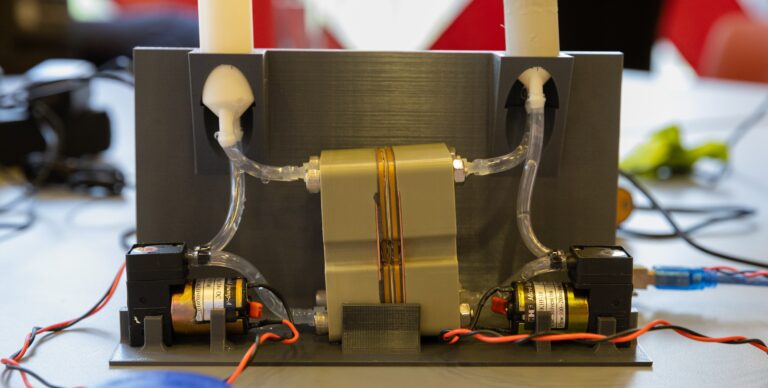
We wanted to aim for 10 complete kits, which meant we needed 20 machined cell bodies in a short amount of time. This is where Xometry came in. We received the parts in time for the workshop and had no issues with their assembly on-site. The workshop was successful and went off without a hitch.
Hi all, my name is Kirk Smith, and I am a working scientist developing an open-source flow battery as part of the Flow Battery Research Collective (FBRC). We are developing a research and teaching kit as the first step towards our goal of a functioning battery, which right now involves a bit of mechanical/chemical engineering and chemistry.
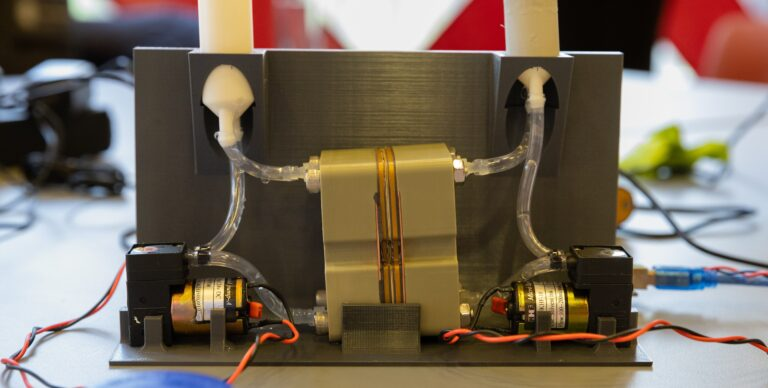
At FBRC, we are interested in flow batteries because of their potential to be low-cost, safe, and sustainable ways to store renewable energy. We have proven it is possible to develop them with minimal resources in amateur laboratory settings, like home laboratories and hackerspaces. This low-overhead R&D is possible because of their relatively simple construction and water-based electrolytes—compared to lithium-ion batteries, for example, which demand much more costly facilities for both development and production.
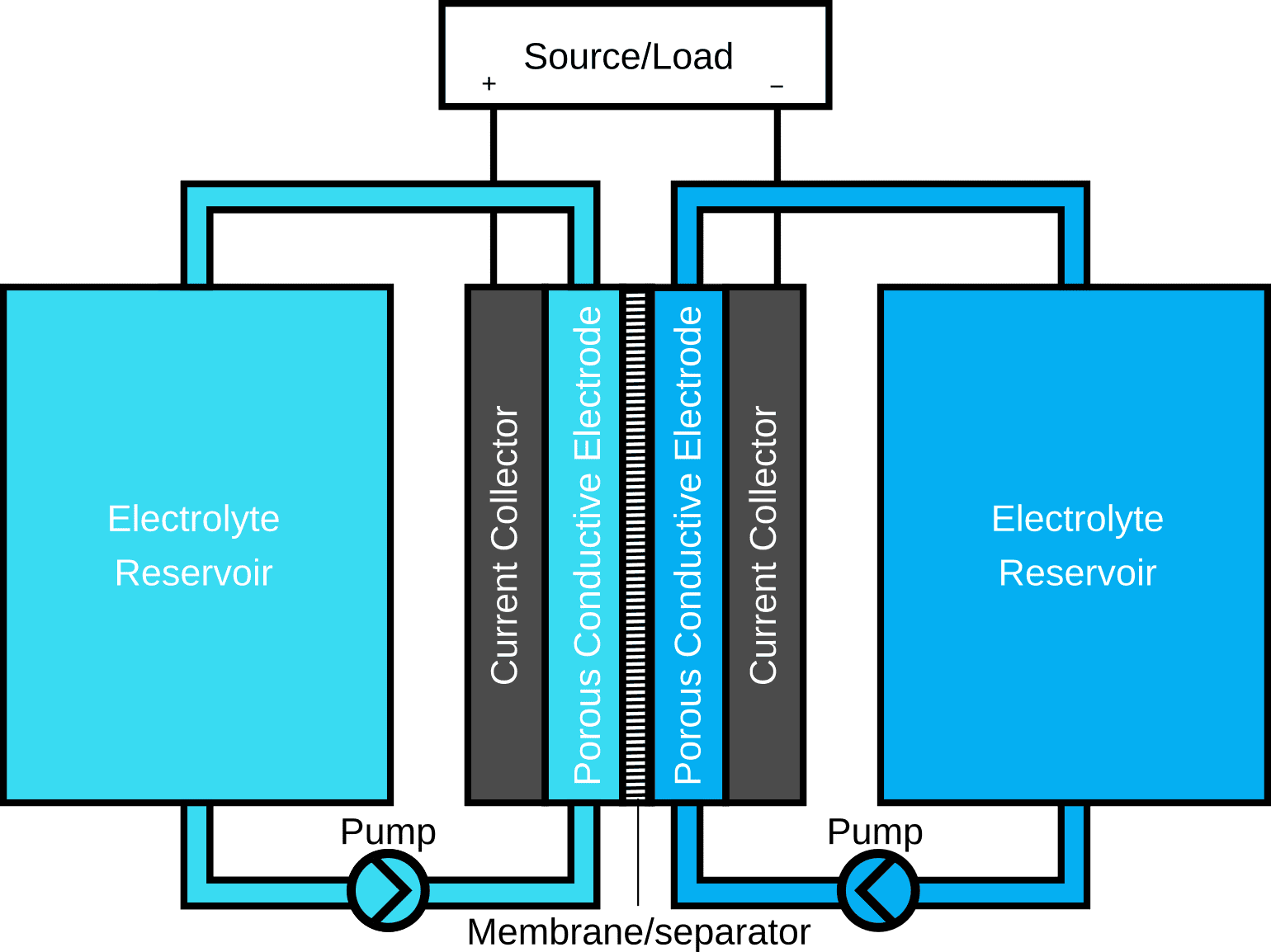
By helping make this technology accessible and taking an open-source development approach, we hope that innovation in flow batteries can accelerate. Ultimately, we expect to produce the designs and initial prototypes for a working flow battery, released under an open-source license that allows for commercial use.
To get there, however, we need to be able to precisely test intrinsic properties of these batteries at small scales. This is why we set out creating a development kit, to allow for reproducible research testing and instructional teaching use.
From Hackerspaces to High-Precision Parts: Engineering an Open-Source Flow Battery
Our team initially met through the internet—by stumbling upon each others’ blogs—and we happened to all live in different countries in the EU. Our development process has been geographically distributed—I would design parts in France, Josh would fabricate them at Lili’s Proto Lab in the Netherlands, and then send them to Daniel in Spain for experimental testing. This worked well enough for initial prototyping with FDM printing.
We wanted to develop an affordable flow battery development kit that was easy to manufacture and source components for. One key innovation was developing a cell that could use cheap and available graphite foil gasket material as a current collector, instead of more expensive and hard-to-get bipolar plate material. In addition, beyond just the flow cell and electrolyte, we wanted to develop and open-source the entire system: pumps, tubing, reservoirs, jigs, power electronics, etc. The devil is in the details, and we wanted to have a complete system to lower the barrier to entry as much as we could.
The initial version of our cell required machined polypropylene parts. We tried FDM printing, but the parts were not dimensionally accurate or rigid enough, and resin prints were not chemically compatible with our electrolytes.
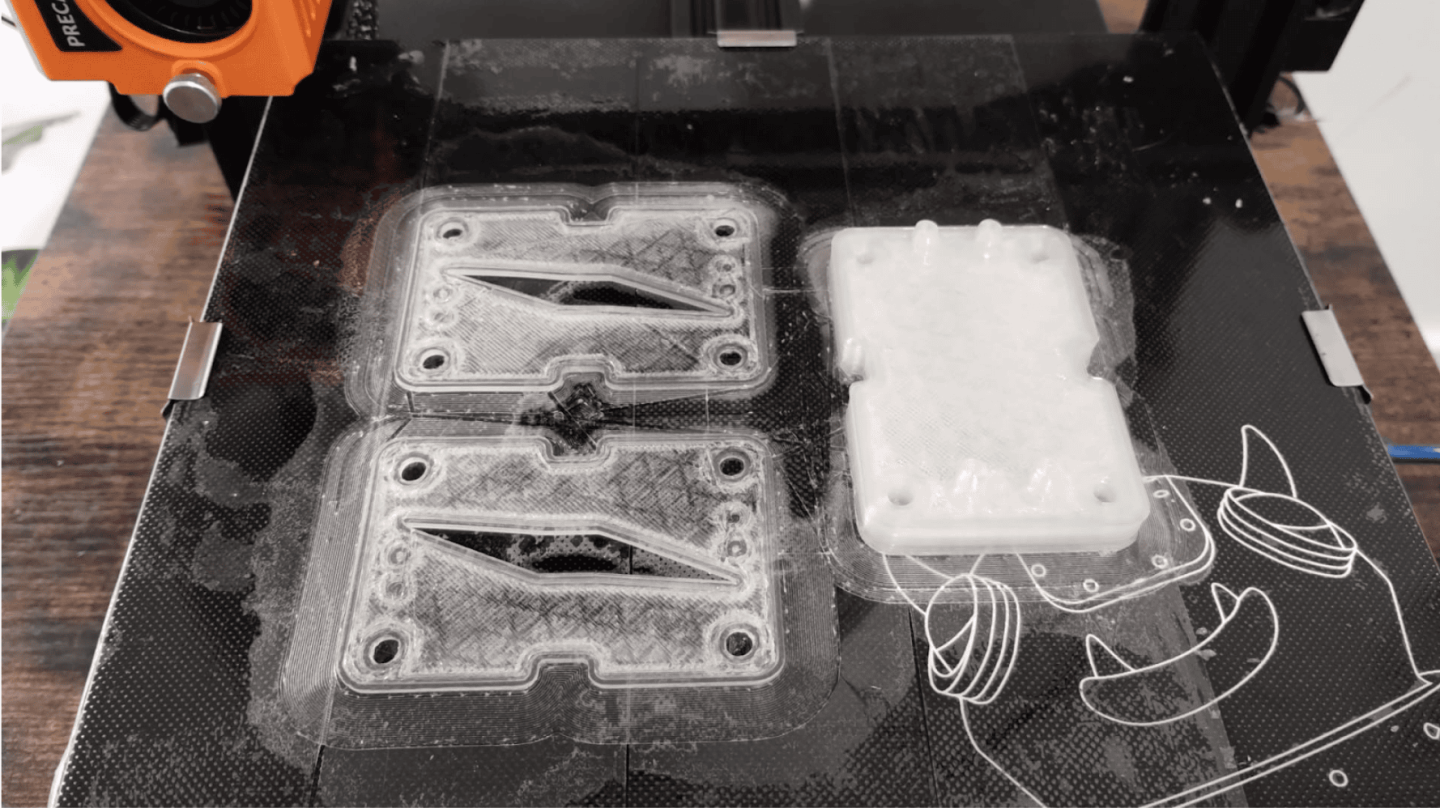
Initial tests printing polypropylene parts, a notorious material for FDM printing.
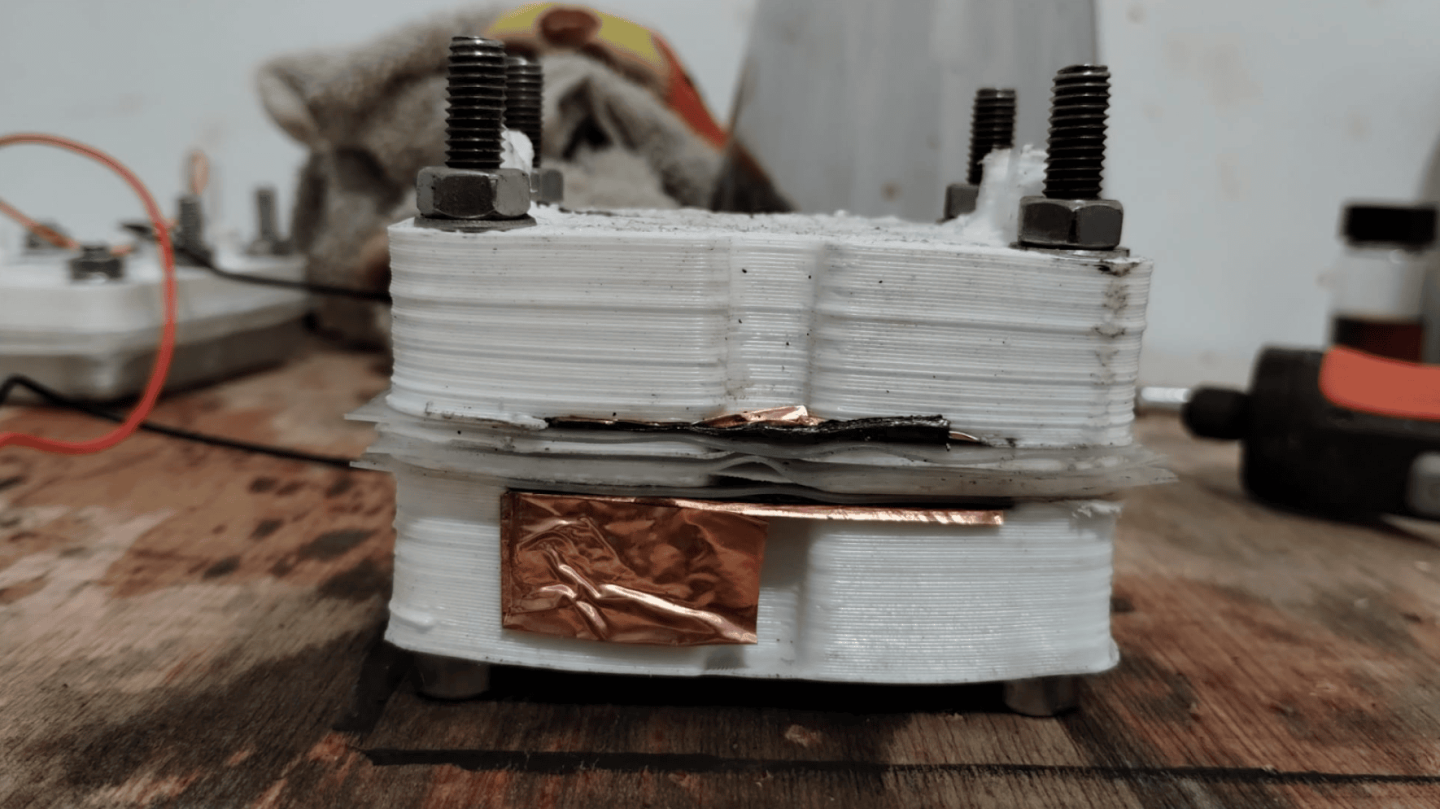
An early prototype of our cell, showing the serious warping of FDM-printed polypropylene parts
Scaling Innovation: How Digital Manufacturing Enables Open-Source Energy Storage
Prof Sanli Faez offered to host us for a workshop in the Netherlands through his FAIR Battery project, in which we would introduce the project and assemble cells (with water) with workshop participants. We wanted to aim for 10 complete kits, which meant we needed 20 machined cell bodies in a short amount of time.
This is where Xometry came in. We are researchers, and that is what we are best at—not fabrication! For certain applications, there is no substitute for milled parts, and we turned to Xometry to produce these components for our workshop. This is because we were unable to produce sufficiently rigid and fluid-tight parts in polypropylene with FDM printing, and SLA resin printing also could not give us the results we needed. The charged electrolytes we used for testing, which include triiodide species, are reactive with other FDM materials like ABS that might be otherwise stable in acid electrolytes. As a result, once we knew the geometry and approach of our cell was functional, we decided to mill these from solid polypropylene. The only change needed was to add tapped holes to place commercially available barbed fittings into, since that geometry was not suitable for milling.
We received the parts in time for the workshop and had no issues with their assembly on-site. The workshop was successful and went off without a hitch.
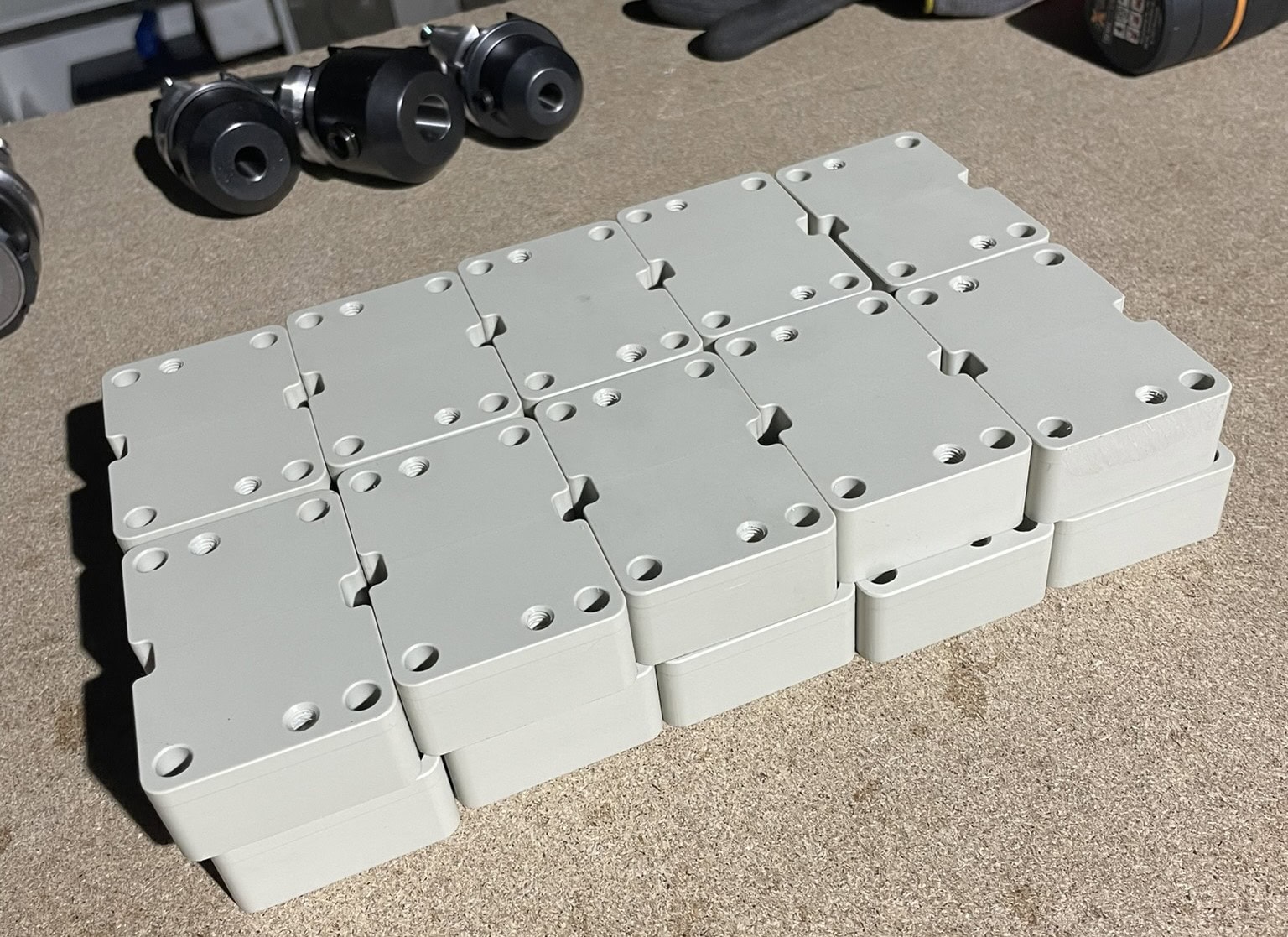
Machined polypropylene parts for the workshop produced through Xometry
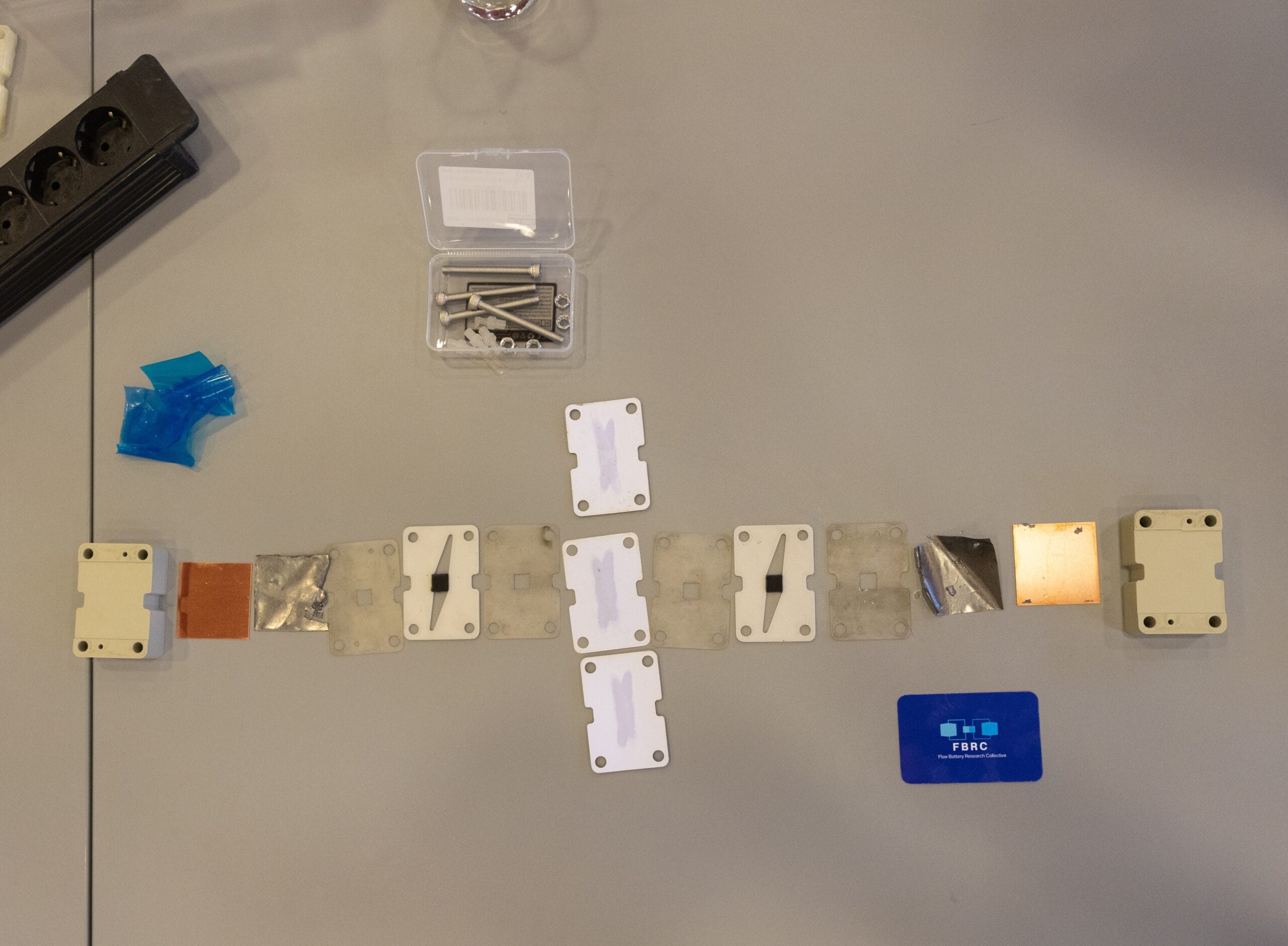
Hardware components of a cell assembled at the workshop
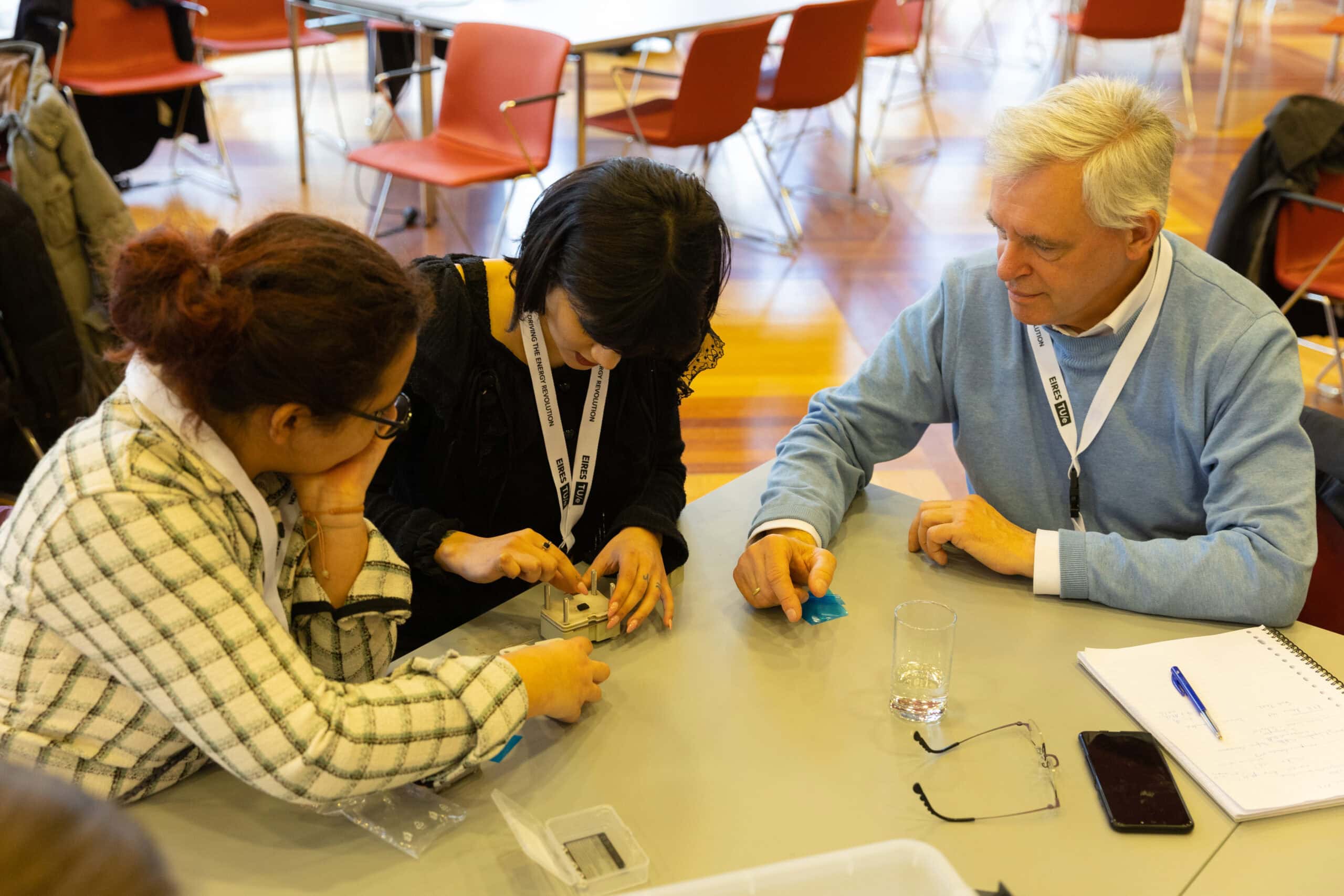
Workshop participants assembling a cell
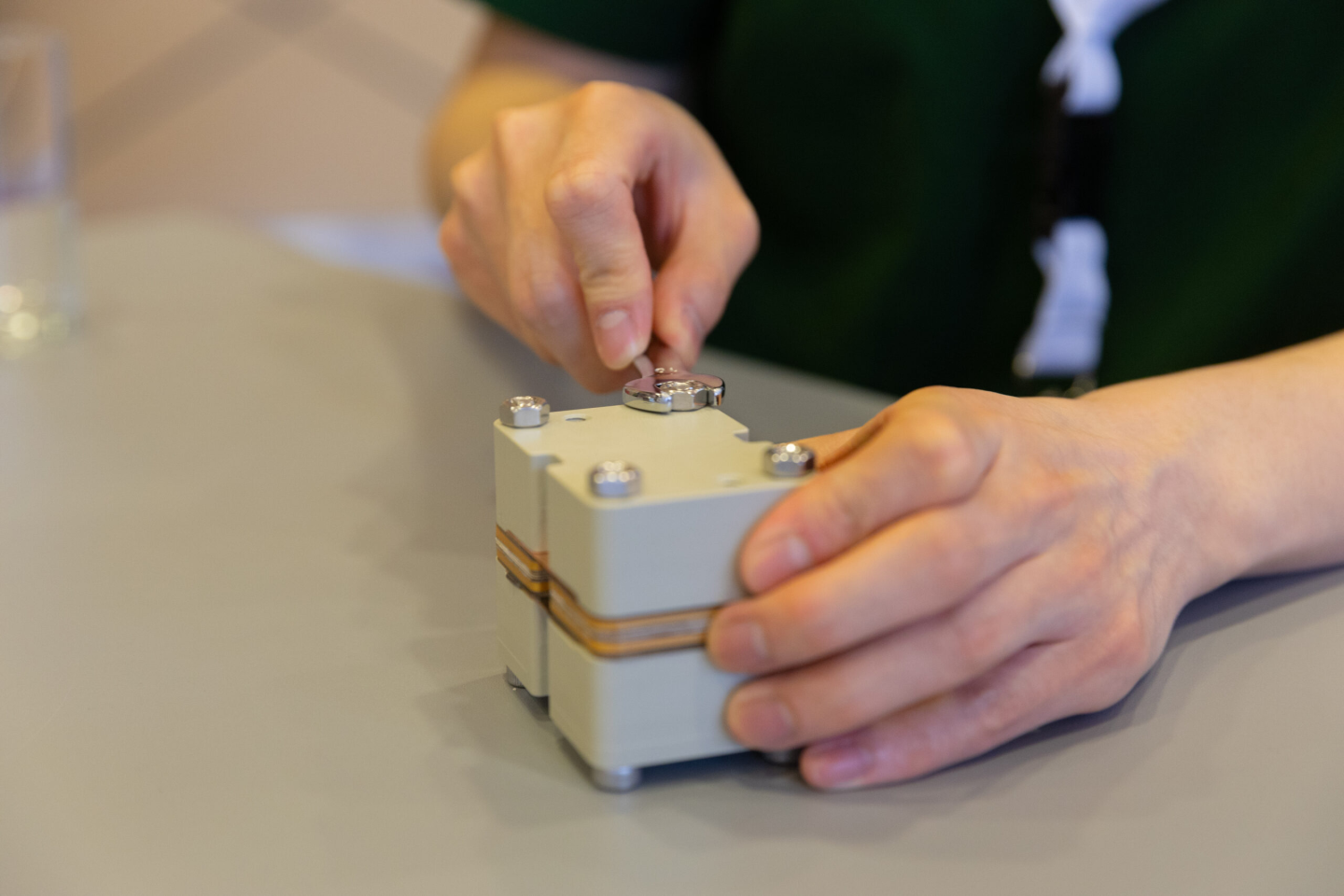
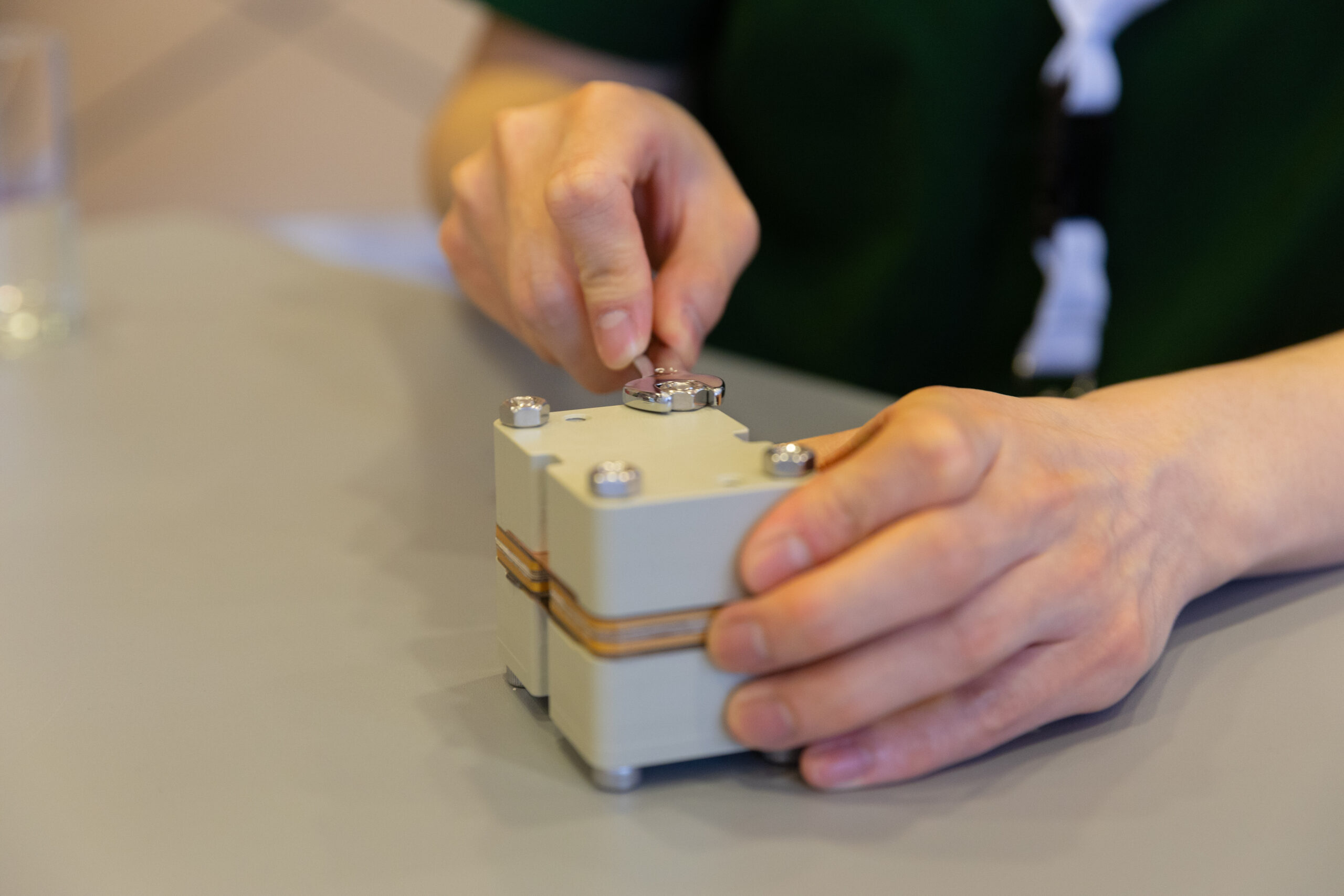
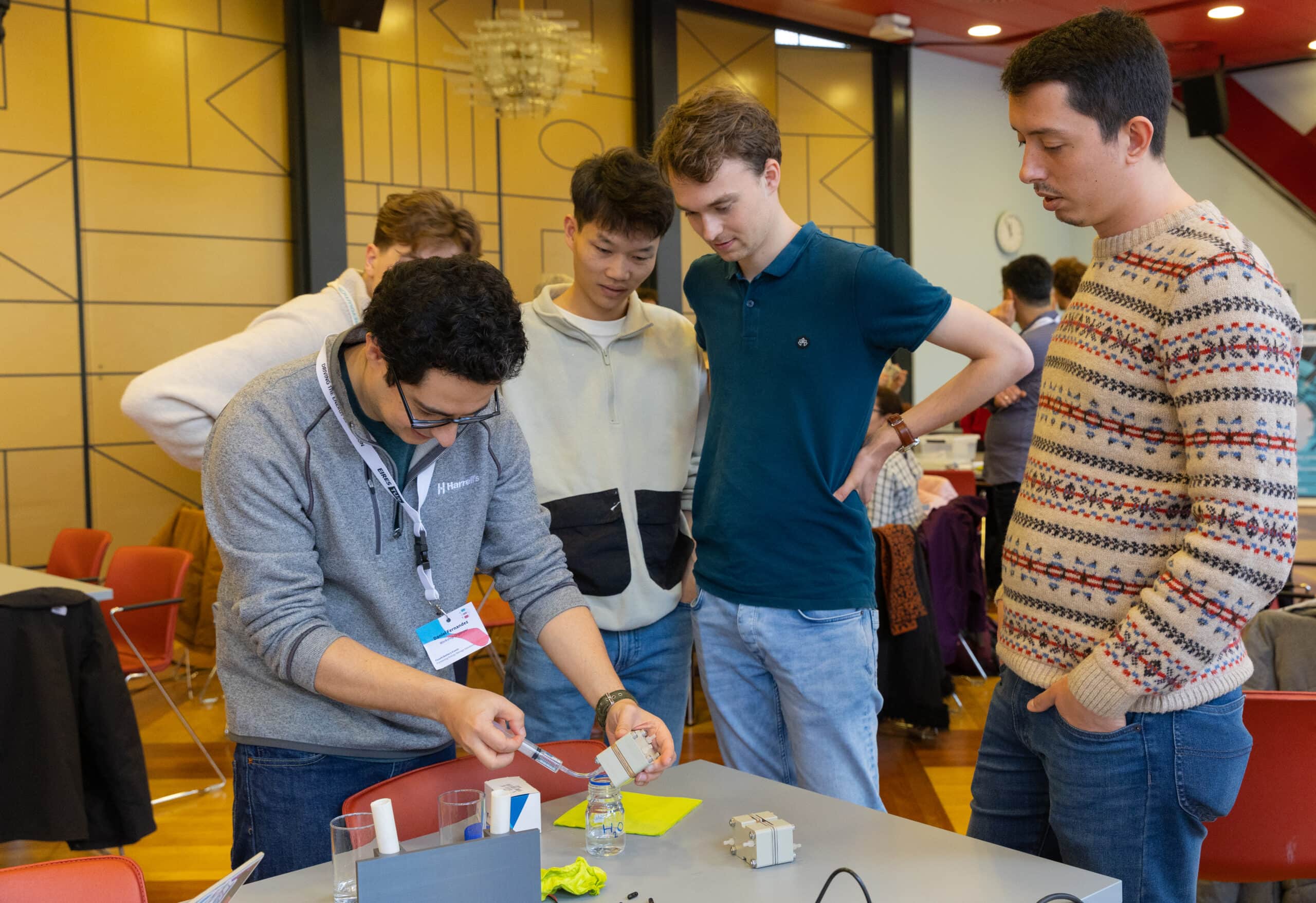
Manually pumping water through an assembled cell to test for leaks
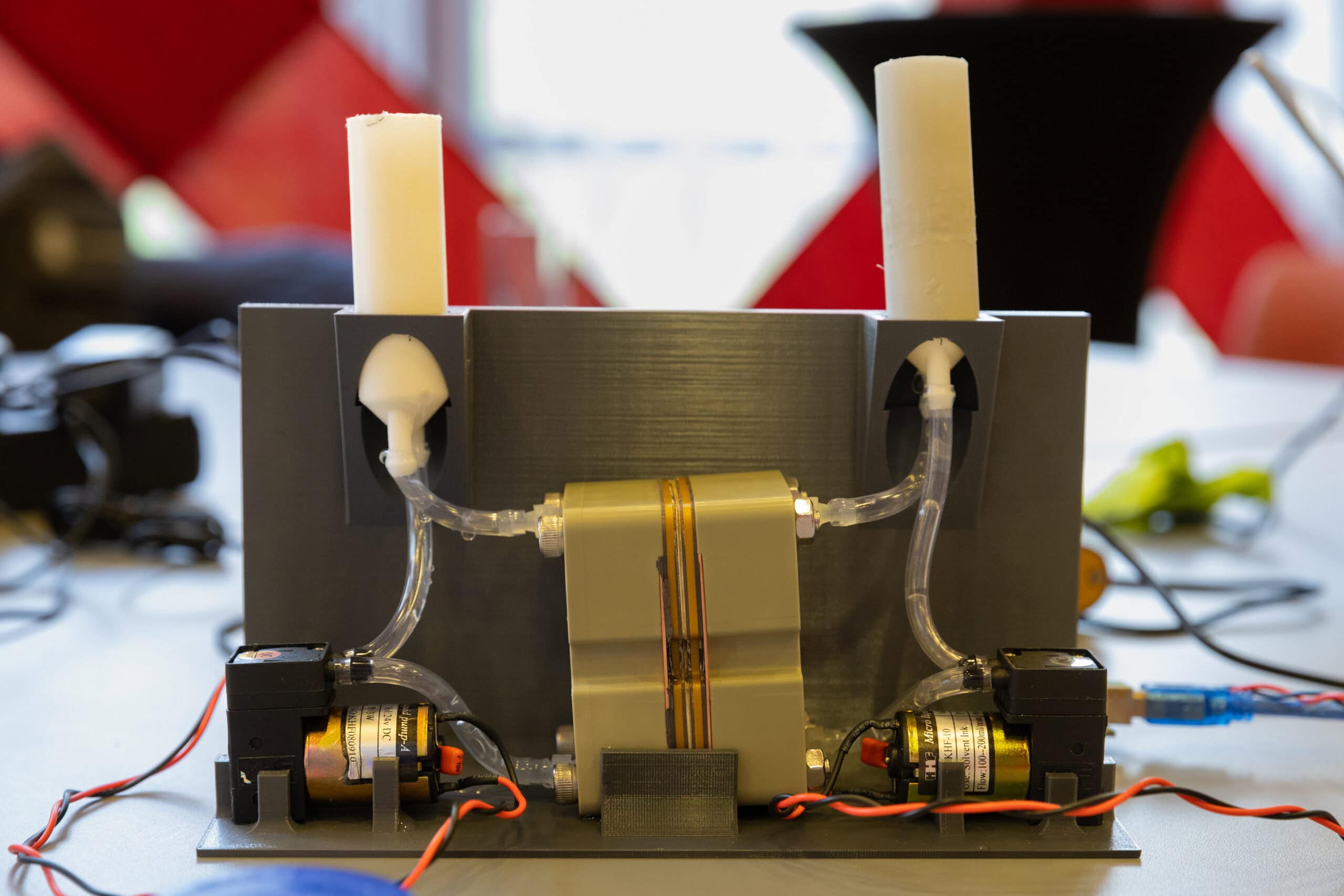
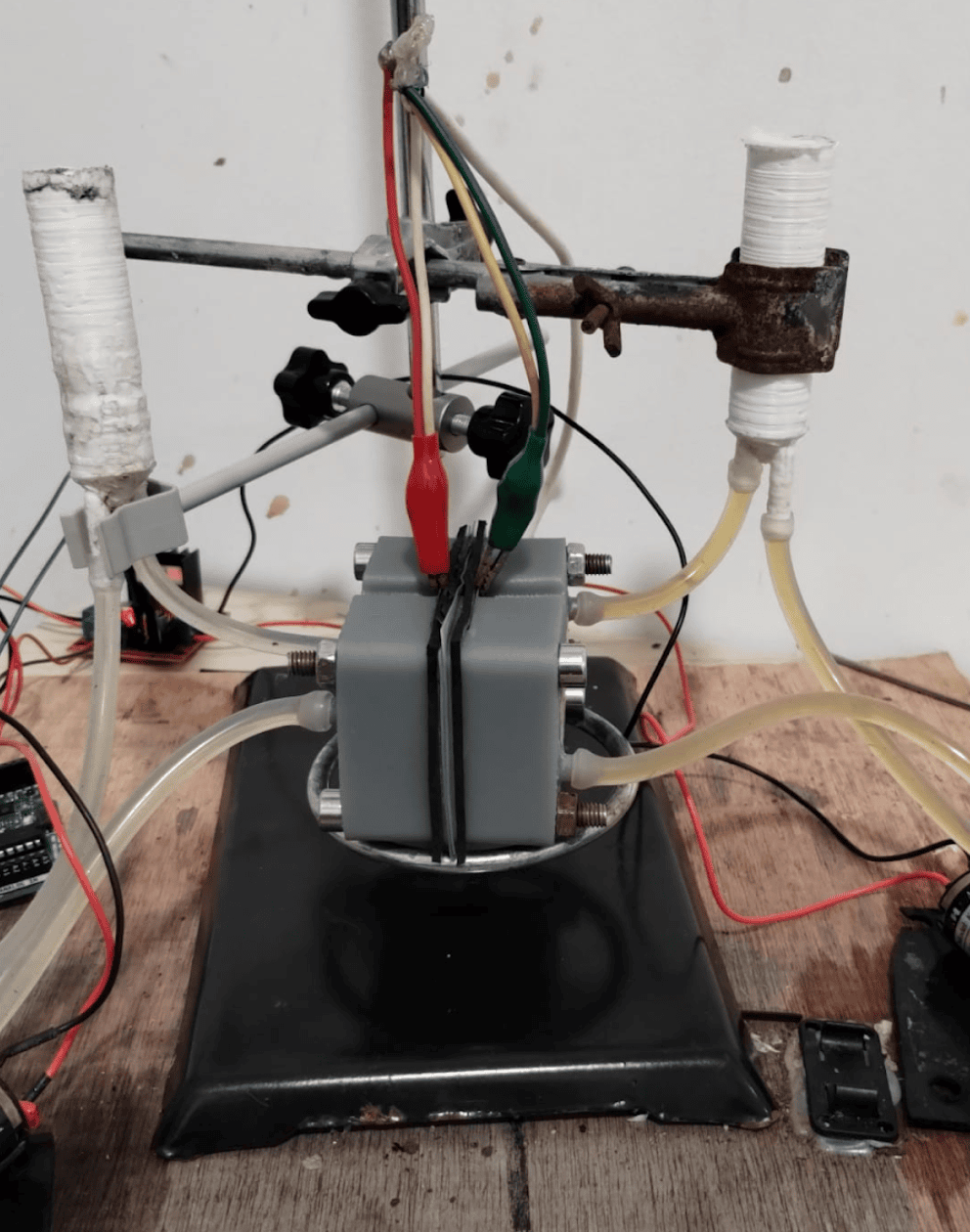
An assembled cell in a jig complete with additional system components
Since the workshop, we have made progress towards an improved version of the kit, which simplifies the manufacturing process somewhat. We no longer need machined plastic parts, but there are some metal components that are still best fabricated using subtractive machining.
As open-source hardware developers, we have been jealous of the ease with which software developers can clone a repository and make contributions. Engineers that develop printed circuit boards also now have standardized open-source tools like KiCAD and a wide array of manufacturers that offer quick turnaround times, lowering the barrier to development and shortening iteration cycles for PCB-based projects.
With digital fabrication services and open-source mechanical CAD tools like FreeCAD, it will be easier than ever for custom parts to be developed and tested by a global community. When 3D printing simply won’t do, projects like ours can slow down or stop because of the bottleneck of physical access to a machine shop with conventional tools and knowledgeable machinists. Without this limitation, projects like ours can innovate, iterate, and allow others to reproduce and contribute to our work much more easily than before.
You can follow along as our project progresses here, and hop in our forum if you have any questions or would like to get involved!
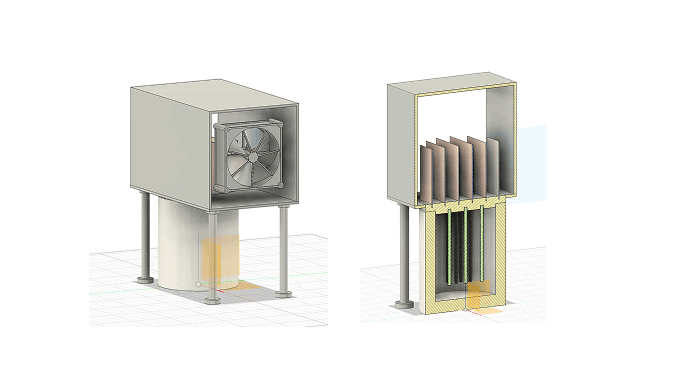

CoreSpin: Creating Better Heat Exchangers – One Protein at a Time
Energy
CNC Machining
R&D
Read Story
Our project brings biological thinking to a field it rarely touches: thermal engineering. We are developing a thermally conductive nanolayer that coats heat exchange surfaces to combat biofouling and the buildup of dust and sediment.
Read Story


Sferasol Manufactures A New Form of Solar Thermal Collector With Xometry
Energy
CNC Machining
Prototyping
Read Story
What amazed me about Xometry is a very empathetic approach, almost ‘micro-business style’, despite being a multinational: the ability to adapt to customer needs, with great responsiveness, and to immediately create a relationship of mutual trust. I must be honest: I don’t feel treated only as a customer. Technically speaking, Xometry helped us in speeding up our supply chain: we found certified suppliers for steel parts at a very competitive price, in a very short time.
Read Story
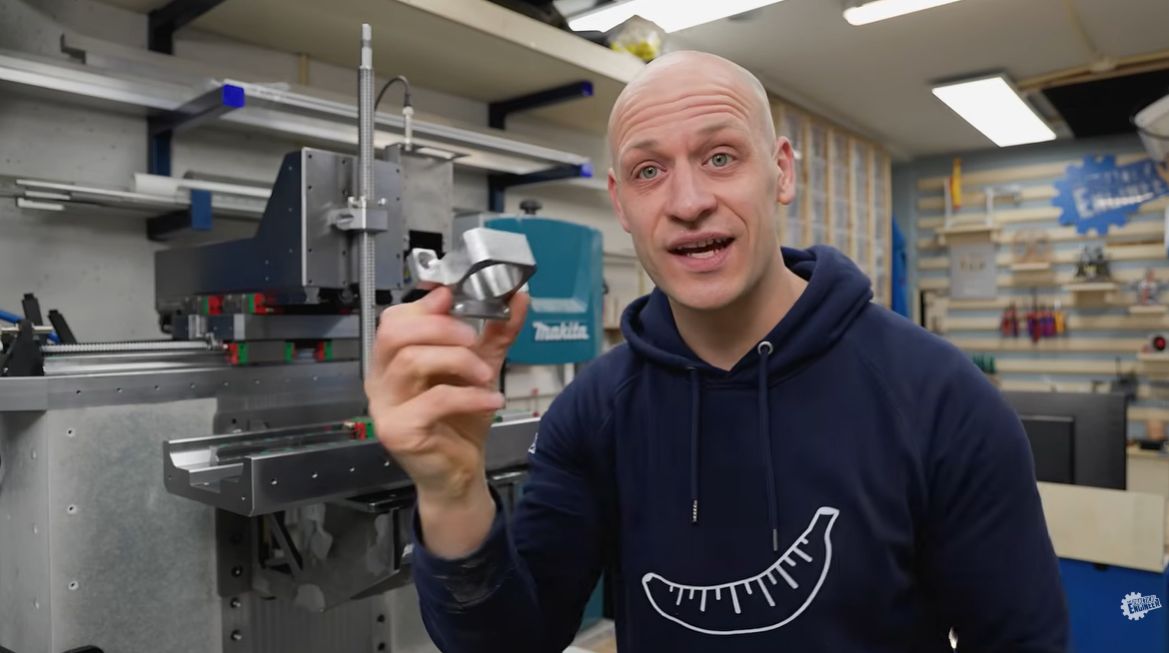
The 1-Millimetre Fix: How One Custom CNC Part Saved My 5-Axis Build
Machine Building
CNC Machining
Prototyping
Read Story
Building a CNC machine from scratch is full of moments where you find out whether your design actually works, or whether it only worked inside CAD. In the world of custom machine building, the transition from a digital model to physical assembly is rarely seamless. This was one of those moments.
Read Story
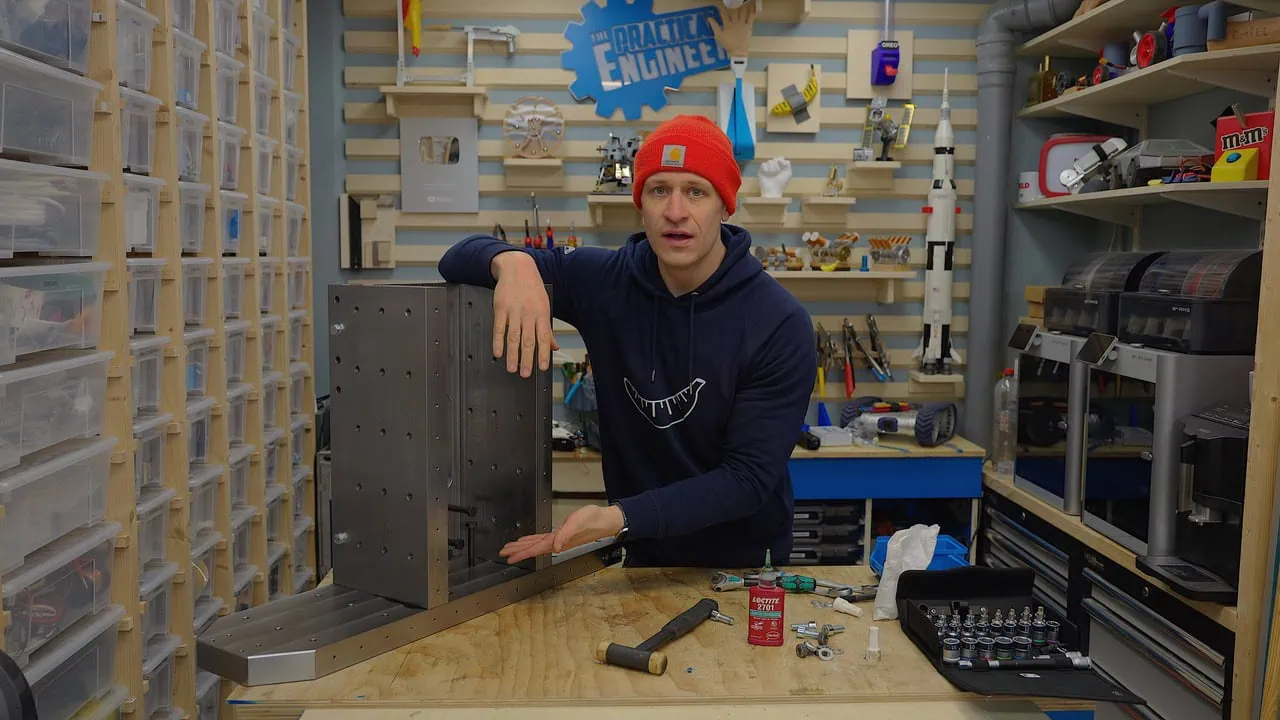
From Desktop Dreams to 400kg of Steel and Concrete: Building a High-Rigidity 5-Axis CNC
Machine Building
CNC Machining
Prototyping
Read Story
In the world of custom machine building, I’ve found there is a constant tug-of-war between theoretical performance and physical reality. As "The Practical Engineer," I dedicated this project to creating a 5-axis CNC machine that prioritizes rigidity over sheer speed.
Read Story
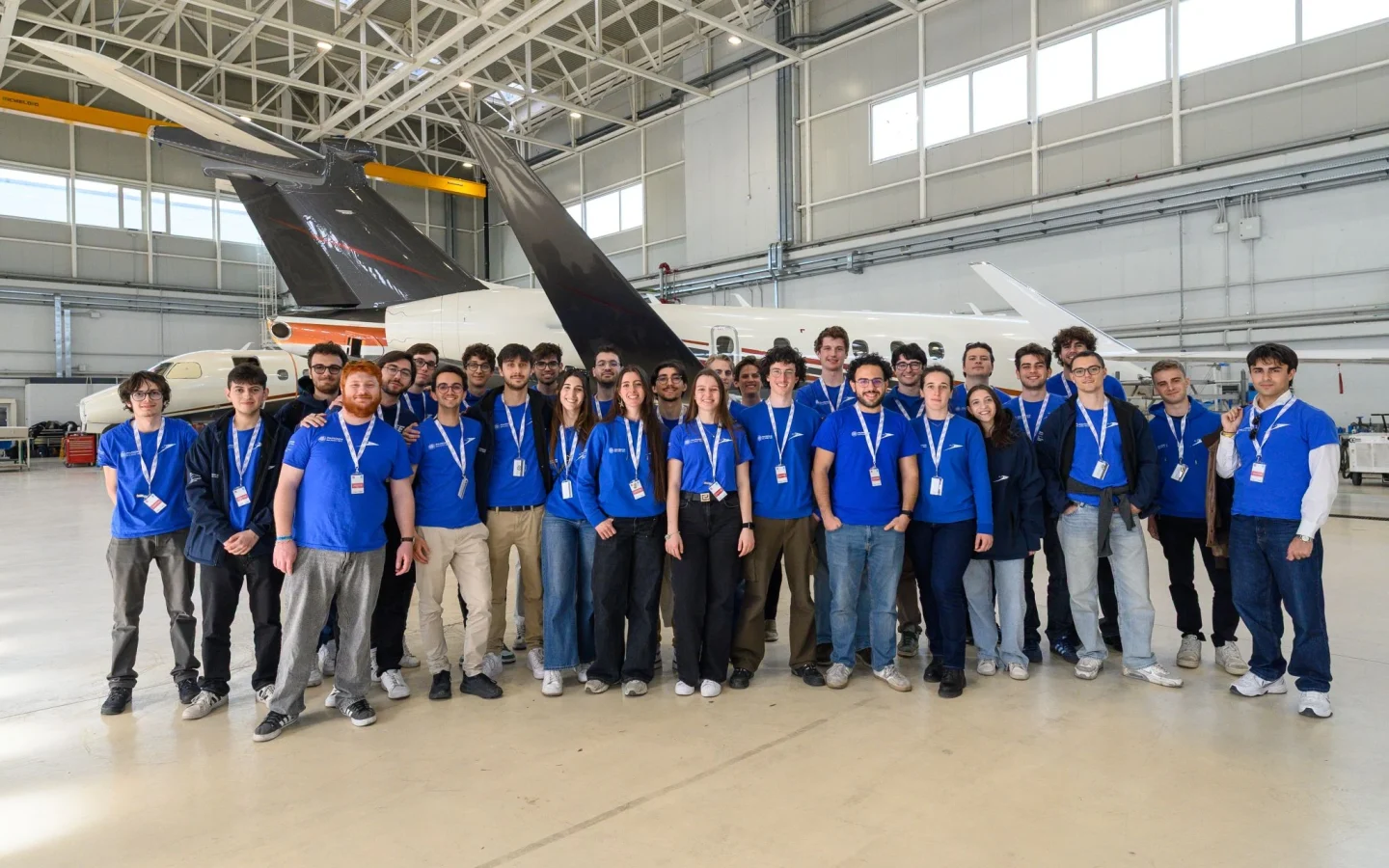
How Fly-Mi Team Prepares a Cargo UAV for the Air Cargo Challenge
Aerospace
CNC Machining
Prototyping
Read Story
Preparing for the 2026 Air Cargo Challenge, the Fly-Mi team is developing Heméra, a fixed-wing UAV designed for maximum payload transport. This project integrates advanced aerodynamics, structural FEM analysis, and precision-engineered aluminum tooling to create a twin-motor aircraft capable of reaching flight speeds of 35 m/s.
Read Story
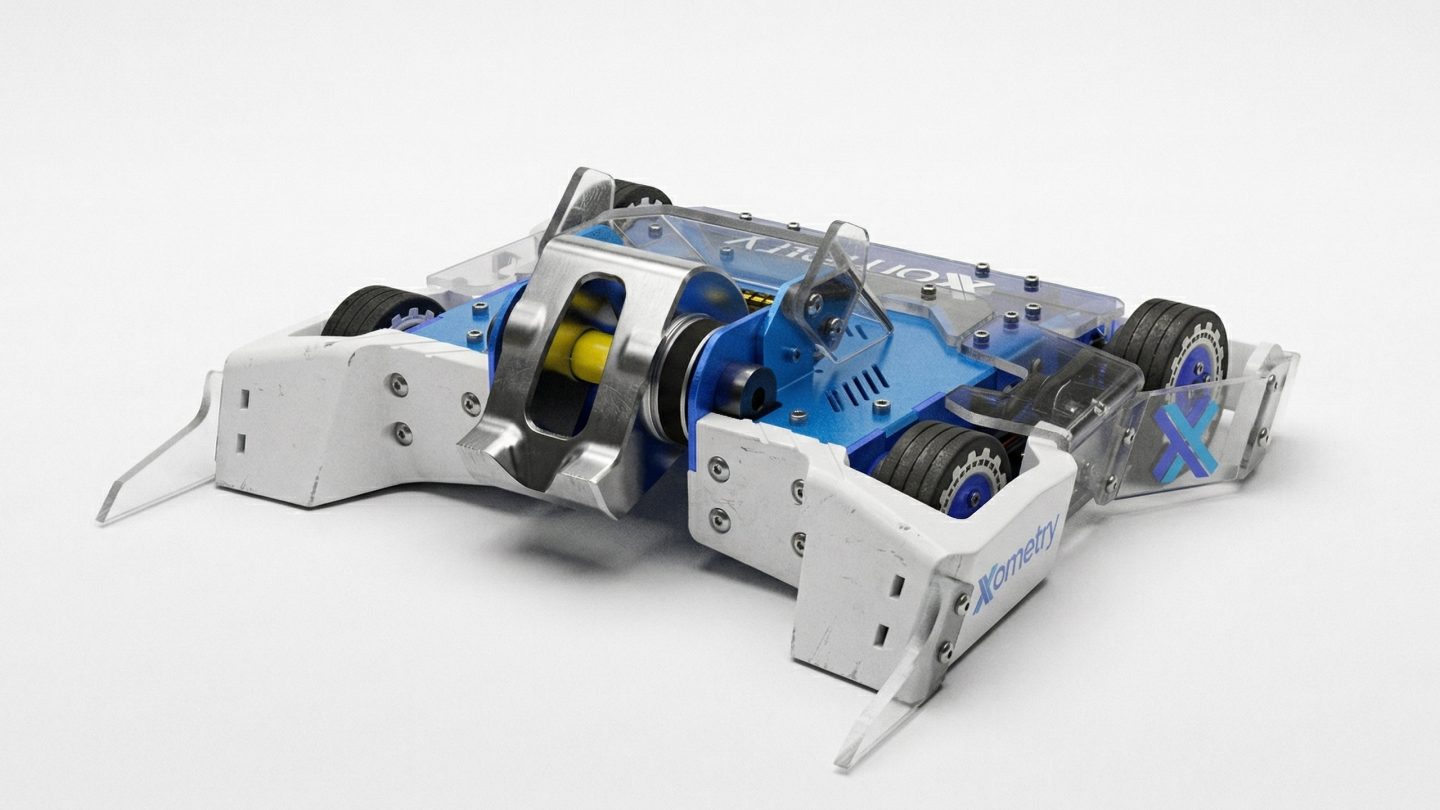

Torx Robot: The Story Behind Accu’s Engineering and Xometry’s Precision CNC Machining
Robotics
Machine Building
CNC Machining
Prototyping
Read Story
Go behind the scenes for the development of Torx: the combat robot built by Accu for FightFest 2026, with CNC machining support from Xometry. Explore the journey from the drawing board to the arena, showing how a combat robotics project takes shape, and see how Torx went on to win the official FightFest Championship trophy.
Read Story
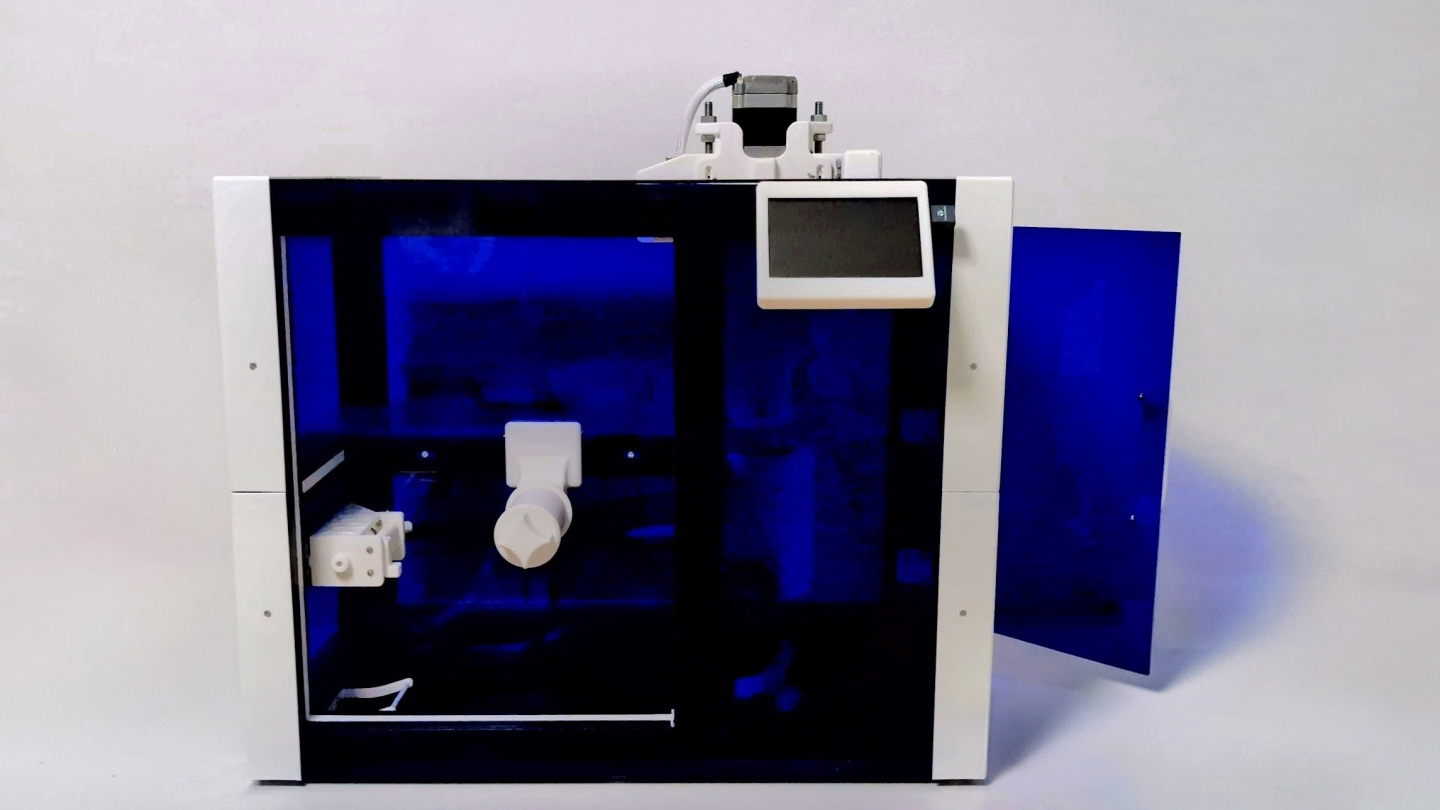

The Rethink of 3D Printing Waste and the Next Chapter of the Desktop Filament Recycler Story
Machine Building
3D Printing
CNC Machining
Prototyping
Read Story
By using agile testing and redesigning a double-sided support to resolve motor deformation and calibration challenges, the TGM student team successfully turned 3D printing waste into high-quality PLA filament.
Read Story
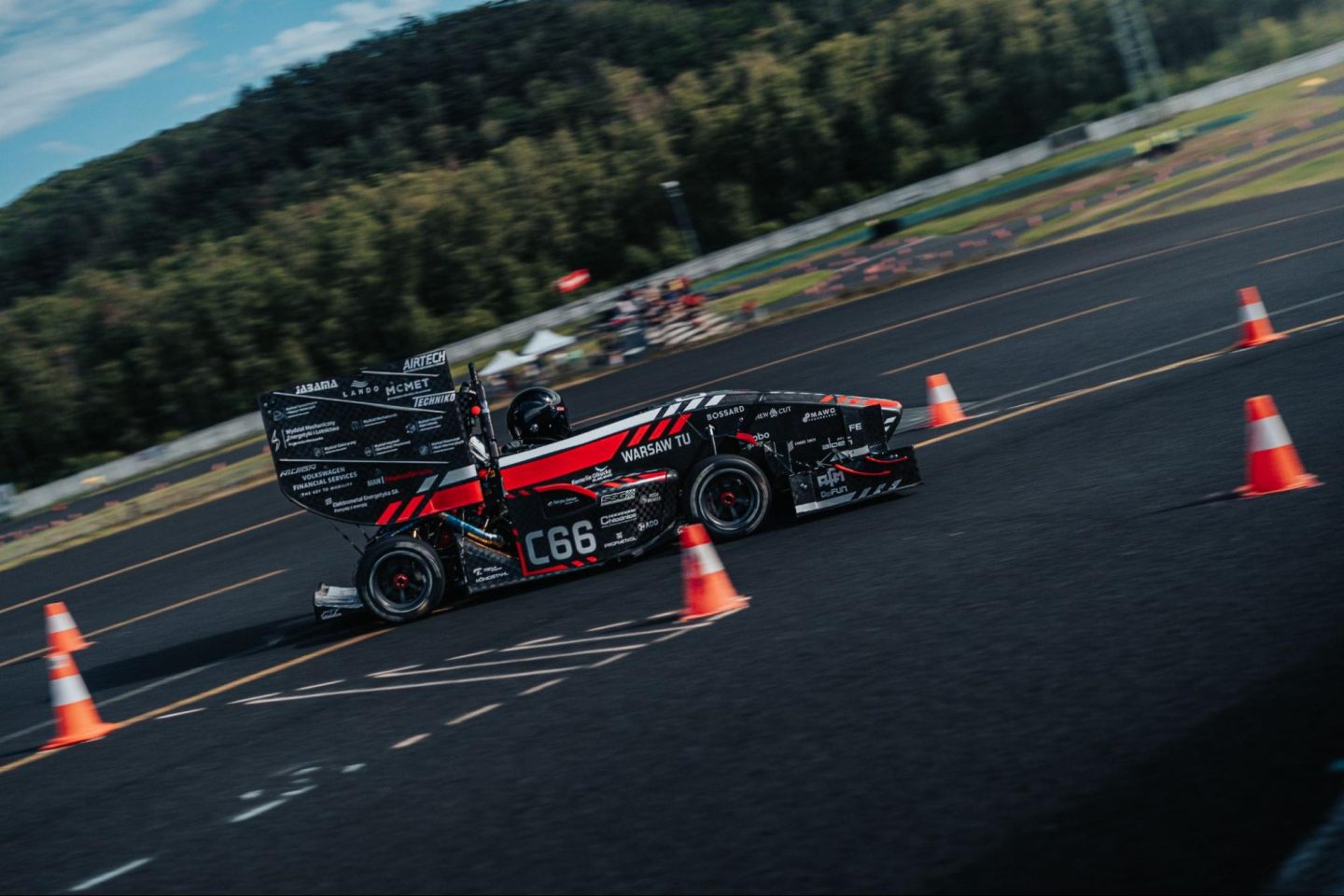

Inside the Engineering of the WUT-7 for Lightweight Performance
Automotive
CNC Machining
Prototyping
Read Story
Through topology optimization, refined kinematics, and a custom steering system, the WUT Racing team from Warsaw University of Technology reduced the weight of key WUT-7 components by over 50%, bringing their ultra-lightweight design from concept to track via precision manufacturing.
Read Story
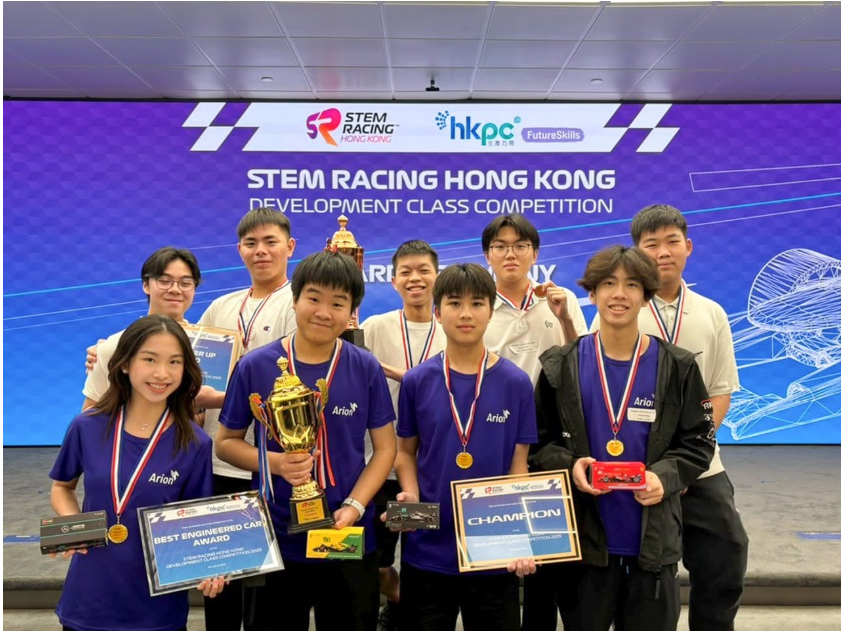

How AI-Powered On-Demand Manufacturing Helps a STEM Racing Team Achieve Faster Iteration and Championship Performance
Automotive
3D Printing
CNC Machining
Sheet Metal
R&D
Read Story
Team Arion, a student racing team from Singapore International School Hong Kong, used Xometry’s AI‑powered on‑demand manufacturing platform to overcome the hurdles of small‑batch, complex parts production, accelerated their design iterations, and went on to win the 2025 STEM Racing championship along with the Best Engineering Design Award.
Read Story
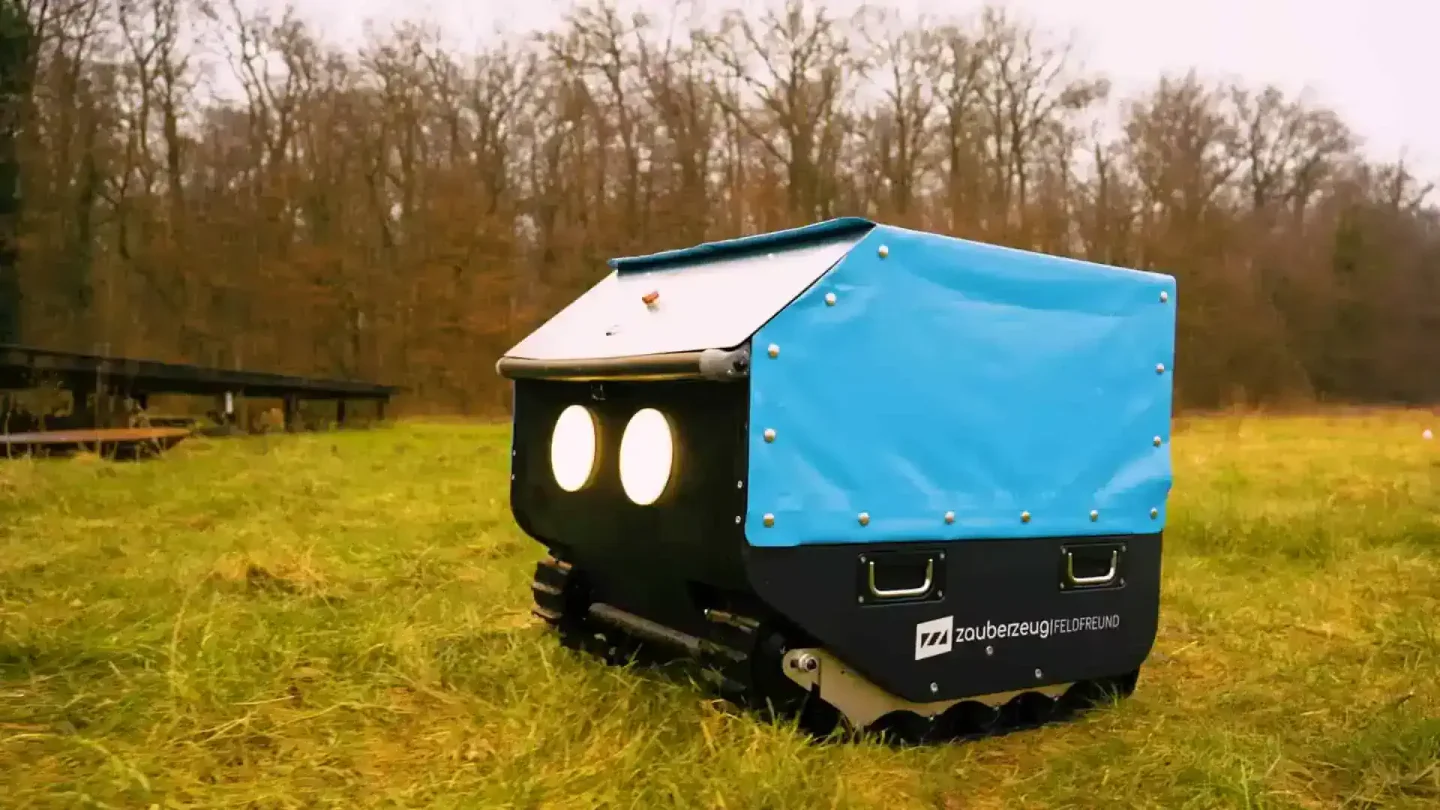

How Zauberzeug Uses Xometry for Fast and Efficient Sourcing of High-Tech Agricultural Robot Components
Robotics
Machine Building
CNC Machining
Procurement, Prototyping
Read Story
With Xometry, we have found a manufacturing partner that supports our development philosophy. The ability to quickly and precisely order small batches of parts gives us the freedom to iteratively improve our robots. This flexibility is essential to our innovation process.
Read Story
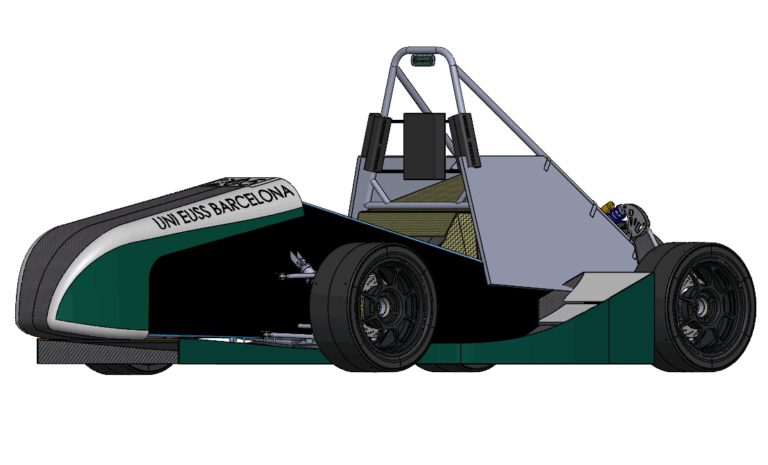

Building the EM-05: Our Journey to EUSS Motorsport’s Most Innovative Electric Race Car
Automotive
CNC Machining
Prototyping
Read Story
The transition to electric has been a steep learning curve, but what keeps us moving forward is our ability to adapt and to work closely as a team. Every mistake or setback becomes a lesson that makes us stronger. Even when continuity is difficult, with experienced members graduating and new ones joining, the project itself becomes the bridge, carrying knowledge and experience forward.
Read Story
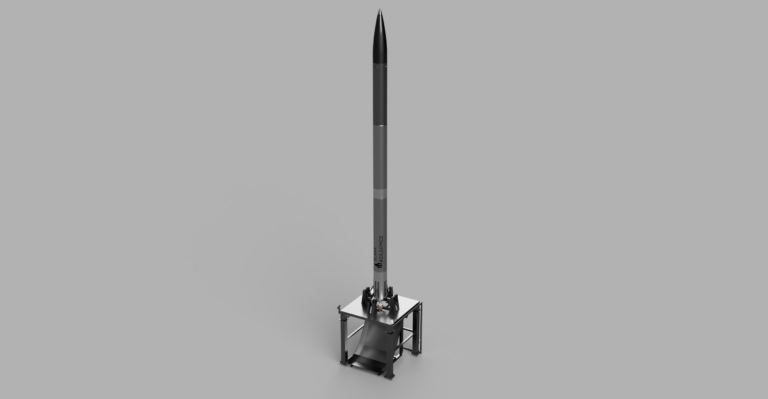
From Tunneling to the Stars – How Elara Aerospace Is Advancing Suborbital Rocket Engineering in Europe
Aerospace
CNC Machining
R&D
Read Story
To turn these components into reality, we required high-precision manufacturing with fast turnaround times. Through Xometry, we produced a brass test chamber for our injector experiments, machined to the specifications needed for our early-stage testing.
Read Story