Cellsius, a student engineering team at ETH Zurich, developed the H2-Sling, a hydrogen-powered ultralight aircraft for emission-free flight over the Gotthard Pass. With Xometry's CNC machining, they produced a custom aluminum top plate connecting the PEM fuel cell to auxiliary components, requiring tight tolerances and complex geometry. The aircraft carries 5.2kg of hydrogen, achieving 200km range at 162km/h.
Industry
Aerospace
Country

Switzerland
Use case
Prototyping
Technology
CNC Machining
Materials
Aluminum
Product
H2-Sling Hydrogen-Powered Ultralight Aircraft
We designed it with maximum strength-to-weight efficiency in mind, combining tight tolerances with complex geometry. Since producing a part this precise was beyond our in-house capabilities, we relied on external manufacturing to bring it to life. Working with Xometry’s digital manufacturing platform proved to be a practical solution. The ordering process was simple, and the part was delivered exactly to spec, which helped us stay on schedule and move forward with system integration.
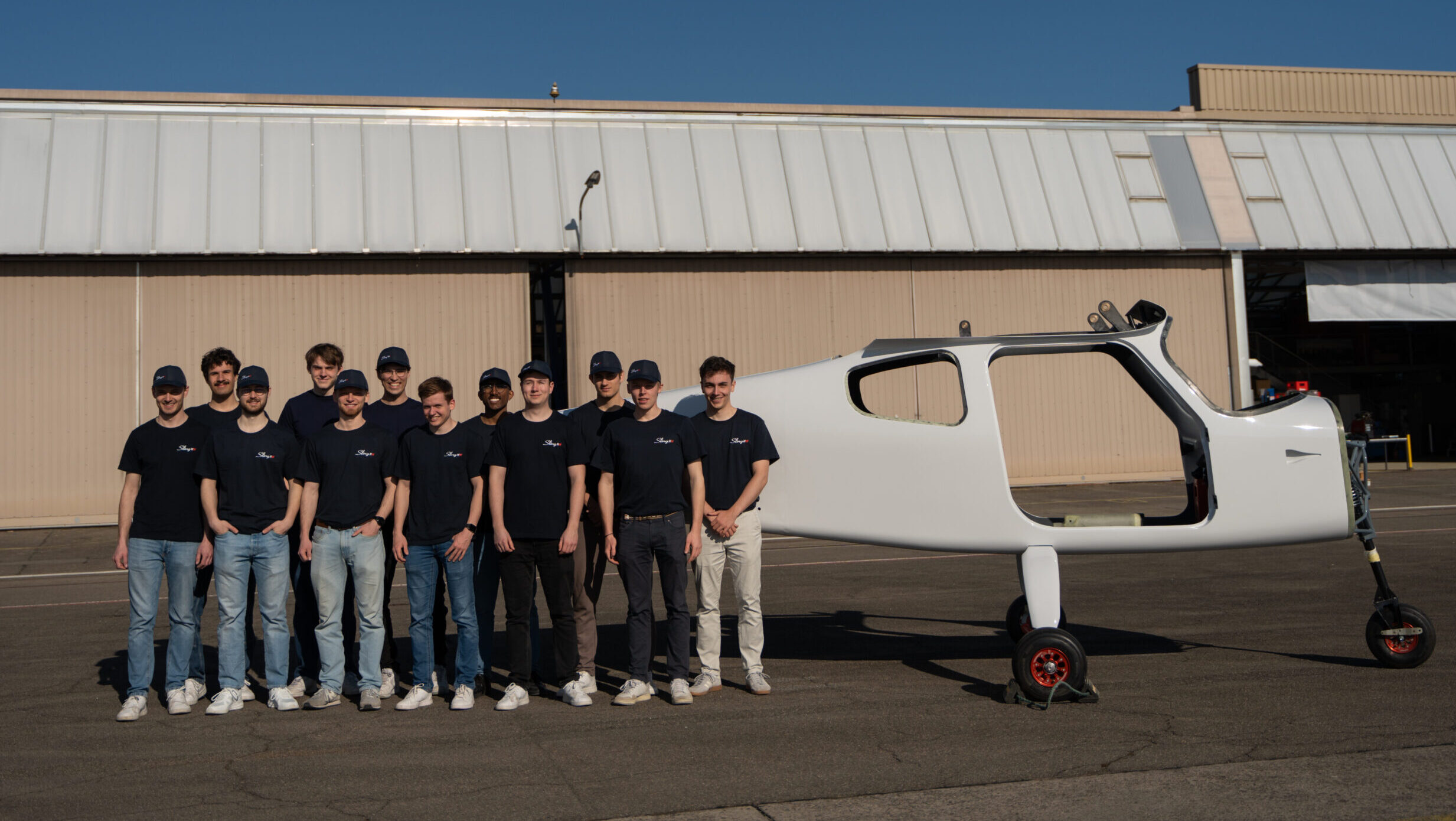
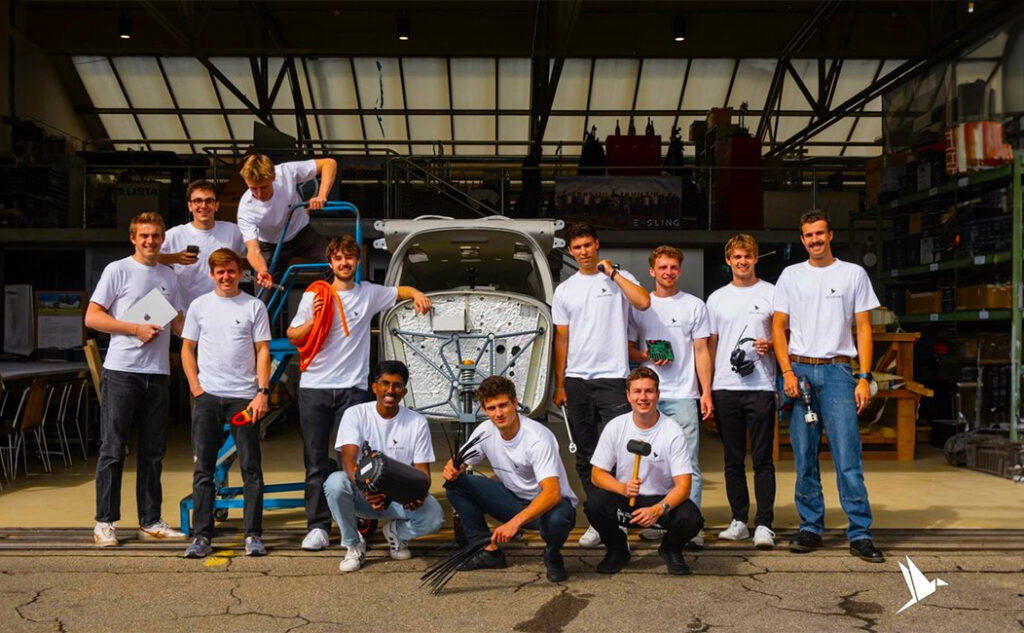
We are ETH Zurich engineering students behind Project H2—an initiative to design a hydrogen-powered aircraft and contribute to reducing the 13% of CO₂ emissions caused by aviation in Switzerland.
Hi, we’re Cellsius – a student engineering team at ETH Zurich. With Project H2, we set ourselves an ambitious goal: achieve an emission-free flight over the Gotthard Pass, powered entirely by hydrogen.
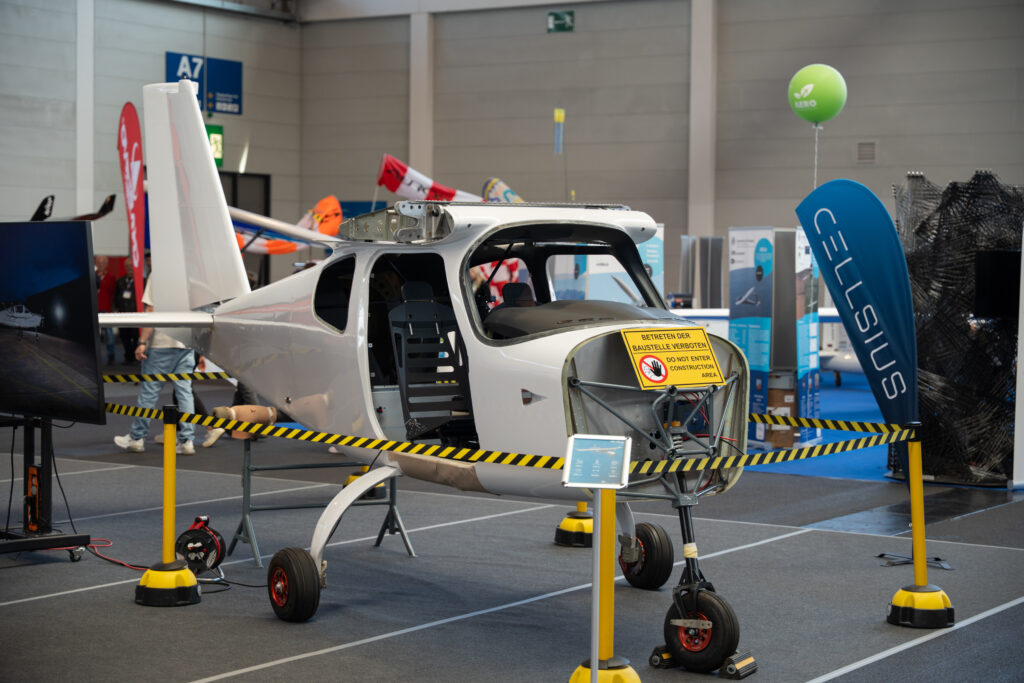
At the heart of our mission is the H2-Sling—a fully modified ultralight aircraft that we developed and built from scratch. This project represents not only technical innovation, but also our generation’s drive to align sustainability with practical engineering.
Driven by Passion and Engineering Excellence
From the start, we wanted to demonstrate that emission-free flight is achievable using technologies available today. No futuristic concepts—just smart integration, good design, and plenty of testing. We chose the Sling High Wing platform for its balance of payload, simplicity, and modifiability. Then we rebuilt it around a completely new powertrain.
We handled the design and integration ourselves: from fuel cell layout and energy management to cooling systems, mechanical adaptation, and structural reinforcements. The result is an aircraft that’s already flown—and is now being prepared for a bold next step: crossing the Alps on hydrogen power alone.
Taking Off with Hydrogen
Aviation is under pressure to lower its carbon footprint, and we believe hydrogen offers a clear path forward. The heart of our system is a PEM fuel cell that generates electricity from hydrogen and ambient air—quiet, clean, and efficient. It powers a lightweight electric motor, supported by a buffer battery for dynamic loads and a custom control unit that manages energy flow, diagnostics, and safety.
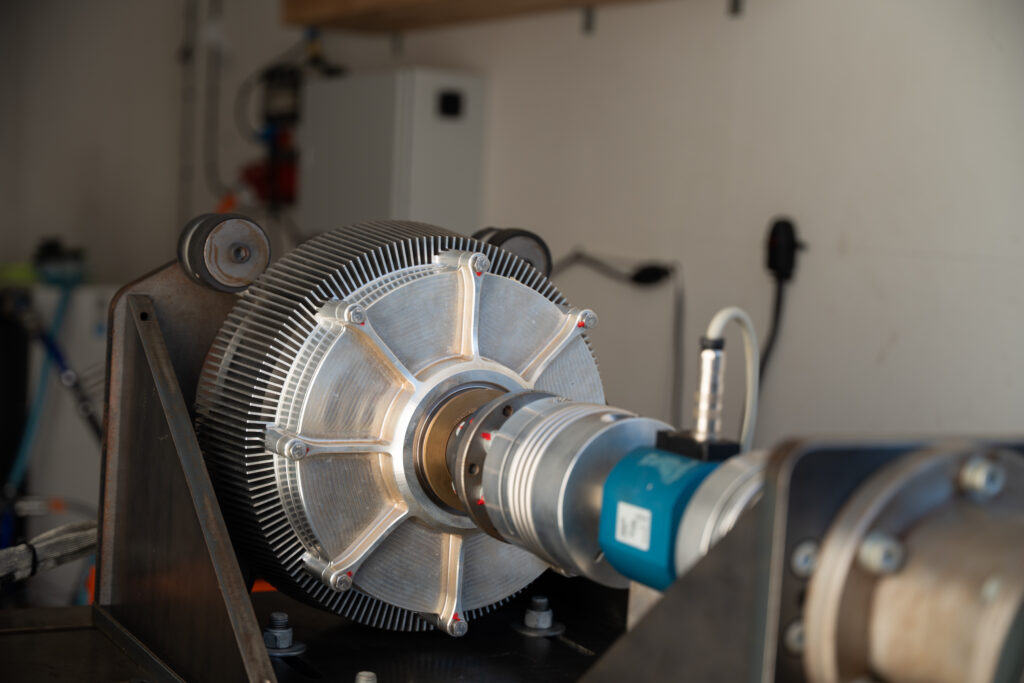
The aircraft carries 5.2 kg of hydrogen, stored in high-pressure tanks, providing a range of 200 km and a cruise time of 2 hours at a speed of 162 km/h.
Our goal was a system output of just under 100 kW, ensuring safe and stable flight even in alpine conditions. We paid close attention to weight and thermal behavior throughout development—opting for air cooling and continuous thermal monitoring. The biggest challenge was achieving this performance while meeting aviation-grade safety and reliability.
Precision That Makes a Difference
One of the most critical structural components in the entire system is the top plate—a custom-machined aluminium part that connects the fuel cell and the auxiliary components t. It bears mechanical load, ensures structural alignment, and anchors the heart of our energy system.
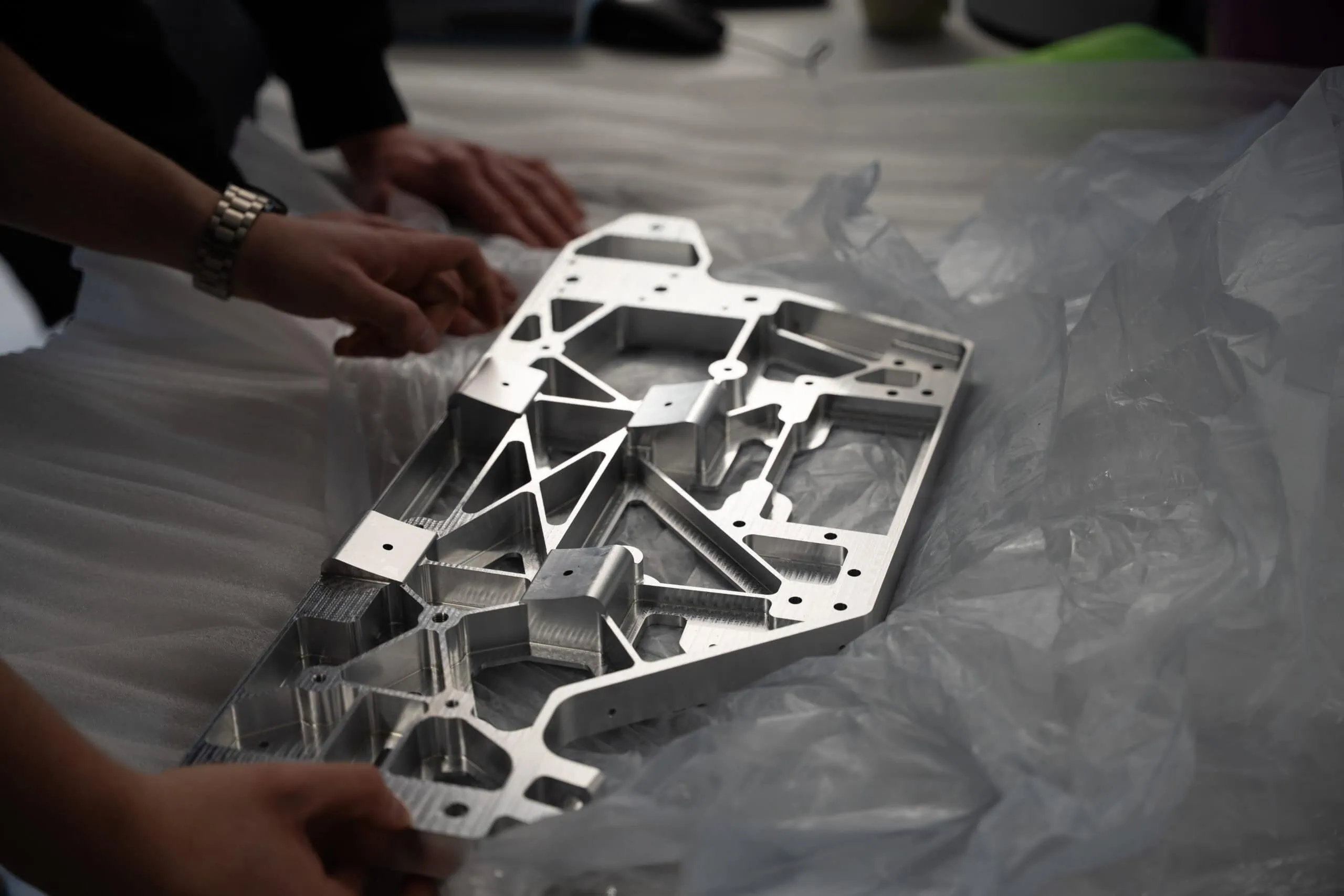
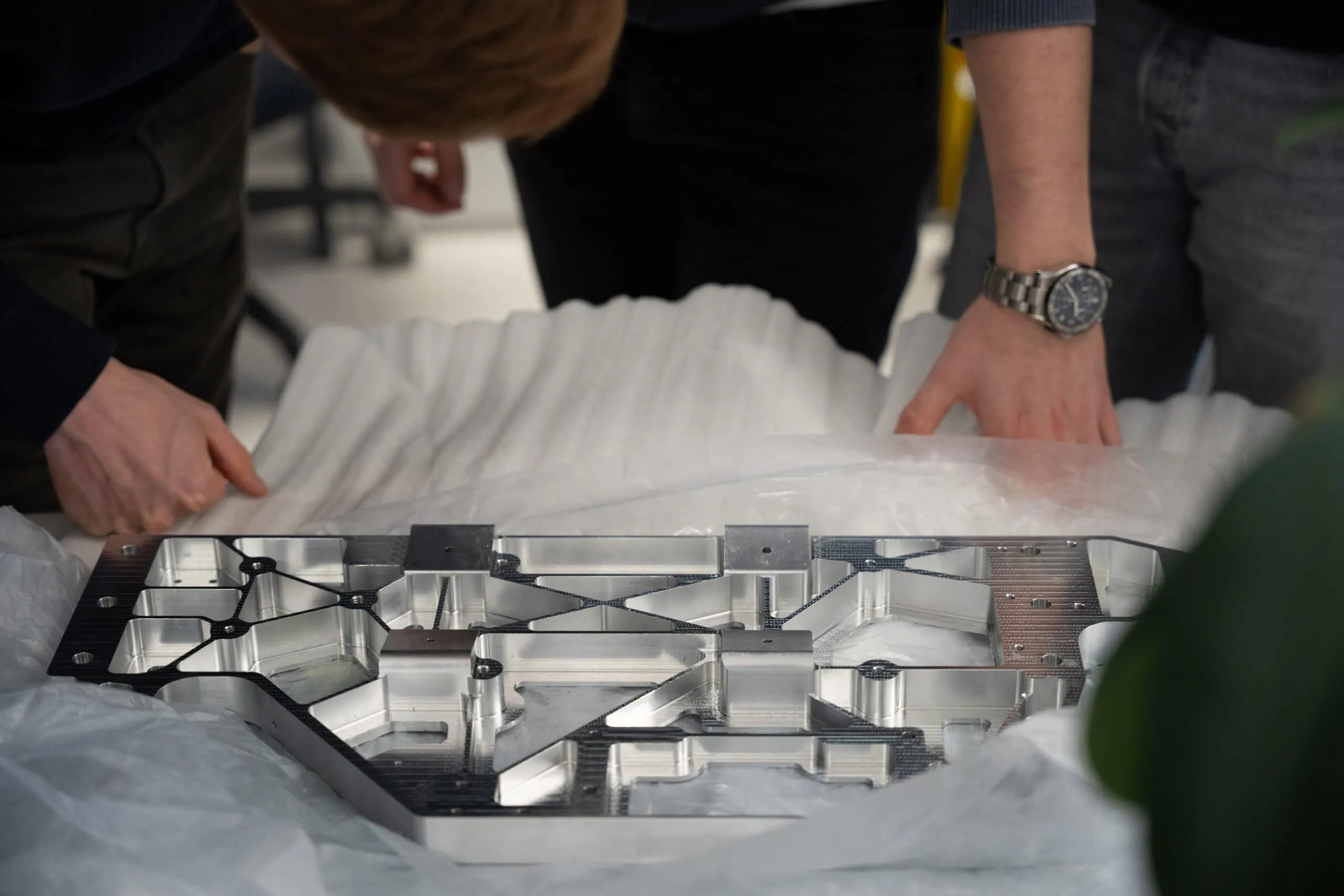
CNC-machined aluminium top plat
We designed it with maximum strength-to-weight efficiency in mind, combining tight tolerances with complex geometry. Since producing a part this precise was beyond our in-house capabilities, we relied on external manufacturing to bring it to life. Working with Xometry’s digital manufacturing platform proved to be a practical solution. The ordering process was simple, and the part was delivered exactly to spec, which helped us stay on schedule and move forward with system integration.
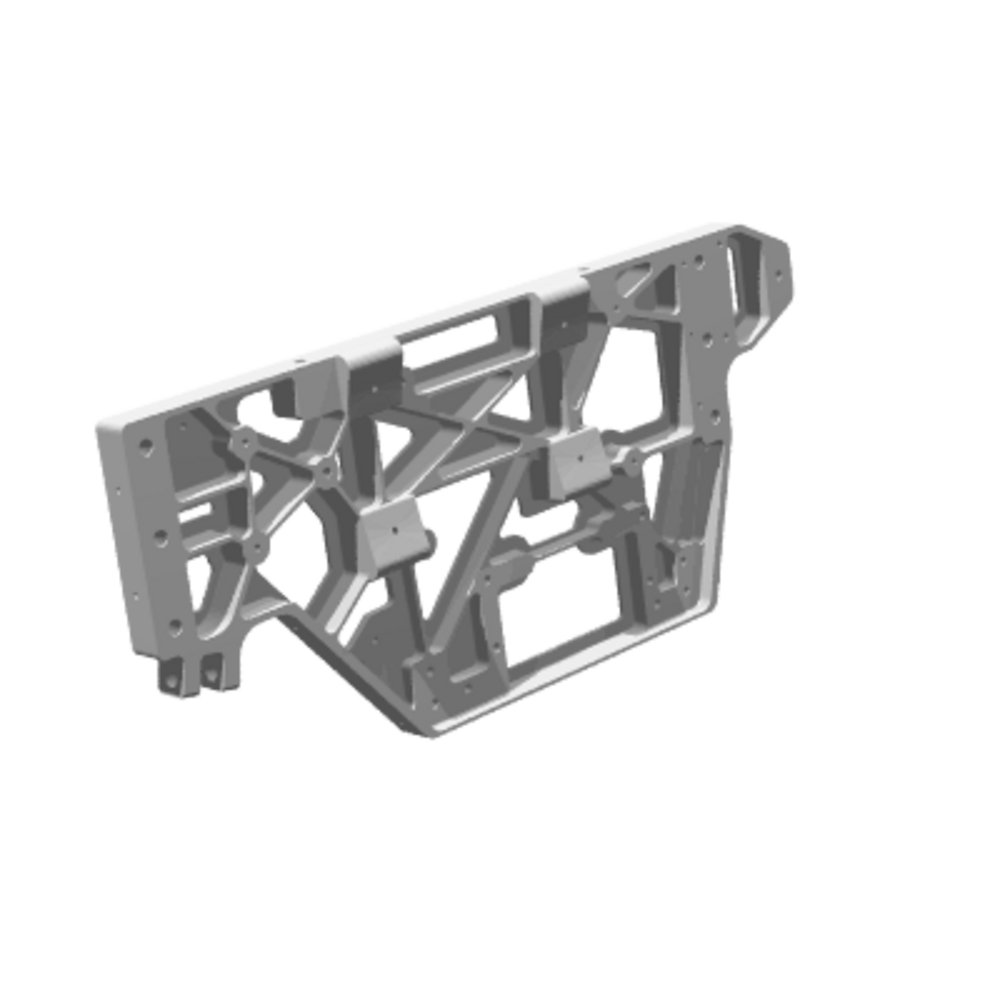
Throughout the rest of the build, we developed most structural and system components in-house, using a mix of carbon fibre, milled aluminium, and sheet metal. We prioritised weight efficiency, ease of assembly, and long-term maintainability. Each part was engineered with manufacturing in mind—limiting unnecessary operations and avoiding overcomplication. For components where precision and structural reliability were essential, like the top plate, outsourcing was not just helpful—it was critical to keeping the project moving forward.
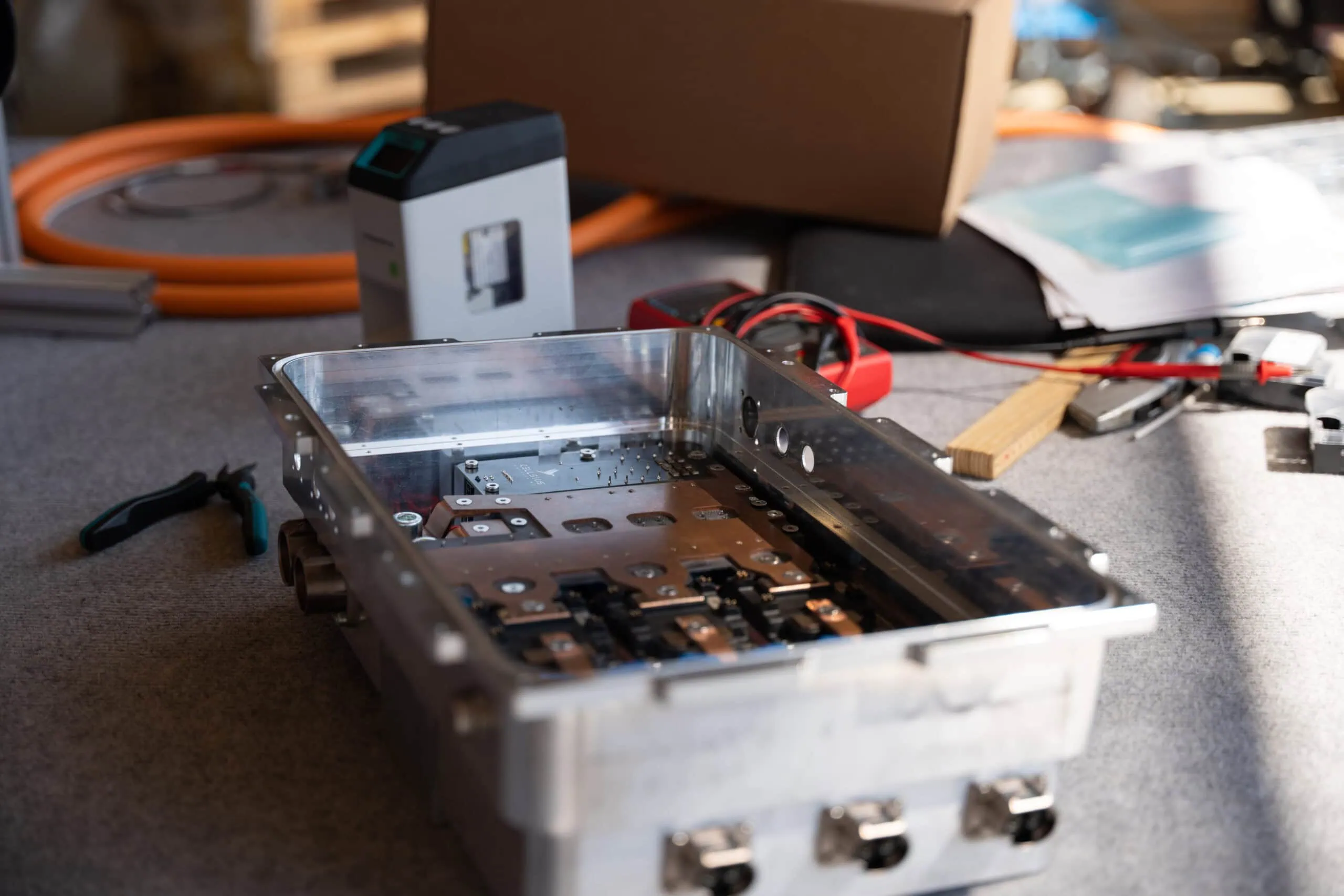
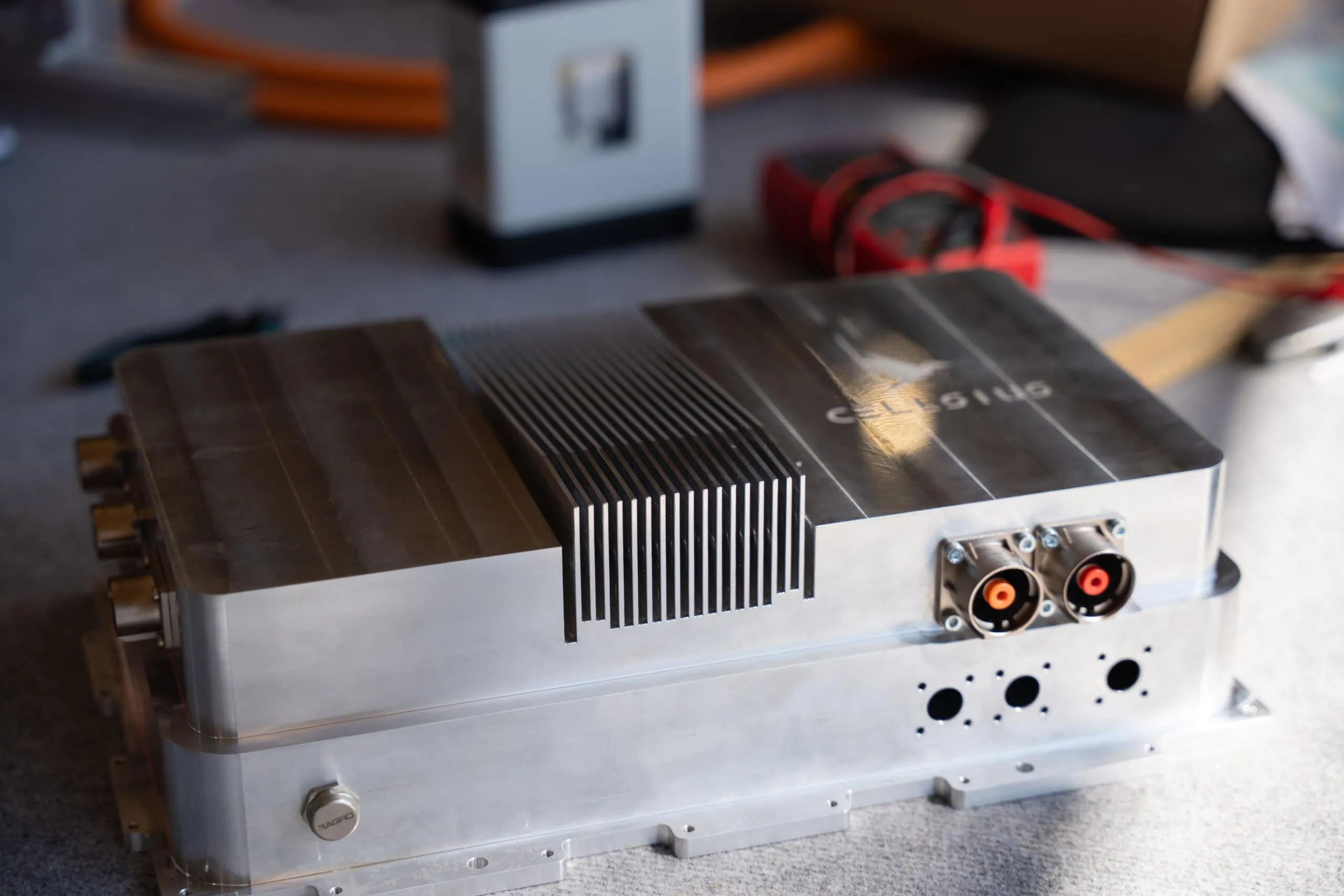
The inhouse developed inverter for the electric motor
Turning Challenges into Learning Opportunities
The work on the fuel cell, especially in the weeks leading up to the winter holidays, became a true test of dedication. Long days and nights were spent preparing for full-load testing. Then came the moment we’d worked for.
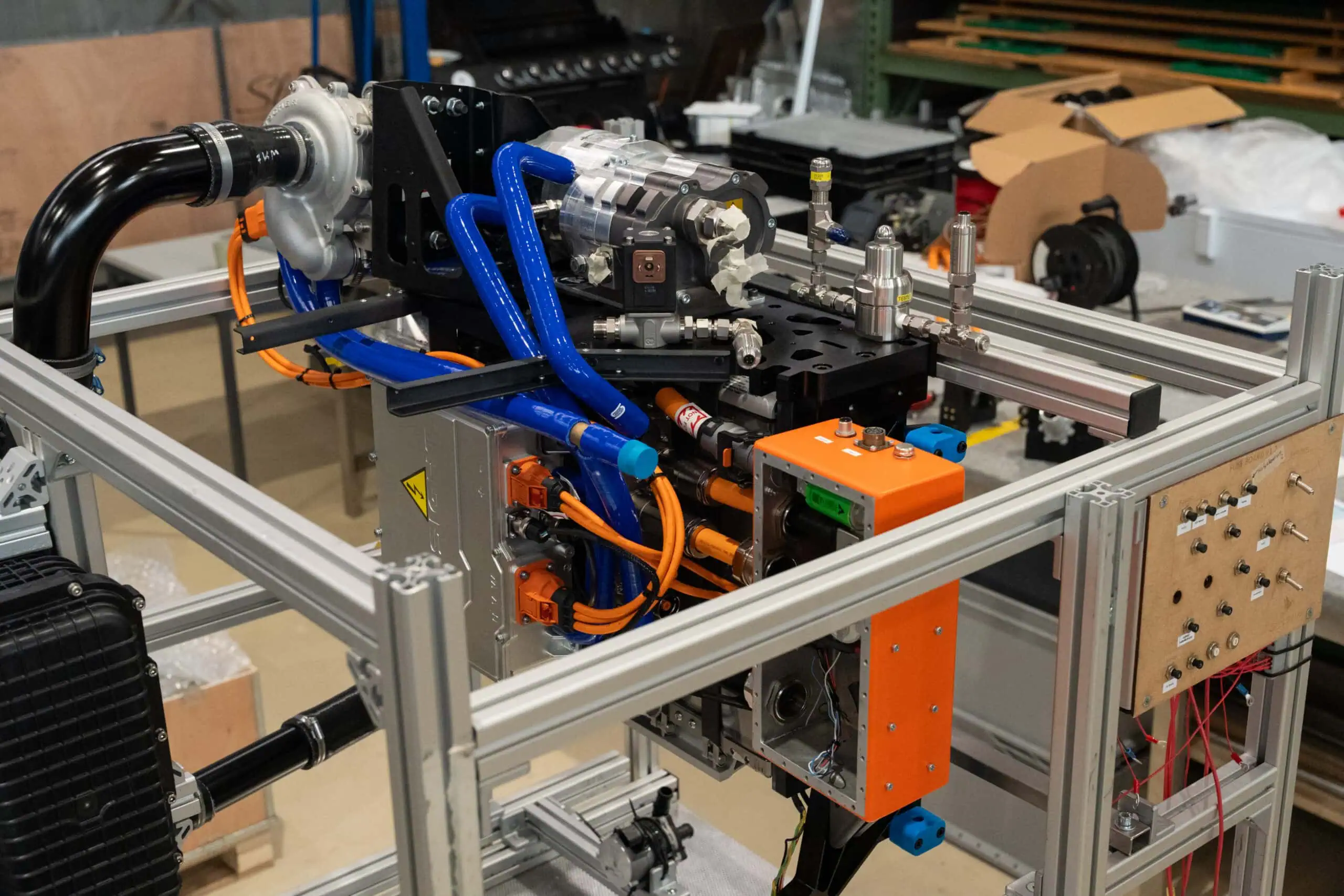
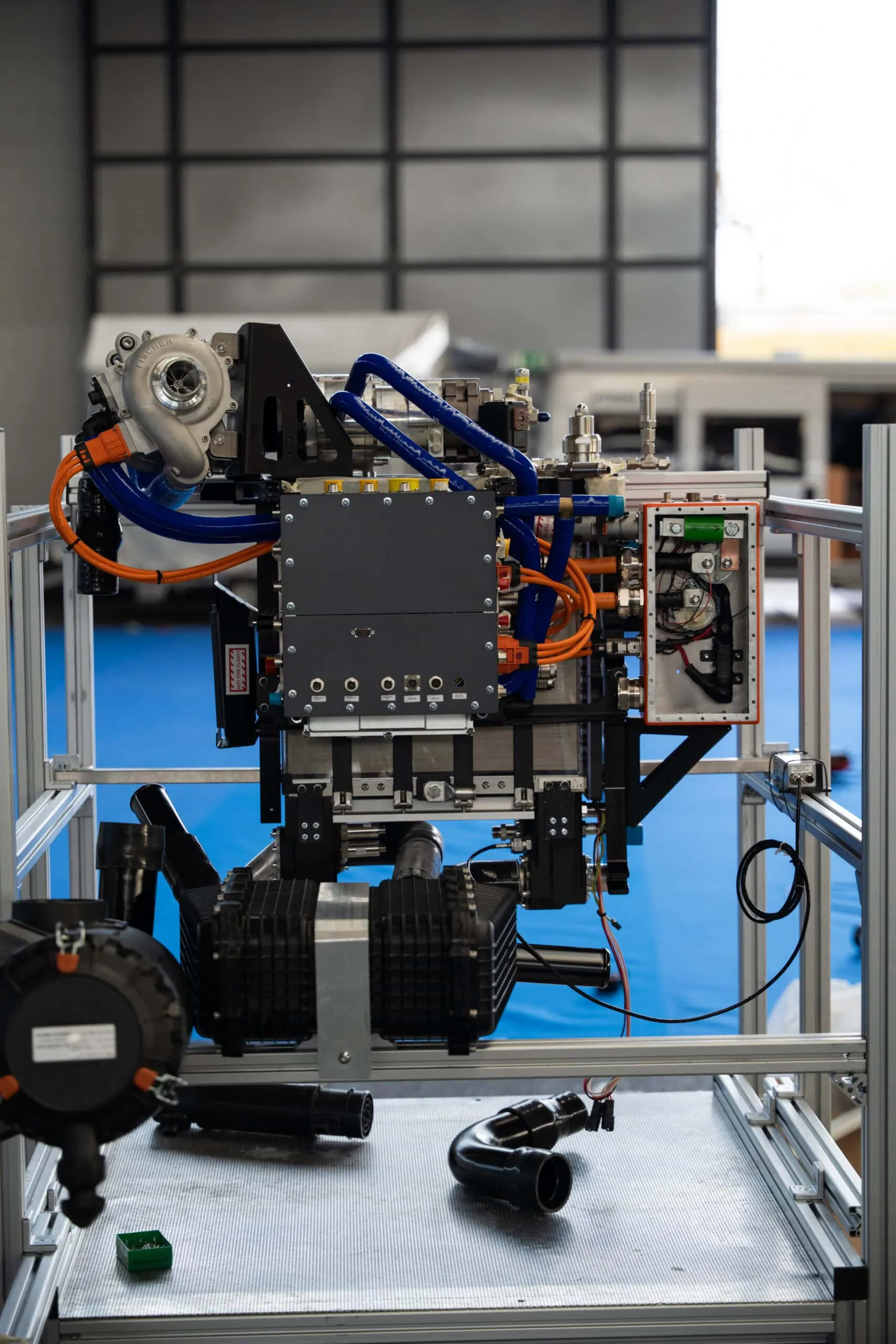
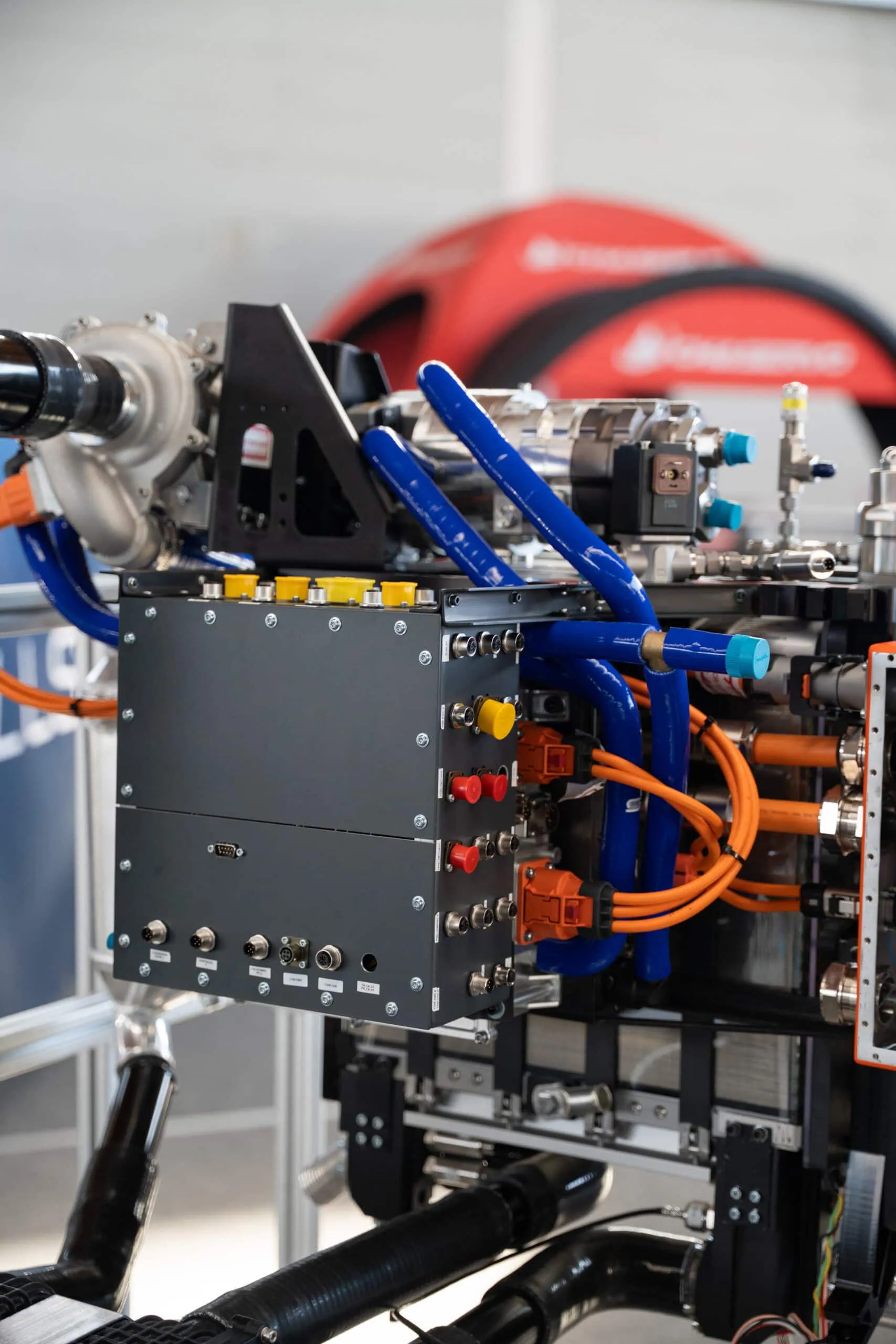
Fuel cell system of the H2-Sling
After a full year of development, seeing the system finally come to life was magical. It was the moment when theory turned into reality. Beyond the technical accomplishments, we also grew on a personal level. Taking responsibility, solving unexpected issues, and making decisions under pressure—all of this became part of our shared experience.
Looking Ahead: Liquid Hydrogen and Additive Manufacturing
Following the successful first flight, our next major milestone is a hydrogen-powered crossing of the Alps. In parallel, we’re working toward transitioning from compressed to liquid hydrogen—a shift that would significantly improve the system’s energy-to-weight ratio. Achieving this will require new storage solutions, insulation, and fuel handling systems designed for cryogenic conditions.
Additive manufacturing will also play a growing role in future development. Combined with AI-driven, generative design, 3D printing allows us to create lighter, more efficient, and structurally complex components—particularly where space is tight and every gram counts. We’re focusing on parts like brackets and mounts, where small improvements in geometry lead to meaningful gains.
Digital manufacturing enables rapid iteration and design flexibility that traditional methods can’t easily match. Together with simulation and in-house prototyping, these tools are helping us move closer to our long-term goal: to make the aircraft not only emission-free, but also quieter, more economical, and a viable alternative for environmentally friendly training and recreational flights.
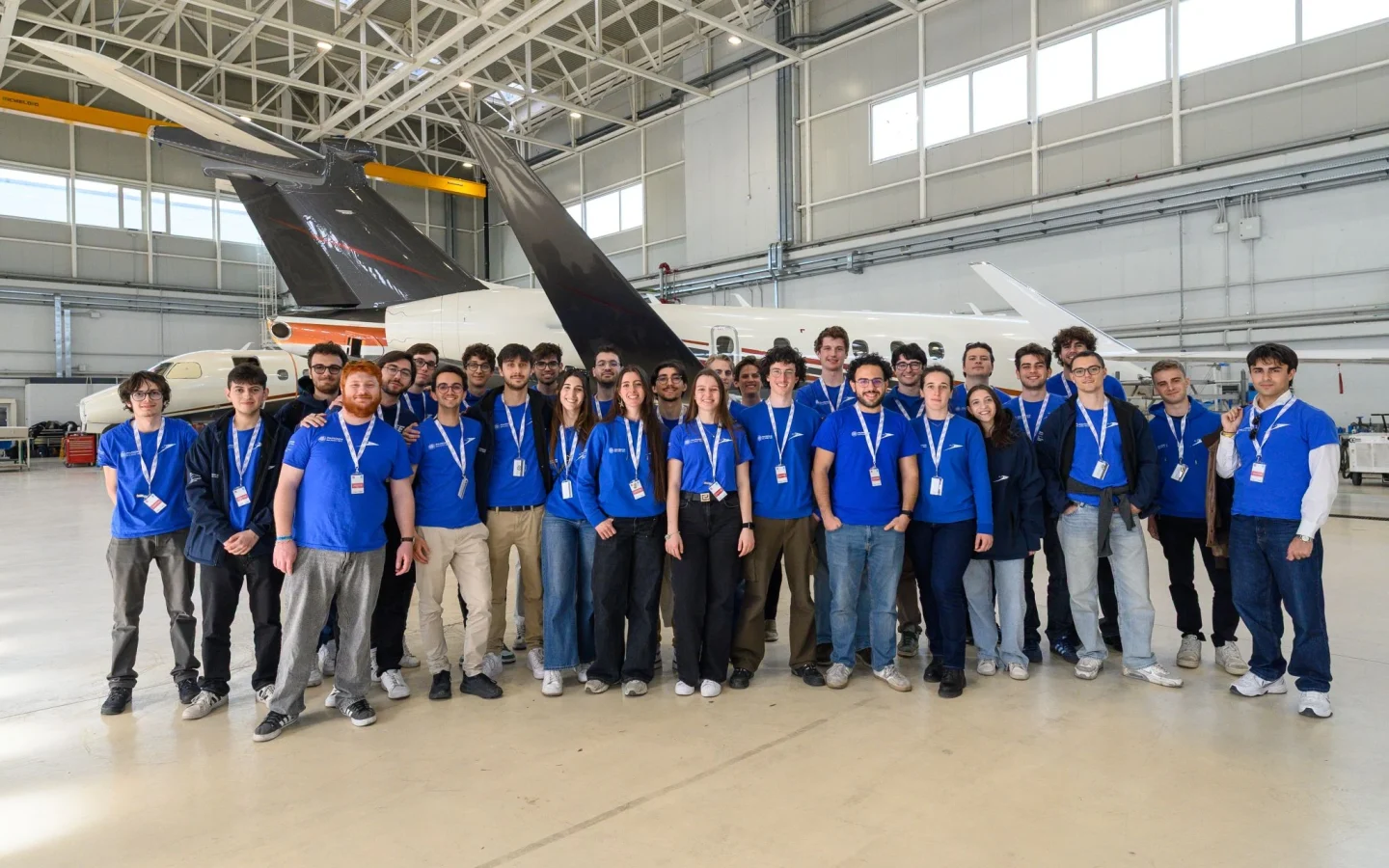

How Fly-Mi Team Prepares a Cargo UAV for the Air Cargo Challenge
Aerospace
CNC Machining
Prototyping
Read Story
Preparing for the 2026 Air Cargo Challenge, the Fly-Mi team is developing Heméra, a fixed-wing UAV designed for maximum payload transport. This project integrates advanced aerodynamics, structural FEM analysis, and precision-engineered aluminum tooling to create a twin-motor aircraft capable of reaching flight speeds of 35 m/s.
Read Story
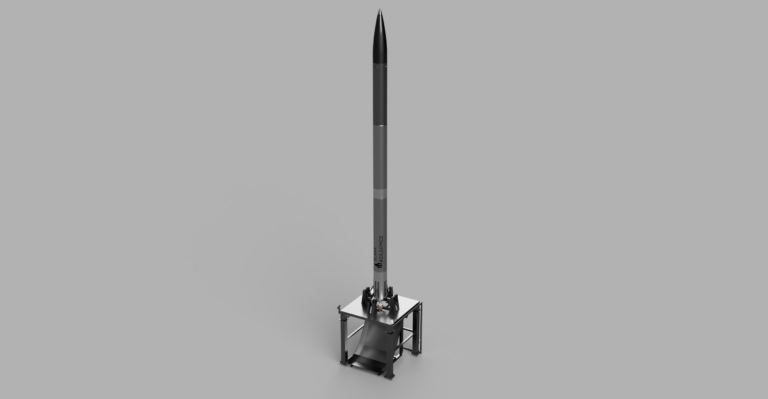

From Tunneling to the Stars – How Elara Aerospace Is Advancing Suborbital Rocket Engineering in Europe
Aerospace
CNC Machining
R&D
Read Story
To turn these components into reality, we required high-precision manufacturing with fast turnaround times. Through Xometry, we produced a brass test chamber for our injector experiments, machined to the specifications needed for our early-stage testing.
Read Story
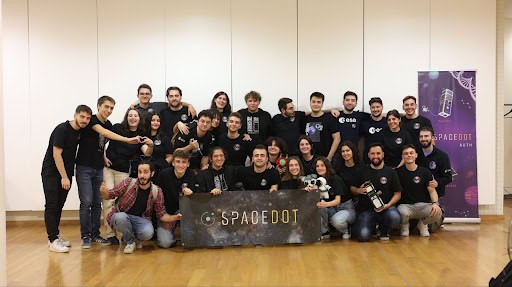

Xometry Powers AcubeSAT from Prototype to Launch‑Ready Nanosatellite
Aerospace
CNC Machining
R&D
Read Story
At this time, we decisively decided to significantly simplify the design, allowing it to achieve higher precision and tolerance control through machining. During the redesign process, we realized that we needed to find a partner capable of manufacturing high-precision prototype parts—so we chose Xometry.
Read Story
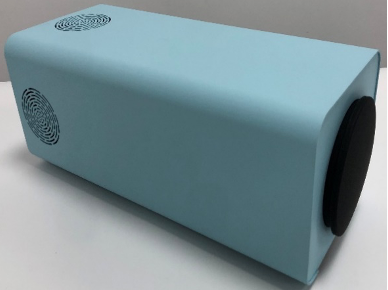

R&D Efficiency Restored: Xometry Ensures Uninterrupted Supply of Critical Precision Parts
Aerospace
CNC Machining
R&D
Read Story
Collaborating with Xometry allows us to concentrate more on our core R&D, saving substantial time and significantly boosting project efficiency.
Read Story
Engineering the Concorde Nose Mechanism: A Tribute to Aerospace Design
Aerospace
3D Printing
Prototyping
Read Story
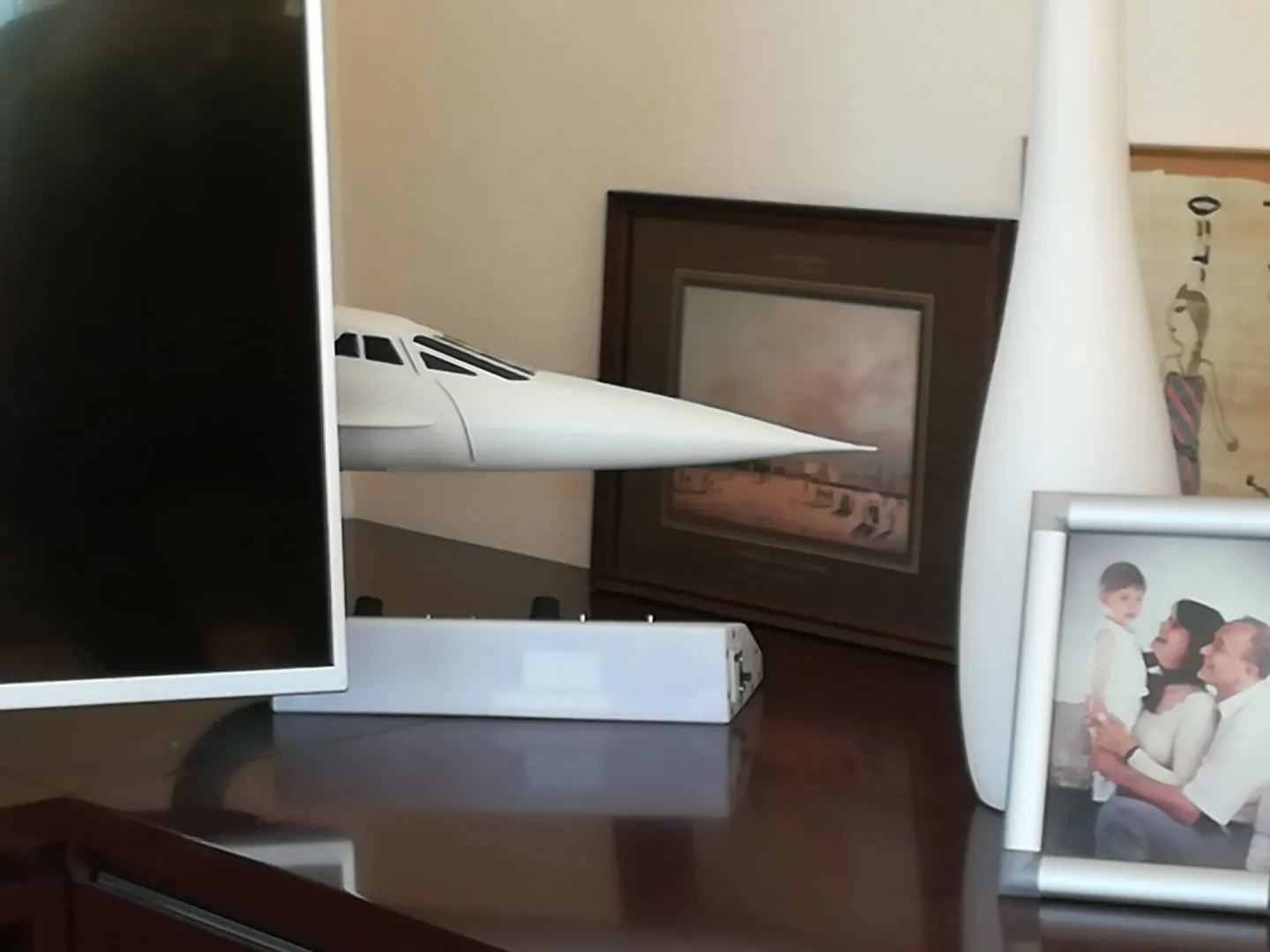
For the physical prototype, I selected Selective Laser Sintering (SLS) using PA12 nylon. This combination offered the durability and dimensional accuracy I needed, while being light enough to preserve the model’s integrity and strong enough to handle repeated use. I ordered the parts through Xometry’s on-demand manufacturing service, which allowed me to test my designs without investing in a printer or tooling—a crucial advantage when working with small volumes and evolving prototypes.
Read Story

Reinventing the Wheel for Mars: How We Engineered a Flexible Airless Tyre
Aerospace
3D Printing
Prototyping
Read Story
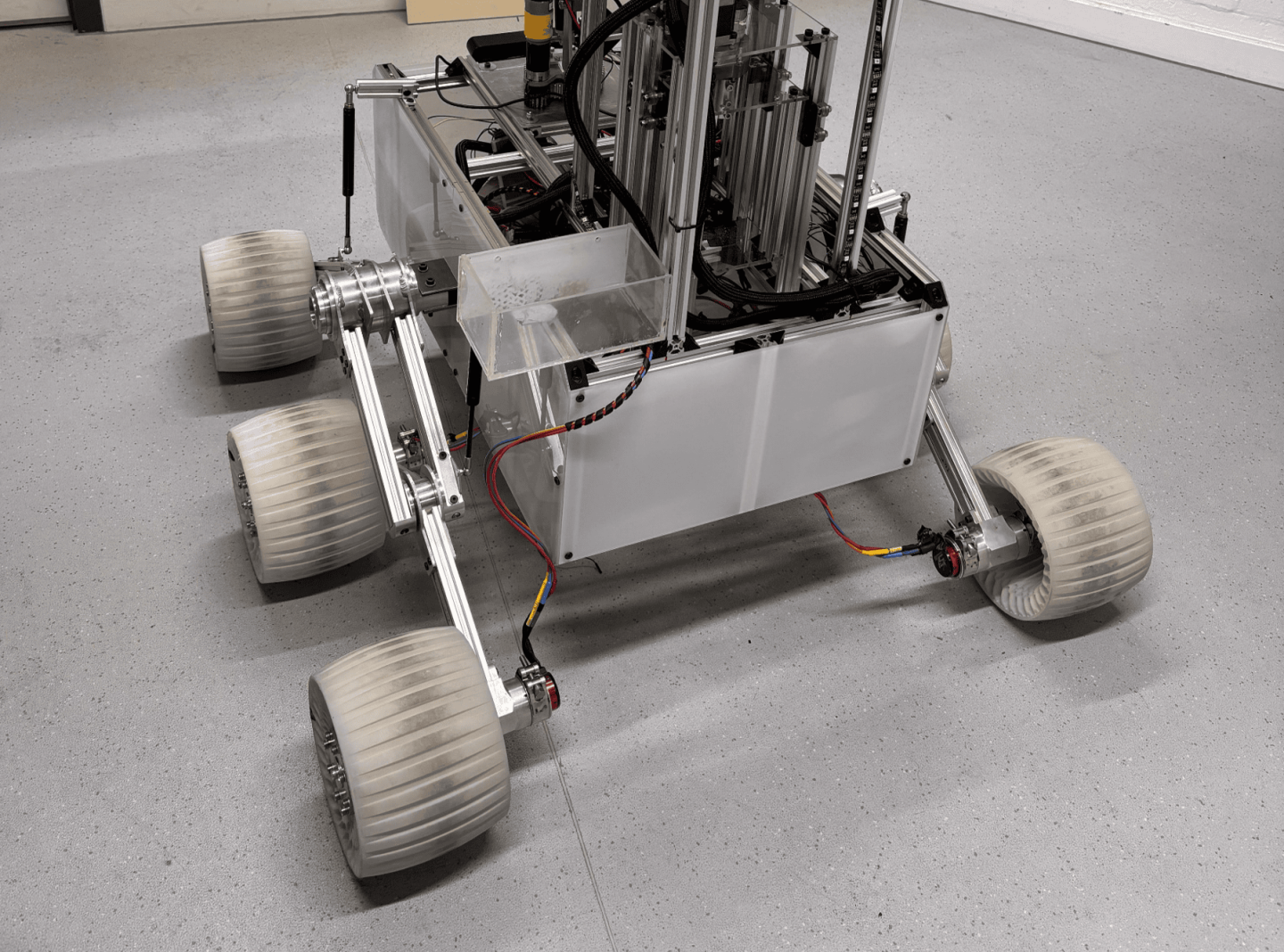
UCL Racing's Mars Rover team developed an airless flexible wheel for the European Rover Challenge, competing on a simulated Martian surface. With Xometry's SLS 3D printing and engineering feedback, they produced six wheels from EOS TPU 1301 (Shore 86A) with a radial honeycomb lattice structure. The final design meets 220mm diameter and 120N load requirements, featuring symmetric tread pattern and integrated motor mount.
Read Story

The 1-Millimetre Fix: How One Custom CNC Part Saved My 5-Axis Build
Machine Building
CNC Machining
Prototyping
Read Story
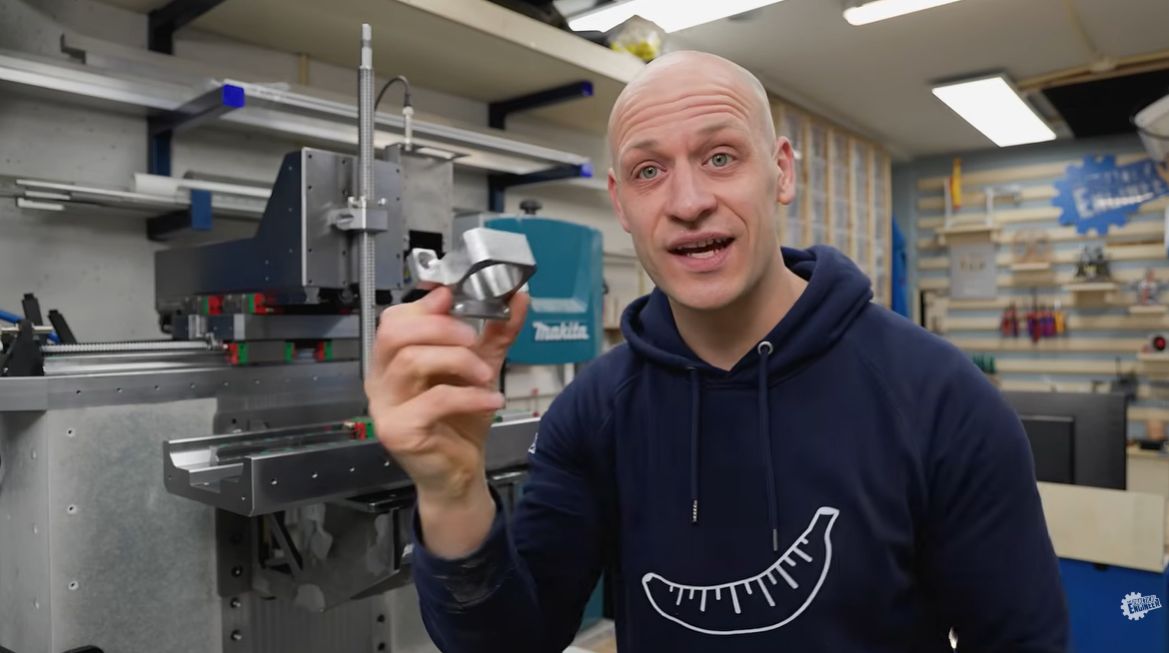
Building a CNC machine from scratch is full of moments where you find out whether your design actually works, or whether it only worked inside CAD. In the world of custom machine building, the transition from a digital model to physical assembly is rarely seamless. This was one of those moments.
Read Story
From Desktop Dreams to 400kg of Steel and Concrete: Building a High-Rigidity 5-Axis CNC
Machine Building
CNC Machining
Prototyping
Read Story
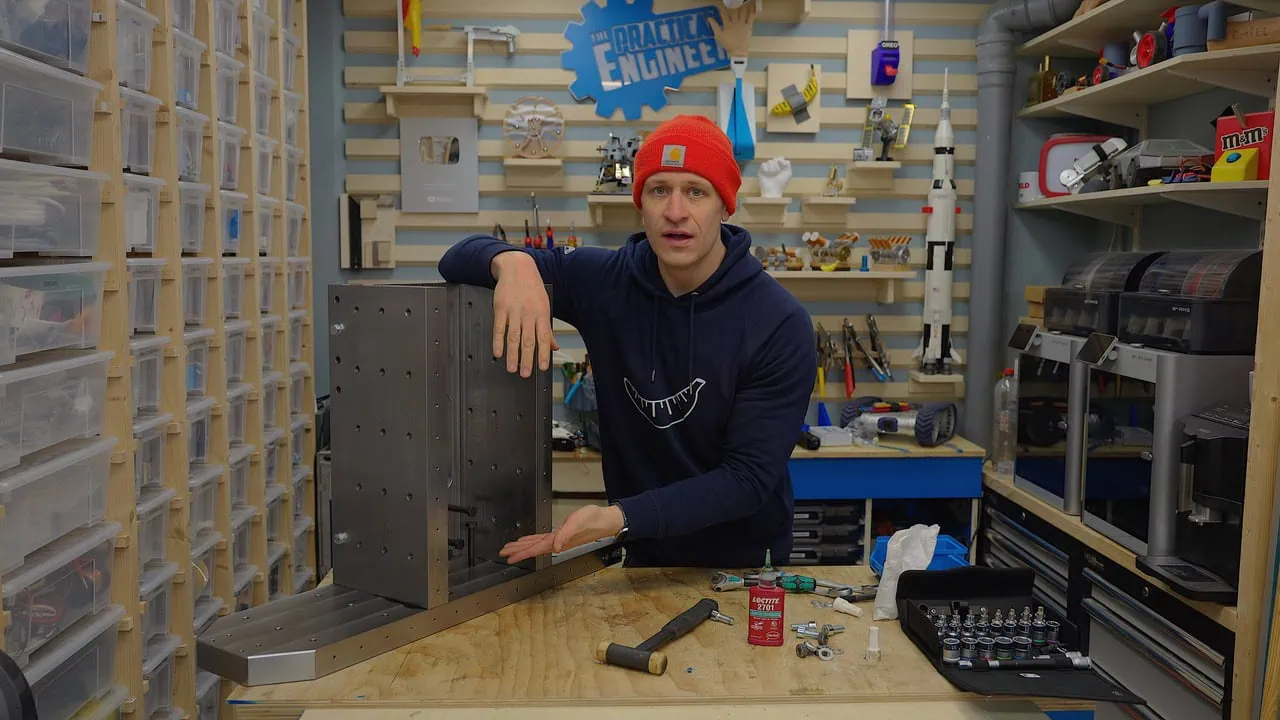
In the world of custom machine building, I’ve found there is a constant tug-of-war between theoretical performance and physical reality. As "The Practical Engineer," I dedicated this project to creating a 5-axis CNC machine that prioritizes rigidity over sheer speed.
Read Story
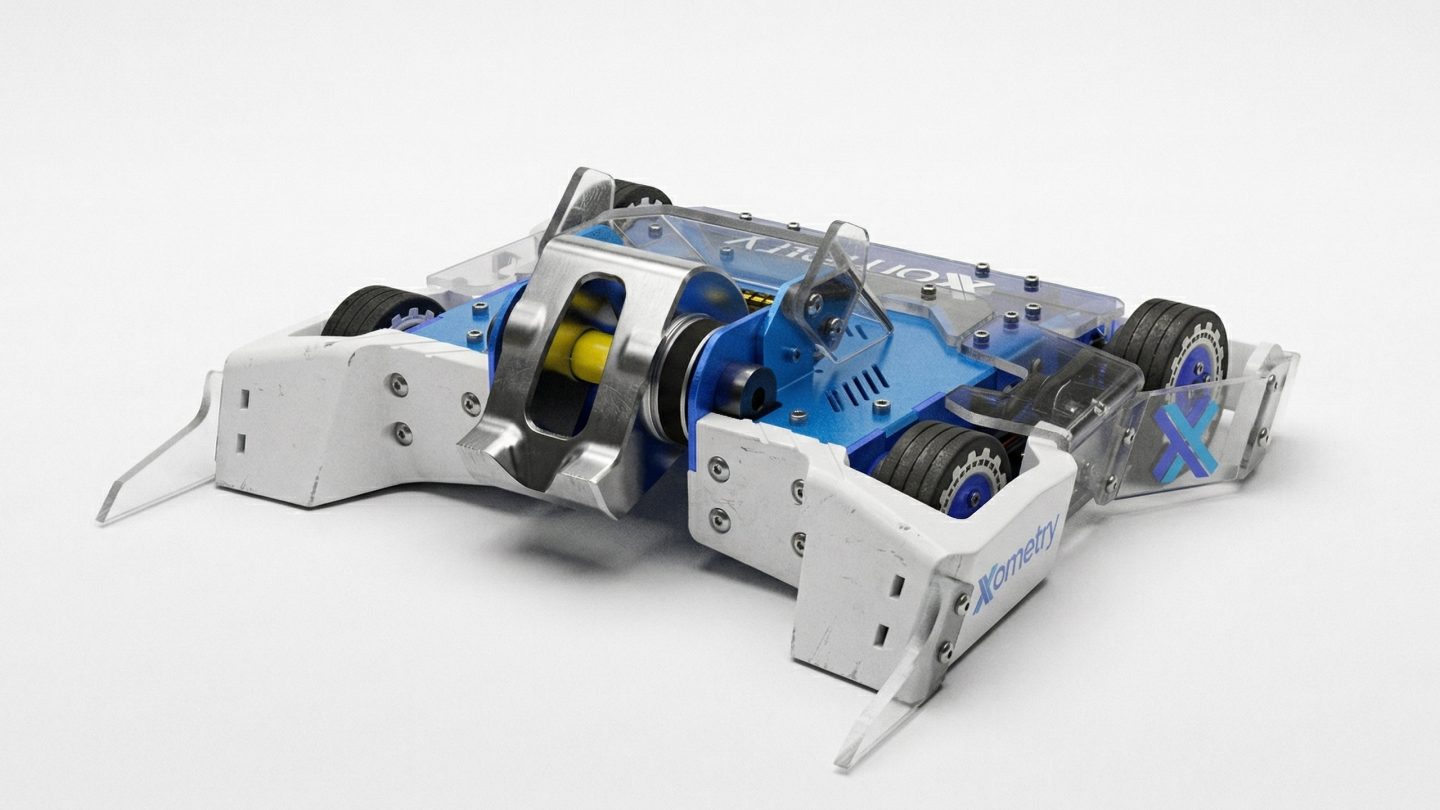
Torx Robot: The Story Behind Accu’s Engineering and Xometry’s Precision CNC Machining
Robotics
Machine Building
CNC Machining
Prototyping
Read Story
Go behind the scenes for the development of Torx: the combat robot built by Accu for FightFest 2026, with CNC machining support from Xometry. Explore the journey from the drawing board to the arena, showing how a combat robotics project takes shape, and see how Torx went on to win the official FightFest Championship trophy.
Read Story
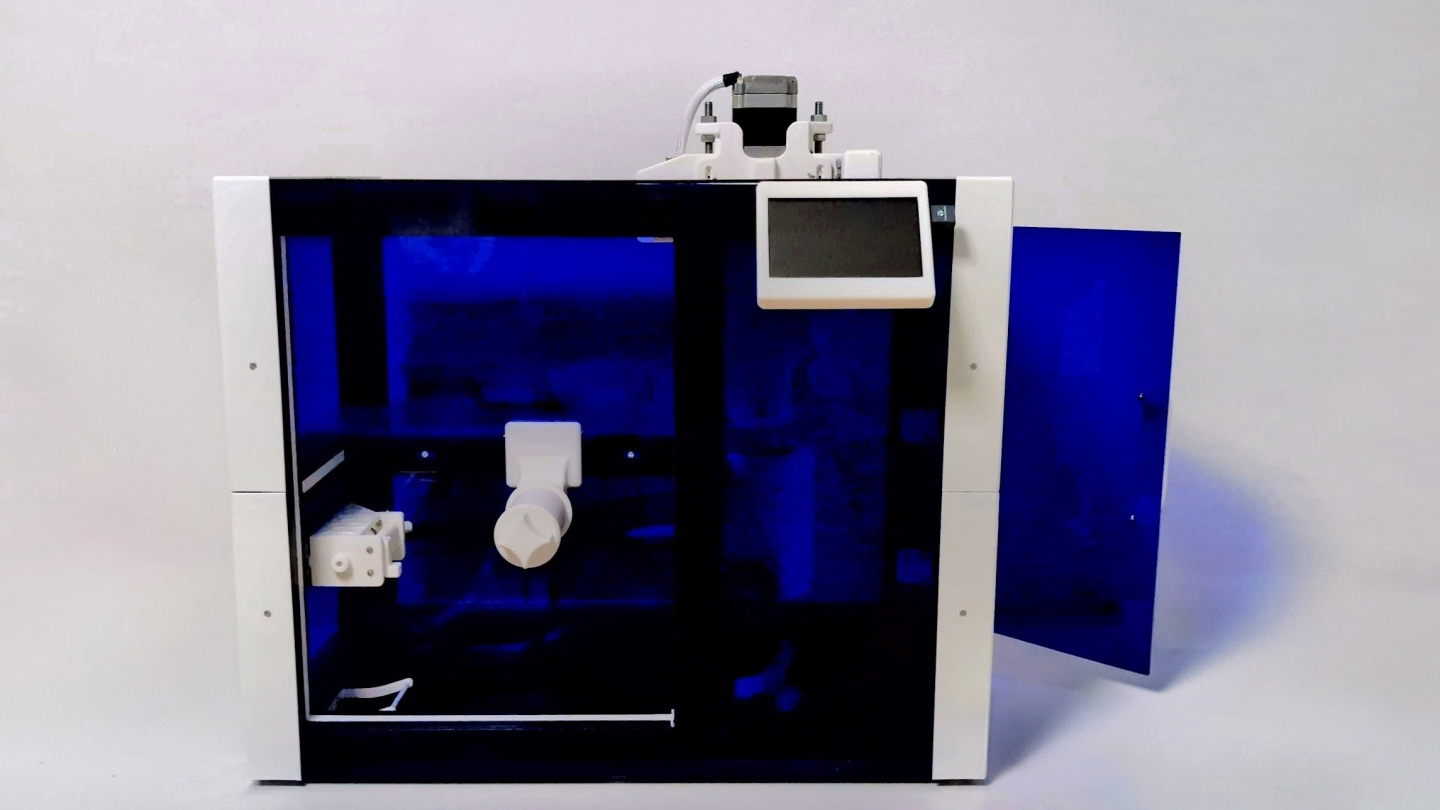

The Rethink of 3D Printing Waste and the Next Chapter of the Desktop Filament Recycler Story
Machine Building
3D Printing
CNC Machining
Prototyping
Read Story
By using agile testing and redesigning a double-sided support to resolve motor deformation and calibration challenges, the TGM student team successfully turned 3D printing waste into high-quality PLA filament.
Read Story
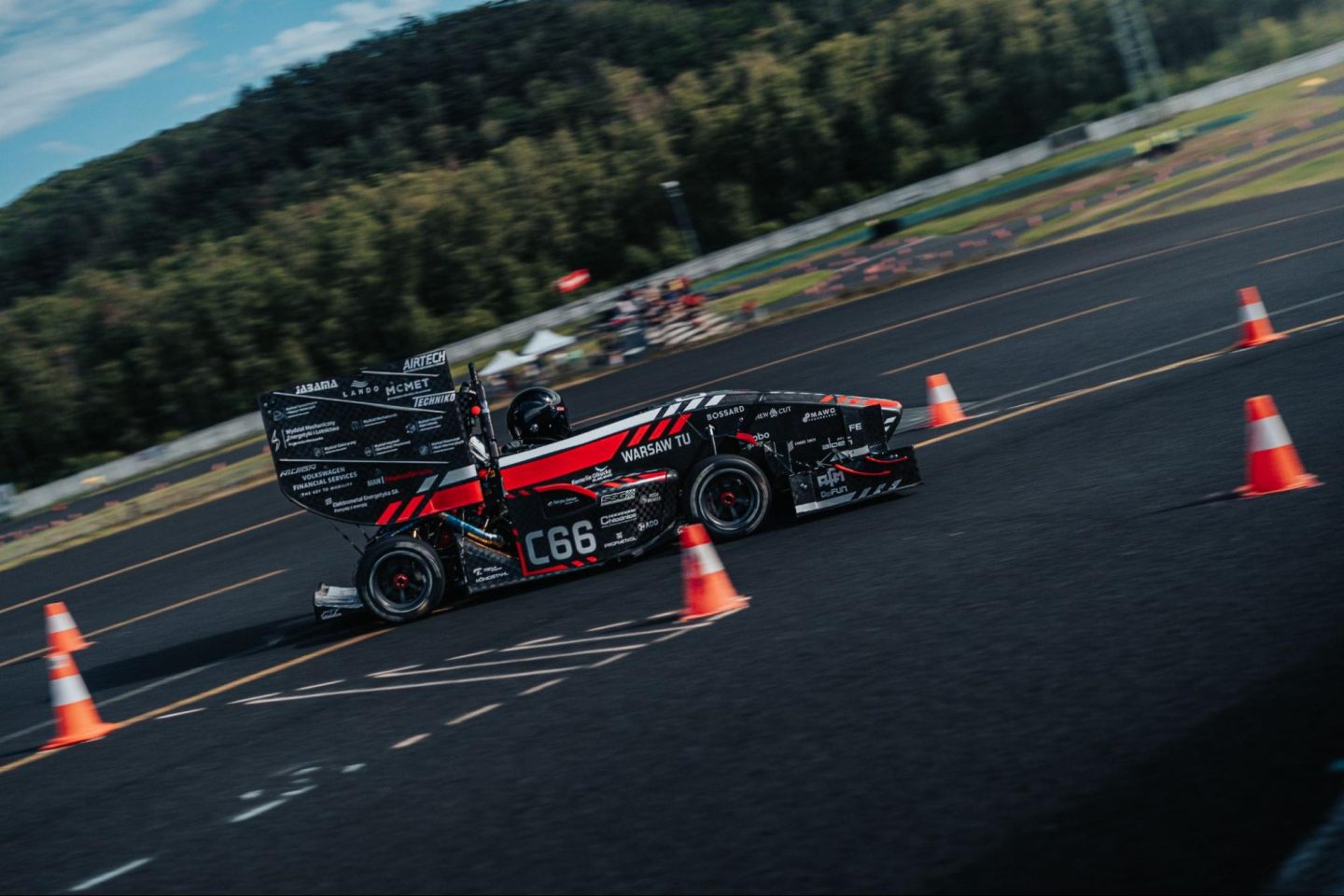

Inside the Engineering of the WUT-7 for Lightweight Performance
Automotive
CNC Machining
Prototyping
Read Story
Through topology optimization, refined kinematics, and a custom steering system, the WUT Racing team from Warsaw University of Technology reduced the weight of key WUT-7 components by over 50%, bringing their ultra-lightweight design from concept to track via precision manufacturing.
Read Story
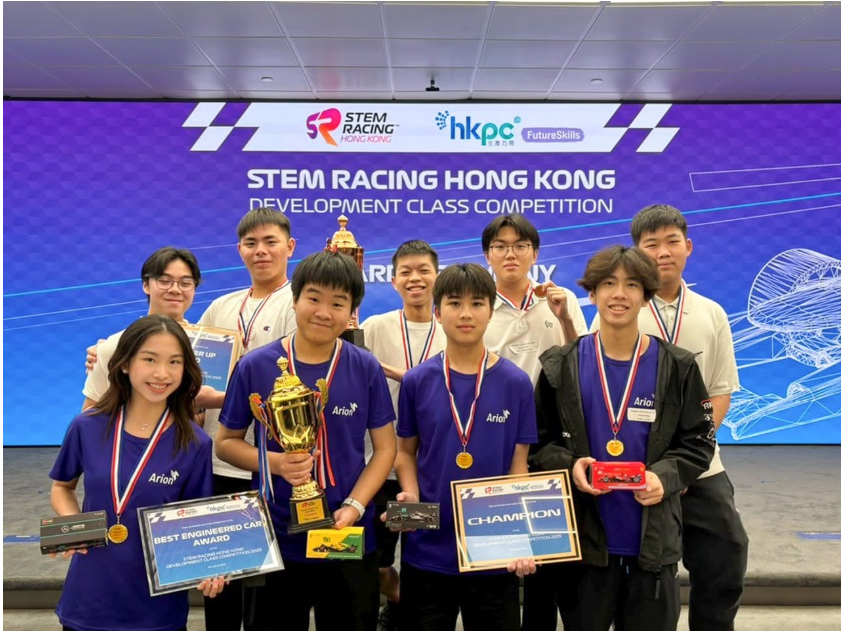

How AI-Powered On-Demand Manufacturing Helps a STEM Racing Team Achieve Faster Iteration and Championship Performance
Automotive
3D Printing
CNC Machining
Sheet Metal
R&D
Read Story
Team Arion, a student racing team from Singapore International School Hong Kong, used Xometry’s AI‑powered on‑demand manufacturing platform to overcome the hurdles of small‑batch, complex parts production, accelerated their design iterations, and went on to win the 2025 STEM Racing championship along with the Best Engineering Design Award.
Read Story