Preparing for the 2026 Air Cargo Challenge, the Fly-Mi team is developing Heméra, a fixed-wing UAV designed for maximum payload transport. This project integrates advanced aerodynamics, structural FEM analysis, and precision-engineered aluminum tooling to create a twin-motor aircraft capable of reaching flight speeds of 35 m/s.
Industry
Aerospace
Country

Italy
Use case
Prototyping
Technology
CNC Machining
Materials
Aluminium 6082 / 3.2315 / Al-Si1Mg
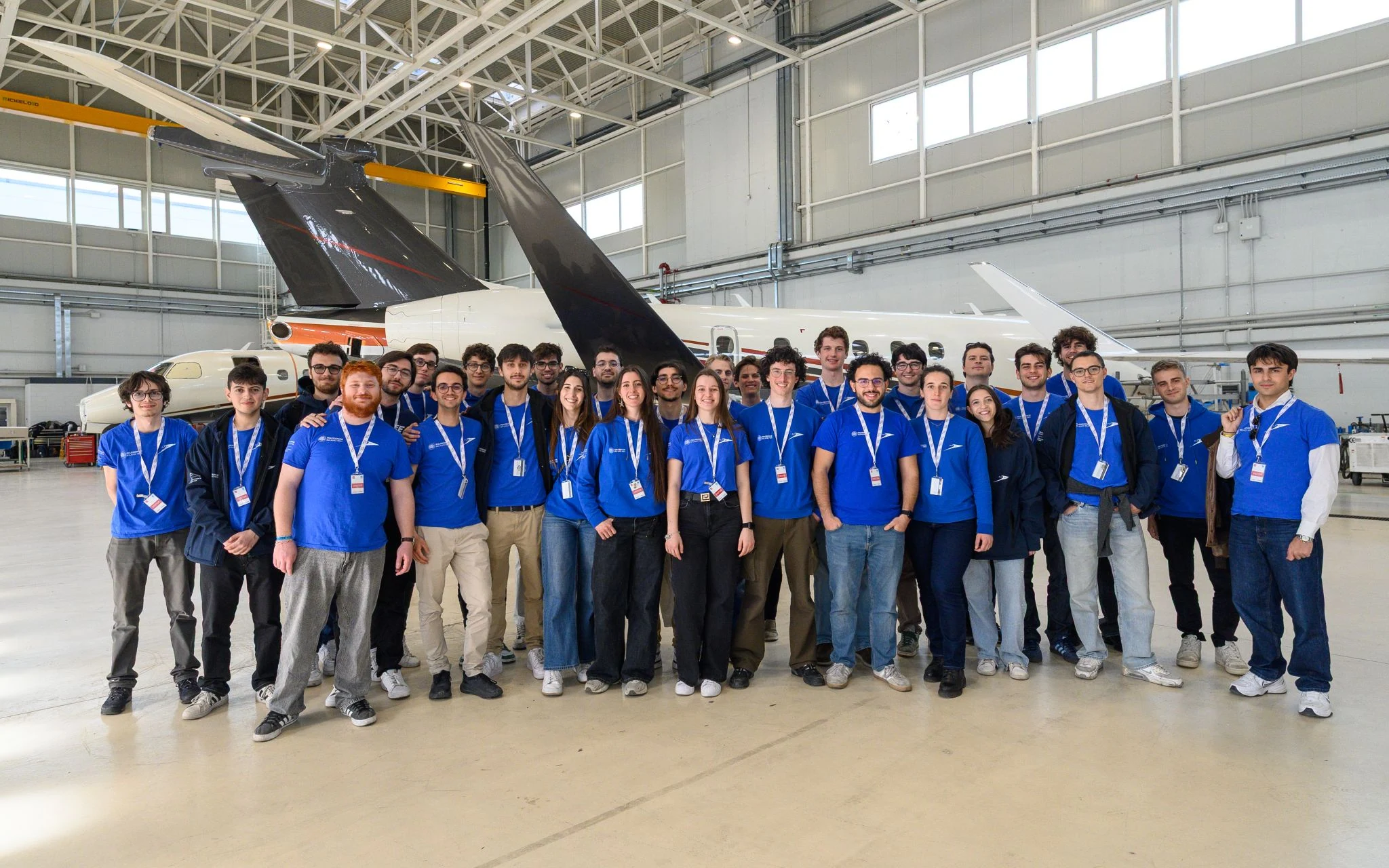
Hi, we are Fly-Mi – EUROAVIA Milano, a student engineering team from the Politecnico di Milano, affiliated with the Department of Aerospace Science and Technology. Founded in 2022, we set out with a clear goal: to complement our academic studies with hands-on engineering experience by designing, developing, and producing unmanned aerial vehicles (UAVs) and advanced aeronautical systems.
Over the years, we have grown into a competitive team on the international stage, taking part in university UAV competitions and working across the full lifecycle of an aeronautical project, from conceptual design to manufacturing and flight testing. In 2025, we reached an important milestone by placing third at the UAS Challenge in the UK with OLIVIA, an autonomous drone designed for humanitarian missions.
For the 2026 season, we decided to take on a new challenge: the Air Cargo Challenge (ACC), one of the most complex and prestigious international competitions in aeromodelling. This competition requires the design and construction of a radio-controlled cargo aircraft, pushing us to rethink both our design and manufacturing approach.
The Heméra Project Framework
Our design process is organized across four technical areas: Aerodynamics works on optimizing the external geometry to meet mission requirements, while Structures is responsible for the aircraft architecture and material selection. Flight Mechanics defines the main dimensions and ensures stability, and Electronics, Propulsion, and Control (EPC) handles system integration and the propulsion setup. Alongside these, our Business, Marketing, and Communication team manages partner relationships and oversees the team’s public presence.
All departments worked collaboratively throughout the year to develop the Heméra project, integrating aerodynamics, structures, flight mechanics, and electronics into a unified design. The Heméra aircraft is a fixed-wing UAV developed for the Air Cargo Challenge 2026, designed to maximize payload transport efficiency while maintaining high aerodynamic performance. It features a conventional low-wing configuration with retractable landing gear to reduce drag, and a twin wing-mounted motor setup to improve thrust efficiency and structural load distribution.
The design emphasizes drag minimization at low angles of attack, structural efficiency through a carbon-fiber composite monocoque architecture, and overall system reliability with redundant avionics. Aerodynamic optimization (via CFD and XFLR5), structural validation (FEM), and iterative multidisciplinary design led to a configuration capable of carrying up to 6 payload units at speeds of around 35 m/s, achieving a strong balance between payload capacity and flight performance.
From Design to Mold Manufacturing
Once the final configuration of the aircraft was defined, we moved on to designing and manufacturing the molds needed to produce the components.
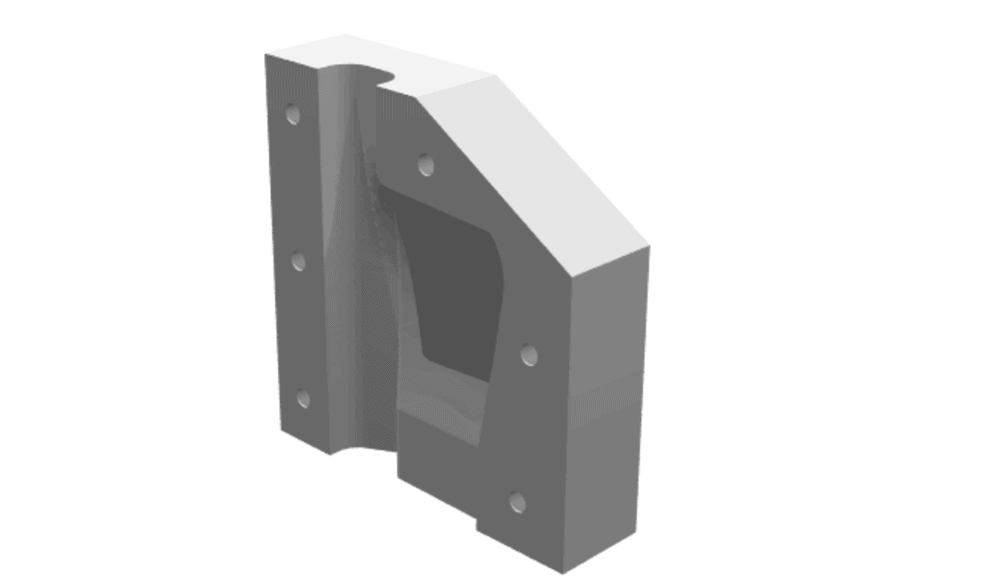
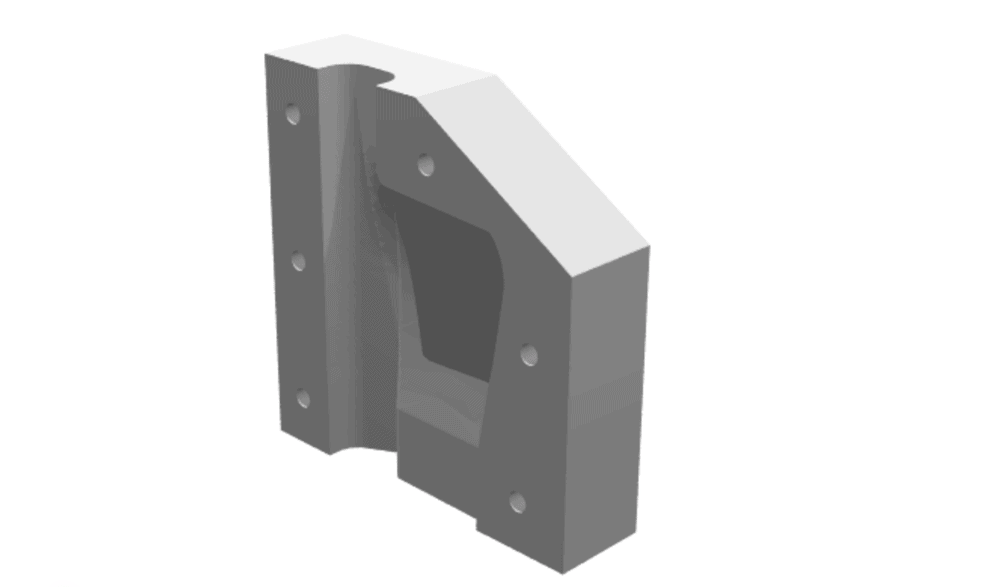
Hub Mold CAD Model
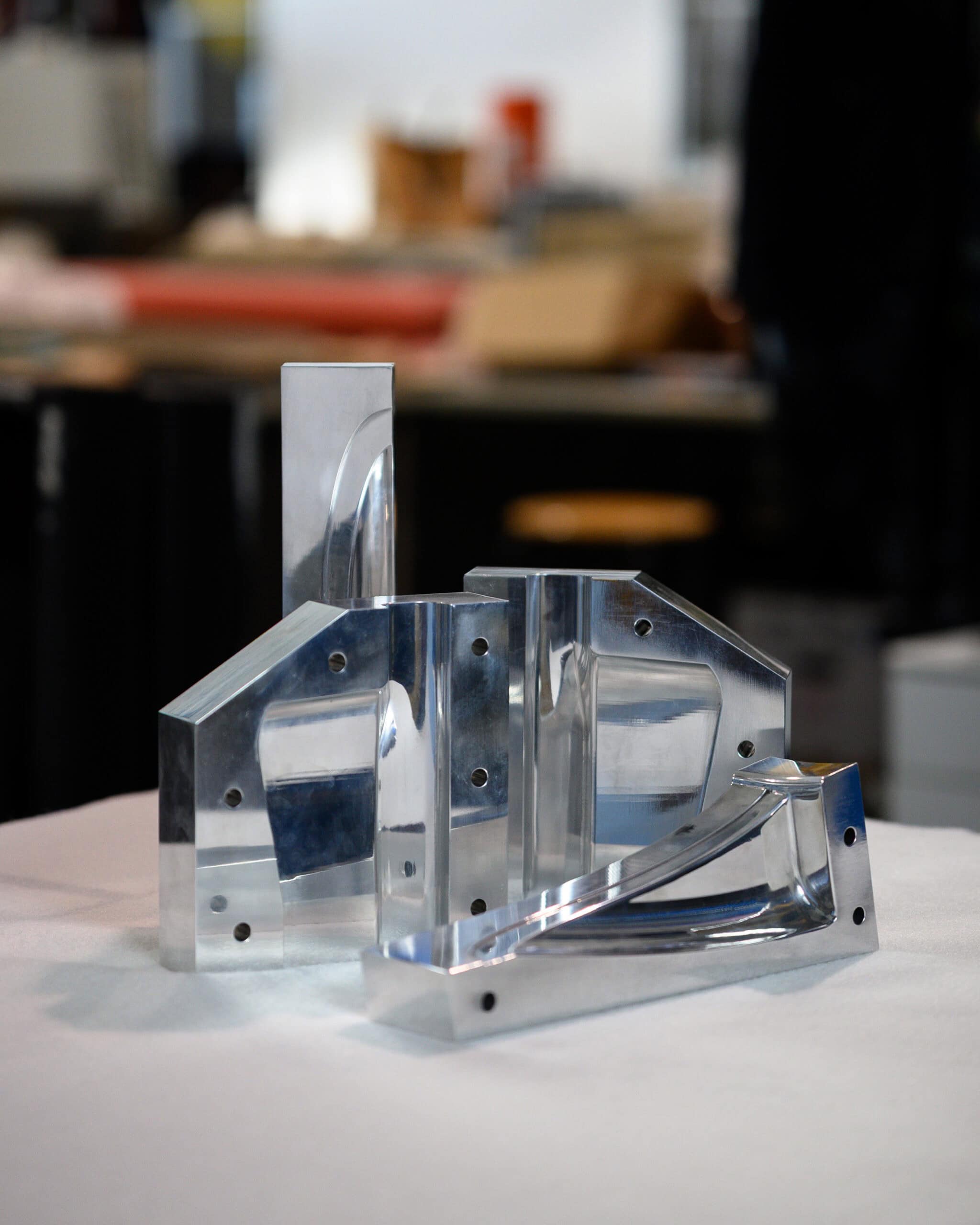
With the support of partners like Xometry, we produced high-precision molds that accurately replicate the geometry of our designs. We then carry out the lamination of composite materials ourselves.
From a structural perspective, our aircraft is designed with a strong focus on reducing mass while maintaining sufficient strength. Most structural components are made from composite materials, particularly carbon fiber laminates and sandwich structures with Rohacell or honeycomb cores. This allows us to achieve a lightweight yet rigid structure—essential for maximizing payload capacity while maintaining strong flight performance.
Material Selection for Mold Performance
One of the main challenges we faced this year was selecting the right material for the molds. They needed to withstand demanding autoclave conditions, with pressures of around 2 bar and temperatures up to 120°C. Choosing the wrong material would have compromised the entire production process.
With the support of Xometry’s technical team, we identified Aluminium 6082 (3.2315 / Al-Si1Mg) as the most suitable material. It offers a good balance of strength and weight, along with excellent machinability, which is essential for achieving the required precision in mold geometry. In addition, its thermal stability and corrosion resistance make it well suited for repeated autoclave cycles without significant deformation.
This choice translated directly into the manufacturing phase, where the selected solution proved to be highly effective and the produced components met all our design and production requirements with excellent quality.
Parts were ordered through the Xometry platform, where we manufactured critical components for our production setup using CNC milling. In particular, we produced aluminium molds made from Aluminium 6082 (3.2315 / Al-Si1Mg), including the Hub mold and Motor mount mold, designed for carbon fiber lamination. These required a surface roughness of Ra 0.8 on the inner mold surfaces, where the lamination takes place, while standard finishing was sufficient on the outer and non-functional areas. This level of control over geometry and surface quality was essential to ensure consistent composite layup and the overall performance of the final structural components.
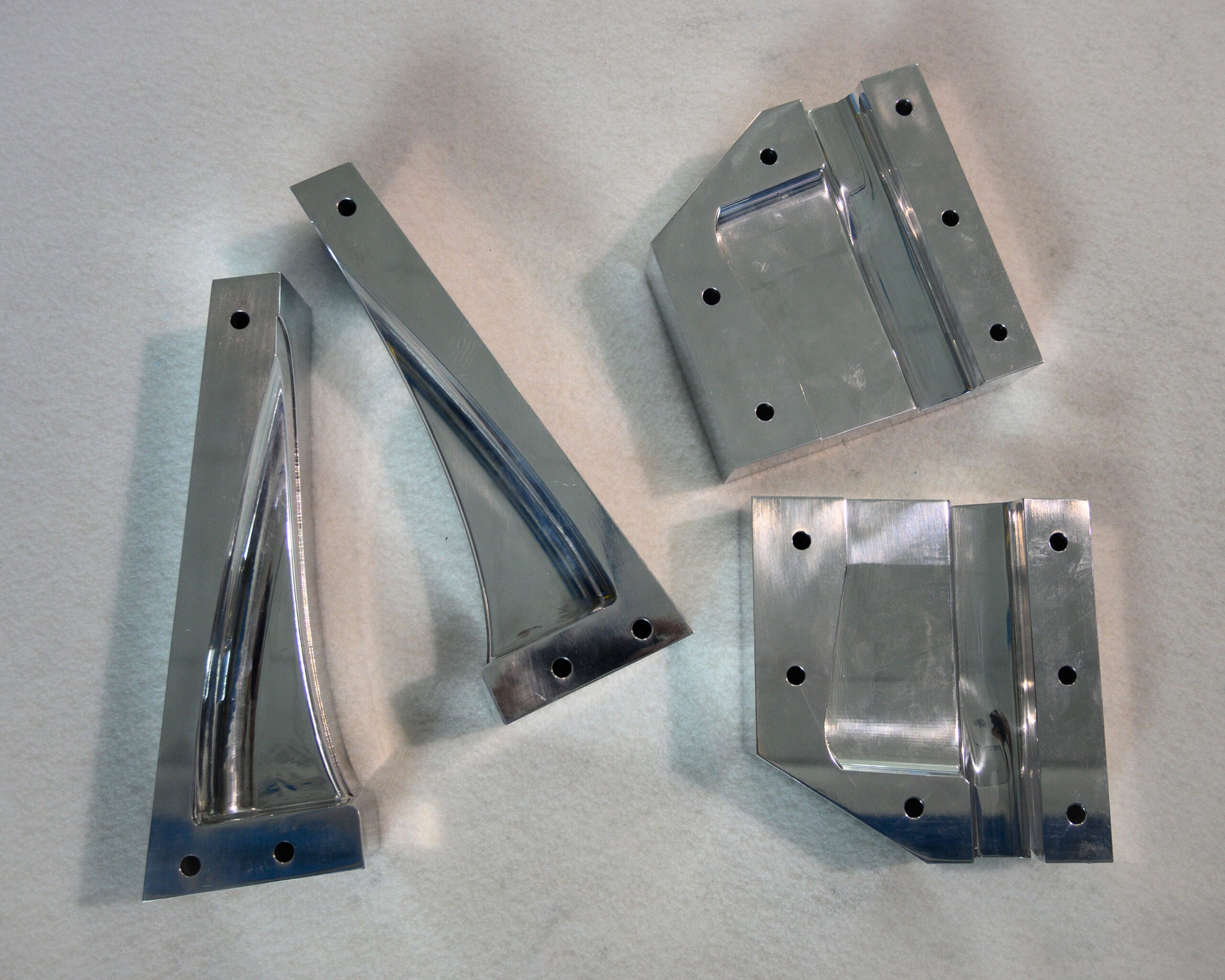
CNC-Machined Tooling Components in Aluminium 6082
What’s Next for Fly-Mi Team
The next steps for the aircraft project are focused on completing the production and assembly of multiple airframes, followed by an extensive flight testing campaign. This will begin with subsystem validation and performance assessment, and then move to pilot training and flight profile optimization to maximize competition scoring. Additional aerodynamic refinements, such as winglets and further CFD analyses, are also planned to enhance performance and expand the flight envelope.
In the short term, our main focus is the upcoming Air Cargo Challenge. It is one of the most important competitions in Europe and internationally, and we aim to replicate and improve our previous results.
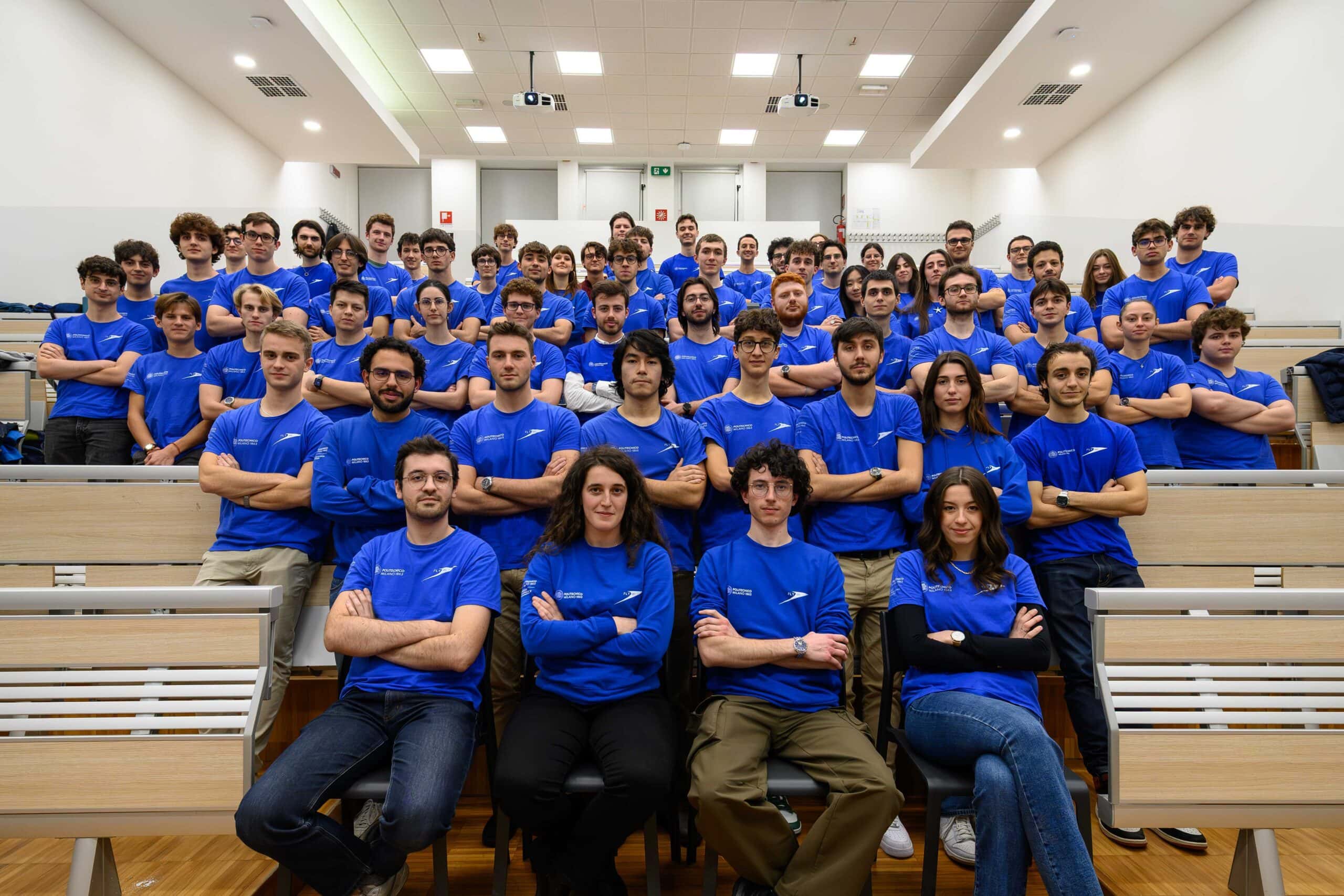
Looking further ahead, we want to continue growing both technically and organizationally. We plan to take part in new international competitions, constantly challenging ourselves and improving our design and production capabilities.
Another key priority is expanding our network of industry partners. Collaborations with companies across aerospace and other technological sectors are fundamental for building a strong bridge between the university and industrial worlds.

From Tunneling to the Stars – How Elara Aerospace Is Advancing Suborbital Rocket Engineering in Europe
Aerospace
CNC Machining
R&D
Read Story
To turn these components into reality, we required high-precision manufacturing with fast turnaround times. Through Xometry, we produced a brass test chamber for our injector experiments, machined to the specifications needed for our early-stage testing.
Read Story

Xometry Powers AcubeSAT from Prototype to Launch‑Ready Nanosatellite
Aerospace
CNC Machining
R&D
Read Story
At this time, we decisively decided to significantly simplify the design, allowing it to achieve higher precision and tolerance control through machining. During the redesign process, we realized that we needed to find a partner capable of manufacturing high-precision prototype parts—so we chose Xometry.
Read Story

R&D Efficiency Restored: Xometry Ensures Uninterrupted Supply of Critical Precision Parts
Aerospace
CNC Machining
R&D
Read Story
Collaborating with Xometry allows us to concentrate more on our core R&D, saving substantial time and significantly boosting project efficiency.
Read Story
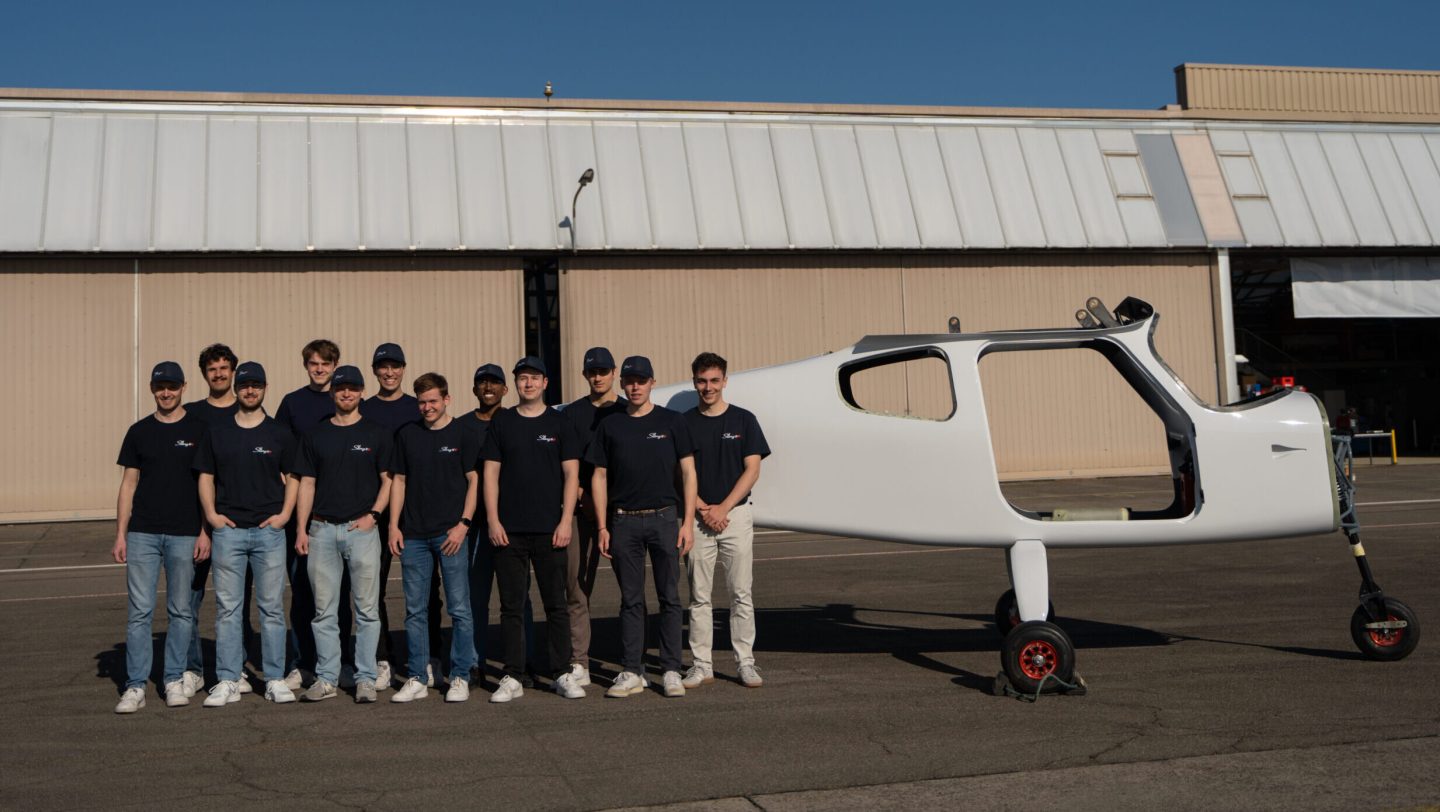

Emission-Free Across the Alps – How Cellsius Is Enabling Hydrogen-Powered Flight
Aerospace
CNC Machining
Prototyping
Read Story
We designed it with maximum strength-to-weight efficiency in mind, combining tight tolerances with complex geometry. Since producing a part this precise was beyond our in-house capabilities, we relied on external manufacturing to bring it to life. Working with Xometry’s digital manufacturing platform proved to be a practical solution. The ordering process was simple, and the part was delivered exactly to spec, which helped us stay on schedule and move forward with system integration.
Read Story
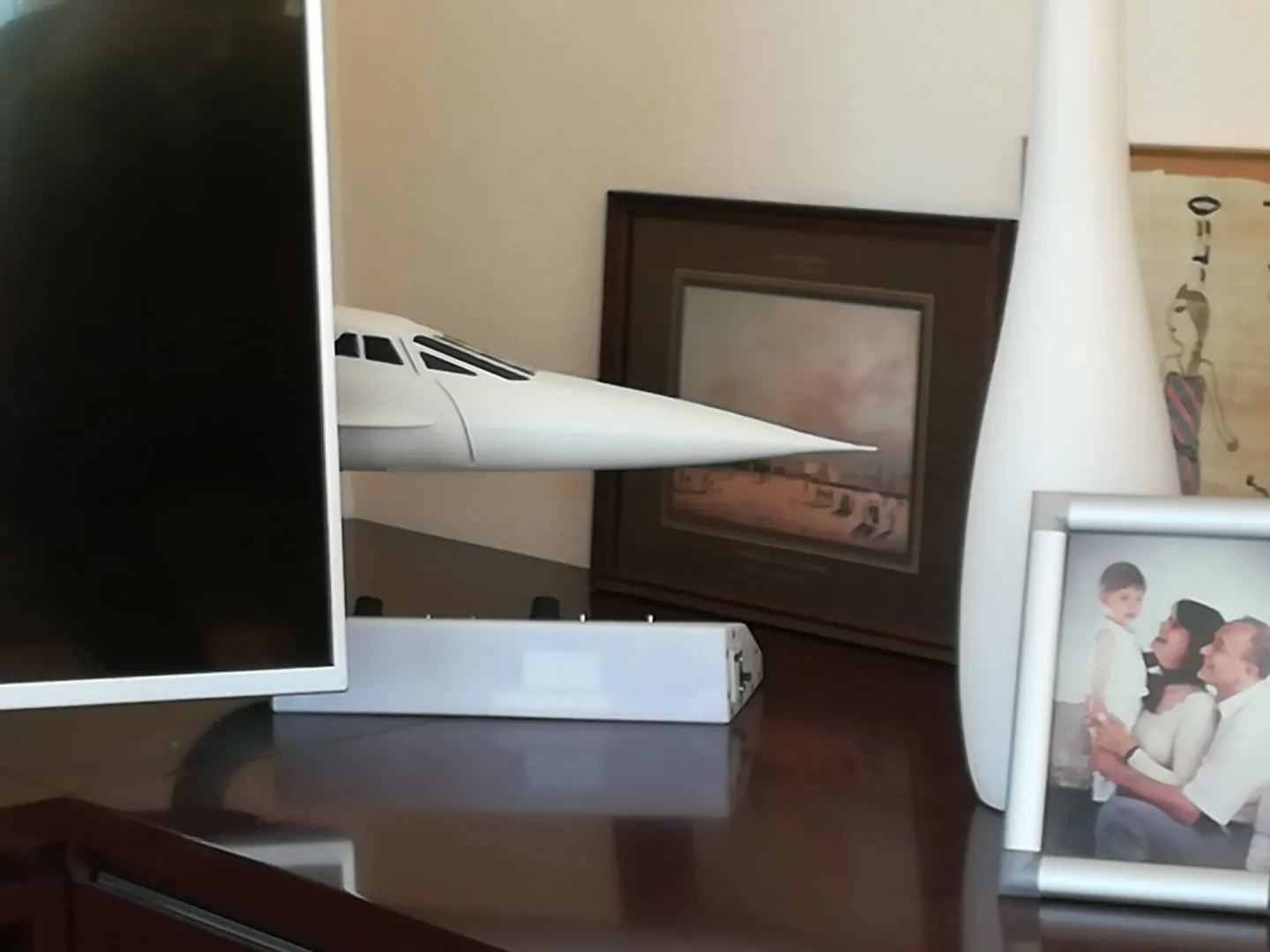
Engineering the Concorde Nose Mechanism: A Tribute to Aerospace Design
Aerospace
3D Printing
Prototyping
Read Story
For the physical prototype, I selected Selective Laser Sintering (SLS) using PA12 nylon. This combination offered the durability and dimensional accuracy I needed, while being light enough to preserve the model’s integrity and strong enough to handle repeated use. I ordered the parts through Xometry’s on-demand manufacturing service, which allowed me to test my designs without investing in a printer or tooling—a crucial advantage when working with small volumes and evolving prototypes.
Read Story
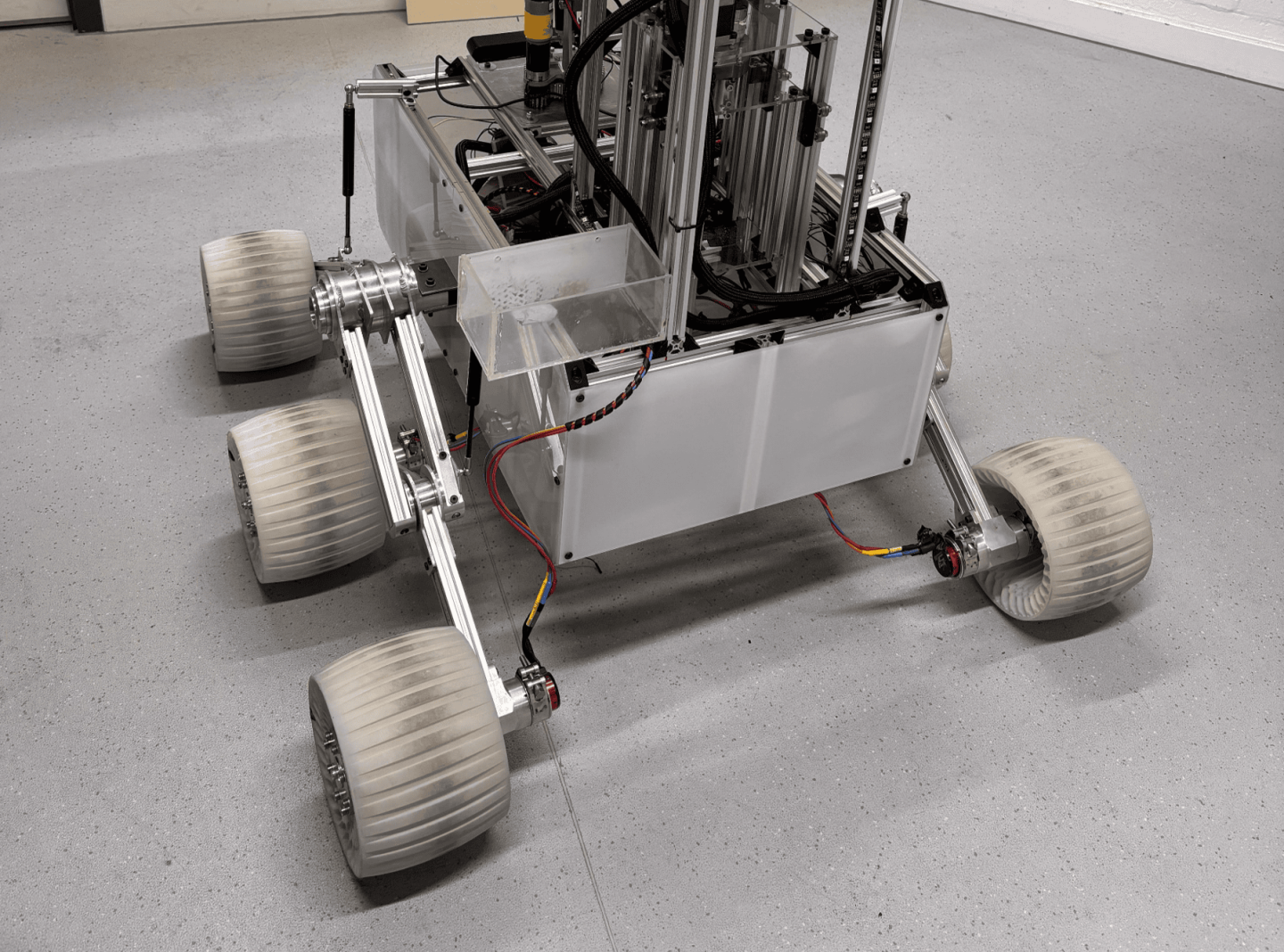

Reinventing the Wheel for Mars: How We Engineered a Flexible Airless Tyre
Aerospace
3D Printing
Prototyping
Read Story
UCL Racing's Mars Rover team developed an airless flexible wheel for the European Rover Challenge, competing on a simulated Martian surface. With Xometry's SLS 3D printing and engineering feedback, they produced six wheels from EOS TPU 1301 (Shore 86A) with a radial honeycomb lattice structure. The final design meets 220mm diameter and 120N load requirements, featuring symmetric tread pattern and integrated motor mount.
Read Story
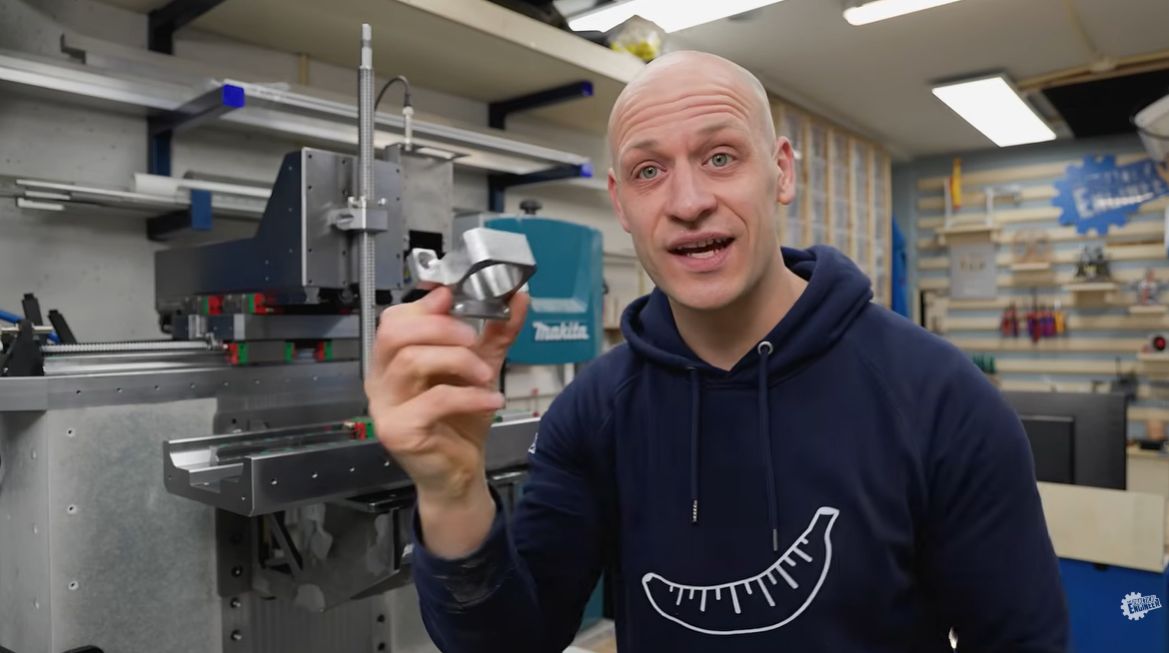

The 1-Millimetre Fix: How One Custom CNC Part Saved My 5-Axis Build
Machine Building
CNC Machining
Prototyping
Read Story
Building a CNC machine from scratch is full of moments where you find out whether your design actually works, or whether it only worked inside CAD. In the world of custom machine building, the transition from a digital model to physical assembly is rarely seamless. This was one of those moments.
Read Story
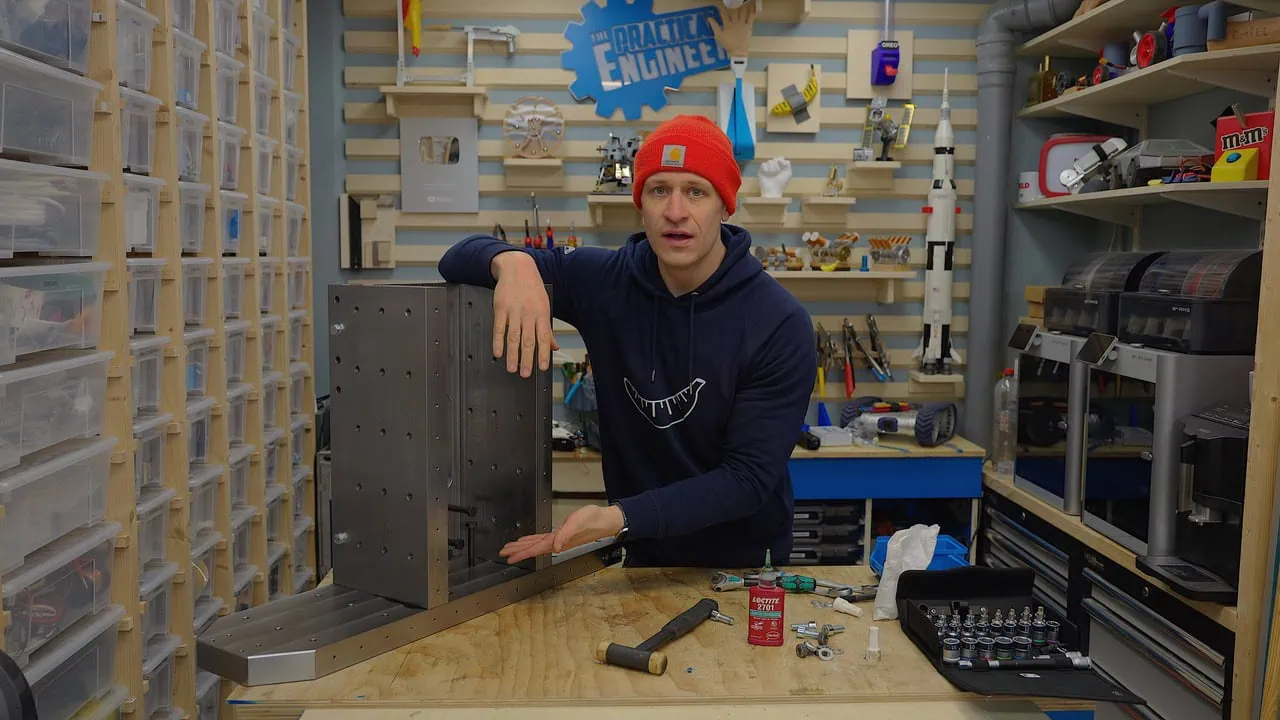
From Desktop Dreams to 400kg of Steel and Concrete: Building a High-Rigidity 5-Axis CNC
Machine Building
CNC Machining
Prototyping
Read Story
In the world of custom machine building, I’ve found there is a constant tug-of-war between theoretical performance and physical reality. As "The Practical Engineer," I dedicated this project to creating a 5-axis CNC machine that prioritizes rigidity over sheer speed.
Read Story
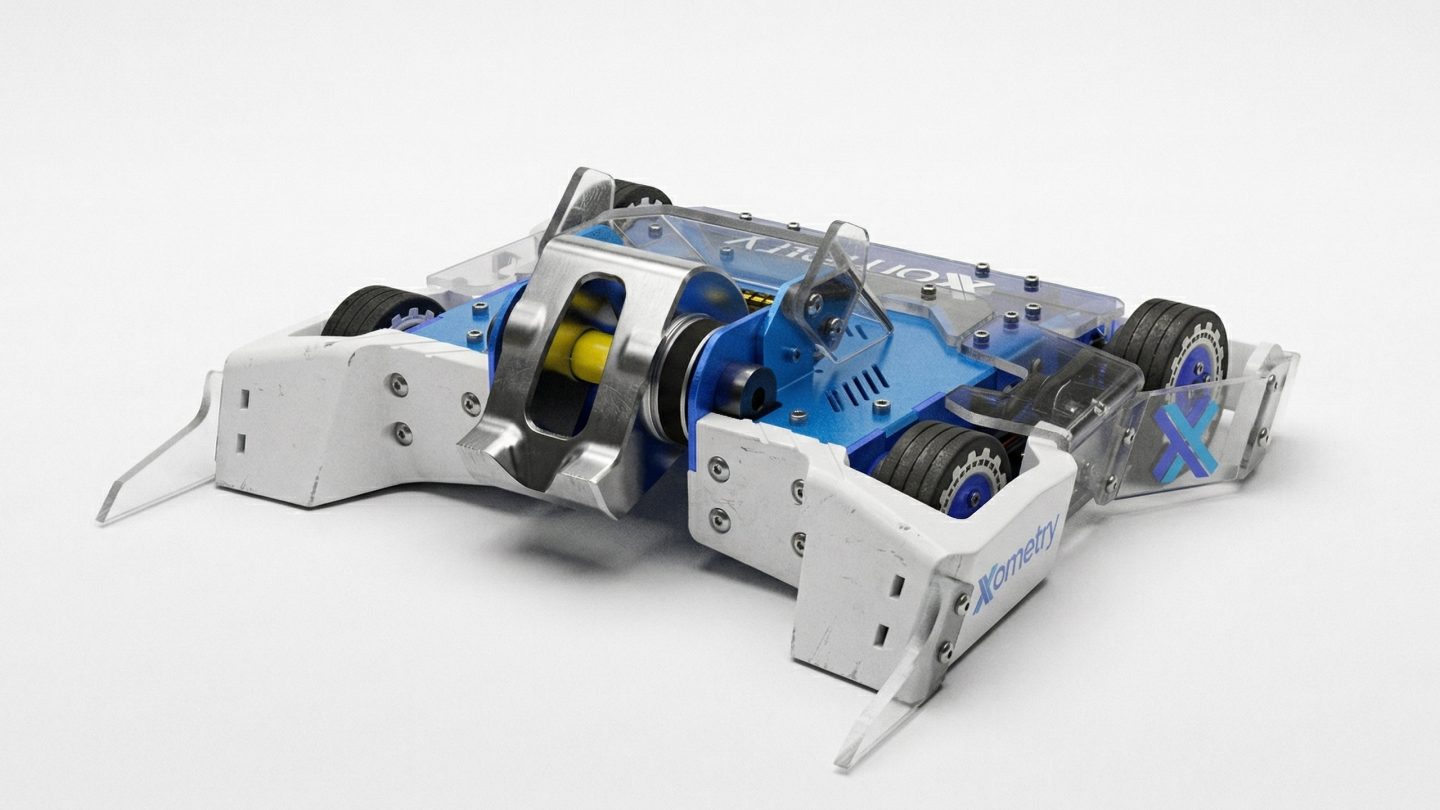
Torx Robot: The Story Behind Accu’s Engineering and Xometry’s Precision CNC Machining
Robotics
Machine Building
CNC Machining
Prototyping
Read Story
Go behind the scenes for the development of Torx: the combat robot built by Accu for FightFest 2026, with CNC machining support from Xometry. Explore the journey from the drawing board to the arena, showing how a combat robotics project takes shape, and see how Torx went on to win the official FightFest Championship trophy.
Read Story
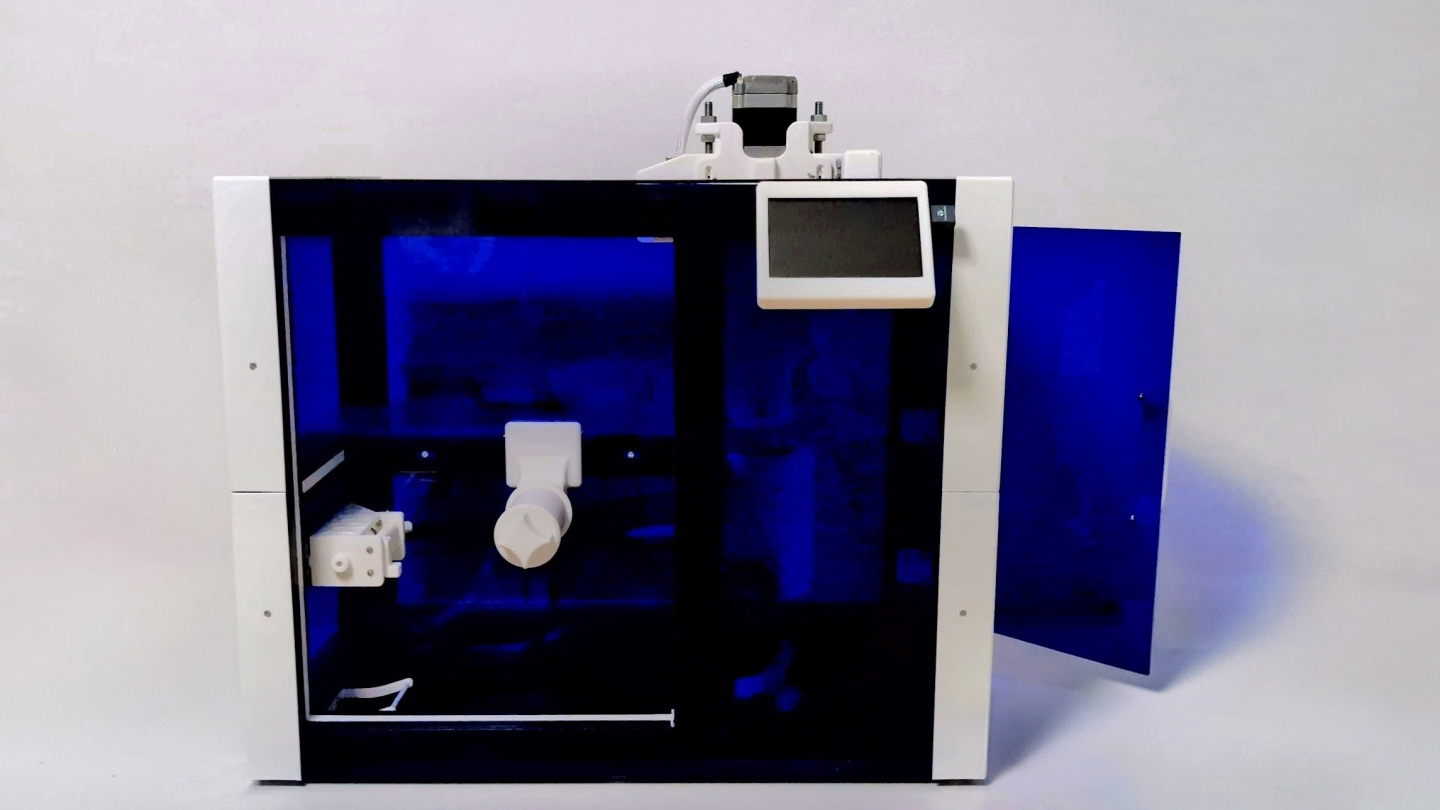

The Rethink of 3D Printing Waste and the Next Chapter of the Desktop Filament Recycler Story
Machine Building
3D Printing
CNC Machining
Prototyping
Read Story
By using agile testing and redesigning a double-sided support to resolve motor deformation and calibration challenges, the TGM student team successfully turned 3D printing waste into high-quality PLA filament.
Read Story
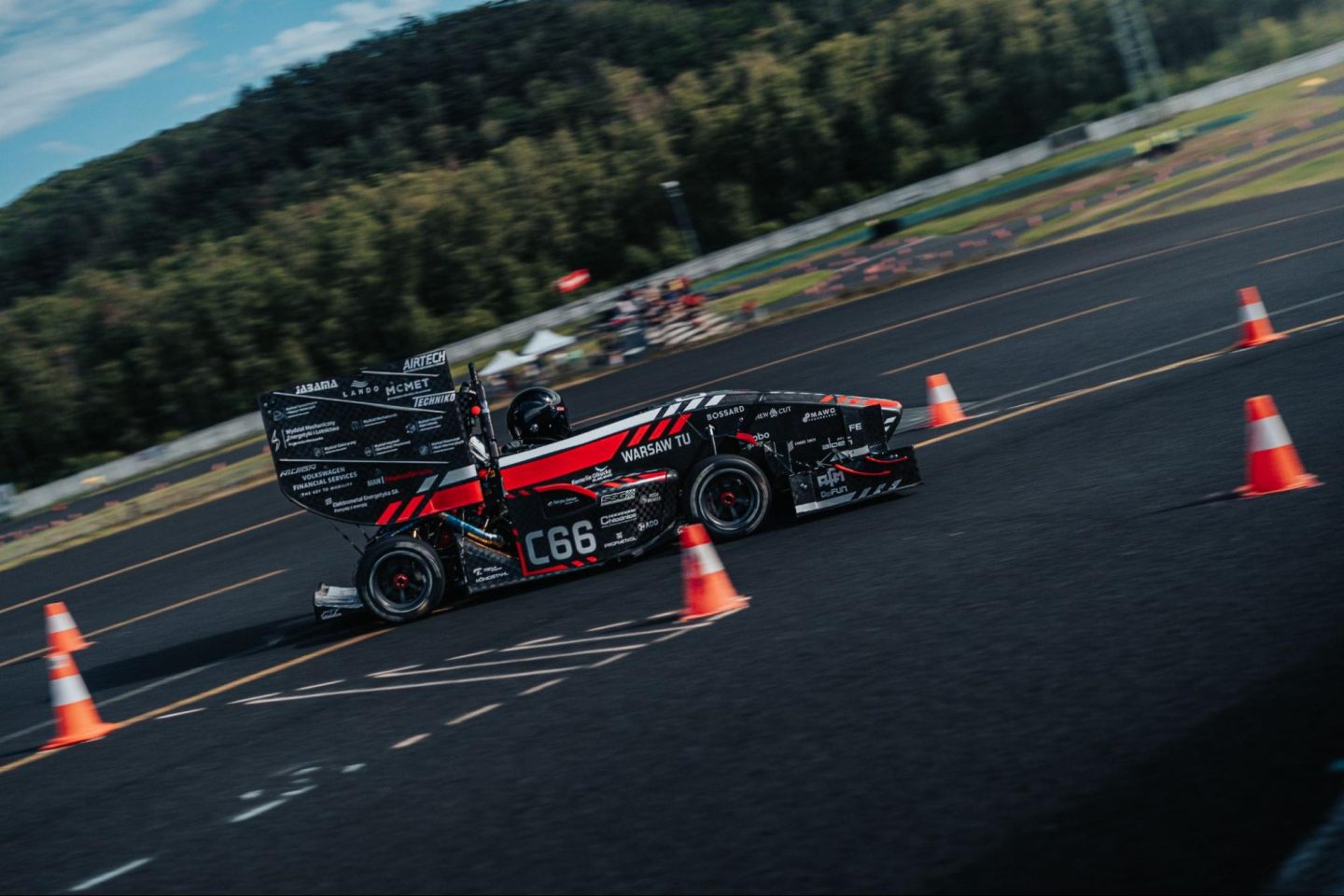

Inside the Engineering of the WUT-7 for Lightweight Performance
Automotive
CNC Machining
Prototyping
Read Story
Through topology optimization, refined kinematics, and a custom steering system, the WUT Racing team from Warsaw University of Technology reduced the weight of key WUT-7 components by over 50%, bringing their ultra-lightweight design from concept to track via precision manufacturing.
Read Story
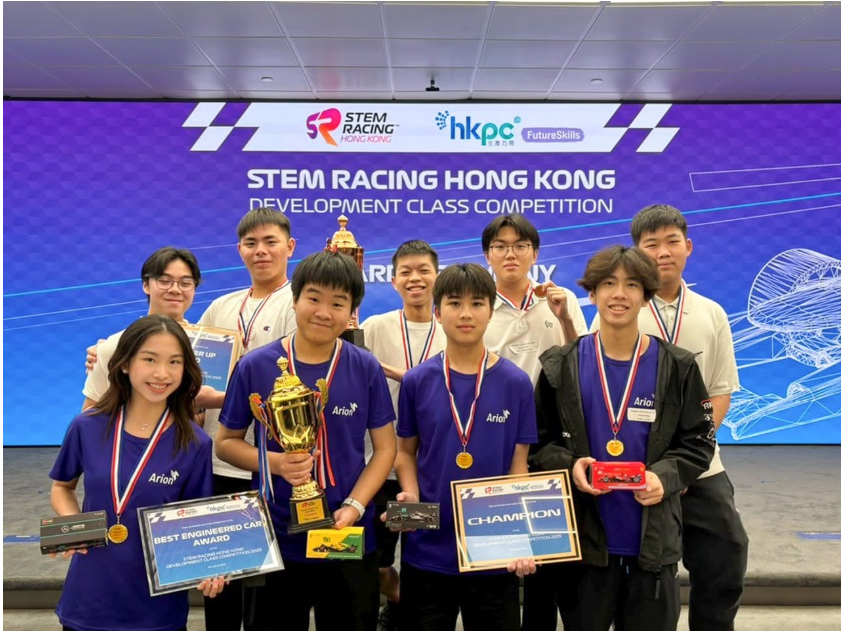

How AI-Powered On-Demand Manufacturing Helps a STEM Racing Team Achieve Faster Iteration and Championship Performance
Automotive
3D Printing
CNC Machining
Sheet Metal
R&D
Read Story
Team Arion, a student racing team from Singapore International School Hong Kong, used Xometry’s AI‑powered on‑demand manufacturing platform to overcome the hurdles of small‑batch, complex parts production, accelerated their design iterations, and went on to win the 2025 STEM Racing championship along with the Best Engineering Design Award.
Read Story