Through topology optimization, refined kinematics, and a custom steering system, the WUT Racing team from Warsaw University of Technology reduced the weight of key WUT-7 components by over 50%, bringing their ultra-lightweight design from concept to track via precision manufacturing.
Industry
Automotive
Country

Poland
Use case
Prototyping
Technology
CNC Machining
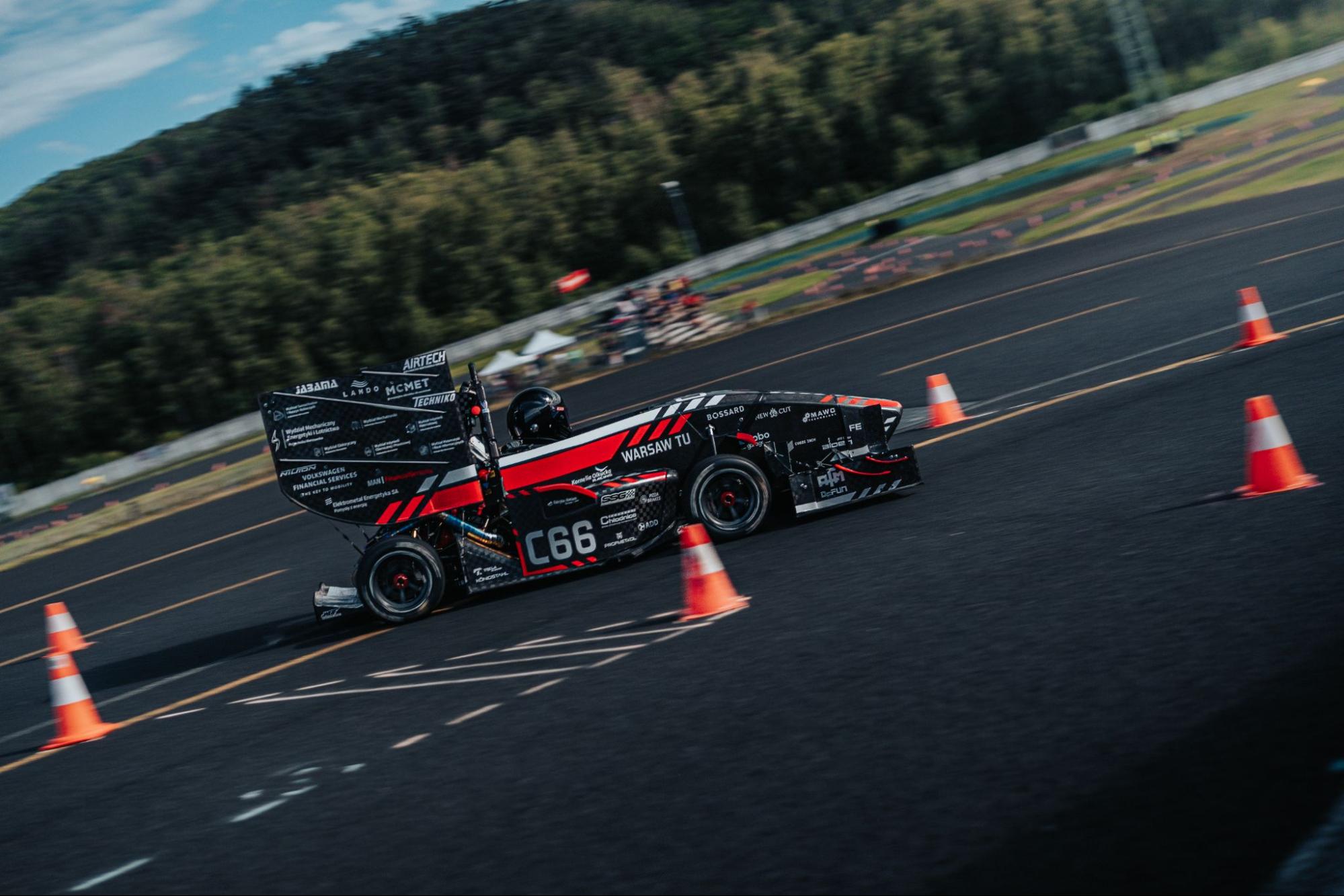
Faced with the challenge of developing their latest Formula Student race car, the WUT Racing team from Warsaw University of Technology focused on topology optimization and vehicle dynamics. By rethinking their suspension, steering, and lightweighting strategies, they designed key components that weigh more than 50% less than the previous generation while maintaining the precision and reliability required for the demands of the race track.
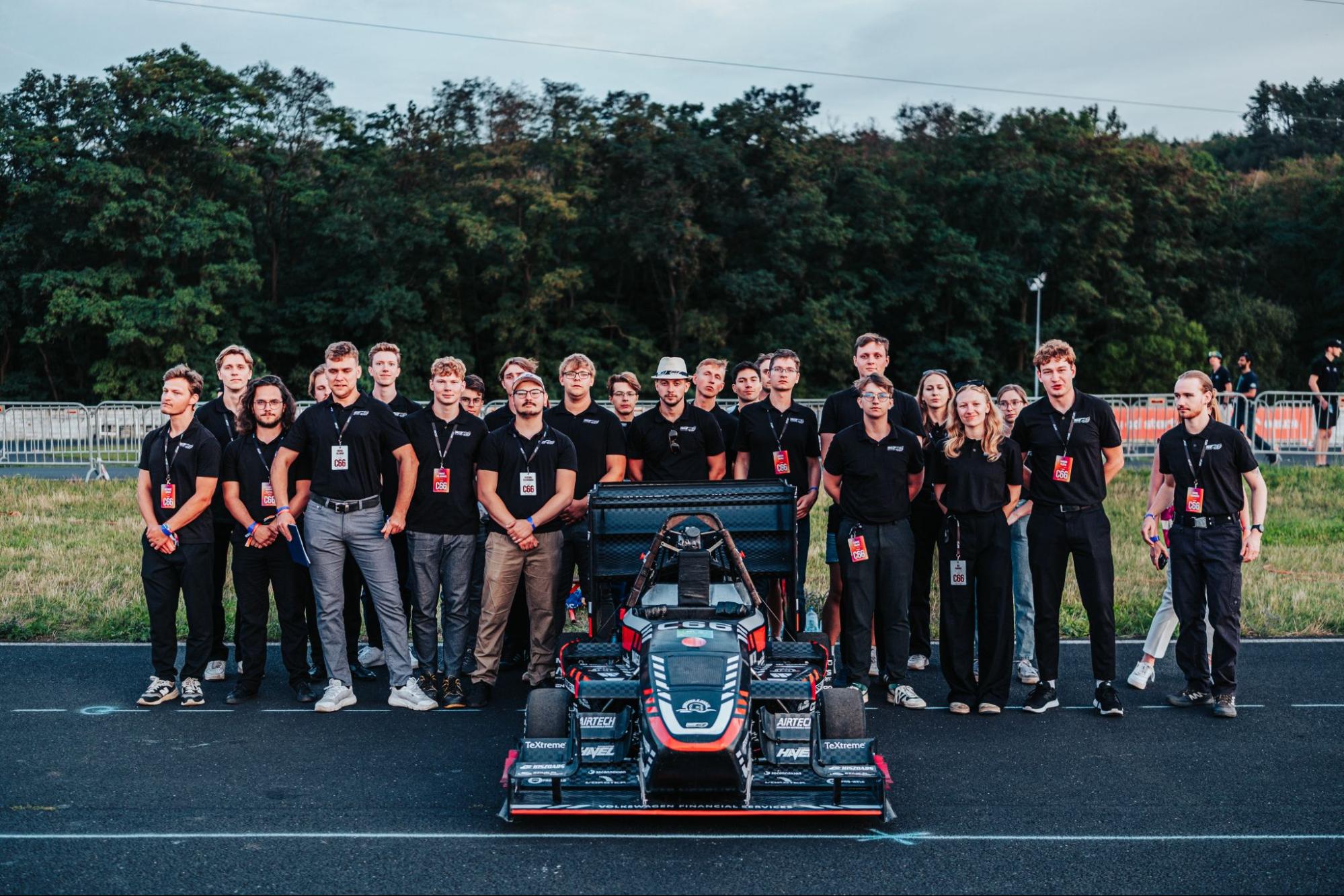
Hi, we are WUT Racing, the official Formula Student team of the Warsaw University of Technology. Founded in 2011, our team brings together ambitious students from various universities and technical fields across Warsaw to design, build, and race high-performance open-wheel prototype race cars for the prestigious Formula Student events across Europe, including in Poland, the Czech Republic, and Austria, as well as in competitions organized by SAE International.
Following a successful 2025 season, where our previous car, the WUT-6, achieved podium finishes in both the autocross and engineering design categories, we turned our focus to developing the WUT-7.
When designing the WUT-7, we refused to settle for incremental improvements. Driven by engineering ambition and rigorous data analysis, we focused on uncompromising weight optimization and a fundamental overhaul of our vehicle dynamics.
Rethinking Suspension and Kinematics
Our journey started with integrating new simulation software, OptimumG. Once we thoroughly validated its computational models, we completely redesigned our kinematics. We extended our carbon fiber suspension tubes to ensure the wheel travels through a larger, smoother arc of motion while completely re-engineering our dampening system.
In previous years, we used a shoulder screw covered in grease, meaning suspension friction depended entirely on bolt torque. For the WUT-7, we engineered a precision bearing setup into the rocker to standardize movement and eliminate unpredictable friction.
Uncompromising Lightweighting
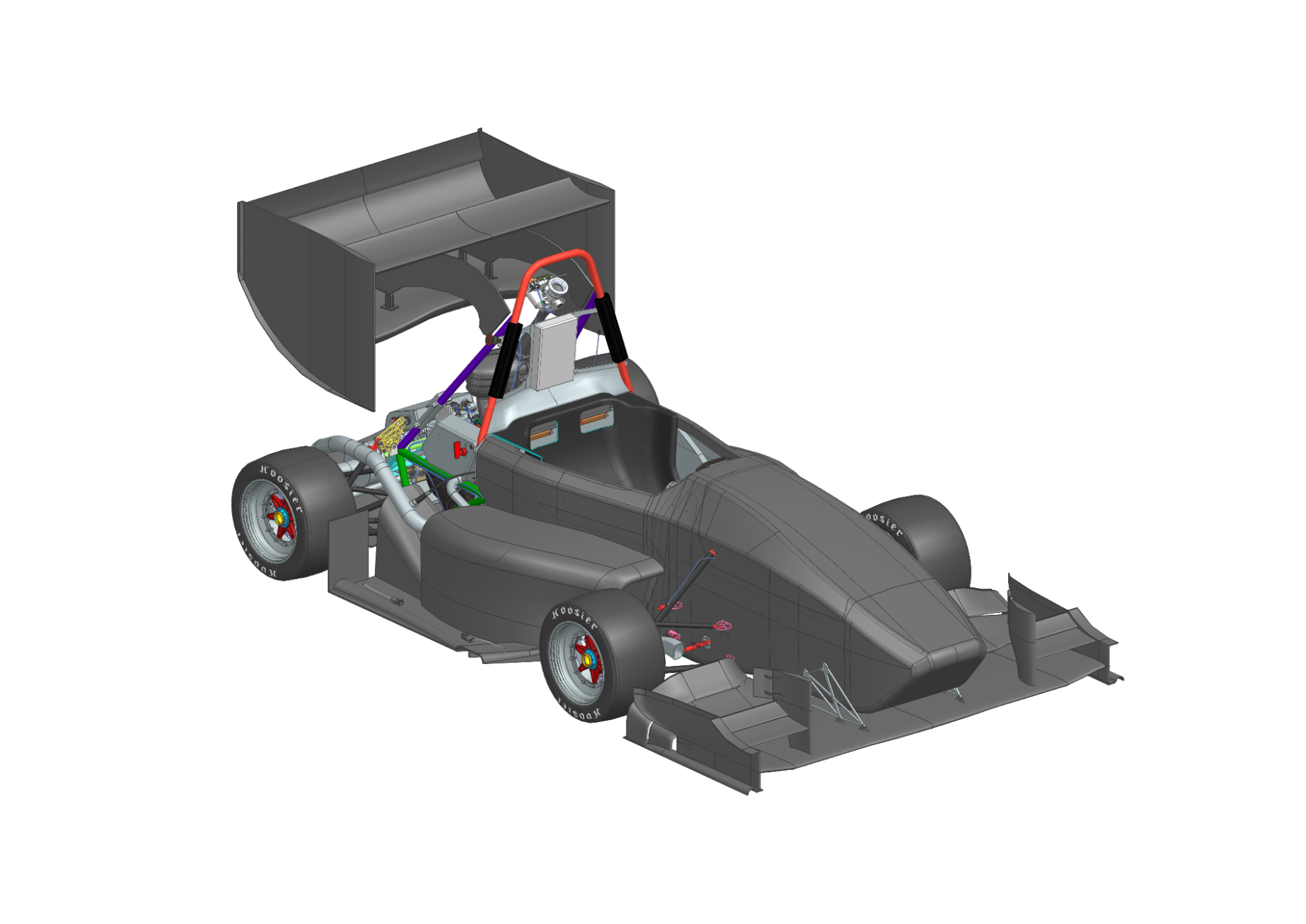
To reduce unsprung mass, we utilized advanced topology optimization extensively. However, this year we pivoted away from metal 3D printing. Instead, we took on the challenge of adapting nature-inspired, force-optimized geometries so they could be manufactured using precision CNC machining.
By adopting carefully calculated safety factors and re-evaluating our bearing wear assumptions based on exact load data, we designed new uprights and wheel hubs that weigh more than 50% less than last year’s iterations.
A Completely New Steering System
Our previous steering setups relied on cardan joints or off-the-shelf bevel gears, which generated too much play and suffered from rapid wear due to high operating angles. This year, we designed a custom steering bevel gear system from scratch.
To ensure the gears mesh perfectly regardless of chassis tolerances, the steering position is finely adjustable using kidney slots and specific washers. Combined with meticulously calculated carbon fiber tie rods, we eliminated steering play almost entirely, delivering significantly improved driver feedback.
Bringing the Design to Life
Designing radical, lightweight parts in CAD software is one thing; manufacturing them to survive the brutal cyclic fatigue of a race track is another.
A major highlight of the WUT-7 is our custom carbon fiber rims. Based on the Kaizer Rim design, the new rim is 0.5 inches wider, allowing us to run a larger tire and significantly increase mechanical grip. The challenge was calculating the carbon layup precisely so the rim would not flex under heavy cornering G-forces without adding unnecessary weight.
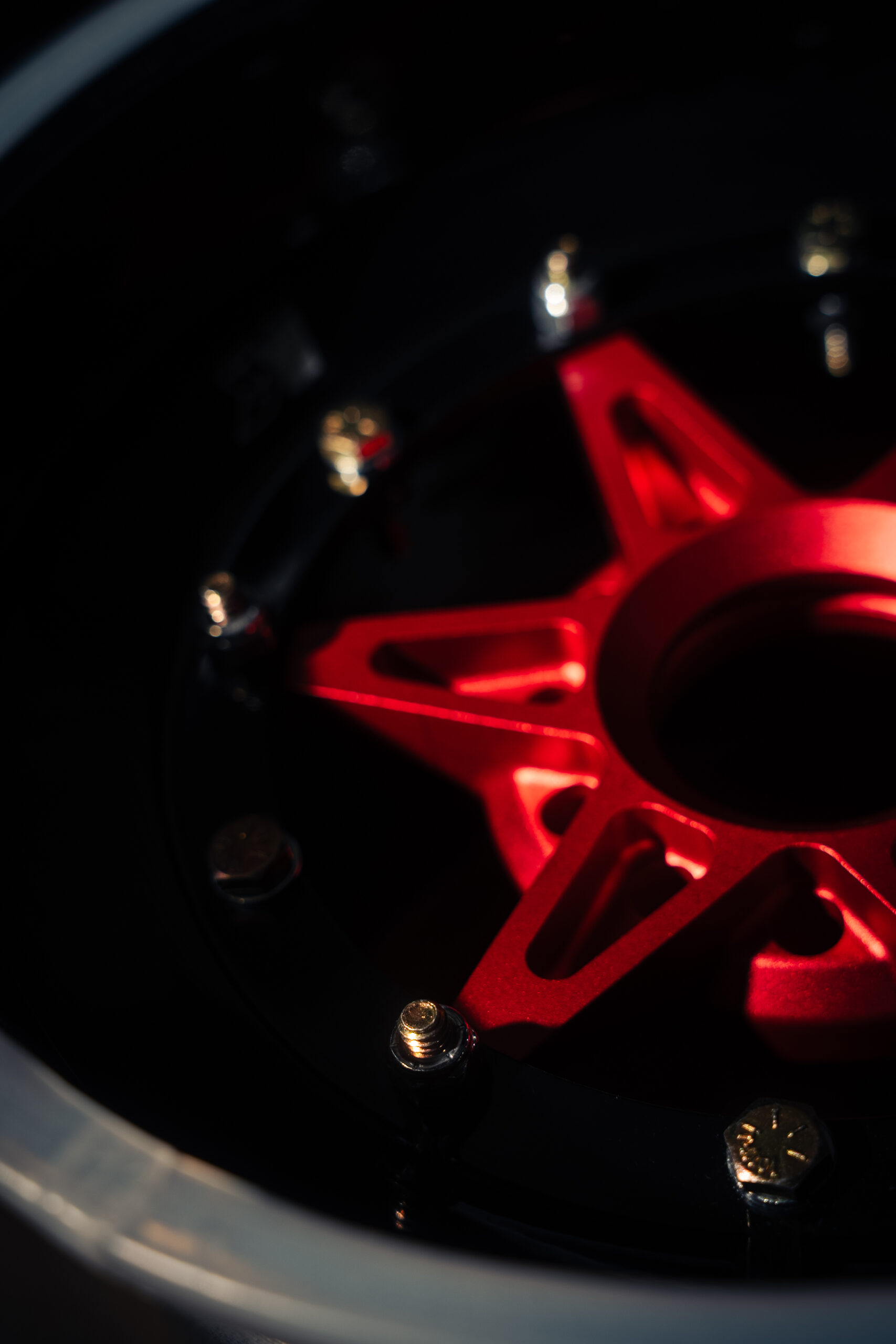
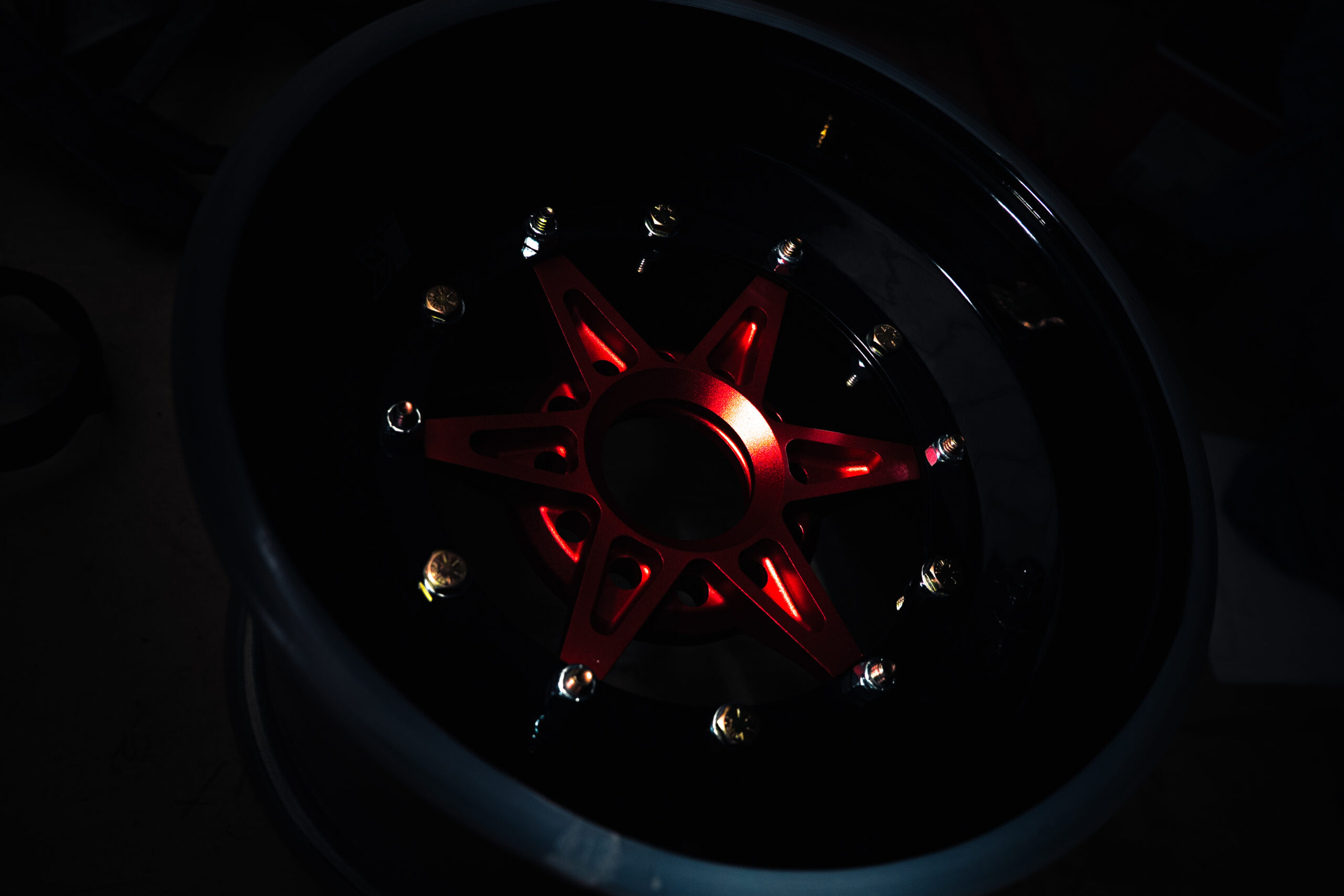
To connect these wider carbon rims to our lightweight CNC-machined uprights, we needed flawlessly machined rim adapters. These critical load-bearing components were manufactured by Xometry with the precision required to transfer high torque and lateral loads without adding unnecessary unsprung mass.
Our new suspension geometry also allowed us to drastically reduce the size of the aluminum inserts bonded into our carbon fiber suspension tubes. Because these inserts are smaller, manufacturing tolerances had to be impeccable to guarantee the structural integrity of the suspension throughout the season. These components were delivered with the exact surface finish and dimensional accuracy, giving us the confidence to execute our most ambitious engineering designs.

Topology-optimized CNC-machined rim adapters for the custom carbon fiber wheels
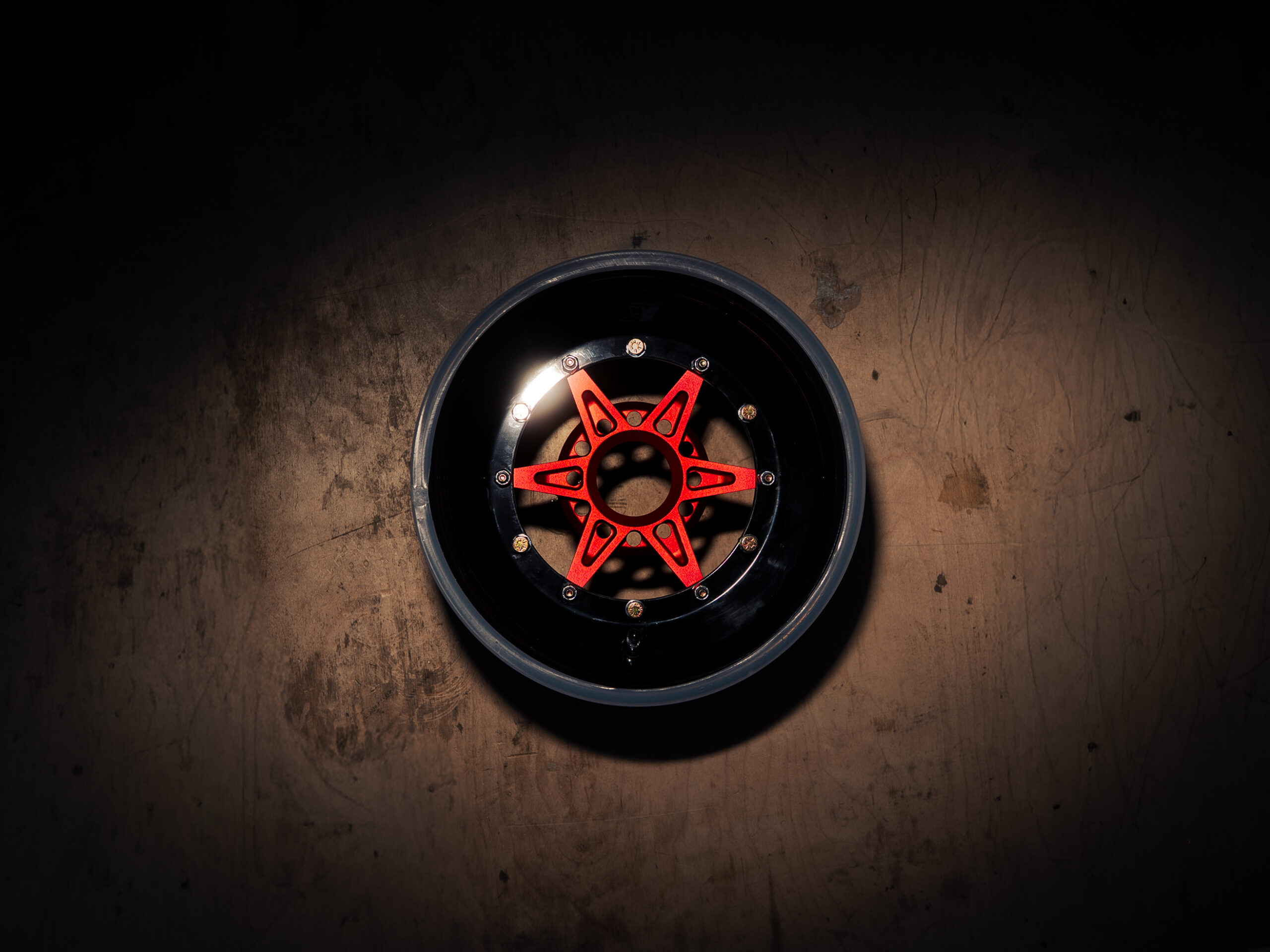
Custom carbon fiber rim with a CNC-machined rim adapter
The Road Ahead and Key Takeaways
Our team is currently developing the WUT-7, which includes designing a new monocoque and steel space frame while building on the lessons learned from the WUT-6. A major focus will be further optimization of vehicle dynamics and telemetry systems to improve overall performance and reliability.
We also face an intense 2026 competition schedule with Formula Student Czech, Austria, and Poland, requiring careful preparation and logistics. Securing sufficient sponsorships and funding remains an ongoing challenge as we support the costs of design, manufacturing, and international competition. At the same time, integrating new team members, maintaining high engineering standards, and pushing for podium finishes across both static and dynamic events will continue to test our engineering and project management capabilities.
One of the team’s key takeaways is to trust engineering calculations while verifying the manufacturing process. It is easy to design a mathematically perfect, ultra-lightweight part in CAD, but if it cannot be precisely machined, it remains just a concept. WUT Racing’s advice for teams facing similar challenges is to take full advantage of topology optimization and kinematics while always designing with real-world CNC capabilities in mind.

How AI-Powered On-Demand Manufacturing Helps a STEM Racing Team Achieve Faster Iteration and Championship Performance
Automotive
3D Printing
CNC Machining
Sheet Metal
R&D
Read Story
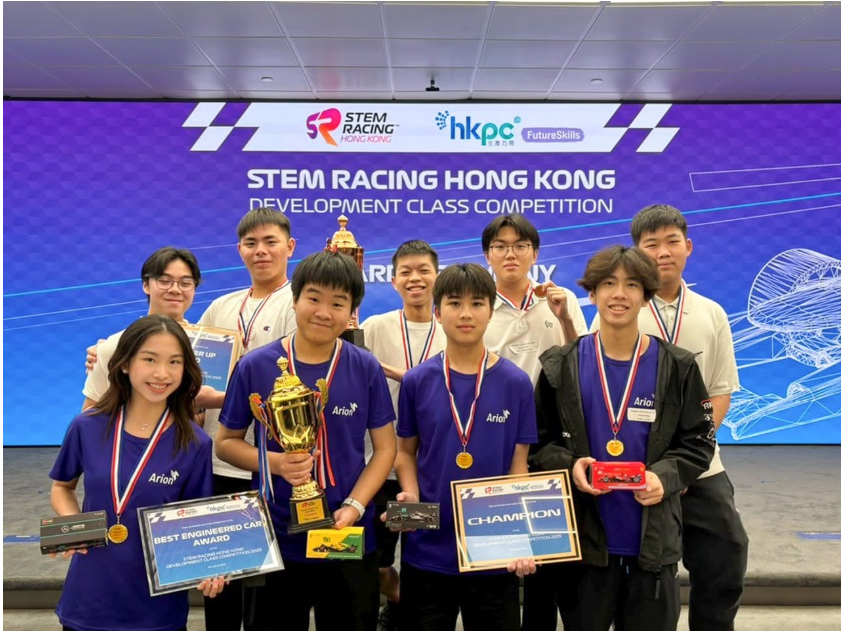
Team Arion, a student racing team from Singapore International School Hong Kong, used Xometry’s AI‑powered on‑demand manufacturing platform to overcome the hurdles of small‑batch, complex parts production, accelerated their design iterations, and went on to win the 2025 STEM Racing championship along with the Best Engineering Design Award.
Read Story
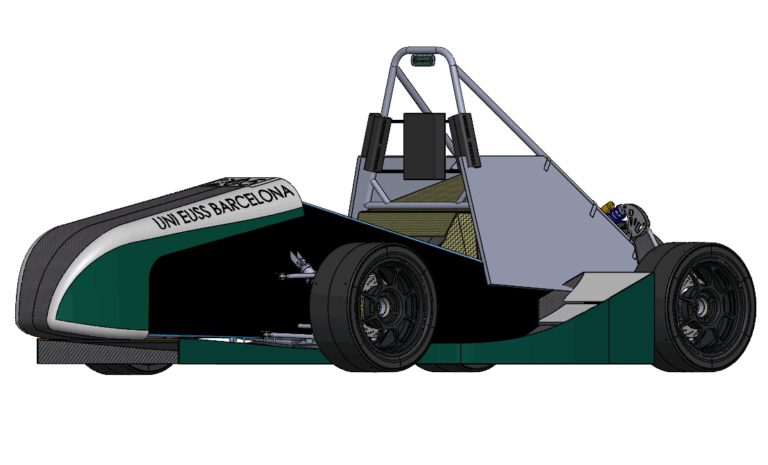

Building the EM-05: Our Journey to EUSS Motorsport’s Most Innovative Electric Race Car
Automotive
CNC Machining
Prototyping
Read Story
The transition to electric has been a steep learning curve, but what keeps us moving forward is our ability to adapt and to work closely as a team. Every mistake or setback becomes a lesson that makes us stronger. Even when continuity is difficult, with experienced members graduating and new ones joining, the project itself becomes the bridge, carrying knowledge and experience forward.
Read Story

Manufacturing-as-a-Service: A New High-efficiency & High-quality Option Under the Innovative Manufacturing Model
Automotive
CNC Machining
R&D
Read Story
We are highly satisfied with Xometry’s comprehensive manufacturing services. They support low-volume one-off production, deliver prompt response and great collaboration throughout the R&D phase, and have helped us save significant time costs.
Read Story
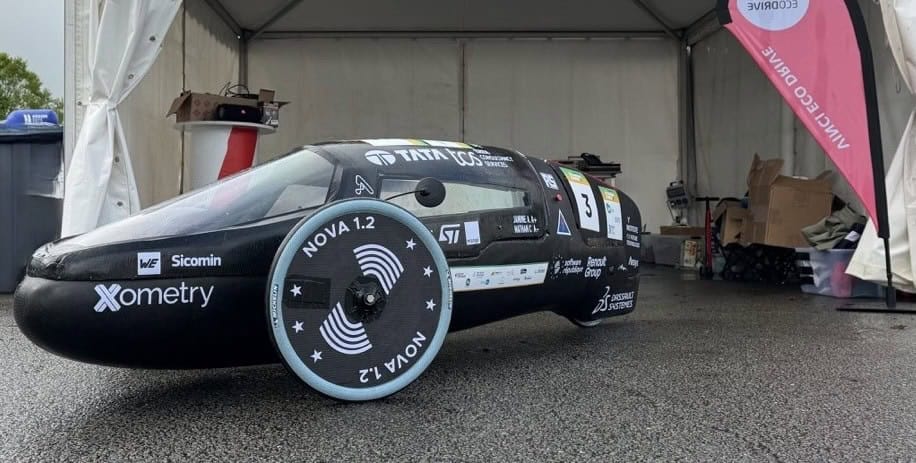

From Design to Competition: The Journey of Vinci Eco Drive and Their Electric Single-Seater
Automotive
CNC Machining
Prototyping
Read Story
Our predecessors had already collaborated with Xometry. We needed a solution to machine parts we couldn’t produce ourselves. Xometry proved to be the easiest and most collaborative option. The Instant Quoting Engine is very convenient and allows us to quickly estimate the total cost of our parts. Its user-friendly interface makes it easy to precisely configure our requirements. Additionally, the fast delivery times streamline our final assembly process.
Read Story


Pembleton: Meticulously Engineered Cycle Cars Built With On-Demand Manufacturing
Automotive
CNC Machining
High-Volume Manufacturing
Read Story
Our experience with Xometry has been excellent, we’ve used Xometry for a number of years now and we’ve always found working with them to be straightforward. They’re very proactive with helping find engineering and manufacturing solutions for us, as well providing very accurate lead times. On the rare occasion when there are delays, they have been very forthcoming with information and have provided possible alternatives to meet our demands
Read Story
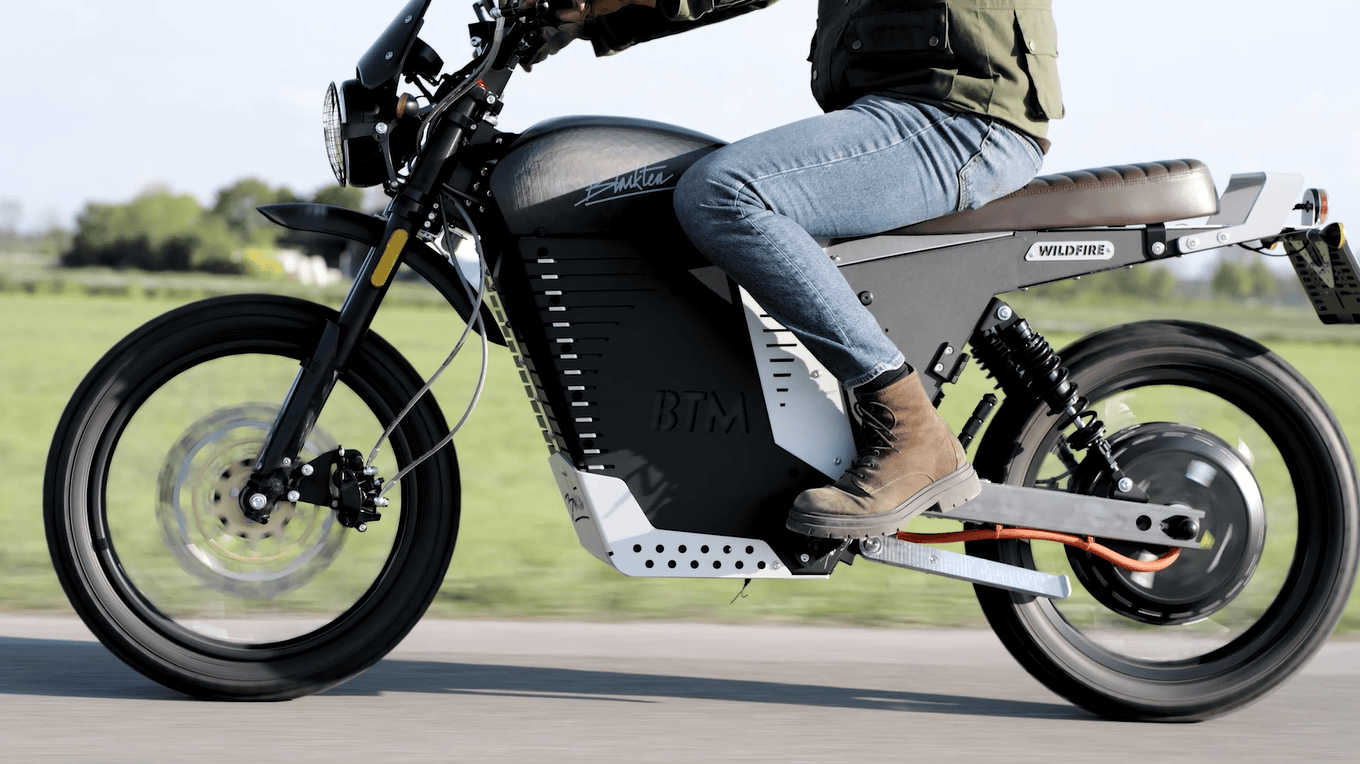

Efficient Sourcing of Electric Motorcycle Parts with Xometry
Automotive
E-Mobility
CNC Machining
Sheet Metal
High-Volume Manufacturing
Read Story
Black Tea Motorbikes, a Munich-based startup founded in 2020, builds retro-inspired electric Café Racer motorcycles with production in Bavaria. With Xometry's sheet metal fabrication and CNC machining, they produce complex multi-bend frame components requiring tight design tolerances. Parts are ordered in small batches of 20 units, enabling flexible production scheduling and optimized cash flow.
Read Story


Even faster: student Formula SAE team improves their car with Xometry support
Automotive
CNC Machining
Prototyping
Read Story
We are very happy with the quality of the parts, they respect all the characteristics we asked, from the materials to the tolerances. We have received the parts in time and are very grateful to Xometry, because thanks to you we are closer to completing the assembly of the car.
Read Story
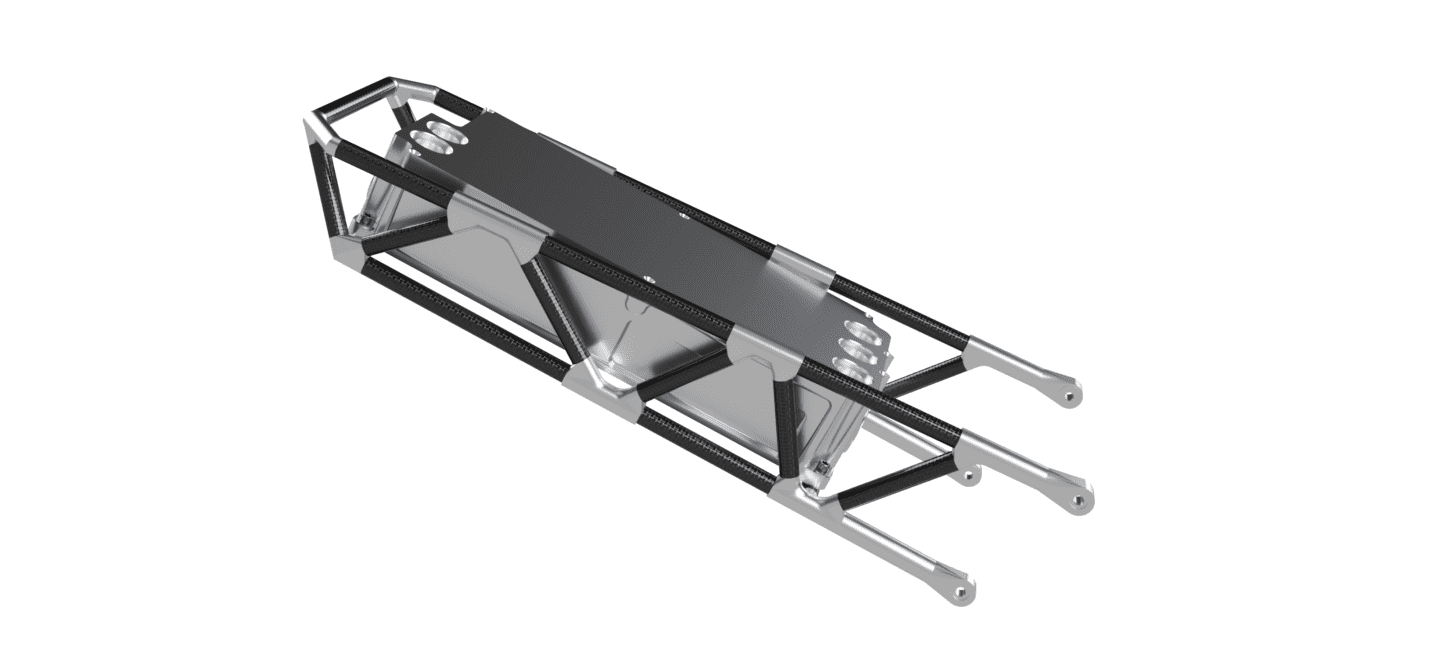
Xometry assists in the production of Warwick Moto’s industry-leading superbike subframe
Automotive
E-Mobility
CNC Machining
Prototyping, R&D
Read Story
Warwick Moto, a University of Warwick student team, is developing Aurora, an electric superbike for Isle of Man TT. With Xometry's 5-axis CNC machining, they produced aluminum nodes for an industry-first carbon tube subframe housing an electric inverter. The 1.3kg subframe weighs 1.5kg less than standard parts, achieved through over 100 design iterations and FEA analysis.
Read Story
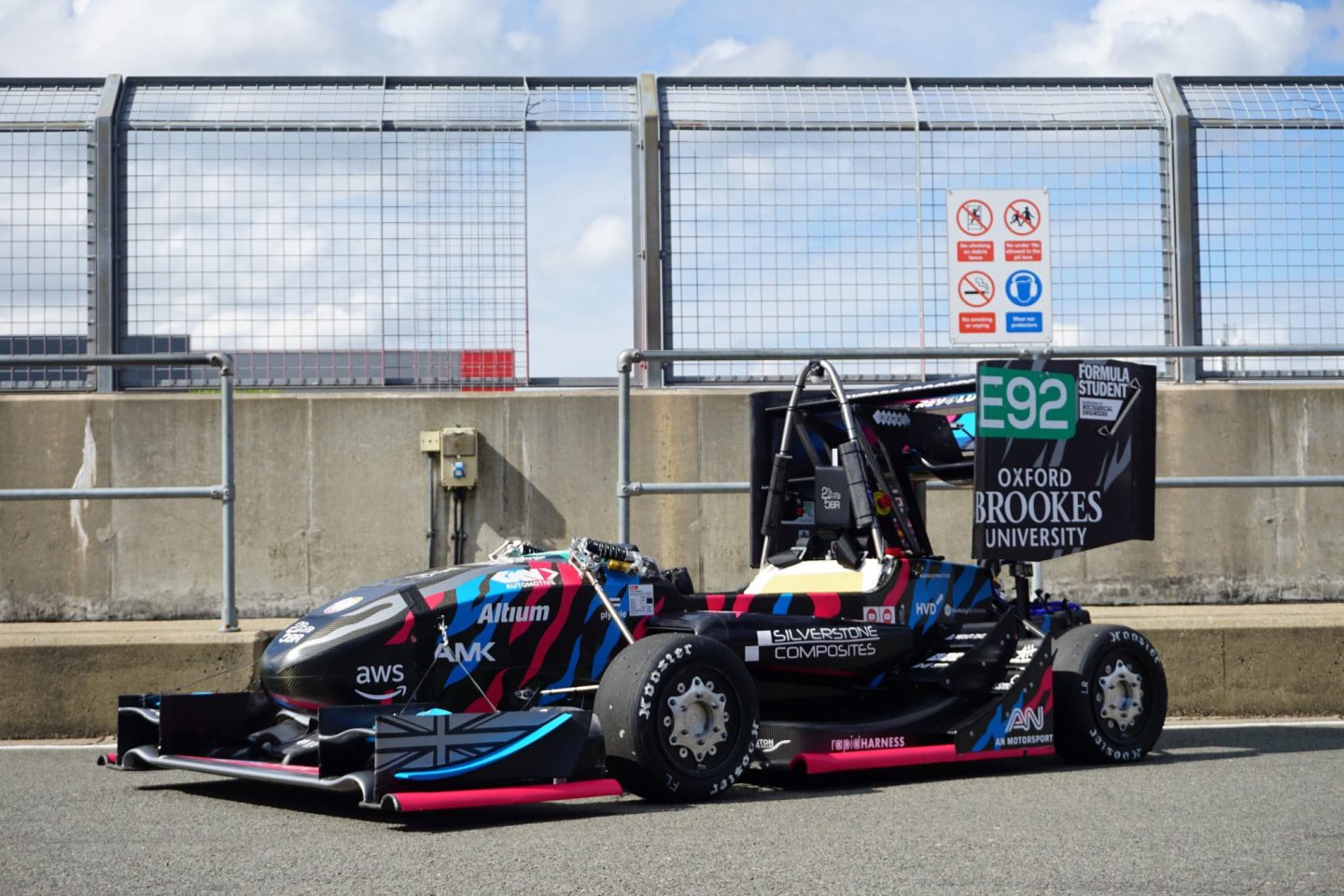
Building Speed: How Oxford Brookes Racing is Pushing the Limits in Formula Student
Automotive
Sheet Metal
Prototyping
Read Story
By leveraging Xometry’s waterjet cutting services, our team has been able to stay on track with deadlines while maintaining high-quality standards in component production
Read Story
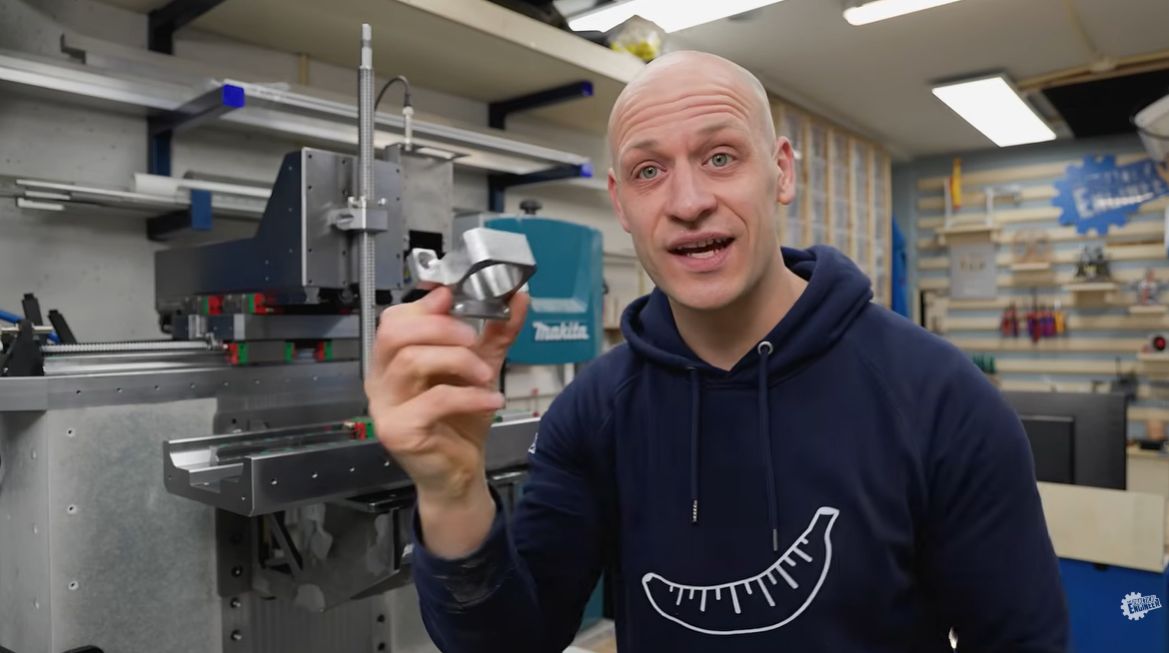

The 1-Millimetre Fix: How One Custom CNC Part Saved My 5-Axis Build
Machine Building
CNC Machining
Prototyping
Read Story
Building a CNC machine from scratch is full of moments where you find out whether your design actually works, or whether it only worked inside CAD. In the world of custom machine building, the transition from a digital model to physical assembly is rarely seamless. This was one of those moments.
Read Story
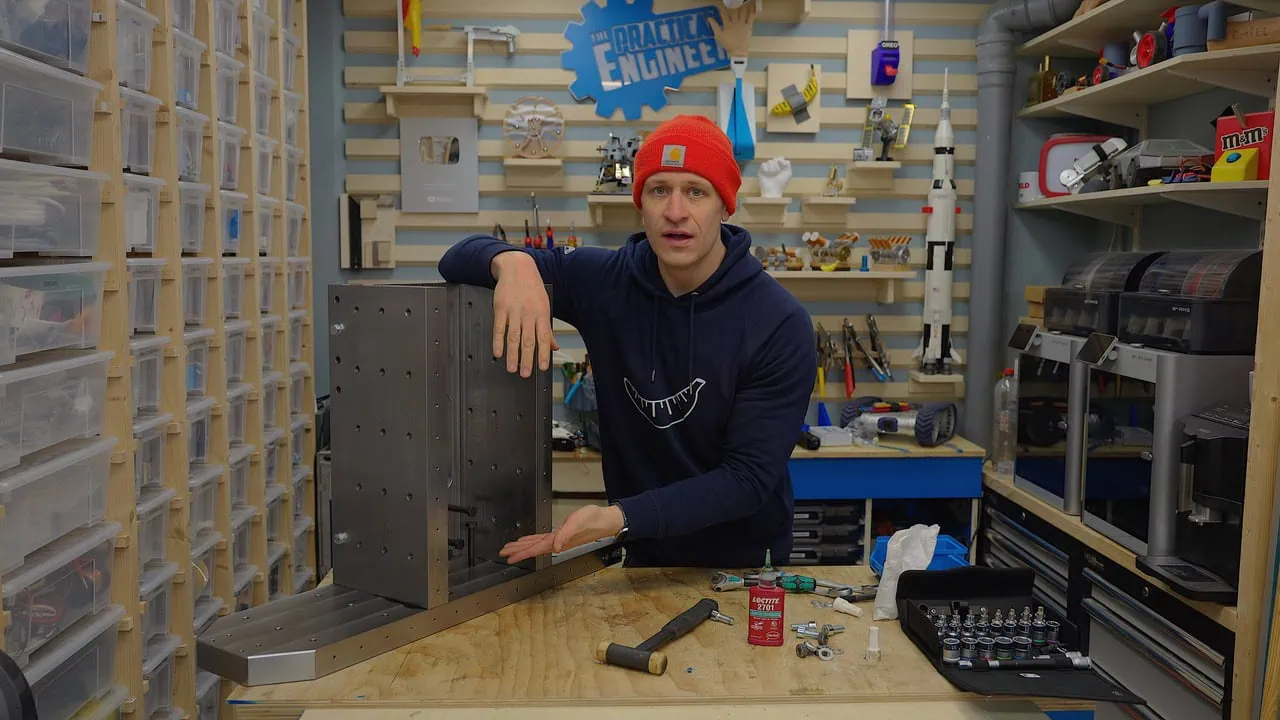
From Desktop Dreams to 400kg of Steel and Concrete: Building a High-Rigidity 5-Axis CNC
Machine Building
CNC Machining
Prototyping
Read Story
In the world of custom machine building, I’ve found there is a constant tug-of-war between theoretical performance and physical reality. As "The Practical Engineer," I dedicated this project to creating a 5-axis CNC machine that prioritizes rigidity over sheer speed.
Read Story
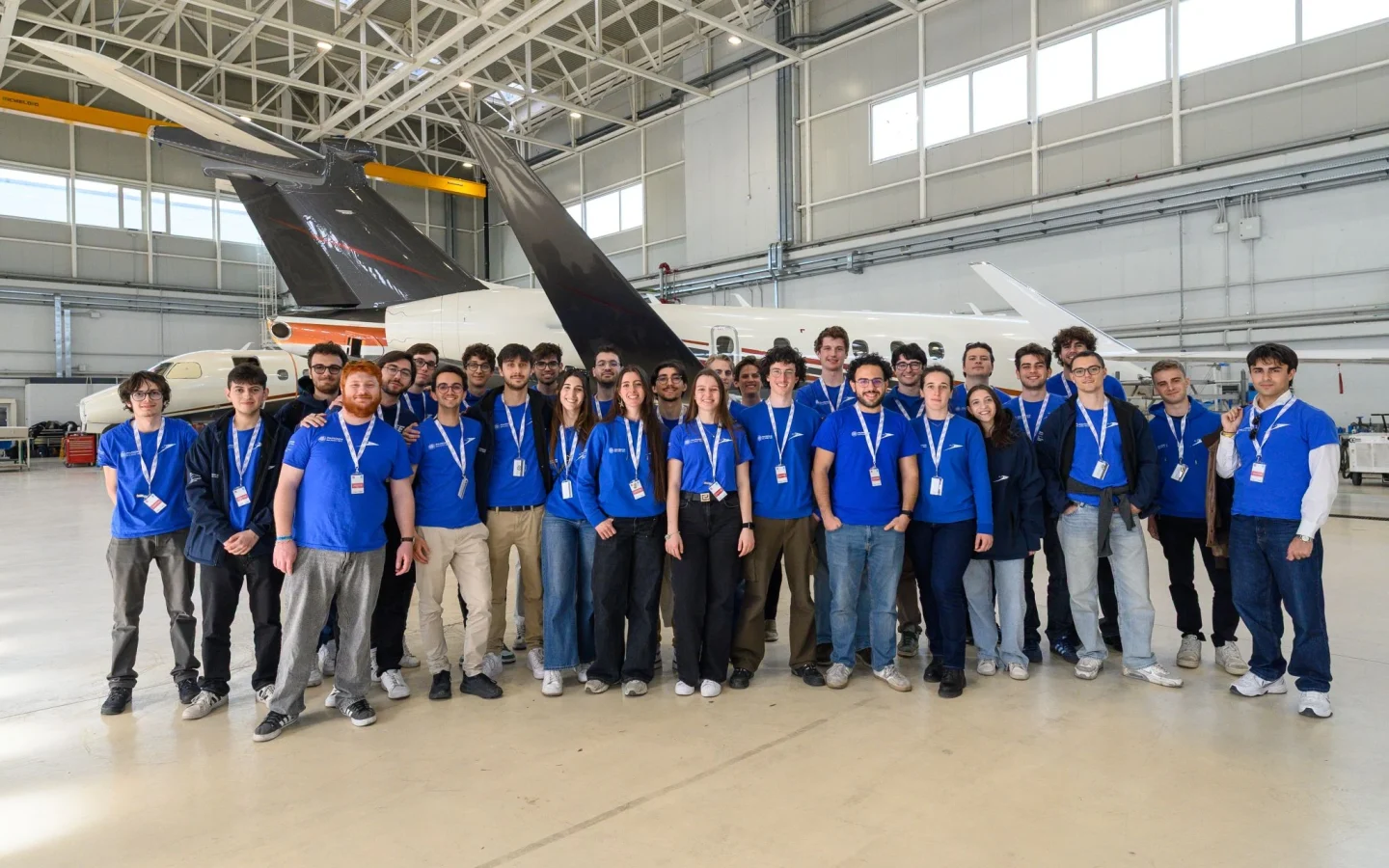
How Fly-Mi Team Prepares a Cargo UAV for the Air Cargo Challenge
Aerospace
CNC Machining
Prototyping
Read Story
Preparing for the 2026 Air Cargo Challenge, the Fly-Mi team is developing Heméra, a fixed-wing UAV designed for maximum payload transport. This project integrates advanced aerodynamics, structural FEM analysis, and precision-engineered aluminum tooling to create a twin-motor aircraft capable of reaching flight speeds of 35 m/s.
Read Story