Mapix technologies manufactures and distributes a range of Routescene LiDAR mapping systems and software for drones. We spoke to Gert Riemersma, CEO at Mapix technologies Ltd. and an expert in survey and mapping solutions development, about how the company converts challenging problems into practical products and how Xometry helps them do this.
Industry
ElectronicMachine BuildingRobotics
Country

United Kingdom
Use case
ProcurementPrototypingR&D
Technology
3D PrintingCNC Machining
Materials
Aluminium, Carbon fibre, 3D-printing plastics (internal & external parts)
Product
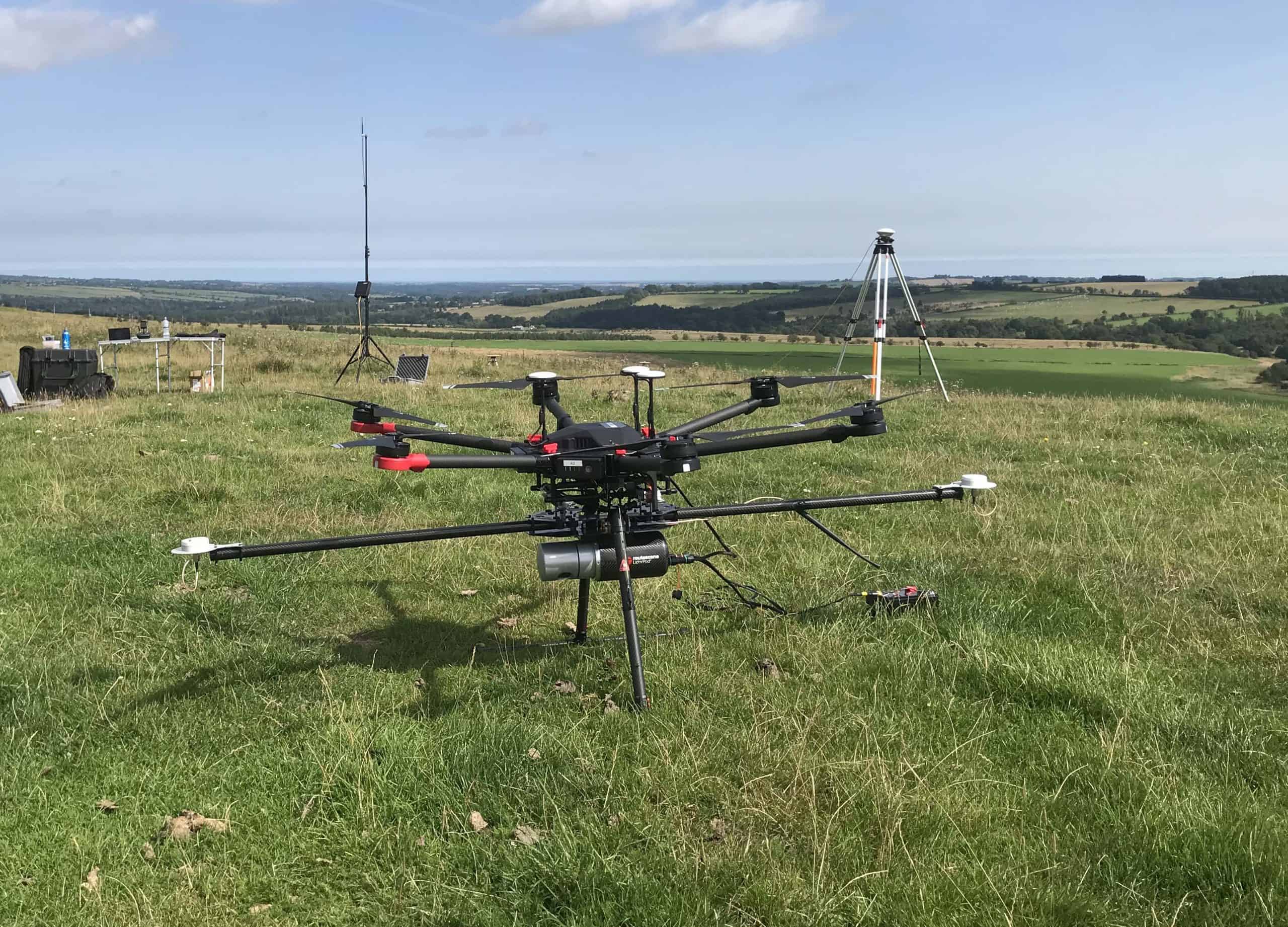
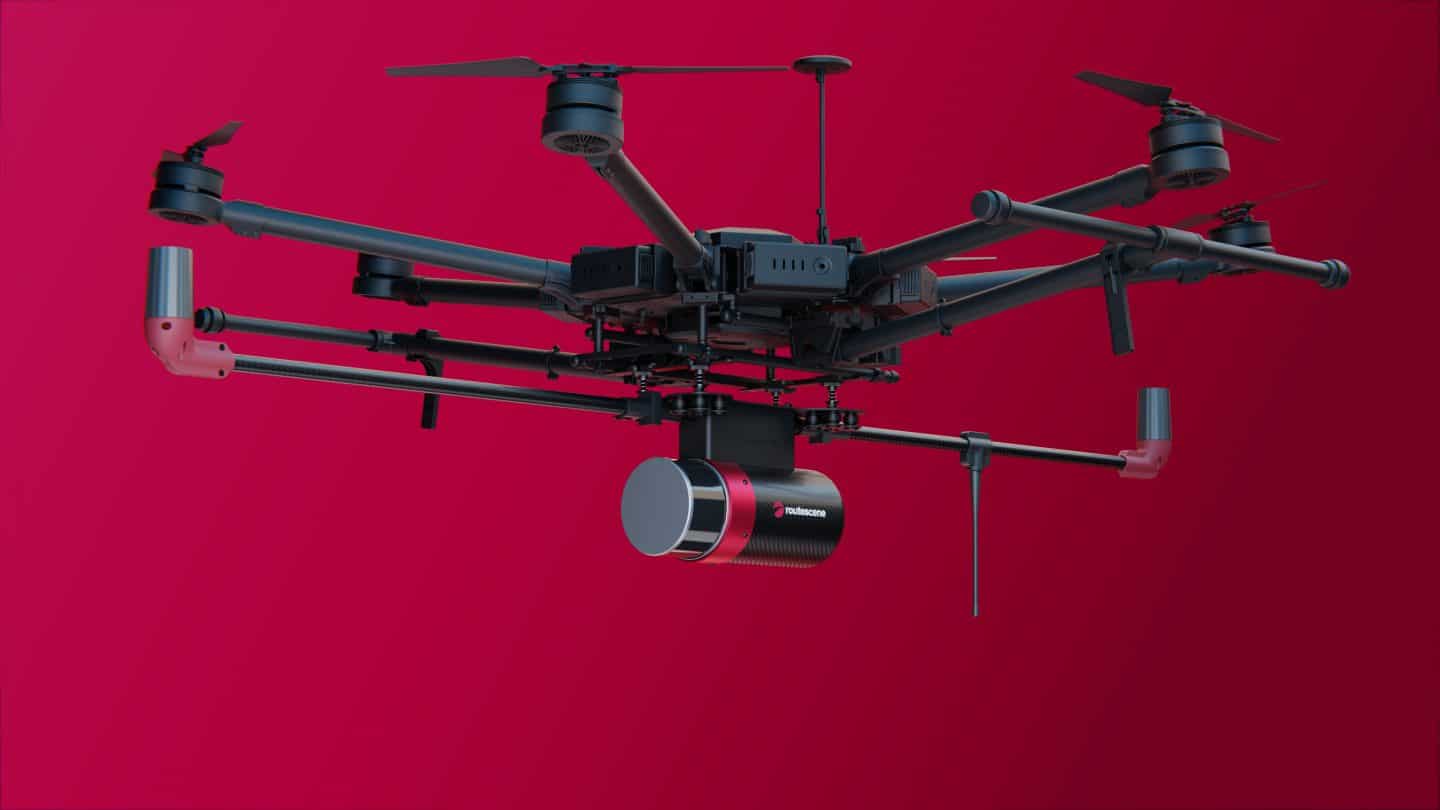
Routescene UAV LidarPod (LiDAR mapping system for drones) with CNC-machined bulkheads, plates and 3D-printed brackets, adaptors
The communication with Xometry is very good! There is perhaps a misconception that Xometry is a web based service, so you get very little human interaction. This is certainly not the case: we have an account manager assigned to us who is very approachable and responsive.
Mapix technologies Ltd. provides products and solutions that enable customers to collect, manage, visualise, analyse, and share high value geo-referenced Light Detection and Ranging (LiDAR) data to improve commercial decisions and performance. The industries in which the company operates include survey & mapping, forestry, civil engineering, and environmental and archaeological research.
Riemersma is a technical innovator and a qualified Land & Hydrographic Surveyor with 30 years of international experience. He talked us through the story and process behind Routescene’s LiDAR mapping system.
Routescene’s LiDAR mapping solution for drones
Routescene is a Mapix technologies brand offering a series of products for mapping the world using LiDAR technology. LiDAR sensors use lasers to determine the distance from the sensor to an object. The mapping systems are mounted on a drone or vehicle and collect vast quantities of laser scan data before post-processing it into a point cloud. Further processing using cutting-edge algorithms then converts this into business information.
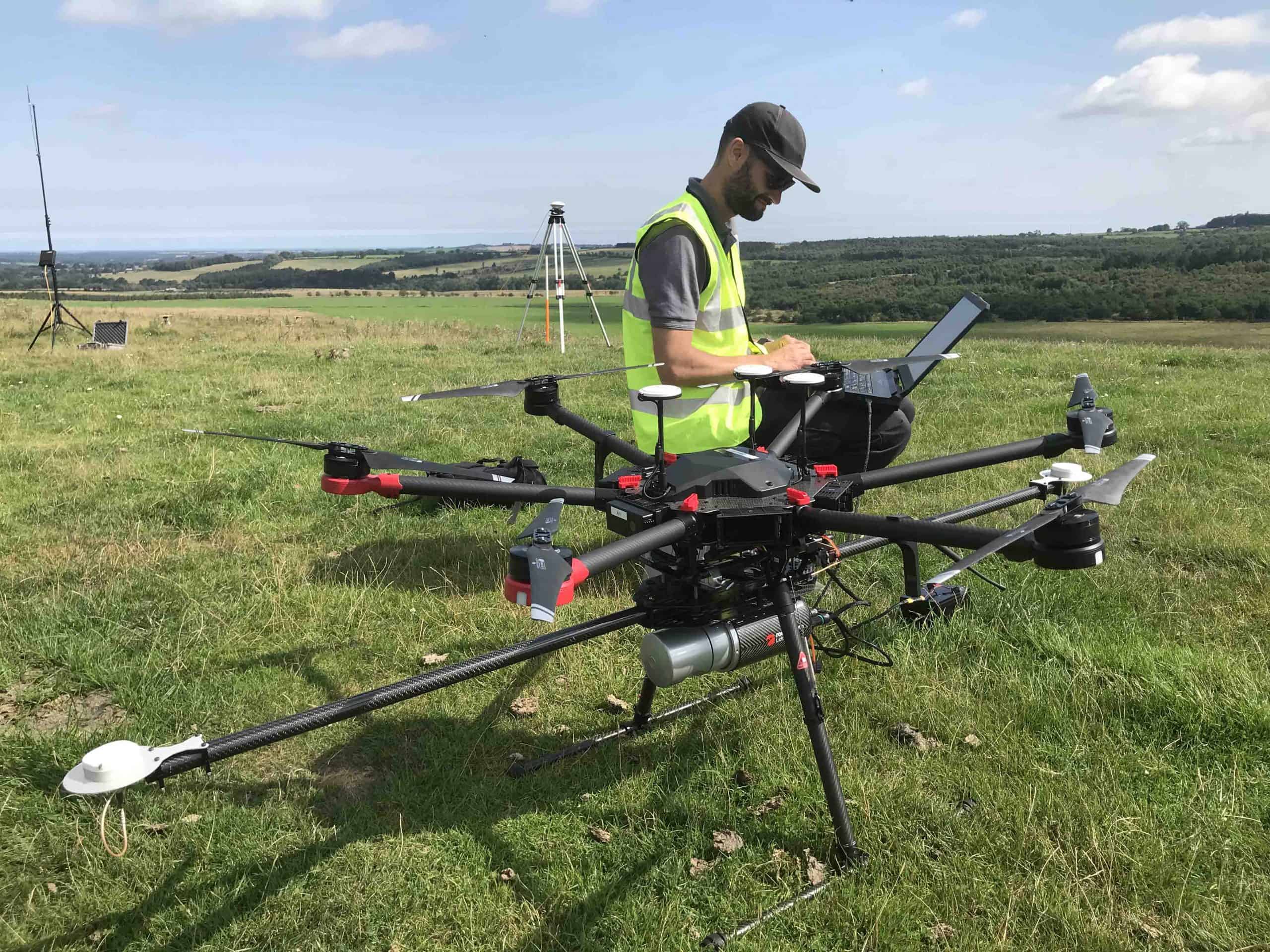
Drones are very sensitive to the weight they carry as it significantly affects their performance and endurance. The Routescene UAV LidarPod can be fitted on any drone that can carry a payload of around 2.5 kg. The drone should also have an endurance ≥30 minutes to enable a sizable area to be surveyed in one go.
Mapix has also designed a mounting system that can easily be modified to fit a drone that has an alternative means of mounting sensors. The system has been carried by a huge variety of aircraft in the last 10 years, ranging from fixed-wing and multicopter drones to manned helicopters.
Product design and conceptual challenges
The Routescene UAV LidarPod product has evolved since the first design concept was made in 2013. The initial design relied heavily on carbon fibre to provide a waterproof enclosure and still be aesthetically pleasing.
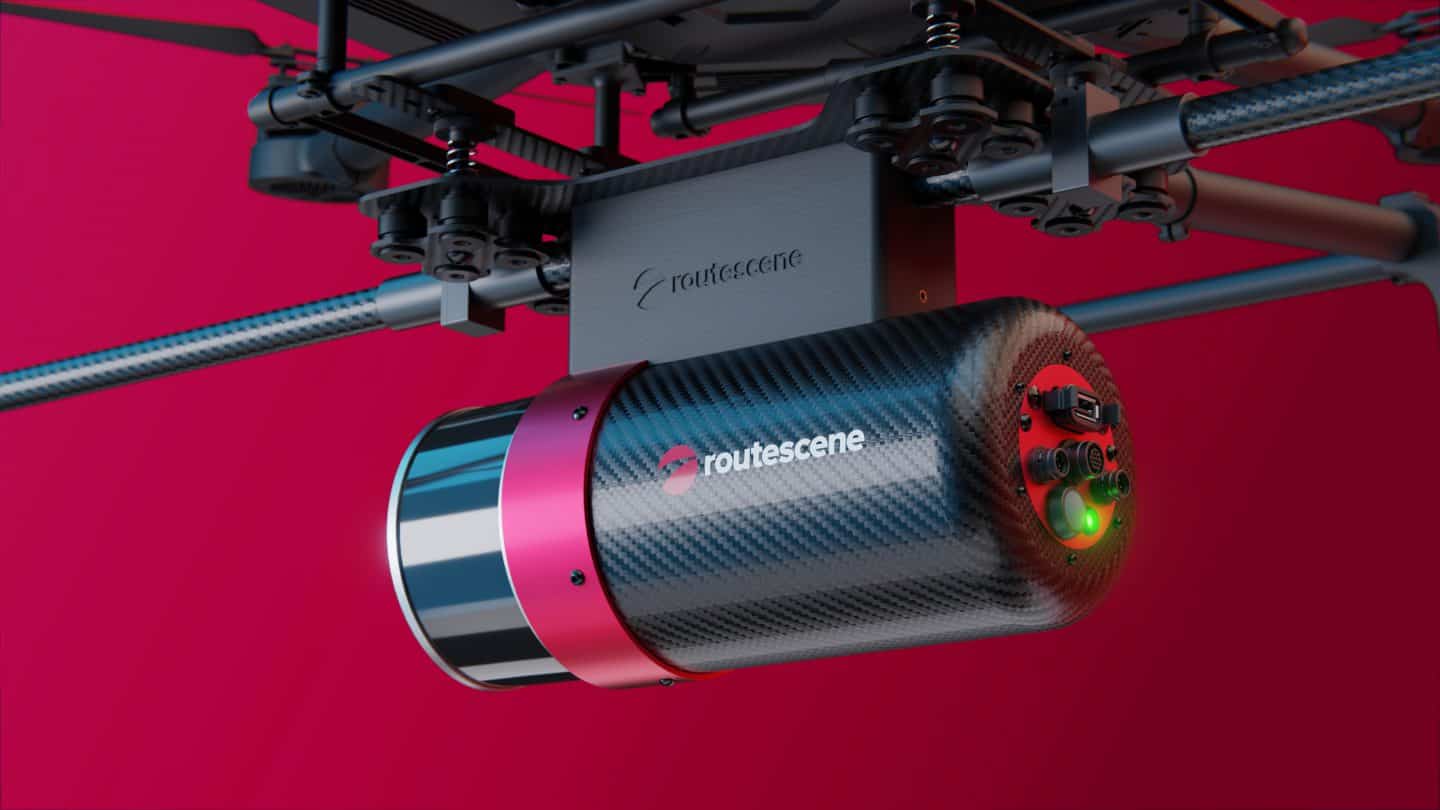
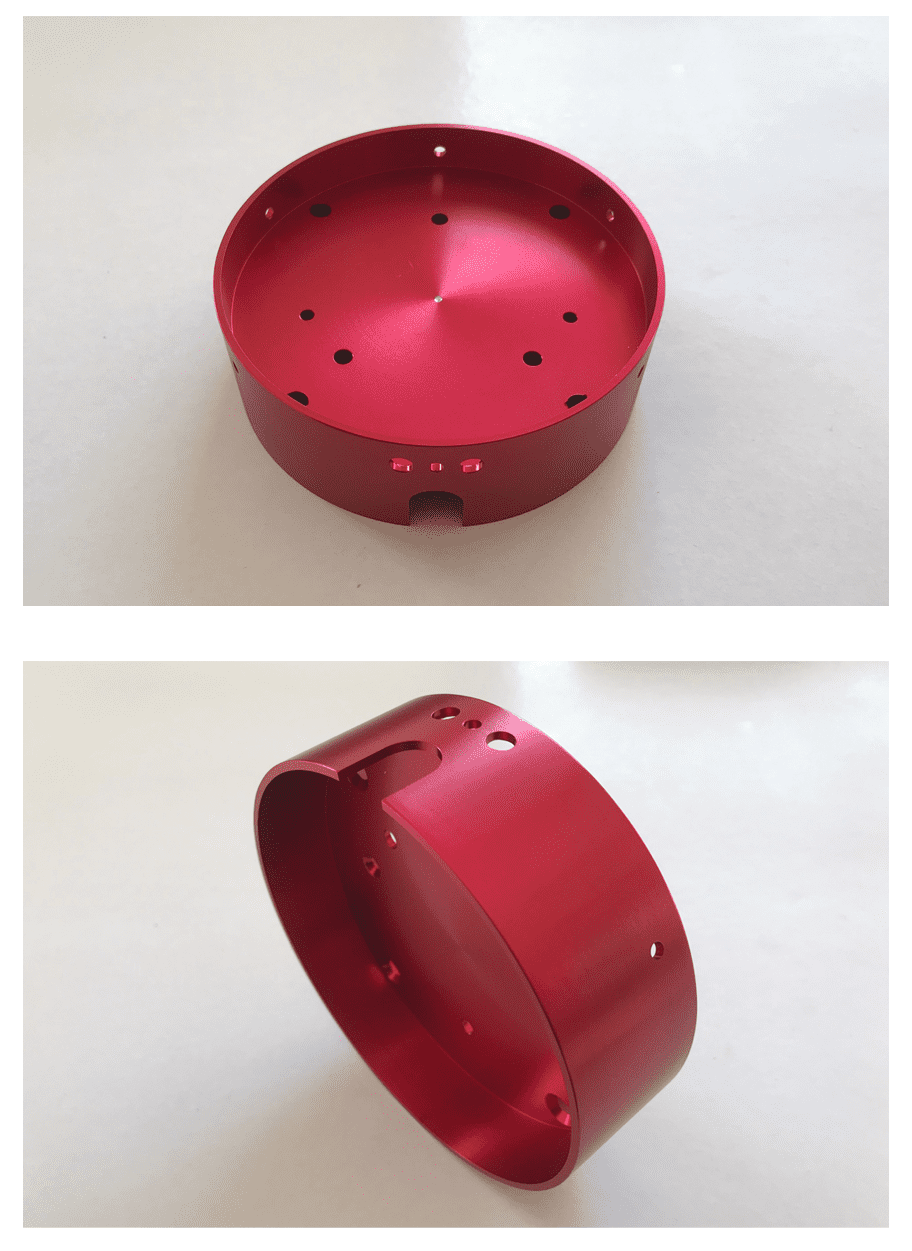
In 2021, the team decided to develop the second version of the product. This involved an extensive redesign to make the unit much lighter and easier to assemble during manufacturing and to deploy it more quickly in the field. Riemersma notes that the team have managed to achieve both of these design objectives. They have also hidden the GNSS antenna and radio telemetry cables from sight, so users no longer need to assemble the antennas as everything is now fully integrated. Riemersma mentions: “The main bulkhead has been machined in aluminium with a red anodised finish and is 50% lighter than before – it looks great! It’s amazing how thin, yet strong the 2 mm walls are. The new bulkhead is now a feature of the design rather than being hidden from sight.”
Sourcing parts with Xometry: 3D printing for plastics, CNC machining for aluminium
During the design process, the Mapix team reviewed the materials that were used and chose to start using 3D printing plastics alongside aluminium and carbon fibre. They apply several different types of plastics depending on whether the use is internal or external. Externally they were keen to use a material that has good mechanical strength, but is also aesthetically pleasing.
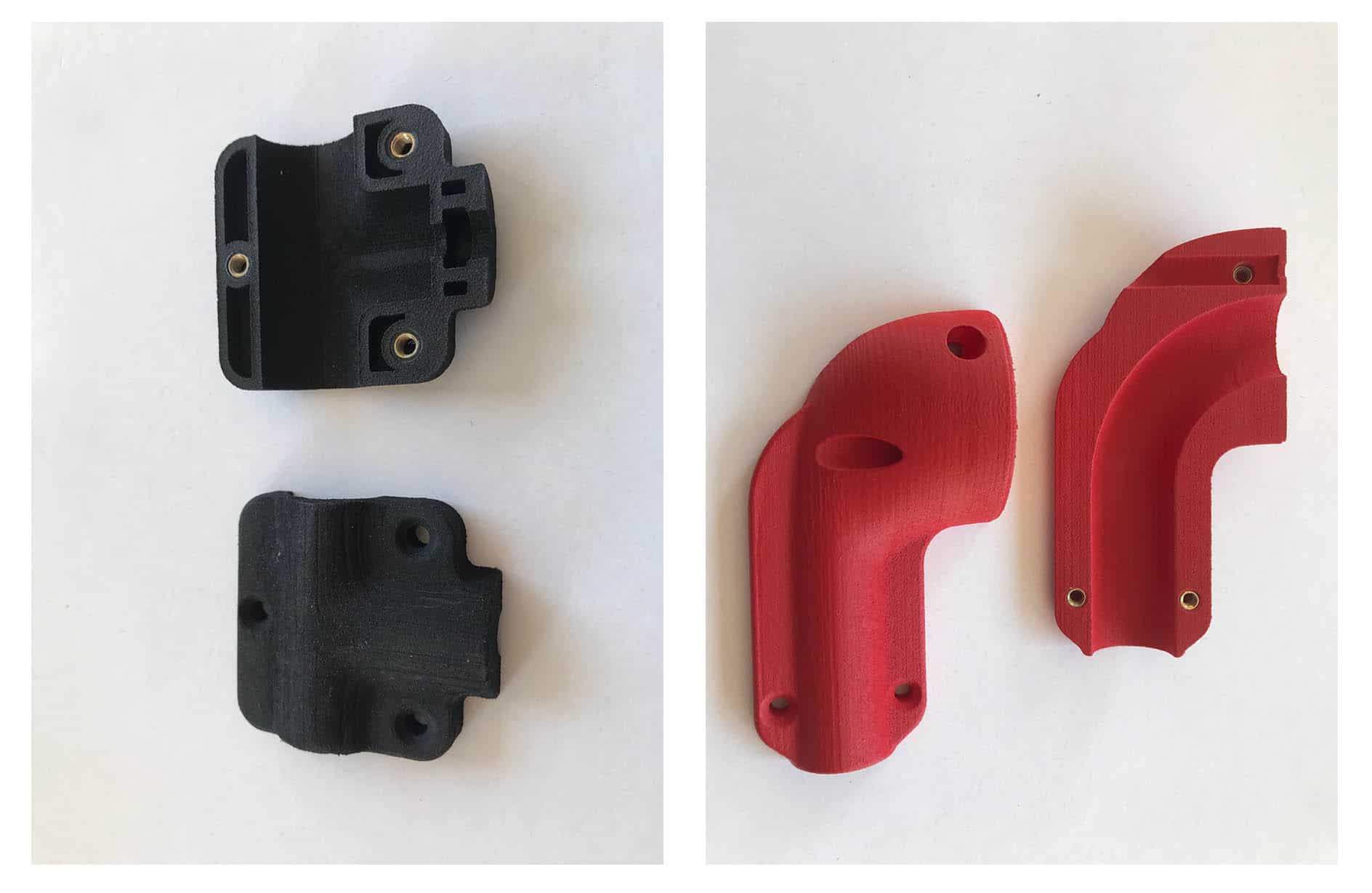
“We needed a manufacturing process that was relatively cheap for very low-volume production runs, used a material that was light, and had a lead time of weeks rather than months. The decision process quickly led us to 3D printing using plastics and CNC machining for aluminium,” shares Riemersma. There is still a lot of carbon fibre used in the design, as this material has a very high strength to weight ratio, which is a key requirement when designing a product for use on a drone.
There were two major types of parts that Mapix sourced with Xometry: CNC-machined aluminium bulkheads and rear connector plates, and 3D printed parts like GNSS antenna brackets, radio telemetry brackets, and internal bulkhead adaptor fittings. These parts are used across the entire system to, for example, fit around the main carbon fibre shell and create a waterproof enclosure, connect the main carbon fibre shell to the UAV mounting plate, and to hold the GNSS antennas on the carbon fibre poles.
A perfect combo: Xometry’s Instant Quoting Engine and a personal touch
While speaking about his experience with the Instant Quoting Engine, Riemersma mentions that he found Xometry’s website while searching the web for a supplier. The personal contact with the team at the beginning of the journey was something that he really appreciated. “The communication with Xometry is very good! There is perhaps a misconception that Xometry is a web based service, so you get very little human interaction. This is certainly not the case: we have an account manager assigned to us who is very approachable and responsive,” he states.
Riemersma finds the information on the Xometry website invaluable: “The website contains a lot of information that helped us decide what process and plastics to choose for the components. In the past we have used local suppliers to get components manufactured, but they are simply unable to deliver them within a reasonable time frame,” he adds.
The Mapix team had several specific requirements for producing parts, such as strength, weight, and aesthetics, which helped narrow down the choice of materials. The manufacturing process had to be suited to low volumes with no requirement for setting up moulds (as the team anticipated the design could change).
While working on Routescene’s LiDAR system, the team often experiments by choosing different materials and manufacturing processes to see the difference in cost. They also look at the price discounts by varying the volume, which can be helpful for financial planning to ensure they get the right balance between the number of components ordered and cashflow.
Riemersma shares that he has used the Instant Quoting Engine a lot and he admits that it is great to get an instant price and speed up the decision making process. He notes: “I now get impatient when I have to wait for the component to be manually quoted! The Instant Quoting Engine, and even manual quoting, is so much more efficient and slicker than anything I have experienced previously when our local engineering shops would take weeks to reply to a request for pricing.“
What’s next?
In the future, Mapix technologies intends to ramp up its production of the current Routescene LidarPod and will continue to develop this product in the coming years. The team also has plans to launch a new product on the market, but the design for this is in its very early stages.
Torx Robot: The Story Behind Accu’s Engineering and Xometry’s Precision CNC Machining
Robotics
Machine Building
CNC Machining
Prototyping
Read Story
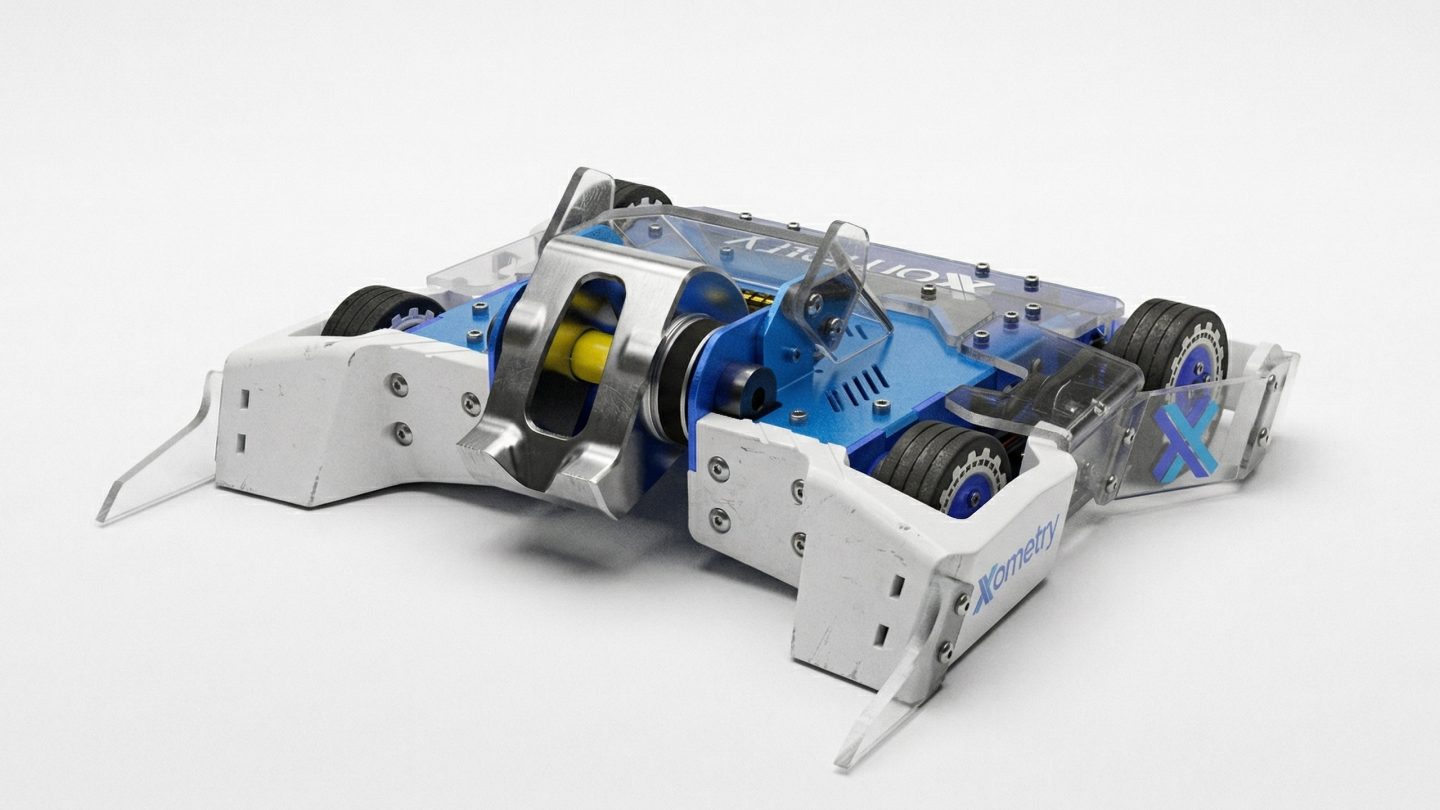
Go behind the scenes for the development of Torx: the combat robot built by Accu for FightFest 2026, with CNC machining support from Xometry. Explore the journey from the drawing board to the arena, showing how a combat robotics project takes shape, and see how Torx went on to win the official FightFest Championship trophy.
Read Story

How Zauberzeug Uses Xometry for Fast and Efficient Sourcing of High-Tech Agricultural Robot Components
Robotics
Machine Building
CNC Machining
Procurement, Prototyping
Read Story
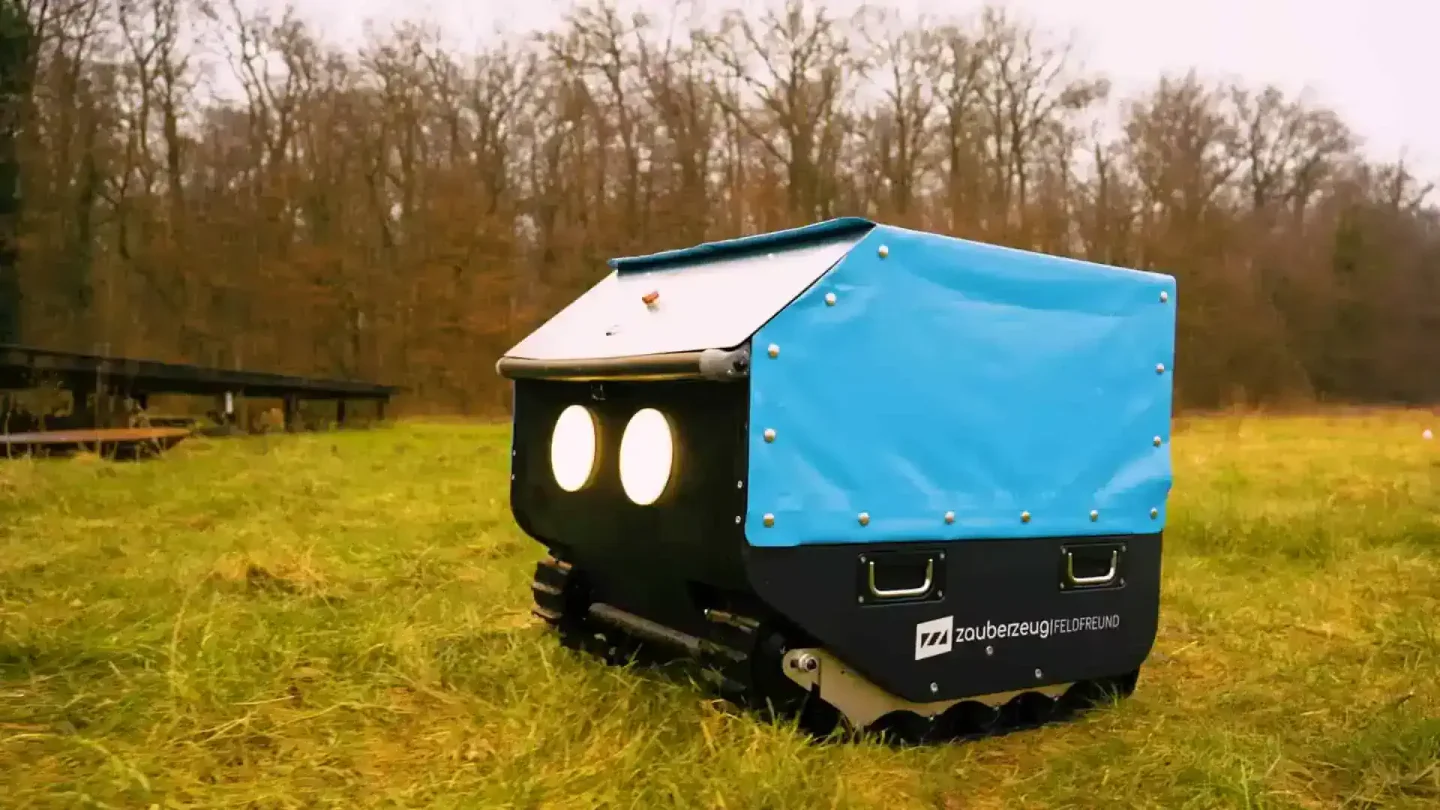
With Xometry, we have found a manufacturing partner that supports our development philosophy. The ability to quickly and precisely order small batches of parts gives us the freedom to iteratively improve our robots. This flexibility is essential to our innovation process.
Read Story
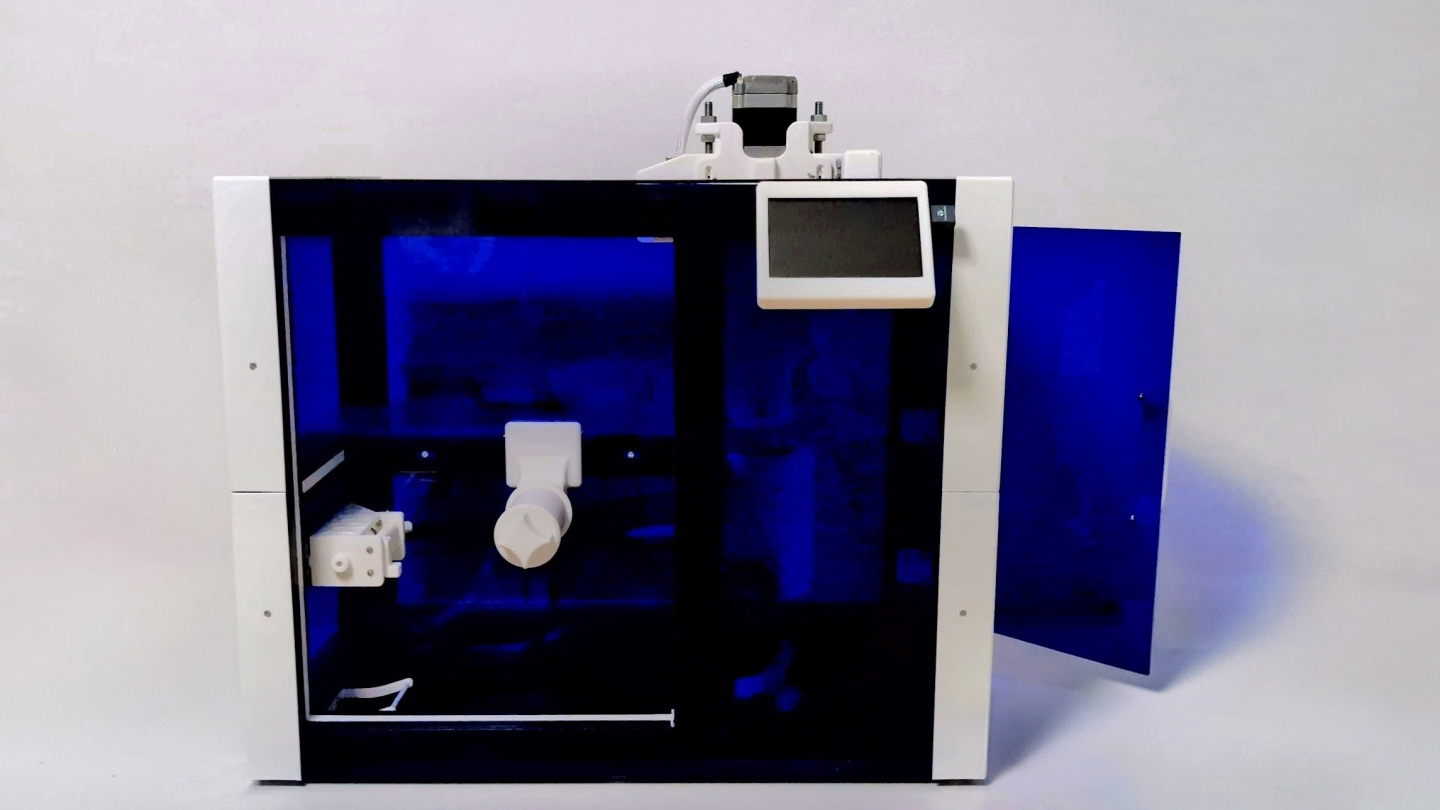

The Rethink of 3D Printing Waste and the Next Chapter of the Desktop Filament Recycler Story
Machine Building
3D Printing
CNC Machining
Prototyping
Read Story
By using agile testing and redesigning a double-sided support to resolve motor deformation and calibration challenges, the TGM student team successfully turned 3D printing waste into high-quality PLA filament.
Read Story
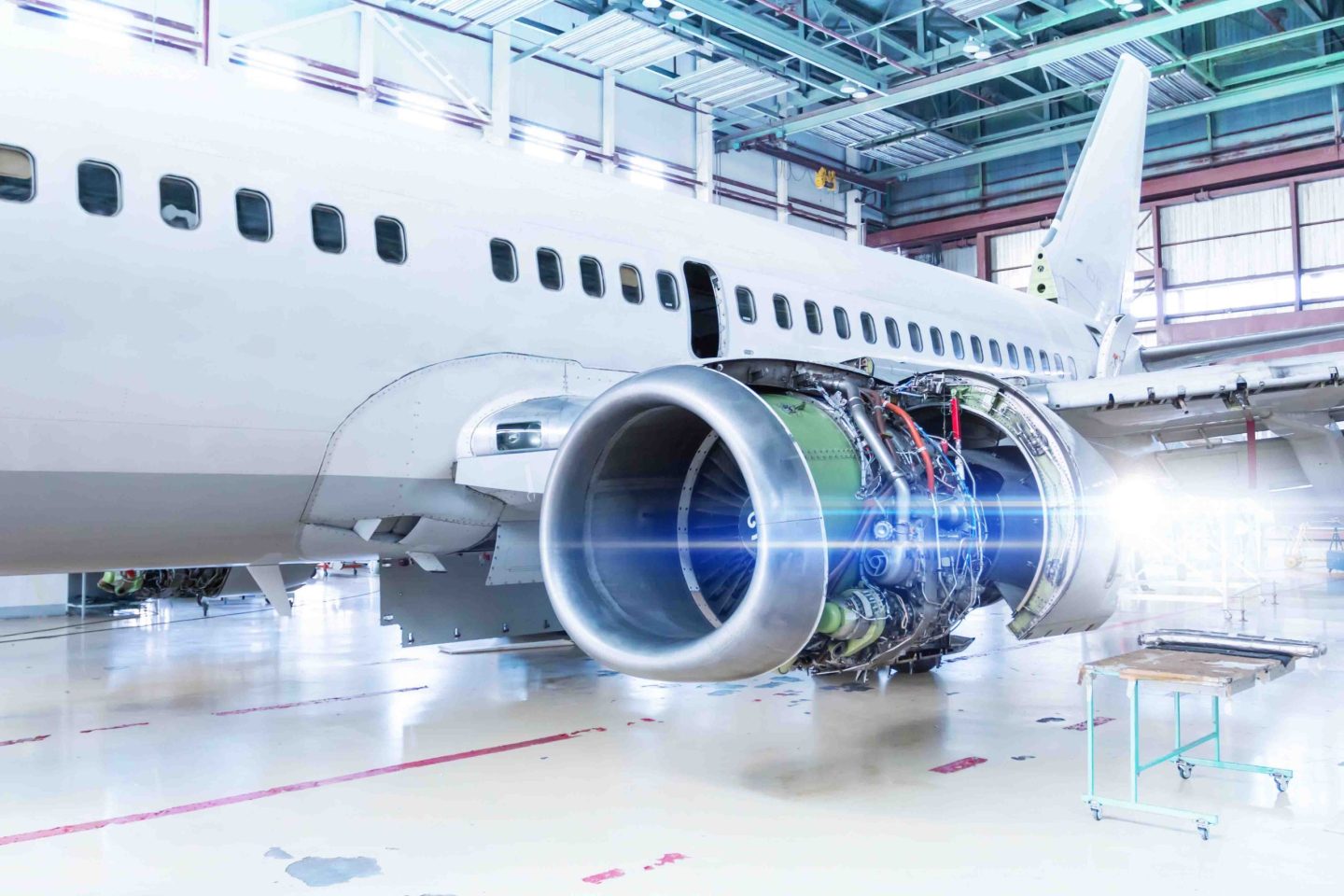

Aerospace Institute Speeds Up R&D with Xometry's On-Demand Complex Parts
Machine Building
3D Printing
CNC Machining
Prototyping
Read Story
In the past, developing non-standard devices was always complicated by the issue of tolerance matching between externally purchased standard parts and custom-machined components. Xometry's one-stop solution perfectly solved this pain point: they not only handled the complex metal 3D printing and sourcing of components but also delivered a finished product that had undergone precision assembly and adjustment. What we received was a functionally ready component that met our precision requirements. This efficient and worry-free delivery experience is exactly what R&D personnel need.
Read Story
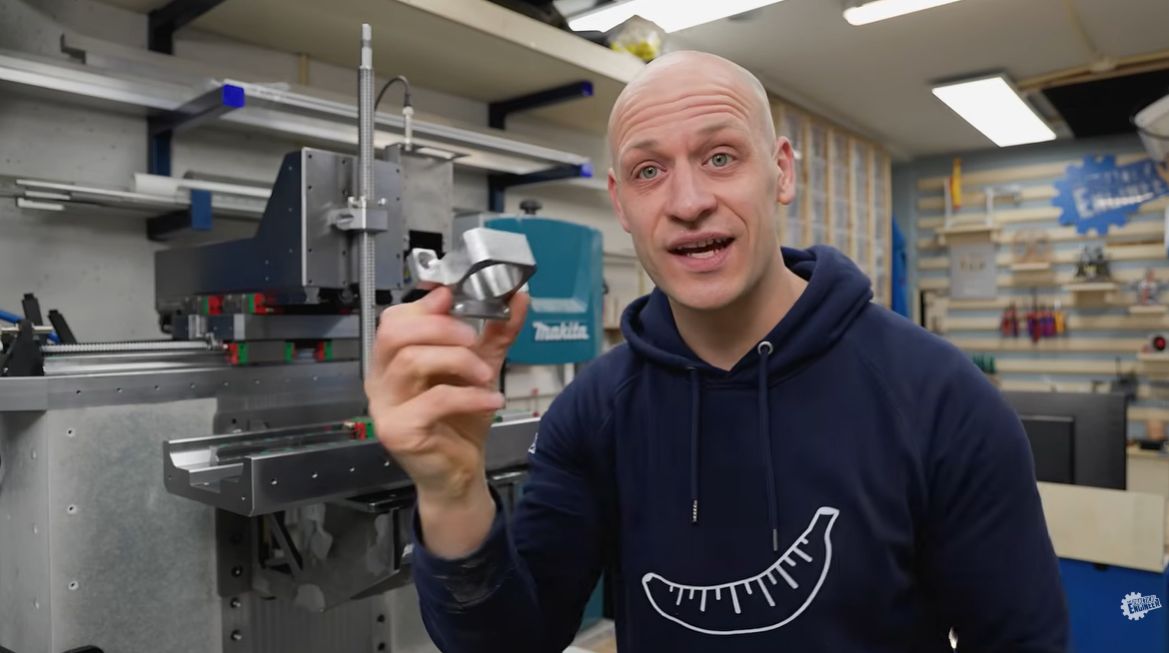

The 1-Millimetre Fix: How One Custom CNC Part Saved My 5-Axis Build
Machine Building
CNC Machining
Prototyping
Read Story
Building a CNC machine from scratch is full of moments where you find out whether your design actually works, or whether it only worked inside CAD. In the world of custom machine building, the transition from a digital model to physical assembly is rarely seamless. This was one of those moments.
Read Story
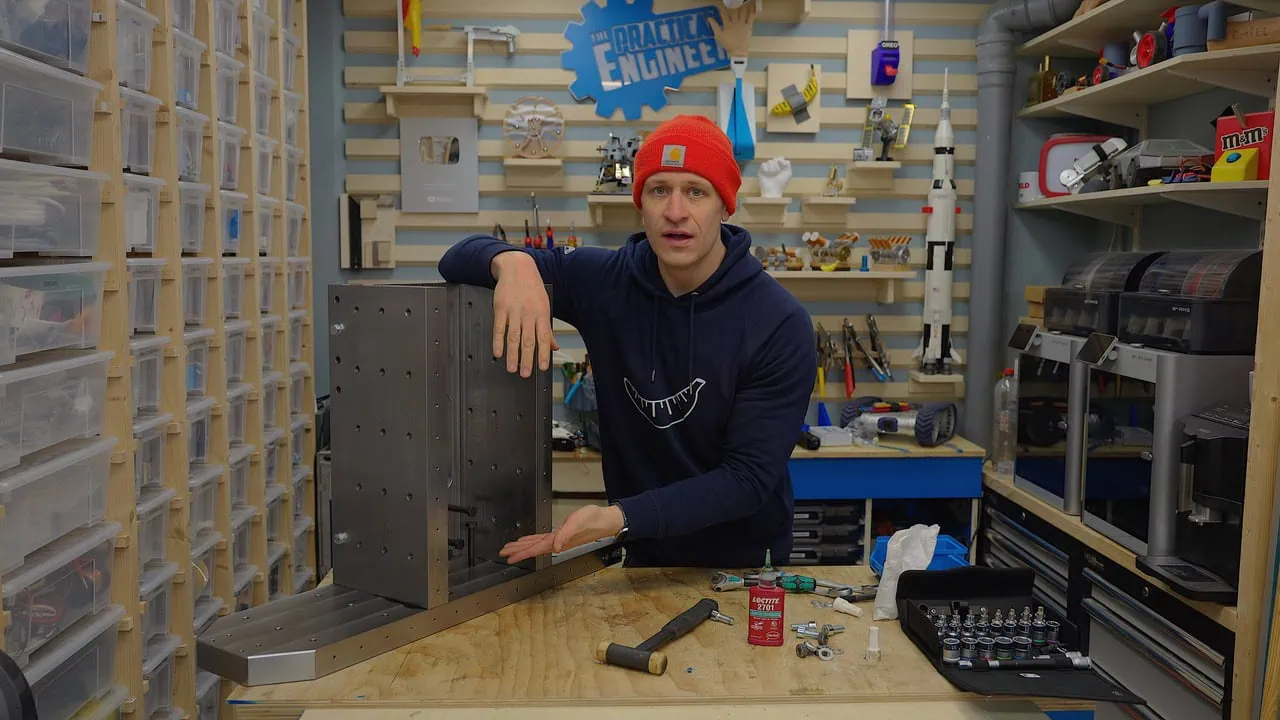
From Desktop Dreams to 400kg of Steel and Concrete: Building a High-Rigidity 5-Axis CNC
Machine Building
CNC Machining
Prototyping
Read Story
In the world of custom machine building, I’ve found there is a constant tug-of-war between theoretical performance and physical reality. As "The Practical Engineer," I dedicated this project to creating a 5-axis CNC machine that prioritizes rigidity over sheer speed.
Read Story
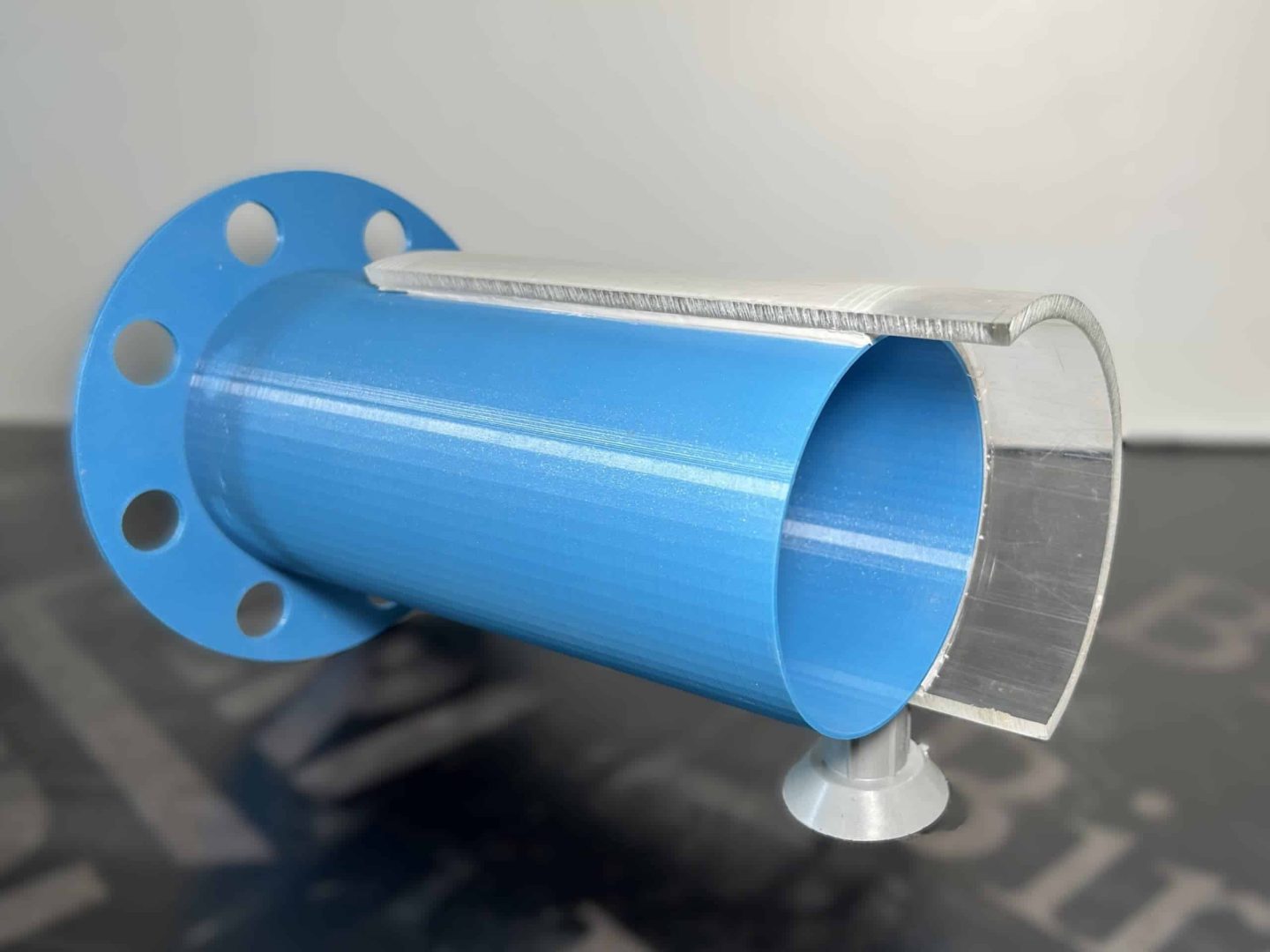
A New Era of Sealing for Wastewater Infrastructure: Xometry Supports Development of Universal Fittings for Pressure Pipelines
Machine Building
3D Printing
Prototyping
Read Story
Our development process begins with extensive brainstorming of potential shapes and sealing methods. 3D printing plays a key role at this stage, allowing us to quickly test different designs before determining the final production materials. Since the final materials are too costly and time-consuming for early prototype stages, we focus on creating small-scale test models in-house, then produce large prototypes through Xometry to ensure convenience and accuracy.
Read Story
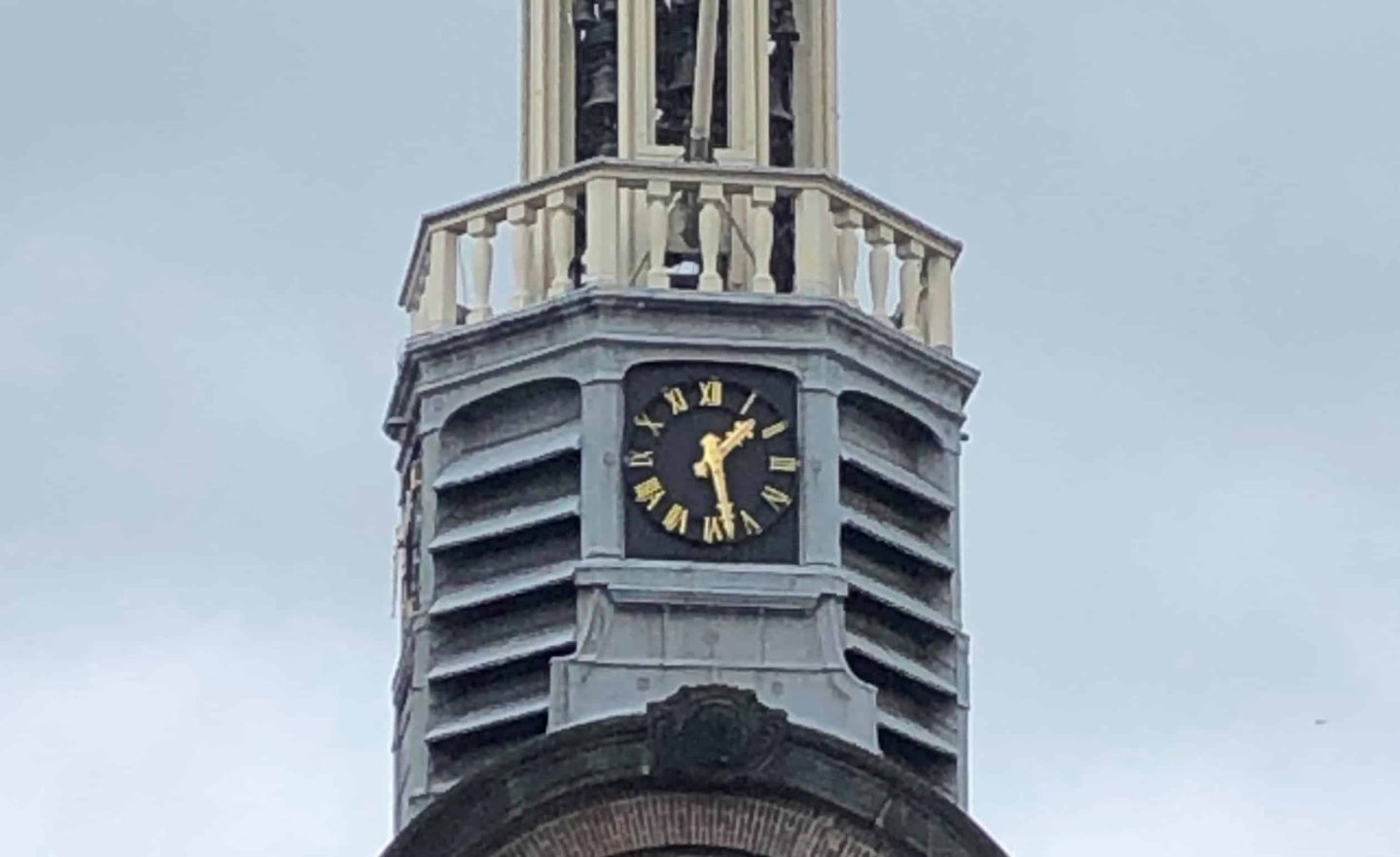
Recreating the Barentsz Clock: A Blend of Tradition and Modern Manufacturing
Machine Building
3D Printing
Prototyping
Read Story
The Horological Society continuously balances its respect for traditional craftsmanship with an openness to modern innovation. One such innovation is the use of 3D printing, which has become an invaluable tool for prototyping clock components in plastic. By sourcing high-quality 3D-printed parts through Xometry, we should be able to test designs efficiently before committing to metal production. This approach allows us to refine intricate mechanisms like gear assemblies with minimal waste and cost.
Read Story
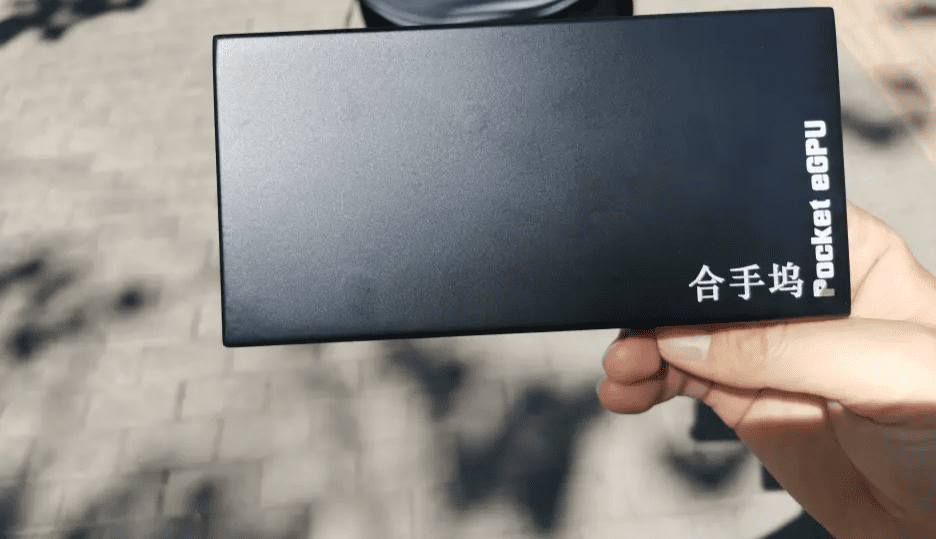
Pleasure for Self, Joy for Others: The Story and Sentiment Behind This Ultra-Portable DIY Gaming Gadget
Consumer Goods
Electronic
CNC Machining
Prototyping
Read Story
“Xometry’s engineers took the initiative to help me solve technical problems and provided plenty of professional advice on optimizing the manufacturing details of the shell design. They responded to my feedback and solved issues in the first place, which is truly rare in this industry.”
Read Story
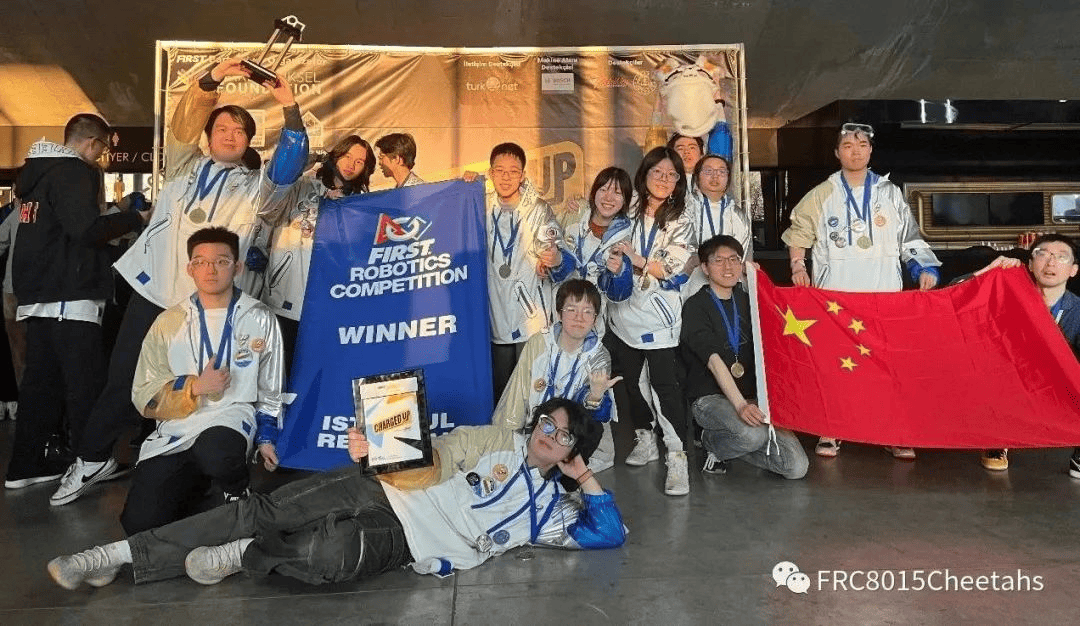
Ride the Wave of Innovation: Uncover the Wisdom Behind the FRC Robotics Team
Robotics
3D Printing
Prototyping, R&D
Read Story
We were pleasantly surprised by Xometry’s cost performance, production speed and product quality. We have encountered manufacturers with lower quoted prices before, but we gave up after initial contact.
Such suppliers end up costing far more time negotiating part details and following up on constant delivery delays, resulting in a much higher comprehensive cost in the end. Reliable quality control and fully traceable order progress greatly reduce communication overhead — this is our most genuine experience working with Xometry.
Read Story
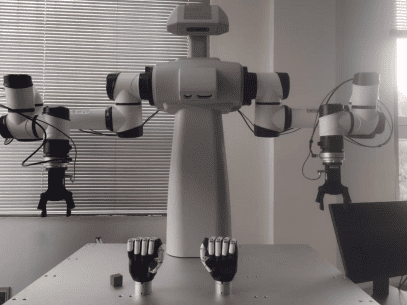
How to Deliver Large-Size Components with High Quality and Fast Lead Time? See Xometry’s Solution!
Robotics
3D Printing
Prototyping, High-Volume Manufacturing
Read Story
Xometry’s high-quality and fast delivery exceeded our original expectations. We inspected the components right after unboxing and were genuinely impressed. This was our first time using an on-demand manufacturing platform for custom production. The whole process was smooth with timely response. They solved our problems efficiently and removed all worries for our subsequent custom design work.
Read Story
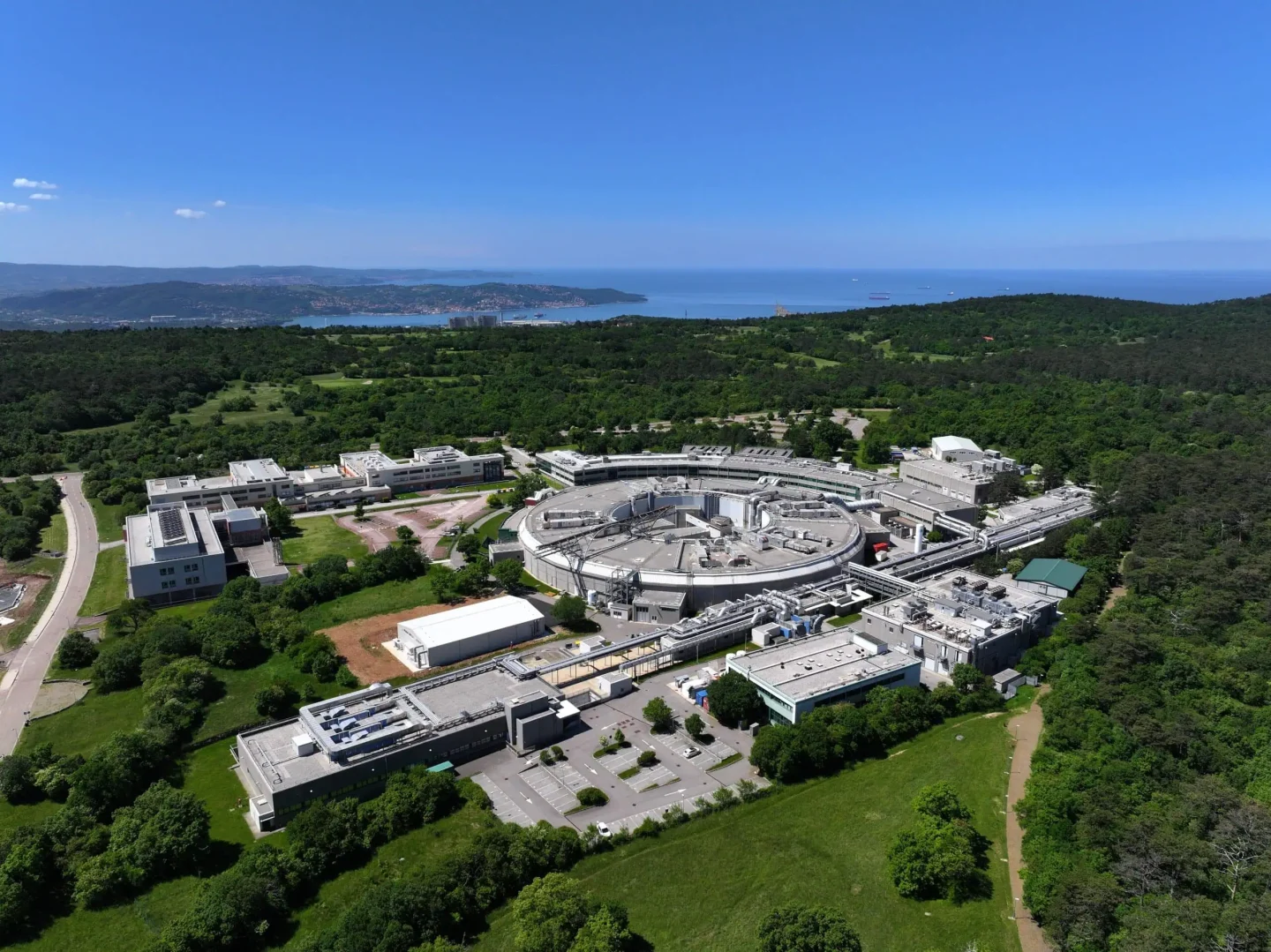

Pushing the Limits of Light: How Elettra 2.0 is Built for Next-Gen Science
Electronic
CNC Machining
R&D
Read Story
Elettra Sincrotrone Trieste, an Italian research center operating since 1993, is upgrading to Elettra 2.0, a fourth-generation synchrotron facility. With Xometry's CNC machining, they produced a high-precision XYZ motion system for the Spectromicroscopy beamline, featuring ceramic and OFHC copper UHV-compatible components, vibration-isolated support feet, and nanometer-level positioning accuracy.
Read Story