Elettra Sincrotrone Trieste, an Italian research center operating since 1993, is upgrading to Elettra 2.0, a fourth-generation synchrotron facility. With Xometry's CNC machining, they produced a high-precision XYZ motion system for the Spectromicroscopy beamline, featuring ceramic and OFHC copper UHV-compatible components, vibration-isolated support feet, and nanometer-level positioning accuracy.
Industry
Electronic
Country

Italy
Use case
R&D
Technology
CNC Machining
Materials
Ceramics and OFHC Copper (Oxygen-Free High Thermal Conductivity Copper)
Product
high‑precision XYZ motion system
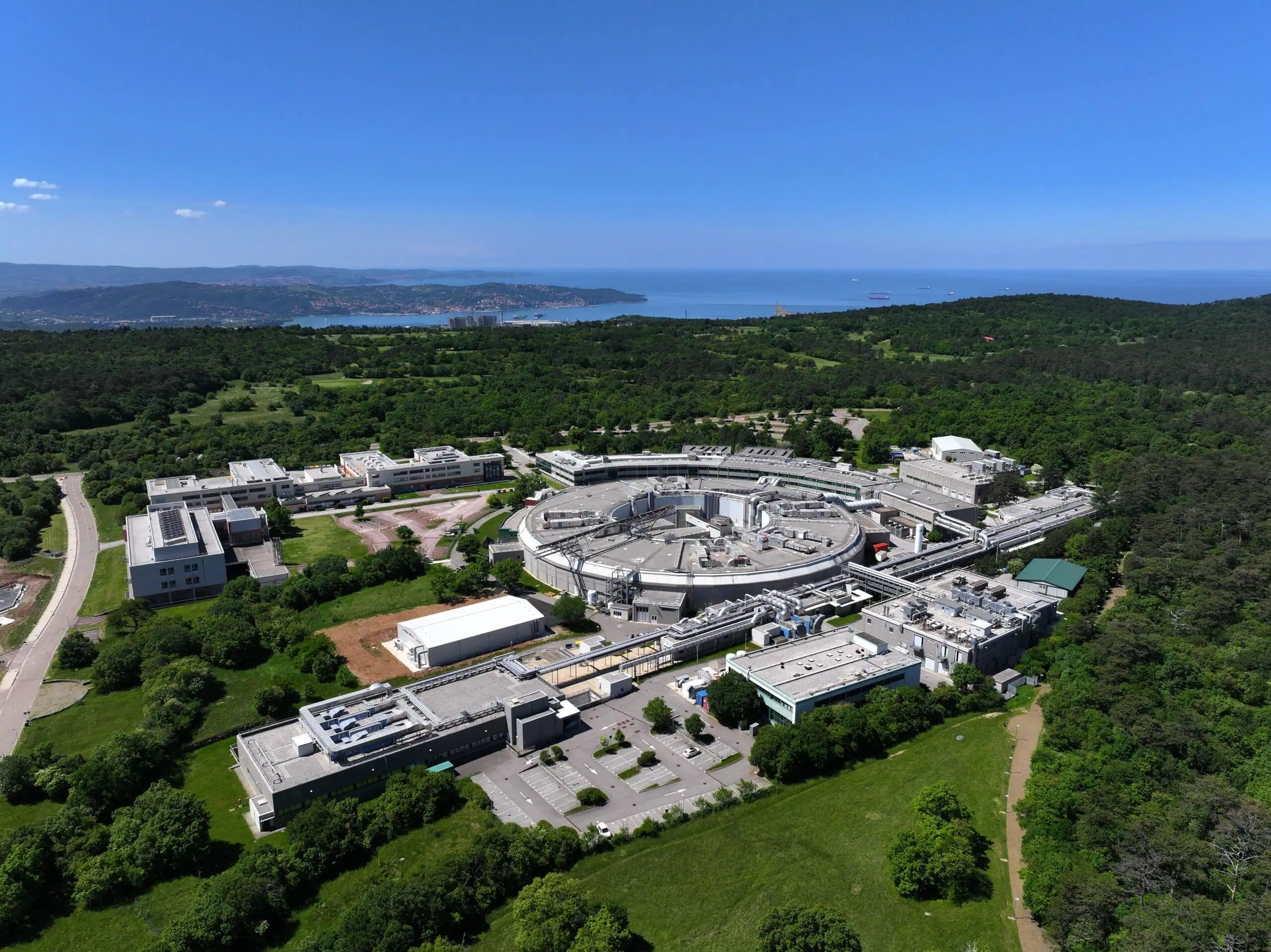
Elettra Sincrotrone Trieste is a hub of advanced engineering and scientific excellence. Our team designs and builds high-precision systems to support world-class research with synchrotron and FEL light. With Elettra 2.0, we are taking a bold step forward: upgrading our synchrotron facility with nanometer-level motion systems that operate inside ultra-high vacuum—laying the groundwork for the next generation of light-based science and innovation.
Elettra Sincrotrone Trieste is an international research center founded in 1986 and operational since 1993, located in Trieste, Italy. The center operates two flagship light sources:
- Elettra synchrotron, a third-generation storage ring supplying over 30 beamlines
- FERMI, a world-class free-electron laser that delivers ultrashort, fully coherent UV to soft X-ray pulses lasting just a few dozen femtoseconds.
These tools help scientists and engineers explore materials and processes at the atomic level—unlocking innovations in microelectronics, energy storage, aerospace, and more.
Many of our beamlines, including Spectromicroscopy, play a key role in applied industrial research. Techniques such as X-ray spectroscopy and nanoscale imaging are used to investigate surfaces, thin films, and nanostructures—critical in optimizing materials for semiconductors, energy storage devices, and catalytic systems. This direct link between experimental science and real-world applications helps accelerate innovation in both manufacturing and advanced technology development.
Our history is marked by bold engineering achievements. For instance, constructing FERMI demanded precise mechanical and thermal stabilization systems, custom high-precision components, advanced diagnostics, and femtosecond synchronization. Managing daily beamline operations also requires the same hallmarks of high-end manufacturing: reliability, customization, CAD/CAM integration, and fast problem-solving.
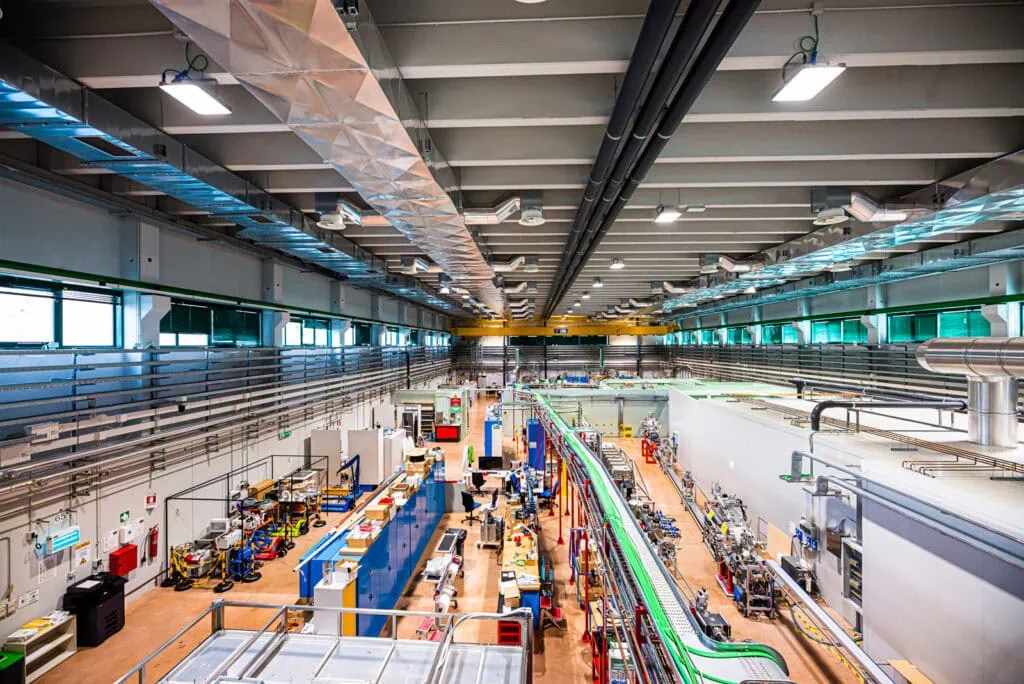
FERMI Experimental Hall at Elettra Sincrotrone Trieste
A Bold Engineering Challenge for Next‑Gen Science
Elettra 2.0 is a comprehensive upgrade of our synchrotron light source into a fourth-generation facility, designed to deliver fully coherent, diffraction-limited light. At the heart of this transformation is a new 12-arc lattice (S6BA-E) that reduces horizontal emittance by a factor of 50—achieving ultra-focused, stable beams.
This leap in performance translates into a 100-fold increase in brilliance at 10 keV and up to 60× improvement in coherence at 1 keV. All while reusing the original infrastructure—making Elettra 2.0 both a scientific and engineering milestone.
Delivering on this vision calls for ultra-precise mechanical systems spanning vacuum chambers, beamline supports, and beam steering elements—each designed and built with exacting attention to detail.
Into the Beamline: The System Behind Elettra 2.0
Engineering systems for Elettra 2.0 means working at the intersection of extreme stability, ultra-high vacuum, and photon beam quality. Every component—mechanical stages, supports, interfaces—must operate with nanometric accuracy, resist thermal and vibrational perturbations, and preserve vacuum integrity over long experimental cycles.
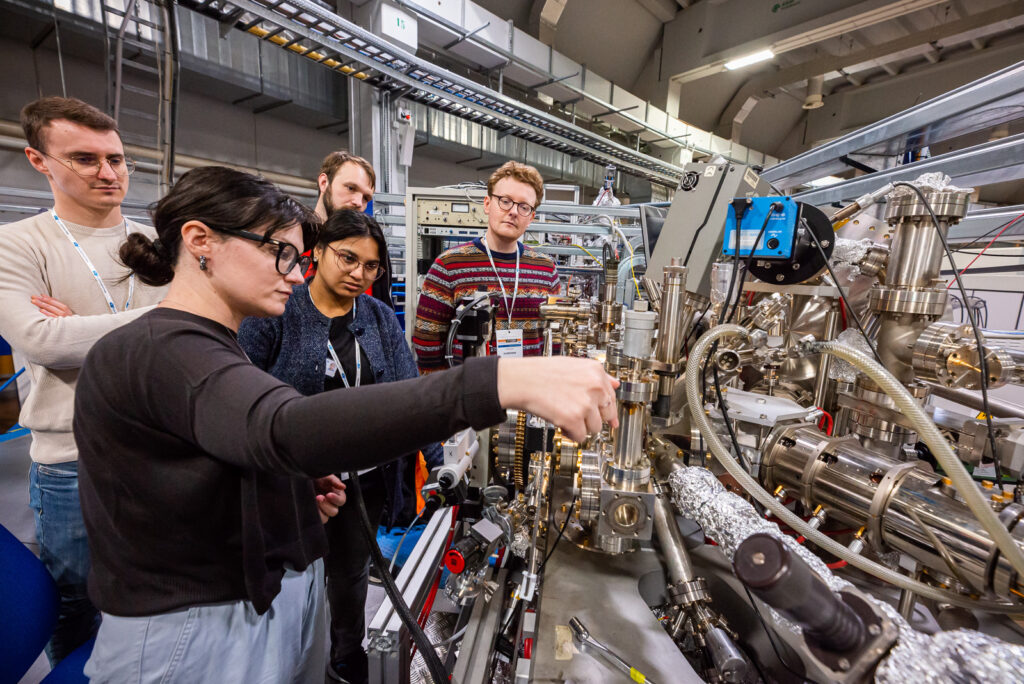
A key milestone in the Elettra 2.0 upgrade project was the development of a high-precision XYZ motion system for the Spectromicroscopy beamline. The system includes:
- Motion stages that can move with nanometer-level precision—essential for experiments requiring extreme accuracy
- Ultra-high vacuum (UHV)-compatible components made from ceramics and OFHC copper
- Vibration-isolated support feet to maintain ultra-stable positioning
Each element had to meet tight tolerances, withstand thermal and mechanical stresses, and integrate with CAD-based design workflows. Motion precision is not only a mechanical requirement—it directly affects spatial resolution, signal-to-noise ratio, and the reproducibility of nanoscale imaging and X-ray absorption measurements.
Bringing the Motion System to Life
In 2022, our team began translating detailed CAD models into physical components through Xometry’s manufacturing platform. Using digital manufacturing tools, we specified UHV-grade materials and received precision-fabricated parts within weeks.
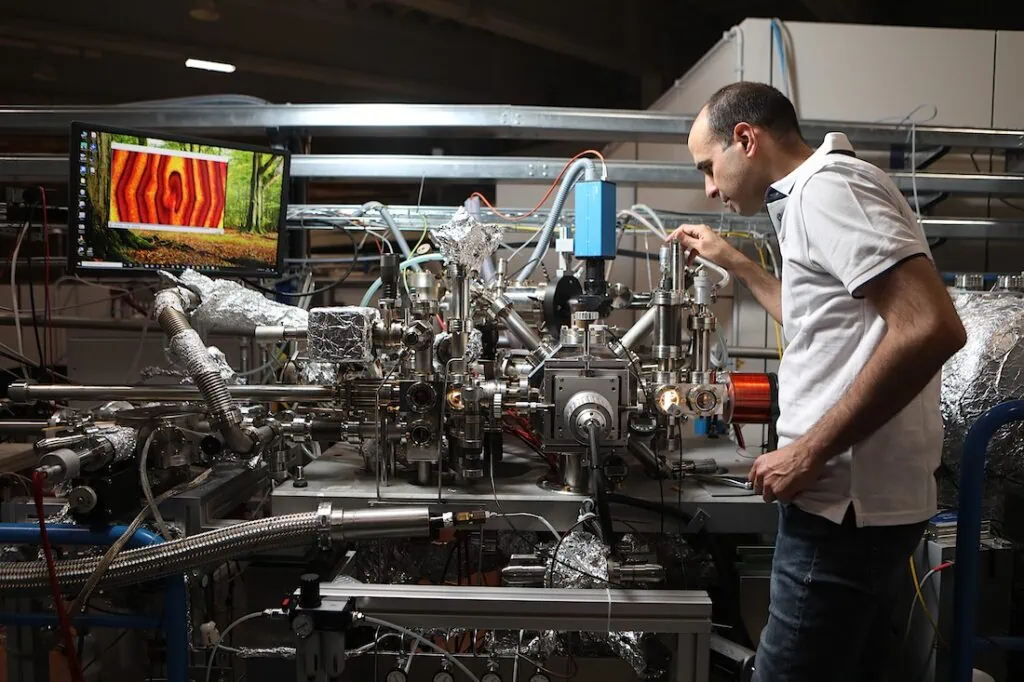
The full XYZ assembly—including motion stages, structural elements, and supports—was built to nanometer-level tolerances, ready for integration into the beamline.
Once installed at the Spectromicroscopy end-station, the XYZ system delivered smooth, repeatable motion with nanometer precision under vacuum. All components, including ceramic and high-purity copper parts, passed vacuum cleanliness tests—guaranteeing a contamination-free environment. Meanwhile, vibration-isolation feet kept the setup stable with microscope-level steadiness. Together, these elements fulfilled the rigorous operational demands of the beamline—validating their role in the broader Elettra 2.0 platform.
A Launchpad for Further Innovation
With the XYZ system successfully implemented, Elettra is moving ahead to develop new high-frequency components for its upgraded storage ring—pushing the limits of light science even further. These parts are crafted through the same digital-to-part workflow—ensuring the same levels of precision, quality, and delivery timeliness—as the facility moves forward with its vision of a fully coherent, diffraction-limited fourth-generation light source.
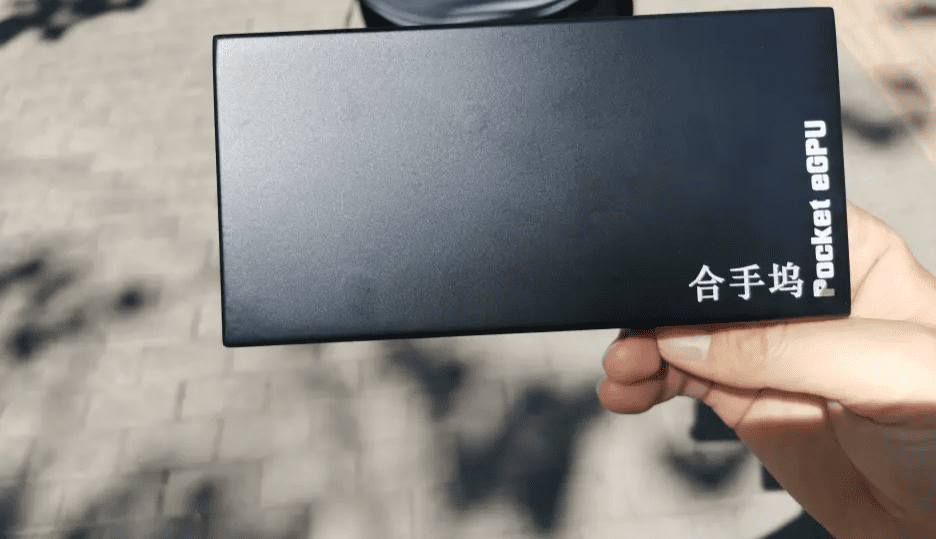

Pleasure for Self, Joy for Others: The Story and Sentiment Behind This Ultra-Portable DIY Gaming Gadget
Consumer Goods
Electronic
CNC Machining
Prototyping
Read Story
“Xometry’s engineers took the initiative to help me solve technical problems and provided plenty of professional advice on optimizing the manufacturing details of the shell design. They responded to my feedback and solved issues in the first place, which is truly rare in this industry.”
Read Story
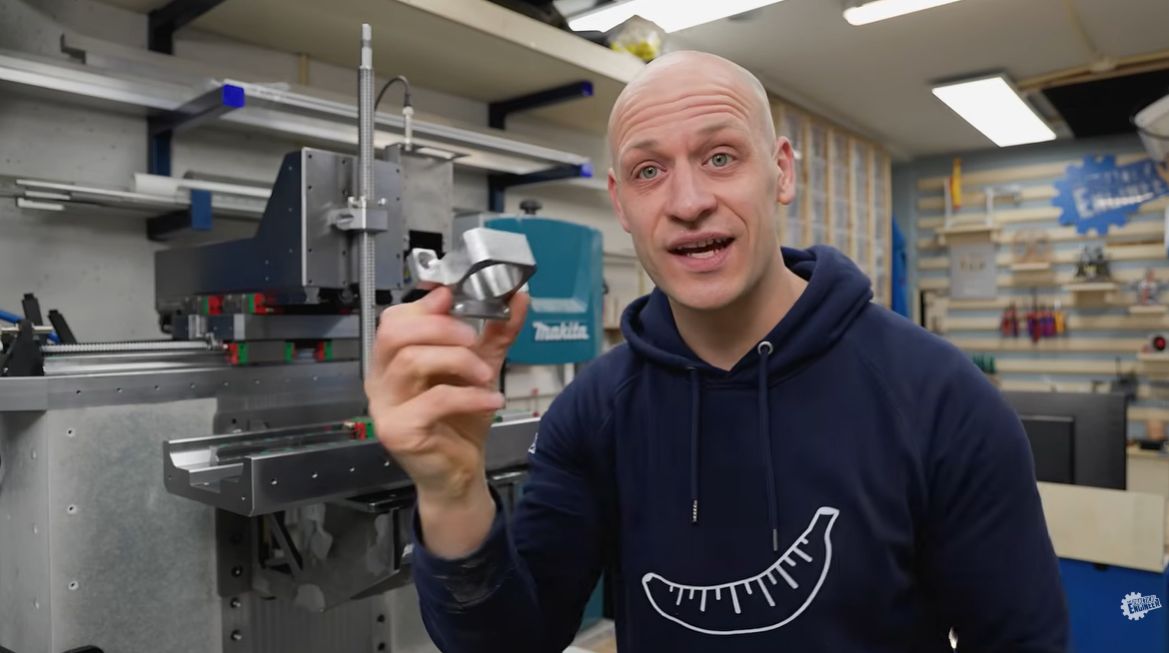

The 1-Millimetre Fix: How One Custom CNC Part Saved My 5-Axis Build
Machine Building
CNC Machining
Prototyping
Read Story
Building a CNC machine from scratch is full of moments where you find out whether your design actually works, or whether it only worked inside CAD. In the world of custom machine building, the transition from a digital model to physical assembly is rarely seamless. This was one of those moments.
Read Story
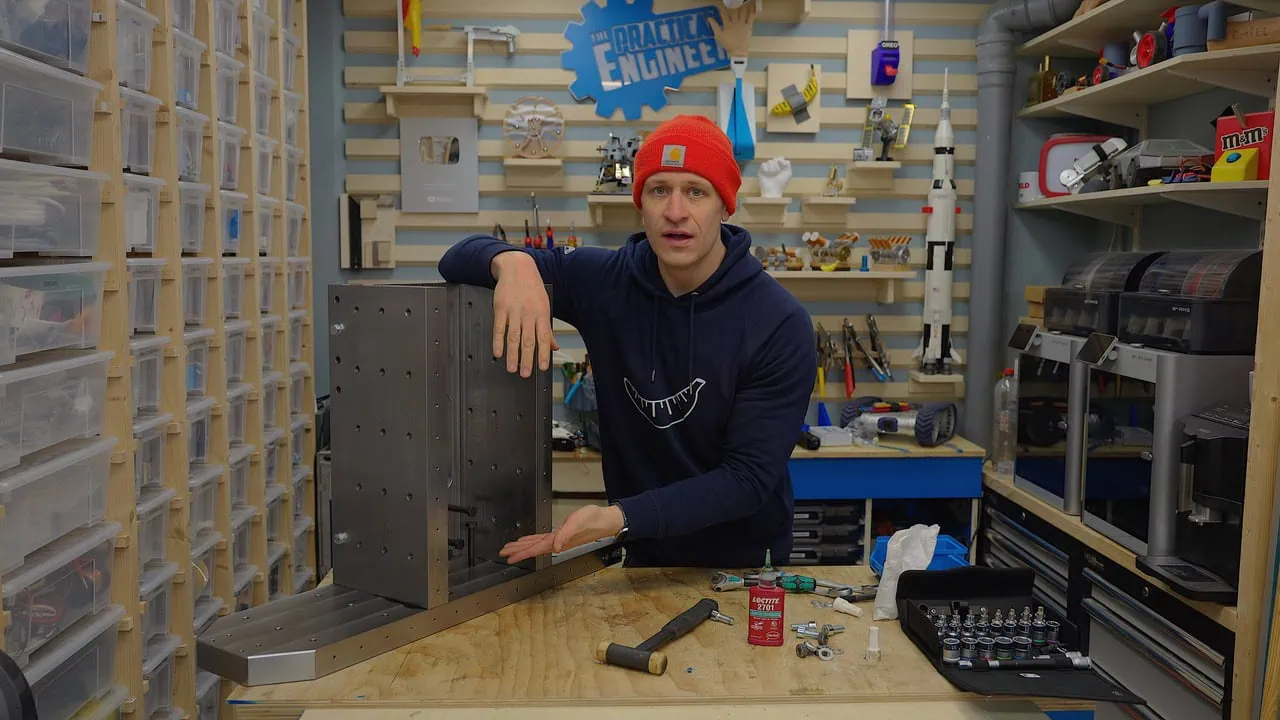
From Desktop Dreams to 400kg of Steel and Concrete: Building a High-Rigidity 5-Axis CNC
Machine Building
CNC Machining
Prototyping
Read Story
In the world of custom machine building, I’ve found there is a constant tug-of-war between theoretical performance and physical reality. As "The Practical Engineer," I dedicated this project to creating a 5-axis CNC machine that prioritizes rigidity over sheer speed.
Read Story
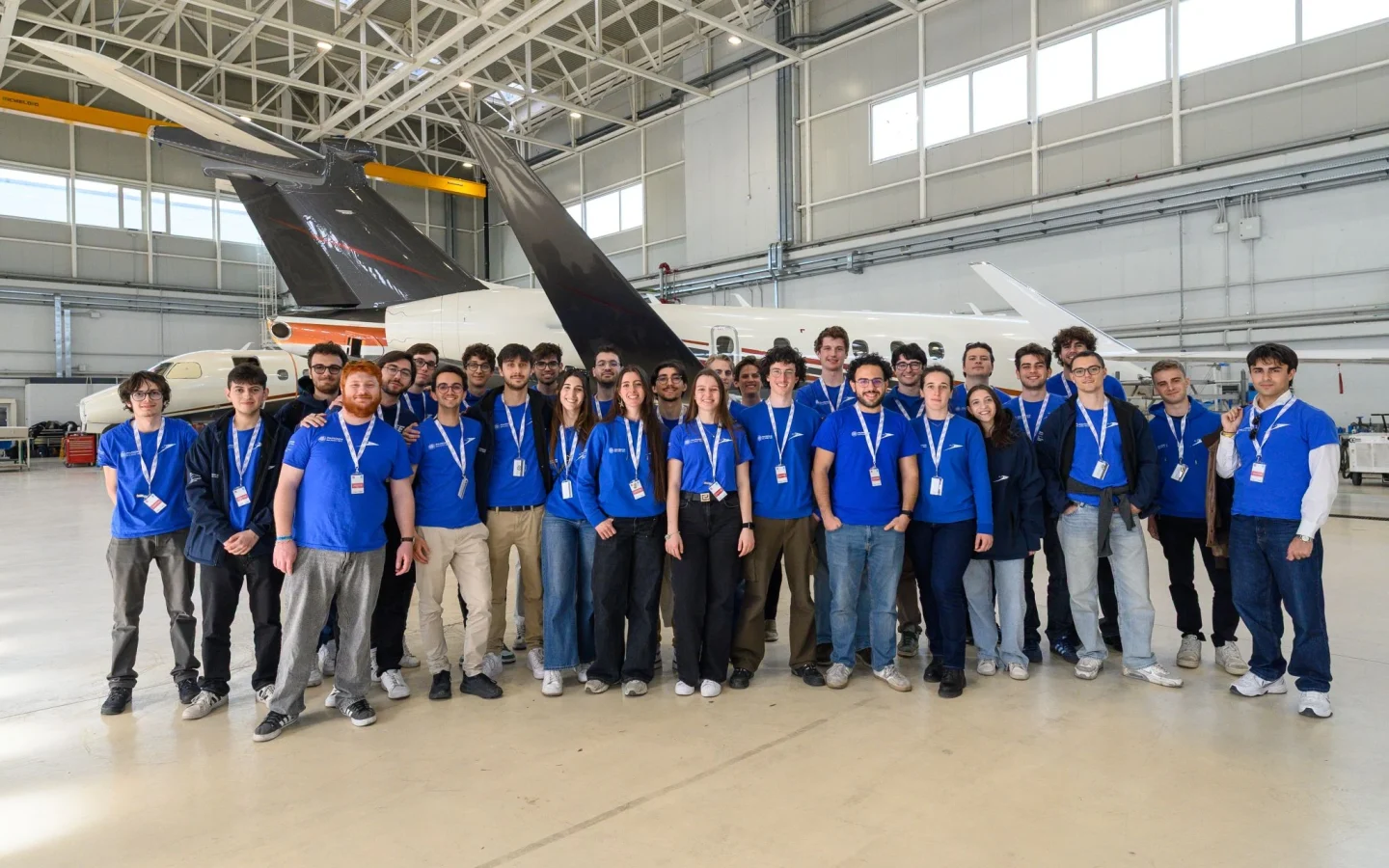
How Fly-Mi Team Prepares a Cargo UAV for the Air Cargo Challenge
Aerospace
CNC Machining
Prototyping
Read Story
Preparing for the 2026 Air Cargo Challenge, the Fly-Mi team is developing Heméra, a fixed-wing UAV designed for maximum payload transport. This project integrates advanced aerodynamics, structural FEM analysis, and precision-engineered aluminum tooling to create a twin-motor aircraft capable of reaching flight speeds of 35 m/s.
Read Story
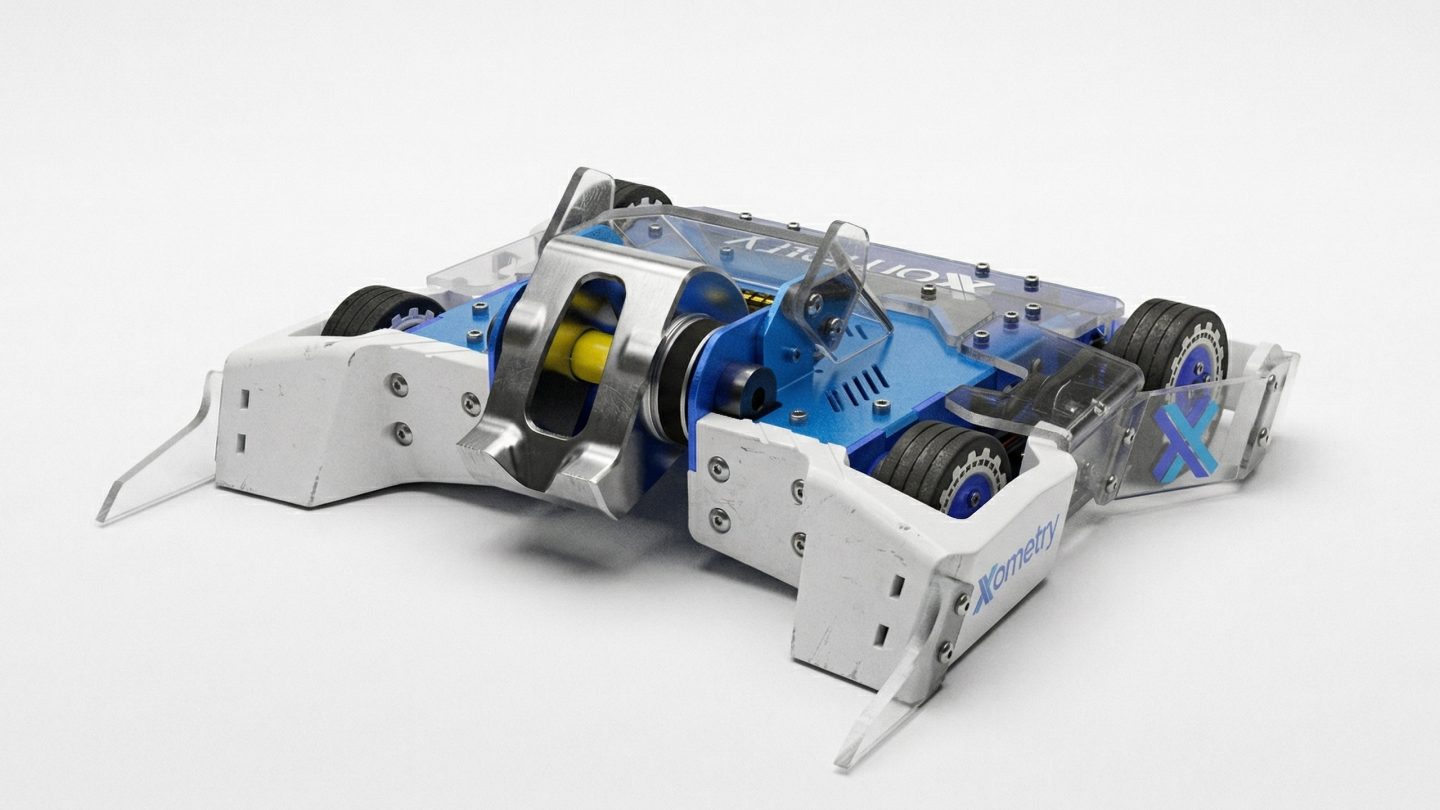

Torx Robot: The Story Behind Accu’s Engineering and Xometry’s Precision CNC Machining
Robotics
Machine Building
CNC Machining
Prototyping
Read Story
Go behind the scenes for the development of Torx: the combat robot built by Accu for FightFest 2026, with CNC machining support from Xometry. Explore the journey from the drawing board to the arena, showing how a combat robotics project takes shape, and see how Torx went on to win the official FightFest Championship trophy.
Read Story
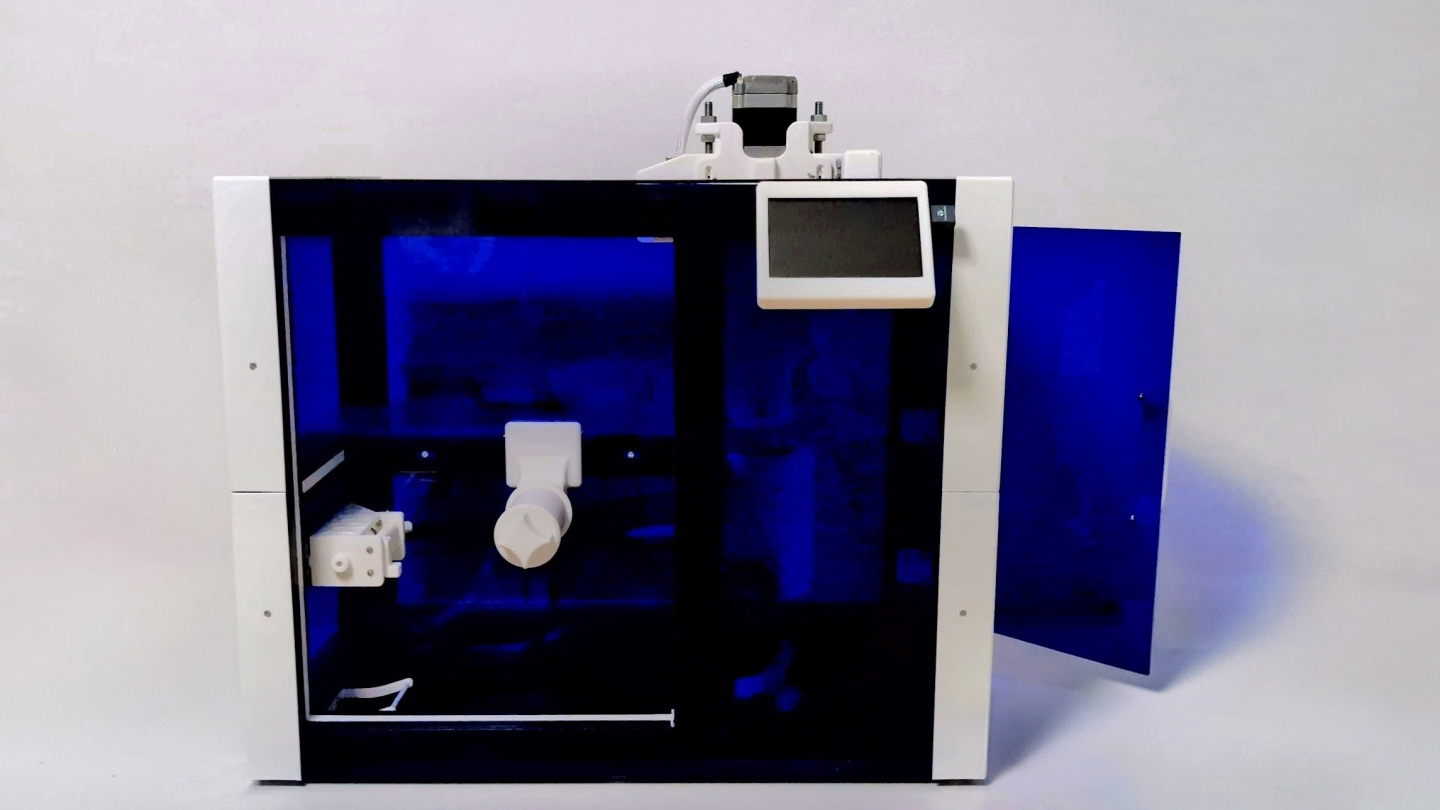

The Rethink of 3D Printing Waste and the Next Chapter of the Desktop Filament Recycler Story
Machine Building
3D Printing
CNC Machining
Prototyping
Read Story
By using agile testing and redesigning a double-sided support to resolve motor deformation and calibration challenges, the TGM student team successfully turned 3D printing waste into high-quality PLA filament.
Read Story
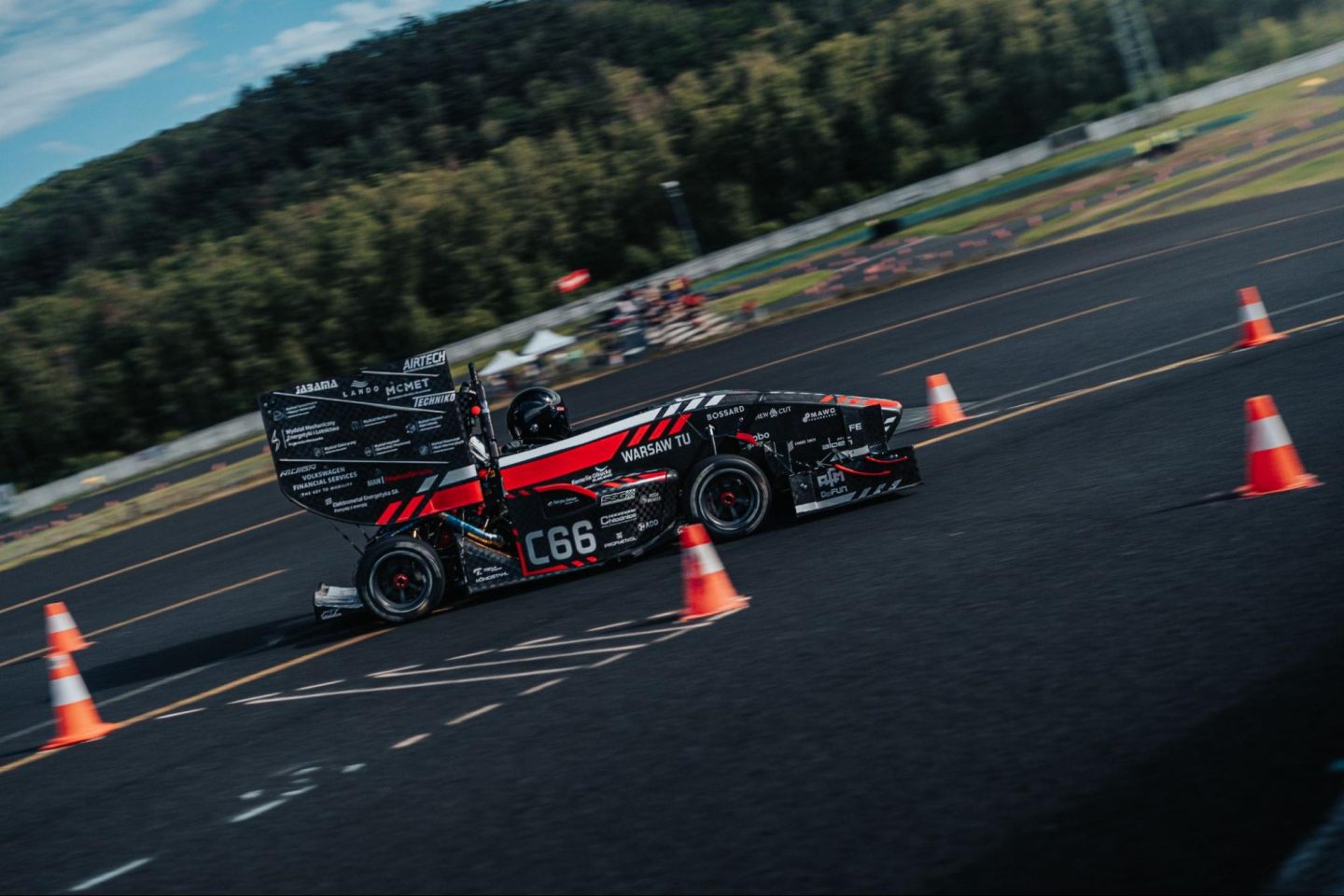

Inside the Engineering of the WUT-7 for Lightweight Performance
Automotive
CNC Machining
Prototyping
Read Story
Through topology optimization, refined kinematics, and a custom steering system, the WUT Racing team from Warsaw University of Technology reduced the weight of key WUT-7 components by over 50%, bringing their ultra-lightweight design from concept to track via precision manufacturing.
Read Story
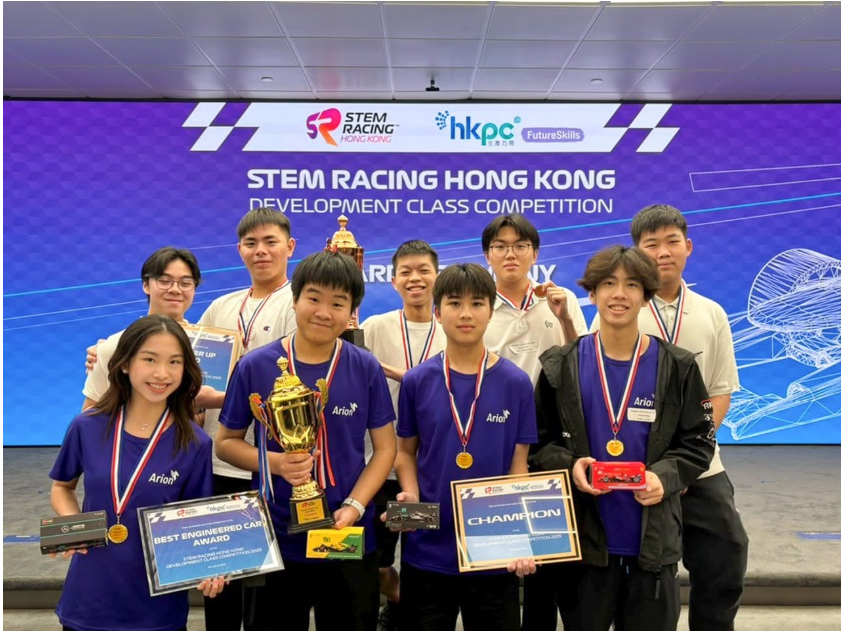

How AI-Powered On-Demand Manufacturing Helps a STEM Racing Team Achieve Faster Iteration and Championship Performance
Automotive
3D Printing
CNC Machining
Sheet Metal
R&D
Read Story
Team Arion, a student racing team from Singapore International School Hong Kong, used Xometry’s AI‑powered on‑demand manufacturing platform to overcome the hurdles of small‑batch, complex parts production, accelerated their design iterations, and went on to win the 2025 STEM Racing championship along with the Best Engineering Design Award.
Read Story
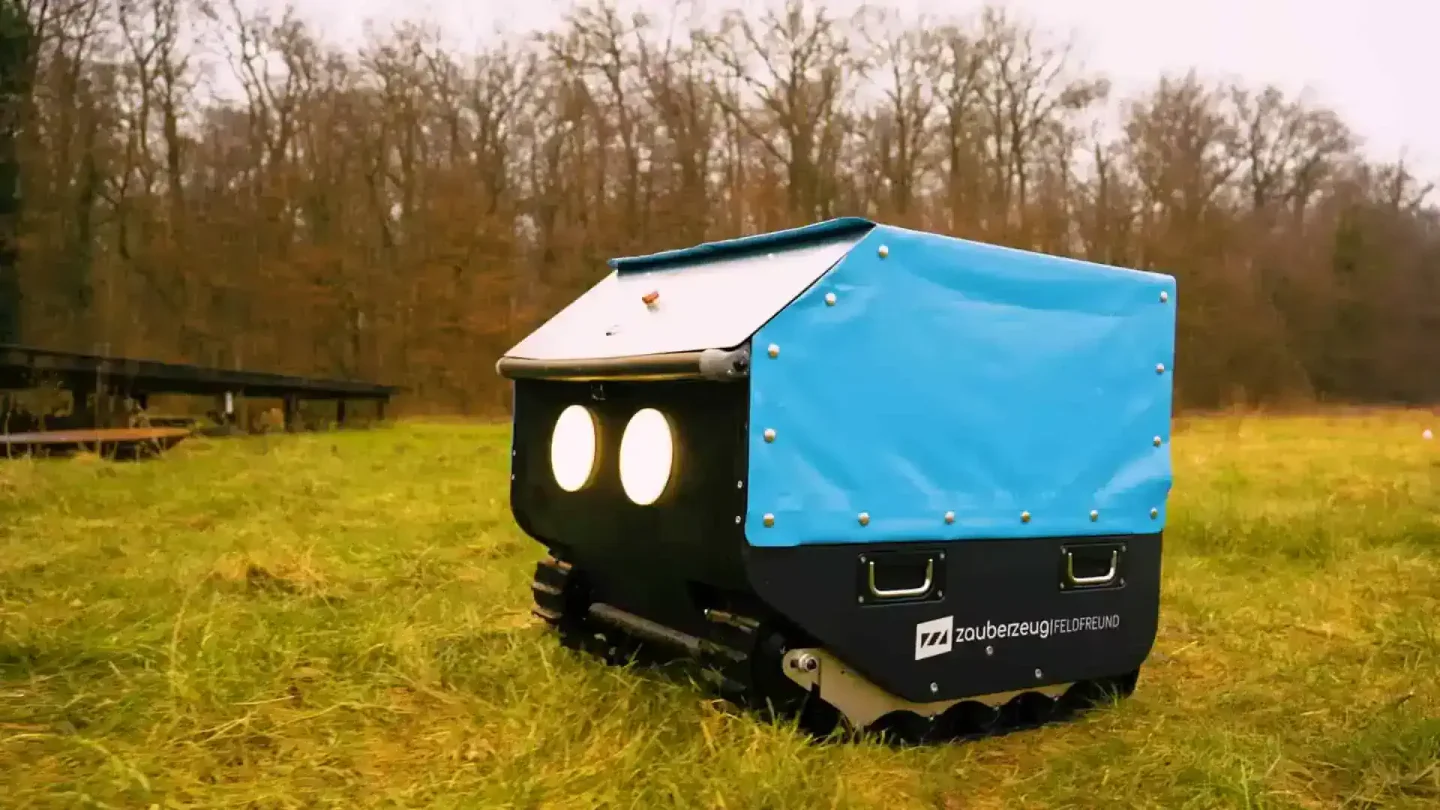

How Zauberzeug Uses Xometry for Fast and Efficient Sourcing of High-Tech Agricultural Robot Components
Robotics
Machine Building
CNC Machining
Procurement, Prototyping
Read Story
With Xometry, we have found a manufacturing partner that supports our development philosophy. The ability to quickly and precisely order small batches of parts gives us the freedom to iteratively improve our robots. This flexibility is essential to our innovation process.
Read Story
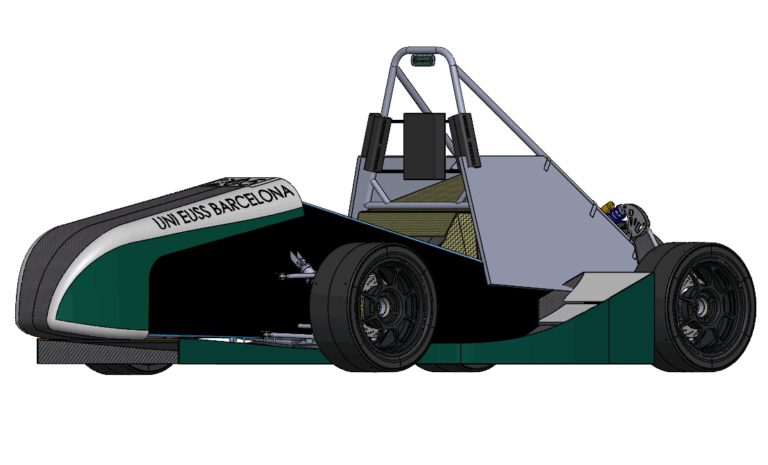

Building the EM-05: Our Journey to EUSS Motorsport’s Most Innovative Electric Race Car
Automotive
CNC Machining
Prototyping
Read Story
The transition to electric has been a steep learning curve, but what keeps us moving forward is our ability to adapt and to work closely as a team. Every mistake or setback becomes a lesson that makes us stronger. Even when continuity is difficult, with experienced members graduating and new ones joining, the project itself becomes the bridge, carrying knowledge and experience forward.
Read Story
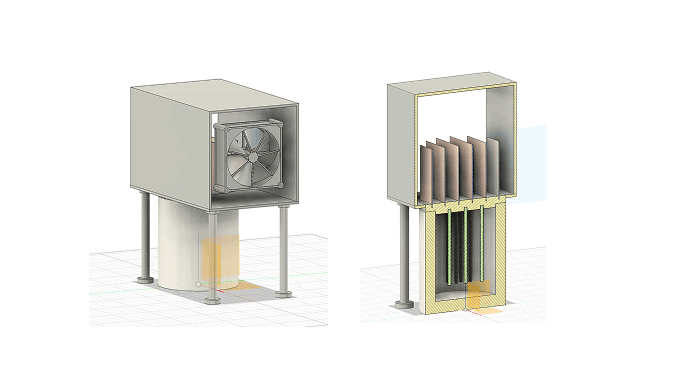
CoreSpin: Creating Better Heat Exchangers – One Protein at a Time
Energy
CNC Machining
R&D
Read Story
Our project brings biological thinking to a field it rarely touches: thermal engineering. We are developing a thermally conductive nanolayer that coats heat exchange surfaces to combat biofouling and the buildup of dust and sediment.
Read Story
From Tunneling to the Stars – How Elara Aerospace Is Advancing Suborbital Rocket Engineering in Europe
Aerospace
CNC Machining
R&D
Read Story
To turn these components into reality, we required high-precision manufacturing with fast turnaround times. Through Xometry, we produced a brass test chamber for our injector experiments, machined to the specifications needed for our early-stage testing.
Read Story