Kurs Orbital develops the ARCap autonomous docking module to extend satellite life, service space stations, and remove space debris. With Xometry's prototyping services, the team accelerates sensor prototype validation, aiming for a flight-ready module by the end of 2025.
Industry
Aerospace
Country

Italy
Use case
R&D
Technology
3D PrintingCNC Machining
Product
ARCap module

Kurs Orbital, an innovative Italian startup, expands human activities beyond Earth by providing advanced docking technology for satellite life extension, space station servicing, and space debris removal missions.
At Kurs Orbital, our mission is to make the space sector more sustainable. As space engineers and enthusiasts, we have leveraged our experience to develop the “ARCap” module. This is our cutting-edge patented technology that addresses the growing issue of space sustainability by allowing satellites and spacecraft to perform autonomous rendezvous and docking maneuvers without human intervention. Until now, only major space agencies had the resources and technology to achieve this. We are working hard to make this capability accessible and commercially viable for everyone, so that over time, our ARCap module can be integrated into any space vehicle. In short, we are opening up new horizons for the entire aerospace industry.
Table of Contents
- The Inspiration Behind ARCap: Space Sustainability
- The Advanced Sensor Suite: The Heart of ARCap Innovation
- Shaping the Future of Space Operations
The Inspiration Behind ARCap: Space Sustainability
Our journey started with the pressing need to make space operations more sustainable. Satellites, which cost between $150 and $500 million, are often unrecoverable once they fail in orbit. With the impending decommissioning of the International Space Station (ISS) in 2030, there is a pressing need for new solutions. This is where our ARCap module comes into play, reducing space debris and contributing to a more sustainable future for space exploration.
Conceptualizing the ARCap was not an easy task. Based on the extensive experience of the Kurs system, which has been operating since 1985 with over 300 successful dockings to the ISS, we knew we had a solid foundation on which we could build a more advanced module. The new ARCap module features three types of sensors, can handle uncooperative targets, and is a single standardized module that can easily be installed on any spacecraft. One of our main challenges has been time, as our goal is to have a prototype ready by the end of 2025.

The Advanced Sensor Suite: The Heart of ARCap Innovation
The advanced sensor suite of ARCap allows for precise navigation and docking without human intervention. The ARCap module includes three distinct types of sensors, each of which plays a crucial role in ensuring the success of docking operations. Radar takes center stage during the initial phases of approach, measuring the distance to the target and guiding the spacecraft in its approach. The laser rangefinder and machine vision take over at shorter distances, taking care of the final rendezvous phase and docking/capture operations thanks to their high precision. Behind the scenes, patented algorithms leverage decades of team experience in developing the Kurs system, ensuring smooth and reliable in-orbit maneuvers.
This system integrates seamlessly into various spacecraft, ensuring a wide range of applications. The ability to handle uncooperative targets makes it a revolutionary system, which can help refuel future commercial space stations and remove space debris. ARCap mitigates the costly and wasteful practice of discarding satellites and offers practical solutions for refueling space stations in the post-ISS era.

We are currently creating prototypes of individual sensors that will be evaluated in conditions simulating in-orbit operations in the fall of 2024. These ground tests are essential for validating the performance and functionality of the sensors. After the success of the ground tests, the sensors will be integrated into a single prototype, the first integrated ARCap module. This phase involves ensuring seamless communication and coordination between the different sensors. The ultimate goal is to produce the first flight-ready ARCap module by the end of 2025.

Shaping the Future of Space Operations
We are thrilled to be part of an ASI (Italian Space Agency) project together with Argotec, the Polytechnic of Turin, and the University of Pisa. We have some ongoing discussions for both projects and collaborations that we hope to announce soon. It is an honor to see the great interest our technology and our vision for a more sustainable space is generating, both among major industry players and smaller ones.
For us, the development process of ARCap has been incredibly rewarding. Seeing our technology evolve from an idea to a prototype is a testament to the dedication and expertise of our team. We are very excited to expand our team and continue testing and refining our system. Our vision is for ARCap to play a key role in making space exploration more sustainable and efficient.
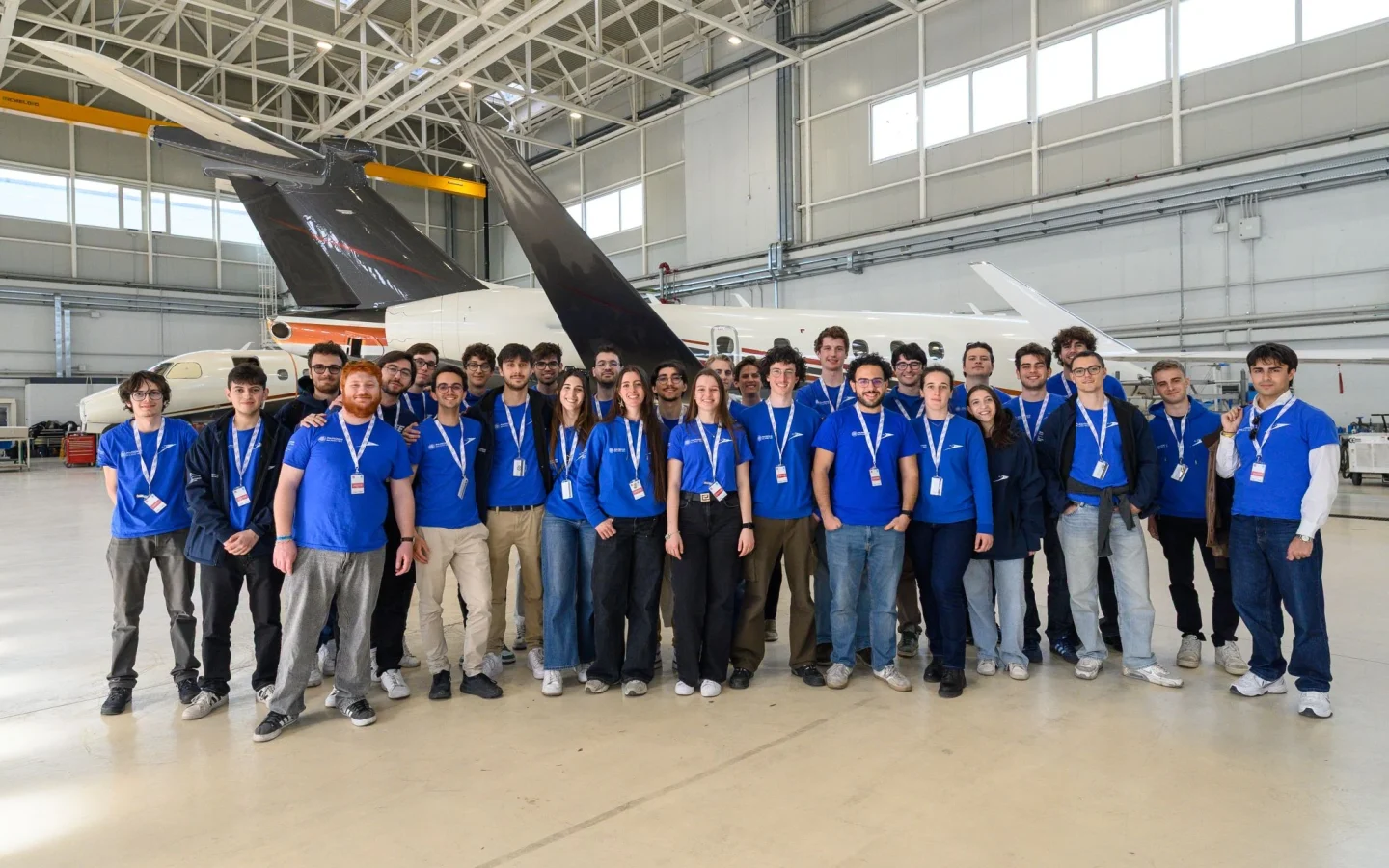
How Fly-Mi Team Prepares a Cargo UAV for the Air Cargo Challenge
Aerospace
CNC Machining
Prototyping
Read Story
Preparing for the 2026 Air Cargo Challenge, the Fly-Mi team is developing Heméra, a fixed-wing UAV designed for maximum payload transport. This project integrates advanced aerodynamics, structural FEM analysis, and precision-engineered aluminum tooling to create a twin-motor aircraft capable of reaching flight speeds of 35 m/s.
Read Story
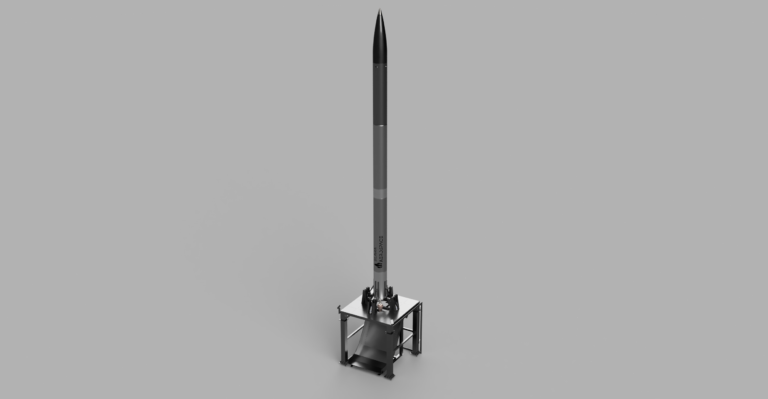

From Tunneling to the Stars – How Elara Aerospace Is Advancing Suborbital Rocket Engineering in Europe
Aerospace
CNC Machining
R&D
Read Story
To turn these components into reality, we required high-precision manufacturing with fast turnaround times. Through Xometry, we produced a brass test chamber for our injector experiments, machined to the specifications needed for our early-stage testing.
Read Story

Xometry Powers AcubeSAT from Prototype to Launch‑Ready Nanosatellite
Aerospace
CNC Machining
R&D
Read Story
At this time, we decisively decided to significantly simplify the design, allowing it to achieve higher precision and tolerance control through machining. During the redesign process, we realized that we needed to find a partner capable of manufacturing high-precision prototype parts—so we chose Xometry.
Read Story
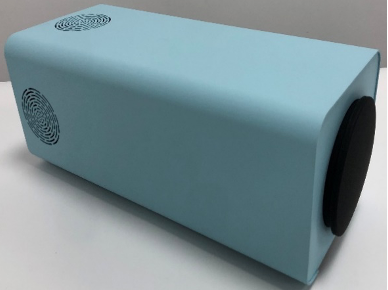

R&D Efficiency Restored: Xometry Ensures Uninterrupted Supply of Critical Precision Parts
Aerospace
CNC Machining
R&D
Read Story
Collaborating with Xometry allows us to concentrate more on our core R&D, saving substantial time and significantly boosting project efficiency.
Read Story
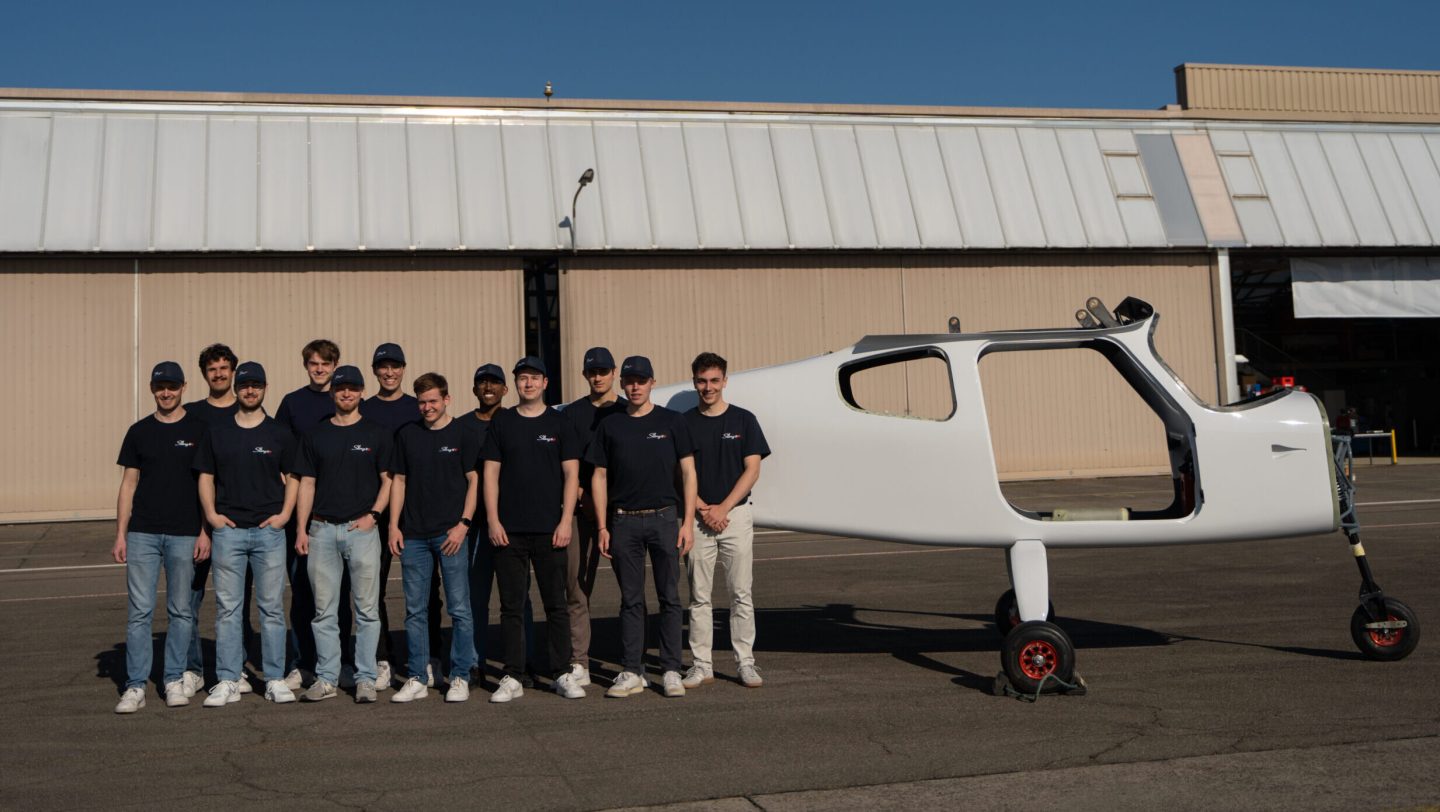

Emission-Free Across the Alps – How Cellsius Is Enabling Hydrogen-Powered Flight
Aerospace
CNC Machining
Prototyping
Read Story
We designed it with maximum strength-to-weight efficiency in mind, combining tight tolerances with complex geometry. Since producing a part this precise was beyond our in-house capabilities, we relied on external manufacturing to bring it to life. Working with Xometry’s digital manufacturing platform proved to be a practical solution. The ordering process was simple, and the part was delivered exactly to spec, which helped us stay on schedule and move forward with system integration.
Read Story
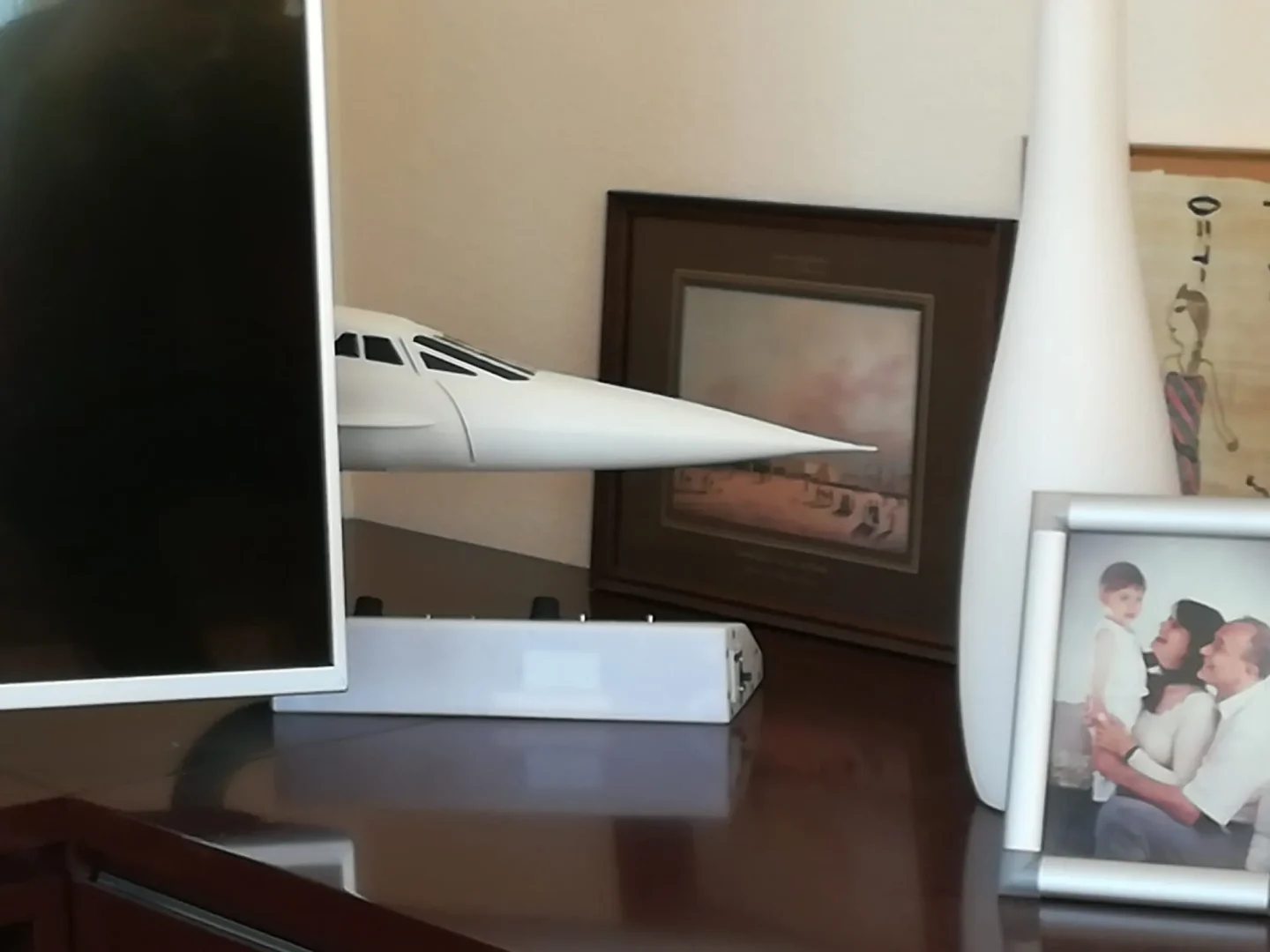
Engineering the Concorde Nose Mechanism: A Tribute to Aerospace Design
Aerospace
3D Printing
Prototyping
Read Story
For the physical prototype, I selected Selective Laser Sintering (SLS) using PA12 nylon. This combination offered the durability and dimensional accuracy I needed, while being light enough to preserve the model’s integrity and strong enough to handle repeated use. I ordered the parts through Xometry’s on-demand manufacturing service, which allowed me to test my designs without investing in a printer or tooling—a crucial advantage when working with small volumes and evolving prototypes.
Read Story
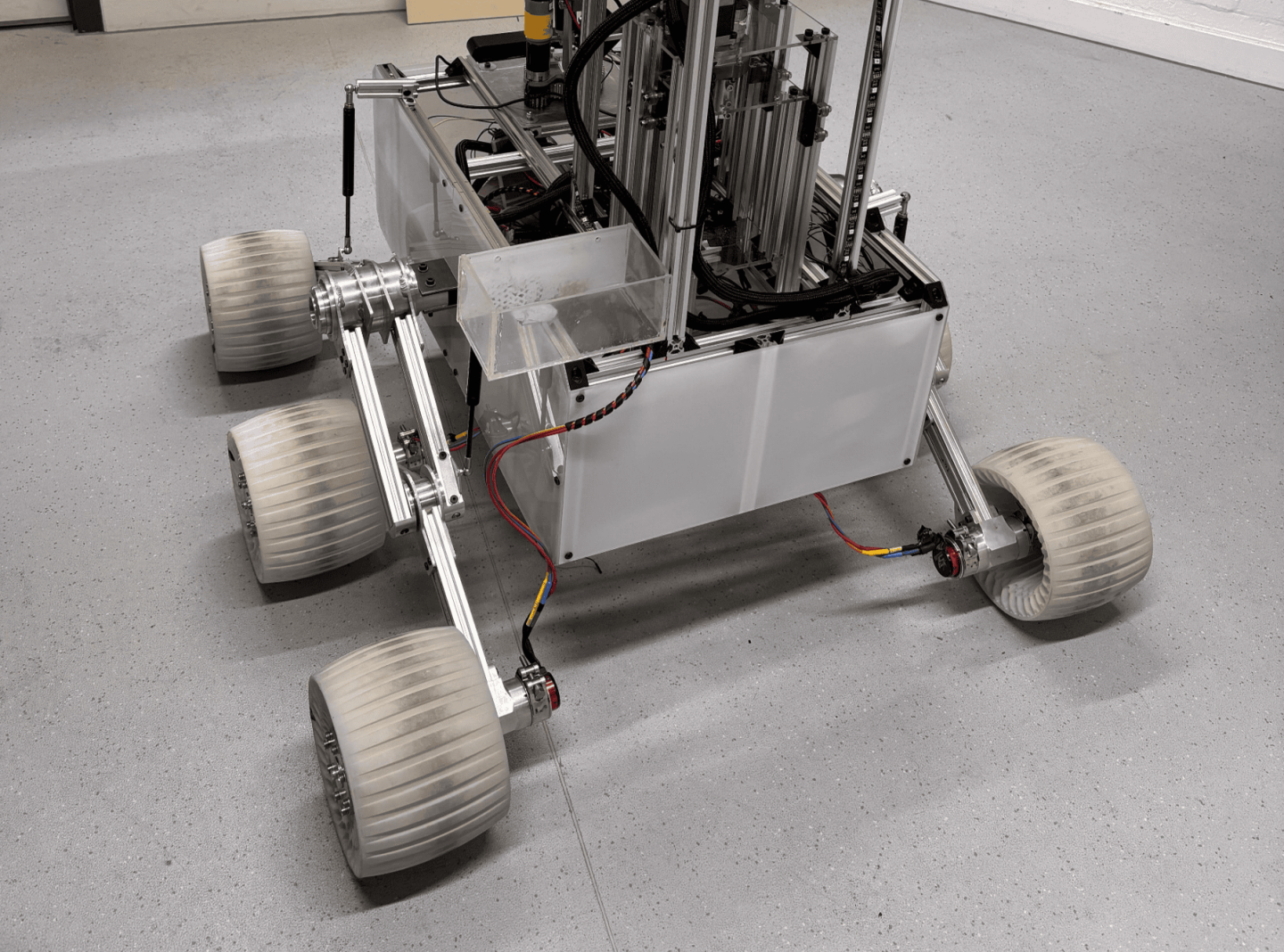

Reinventing the Wheel for Mars: How We Engineered a Flexible Airless Tyre
Aerospace
3D Printing
Prototyping
Read Story
UCL Racing's Mars Rover team developed an airless flexible wheel for the European Rover Challenge, competing on a simulated Martian surface. With Xometry's SLS 3D printing and engineering feedback, they produced six wheels from EOS TPU 1301 (Shore 86A) with a radial honeycomb lattice structure. The final design meets 220mm diameter and 120N load requirements, featuring symmetric tread pattern and integrated motor mount.
Read Story
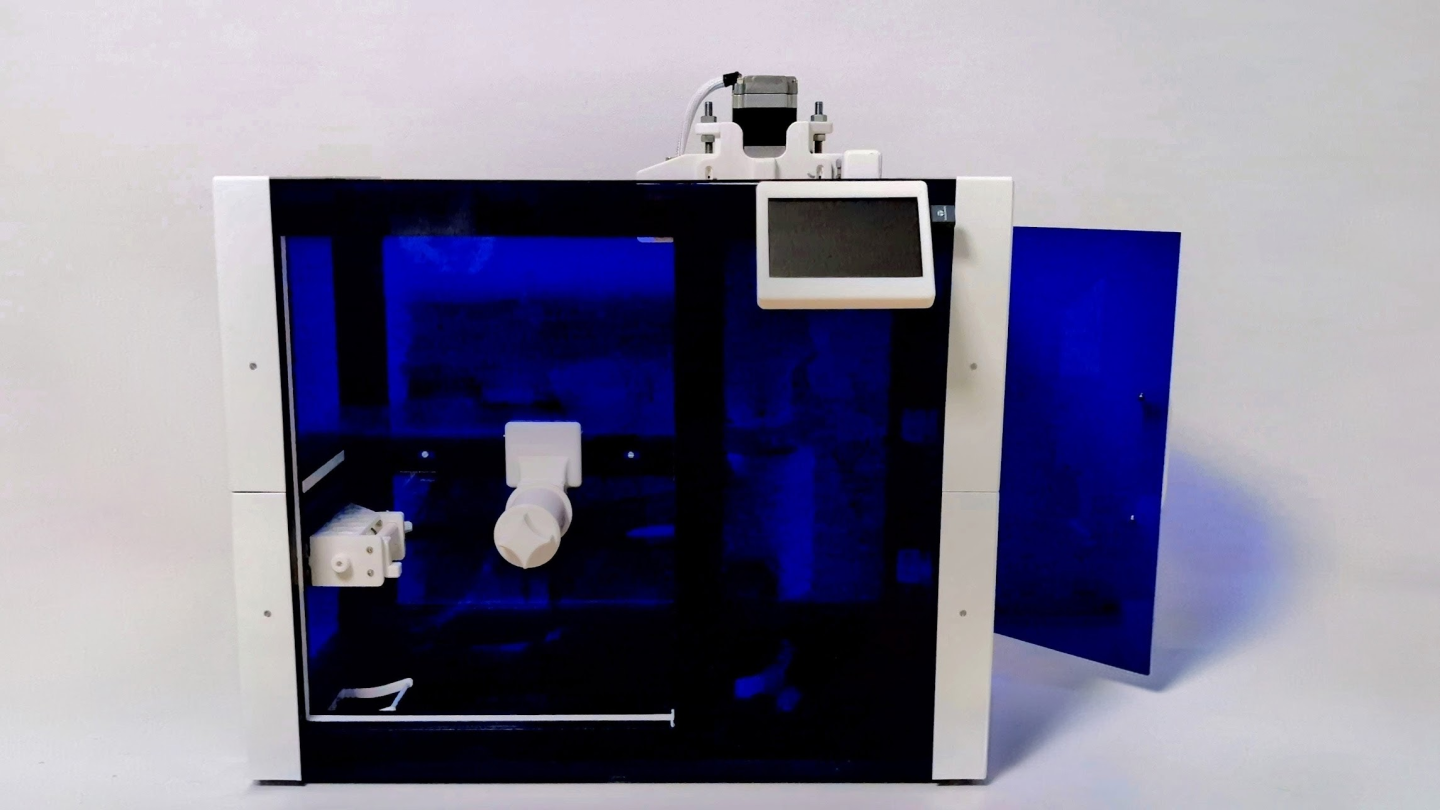

The Rethink of 3D Printing Waste and the Next Chapter of the Desktop Filament Recycler Story
Machine Building
3D Printing
CNC Machining
Prototyping
Read Story
By using agile testing and redesigning a double-sided support to resolve motor deformation and calibration challenges, the TGM student team successfully turned 3D printing waste into high-quality PLA filament.
Read Story
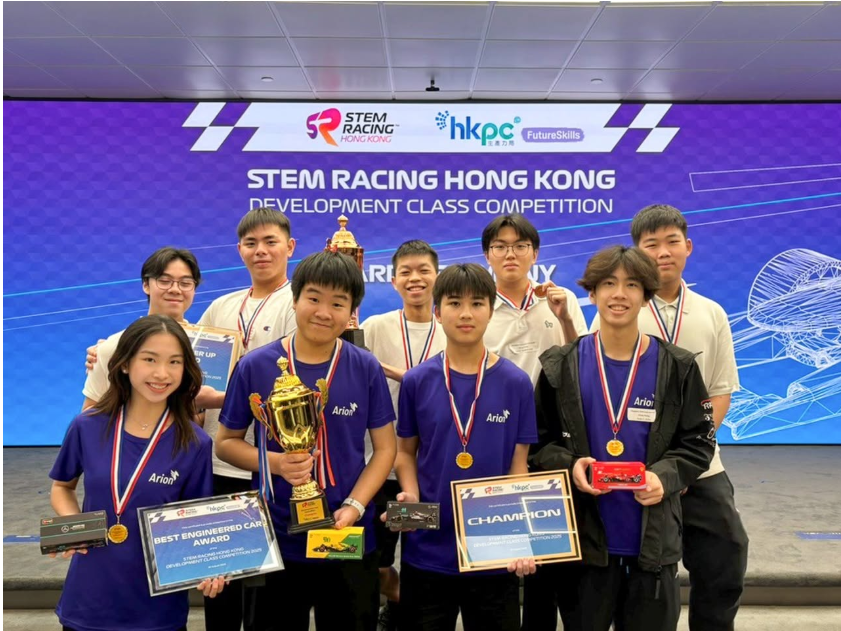

How AI-Powered On-Demand Manufacturing Helps a STEM Racing Team Achieve Faster Iteration and Championship Performance
Automotive
3D Printing
CNC Machining
Sheet Metal
R&D
Read Story
Team Arion, a student racing team from Singapore International School Hong Kong, used Xometry’s AI‑powered on‑demand manufacturing platform to overcome the hurdles of small‑batch, complex parts production, accelerated their design iterations, and went on to win the 2025 STEM Racing championship along with the Best Engineering Design Award.
Read Story
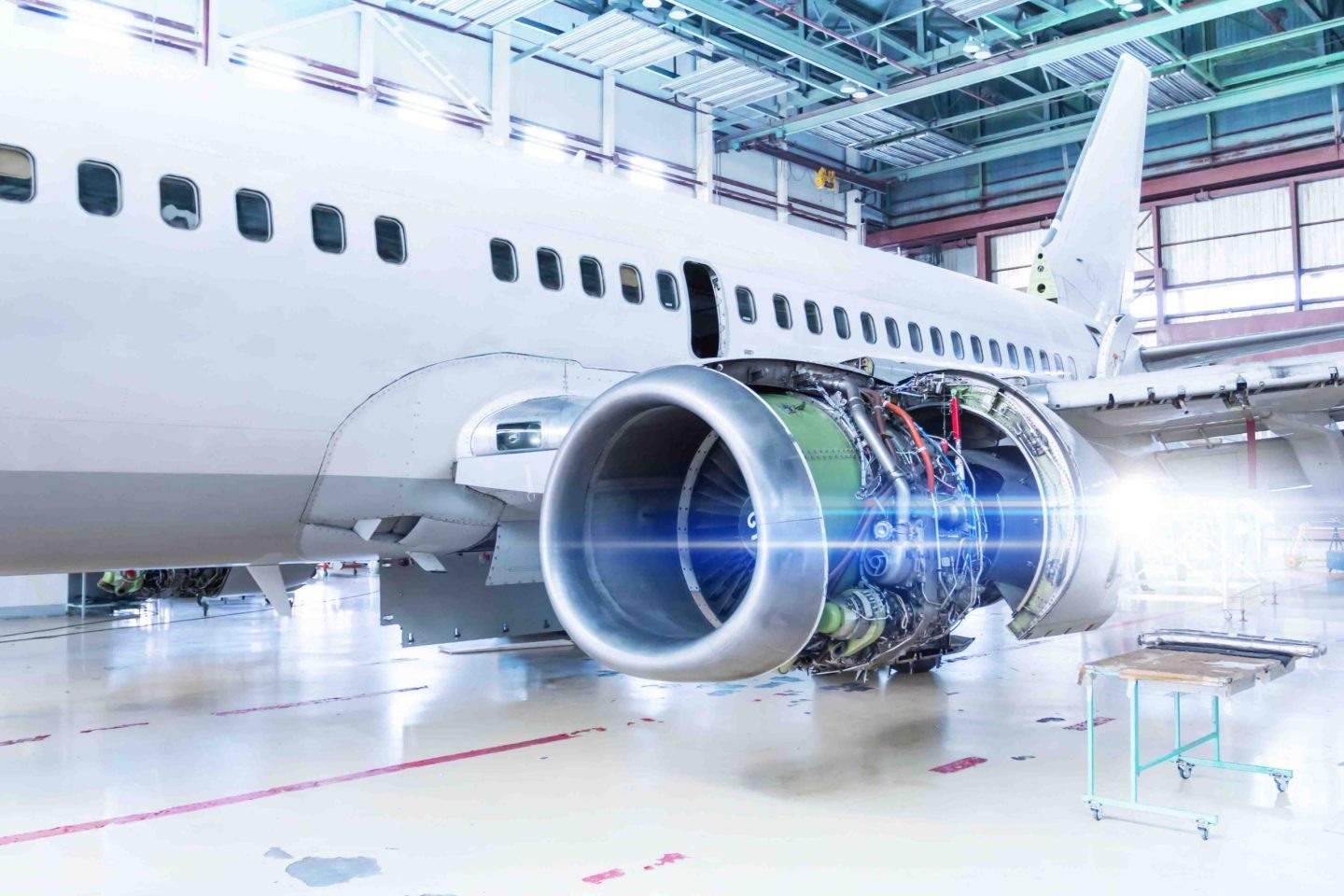
Aerospace Institute Speeds Up R&D with Xometry's On-Demand Complex Parts
Machine Building
3D Printing
CNC Machining
Prototyping
Read Story
In the past, developing non-standard devices was always complicated by the issue of tolerance matching between externally purchased standard parts and custom-machined components. Xometry's one-stop solution perfectly solved this pain point: they not only handled the complex metal 3D printing and sourcing of components but also delivered a finished product that had undergone precision assembly and adjustment. What we received was a functionally ready component that met our precision requirements. This efficient and worry-free delivery experience is exactly what R&D personnel need.
Read Story
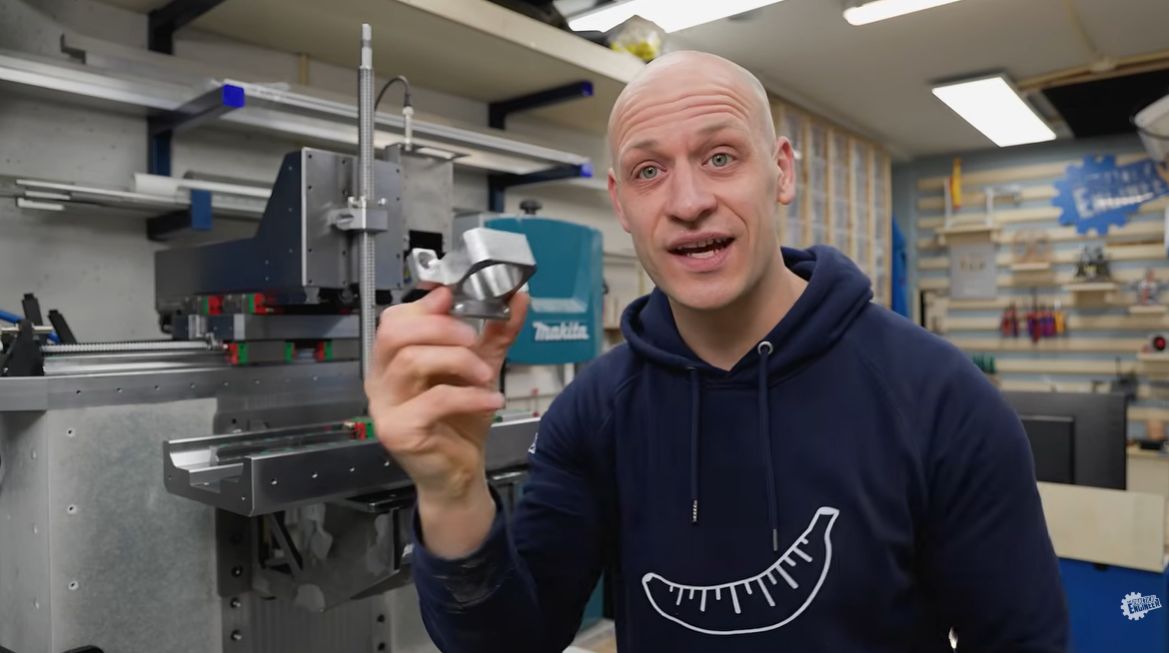

The 1-Millimetre Fix: How One Custom CNC Part Saved My 5-Axis Build
Machine Building
CNC Machining
Prototyping
Read Story
Building a CNC machine from scratch is full of moments where you find out whether your design actually works, or whether it only worked inside CAD. In the world of custom machine building, the transition from a digital model to physical assembly is rarely seamless. This was one of those moments.
Read Story
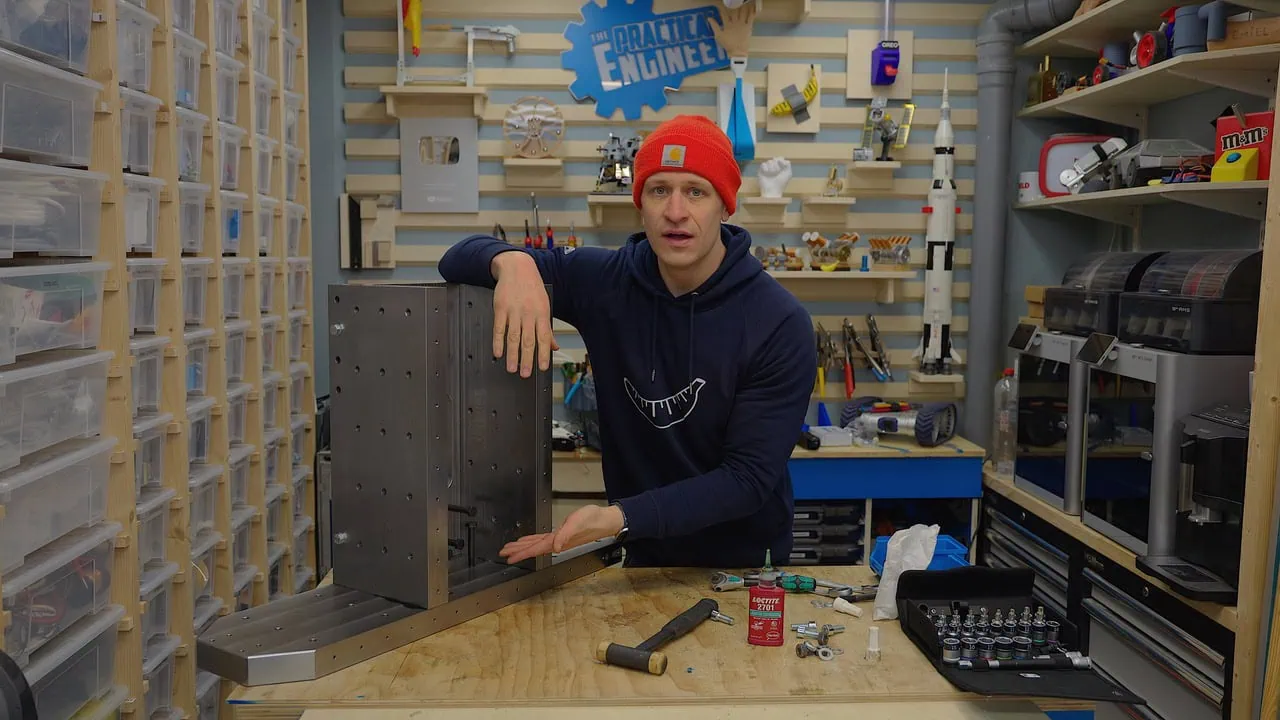
From Desktop Dreams to 400kg of Steel and Concrete: Building a High-Rigidity 5-Axis CNC
Machine Building
CNC Machining
Prototyping
Read Story
In the world of custom machine building, I’ve found there is a constant tug-of-war between theoretical performance and physical reality. As "The Practical Engineer," I dedicated this project to creating a 5-axis CNC machine that prioritizes rigidity over sheer speed.
Read Story