JTW Astronomy is a specialised producer of high-performance telescopes and telescope equipment for projects and customers worldwide. Xometry spoke to its founder, Mark Woodward, about the company’s background, expertise, and how Xometry has played a crucial role in the success of product development at JTW Astronomy.
Industry
Aerospace
Country

United Kingdom
Use case
High-Volume ManufacturingR&D
Technology
CNC Machining
Product
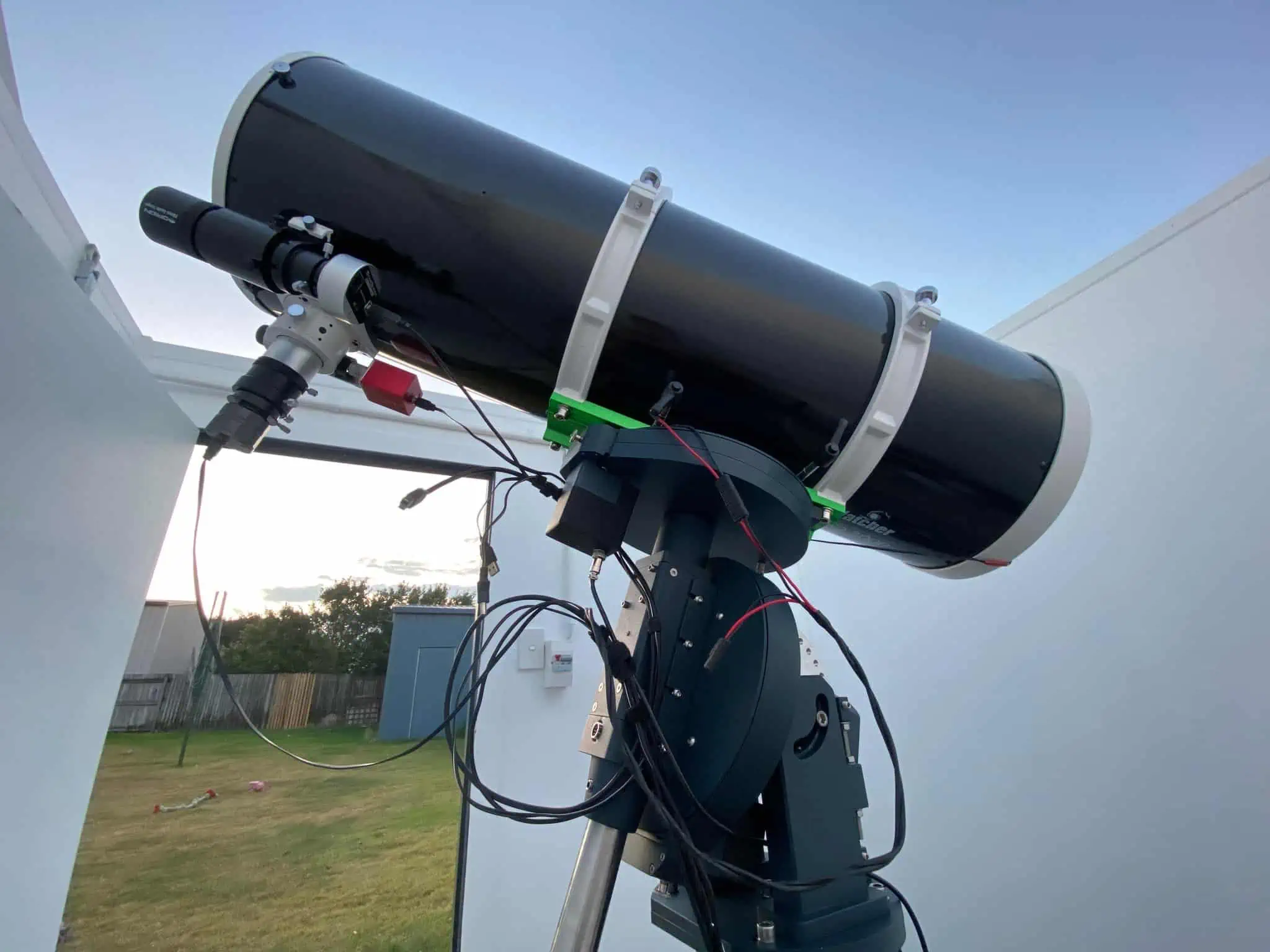
Trident telescope mount — a high-precision mount featuring Direct Friction Drive technology for accurate astronomical tracking.
I was first introduced to Xometry when I worked at a night vision/thermal imaging device company that it supplied parts to and the rest is history.
—
JTW Astronomy founder, Mark Woodward, began his career as an apprentice CNC machinist. It all started with Woodward making bits and pieces for his own telescope in his spare time before starting to sell them on eBay. The company’s first products consisted of various metal adapters, fittings, and other components for telescopes. It also started to produce webcams/DSLR cameras for more sensitive for astrophotography use.

Revolutionising DSLR cameras
Woodward’s passion for astrophotography led him to create ‘deep cooled’ DSLR cameras by fitting them into a machined housing cooled to -25°C. JTW Astronomy became the first company to produce this type of camera, thus revolutionising the astrophotography industry. The increasing popularity of astrophotography led to a surge in demand for JTW Astronomy’s products, leading to the company’s involvement in global projects funded by NASA and ESA.
As the company grew, it expanded its operations from an eBay shop to selling products all over the world. JTW Astronomy also embraced distributed manufacturing and outsourced the production of precision parts to Xometry, which allowed them to focus on growing their company and expanding their global reach.
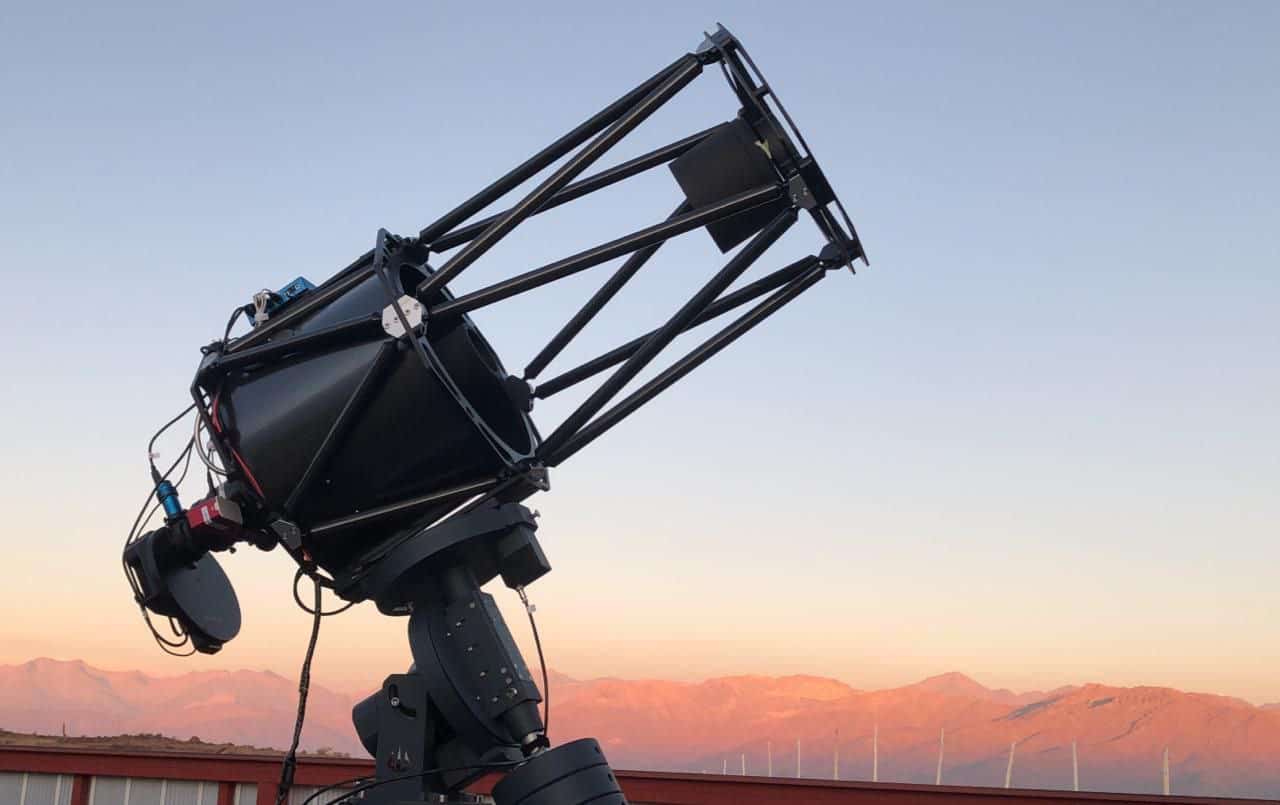
The Trident Telescope mount and using Xometry
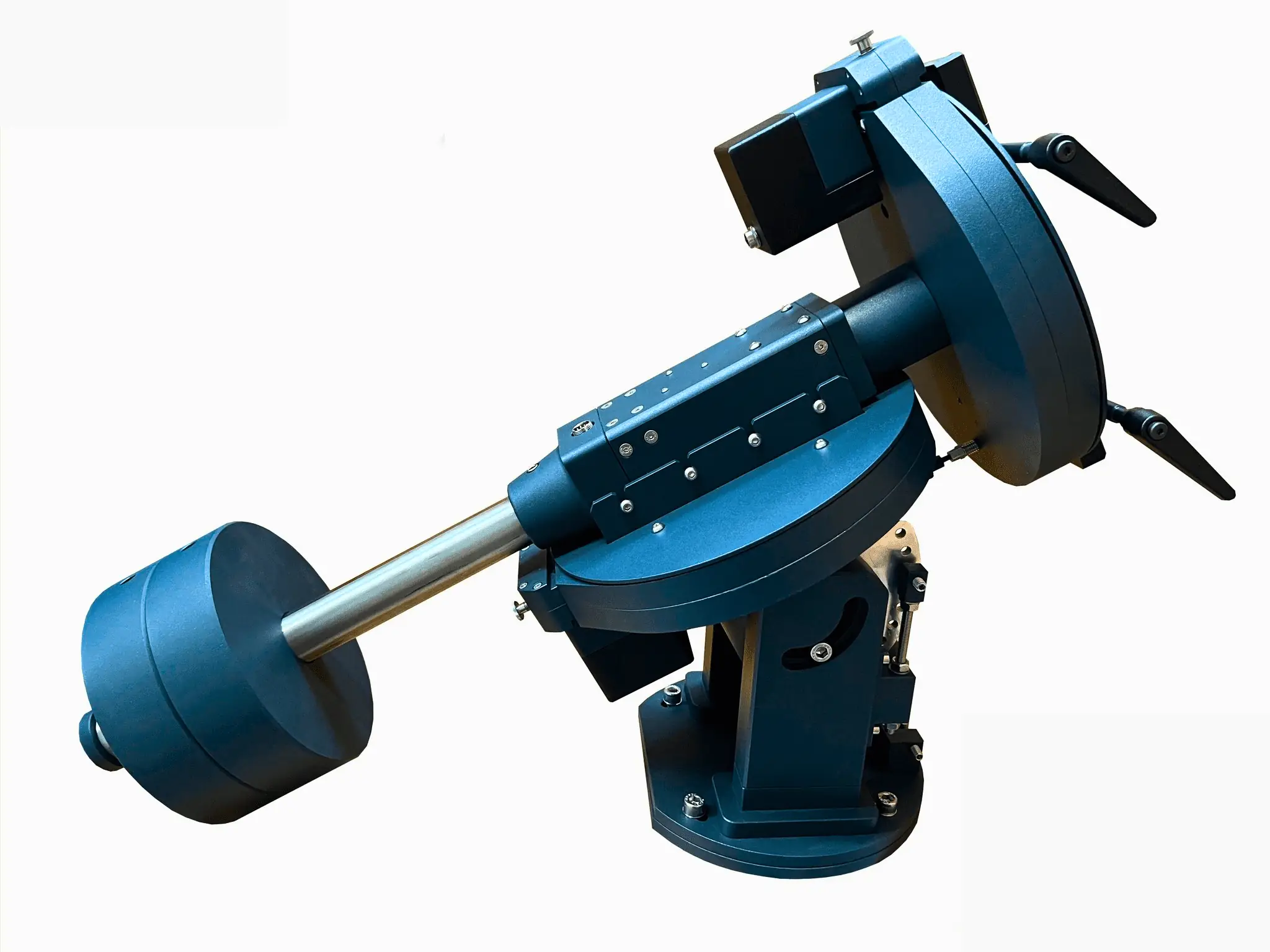
The company’s first big product was the Trident: a telescope mount with an exceptional basic model tracking accuracy of <0.1-0.2 arcseconds. It has garnered significant attention as it provides access to equipment and capabilities previously unavailable to individuals and institutions. The Trident achieves excellent real-world results despite seemingly ordinary specifications on paper. It features unique Direct Friction Drive technology designed in-house, enabling 25 times the resolution of a traditional servo motor while using stepper motors at one-tenth of the price.
Woodward faced a common challenge in the industry: finding skilled machinists and technical experts to keep up with the demand for their product. As demand exceeded their internal production capacity, they were faced with a tough decision to either invest heavily in equipment and staff or find a more cost-effective solution. That’s where Xometry came in.
By leveraging Xometry’s services, JTW was able to produce several essential mechanical components that they didn’t have the time or machinery for. Not only was it a more economical option for larger volumes of parts, but it also allowed them to focus on their core competencies and bring their innovative products to market faster.
The JTW Trident is just one of many products in development at JTW, and Xometry has played a crucial role in its success. The parts produced through Xometry were used for series production, thus allowing JTW to efficiently bring their product to market at scale. Discovering Xometry was a stroke of luck during some tough times at JTW.
“I was first introduced to Xometry when I worked at a night vision/thermal imaging device company that it supplied parts to and the rest is history,” says Woodward.
In the competitive world of astronomy and tracking equipment, companies like JTW Astronomy must continually innovate to stay ahead. With Xometry as a trusted partner, the company can focus on creating innovative products that push the boundaries of what is possible in the field.
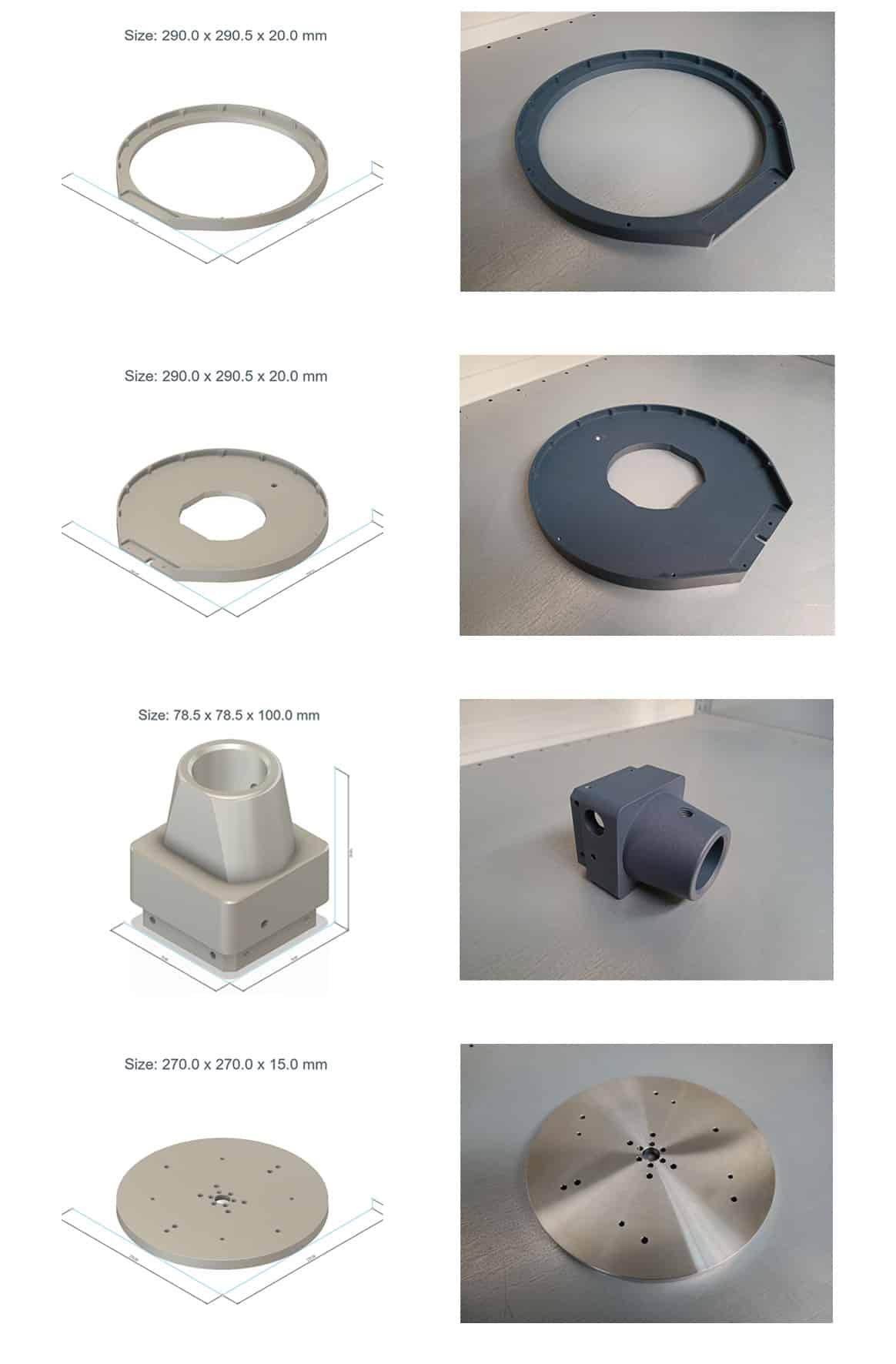
CNC machined parts with tight tolerances for Trident – produced via Xometry
JTW Astronomy strives to tackle challenging design requirements while maintaining practicality. They understand that a good design should not only be strong and complex, but also easy to manufacture and service. However, in some cases, it is necessary to prioritise complex design features over ease of manufacturing. Xometry Europe was able to produce several parts for JTW Astronomy that other companies refused to quote due to the tight tolerances and difficult materials involved.
“To us, the most interesting components are the drive wheels. They have exceptionally tight tolerances and look so simple, but they are far from it. Each component has a story, including why we chose Xometry to produce it.”
JTW outsourced the production of several components, including drive covers, dust covers, counterweight shaft mounts, and saddles to Xometry, since these components are time-consuming to manufacture and are required in high volumes. “Through cost-price analysis, we found that it was more cost-effective to have Xometry produce these components via CNC machining due to our own equipment not being optimised for the task,” explains Woodward.
Xometry’s ability to achieve lower material costs through high volume CNC machining production also played a role in the decision to outsource these components. “Additionally, I did not consider these components to be critical and did not see a need to produce them in-house.”
The production of axles and drive wheels was also outsourced to Xometry as JTW Astronomy did not have the necessary CNC machining equipment to produce them in-house. Outsourcing to Xometry eliminated the need for JTW to invest in machinery, tooling, and staff. These components require a high degree of precision, which makes finding the right qualified staff even more difficult. Despite the high volume of production required, JTW Astronomy found the price to be reasonable for the quality of the components.
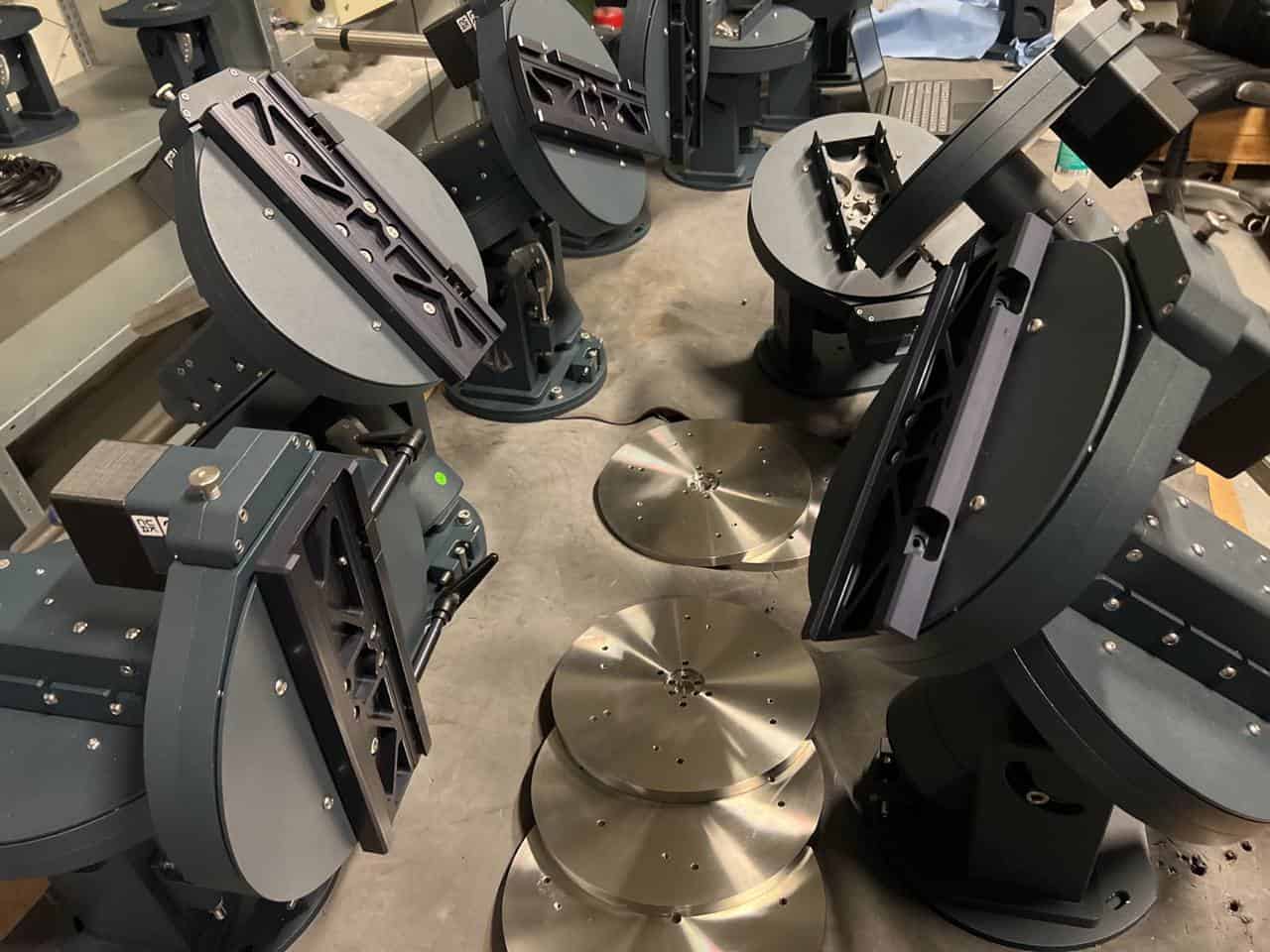
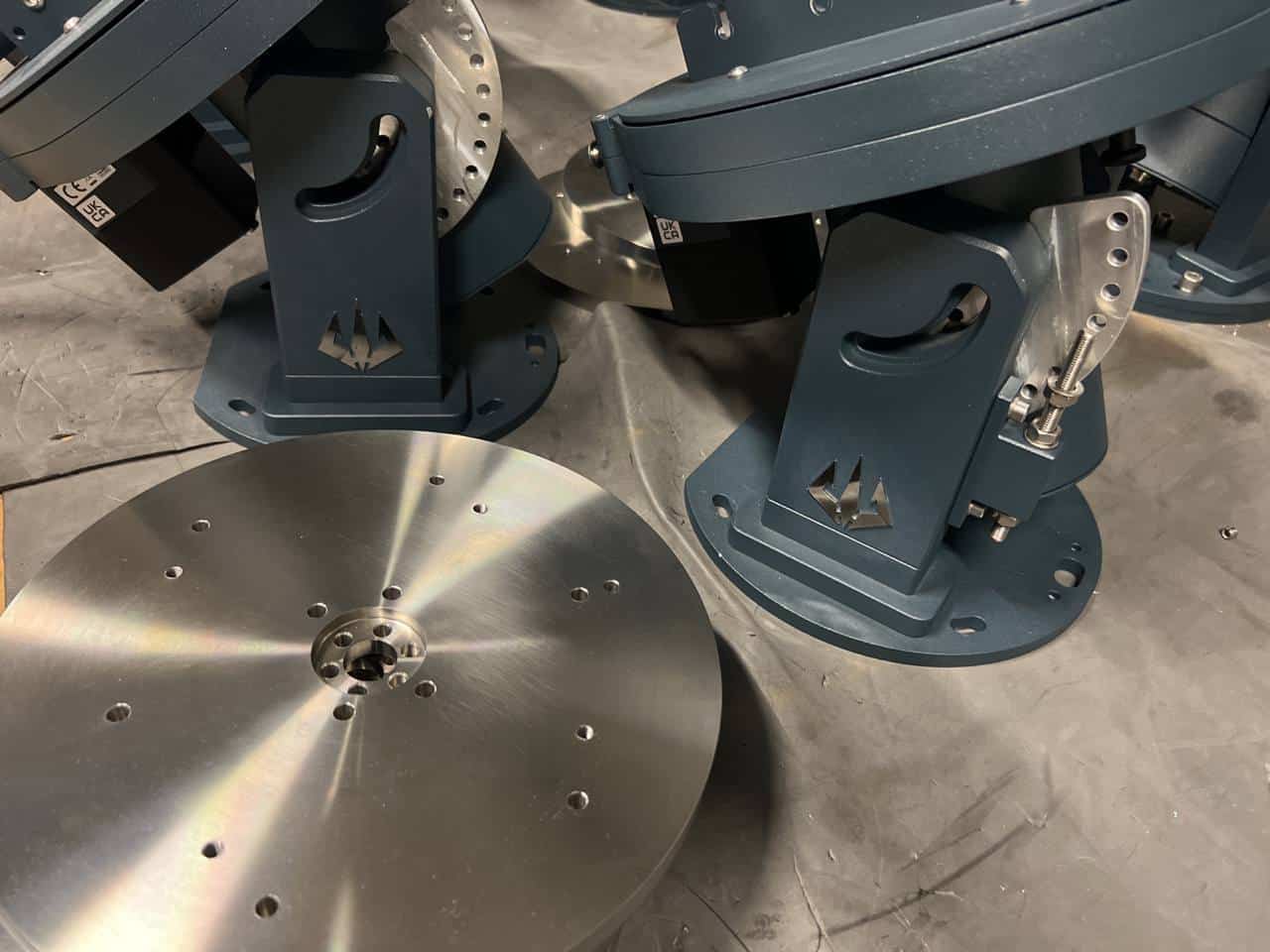
JTW Astronomy and Xometry: a successful partnership for simplifying manufacturing processes and reducing costs
The decision-making process for selecting manufacturing processes and materials is based on experience and calculations with a focus on simplicity and efficiency. Xometry has provided helpful feedback that has enabled the team to alter parts for ease of manufacturing or suitability for specific production methods, which has helped reduce lead times and costs. JTW Astronomy generally rates the quality of the parts as very good. If any issues do come up, they are handled extremely quickly thanks to Xometry’s attentive customer care and production management teams.
The company has also used Xometry’s Instant Quoting Engine for general parts, which is highly useful for rapidly getting parts into production. JTW also appreciates the hands-on approach by Xometry with personal contact and excellent communication when manual quoting is required . For the team, the main advantages of sourcing parts from Xometry are the increase in capacity, efficiency, short lead times, communication, and project management.
In the near future, JTW Astronomy plans to finish developing six new telescope mounts and put them into production. It also has potential future expansion plans or hopes to find a company/group to merge with. Lastly, it plans to continue using Xometry for upcoming manufacturing needs to keep achieving excellent results.
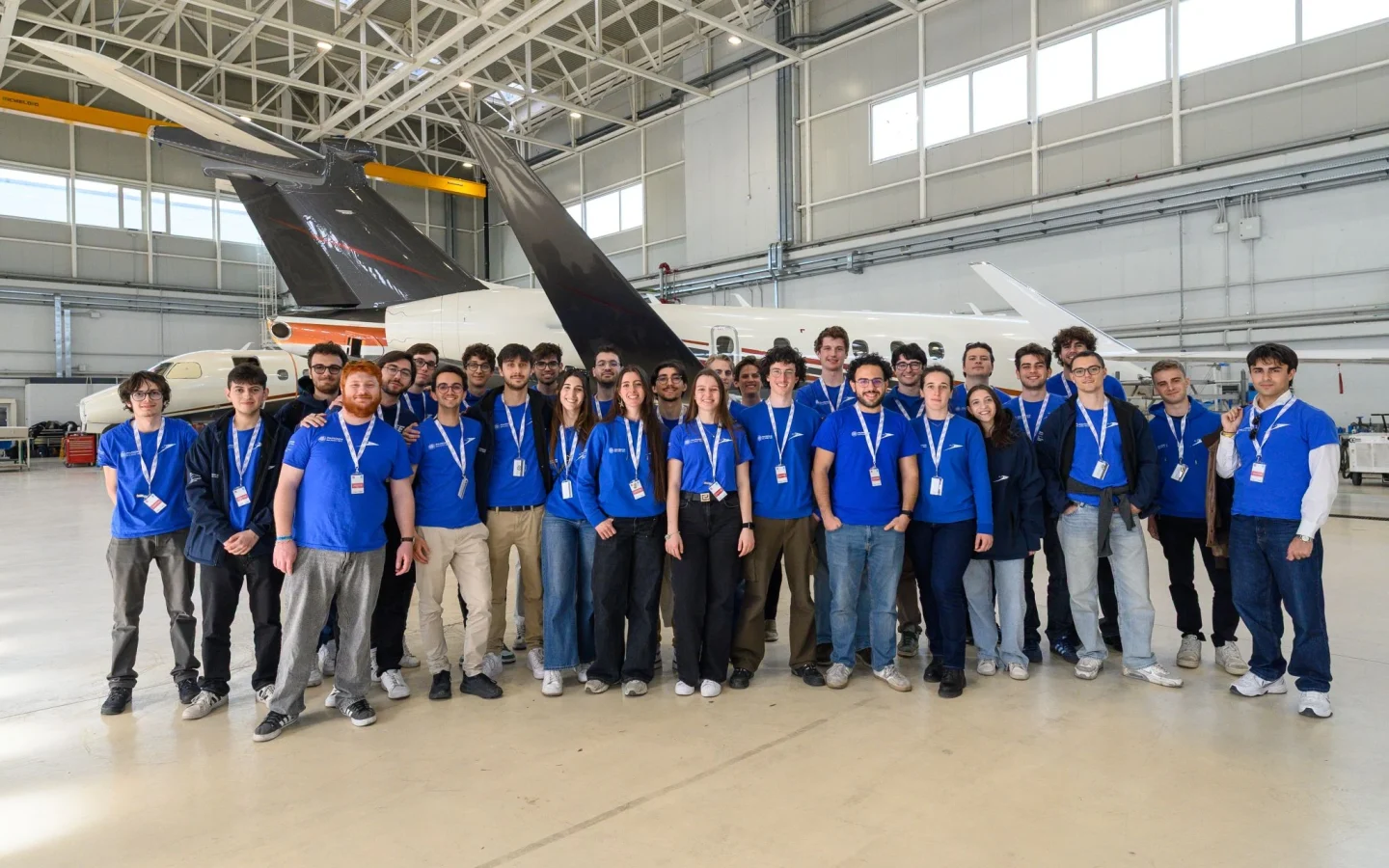

How Fly-Mi Team Prepares a Cargo UAV for the Air Cargo Challenge
Aerospace
CNC Machining
Prototyping
Read Story
Preparing for the 2026 Air Cargo Challenge, the Fly-Mi team is developing Heméra, a fixed-wing UAV designed for maximum payload transport. This project integrates advanced aerodynamics, structural FEM analysis, and precision-engineered aluminum tooling to create a twin-motor aircraft capable of reaching flight speeds of 35 m/s.
Read Story
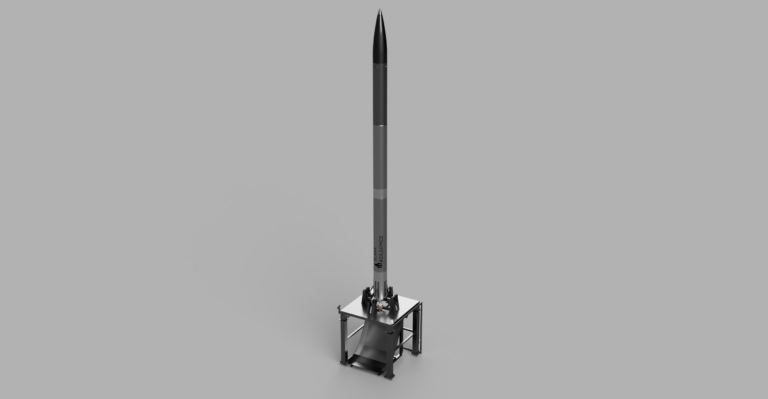

From Tunneling to the Stars – How Elara Aerospace Is Advancing Suborbital Rocket Engineering in Europe
Aerospace
CNC Machining
R&D
Read Story
To turn these components into reality, we required high-precision manufacturing with fast turnaround times. Through Xometry, we produced a brass test chamber for our injector experiments, machined to the specifications needed for our early-stage testing.
Read Story
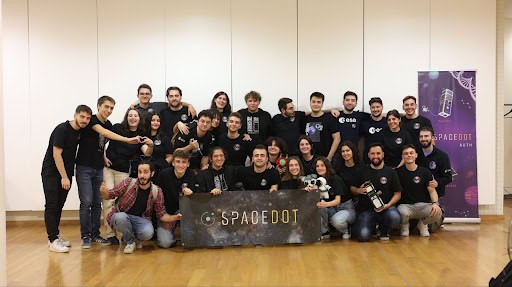

Xometry Powers AcubeSAT from Prototype to Launch‑Ready Nanosatellite
Aerospace
CNC Machining
R&D
Read Story
At this time, we decisively decided to significantly simplify the design, allowing it to achieve higher precision and tolerance control through machining. During the redesign process, we realized that we needed to find a partner capable of manufacturing high-precision prototype parts—so we chose Xometry.
Read Story
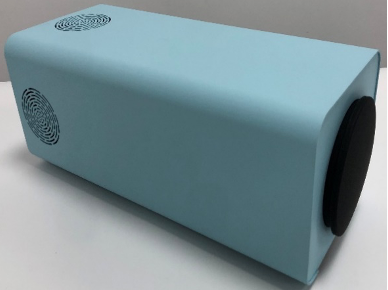

R&D Efficiency Restored: Xometry Ensures Uninterrupted Supply of Critical Precision Parts
Aerospace
CNC Machining
R&D
Read Story
Collaborating with Xometry allows us to concentrate more on our core R&D, saving substantial time and significantly boosting project efficiency.
Read Story
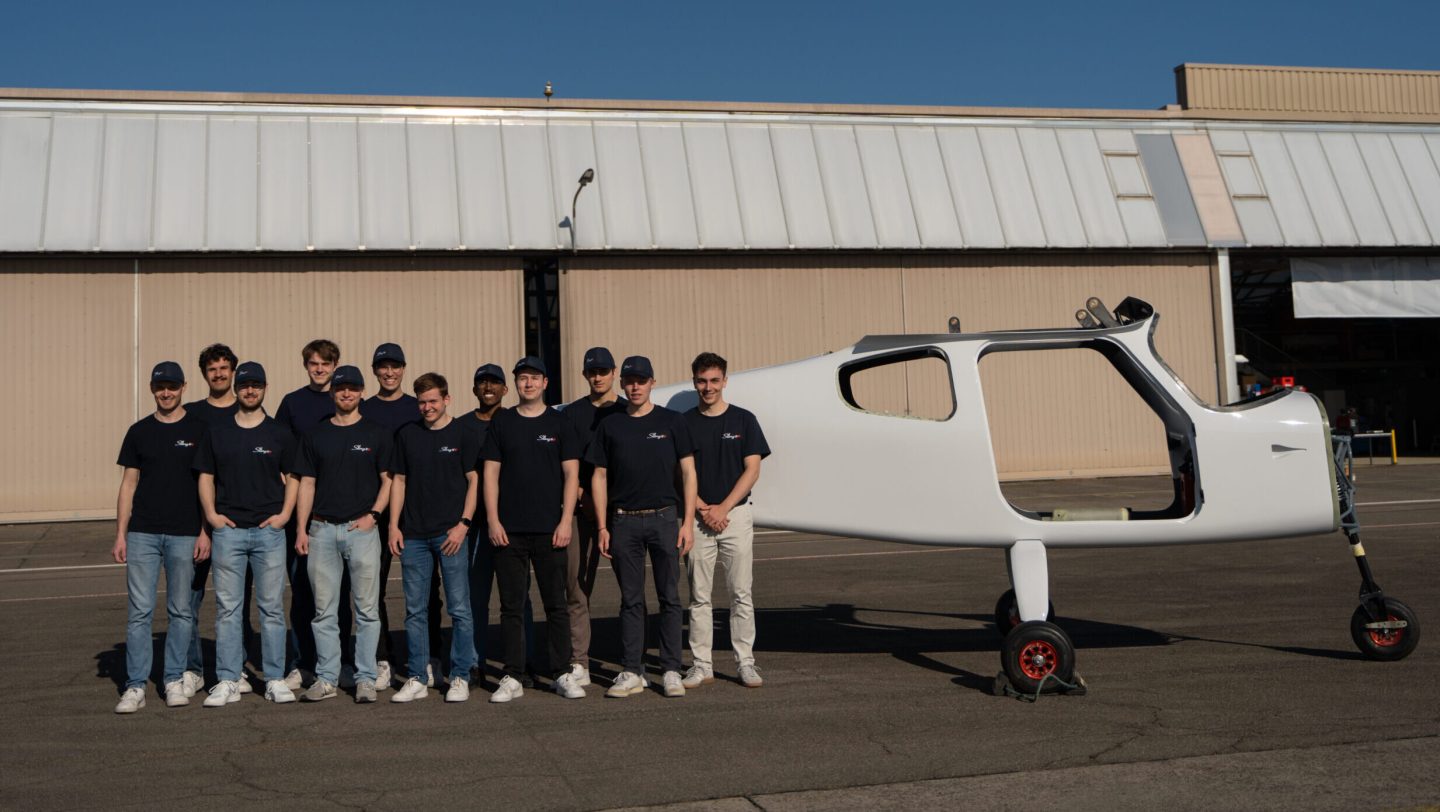

Emission-Free Across the Alps – How Cellsius Is Enabling Hydrogen-Powered Flight
Aerospace
CNC Machining
Prototyping
Read Story
We designed it with maximum strength-to-weight efficiency in mind, combining tight tolerances with complex geometry. Since producing a part this precise was beyond our in-house capabilities, we relied on external manufacturing to bring it to life. Working with Xometry’s digital manufacturing platform proved to be a practical solution. The ordering process was simple, and the part was delivered exactly to spec, which helped us stay on schedule and move forward with system integration.
Read Story
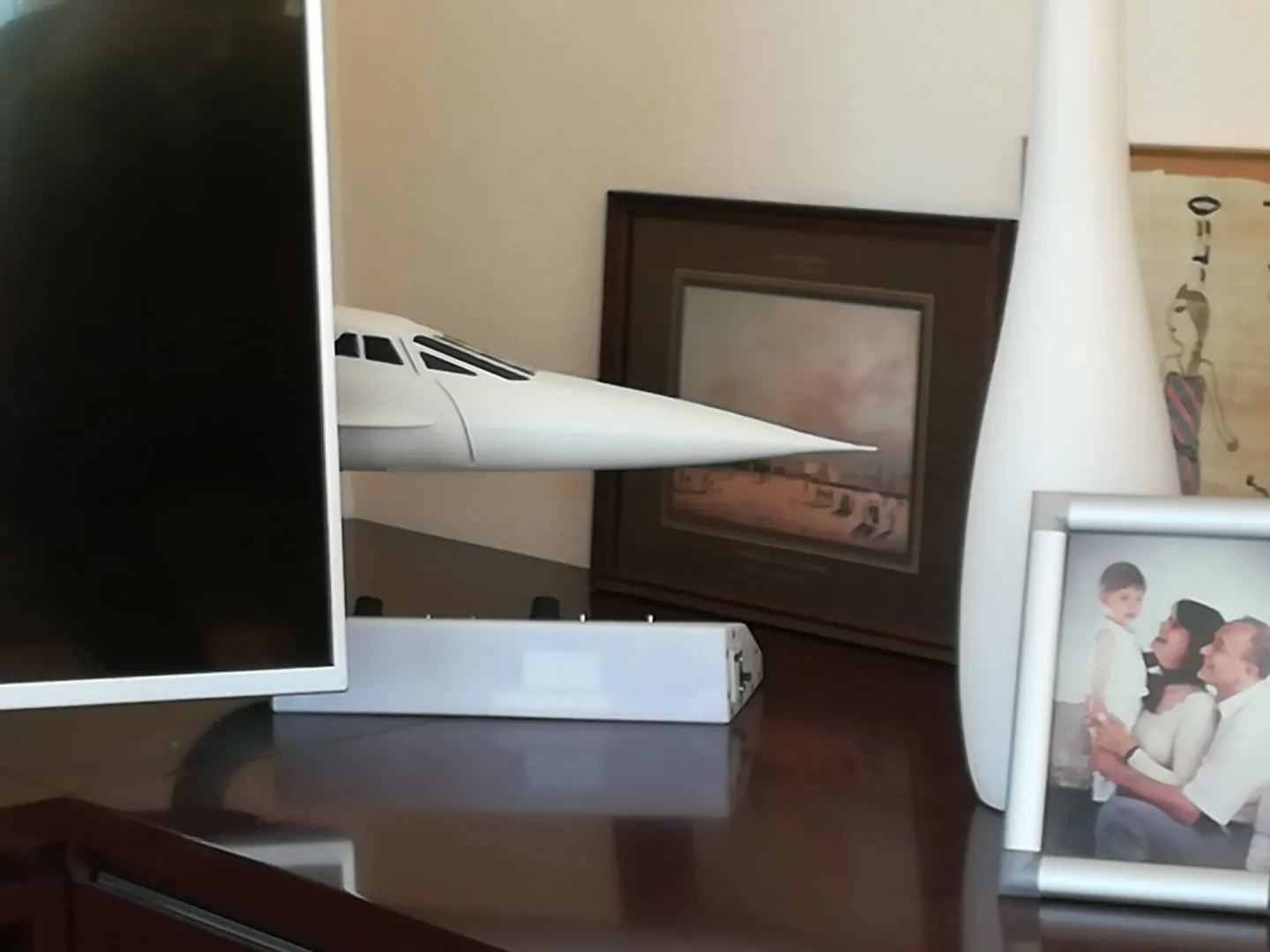
Engineering the Concorde Nose Mechanism: A Tribute to Aerospace Design
Aerospace
3D Printing
Prototyping
Read Story
For the physical prototype, I selected Selective Laser Sintering (SLS) using PA12 nylon. This combination offered the durability and dimensional accuracy I needed, while being light enough to preserve the model’s integrity and strong enough to handle repeated use. I ordered the parts through Xometry’s on-demand manufacturing service, which allowed me to test my designs without investing in a printer or tooling—a crucial advantage when working with small volumes and evolving prototypes.
Read Story
Reinventing the Wheel for Mars: How We Engineered a Flexible Airless Tyre
Aerospace
3D Printing
Prototyping
Read Story
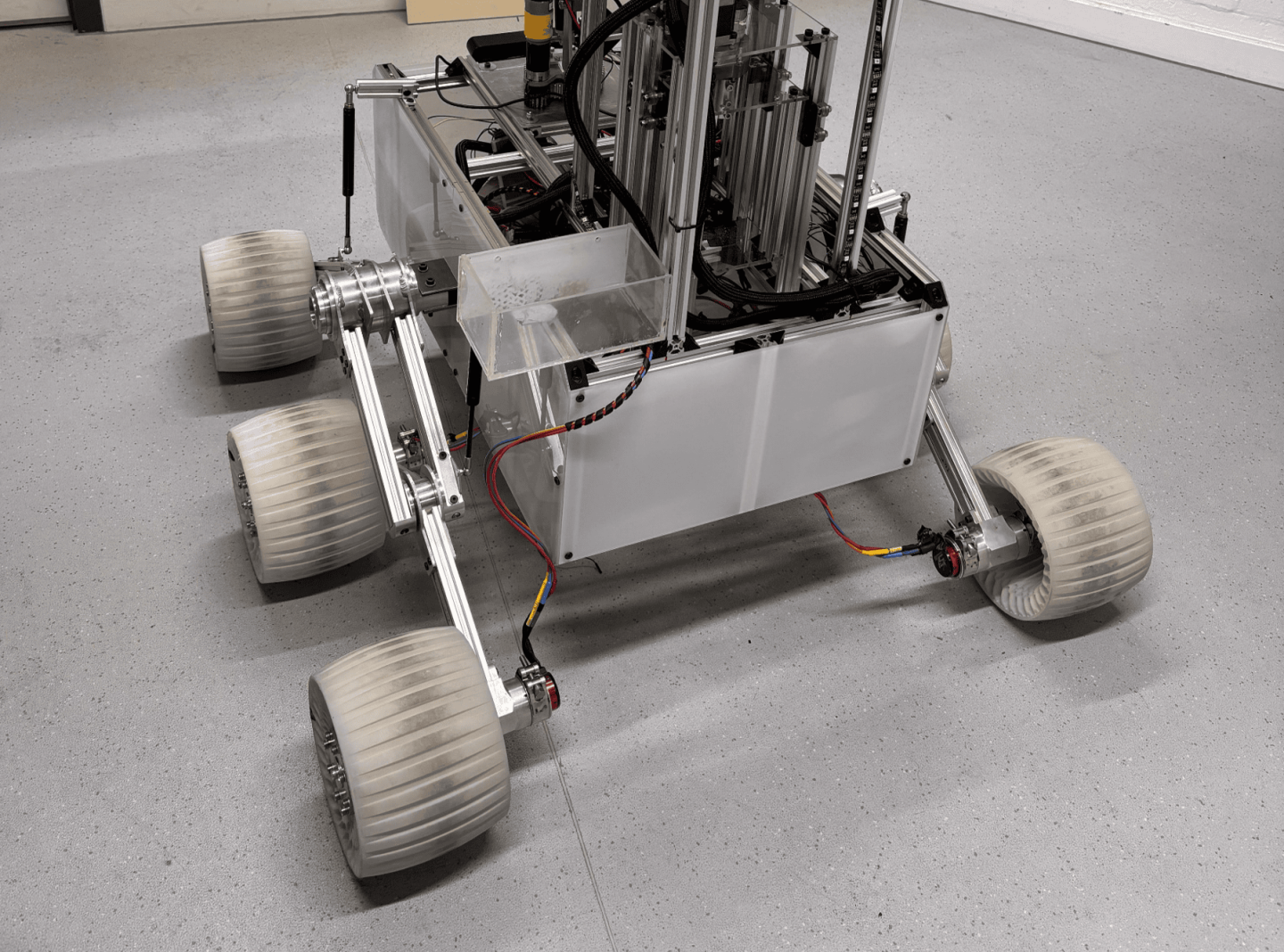
UCL Racing's Mars Rover team developed an airless flexible wheel for the European Rover Challenge, competing on a simulated Martian surface. With Xometry's SLS 3D printing and engineering feedback, they produced six wheels from EOS TPU 1301 (Shore 86A) with a radial honeycomb lattice structure. The final design meets 220mm diameter and 120N load requirements, featuring symmetric tread pattern and integrated motor mount.
Read Story

The 1-Millimetre Fix: How One Custom CNC Part Saved My 5-Axis Build
Machine Building
CNC Machining
Prototyping
Read Story
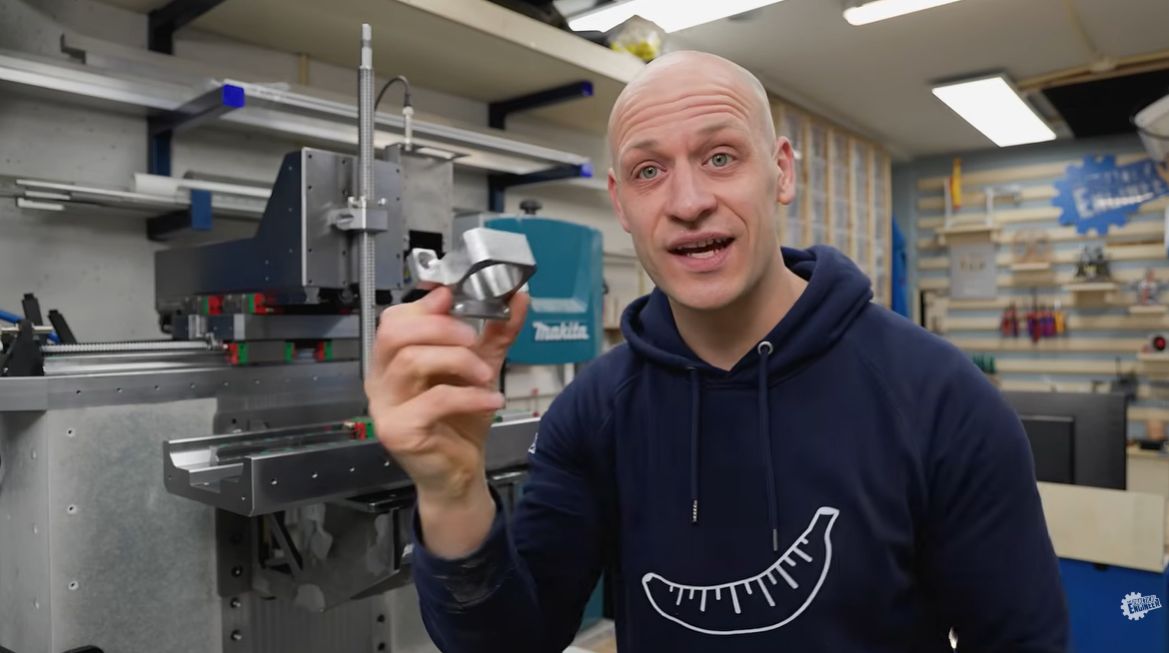
Building a CNC machine from scratch is full of moments where you find out whether your design actually works, or whether it only worked inside CAD. In the world of custom machine building, the transition from a digital model to physical assembly is rarely seamless. This was one of those moments.
Read Story
From Desktop Dreams to 400kg of Steel and Concrete: Building a High-Rigidity 5-Axis CNC
Machine Building
CNC Machining
Prototyping
Read Story
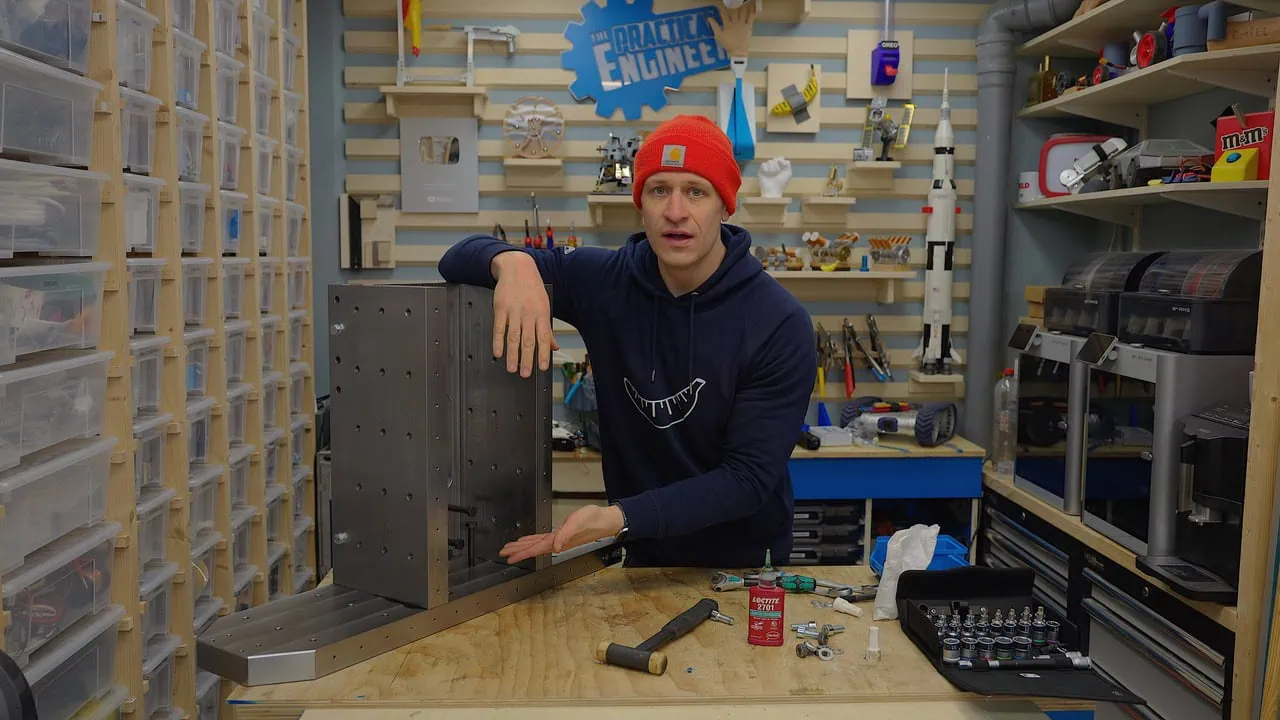
In the world of custom machine building, I’ve found there is a constant tug-of-war between theoretical performance and physical reality. As "The Practical Engineer," I dedicated this project to creating a 5-axis CNC machine that prioritizes rigidity over sheer speed.
Read Story
Torx Robot: The Story Behind Accu’s Engineering and Xometry’s Precision CNC Machining
Robotics
Machine Building
CNC Machining
Prototyping
Read Story
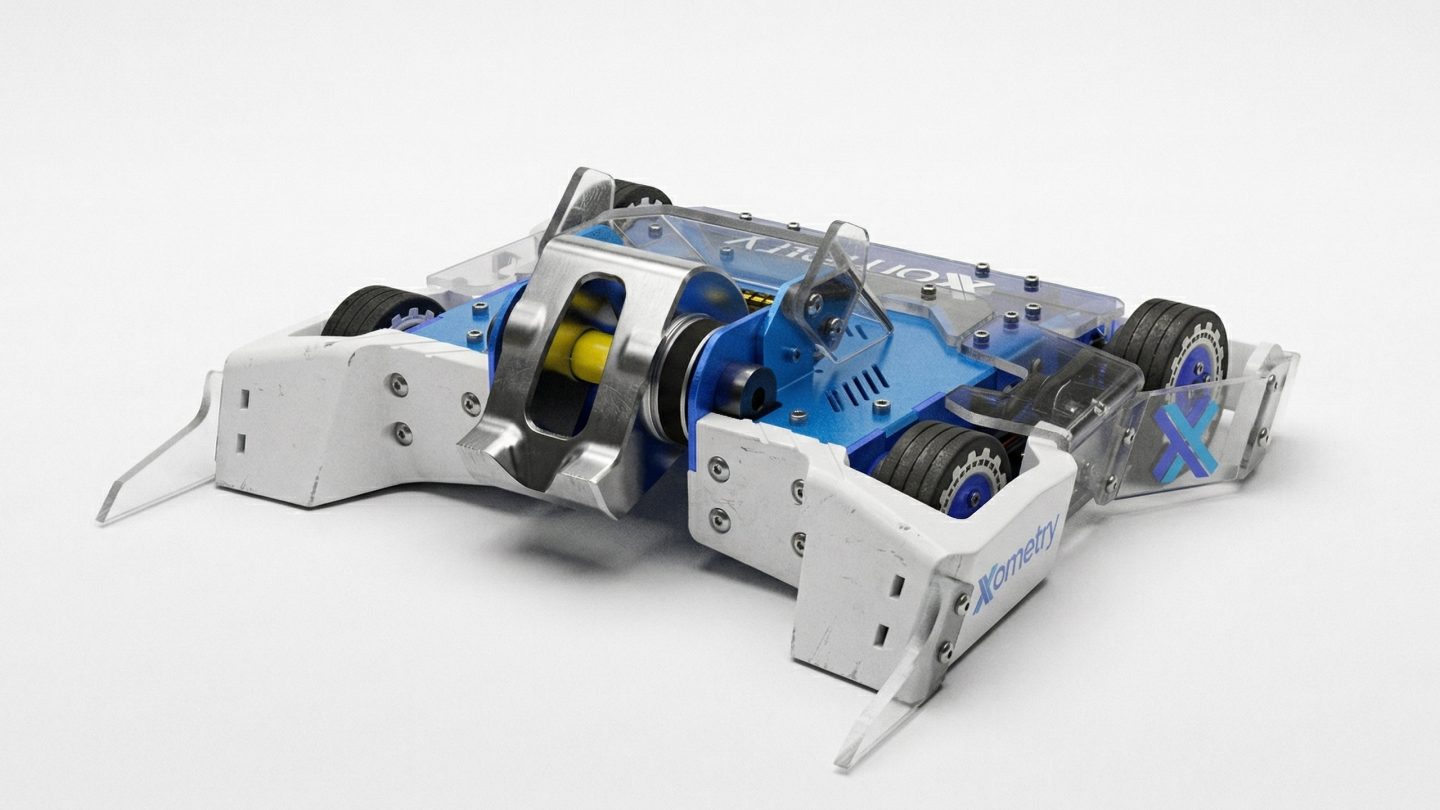
Go behind the scenes for the development of Torx: the combat robot built by Accu for FightFest 2026, with CNC machining support from Xometry. Explore the journey from the drawing board to the arena, showing how a combat robotics project takes shape, and see how Torx went on to win the official FightFest Championship trophy.
Read Story

The Rethink of 3D Printing Waste and the Next Chapter of the Desktop Filament Recycler Story
Machine Building
3D Printing
CNC Machining
Prototyping
Read Story
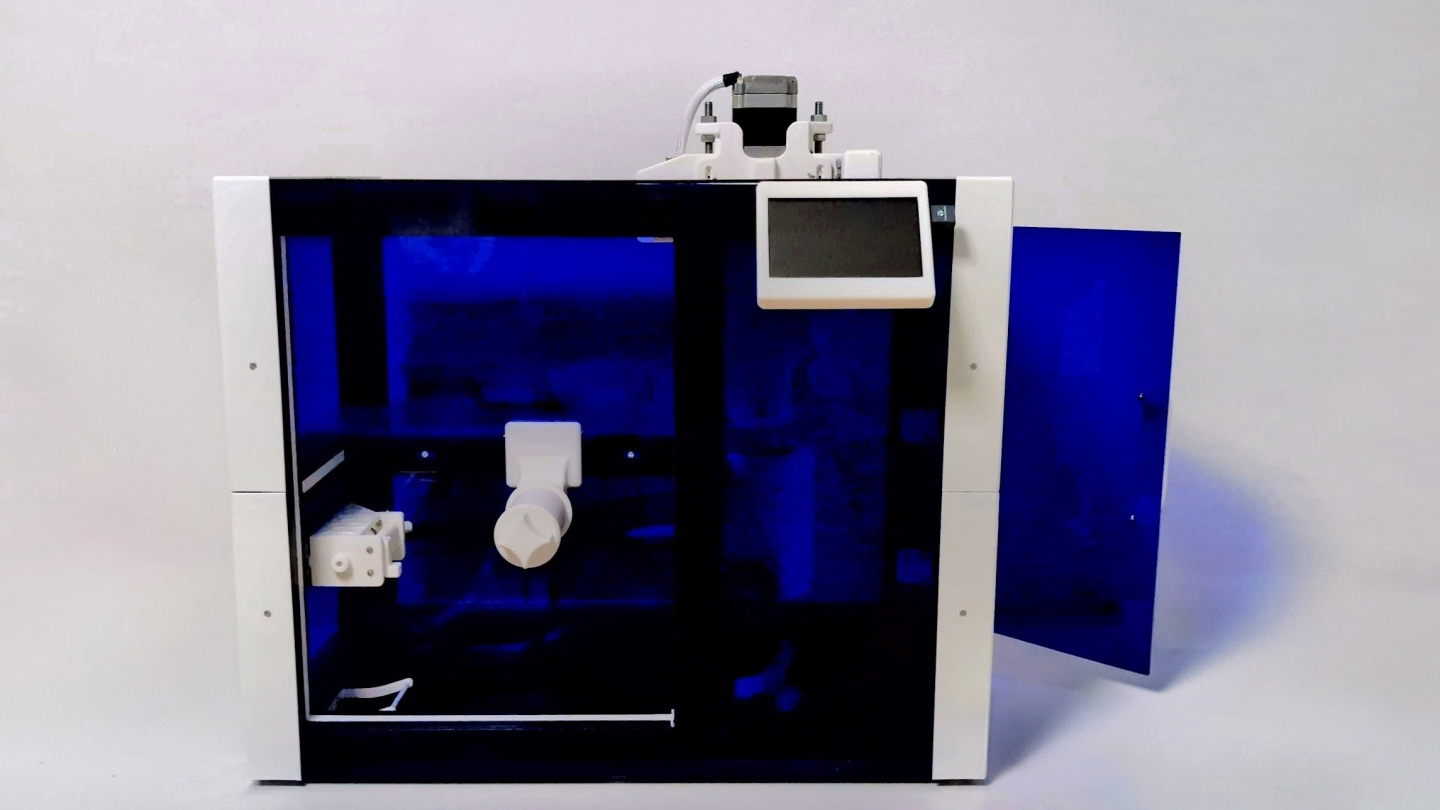
By using agile testing and redesigning a double-sided support to resolve motor deformation and calibration challenges, the TGM student team successfully turned 3D printing waste into high-quality PLA filament.
Read Story

Inside the Engineering of the WUT-7 for Lightweight Performance
Automotive
CNC Machining
Prototyping
Read Story
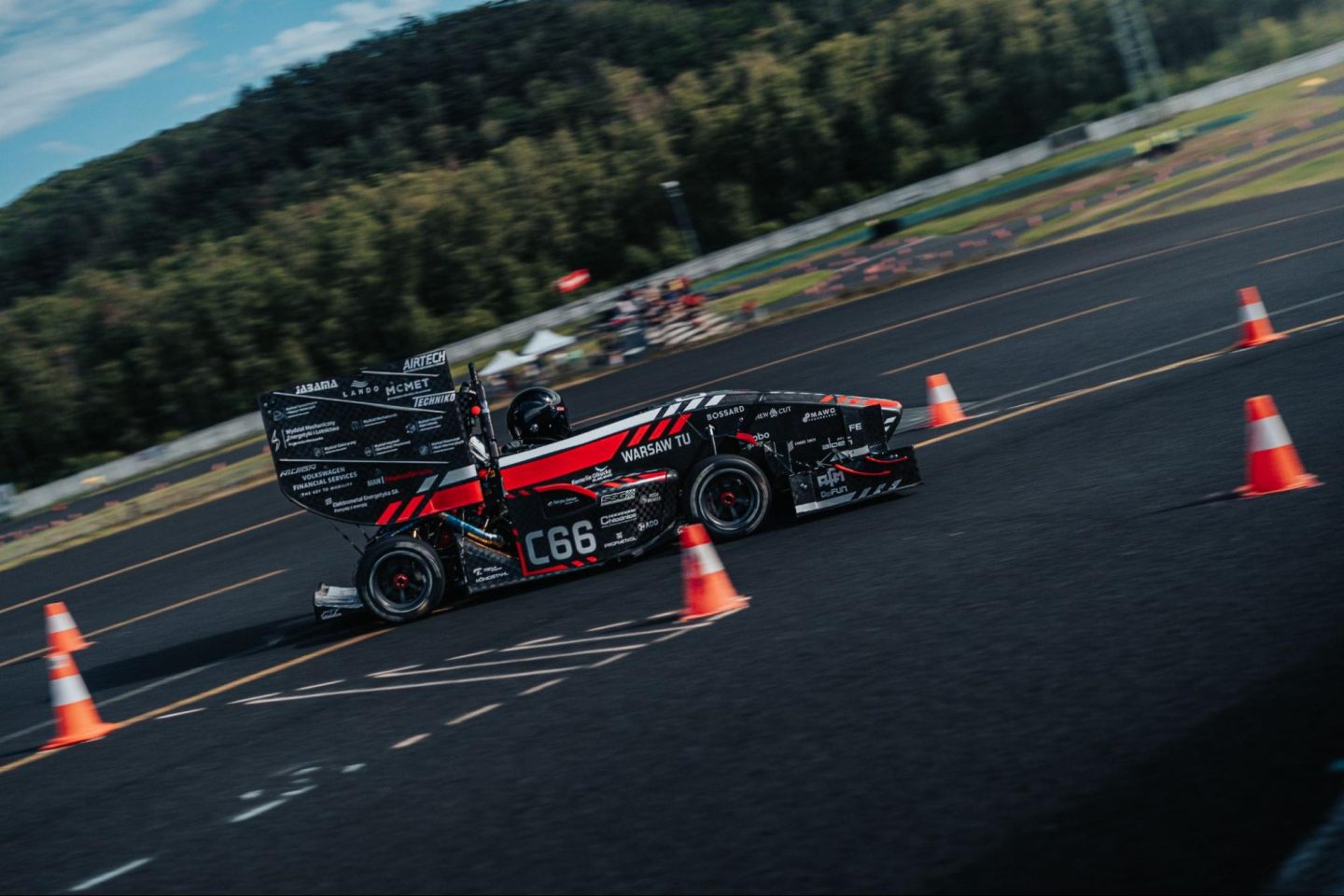
Through topology optimization, refined kinematics, and a custom steering system, the WUT Racing team from Warsaw University of Technology reduced the weight of key WUT-7 components by over 50%, bringing their ultra-lightweight design from concept to track via precision manufacturing.
Read Story