Atmos developed the Inflatable Atmospheric Decelerator (IAD), a propellant-free heat shield and parachute system for space capsule re-entry. With Xometry's CNC milling, they produced 18 rings from 7075 aluminum, providing critical structural support to secure capsules during re-entry.
Industry
Aerospace
Country

Germany
Use case
ProcurementR&D
Technology
CNC Machining
Materials
7075 Aluminum
Product
Inflatable Atmospheric Decelerator (IAD) used in space capsule return systems
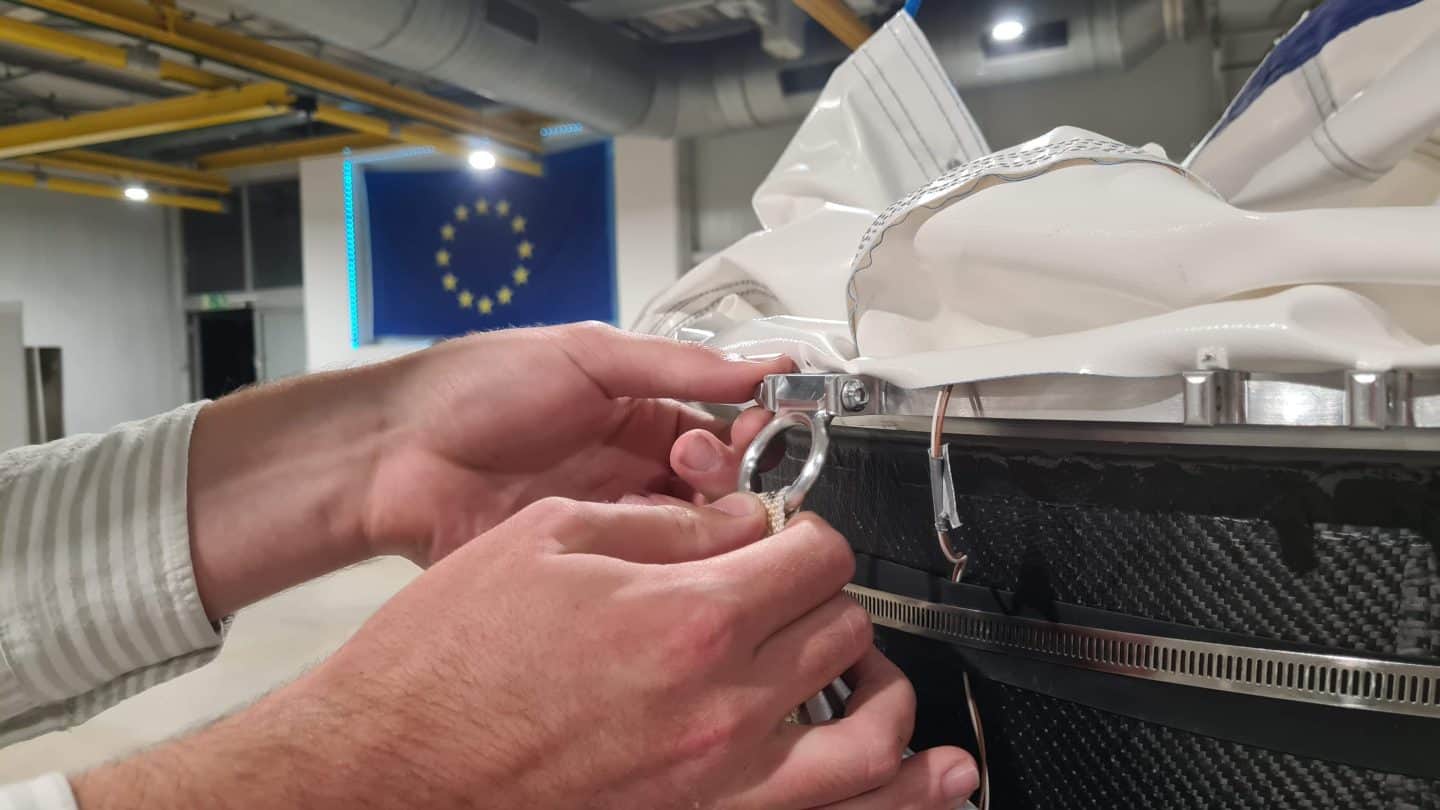
The rings are critical components, everything literally depends on them.
Atmos: Aerospace pioneers in biomedical research
Atmos is an emerging aerospace company specialising in the development of innovative technology for re-entry control of space capsules. The company was founded about two years ago by Sebastian Klaus, an aerospace expert with a passion for re-entry technology, which has now grown into a team of 20 people. Atmos has developed an inflatable heat shield, called the Inflatable Atmospheric Decelerator (IAD), which makes it possible to bring space capsules back to Earth from orbit in a cost-effective and safe way. This is a major step towards reducing the costs of space missions and facilitating access to space.
Thomas Kern, Head of Structures at ATMOS says: “The cool thing is that we are doing pioneering work here, so we are actively helping to establish commercial transport into space and back—sort of like the DHL of space.”
Research in space: affordable, reliable and environmentally friendly
Researching biomedical sciences in space, particularly for monoclonal antibodies, stem cells, organoids, and protein crystallisation, offers unique opportunities. Launching experiments in space has become easier and cheaper. However, the challenge is to bring the experiments back to Earth safely and affordably. High costs, long lead times, and problems with repeatability and reliability complicate the return process. The prices for existing solutions, such as SpaceX’s Dragon, are relatively high as there is currently a monopoly in this field. This is set to change with Atmos developing a cost-effective solution to bring space capsules back to Earth safely and economically.
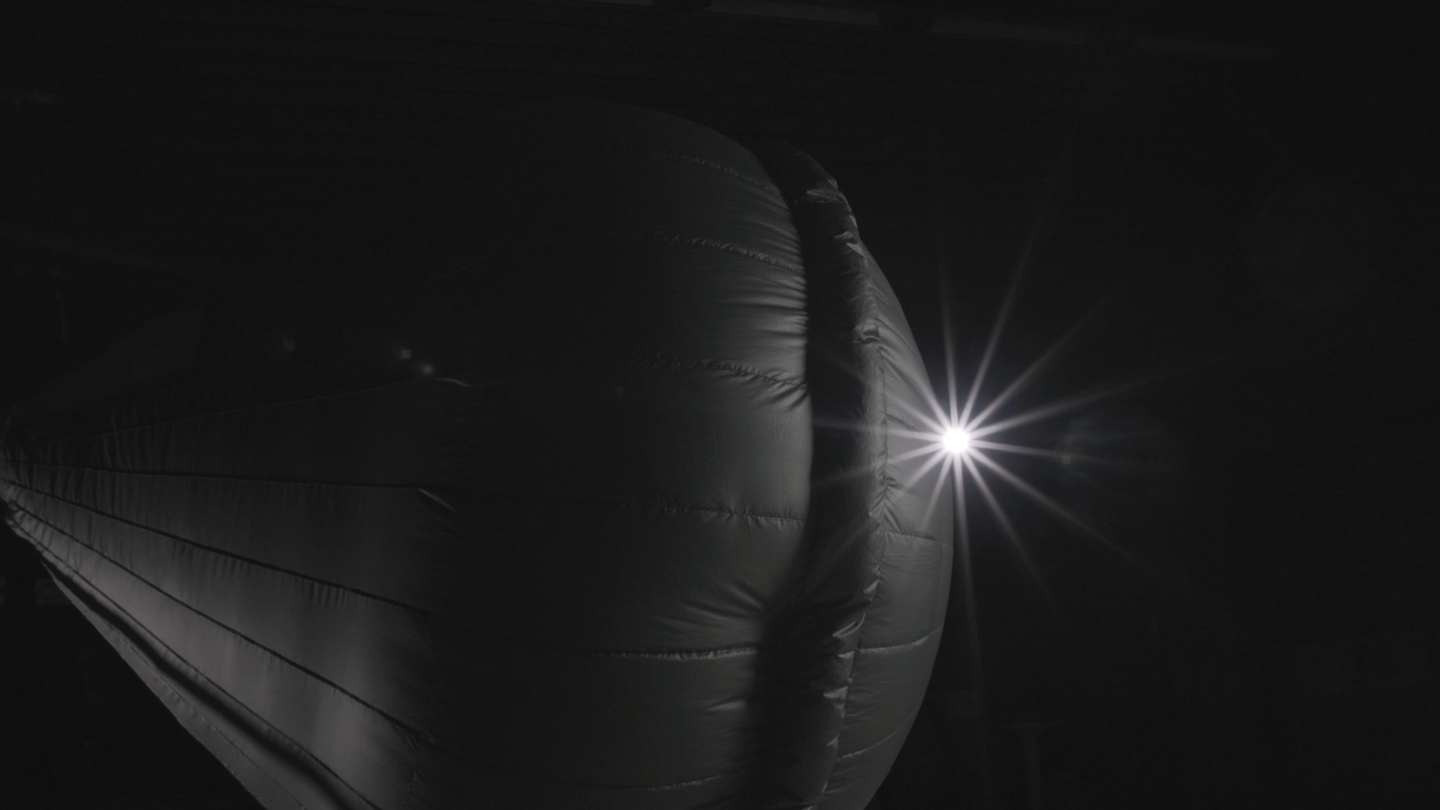
Phoenix Return Capsule and Inflatable Atmospheric Decelerator
The Phoenix Return Capsule is a core element of an innovative space return service that enables the cost-effective and reliable return of valuable biomedical research experiments from space to Earth. This service is aimed at pharmaceutical companies, researchers and institutions working in life sciences, particularly in the field of monoclonal antibodies, stem cells, organoids, and protein crystallisation.
The Inflatable Atmospheric Decelerator (IAD) is another key component of this system. This system serves as a heat shield and high-speed parachute, protecting valuable cargo during re-entry into the Earth’s atmosphere. Unlike the usual method of rocket-assisted landing, which is becoming increasingly standard in the industry, this technology does not use propellant. This is not only better for the environment, but also makes the solution lighter and more cost-efficient. In fact, the IADs are so light that they can be used to recover and reuse complete microrockets. The technology can also be retrofitted to make virtually any rocket stage, space station, or satellite fit for return flight and reuse.
The Inflatable Atmospheric Decelerators (IADs) are integral to the ATMOS service. This technology functions as both a heat shield and a high-speed parachute, protecting valuable cargo during the re-entry phase into the Earth’s atmosphere. Unlike the usual method of using propulsive power to land, Atmos’ IADs do not use propellant.
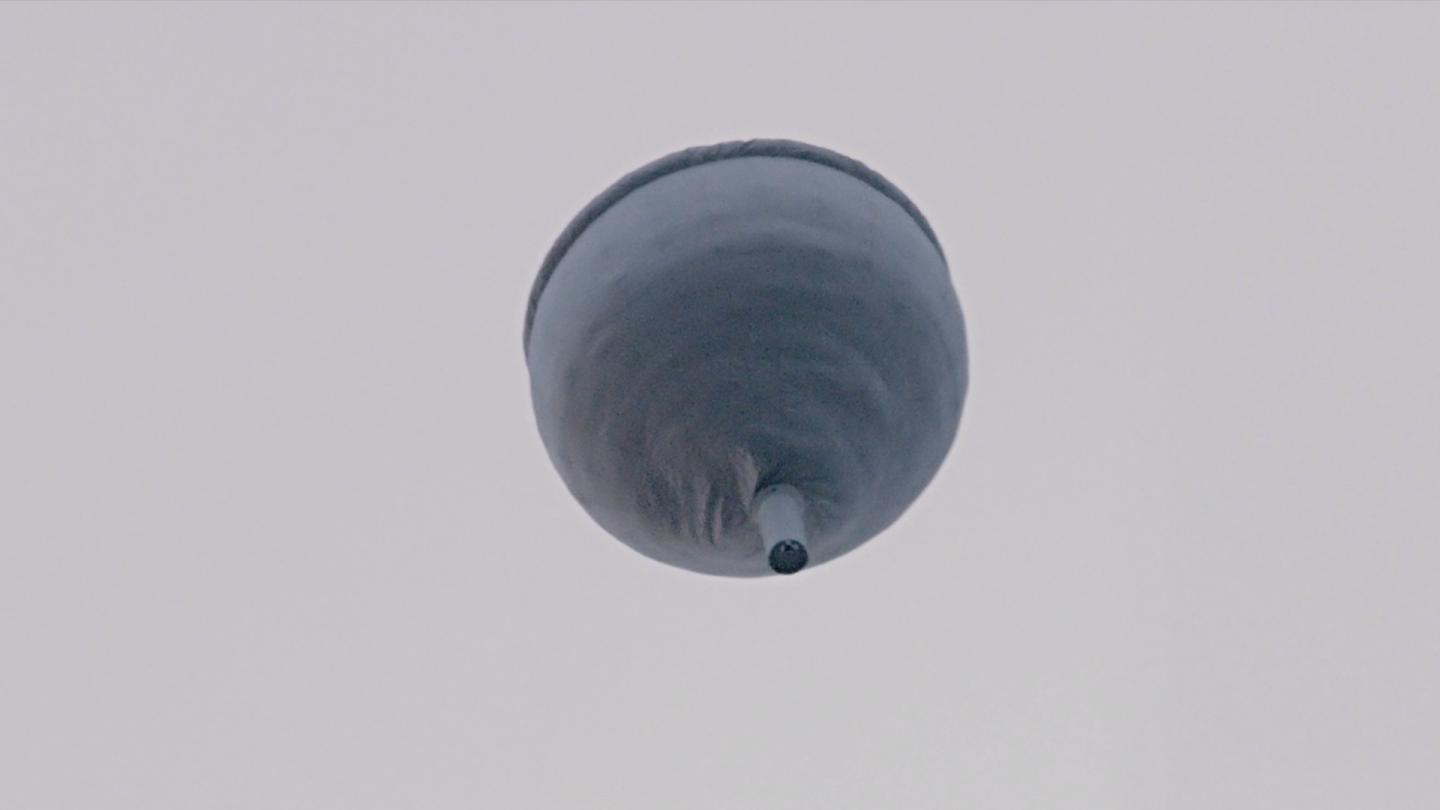
This not only makes the solution more environmentally friendly, but also lighter. In fact, the IADs are so light that they can be used to recover and reuse complete micro-rockets. This technology can also be retrofitted to make virtually any rocket stage, space station or satellite fit for return flight and reuse.
Atmos was looking for a reliable partner to produce the custom rings for the IAD. They came across Xometry, whose on-demand platform enables companies to find fast and cost-effective solutions for the production of parts.
Xometry CNC-milled the 18 rings from 7075 aluminium. This high-strength aluminium provided the necessary stability and low weight. These rings help Atmos ensure that the space capsules are correctly secured to the IAD during the re-entry process.
“The rings are critical components, everything literally depends on them,” states Kern.
Uncomplicated and efficient parts procurement with Xometry
Kern describes the collaboration with Xometry as follows: “I have to say, I think the Xometry concept is excellent.”
He knows exactly what is involved in procuring parts the traditional way: the fiddly process of making an enquiry, then having to wait for an indefinite period of time until a quote is created manually, only to receive a price that does not meet expectations after perhaps two weeks of waiting, resulting in a substantial loss of time.
“But with Xometry, it helps that there is an algorithm to instantly provide a price and a binding quote when you upload your part design. I thought that was amazing. Then you just complete your order and get a delivery date, which was met in our case,” adds Kern.
Kern continues: “Wow, what a great process to work with!”
Reaching for the stars: capsules, rings and looking to the future
Atmos has ambitious plans for the future, including the first flight of the Phoenix capsule by the end of 2024, and the company has already attracted investors who share this vision. With the support of Xometry and other partners, Atmos hopes to make a significant contribution to opening up space for future generations. As a result, the technology can be further developed and expanded. The next step could then be to transport rocket upper stages. Looking even further into the future, it could even be used in mining to establish a cargo transport system, which is interesting for rare elements or platinum. The future is bright for Atmos and Xometry will always be ready to help with its expertise and high-precision parts.
From Tunneling to the Stars – How Elara Aerospace Is Advancing Suborbital Rocket Engineering in Europe
Aerospace
CNC Machining
R&D
Read Story
To turn these components into reality, we required high-precision manufacturing with fast turnaround times. Through Xometry, we produced a brass test chamber for our injector experiments, machined to the specifications needed for our early-stage testing.
Read Story
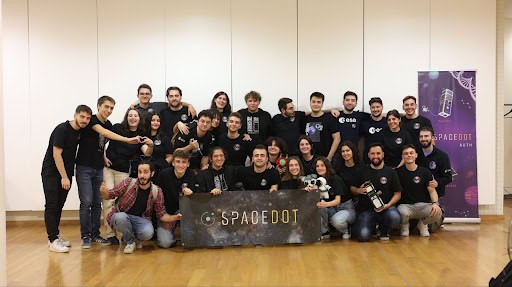

Xometry Powers AcubeSAT from Prototype to Launch‑Ready Nanosatellite
Aerospace
CNC Machining
R&D
Read Story
At this time, we decisively decided to significantly simplify the design, allowing it to achieve higher precision and tolerance control through machining. During the redesign process, we realized that we needed to find a partner capable of manufacturing high-precision prototype parts—so we chose Xometry.
Read Story
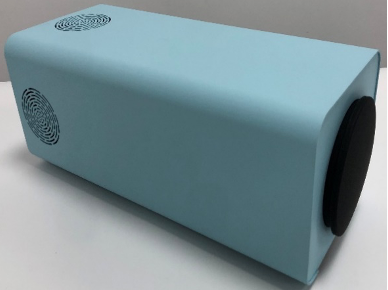

R&D Efficiency Restored: Xometry Ensures Uninterrupted Supply of Critical Precision Parts
Aerospace
CNC Machining
R&D
Read Story
Collaborating with Xometry allows us to concentrate more on our core R&D, saving substantial time and significantly boosting project efficiency.
Read Story
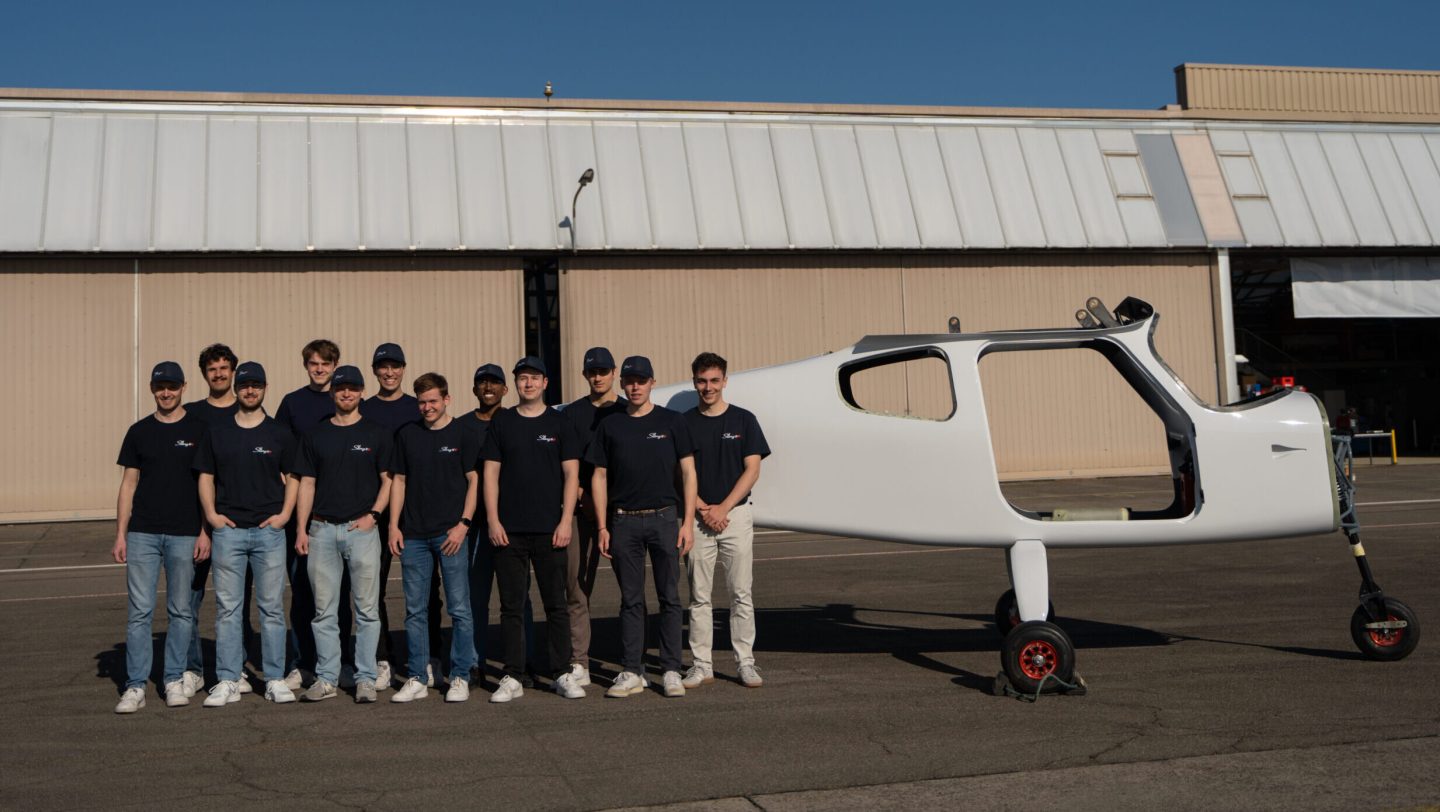

Emission-Free Across the Alps – How Cellsius Is Enabling Hydrogen-Powered Flight
Aerospace
CNC Machining
Prototyping
Read Story
We designed it with maximum strength-to-weight efficiency in mind, combining tight tolerances with complex geometry. Since producing a part this precise was beyond our in-house capabilities, we relied on external manufacturing to bring it to life. Working with Xometry’s digital manufacturing platform proved to be a practical solution. The ordering process was simple, and the part was delivered exactly to spec, which helped us stay on schedule and move forward with system integration.
Read Story
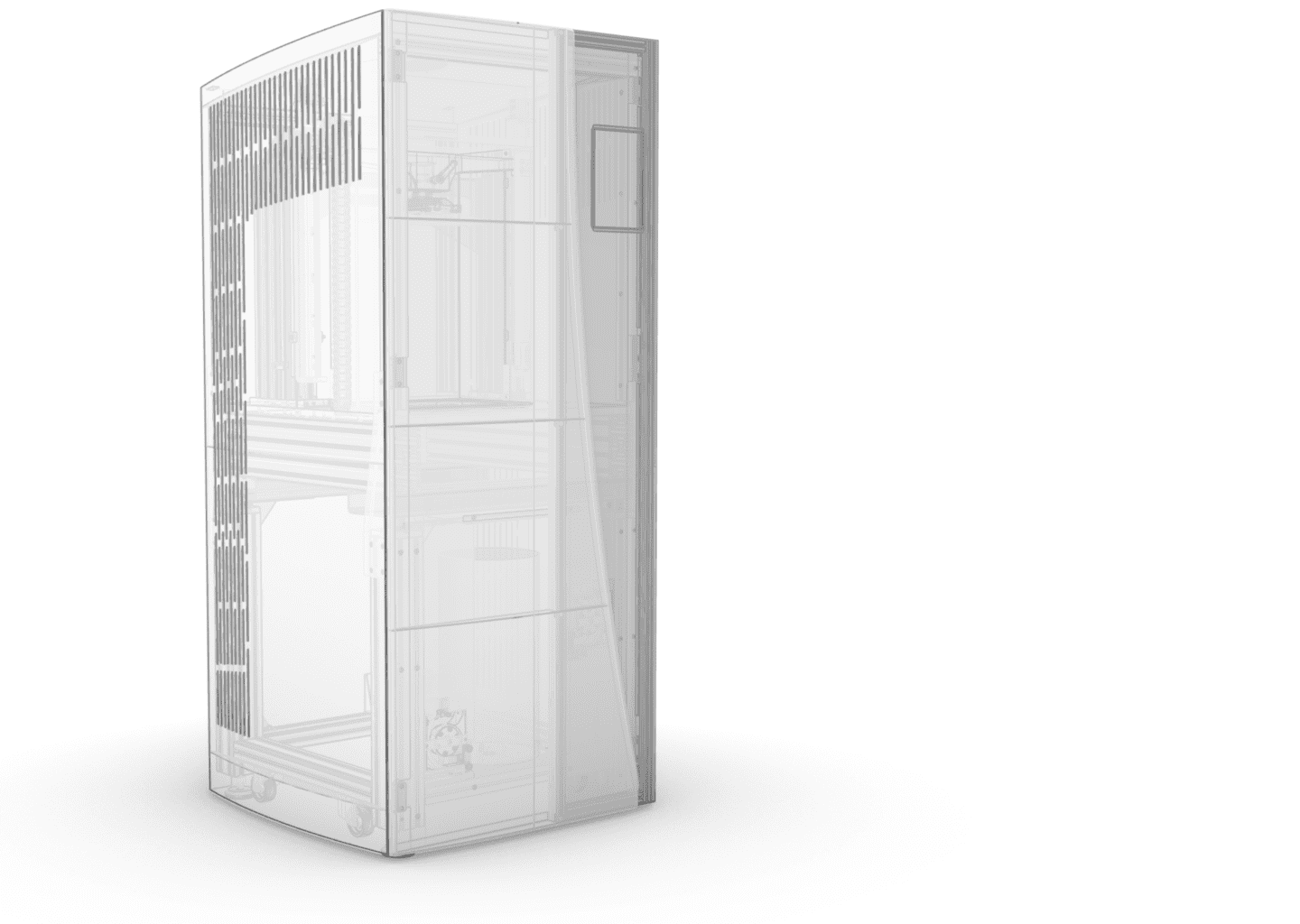

A 3D printer powered by revolutionary Hybrid PhotoSynthesis technology, designed & produced in just 9 months
Aerospace
CNC Machining
Prototyping, R&D
Read Story
We can’t imagine any other partner who could have been able to deliver the parts in time to allow us to launch the product and exhibit it at Formnext.
Read Story
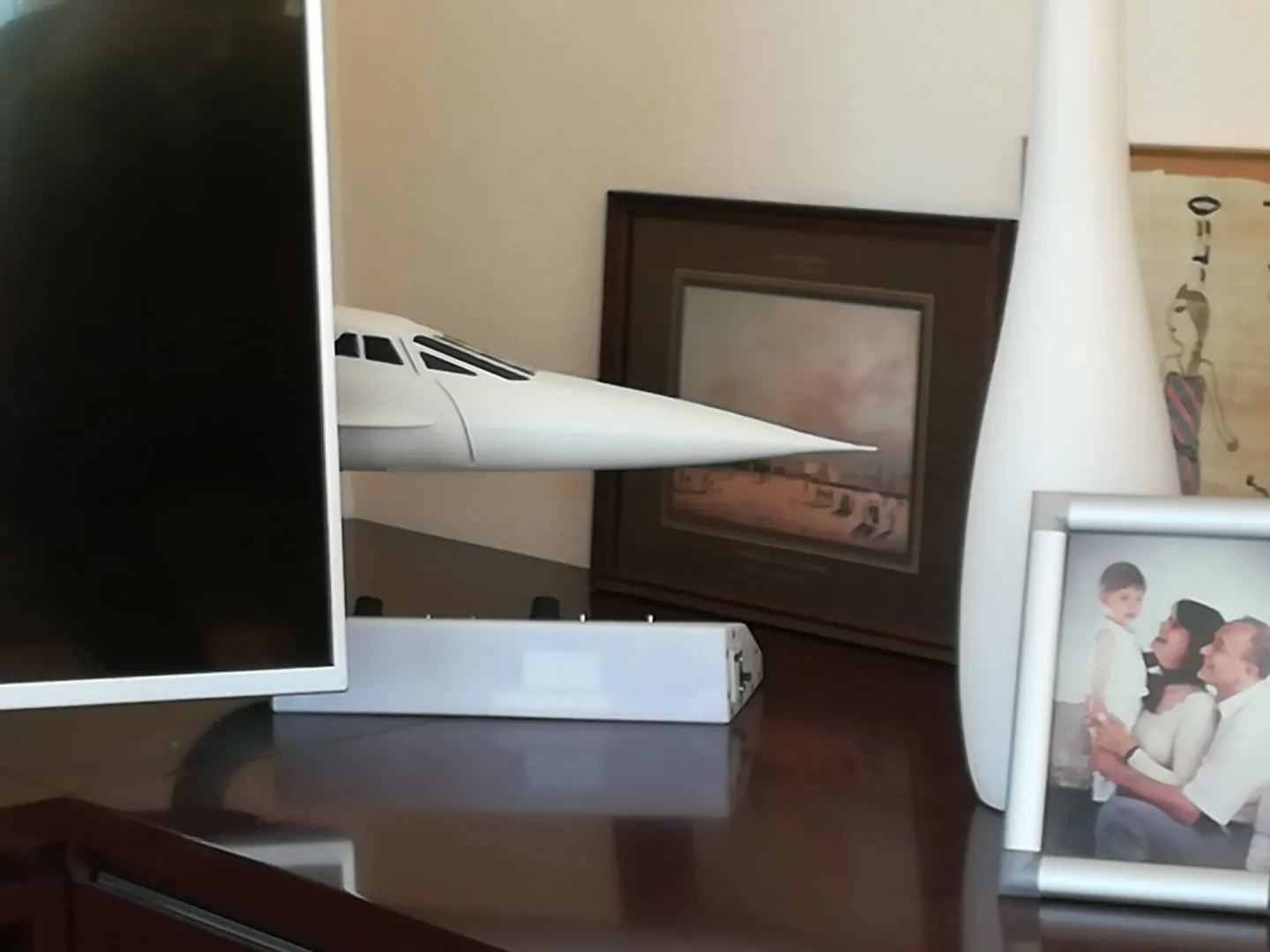

Engineering the Concorde Nose Mechanism: A Tribute to Aerospace Design
Aerospace
3D Printing
Prototyping
Read Story
For the physical prototype, I selected Selective Laser Sintering (SLS) using PA12 nylon. This combination offered the durability and dimensional accuracy I needed, while being light enough to preserve the model’s integrity and strong enough to handle repeated use. I ordered the parts through Xometry’s on-demand manufacturing service, which allowed me to test my designs without investing in a printer or tooling—a crucial advantage when working with small volumes and evolving prototypes.
Read Story
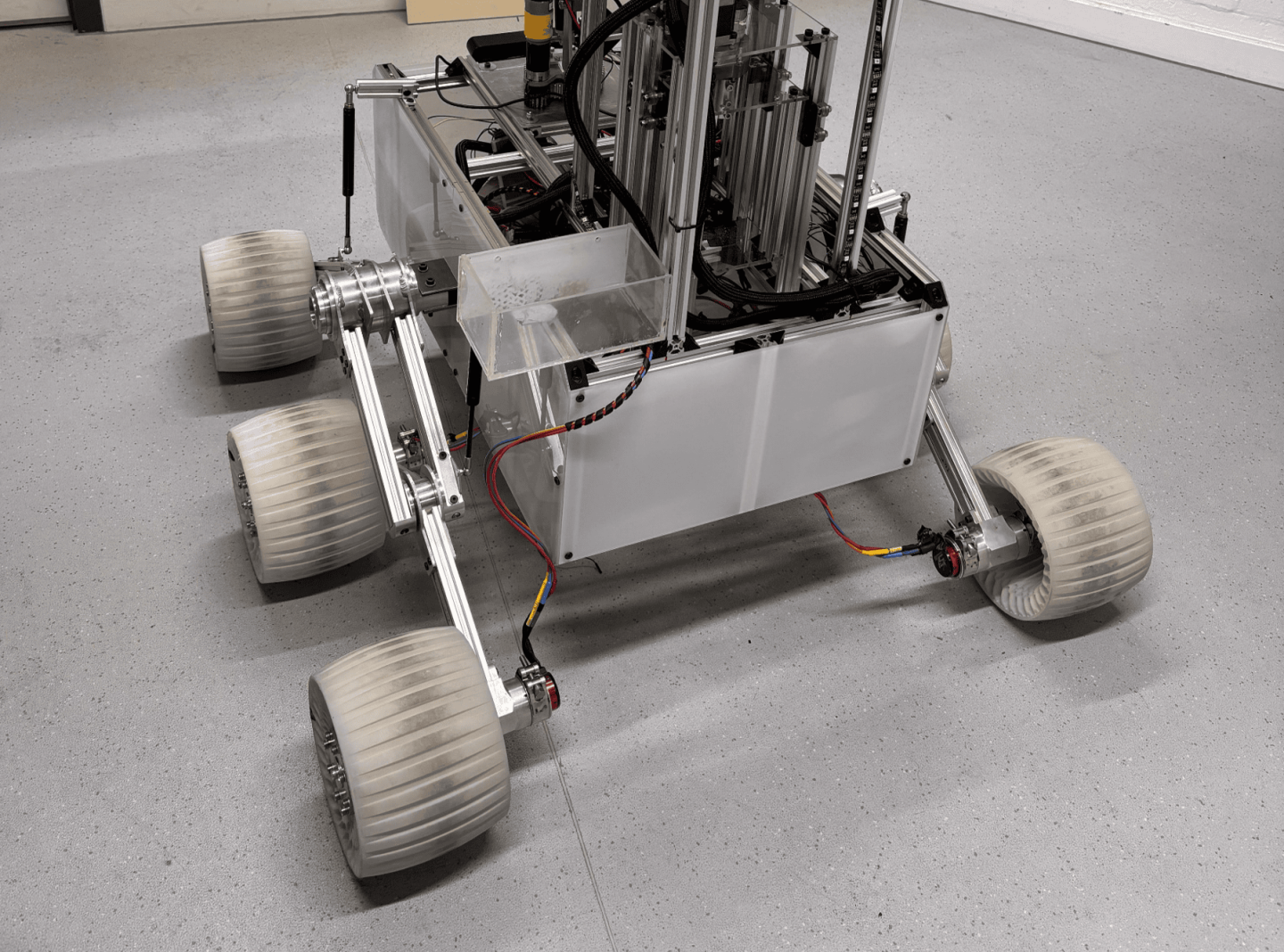

Reinventing the Wheel for Mars: How We Engineered a Flexible Airless Tyre
Aerospace
3D Printing
Prototyping
Read Story
UCL Racing's Mars Rover team developed an airless flexible wheel for the European Rover Challenge, competing on a simulated Martian surface. With Xometry's SLS 3D printing and engineering feedback, they produced six wheels from EOS TPU 1301 (Shore 86A) with a radial honeycomb lattice structure. The final design meets 220mm diameter and 120N load requirements, featuring symmetric tread pattern and integrated motor mount.
Read Story
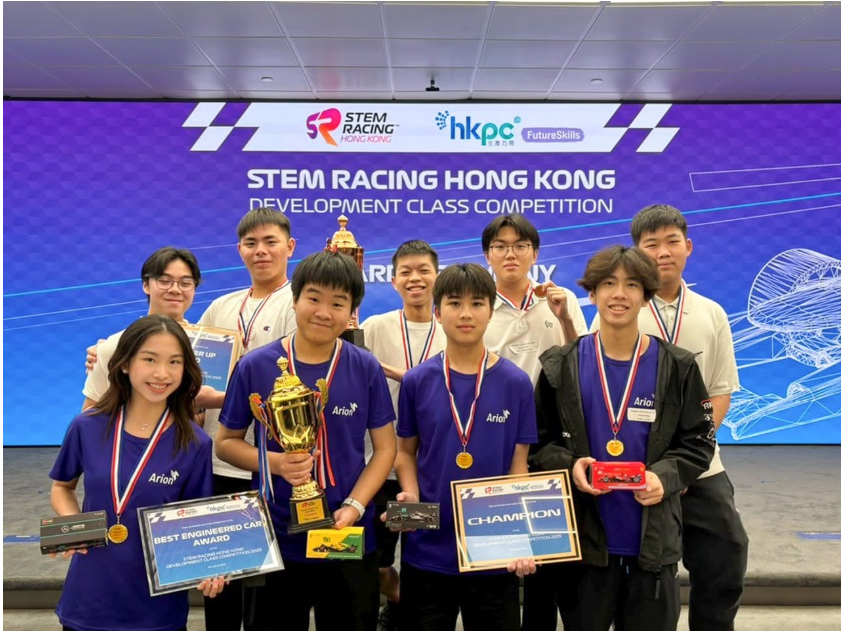

How AI-Powered On-Demand Manufacturing Helps a STEM Racing Team Achieve Faster Iteration and Championship Performance
Automotive
3D Printing
CNC Machining
Sheet Metal
R&D
Read Story
Team Arion, a student racing team from Singapore International School Hong Kong, used Xometry’s AI‑powered on‑demand manufacturing platform to overcome the hurdles of small‑batch, complex parts production, accelerated their design iterations, and went on to win the 2025 STEM Racing championship along with the Best Engineering Design Award.
Read Story
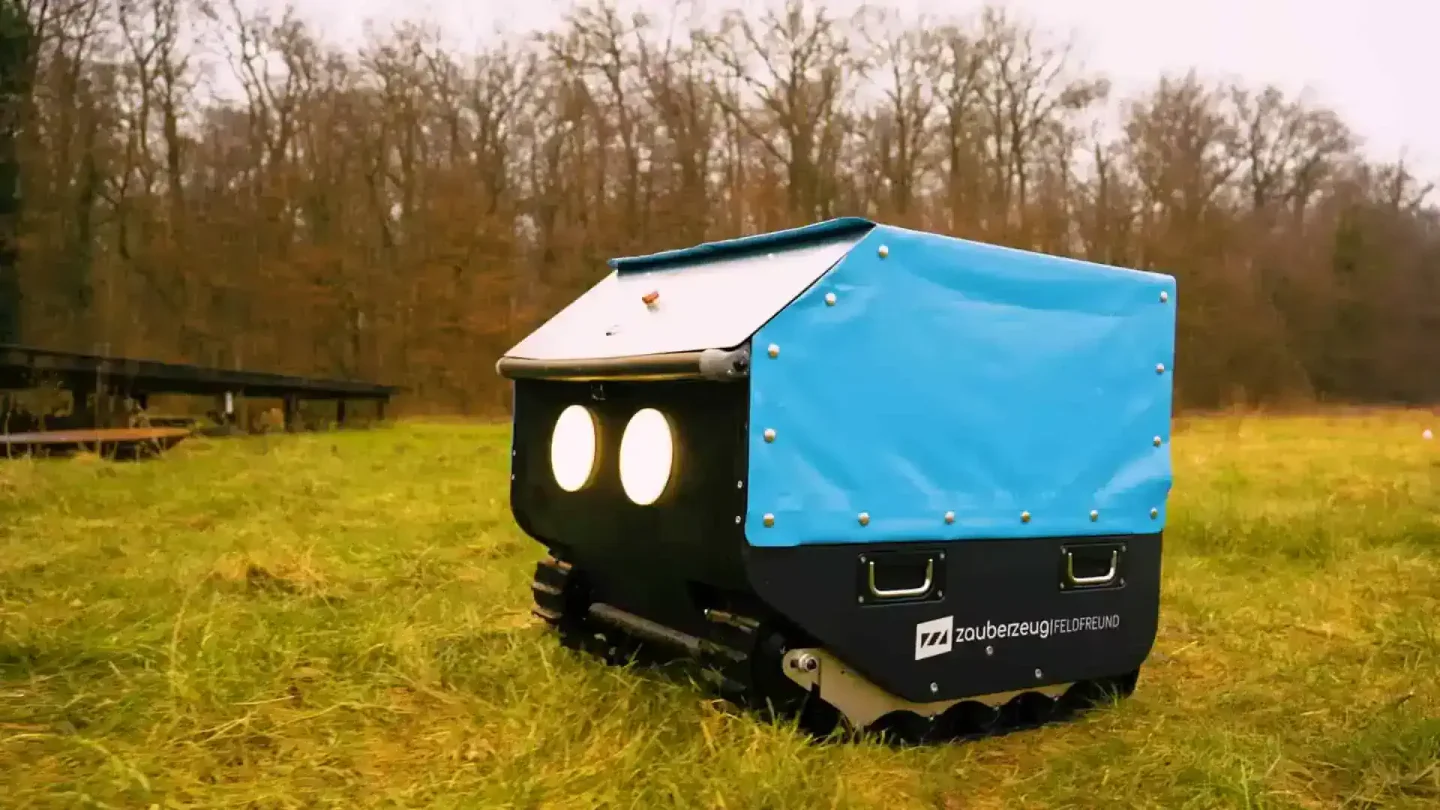
How Zauberzeug Uses Xometry for Fast and Efficient Sourcing of High-Tech Agricultural Robot Components
Robotics
Machine Building
CNC Machining
Procurement, Prototyping
Read Story
With Xometry, we have found a manufacturing partner that supports our development philosophy. The ability to quickly and precisely order small batches of parts gives us the freedom to iteratively improve our robots. This flexibility is essential to our innovation process.
Read Story
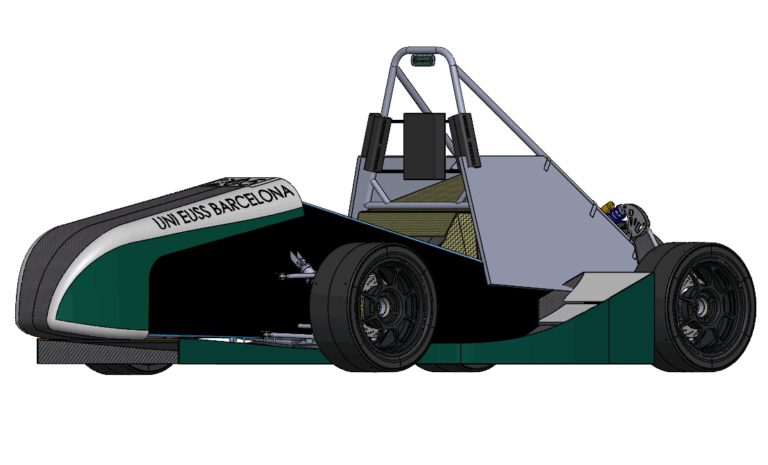

Building the EM-05: Our Journey to EUSS Motorsport’s Most Innovative Electric Race Car
Automotive
CNC Machining
Prototyping
Read Story
The transition to electric has been a steep learning curve, but what keeps us moving forward is our ability to adapt and to work closely as a team. Every mistake or setback becomes a lesson that makes us stronger. Even when continuity is difficult, with experienced members graduating and new ones joining, the project itself becomes the bridge, carrying knowledge and experience forward.
Read Story
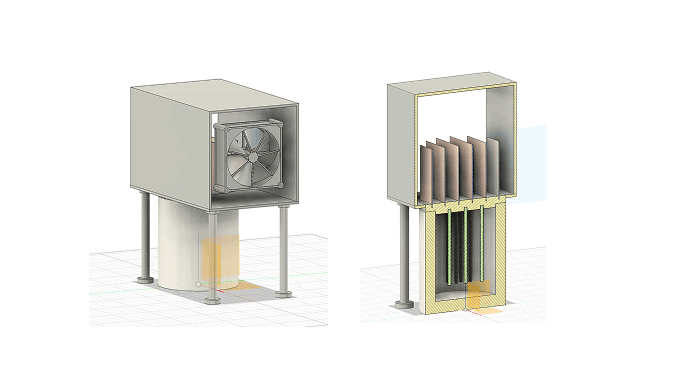

CoreSpin: Creating Better Heat Exchangers – One Protein at a Time
Energy
CNC Machining
R&D
Read Story
Our project brings biological thinking to a field it rarely touches: thermal engineering. We are developing a thermally conductive nanolayer that coats heat exchange surfaces to combat biofouling and the buildup of dust and sediment.
Read Story

Xometry Triathlon Athlete Partnership: Breaking Standardization Barriers for Custom‑Built Components
Sports
CNC Machining
Prototyping
Read Story
Mr. Liang explained that after upgrading his handlebar extensions, mainstream stock bike frames failed to deliver his ideal reach measurement, a critical riding parameter. Shifting the seat position to compensate would compromise pedaling efficiency and alter his entire bike‑fitting data set. Ultimately, he decided to design a custom reach base mount precisely engineered to match his biomechanical requirements.
Read Story