Romain, founder of RC proto, designed a compact 5-axis micro-milling machine under 20 kilos. Using Xometry's CNC machining services, he produced components from 5083 aluminum with anodized finish, achieving micron-level precision for small prototype parts.
Industry
AerospaceRobotics
Country

Italy
Use case
R&D
Technology
CNC Machining
Materials
5083 Aluminum
Product
Force-controllable robotic arm based on Fluid Wires technology
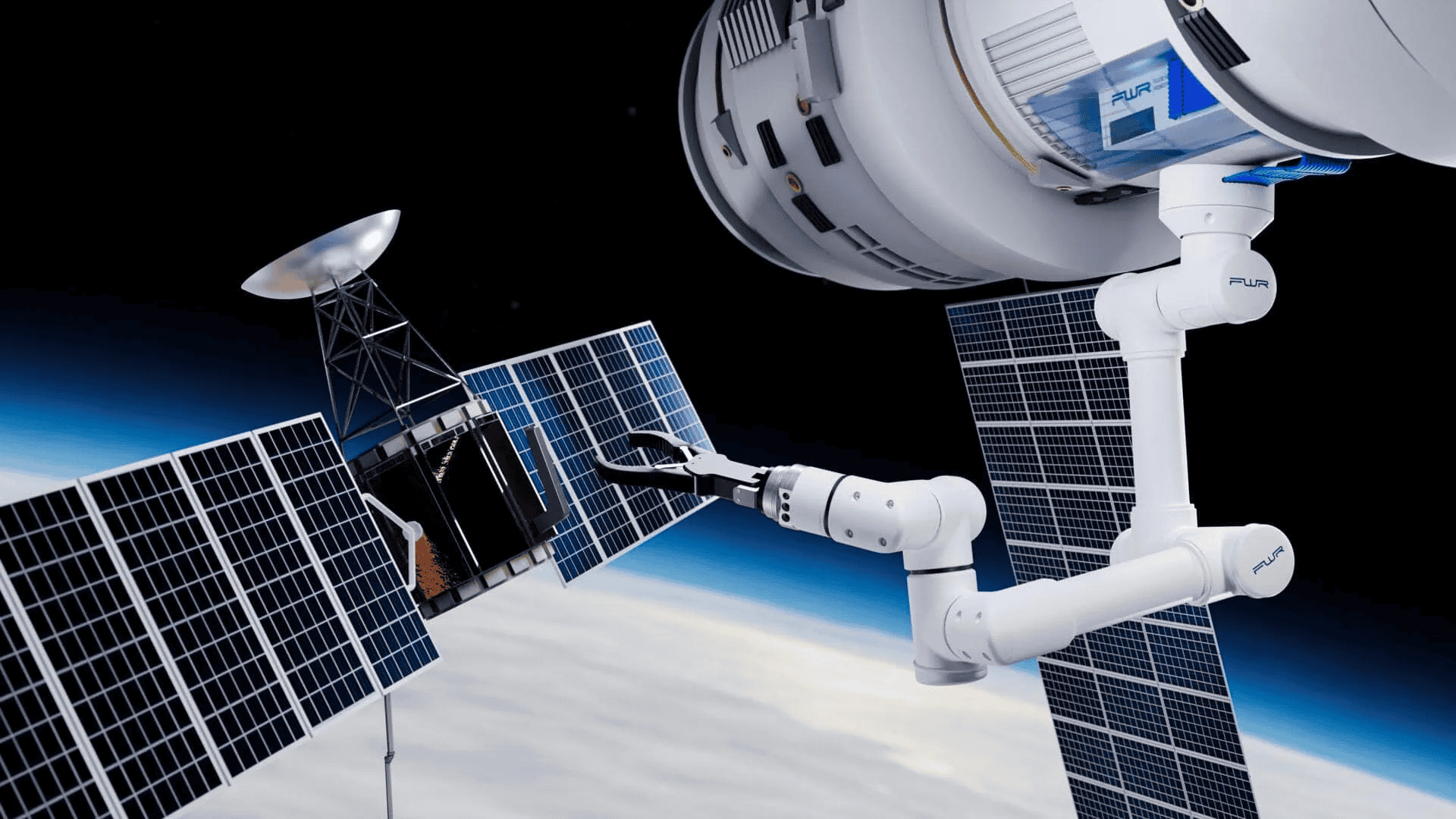
Fluid Wire Robotics (FWR) is an Italian startup founded with the goal of addressing one of the main limitations in robotics for extreme environments: the absence of versatile, reliable, and scalable solutions.
I’m Ivan De Leonardis, Co-Founder and CMO of Fluid Wire Robotics (FWR), where innovation and problem-solving are my playground. I thrive on connecting people and technology to tackle complex challenges and push boundaries in robotics, together with the co-founders of FWR, who are as passionate about technology and innovation as I am.
We started with a very common problem: currently, robots designed to operate in hostile environments (such as in the presence of radiation, underwater, in the vacuum of space, or in explosive atmospheres) are typically very expensive, highly specialized, and technically complex. In particular, it is necessary to apply additional protection and implement significant structural modifications, which greatly increase their complexity, cost, weight and bulk, as well as compromise their performance and versatility of use.
The Fluid Transmission: an Efficient Technology for Extreme Environments
How did we solve the problem of expensive, and complex robots in extreme environments? By developing electric, force-controllable robotic arms based on our proprietary fluid transmission technology, “Fluid Wires”. This technology allows all electrical and electronic components, such as motors and sensors, to be remotely located in an external actuation unit. This means that the robotic arm structure is free of on-board electricity, extremely light, and achieves very high performance in terms of dynamic properties, force control quality, and reliability.
By placing the electric actuators away from the arm structure and transferring their action through a very high-efficiency transmission system such as Fluid Wires, the weight and inertia of the robotic arm are drastically reduced. This helps achieve a very precise and safe control of the force with which the arm interacts with its surroundings without the need to use force or torque sensors, which are very fragile and expensive.
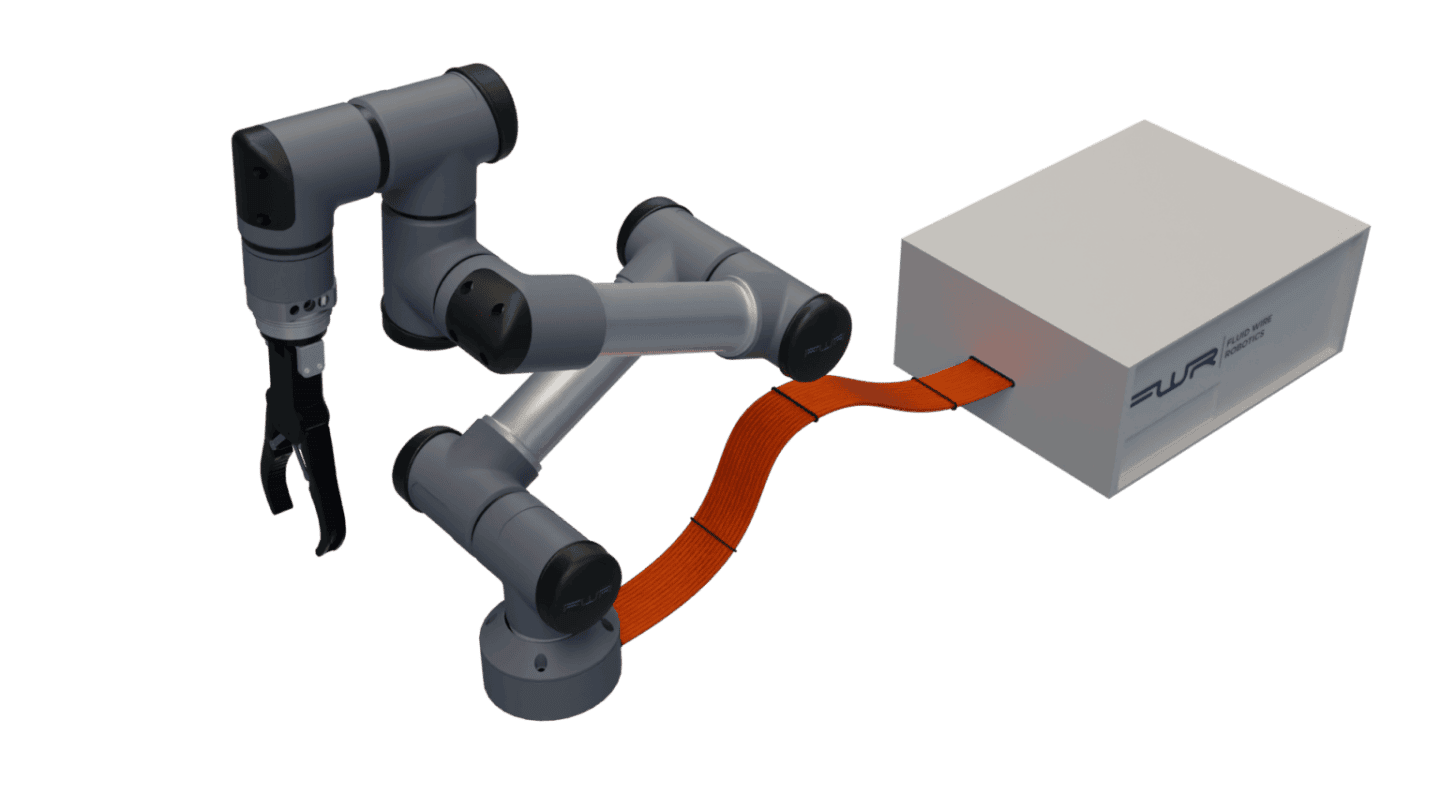
The robotic arm is connected to an external actuation unit via fluid wires.
The modular design of the system, in which the same actuation module is used to move each degree of freedom (DOF) of the robot, results in great ease of design and customisation for different use-cases.
In addition, Fluid Wire technology keeps costs low and production time to a minimum, as it uses traditional and readily available machining and materials rather than expensive and fragile components. The scalability of the solution allows robots to be quickly adapted to different applications, increasing their versatility and opening up various markets.
Key Engineering Challenges in Material Selection
Before achieving this result, we needed to conduct extensive academic research and pay particular attention to materials, which are the main design variable. The criteria for materials selected were:
- Radiation resistance in nuclear applications
- Vacuum resistance in space applications
- Resistance to high temperatures for operations up to 300°C
- Waterproofness and resistance to pressure in underwater environments up to thousands of meters deep.
In addition, another particularly important challenge was to develop modular architecture, characterized by the repetition of the same single module for each DOF. On a technical level, we were able to ensure that each module could be easily modified to meet specific requirements without increasing the complexity of the system or affecting its performance.
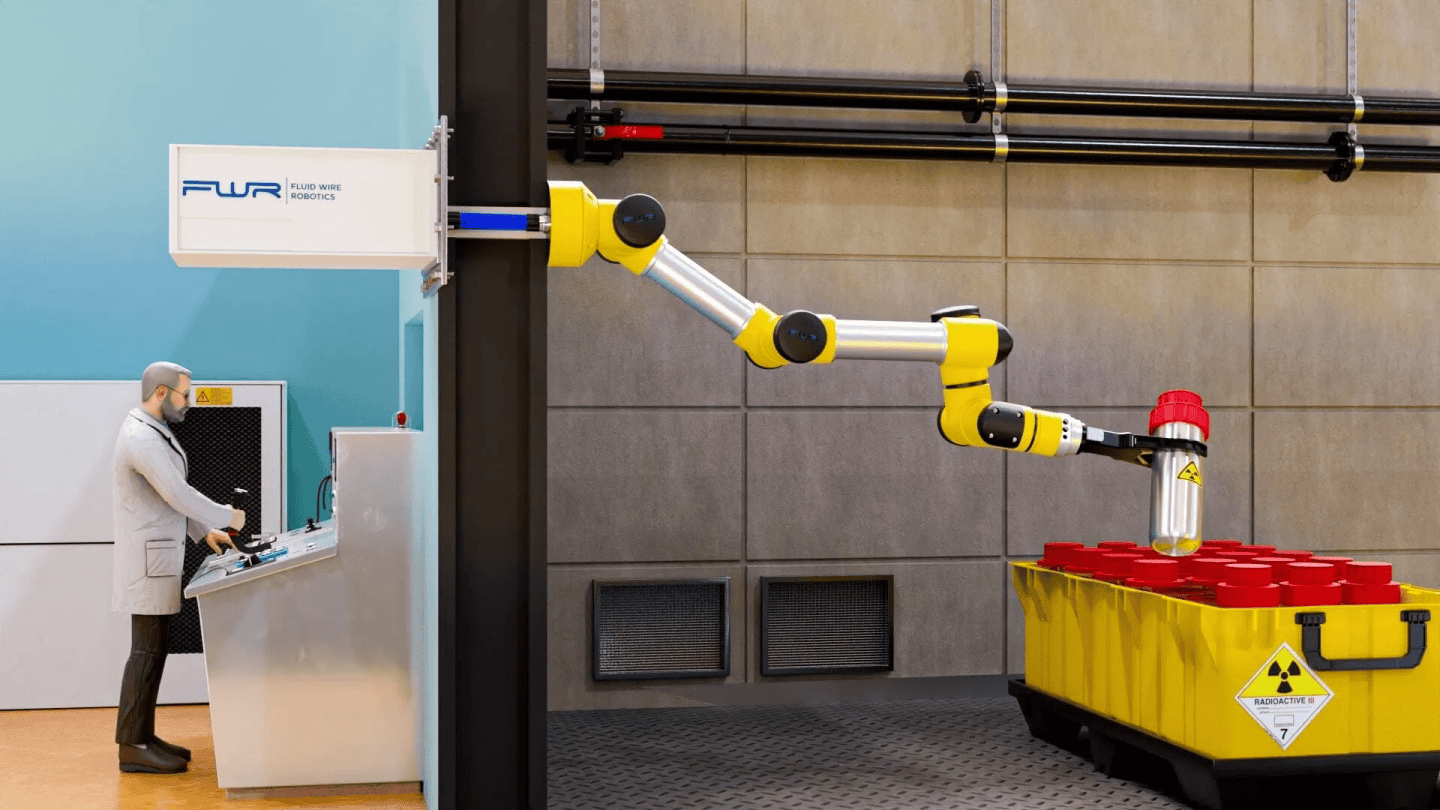
Robotic arm designed for handling radioactive materials, decommissioning tasks, and inspection under radioactive water in hot cells and gloveboxes.
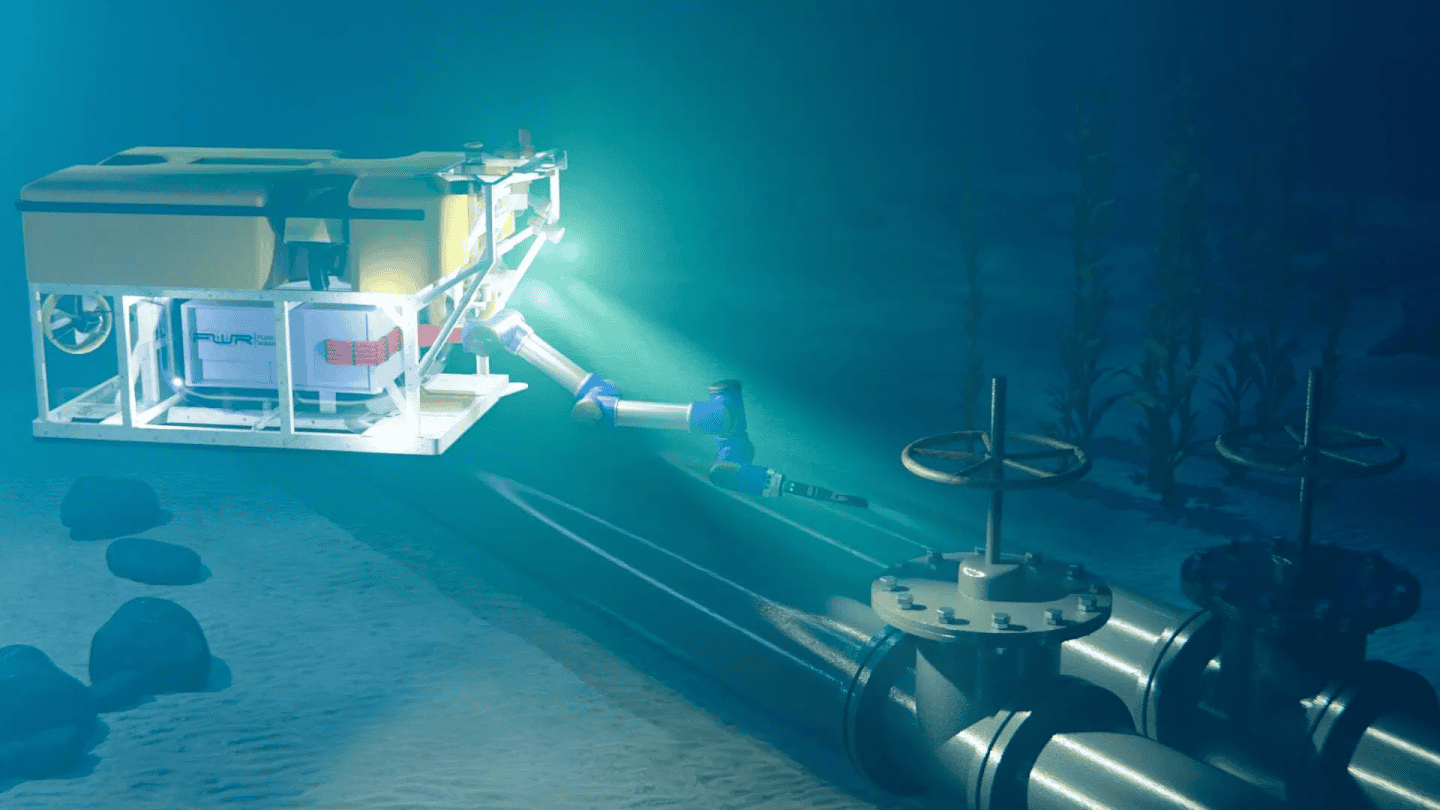
FWR robotic arm engineered for subsea maintenance, offshore energy operations, deep-sea exploration, and environmental monitoring.
More Testing and Industry Collaborations in the Pipeline for FWR
In the immediate future, we are striving to take our robots from TRL 4 to TRL 5 and 6. The next steps for FWR focus on two main strategic areas: validating the technology in real operating environments and expanding industrial collaborations.
For the first goal, we will conduct a radiation and high-temperature test campaign to simulate the operation of our robots with radioactive materials and test remote inspection and maintenance operations at nuclear sites. We will also conduct tests in thermovacuum chambers (which simulate vacuum and high space temperature ranges) to demonstrate our system’s ability to operate in orbit during space missions.
For the second goal, we are currently building strategic partnerships that can accelerate time-to-market:
- Nuclear sector: we aim to collaborate with major industry players on projects for decommissioning and maintenance of both existing and new generation nuclear power plants
- Space sector: through the support of the ESA-BIC incubation programme, we will launch pilot projects in the space sector, partnering with space agencies and private companies for applications such as satellite maintenance and active space debris removal.
Once this field validation phase is over, FWR will focus on commercial launch and production scalability by initially releasing mini-batches to rapidly meet the specific needs of industrial partners.
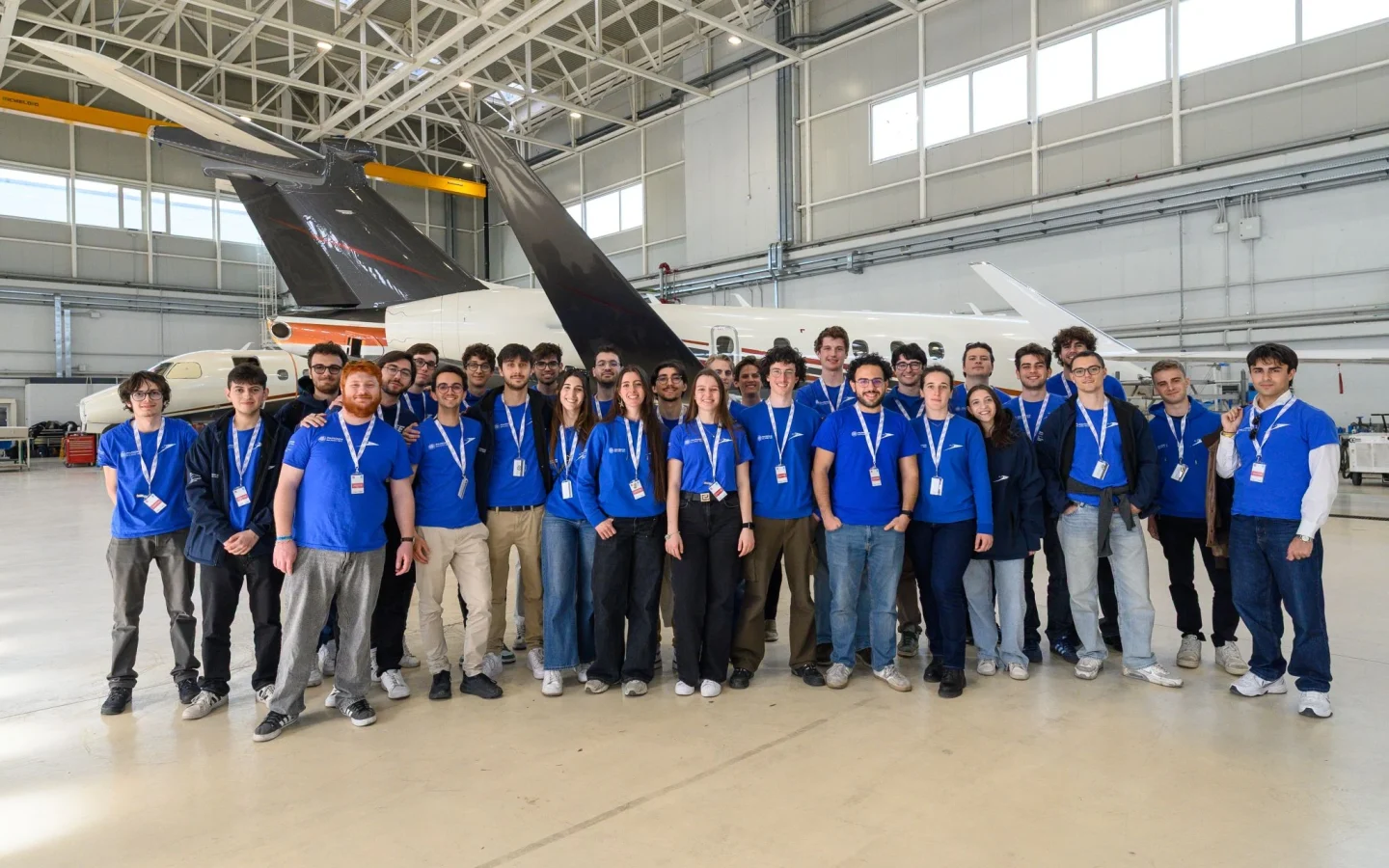
How Fly-Mi Team Prepares a Cargo UAV for the Air Cargo Challenge
Aerospace
CNC Machining
Prototyping
Read Story
Preparing for the 2026 Air Cargo Challenge, the Fly-Mi team is developing Heméra, a fixed-wing UAV designed for maximum payload transport. This project integrates advanced aerodynamics, structural FEM analysis, and precision-engineered aluminum tooling to create a twin-motor aircraft capable of reaching flight speeds of 35 m/s.
Read Story
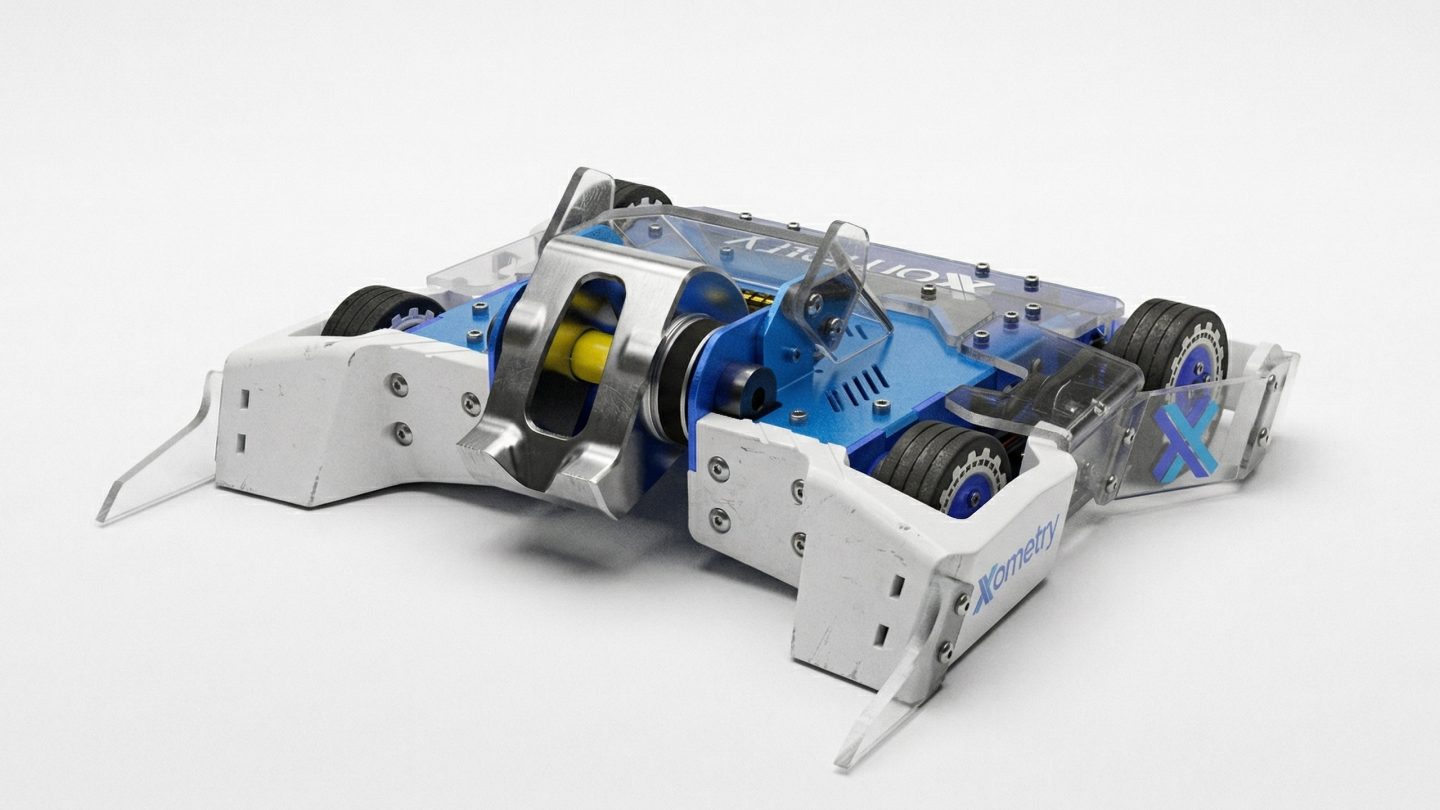

Torx Robot: The Story Behind Accu’s Engineering and Xometry’s Precision CNC Machining
Robotics
Machine Building
CNC Machining
Prototyping
Read Story
Go behind the scenes for the development of Torx: the combat robot built by Accu for FightFest 2026, with CNC machining support from Xometry. Explore the journey from the drawing board to the arena, showing how a combat robotics project takes shape, and see how Torx went on to win the official FightFest Championship trophy.
Read Story
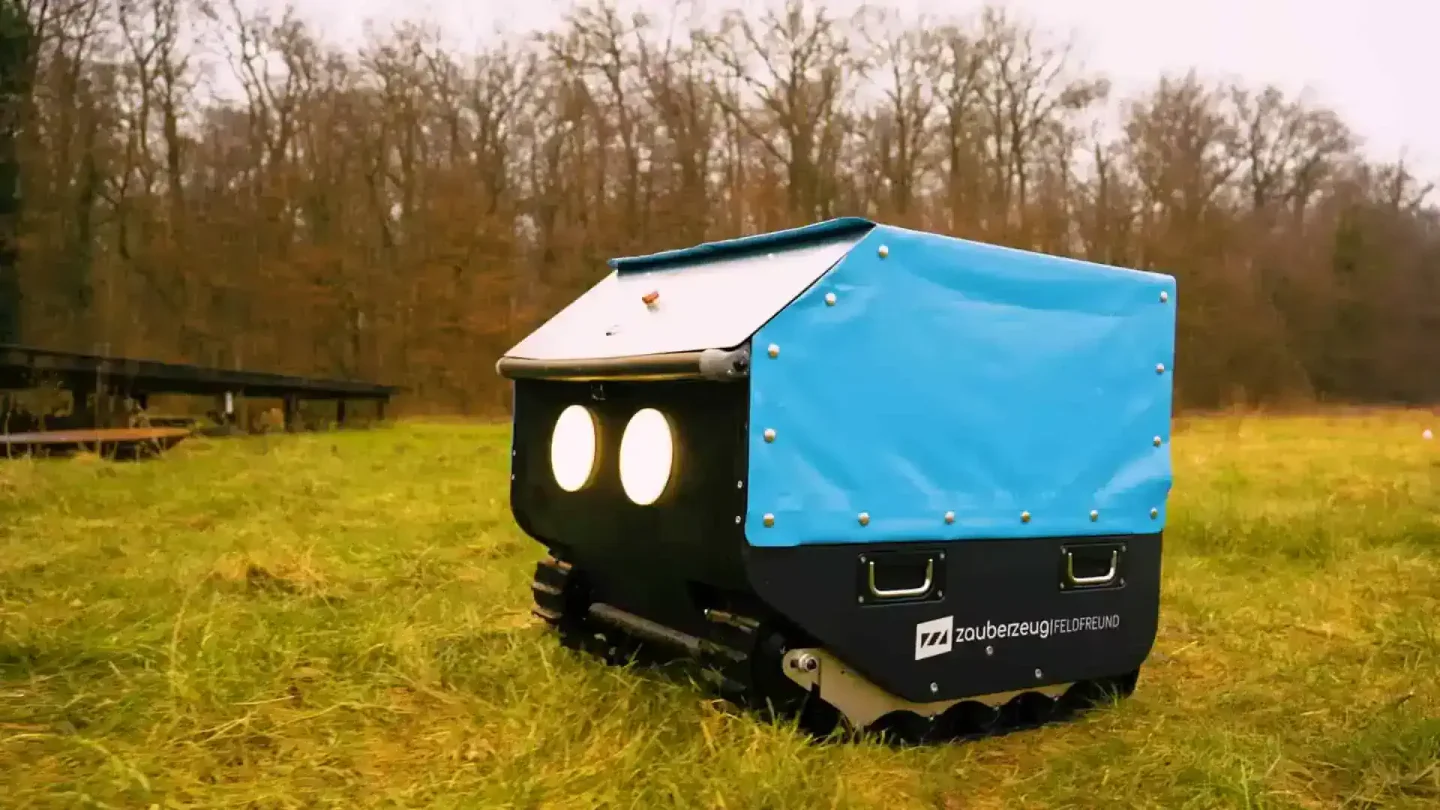

How Zauberzeug Uses Xometry for Fast and Efficient Sourcing of High-Tech Agricultural Robot Components
Robotics
Machine Building
CNC Machining
Procurement, Prototyping
Read Story
With Xometry, we have found a manufacturing partner that supports our development philosophy. The ability to quickly and precisely order small batches of parts gives us the freedom to iteratively improve our robots. This flexibility is essential to our innovation process.
Read Story
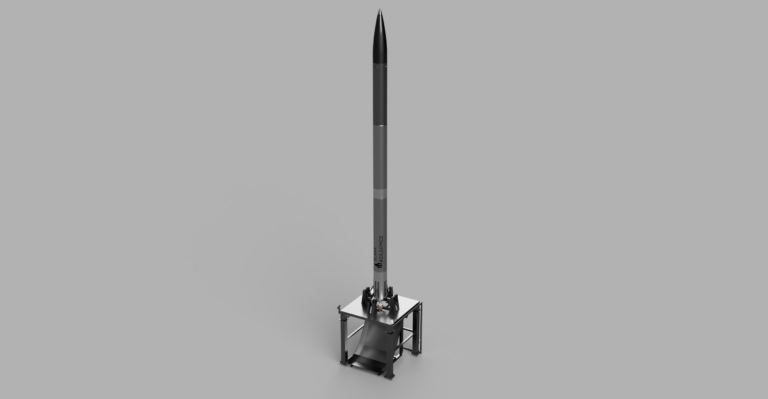
From Tunneling to the Stars – How Elara Aerospace Is Advancing Suborbital Rocket Engineering in Europe
Aerospace
CNC Machining
R&D
Read Story
To turn these components into reality, we required high-precision manufacturing with fast turnaround times. Through Xometry, we produced a brass test chamber for our injector experiments, machined to the specifications needed for our early-stage testing.
Read Story
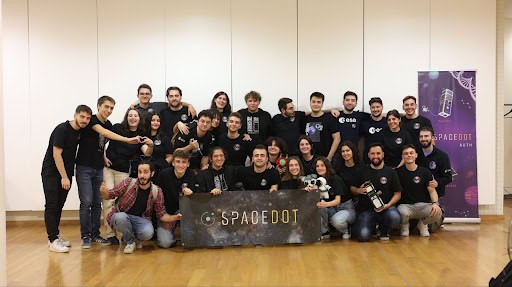

Xometry Powers AcubeSAT from Prototype to Launch‑Ready Nanosatellite
Aerospace
CNC Machining
R&D
Read Story
At this time, we decisively decided to significantly simplify the design, allowing it to achieve higher precision and tolerance control through machining. During the redesign process, we realized that we needed to find a partner capable of manufacturing high-precision prototype parts—so we chose Xometry.
Read Story
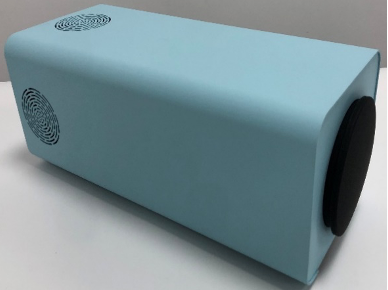

R&D Efficiency Restored: Xometry Ensures Uninterrupted Supply of Critical Precision Parts
Aerospace
CNC Machining
R&D
Read Story
Collaborating with Xometry allows us to concentrate more on our core R&D, saving substantial time and significantly boosting project efficiency.
Read Story
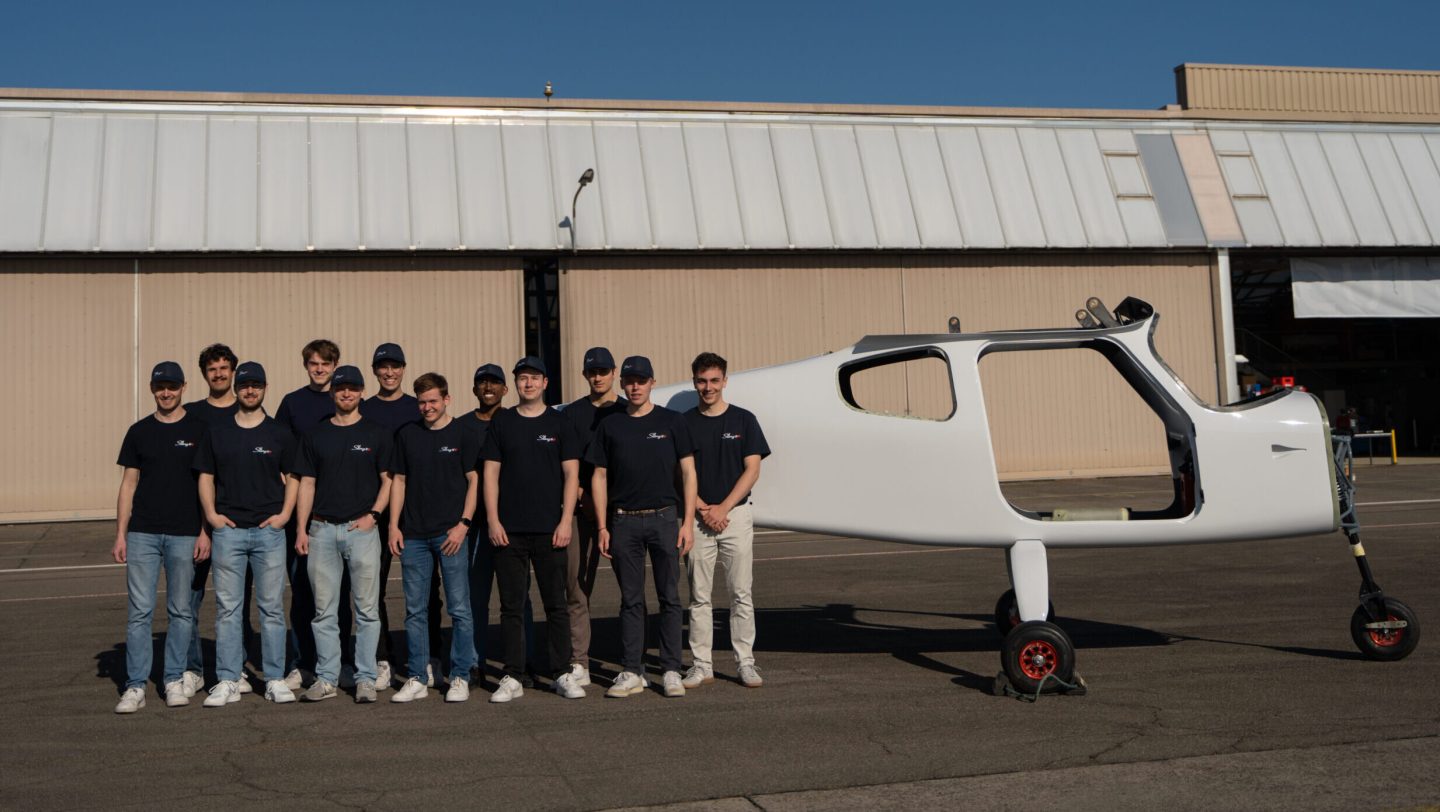

Emission-Free Across the Alps – How Cellsius Is Enabling Hydrogen-Powered Flight
Aerospace
CNC Machining
Prototyping
Read Story
We designed it with maximum strength-to-weight efficiency in mind, combining tight tolerances with complex geometry. Since producing a part this precise was beyond our in-house capabilities, we relied on external manufacturing to bring it to life. Working with Xometry’s digital manufacturing platform proved to be a practical solution. The ordering process was simple, and the part was delivered exactly to spec, which helped us stay on schedule and move forward with system integration.
Read Story
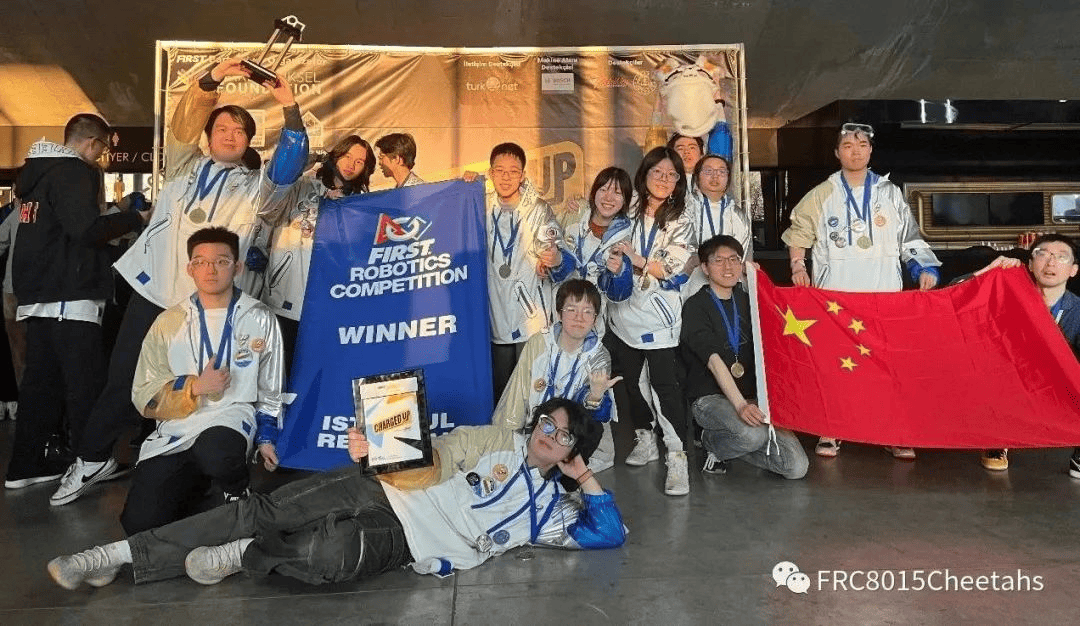
Ride the Wave of Innovation: Uncover the Wisdom Behind the FRC Robotics Team
Robotics
3D Printing
Prototyping, R&D
Read Story
We were pleasantly surprised by Xometry’s cost performance, production speed and product quality. We have encountered manufacturers with lower quoted prices before, but we gave up after initial contact.
Such suppliers end up costing far more time negotiating part details and following up on constant delivery delays, resulting in a much higher comprehensive cost in the end. Reliable quality control and fully traceable order progress greatly reduce communication overhead — this is our most genuine experience working with Xometry.
Read Story
How to Deliver Large-Size Components with High Quality and Fast Lead Time? See Xometry’s Solution!
Robotics
3D Printing
Prototyping, High-Volume Manufacturing
Read Story
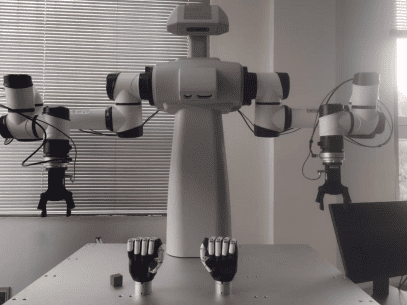
Xometry’s high-quality and fast delivery exceeded our original expectations. We inspected the components right after unboxing and were genuinely impressed. This was our first time using an on-demand manufacturing platform for custom production. The whole process was smooth with timely response. They solved our problems efficiently and removed all worries for our subsequent custom design work.
Read Story
Engineering the Concorde Nose Mechanism: A Tribute to Aerospace Design
Aerospace
3D Printing
Prototyping
Read Story
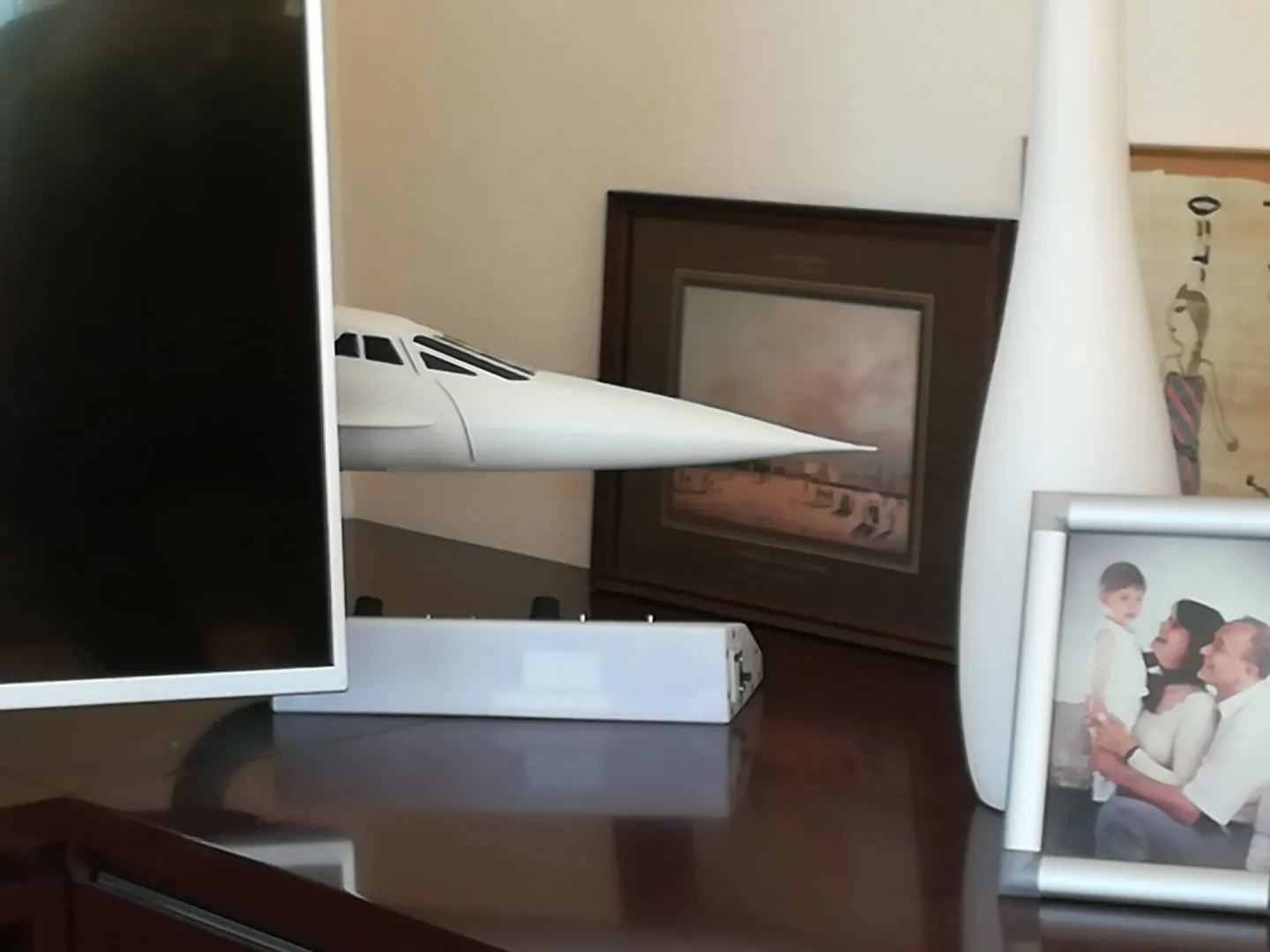
For the physical prototype, I selected Selective Laser Sintering (SLS) using PA12 nylon. This combination offered the durability and dimensional accuracy I needed, while being light enough to preserve the model’s integrity and strong enough to handle repeated use. I ordered the parts through Xometry’s on-demand manufacturing service, which allowed me to test my designs without investing in a printer or tooling—a crucial advantage when working with small volumes and evolving prototypes.
Read Story
Reinventing the Wheel for Mars: How We Engineered a Flexible Airless Tyre
Aerospace
3D Printing
Prototyping
Read Story
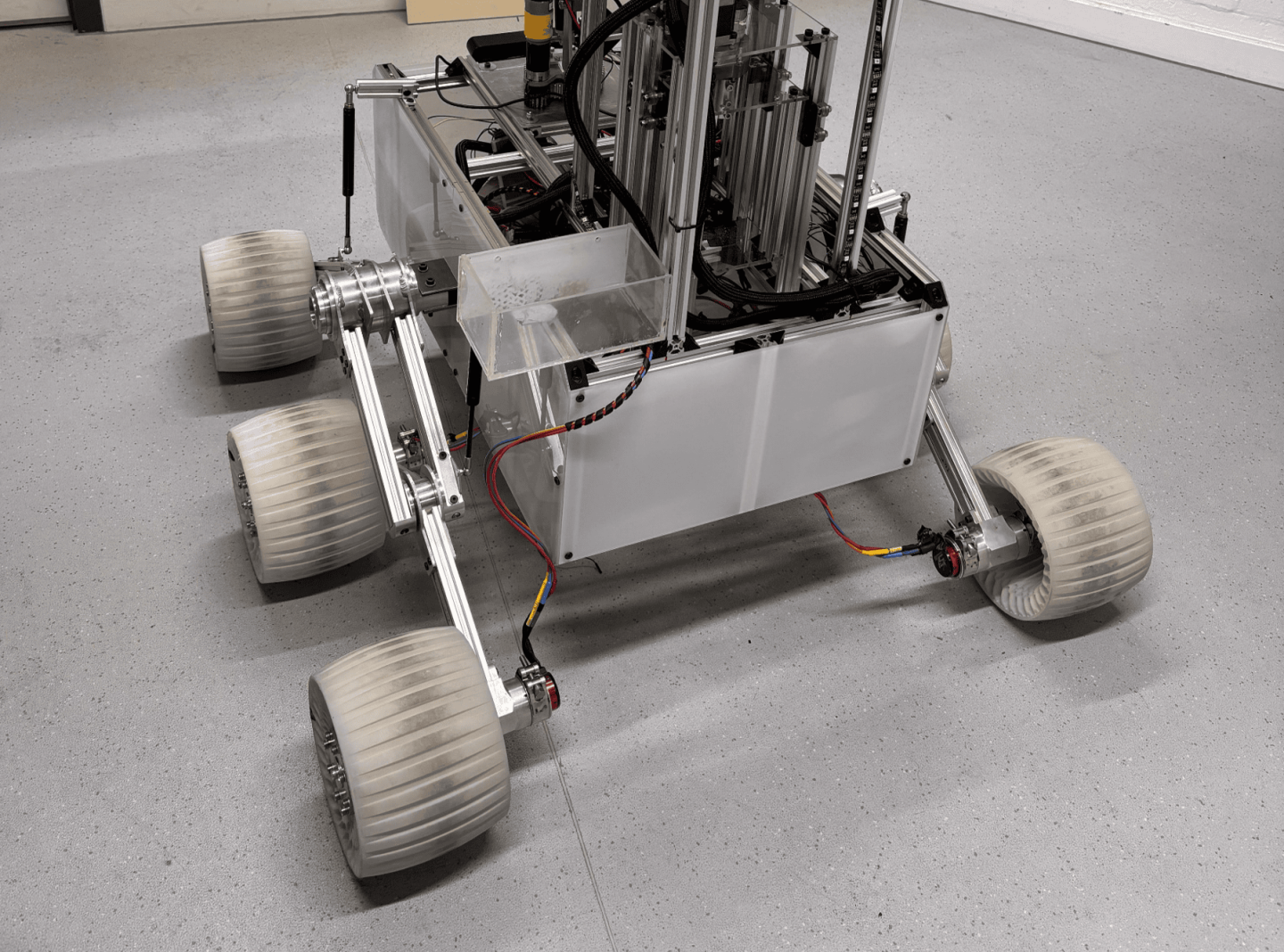
UCL Racing's Mars Rover team developed an airless flexible wheel for the European Rover Challenge, competing on a simulated Martian surface. With Xometry's SLS 3D printing and engineering feedback, they produced six wheels from EOS TPU 1301 (Shore 86A) with a radial honeycomb lattice structure. The final design meets 220mm diameter and 120N load requirements, featuring symmetric tread pattern and integrated motor mount.
Read Story

The 1-Millimetre Fix: How One Custom CNC Part Saved My 5-Axis Build
Machine Building
CNC Machining
Prototyping
Read Story
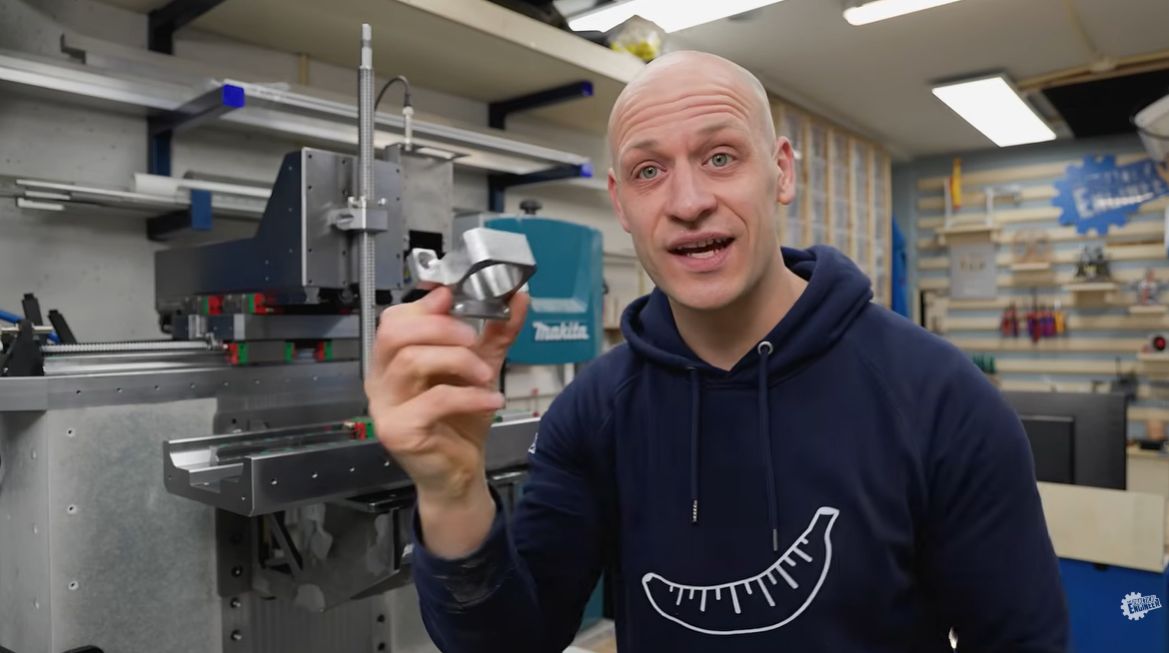
Building a CNC machine from scratch is full of moments where you find out whether your design actually works, or whether it only worked inside CAD. In the world of custom machine building, the transition from a digital model to physical assembly is rarely seamless. This was one of those moments.
Read Story