Imperial College London Rocketry (ICLR) developed NIMBUS, the first UK student-built liquid propellant rocket. With Xometry's CNC machining and blue anodizing services, they produced tank end caps for the oxidiser tank and a clamp band system for nose cone separation, enabling competition at EuRoC 2023.
Industry
Aerospace
Country

United Kingdom
Use case
Prototyping
Technology
CNC Machining
Materials
Aluminum
Product
tank end caps, clamp band system, nose cone integration part, stinger tube coupler
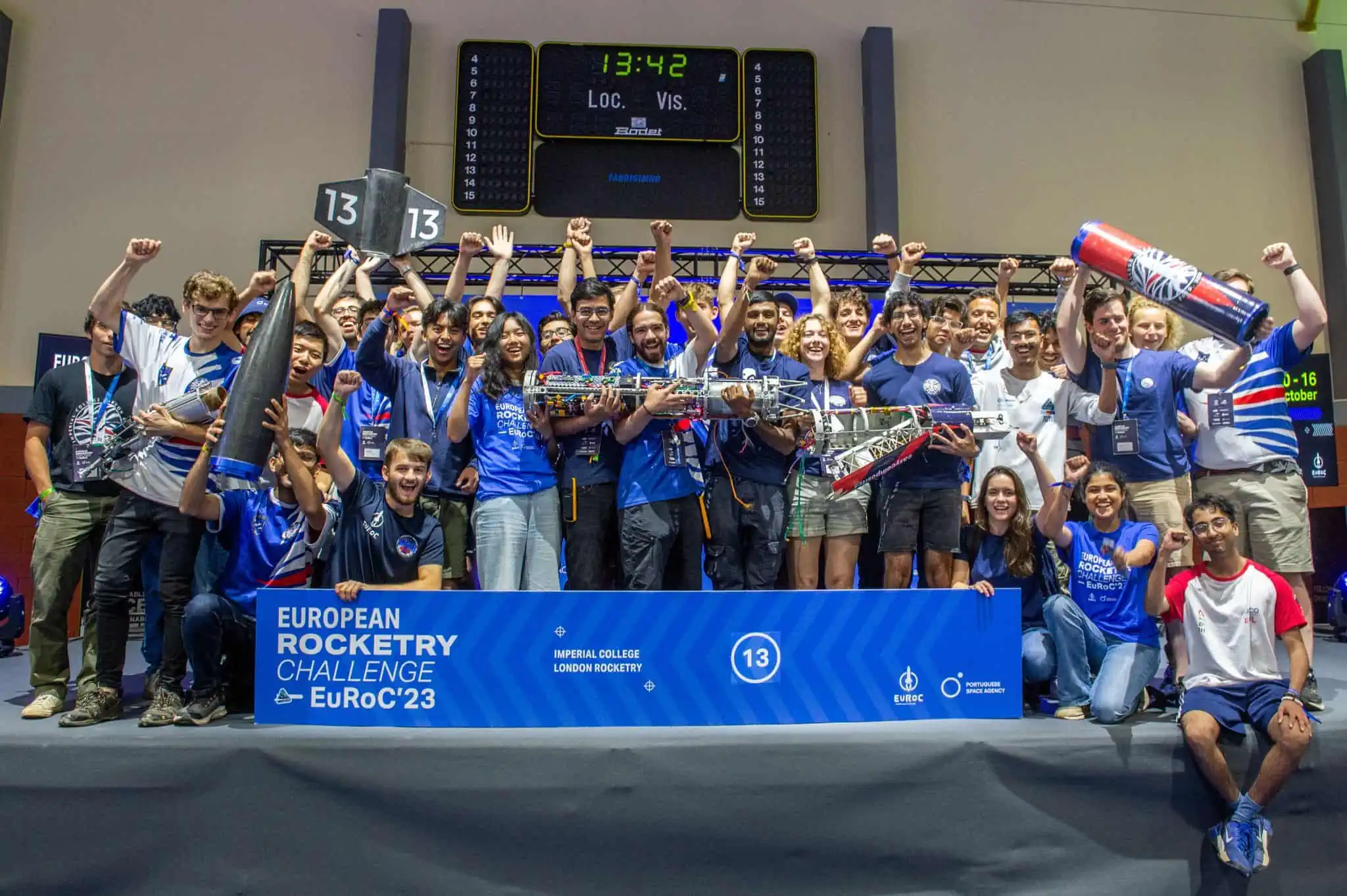
The collaboration with Xometry helped us produce all these amazing parts our team has designed, allowing us to build NIMBUS and compete at EuRoC 2023! We are incredibly thankful for Xometry’s support and excited about future collaboration.
The Imperial College of London Rocketry (ICLR) is a student-led team of talented future aerospace engineers, developing experimental rockets, with the aim to break the UK altitude record and one day reach space. Their flagship rocket known as NIMBUS, features a throttleable liquid rocket motor developed in-house, as well as a range of student-designed and researched rocket components. Since its creation in 2018, the team has had over 100 students working tirelessly to achieve its goals.
NIMBUS, the First UK Student Liquid Propellant Rocket
NIMBUS is a next-generation rocket, featuring the first ever student built liquid propellant engine. Together with Xometry’s support, the ICLR team brought to life some incredibly important parts of the NIMBUS rocket airframe and propulsion system.


The first part, the tank end caps, sealed the custom oxidiser tank, which held the high-pressure Nitrous Oxide used to power the rocket engine THANOS, which was possible to manufacture with Xometry’s mass reduction design. Similarly integral, was the incredible new clamp band system that separates the nose cone to deploy the parachute and safely recover the NIMBUS rocket after flight launch. Xometry’s high-quality precision manufacturing capabilities helped the ICLR team produce our nose cone integration part and stinger tube coupler, both essential for the structural rigidity of the rocket’s airframe and experiments.


“The collaboration with Xometry helped us produce all these amazing parts our team has designed, allowing us to build NIMBUS and compete at EuRoC 2023! We are incredibly thankful for Xometry’s support and excited about future collaboration.” Jason Aretaios, MEng Aeronautical Engineering student and partnerships manager for the NIMBUS rocket project.
EuroC23, An Experience of Highs and Lows
The European Rocketry Challenge – EuRoC is the first rocket launch competition for European university teams. The Portuguese Space Agency created the competition in 2020 and has since gathered teams from various European countries in the Alentejo region. Based on constant and sustained growth, the 2023 edition of the competition has the support of the Portuguese Army and the Municipality of Constância.
This year 2023, the competition attracted student engineers from all over Europe for a chance to launch and compete with their own specialised rockets. Judged on the technical build, rocket design, launch flight success and the team’s collaboration. EuroC stimulates young people’s interest in STEM (Sciences, Technologies, Engineering and Mathematics).

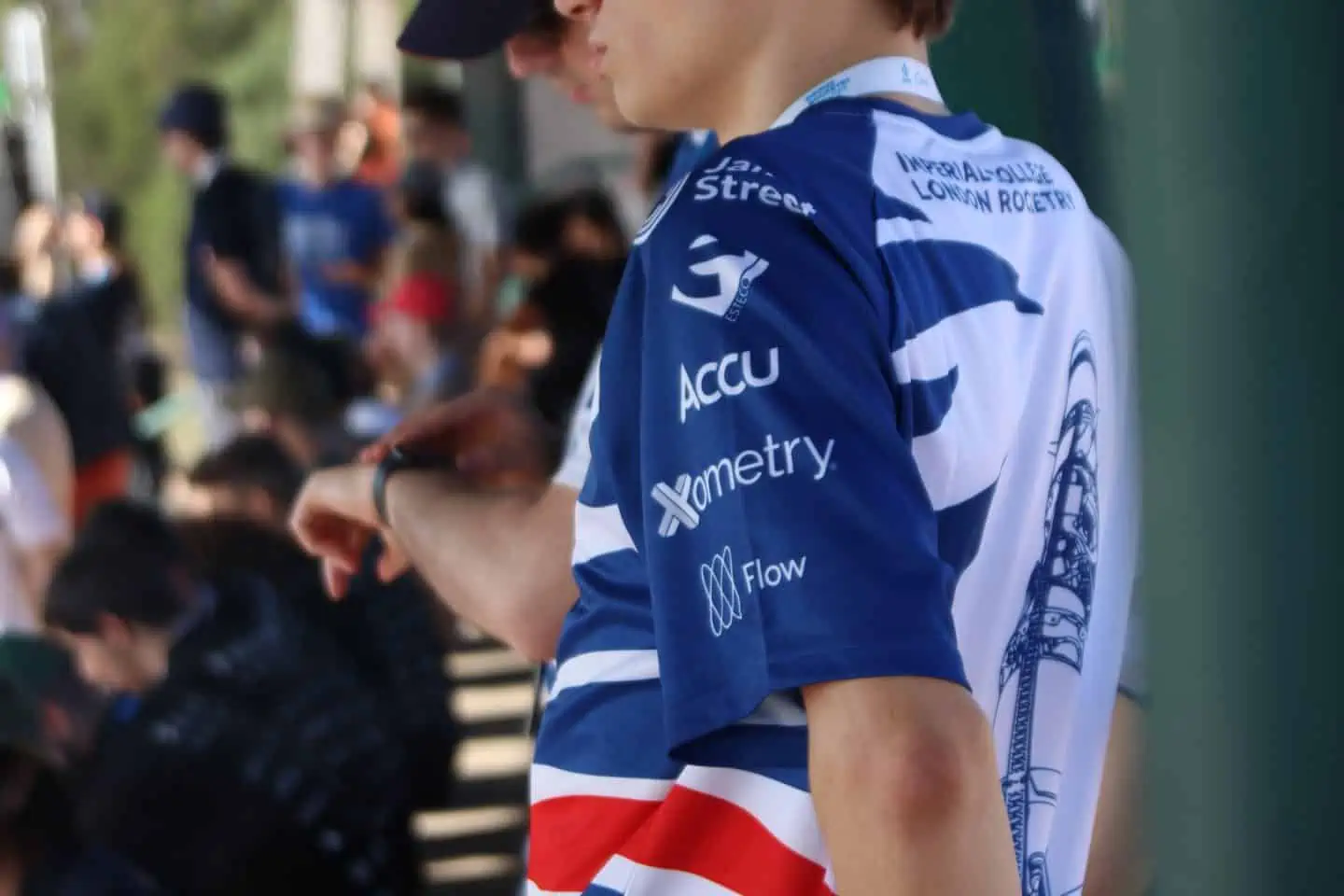
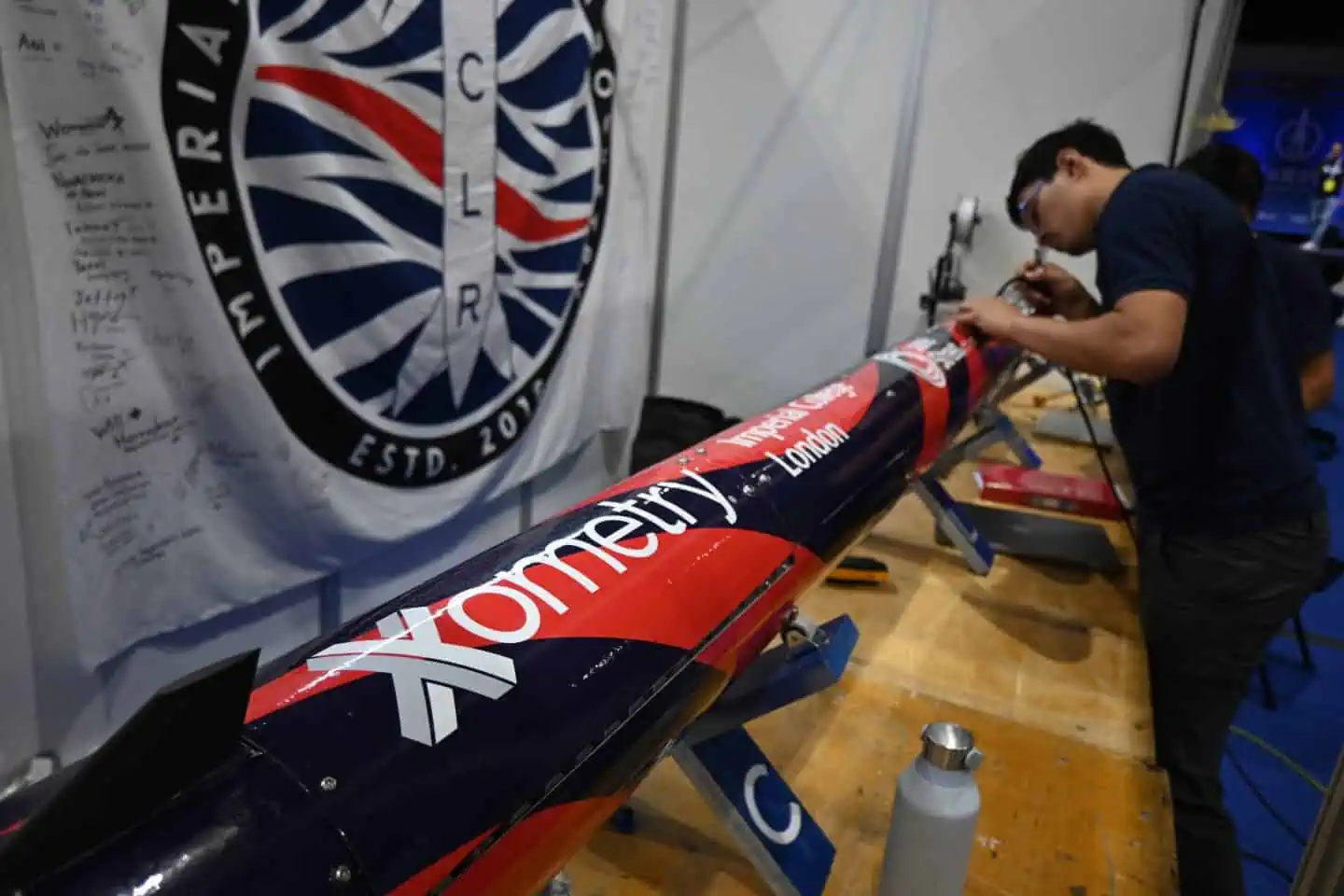
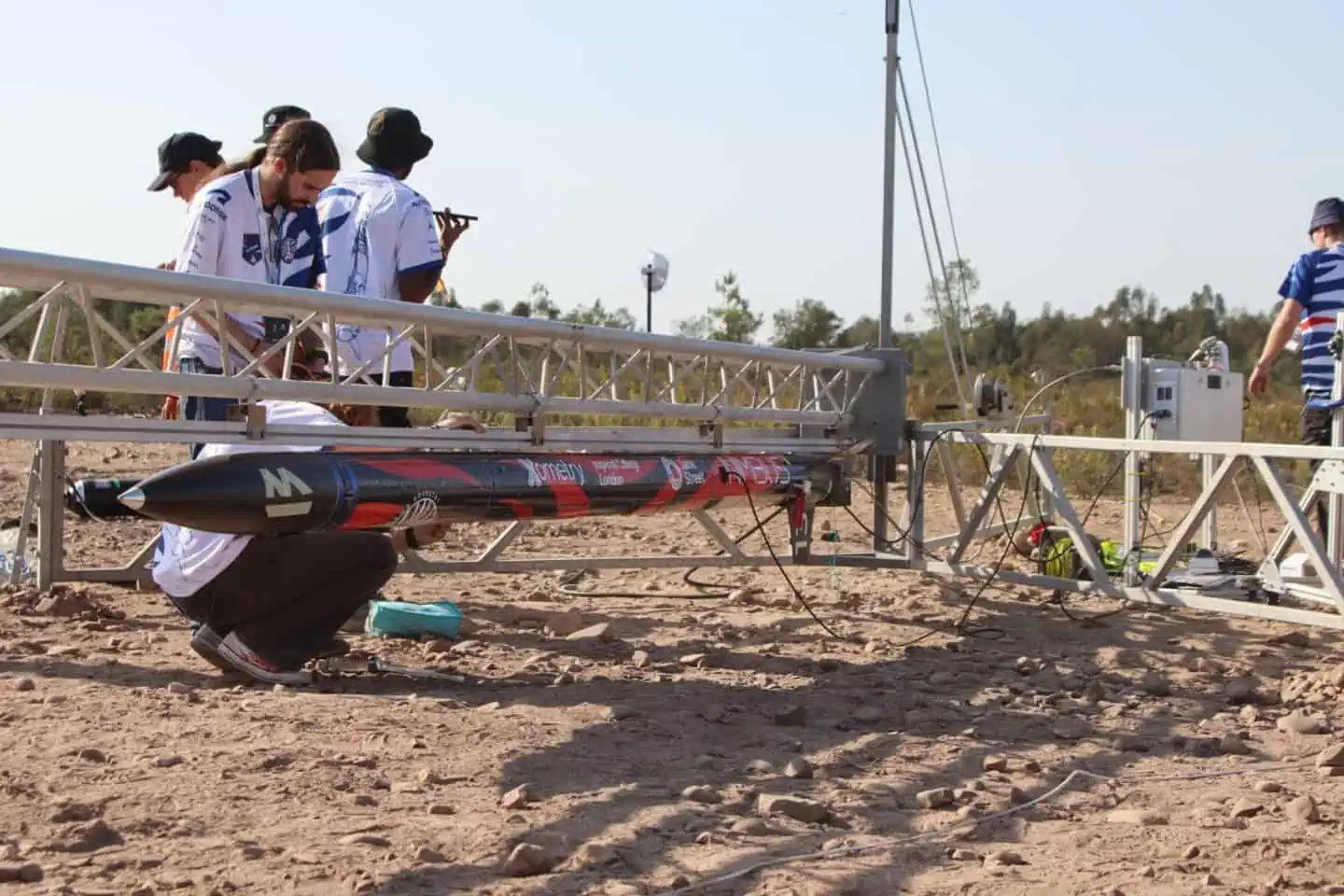
For the ICLR team, EuRoC 2023 turned out to be a fantastic event and an incredible experience. By the second day, the ICLR team had concluded their checks following the completed assembly. Their NIMBUS rocket was ready to be reviewed by Flight Readiness (FRR), a panel of EuroC experts responsible for ensuring the rocket’s flight worthiness and safety. After the expert’s rigorous examination, the NIMBUS rocket received approval for flight, successfully passing the FRR. That day marked a significant milestone for the ICLR team with their fully assembled rocket prepared on the paddock. Each sub-team had all their systems ready and in place prepared for launch the next day.
With any engineering project comes successes and failures but the most important aspect is what engineers learn along the way, pick up and utilise in their next design. The next day at EuRoC arrived, the day to launch the NIMBUS rocket – the sky was the limit!

Unfortunately, due to a tank failure that could not be repaired in the remaining duration of EuRoC, the ICLR team were unable to launch NIMBUS after all their hard work. However, the team did not take this as a failure but a learnt lesson and are motivated more than ever to launch their NIMBUS rocket at the next available opportunity. It was evident that the ICLR team’s perseverance is exceptional and all that hard work was not going to waste – NIMBUS will take to the sky in the near future – watch this space!
To Infinity and Beyond – An Exciting Future Ahead for ICLR
The team at Imperial college of London rocketry (ICLR) are now rebuilding the parts of NIMBUS that were damaged and plan to relaunch their rocket in the Netherlands in March 2024. On top of that, the team will make a new rocket, an upgraded version of NIMBUS for EuRoc 2024, which will include a newer, even more impressive version of our liquid rocket engine, competing in the ‘Race to Space ‘, a competition where UK teams test their rocket engines. The team will also continue to reach for the stars, as the altitude record team is aiming to break the UK altitude record and reach 54km with their new two stage rocket they plan to build in July for launch in the Mojave Desert, California.
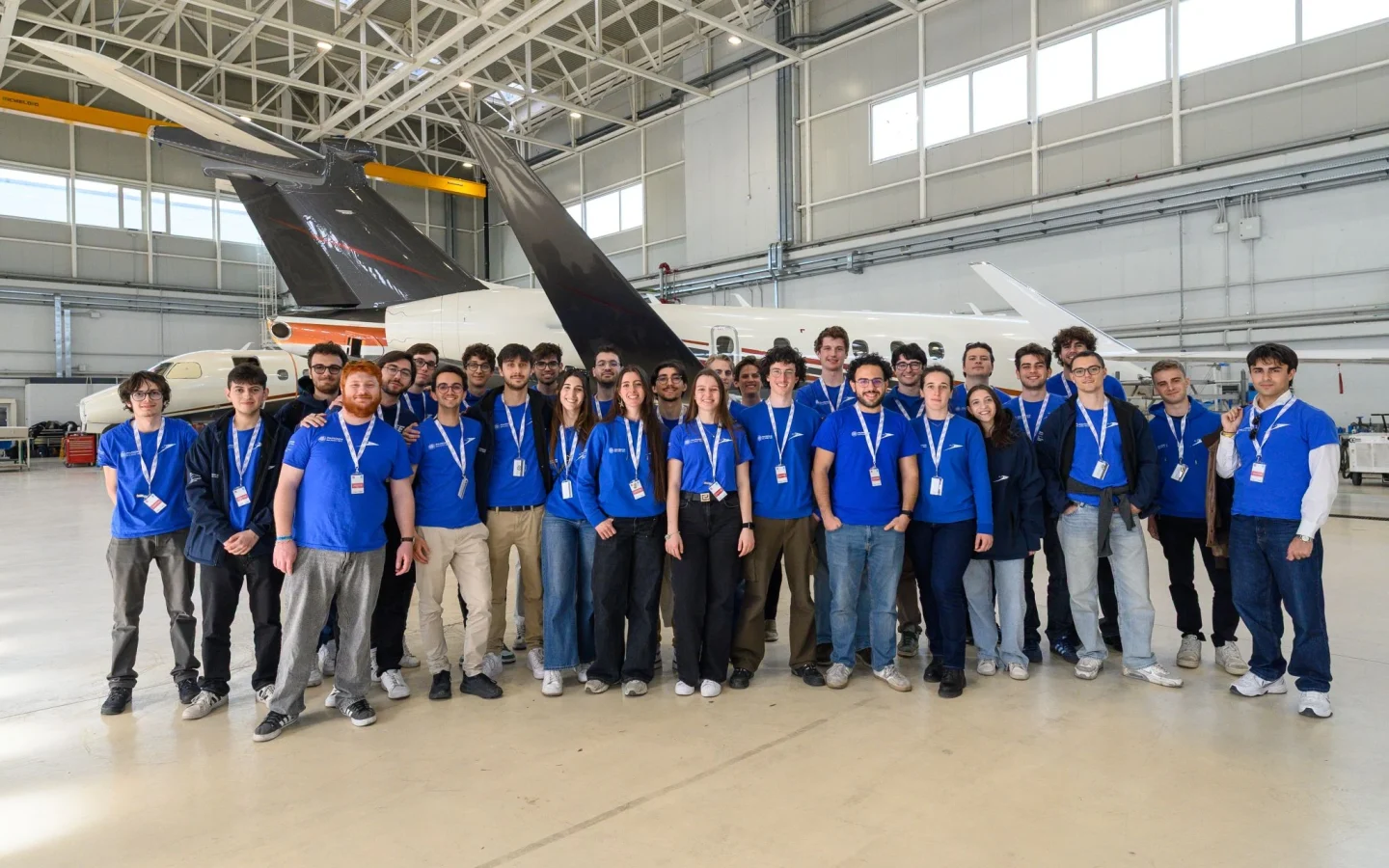

How Fly-Mi Team Prepares a Cargo UAV for the Air Cargo Challenge
Aerospace
CNC Machining
Prototyping
Read Story
Preparing for the 2026 Air Cargo Challenge, the Fly-Mi team is developing Heméra, a fixed-wing UAV designed for maximum payload transport. This project integrates advanced aerodynamics, structural FEM analysis, and precision-engineered aluminum tooling to create a twin-motor aircraft capable of reaching flight speeds of 35 m/s.
Read Story
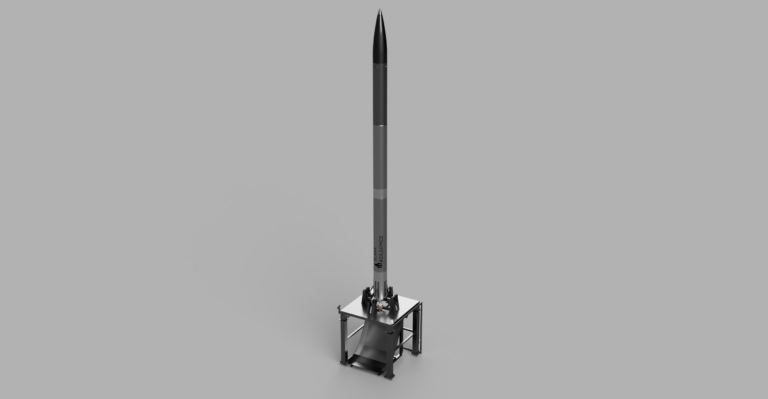

From Tunneling to the Stars – How Elara Aerospace Is Advancing Suborbital Rocket Engineering in Europe
Aerospace
CNC Machining
R&D
Read Story
To turn these components into reality, we required high-precision manufacturing with fast turnaround times. Through Xometry, we produced a brass test chamber for our injector experiments, machined to the specifications needed for our early-stage testing.
Read Story
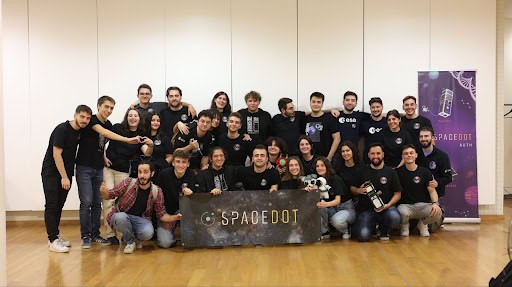

Xometry Powers AcubeSAT from Prototype to Launch‑Ready Nanosatellite
Aerospace
CNC Machining
R&D
Read Story
At this time, we decisively decided to significantly simplify the design, allowing it to achieve higher precision and tolerance control through machining. During the redesign process, we realized that we needed to find a partner capable of manufacturing high-precision prototype parts—so we chose Xometry.
Read Story

R&D Efficiency Restored: Xometry Ensures Uninterrupted Supply of Critical Precision Parts
Aerospace
CNC Machining
R&D
Read Story
Collaborating with Xometry allows us to concentrate more on our core R&D, saving substantial time and significantly boosting project efficiency.
Read Story
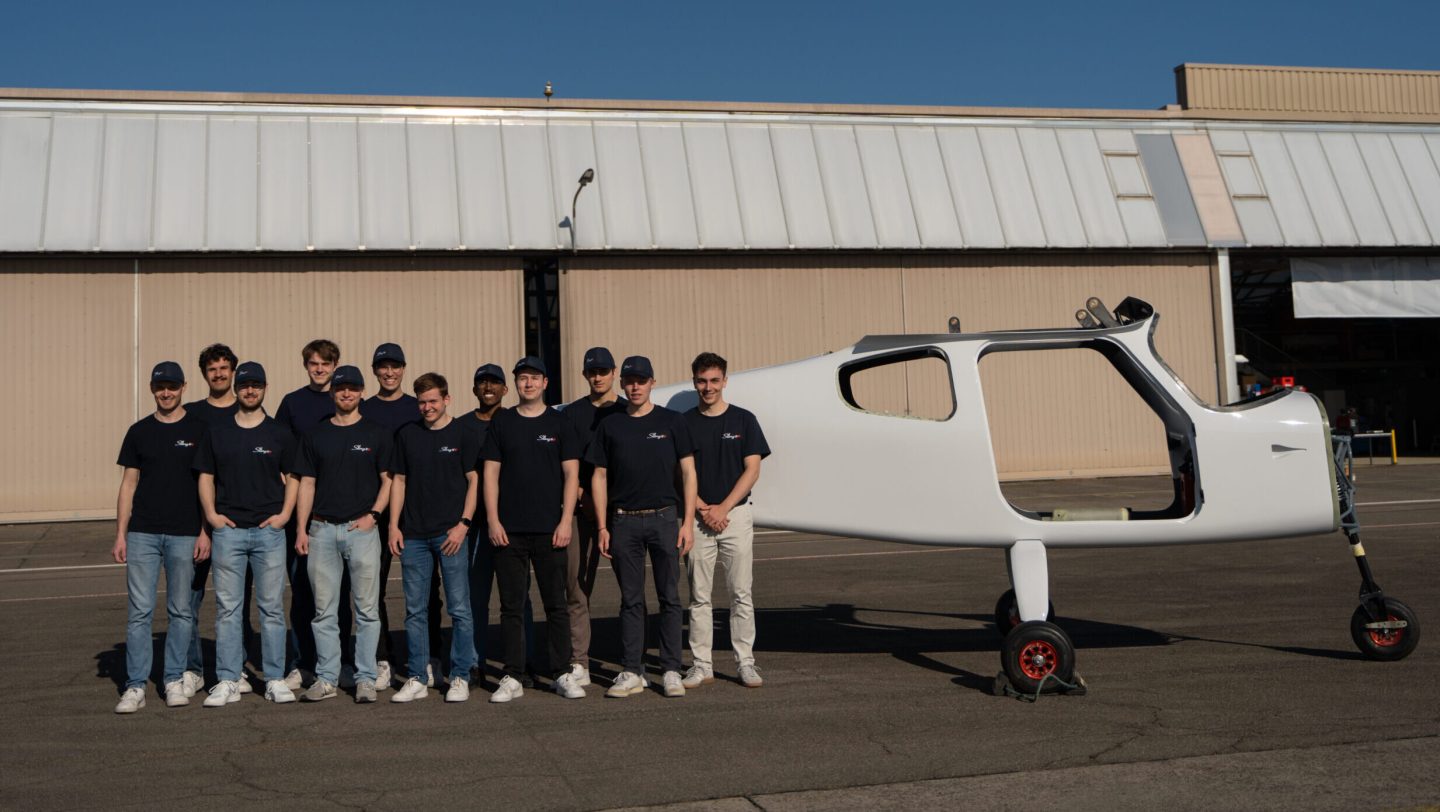

Emission-Free Across the Alps – How Cellsius Is Enabling Hydrogen-Powered Flight
Aerospace
CNC Machining
Prototyping
Read Story
We designed it with maximum strength-to-weight efficiency in mind, combining tight tolerances with complex geometry. Since producing a part this precise was beyond our in-house capabilities, we relied on external manufacturing to bring it to life. Working with Xometry’s digital manufacturing platform proved to be a practical solution. The ordering process was simple, and the part was delivered exactly to spec, which helped us stay on schedule and move forward with system integration.
Read Story
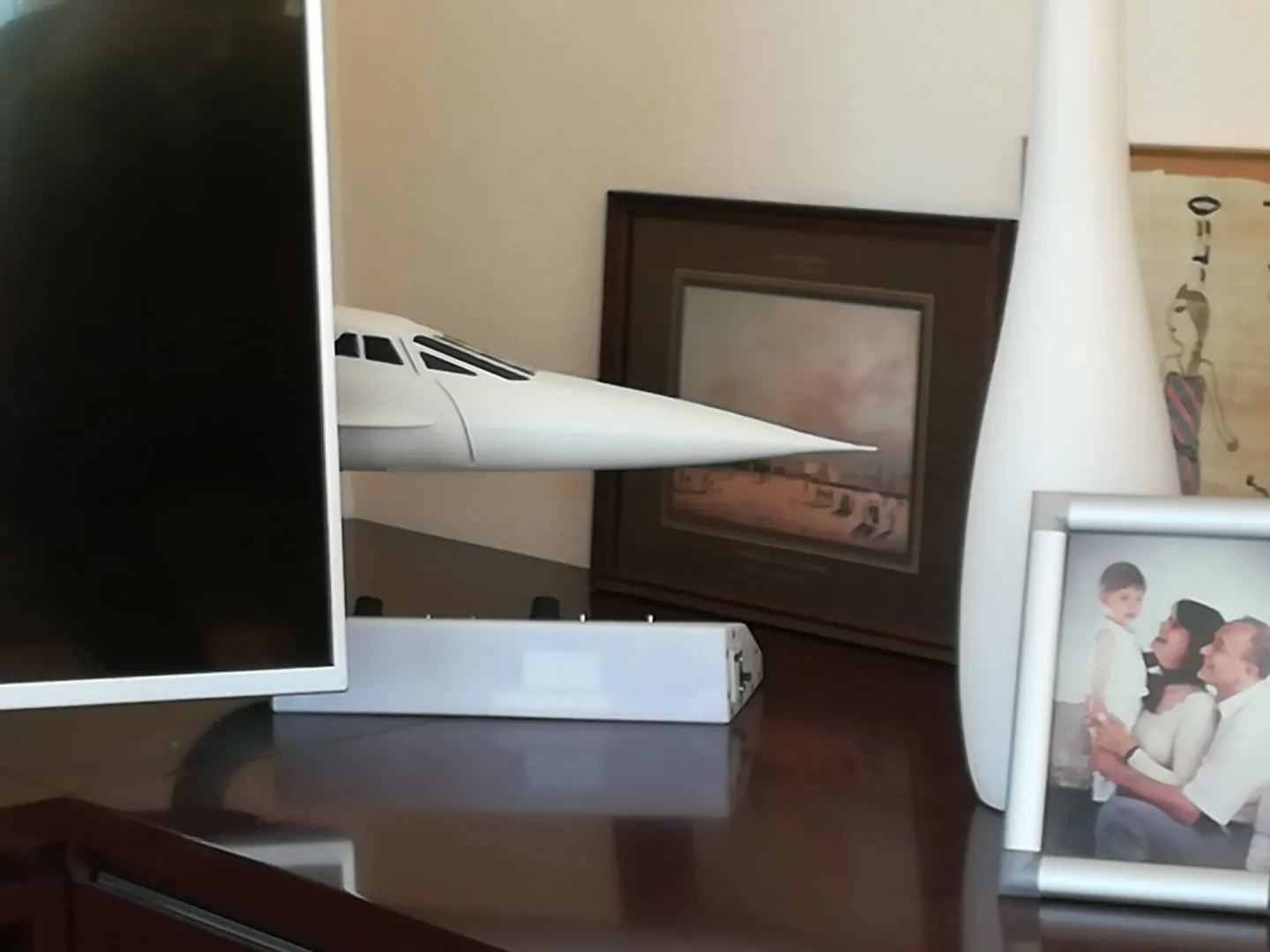
Engineering the Concorde Nose Mechanism: A Tribute to Aerospace Design
Aerospace
3D Printing
Prototyping
Read Story
For the physical prototype, I selected Selective Laser Sintering (SLS) using PA12 nylon. This combination offered the durability and dimensional accuracy I needed, while being light enough to preserve the model’s integrity and strong enough to handle repeated use. I ordered the parts through Xometry’s on-demand manufacturing service, which allowed me to test my designs without investing in a printer or tooling—a crucial advantage when working with small volumes and evolving prototypes.
Read Story
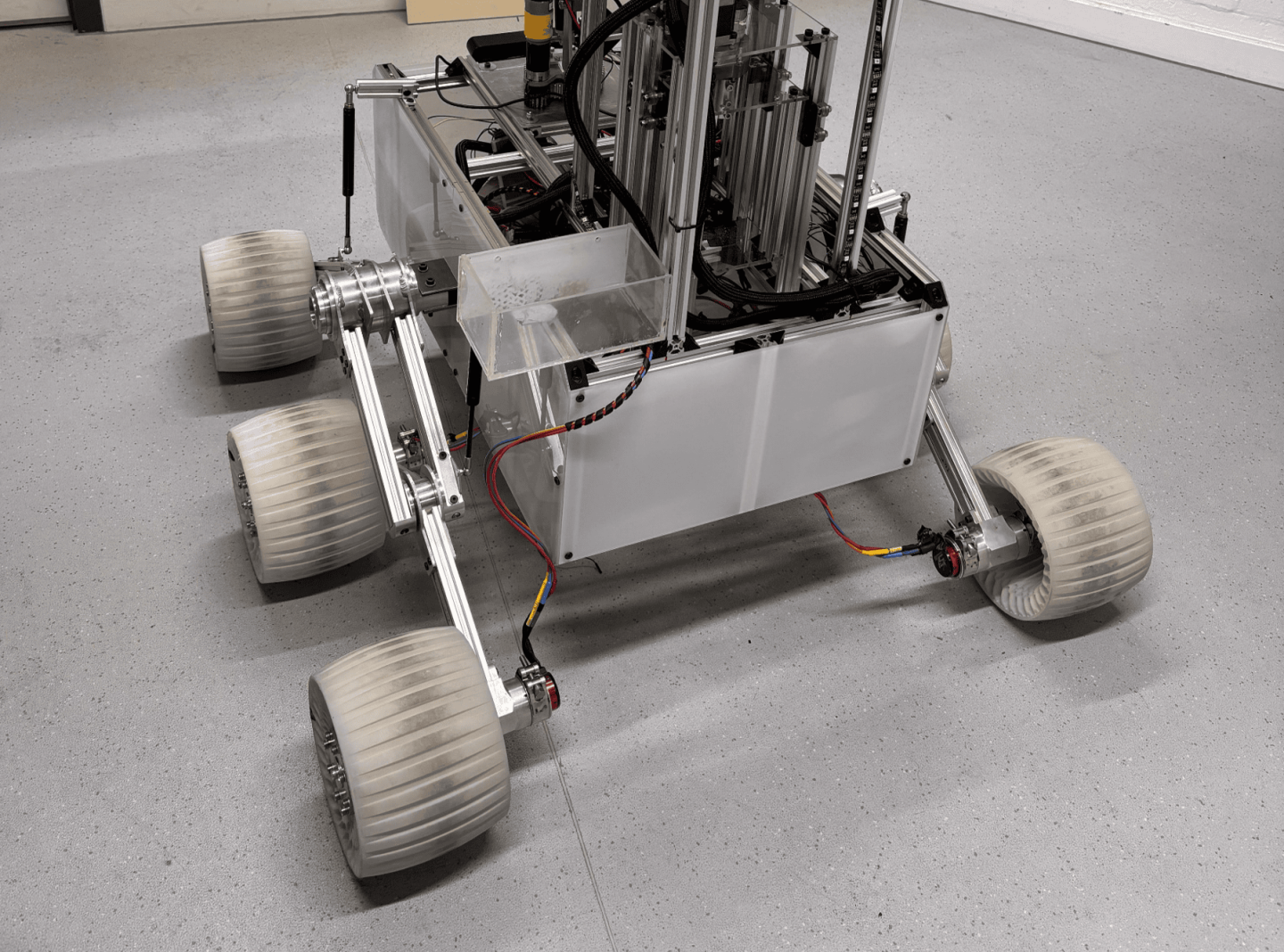
Reinventing the Wheel for Mars: How We Engineered a Flexible Airless Tyre
Aerospace
3D Printing
Prototyping
Read Story
UCL Racing's Mars Rover team developed an airless flexible wheel for the European Rover Challenge, competing on a simulated Martian surface. With Xometry's SLS 3D printing and engineering feedback, they produced six wheels from EOS TPU 1301 (Shore 86A) with a radial honeycomb lattice structure. The final design meets 220mm diameter and 120N load requirements, featuring symmetric tread pattern and integrated motor mount.
Read Story
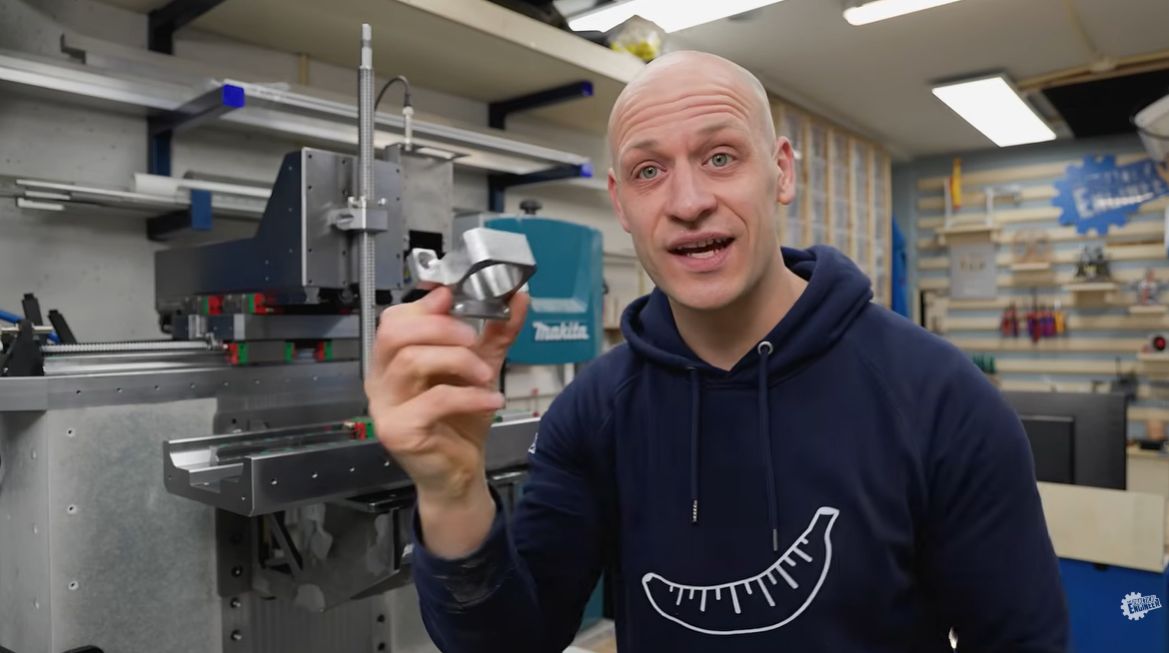

The 1-Millimetre Fix: How One Custom CNC Part Saved My 5-Axis Build
Machine Building
CNC Machining
Prototyping
Read Story
Building a CNC machine from scratch is full of moments where you find out whether your design actually works, or whether it only worked inside CAD. In the world of custom machine building, the transition from a digital model to physical assembly is rarely seamless. This was one of those moments.
Read Story
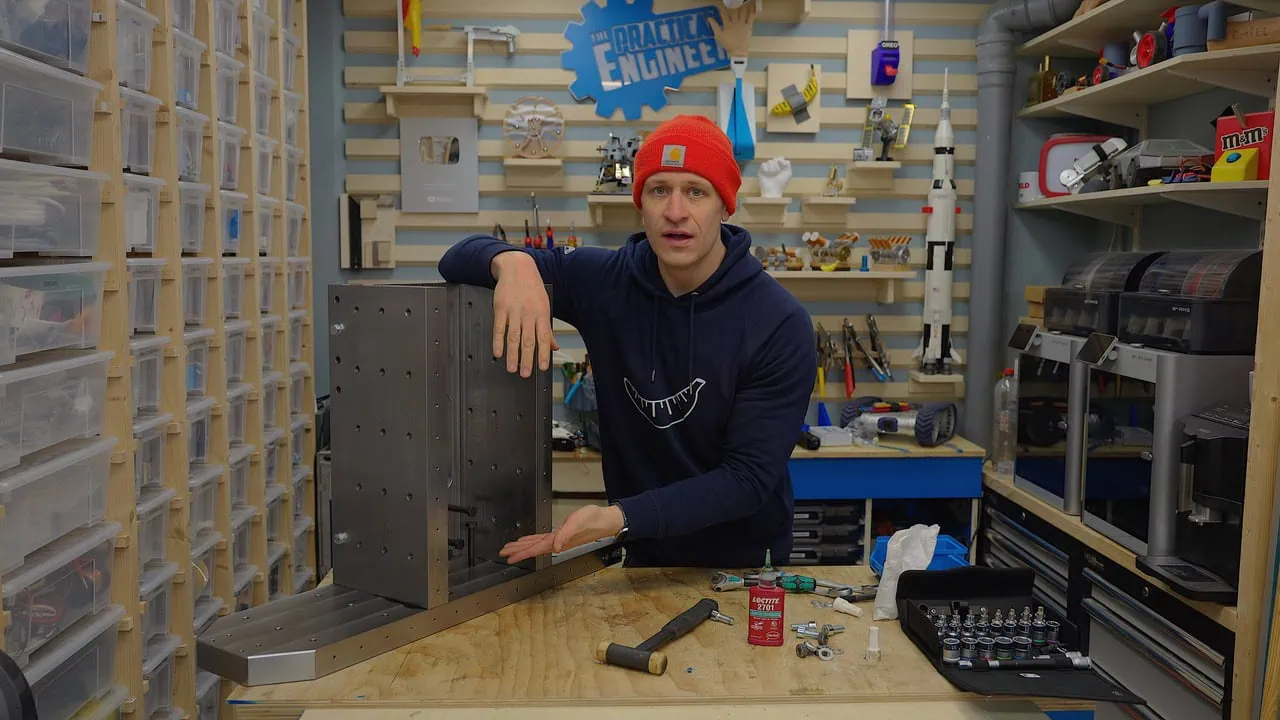
From Desktop Dreams to 400kg of Steel and Concrete: Building a High-Rigidity 5-Axis CNC
Machine Building
CNC Machining
Prototyping
Read Story
In the world of custom machine building, I’ve found there is a constant tug-of-war between theoretical performance and physical reality. As "The Practical Engineer," I dedicated this project to creating a 5-axis CNC machine that prioritizes rigidity over sheer speed.
Read Story
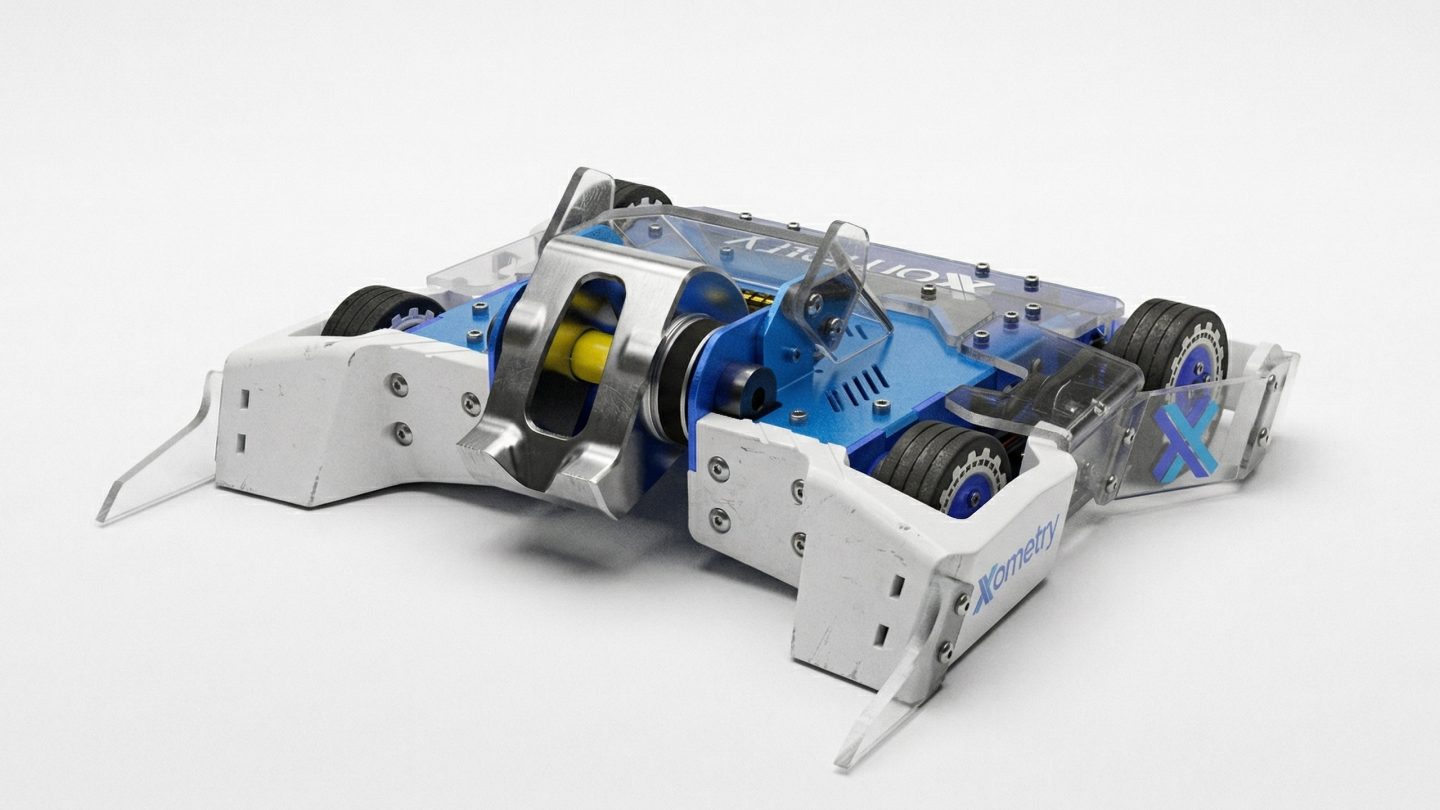
Torx Robot: The Story Behind Accu’s Engineering and Xometry’s Precision CNC Machining
Robotics
Machine Building
CNC Machining
Prototyping
Read Story
Go behind the scenes for the development of Torx: the combat robot built by Accu for FightFest 2026, with CNC machining support from Xometry. Explore the journey from the drawing board to the arena, showing how a combat robotics project takes shape, and see how Torx went on to win the official FightFest Championship trophy.
Read Story
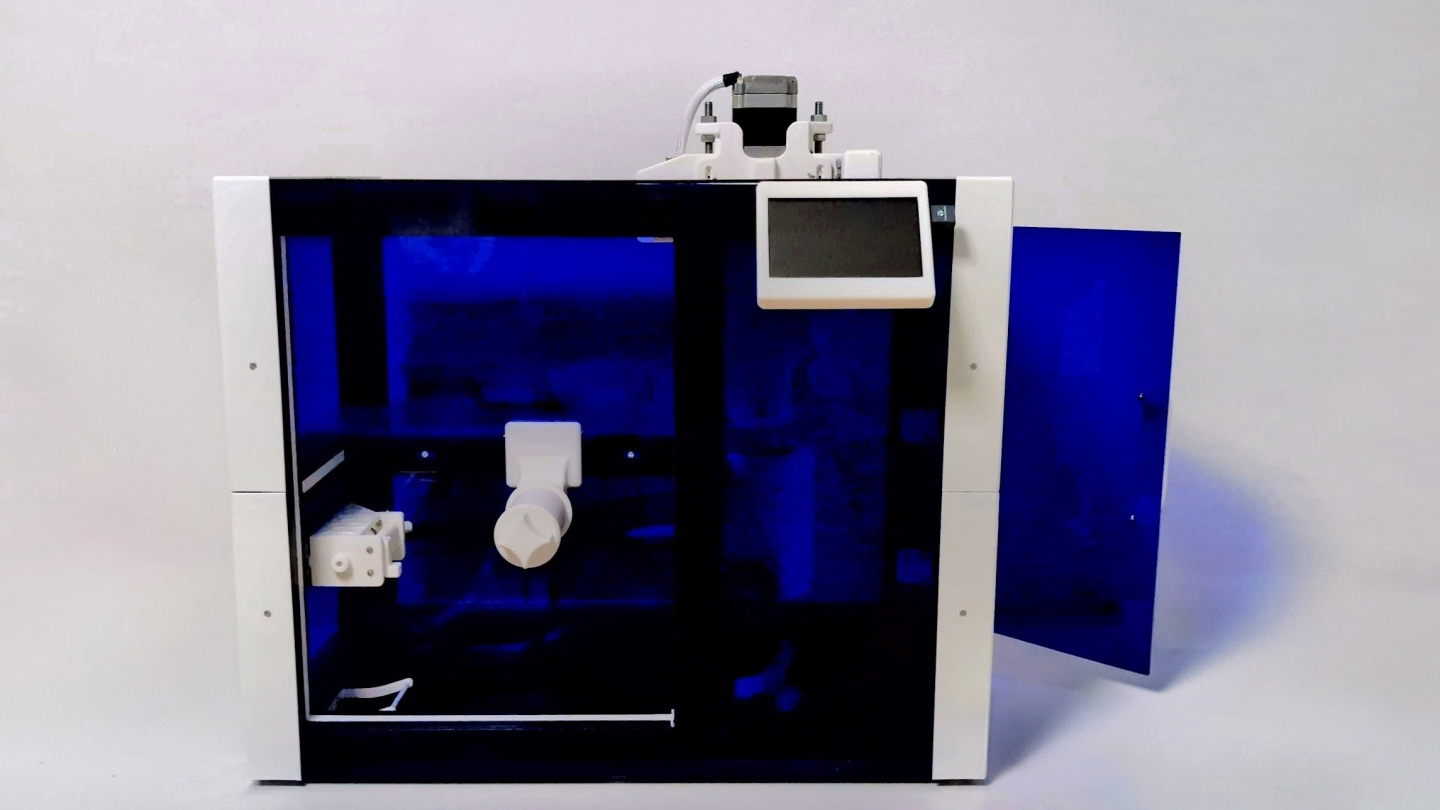

The Rethink of 3D Printing Waste and the Next Chapter of the Desktop Filament Recycler Story
Machine Building
3D Printing
CNC Machining
Prototyping
Read Story
By using agile testing and redesigning a double-sided support to resolve motor deformation and calibration challenges, the TGM student team successfully turned 3D printing waste into high-quality PLA filament.
Read Story
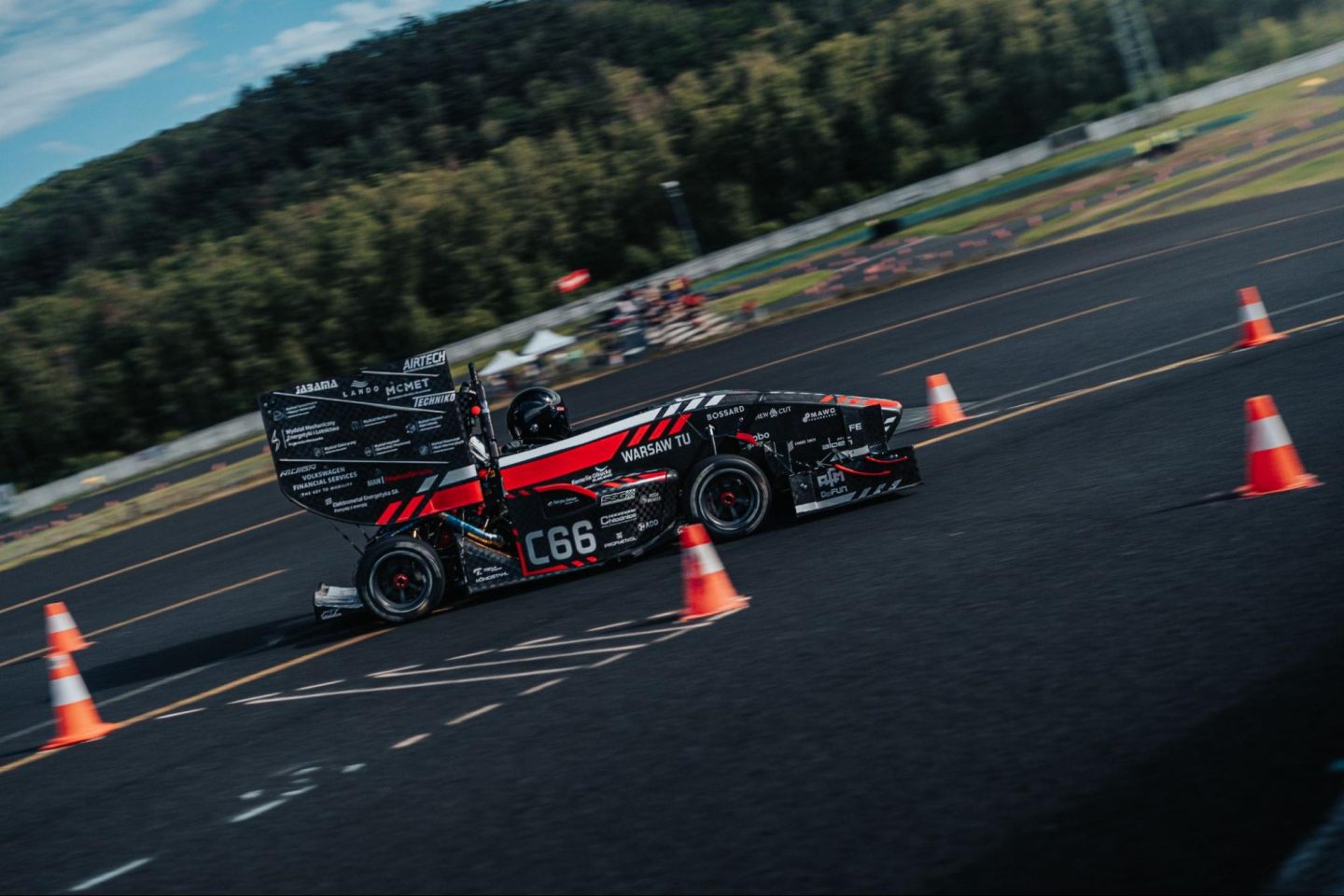

Inside the Engineering of the WUT-7 for Lightweight Performance
Automotive
CNC Machining
Prototyping
Read Story
Through topology optimization, refined kinematics, and a custom steering system, the WUT Racing team from Warsaw University of Technology reduced the weight of key WUT-7 components by over 50%, bringing their ultra-lightweight design from concept to track via precision manufacturing.
Read Story