ASAT Rocketry from Aristotle University of Thessaloniki built Andromeda, a high-power rocket reaching 4,076m at EuRoC 2022. With Xometry's CNC machining and 5-axis capabilities, they produced aluminum 6061 bulkheads and retainers for structural support and parachute separation mechanisms, meeting tight ISO tolerances.
Industry
Aerospace
Country

Greece
Use case
PrototypingR&D
Technology
CNC Machining
Materials
Aluminum 6061
Product
Andromeda high-power student rocket

working with Xometry was exceptional because of the strict adherence to deadlines throughout the entire manufacturing process.
ASAT was founded in 2015 and is the first student team of its kind at the Aristotle University of Thessaloniki in Greece. The team currently has more than 60 members from different academic backgrounds working on two main disciplines — Aeronautics and Rocketry.
Andromeda: a High-power Rocket Designed by ASAT
One of the Rocketry team’s main goals is to design, manufacture and launch high-power rockets, thus introducing rocket science to Greece and its academic community. Six rockets have been designed since the ASAT Rocketry Department was established, including the latest one — Andromeda, a high-power rocket incorporating a deployable payload.
The team is proud to have participated in major international rocketry competitions for students, including the Spaceport American Cup (S.A.C.) and the European Rocketry Challenge (EuRoC). While at EuRoC 2022 in Portugal, Andromeda performed two successful launches and recoveries, reaching 3,446m and 4,076m with two types of motors. “The success of this mission makes this project extremely special, not only to us, but the whole academic society in Greece, as we managed to complete it at such high altitudes,” shares Koutsouras.
In-house Design Process and Simulating Flight Conditions
The team began by formulating scientific goals, creating a conceptual design and performing initial computer simulations to prove its hypotheses.
Since the legislation in Greece doesn’t allow test launches of the rocket on high altitudes, the team first had to get measurable data for passing all of the protocols before starting manufacturing and assembling parts. The team also needed to perform mathematical calculations to individually validate all rocket systems.
Before the official launch, the rocket had to pass numerous tests simulating real conditions as closely as possible. These tests include parachute dropping and testing all of the mechanisms used. This all had to be successfully completed before preparing for the competitions in Portugal and the USA where they could finally test the rockets in real conditions.
Challenges of the Aerospace Industry and Sourcing CNC Machined Parts With Xometry
For the Andromeda rocket, ASAT needed to source parts with very specific tolerances, materials and properties. Many of these parts have to withstand harsh aerospace conditions and resist extreme stress levels because of the supersonic speed that the rocket can reach.
ASAT Rocketry used Xometry to manufacture several specific components, including the parts for critical systems like the rocket’s bulkheads that provide structural support. They are the components that join composite tubes and the frame of the rocket, as well as part of a bigger assembly of the parachute separation mechanisms.

One of the main challenges for the team was the tight tolerances (ISO 2768 (fine) or ISO 286 (grade 6)), as certain parts required a very specific calibration of the machine to be able to accurately manufacture rotational dimensions. This is precisely where Xometry made the difference compared to local Greek providers – Xometry uses its extensive network to find the right manufacturing partner with the capabilities to produce the complex parts.
Furthermore, Koutsouras admits that in the aerospace field many hours are dedicated to optimising parts from a strength-to-weight ratio point of view. “Parts that were manufactured by Xometry are an excellent example of this, as optimising the weight of these parts was crucial to be able to send the whole vehicle into targeted apogee with a limited weight.“ Along with the optimisation tool developed by the Rocketry team, this helped reduce the total weight of the structural components by approximately 2.5 kilograms.

The Andromeda rocket parts were manufactured using 5-axis CNC machines and were made from aluminum grade 6061, which is used in aerospace applications thanks to its corrosion- and stress-resistant properties. Koutsouras notes that Xometry’s wide range of alloys was extremely helpful.
He also states that working with Xometry was exceptional because of the strict adherence to deadlines throughout the entire manufacturing process: “The shipping times were amazing. This was an extremely important aspect for us because we only had two weeks or so before we had to travel to Portugal.”
Lastly, he adds that the Instant Quoting Engine makes the life of engineers much easier and the order process that once took days or even weeks, now just takes a couple of minutes. He also cites the huge capabilities available via the platform as being extremely useful for his applications.
Looking Into the Future of Aerospace Engineering
The ASAT Rocketry Department continues to develop at light speed, pursuing its existing goals and setting new ones. Koutsouras also shared with us that his team is continuing to optimise the Andromeda rocket’s performance by working on the apogee. In the near future, the team will also develop more complex and more powerful rocket engines for higher altitudes and larger cargo capacities. There are even plans to develop an autonomous parts landing system for the rocket’s payload and even for the rocket itself.
The team is also working on a humanitarian project called Phoenix. It is a solar energy-powered UAV (drone) for monitoring wildfires. The working prototype is estimated to be ready in Q3 2023.
During summer months, Greece faces a high risk of wildfires. Phoenix is designed to help respond to this ecological problem by detecting a fire early and informing the proper authorities about the situation. “We are going to implement machine learning algorithms, trained not only to detect if there is a fire in the forest, but also to monitor its further development in a specific location,” says Koutsouras. Equipped with cameras and an auto-pilot system, Phoenix should work autonomously while detecting the fire and providing updates on the situation.

How Fly-Mi Team Prepares a Cargo UAV for the Air Cargo Challenge
Aerospace
CNC Machining
Prototyping
Read Story
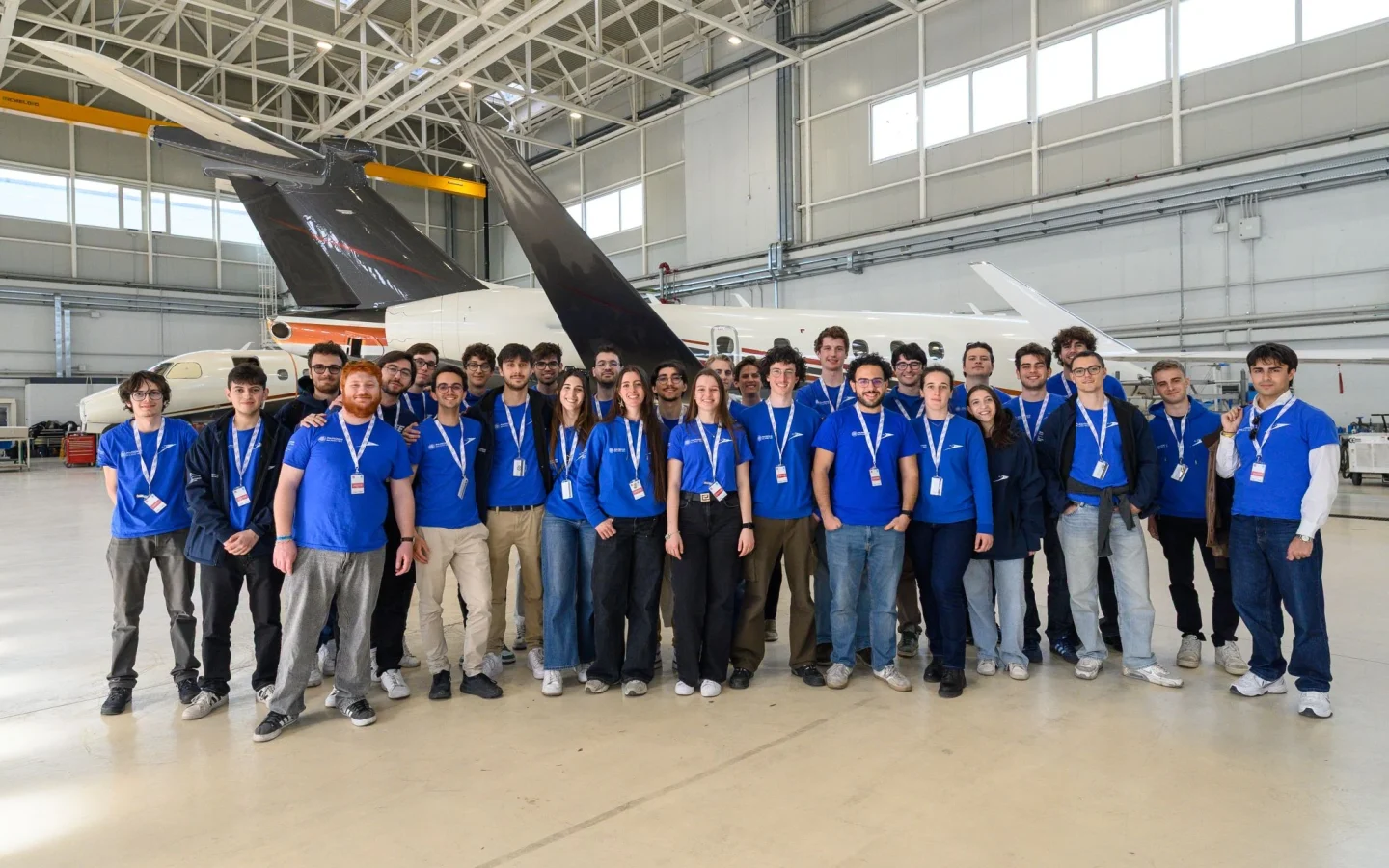
Preparing for the 2026 Air Cargo Challenge, the Fly-Mi team is developing Heméra, a fixed-wing UAV designed for maximum payload transport. This project integrates advanced aerodynamics, structural FEM analysis, and precision-engineered aluminum tooling to create a twin-motor aircraft capable of reaching flight speeds of 35 m/s.
Read Story
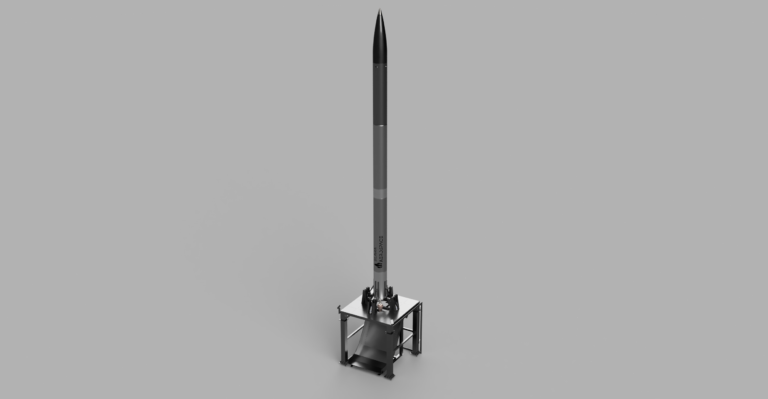

From Tunneling to the Stars – How Elara Aerospace Is Advancing Suborbital Rocket Engineering in Europe
Aerospace
CNC Machining
R&D
Read Story
To turn these components into reality, we required high-precision manufacturing with fast turnaround times. Through Xometry, we produced a brass test chamber for our injector experiments, machined to the specifications needed for our early-stage testing.
Read Story
Xometry Powers AcubeSAT from Prototype to Launch‑Ready Nanosatellite
Aerospace
CNC Machining
R&D
Read Story
At this time, we decisively decided to significantly simplify the design, allowing it to achieve higher precision and tolerance control through machining. During the redesign process, we realized that we needed to find a partner capable of manufacturing high-precision prototype parts—so we chose Xometry.
Read Story

R&D Efficiency Restored: Xometry Ensures Uninterrupted Supply of Critical Precision Parts
Aerospace
CNC Machining
R&D
Read Story
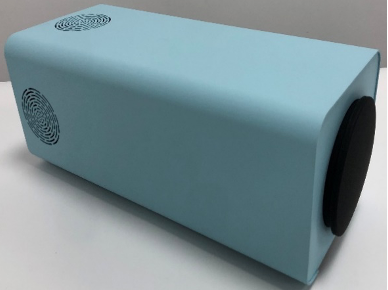
Collaborating with Xometry allows us to concentrate more on our core R&D, saving substantial time and significantly boosting project efficiency.
Read Story
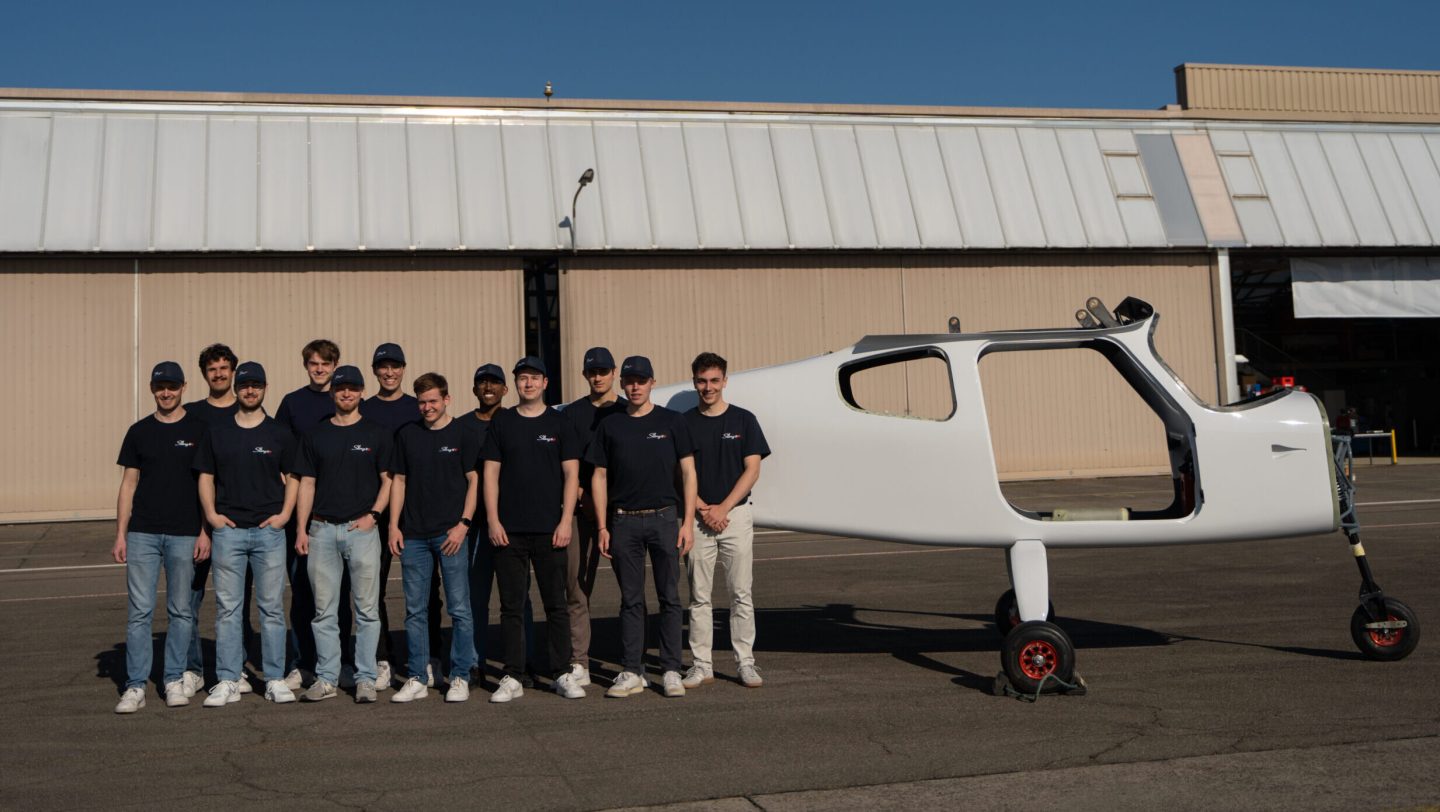

Emission-Free Across the Alps – How Cellsius Is Enabling Hydrogen-Powered Flight
Aerospace
CNC Machining
Prototyping
Read Story
We designed it with maximum strength-to-weight efficiency in mind, combining tight tolerances with complex geometry. Since producing a part this precise was beyond our in-house capabilities, we relied on external manufacturing to bring it to life. Working with Xometry’s digital manufacturing platform proved to be a practical solution. The ordering process was simple, and the part was delivered exactly to spec, which helped us stay on schedule and move forward with system integration.
Read Story
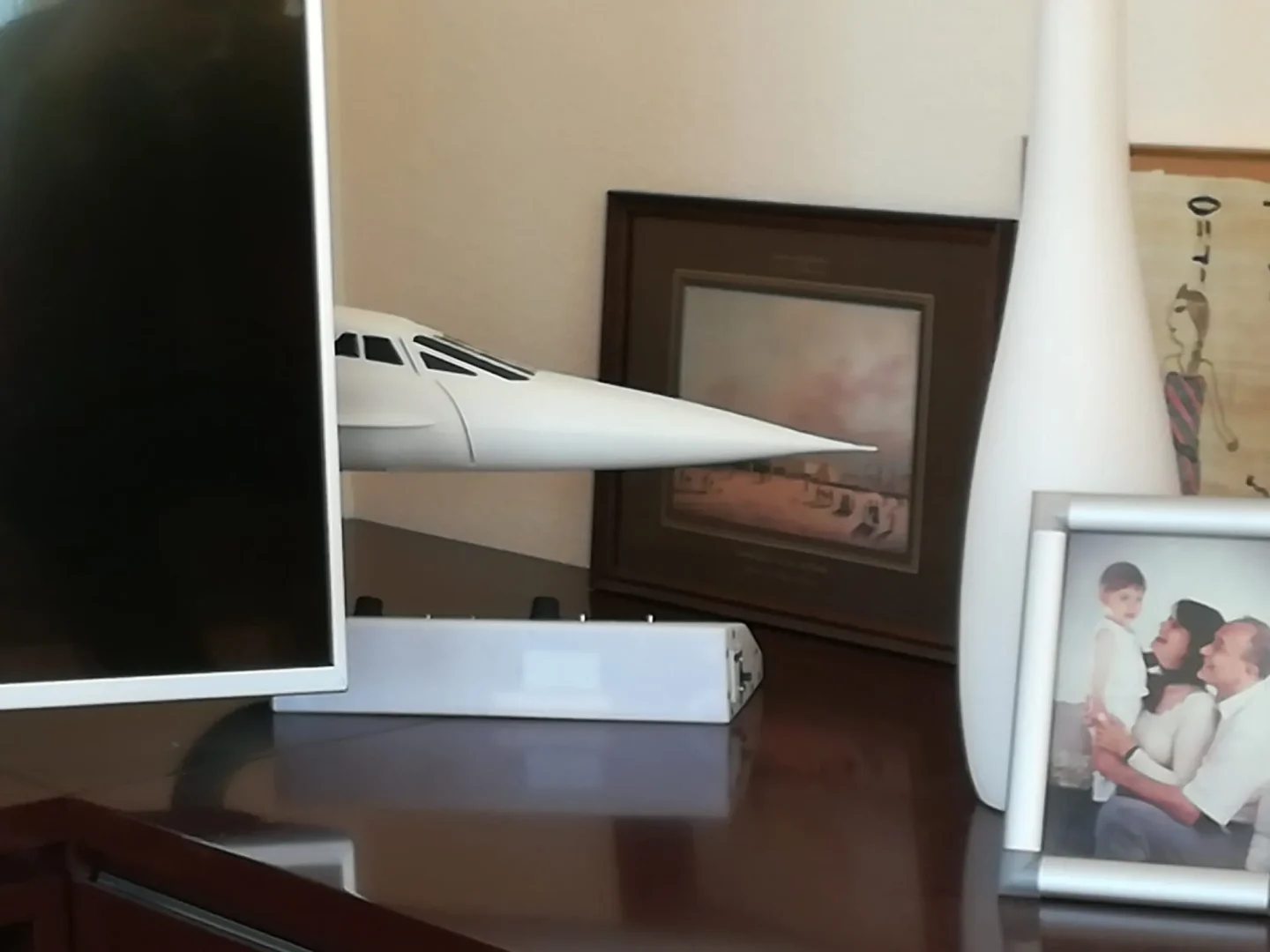
Engineering the Concorde Nose Mechanism: A Tribute to Aerospace Design
Aerospace
3D Printing
Prototyping
Read Story
For the physical prototype, I selected Selective Laser Sintering (SLS) using PA12 nylon. This combination offered the durability and dimensional accuracy I needed, while being light enough to preserve the model’s integrity and strong enough to handle repeated use. I ordered the parts through Xometry’s on-demand manufacturing service, which allowed me to test my designs without investing in a printer or tooling—a crucial advantage when working with small volumes and evolving prototypes.
Read Story
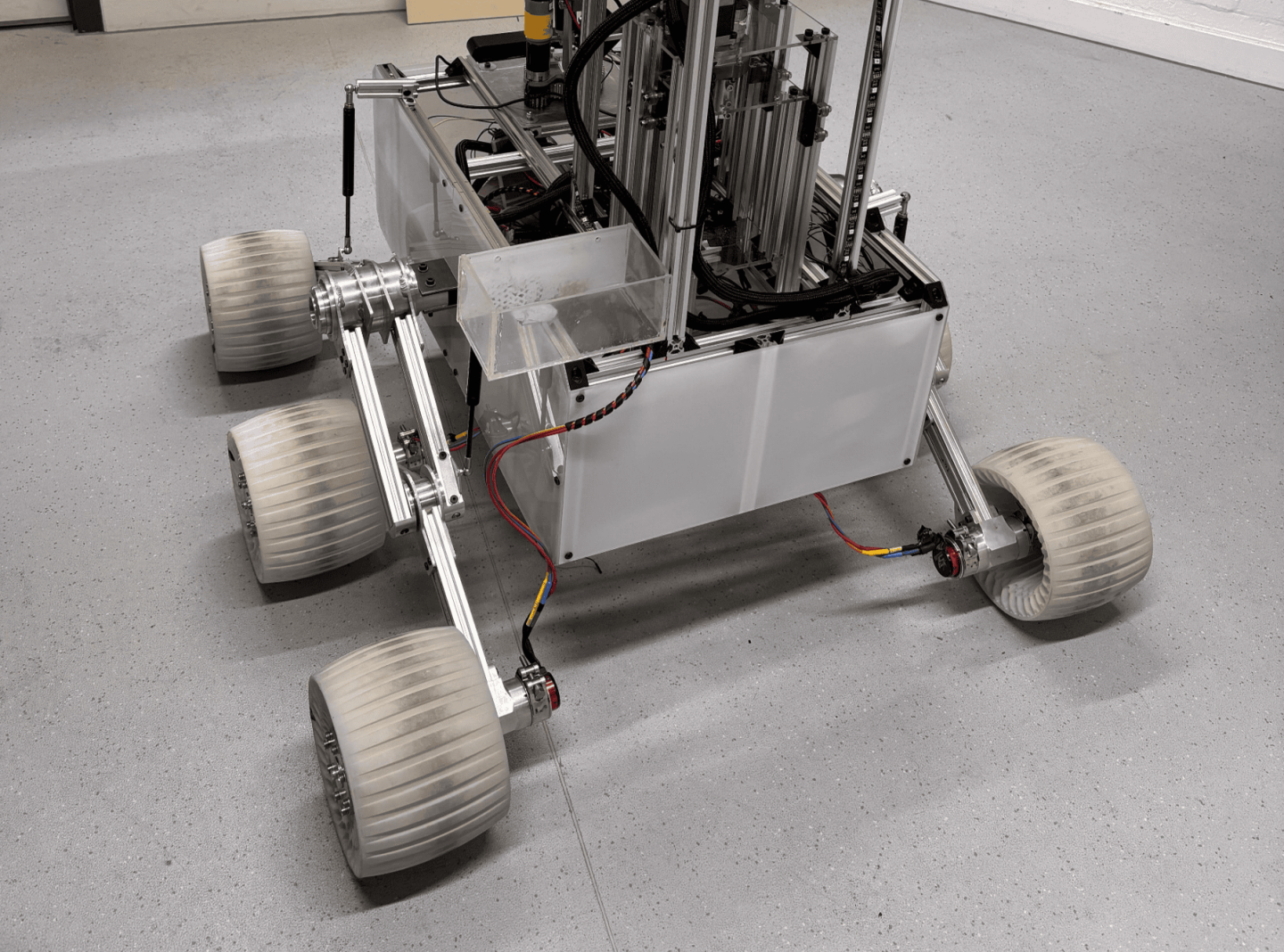

Reinventing the Wheel for Mars: How We Engineered a Flexible Airless Tyre
Aerospace
3D Printing
Prototyping
Read Story
UCL Racing's Mars Rover team developed an airless flexible wheel for the European Rover Challenge, competing on a simulated Martian surface. With Xometry's SLS 3D printing and engineering feedback, they produced six wheels from EOS TPU 1301 (Shore 86A) with a radial honeycomb lattice structure. The final design meets 220mm diameter and 120N load requirements, featuring symmetric tread pattern and integrated motor mount.
Read Story
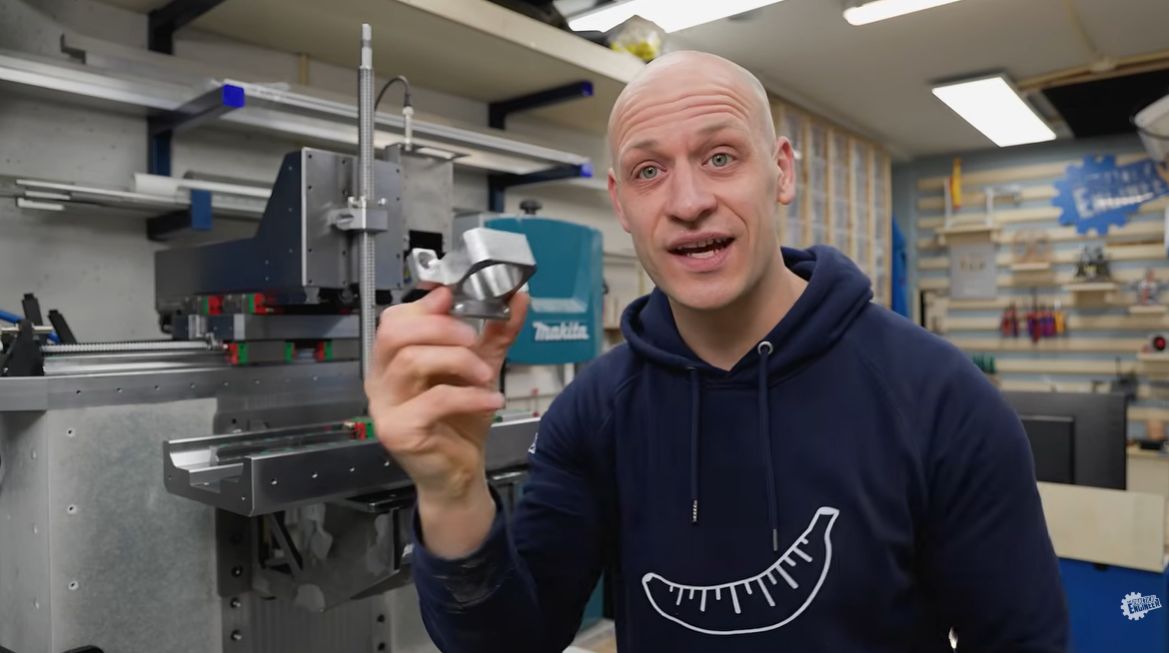

The 1-Millimetre Fix: How One Custom CNC Part Saved My 5-Axis Build
Machine Building
CNC Machining
Prototyping
Read Story
Building a CNC machine from scratch is full of moments where you find out whether your design actually works, or whether it only worked inside CAD. In the world of custom machine building, the transition from a digital model to physical assembly is rarely seamless. This was one of those moments.
Read Story
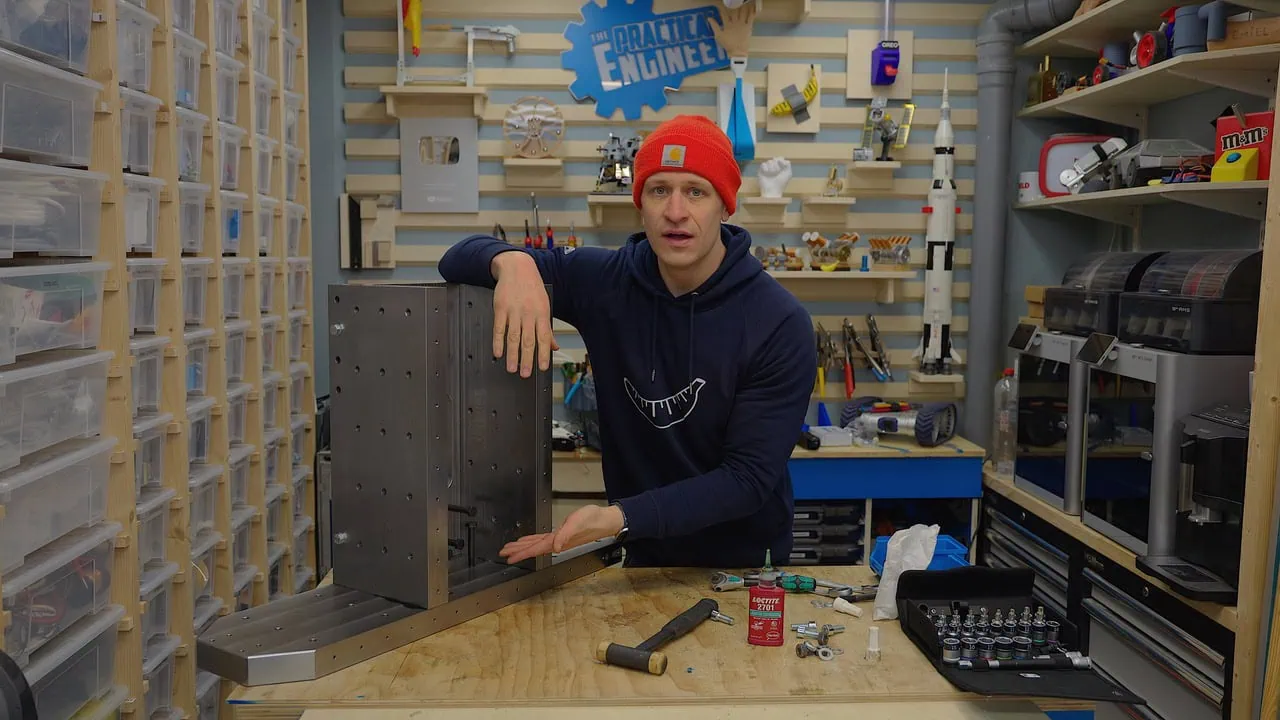
From Desktop Dreams to 400kg of Steel and Concrete: Building a High-Rigidity 5-Axis CNC
Machine Building
CNC Machining
Prototyping
Read Story
In the world of custom machine building, I’ve found there is a constant tug-of-war between theoretical performance and physical reality. As "The Practical Engineer," I dedicated this project to creating a 5-axis CNC machine that prioritizes rigidity over sheer speed.
Read Story
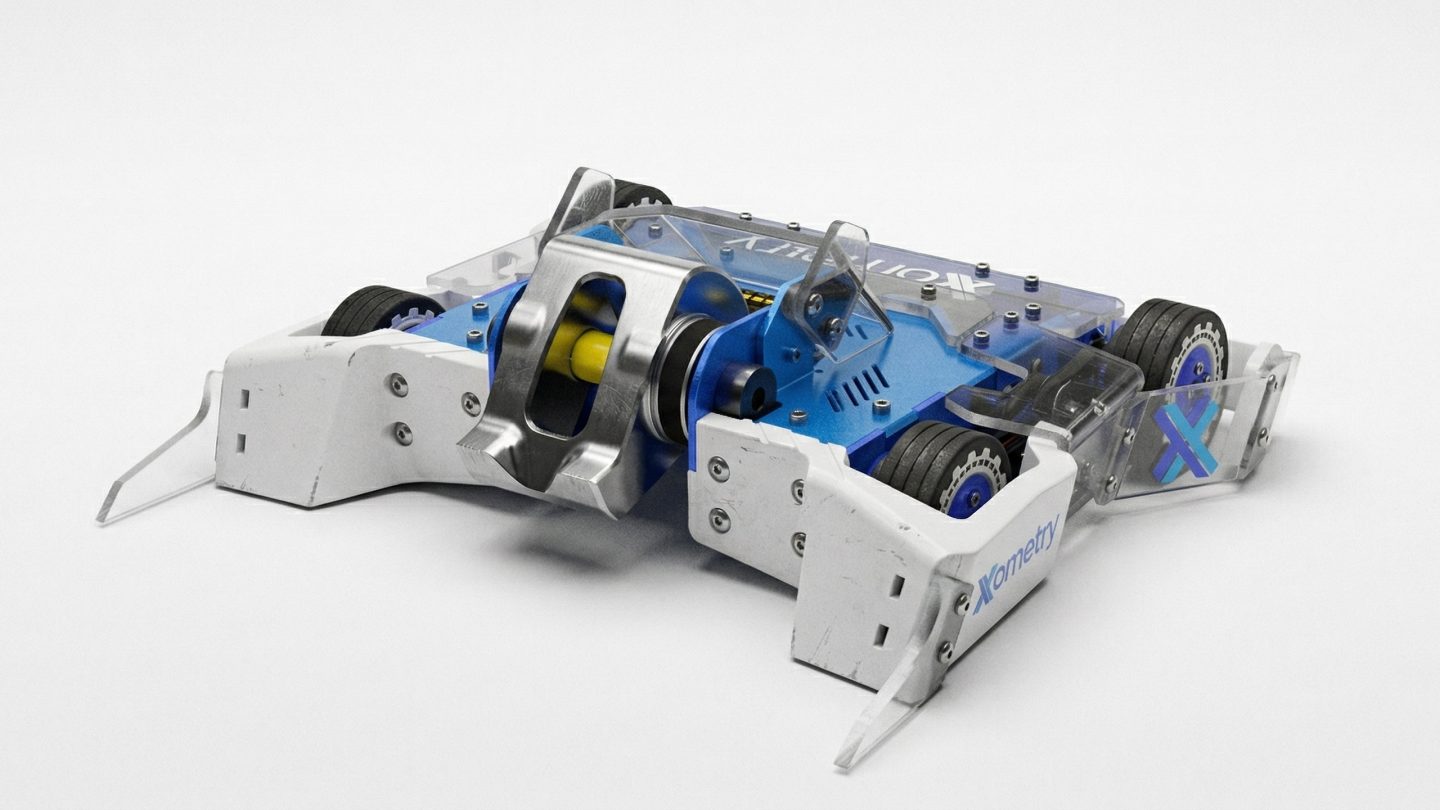
Torx Robot: The Story Behind Accu’s Engineering and Xometry’s Precision CNC Machining
Robotics
Machine Building
CNC Machining
Prototyping
Read Story
Go behind the scenes for the development of Torx: the combat robot built by Accu for FightFest 2026, with CNC machining support from Xometry. Explore the journey from the drawing board to the arena, showing how a combat robotics project takes shape, and see how Torx went on to win the official FightFest Championship trophy.
Read Story
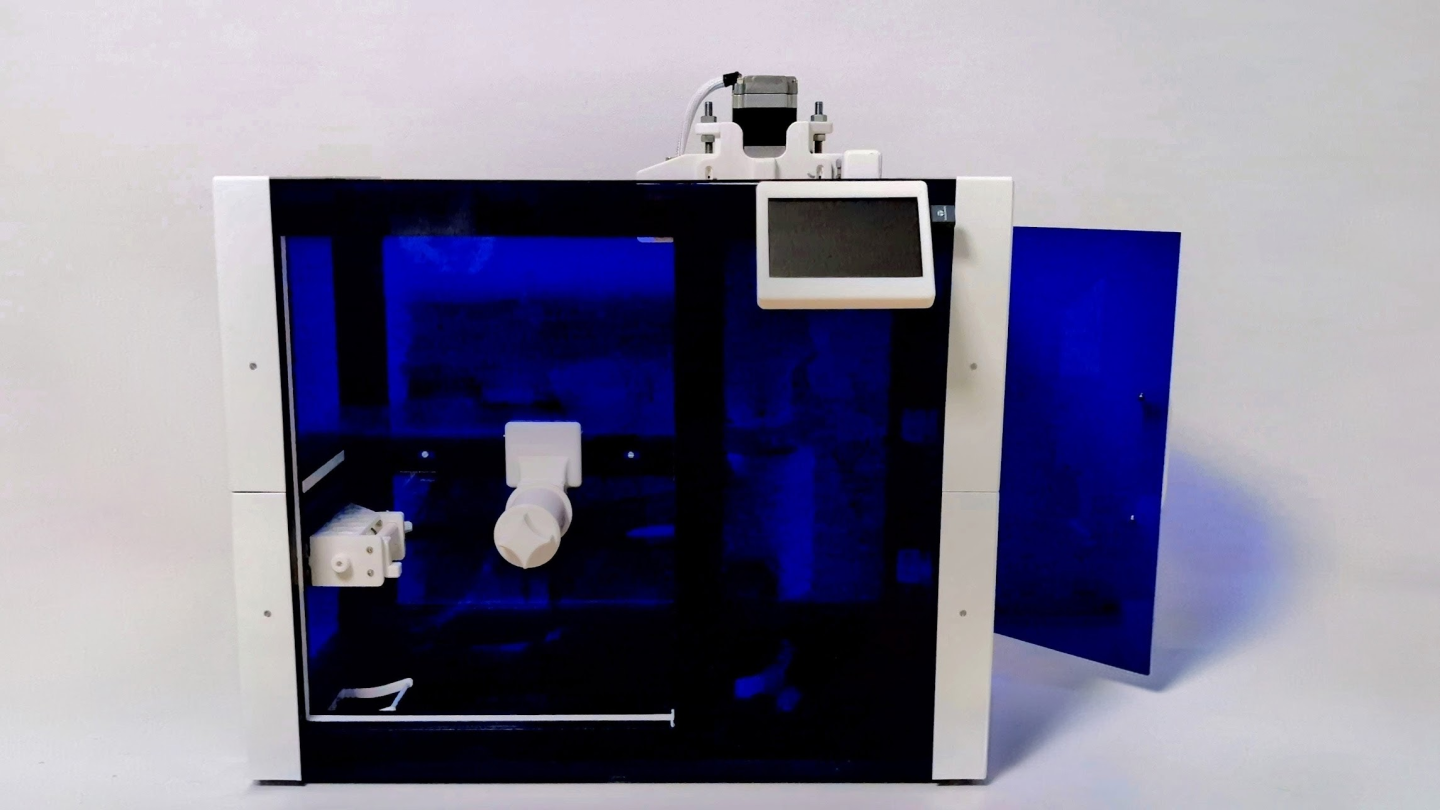

The Rethink of 3D Printing Waste and the Next Chapter of the Desktop Filament Recycler Story
Machine Building
3D Printing
CNC Machining
Prototyping
Read Story
By using agile testing and redesigning a double-sided support to resolve motor deformation and calibration challenges, the TGM student team successfully turned 3D printing waste into high-quality PLA filament.
Read Story
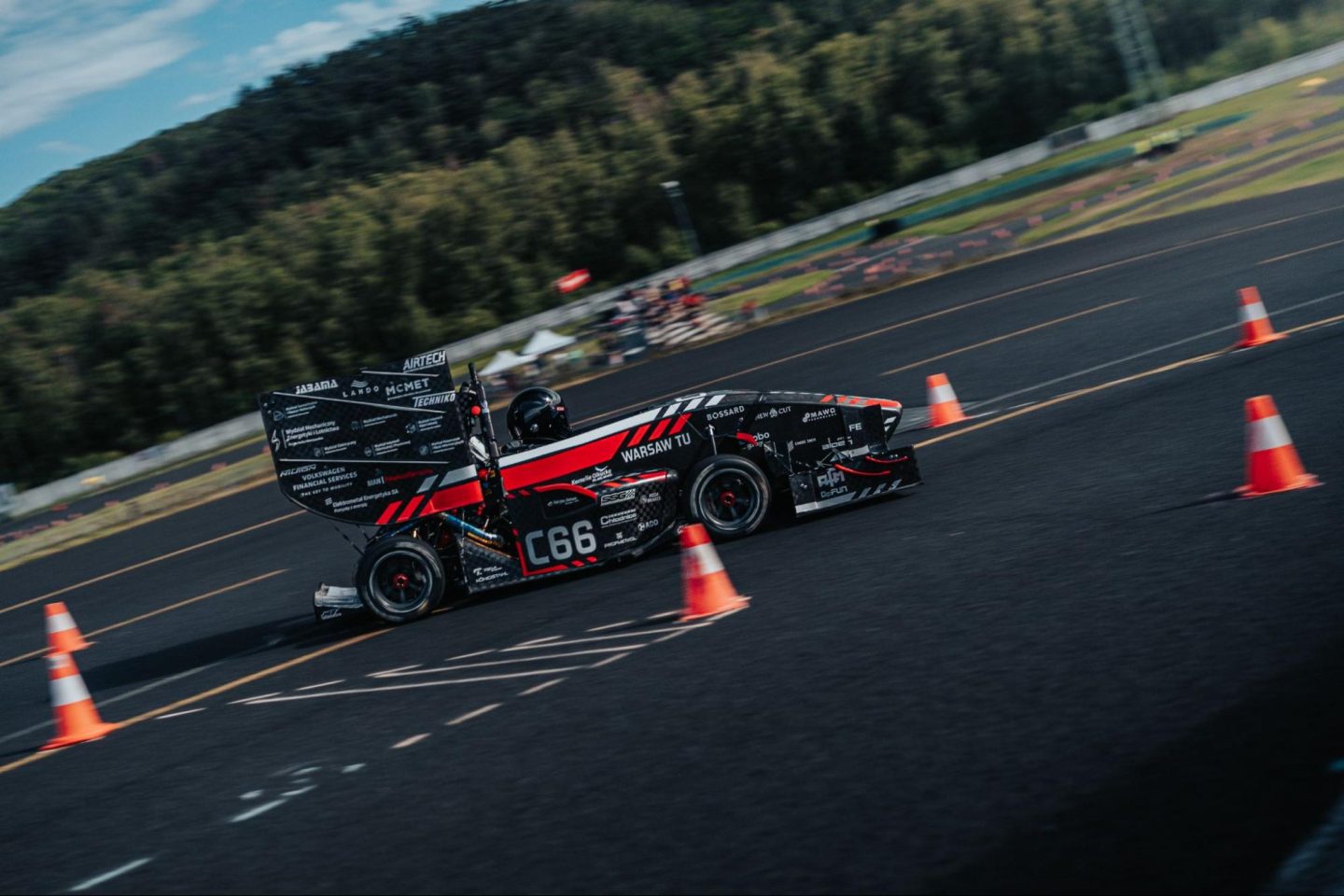

Inside the Engineering of the WUT-7 for Lightweight Performance
Automotive
CNC Machining
Prototyping
Read Story
Through topology optimization, refined kinematics, and a custom steering system, the WUT Racing team from Warsaw University of Technology reduced the weight of key WUT-7 components by over 50%, bringing their ultra-lightweight design from concept to track via precision manufacturing.
Read Story