Industry
ElectronicMachine Building
Country

Greece
Use case
ProcurementPrototypingR&D
Technology
3D PrintingCNC Machining
Product
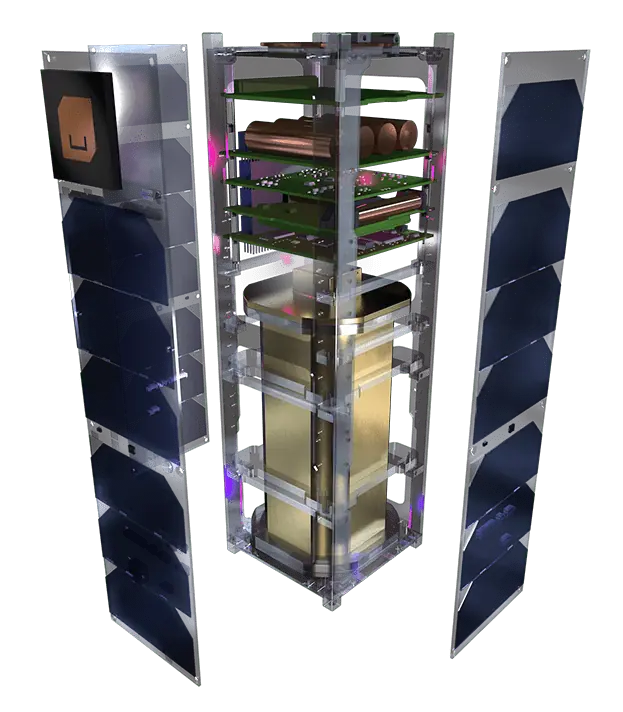
AcubeSAT nanosatellite — designed for biological experiments in space, featuring a microfluidic Lab-On-a-Chip and an antenna deployment module
Xometry is one of the best places to source your parts in aerospace engineering.
- Industry: Aerospace manufacturing
- Manufacturing processes used: CNC machining and 3D printing
- Challenge: To source high-quality and light-weighted parts with suitable materials for the industry
- Solution: The large capacities of Xometry’s network and the instant quoting engine made the sourcing process much faster and easier to manage
In 2019, the SpaceDot team from the Aristotle University of Thessaloniki, Greece, took on the challenge of creating a nanosatellite that could be integrated into a small spacecraft by aerospace biology researchers for high-throughput experimentation. As a proof-of-concept, the team wanted to develop this platform and use it to investigate the effects of microgravity and space radiation on yeast cells. And thus, the multidisciplinary AcubeSAT project was born.
The project brought together ambitious students and researchers with backgrounds in STEM and biological sciences. However, the group didn’t have a dedicated space department within their university where they could be guided by experts and be able to run their experiments. That’s why the team participated in a European Space Agency (ESA) program to receive aid in the Aerospace domain. SpaceDot was chosen over lots of other European university teams that wanted to realize a space mission to be part of the third generation of the ESA Education Office program – “Fly Your Satellite 3!”.

AcubeSAT nanosatellite: Where space meets biology
George Pliakis, Project Leader at SpaceDot, explained that SpaceDot had the idea of creating a biological experiment in a nanosatellite after realising that less than 10 out of 2,500 spacecrafts sent into space were destined to study a system of biological nature, mainly because of the challenge it represents.
The nanosatellite has an in-house built, pressurised vessel containing a microscopic Lab-On-a-Chip. This rectangular-shaped block has a lot of intricate and interconnected channels that precisely control the delivery of the liquid at a micro scale. The chip included 100 small rooms hosting yeast cells with a similar DNA structure to human cells.
Angelos Mavropulos, the coordinator of the satellite’s structural subsystem, explains that the experiment relies on the microfluidic chip – a device used in studies in which the channels forming the chip are connected together to allow fluids to pass through.
The microfluidic chip will allow the team to examine the effects of radiation and microgravity conditions in low Earth orbit on the cells. Each cell contains one specific protein whose production level and evolution will be observed. In the meantime, the cells will be illuminated by a ring-shaped LED PCB shedding blue light. The higher the production level of the protein, the more fluorescent the cells will be in response to the light.

“The whole thing is actually pretty simple,” states Mavropulos. “We added a high-performance camera that takes pictures of these cells. It allows us to see how much the cells fluoresce and to draw conclusions after a couple of months,” he adds. The same experiment is actually being run on Earth, with the exact same settings, to be able to compare how the cells are affected by the conditions in space. The experiment will be repeated across three distinct time points throughout the mission lifespan.
A single protoflight model intended for flight
“In the aerospace engineering industry, there are two main approaches. The first one involves having a qualification model and a flight model. The second one involves having a protoflight (portmanteau of “prototype” and “flight hardware”), which is a single model for both qualification and flight,” describes Mavropulos. SpaceDot decided to go for the second approach, as it is a more cost-effective and time-efficient option.
Failure to launch the satellite on their first attempt could have a disastrous effect on the project. However, fully aware of the risks involved, the SpaceDot team manufactured a carbon copy of the satellite that will fly in orbit. The engineering team thoroughly analysed every project detail, from the mechanical parts to the microfluidic chips and the communication system. Afterwards, they started sourcing the different parts and experimenting with environmental conditions.
The most recent test was conducted in late December 2022 in Belgium and was a huge success. This gave them more valuable proof that the AcubeSAT nanosatellite will be able to fly into space.

Strict and traceable working processes
On top of the challenge of managing a remote team, SpaceDot also faced the major challenge of ensuring that all of the satellite’s custom components could actually be produced and fit into the relatively small structure. That’s no mean feat when the satellite has to host computer telecommunications, power supplies, the entire biological lab and structural elements for maintaining the architecture.
“In the aerospace industry, you need to follow the processes that are already in place and make sure whatever we do is repeatable and traceable,” adds Eleftheria Chatziargyriou, the project’s communications subsystem engineer. “This was another big challenge for the AcubeSAT project.”
Rapidly sourcing high-quality parts with Xometry
To ensure full compliance with the part requirements – tight tolerances, suitable materials for the aerospace industry and parts that must be assembled precisely – SpaceDot had to call upon the right providers. And Xometry was one of them.
While local manufacturers didn’t want to take on small projects, the team managed to get all the required components using Xometry’s manufacturing services. “Xometry is one of the best places to source your parts in aerospace engineering,” states Mavropulos.


Xometry’s ability to source aluminium 6082 and PEEK parts used in the antenna deployment module of the satellite was a major attraction for the team. SpaceDot was very satisfied with the metal and plastic components they received. “Our particular mechanism has lots of screws and each of them has to be in the exact right place. If we misaligned one, we would have a problem with the whole assembly line. But everything went smoothly during the test campaign,” says Mavropulos.
Xometry’s Instant Quoting Engine™ was extremely helpful for the team during the design process. All they had to do was upload their 3D designs and technical drawings to the online platform. The AI-based algorithms let them get a quick cost estimate, apply some last-minute changes to the design and update the quote in just a few clicks. “The Xometry team was very quick to respond and helped us check our design,” adds Mavropulos.

Satellite launch planned for 2024
The next big milestone of the AcubeSAT project will be the satellite’s launch in 2024. The whole mission is estimated to last for about a year and a half. This is the time required to collect enough information with the microfluidic chip and the images the team will capture during the experiment.
In the coming months, the SpaceDot team will start to assemble the nanosatellite and go through another round of tests before the big launch.
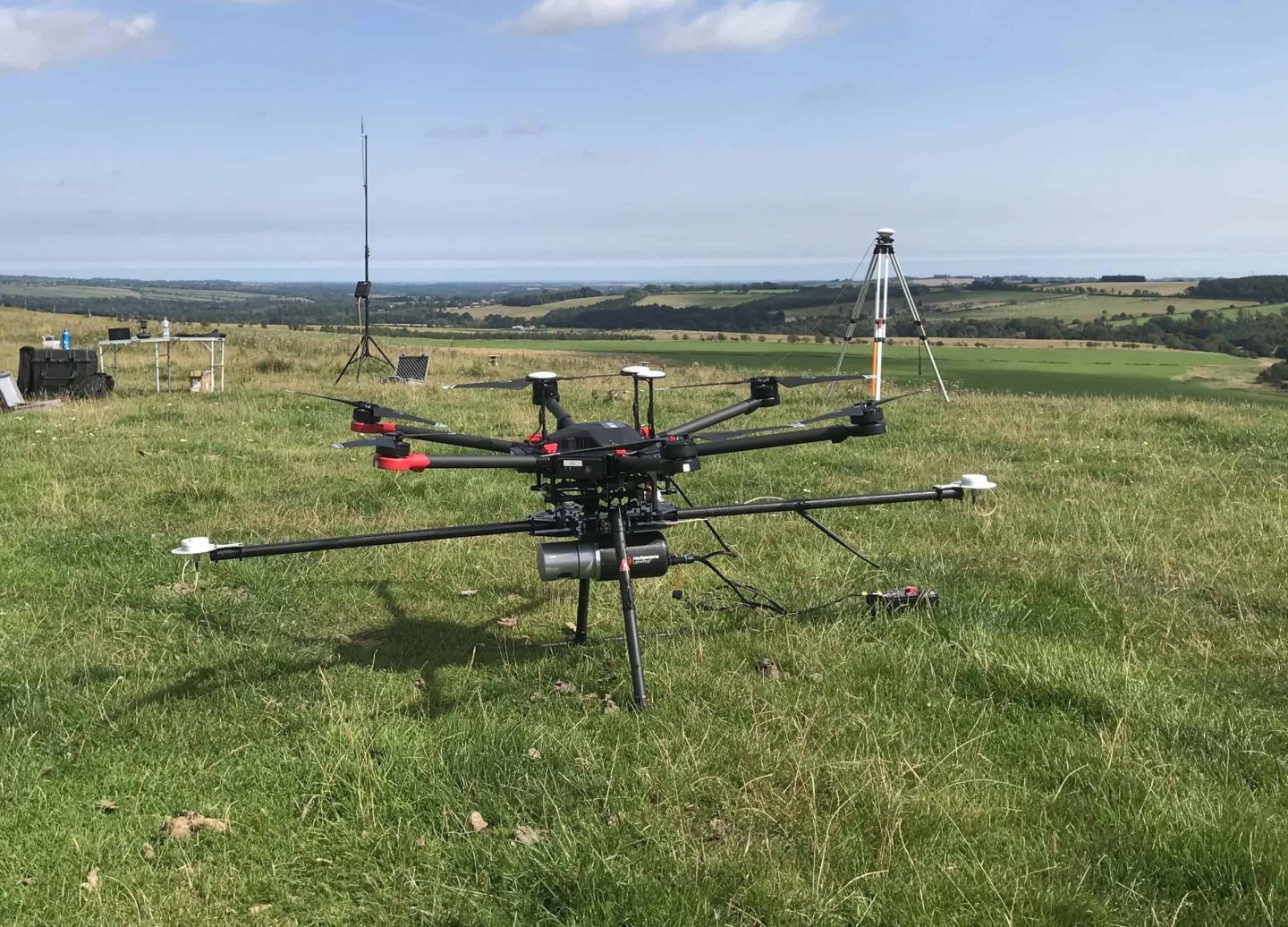

Mapix Leverages Xometry To Manufacture LiDAR Mapping Solutions For Drones
Robotics
Machine Building
Electronic
3D Printing
CNC Machining
Procurement, Prototyping, R&D
Read Story
The communication with Xometry is very good! There is perhaps a misconception that Xometry is a web based service, so you get very little human interaction. This is certainly not the case: we have an account manager assigned to us who is very approachable and responsive.
Read Story
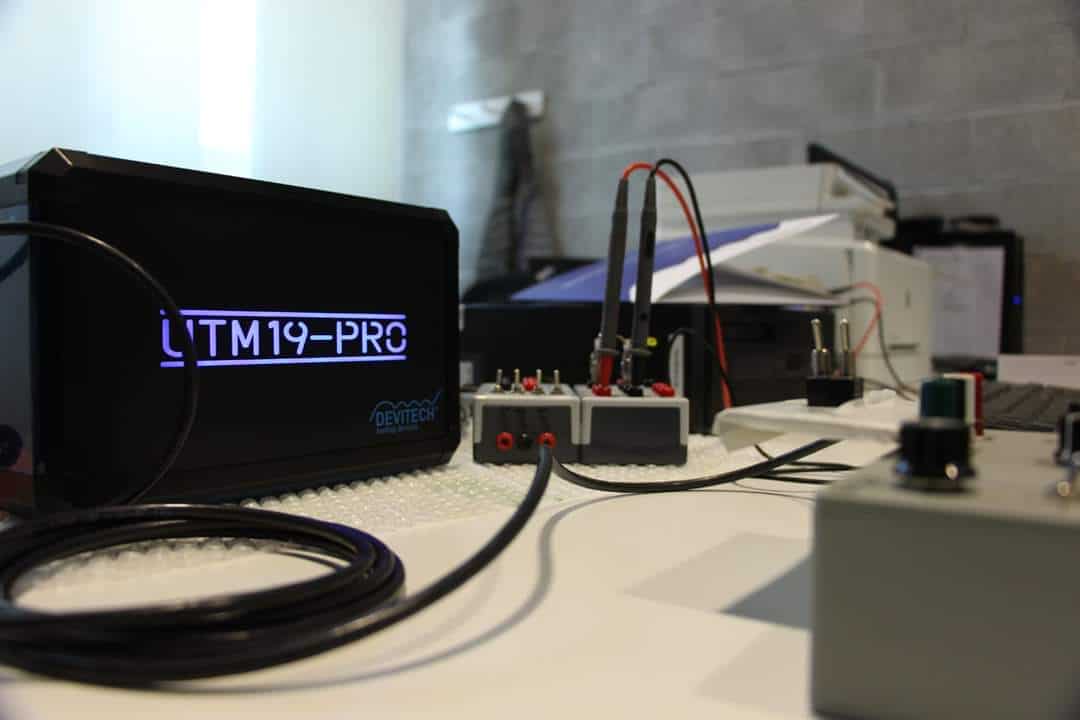

Devitech Chooses Xometry to Breathe New Life Into Test Machines
Machine Building
Electronic
CNC Machining
Procurement, R&D
Read Story
Finding a valid partner in Xometry was crucial for us, both for the parts’ precision and the price/quality ratio. Your service has also been truly valid: the sales department has always been available to solve problems and listen to our requests?
Read Story


Novag and Xometry Partner to Develop Advanced Equipment for Conservation Agriculture
Machine Building
3D Printing
CNC Machining
Injection Moulding
Procurement, R&D
Read Story
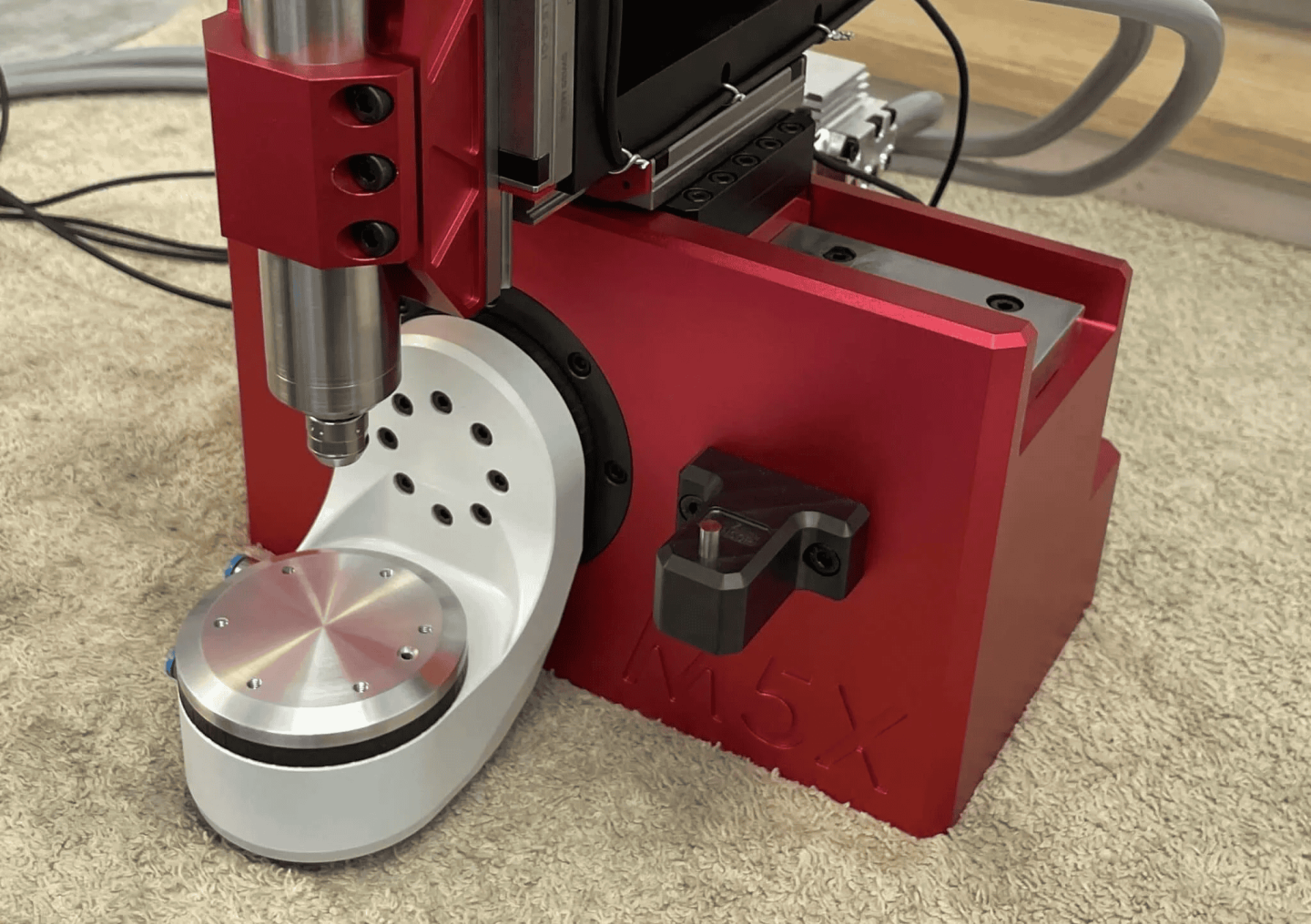
How RC proto Developed a High-precision, Lightweight Micro-milling Machine
Machine Building
CNC Machining
Prototyping
Read Story
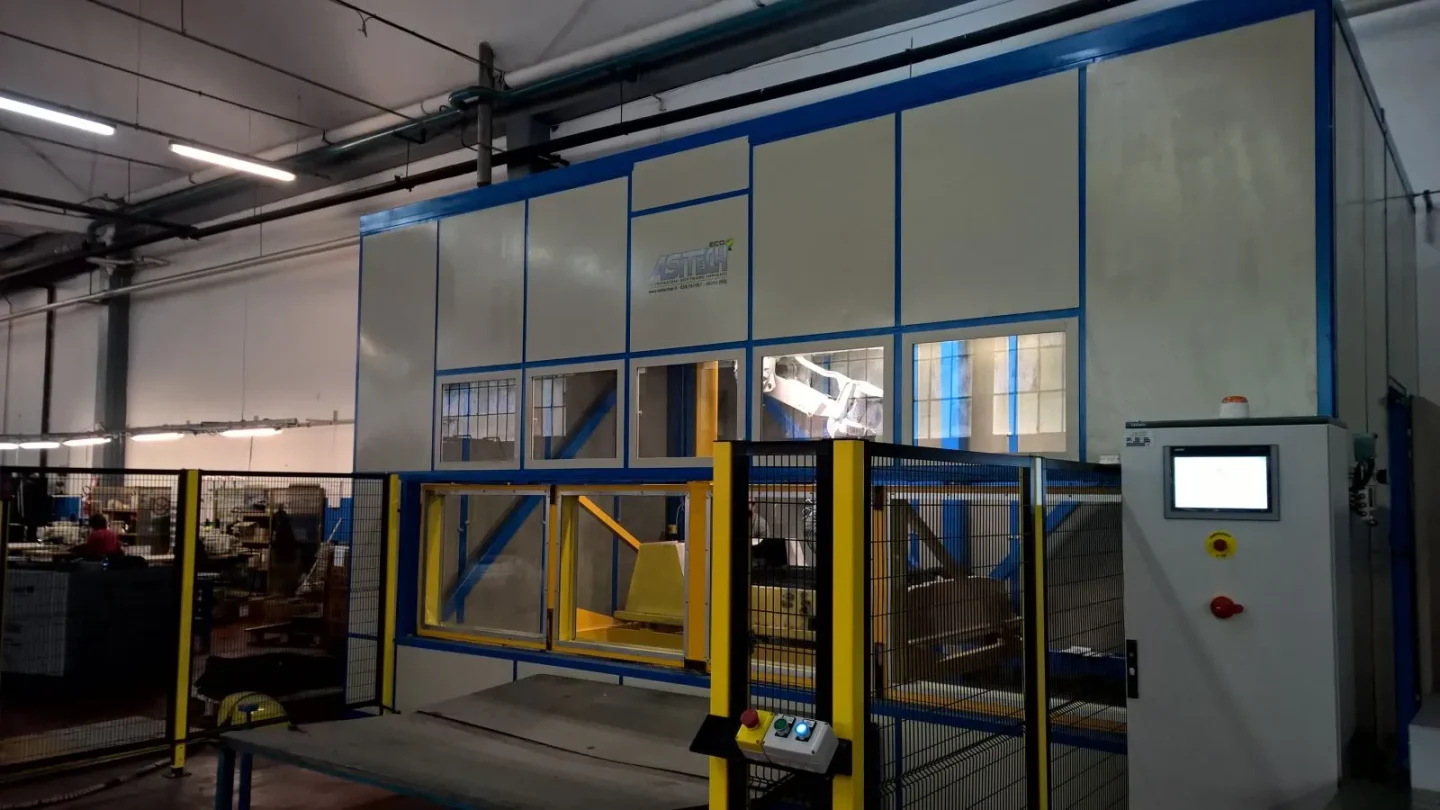
Customized Industrial Plants: Xometry Helps Asitech to Build Machines Quicker
Machine Building
CNC Machining
Prototyping
Read Story
First of all, we very much appreciated the speed of the platform: in zero time, I can get a quote for 1, 10 or 100 pieces, and test how much it might cost to produce with one material over another, which is crucial in the design phase but also to make realistic proposals for our customers. Then of course the relationship with our dedicated agent, to refine the quote and manage testing with different materials.
Read Story

Producing a Silicone Shell Prototype for an Audio Storyteller With Xometry’s Expert Guidance
Consumer Goods
Electronic
Die Casting
Prototyping
Read Story
Instead of letting me simply complete my order as it was, Lison (Xometry’s Sales Leader) contacted me and suggested an alternative solution more suited to my project. It was fast and competitively priced – exactly what I wanted.
Read Story
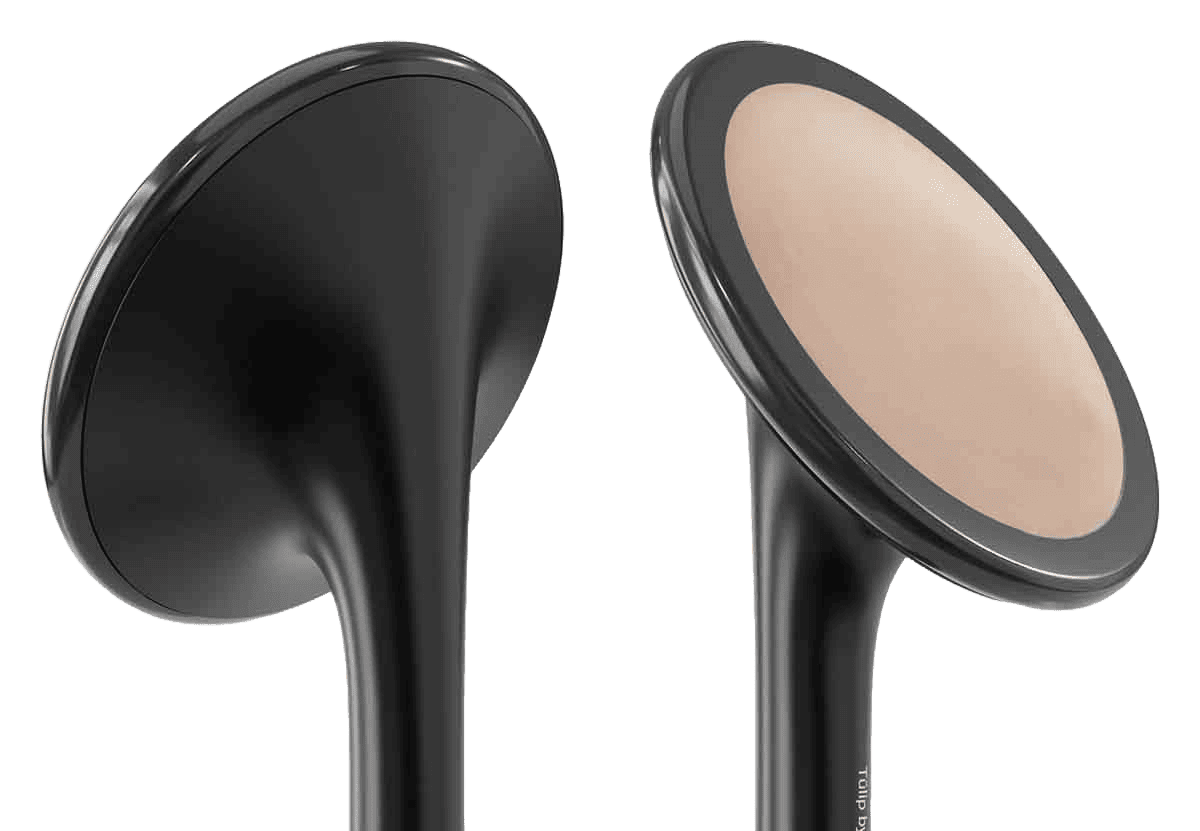

How DocCheck is reinventing and mass-producing medical products with Xometry
Healthcare
3D Printing
CNC Machining
Injection Moulding
Prototyping, R&D
Read Story
If it’s not close enough to the reference model, Xometry is very helpful and we get a new one based on our feedback until we’re completely sure that’s the right quality we want. Xometry is always there to help us and is focused on delivering the best possible solution.
Read Story

Premium E-Scooter Prototype Produced in Rapid Time for Micro Mobility Launch
E-Mobility
3D Printing
CNC Machining
Prototyping
Read Story
There was a noticeable trend of people moving away from buses and trains, instead taking up e-scooters for a sense of freedom and personal space.
Read Story

How Kurs Orbital Builds a Next-Generation Module for Autonomous Docking in Space
Aerospace
3D Printing
Selective Laser Melting
CNC Machining
R&D
Read Story
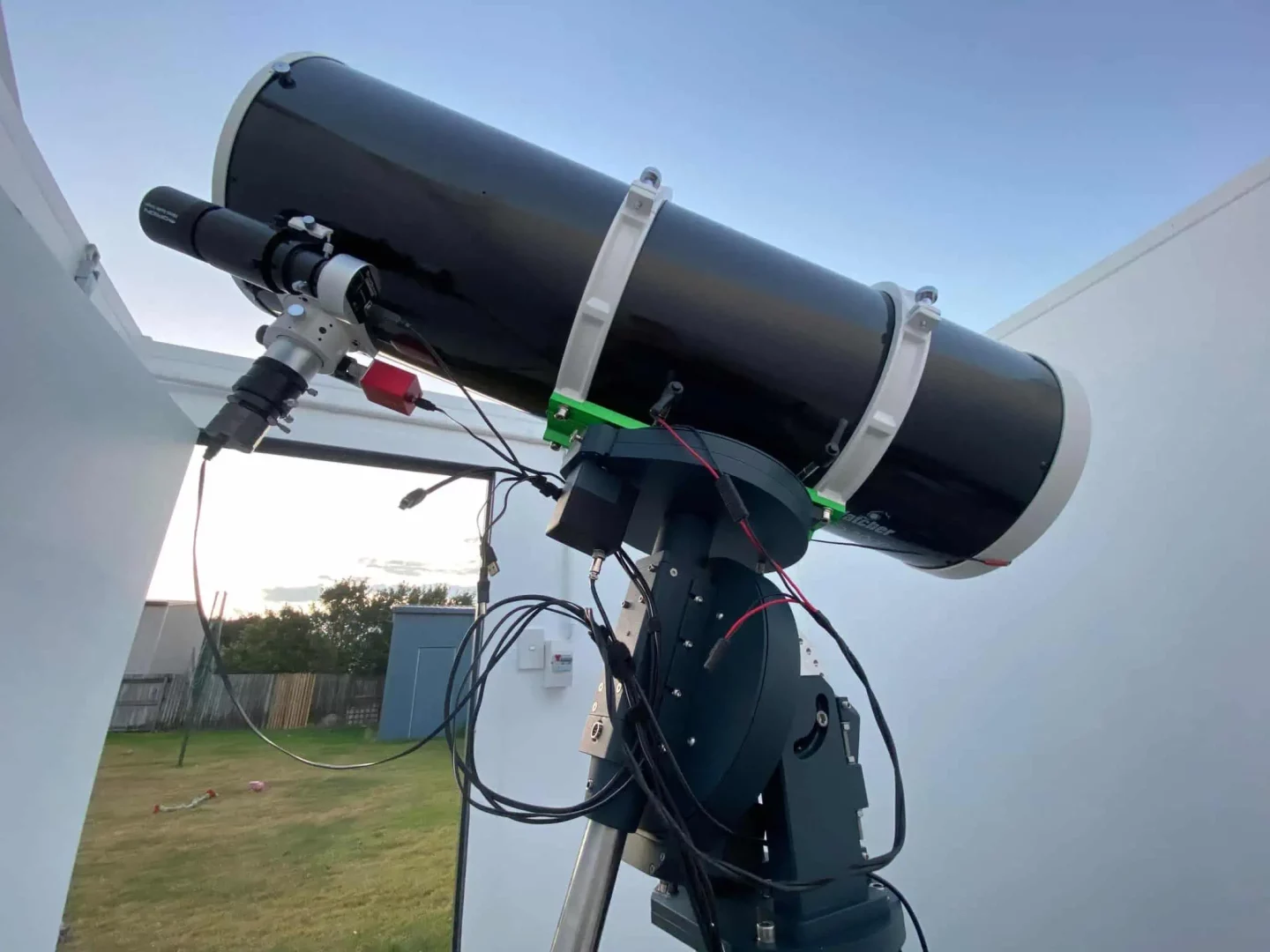
Xometry Enables JTW Astronomy to Produce High-Quality Trident Telescope Mounts
Aerospace
CNC Machining
High-Volume Manufacturing, R&D
Read Story
I was first introduced to Xometry when I worked at a night vision/thermal imaging device company that it supplied parts to and the rest is history.
Read Story
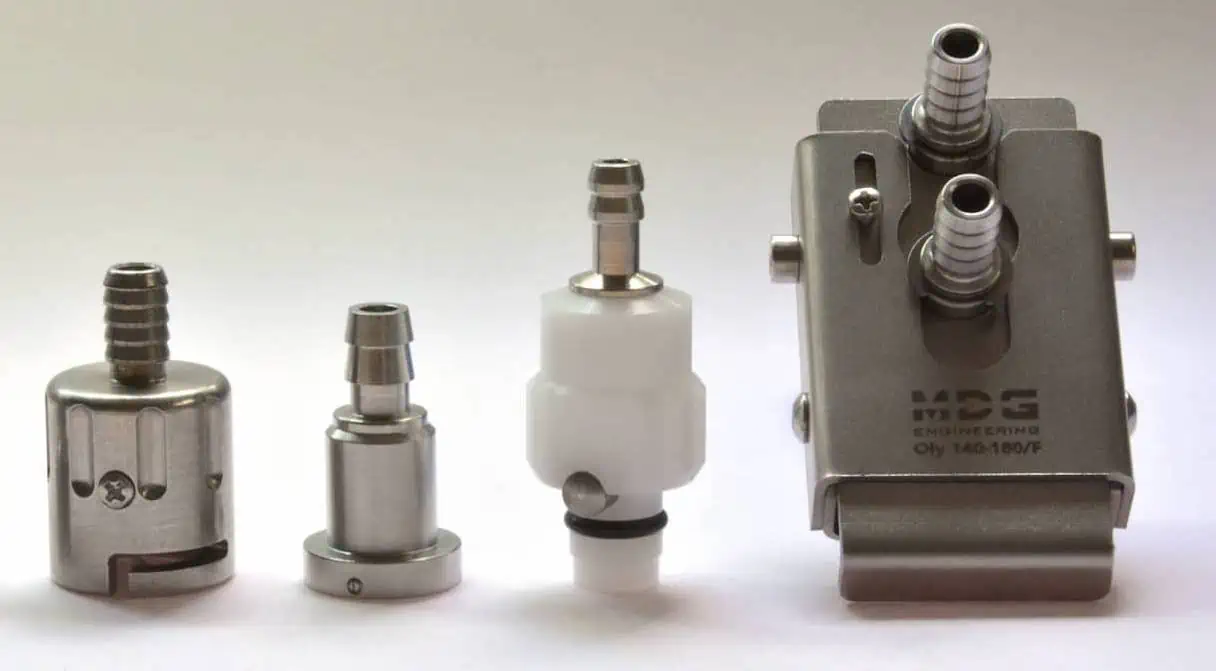
MDG Engineering Leverages Xometry To Build Medical Devices And Drive Global Growth
Healthcare
CNC Machining
Sheet Metal
Prototyping, R&D
Read Story
All the parts are individually packaged (which is quite rare in our sector), with good finishing and great technical support … and, above all, with excellent delivery times.
Read Story
Xometry supports ATMOS for innovative return service for biomedical research in space
Aerospace
CNC Machining
Procurement, R&D
Read Story
The rings are critical components, everything literally depends on them.
Read Story