NASA's ECLSS team needed an air purification unit for the ISS. With Xometry's CNC machining, they produced two 12" x 16" single-body vessels from specialty heat-treated aluminum stock, achieving 0.005" tolerances and critical sealing surfaces within a 4-week lead time, reducing projected time by 2 months and costs by 75%.
Industry
Aerospace
Country

United States
Use case
Prototyping
Technology
CNC Machining
Materials
Specialty Heat-Treated Cylindrical Aluminum Stock
Product
Four Bed Carbon Dioxide Scrubber (4BCO2) system
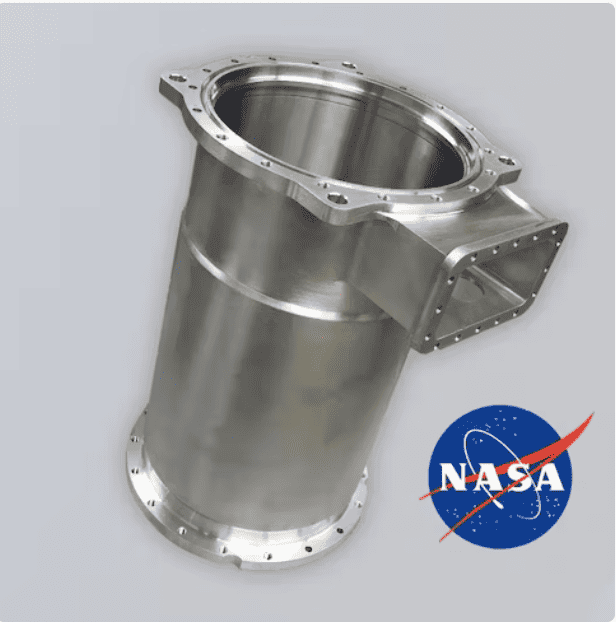
We asked for a lot, and Xometry did an amazing job. Your CNC machining service saved the day.
At a Glance
| Industry | Manufacturing Services Utilized | Project Brief | Solution |
|---|---|---|---|
| ☑ Aerospace & Defense ☐ Automotive ☐ Consumer Products ☐ Education ☐ Electronics and Semiconductors ☐ Energy ☐ Industrial ☐ Medical & Dental ☐ Robotics ☐ Supply Chain & Purchasing | ☑ CNC Machining ☐ Sheet Metal Fabrication ☐ 3D Printing ☐ Urethane Casting ☐ Injection Molding ☐ Die Casting and Extrusion ☑ Post-Processing ☑ Inspection Services | NASA needed to fast-track the production of components for an air purification unit for the International Space Station. Expedited manufacturing would help the team remain on its proposed rocket launch schedule. | Xometry sourced uncommonly large stock material and CNC machined 2 single body vessels with extremely tight tolerances and critical sealing surfaces—all within a 4-week lead time. Xometry reduced the projected lead time by 2 months and decreased costs by 75%, enabling future flexible and comprehensive design methodologies. |
What Do You Need to Live In Space? Recyclable Energy Systems.
On the International Space Station (ISS), critical resources are maintained in closed-loop systems. These systems replenish resources such as oxygen and water, which allows NASA astronauts to live 220 miles (350 km) above the earth.
The design, fabrication, and maintenance of these systems is the job of NASA’s Environmental Control and Life Support Systems (ECLSS) team. The latest project that ECLSS engineers at the Marshall Space Flight Center (MSFC) in Huntsville, Alabama, are working on is an air purification unit that will scrub carbon dioxide from the air via a desiccant (a material that draws water from air) and a molecular sieve (a material that traps and expels carbon dioxide molecules outside the space station). This system is known as the Four Bed Carbon Dioxide Scrubber (4BCO2) system.
Get a downloadable PDF of this case studyDownload the PDF
The Challenge: Building Extra Large Flight Components at Record Speeds
Over the last 2 years, the design of the 4BCO2 system has progressed using a multi-part design for the cylindrical bed hardware. This design required the parts to be welded together. As the manufacturing process began on the cylindrical beds—the foundational components of the system—ECLSS engineers ran into a problem. It was determined that the welding operations (the best method for NASA’s in-house capabilities), would introduce delays due to a lengthy weld certification process. This posed significant risk to the team’s ability to meet their hardware delivery schedule.
Due the schedule risk, the ECLSS team decided to abandon the welded design and associated weld certification process and explore other design options. Redesigning the parts by reducing the size of the beds was not an option as it would compromise the system’s functional performance. Instead, the team decided on a one-piece barrel design. This decision required the fabrication to be outsourced in order to get the priority needed to maintain schedule. The 4BCO2 team, led by NASA engineer Jimmy Hill, reached out to Xometry to see if the company could handle this highly custom job.
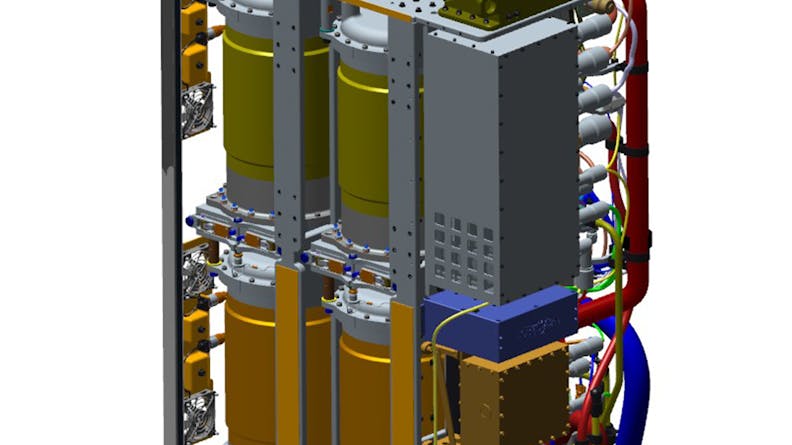
CAD assembly of the air purification units
“Xometry’s supplier management passes savings on to us. Parts are so fast and cheap that we can change the way we work and design.”
Jimmy Hill,
Lead mechanical design engineer at NASA Marshall Space Flight Center
A Highly Custom CNC Machining Solution
Hill spoke with Xometry’s dedicated account representatives about the project requirements and timeline, emphasizing that the project was now behind schedule. Hill requested a 4-week turnaround, which would involve sourcing a specialized, large-format CNC machine shop in Xometry’s ITAR-certified network.
Within the allotted 4 weeks, Xometry secured rare, specialty heat-treated, cylindrical aluminum stock as well as a Manufacturing Partner to make the 12” by 16” diameter parts. The parts were carefully machined to aerospace standards, including tight tolerances of 0.005” and accuracy to GD&T. Critical sealing surfaces of the pressure vessel were machined with o-ring grooves, close-fitting parts, tight side and positional control tolerances, and highly accurate tapped and thru-holes.
The Xometry inspection team verified the parts via CMM inspection before passing the parts on to NASA for the verification testing process. From there, the parts passed all of NASA’s individual material tests as well as the full integration tests.
“We asked for a lot, and Xometry did an amazing job. Your CNC machining service saved the day.”
Jimmy Hill,
Lead mechanical design engineer at NASA Marshall Space Flight Center
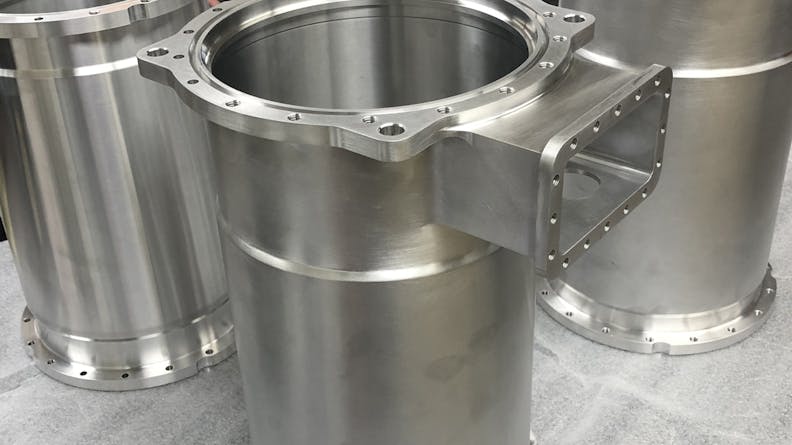
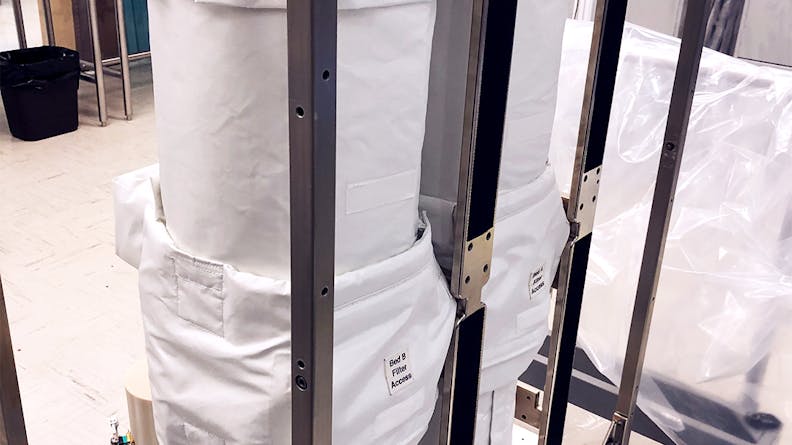
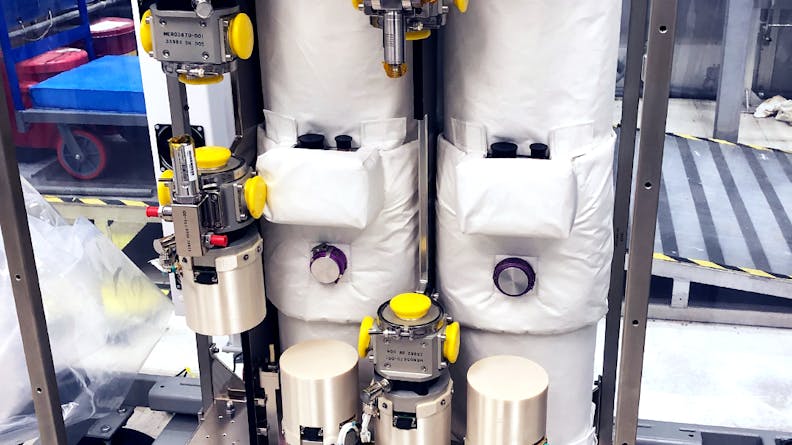
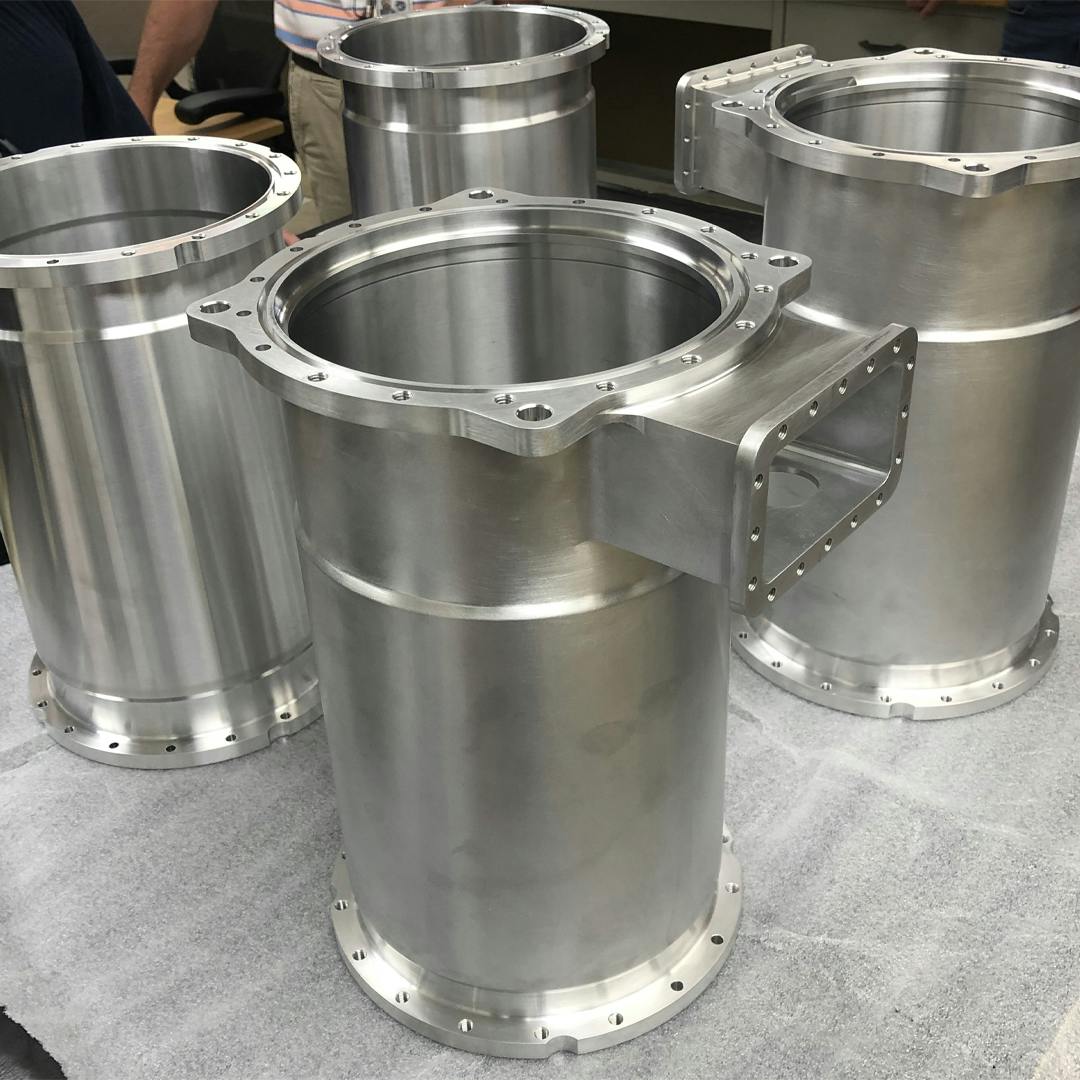
Xometry CNC machined 4 vessel components to make 2 air purification units for the NASA International Space Station
Xometry Manufacturing Is Changing the Way NASA Develops Parts
With help from Xometry’s on-demand manufacturing services, the air purification unit developed by NASA’s ECLSS team is on track to go up in the Cygnus rocket during the NG-15 launch in 2021. Xometry’s turnkey services reduced what would have been a 3-month in-house production timeline to just one month, preventing a domino effect of delays.
Hill says that Xometry’s market-accurate pricing and supplier management allows NASA to save 3-4 times the projected cost of in-house manufacturing. And because of the high-cost savings, the team’s development methodology can shift from linear prototyping to a more lean, parallel prototyping methodology. This has the effect of dramatically reducing project lead times.
“We typically have a lot of internal overhead with paperwork and personnel costs, but Xometry’s time-saving supplier management passes on savings to us. Xometry has capabilities that we don’t have in-house, and is so fast and cheap that we don’t mind paying for 2 or 3 [flight equivalent] versions at once. This helps us gain time in our schedule,” says Hill.
With the success of the air purification unit and various other jobs, NASA teams across 10 US facilities are confident that Xometry can take on mission-critical work for all types of machined, sheet metal, or 3D printed parts.

How Fly-Mi Team Prepares a Cargo UAV for the Air Cargo Challenge
Aerospace
CNC Machining
Prototyping
Read Story
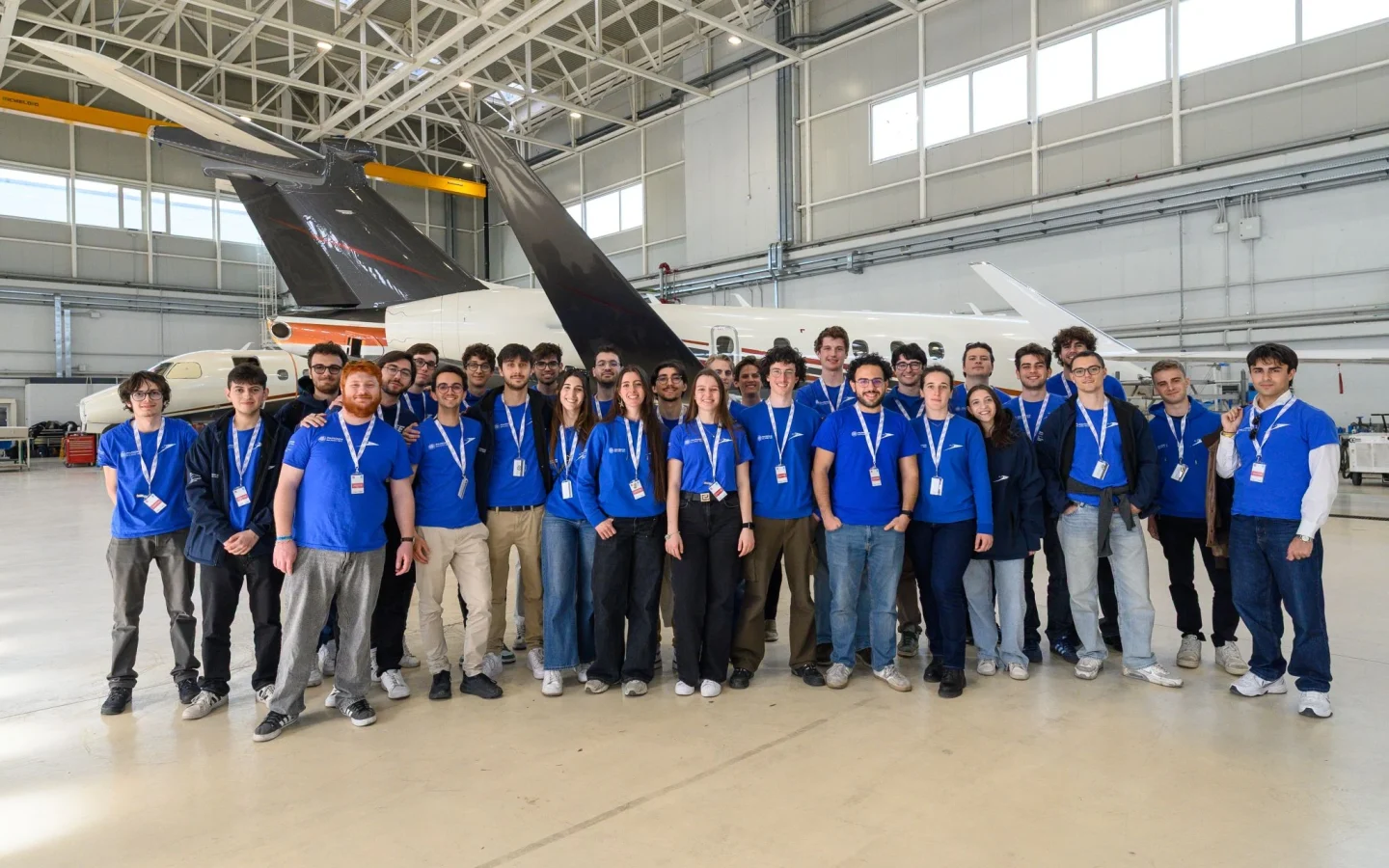
Preparing for the 2026 Air Cargo Challenge, the Fly-Mi team is developing Heméra, a fixed-wing UAV designed for maximum payload transport. This project integrates advanced aerodynamics, structural FEM analysis, and precision-engineered aluminum tooling to create a twin-motor aircraft capable of reaching flight speeds of 35 m/s.
Read Story

From Tunneling to the Stars – How Elara Aerospace Is Advancing Suborbital Rocket Engineering in Europe
Aerospace
CNC Machining
R&D
Read Story
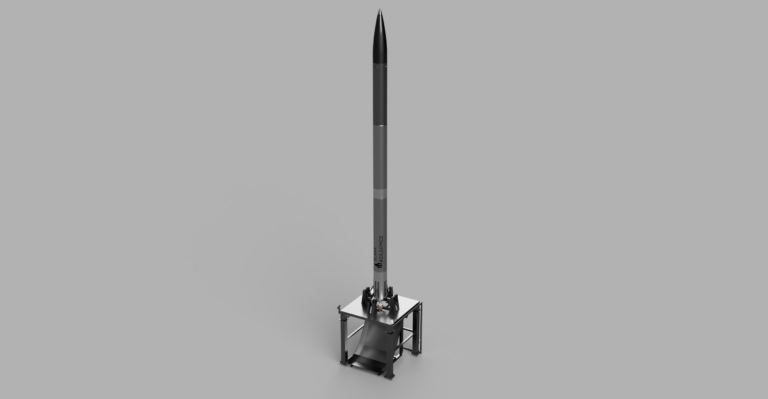
To turn these components into reality, we required high-precision manufacturing with fast turnaround times. Through Xometry, we produced a brass test chamber for our injector experiments, machined to the specifications needed for our early-stage testing.
Read Story

Xometry Powers AcubeSAT from Prototype to Launch‑Ready Nanosatellite
Aerospace
CNC Machining
R&D
Read Story
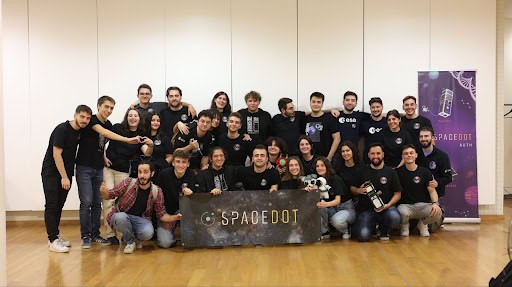
At this time, we decisively decided to significantly simplify the design, allowing it to achieve higher precision and tolerance control through machining. During the redesign process, we realized that we needed to find a partner capable of manufacturing high-precision prototype parts—so we chose Xometry.
Read Story

R&D Efficiency Restored: Xometry Ensures Uninterrupted Supply of Critical Precision Parts
Aerospace
CNC Machining
R&D
Read Story
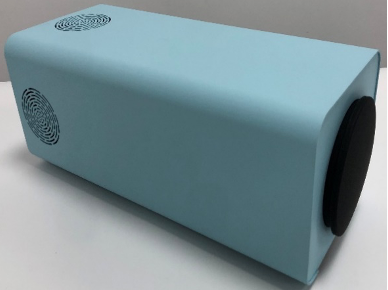
Collaborating with Xometry allows us to concentrate more on our core R&D, saving substantial time and significantly boosting project efficiency.
Read Story

Emission-Free Across the Alps – How Cellsius Is Enabling Hydrogen-Powered Flight
Aerospace
CNC Machining
Prototyping
Read Story
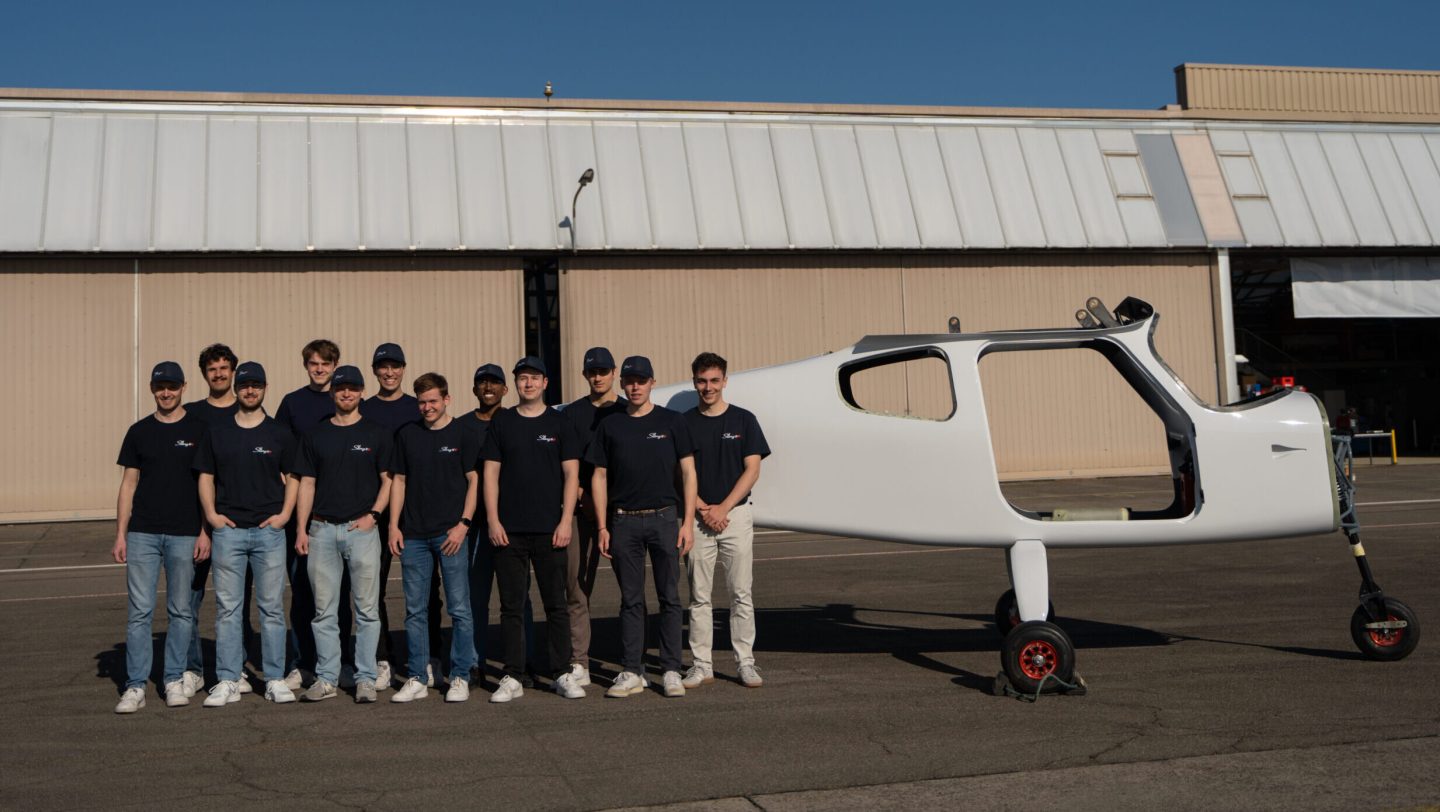
We designed it with maximum strength-to-weight efficiency in mind, combining tight tolerances with complex geometry. Since producing a part this precise was beyond our in-house capabilities, we relied on external manufacturing to bring it to life. Working with Xometry’s digital manufacturing platform proved to be a practical solution. The ordering process was simple, and the part was delivered exactly to spec, which helped us stay on schedule and move forward with system integration.
Read Story
Engineering the Concorde Nose Mechanism: A Tribute to Aerospace Design
Aerospace
3D Printing
Prototyping
Read Story
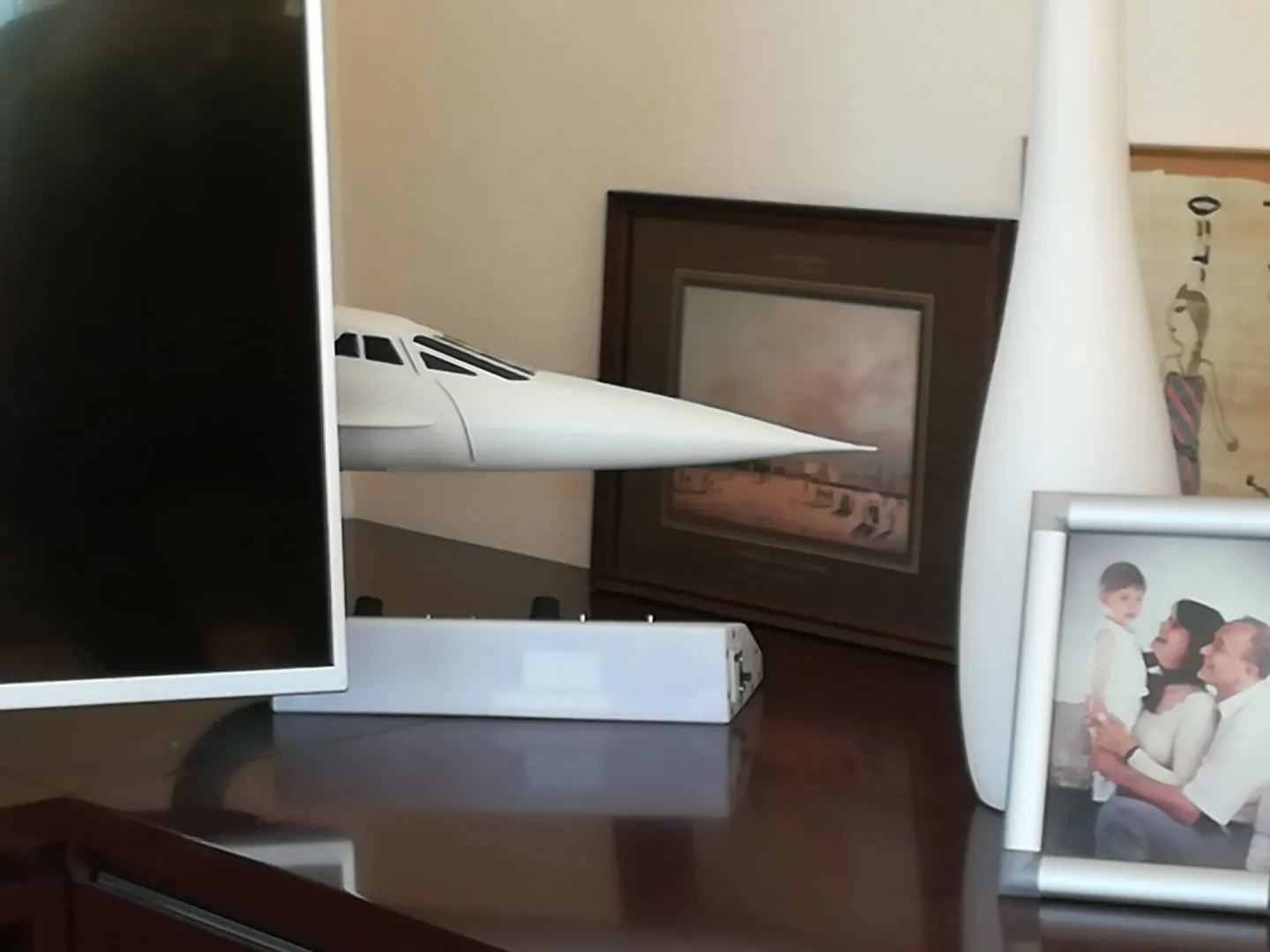
For the physical prototype, I selected Selective Laser Sintering (SLS) using PA12 nylon. This combination offered the durability and dimensional accuracy I needed, while being light enough to preserve the model’s integrity and strong enough to handle repeated use. I ordered the parts through Xometry’s on-demand manufacturing service, which allowed me to test my designs without investing in a printer or tooling—a crucial advantage when working with small volumes and evolving prototypes.
Read Story
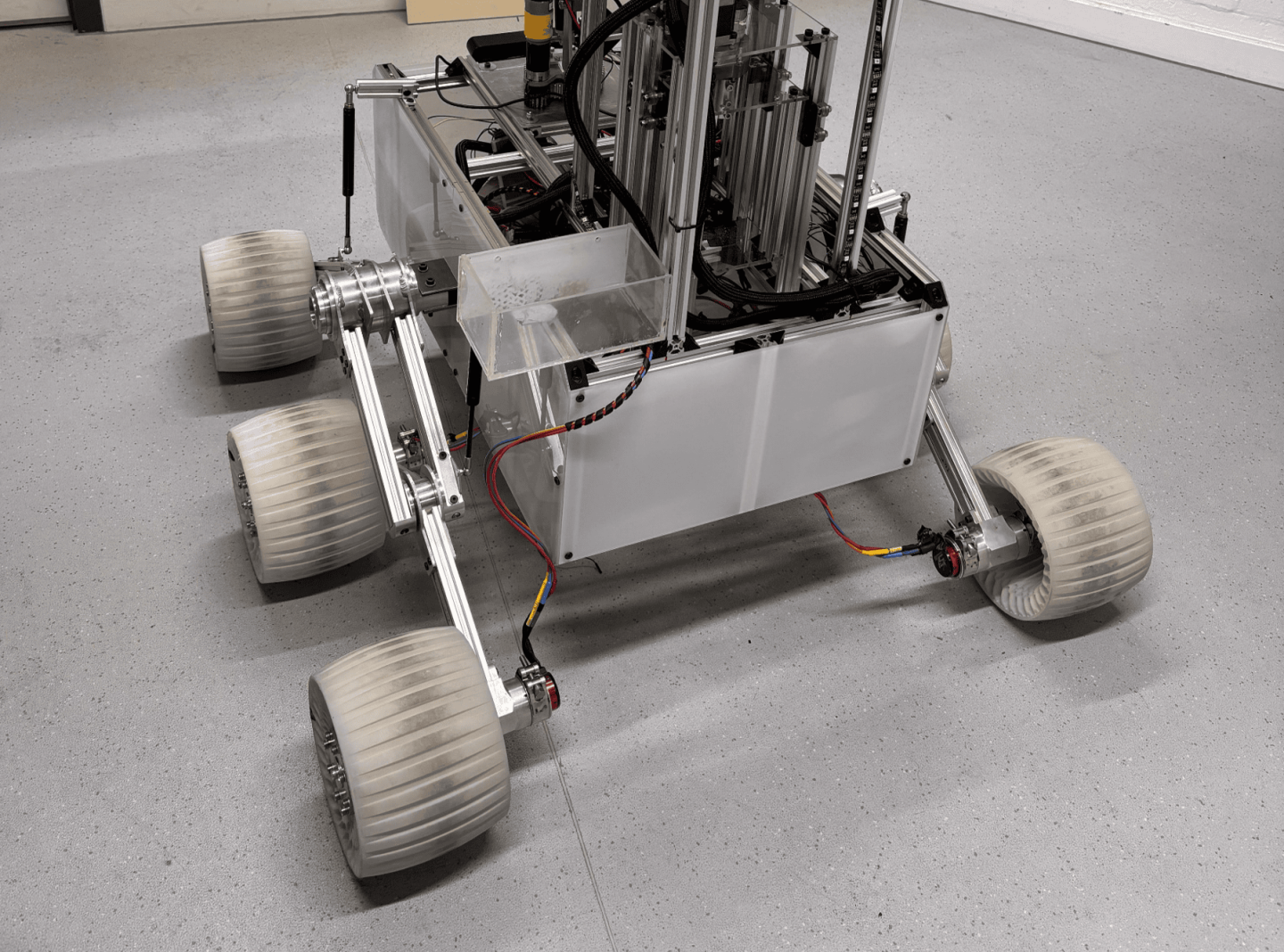

Reinventing the Wheel for Mars: How We Engineered a Flexible Airless Tyre
Aerospace
3D Printing
Prototyping
Read Story
UCL Racing's Mars Rover team developed an airless flexible wheel for the European Rover Challenge, competing on a simulated Martian surface. With Xometry's SLS 3D printing and engineering feedback, they produced six wheels from EOS TPU 1301 (Shore 86A) with a radial honeycomb lattice structure. The final design meets 220mm diameter and 120N load requirements, featuring symmetric tread pattern and integrated motor mount.
Read Story
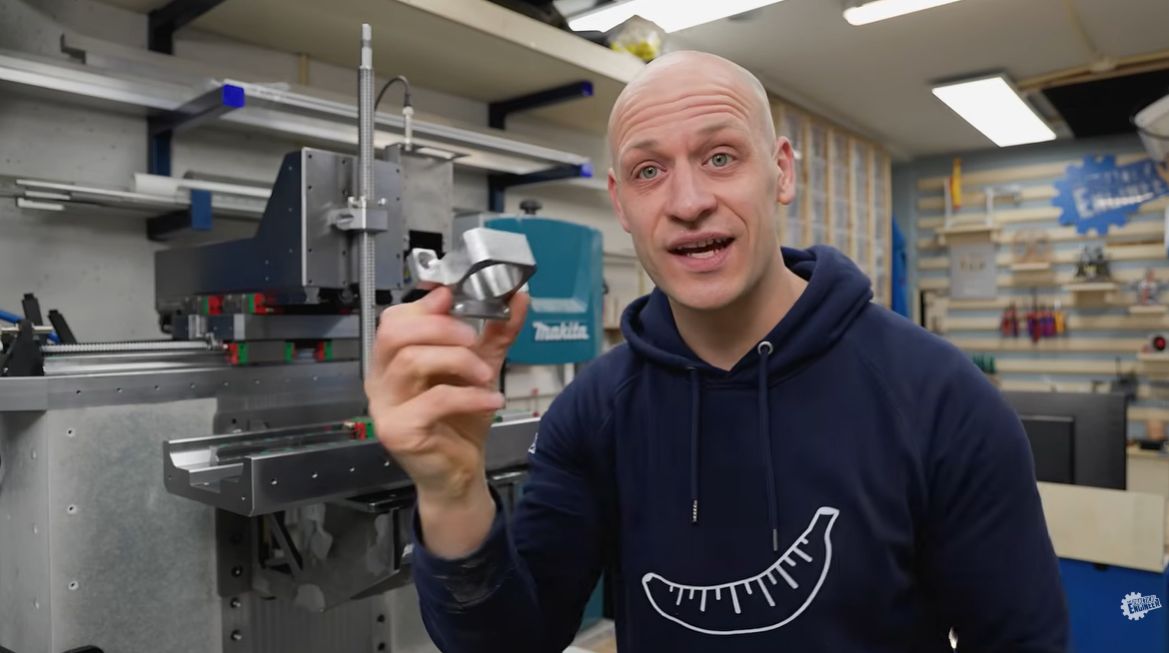

The 1-Millimetre Fix: How One Custom CNC Part Saved My 5-Axis Build
Machine Building
CNC Machining
Prototyping
Read Story
Building a CNC machine from scratch is full of moments where you find out whether your design actually works, or whether it only worked inside CAD. In the world of custom machine building, the transition from a digital model to physical assembly is rarely seamless. This was one of those moments.
Read Story
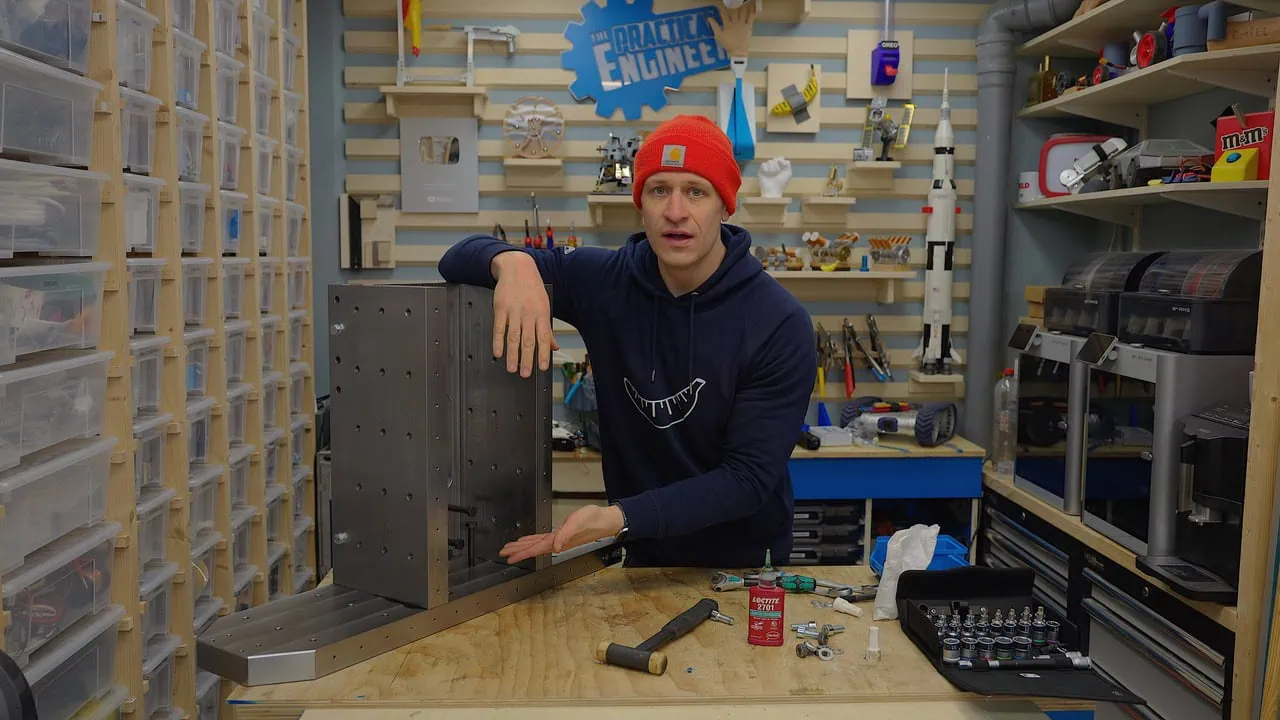
From Desktop Dreams to 400kg of Steel and Concrete: Building a High-Rigidity 5-Axis CNC
Machine Building
CNC Machining
Prototyping
Read Story
In the world of custom machine building, I’ve found there is a constant tug-of-war between theoretical performance and physical reality. As "The Practical Engineer," I dedicated this project to creating a 5-axis CNC machine that prioritizes rigidity over sheer speed.
Read Story
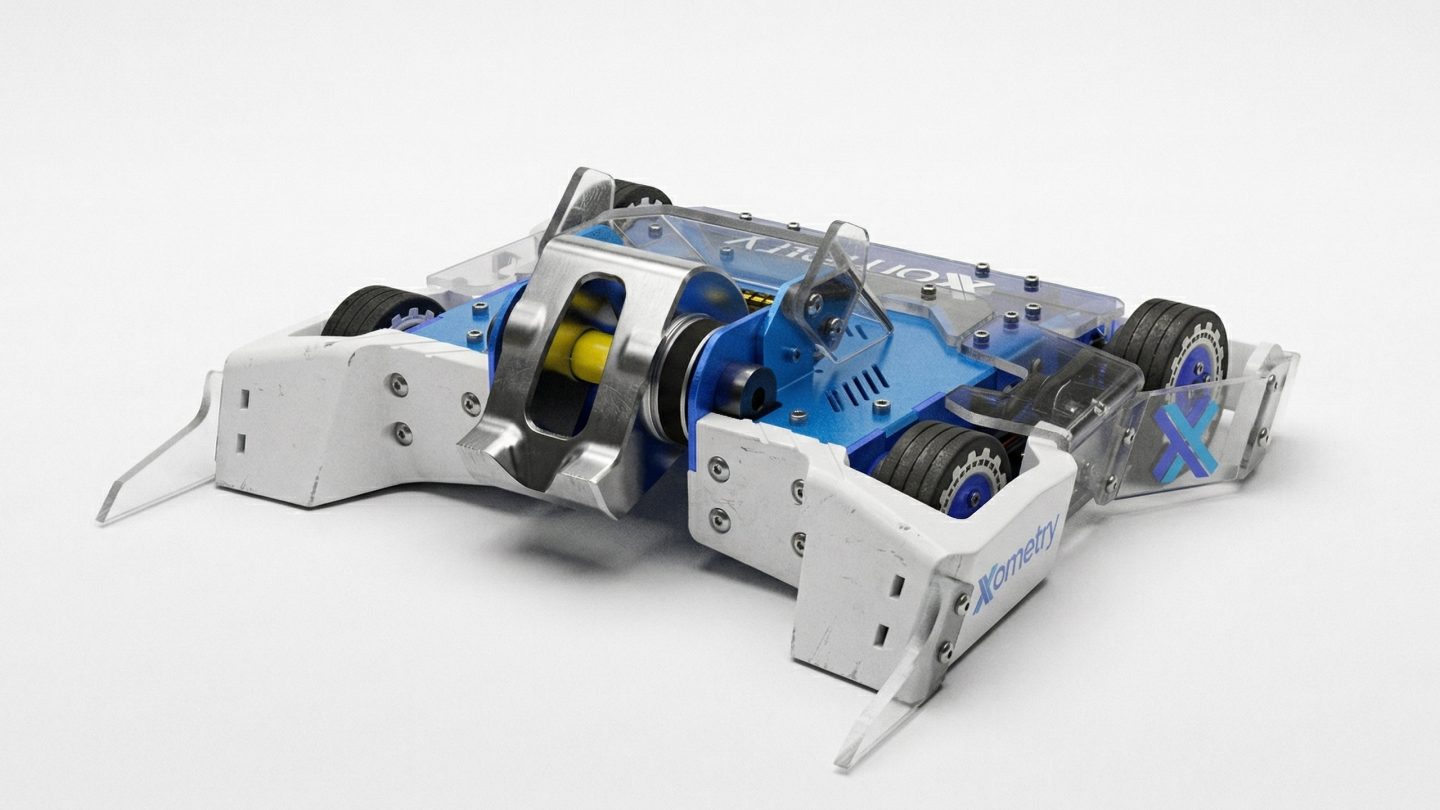
Torx Robot: The Story Behind Accu’s Engineering and Xometry’s Precision CNC Machining
Robotics
Machine Building
CNC Machining
Prototyping
Read Story
Go behind the scenes for the development of Torx: the combat robot built by Accu for FightFest 2026, with CNC machining support from Xometry. Explore the journey from the drawing board to the arena, showing how a combat robotics project takes shape, and see how Torx went on to win the official FightFest Championship trophy.
Read Story
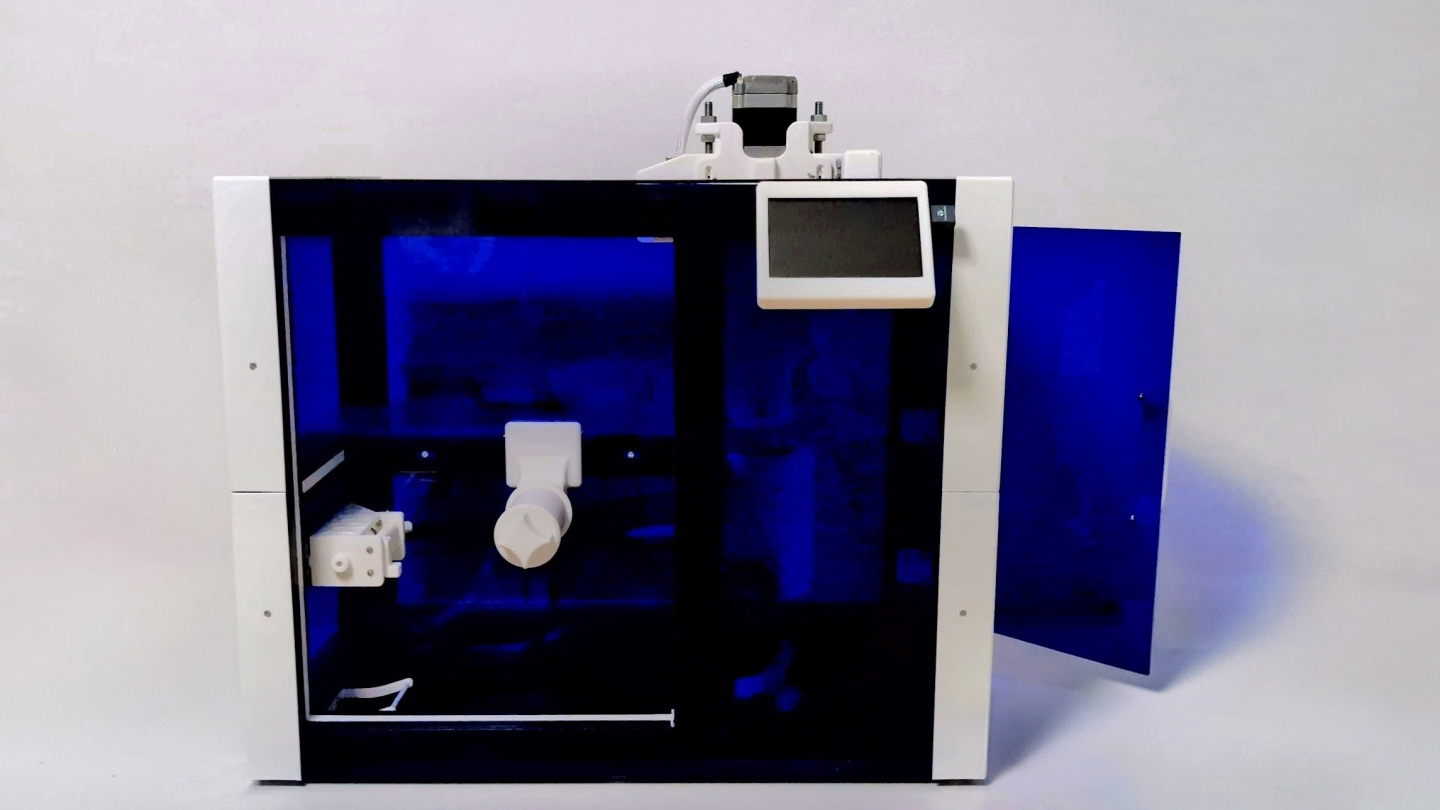

The Rethink of 3D Printing Waste and the Next Chapter of the Desktop Filament Recycler Story
Machine Building
3D Printing
CNC Machining
Prototyping
Read Story
By using agile testing and redesigning a double-sided support to resolve motor deformation and calibration challenges, the TGM student team successfully turned 3D printing waste into high-quality PLA filament.
Read Story
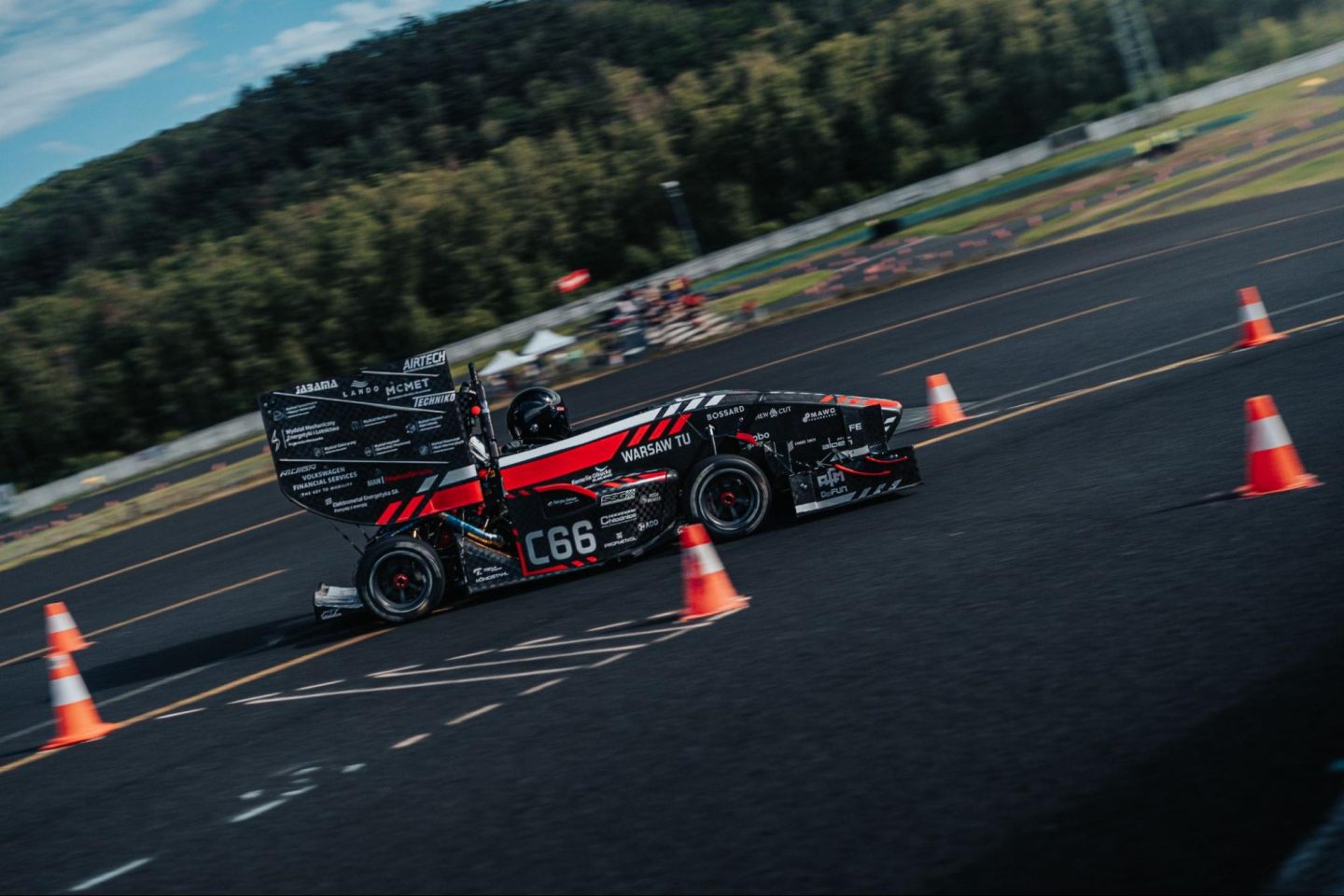

Inside the Engineering of the WUT-7 for Lightweight Performance
Automotive
CNC Machining
Prototyping
Read Story
Through topology optimization, refined kinematics, and a custom steering system, the WUT Racing team from Warsaw University of Technology reduced the weight of key WUT-7 components by over 50%, bringing their ultra-lightweight design from concept to track via precision manufacturing.
Read Story