Sono Motors develops the Sion, a solar electric vehicle with integrated monocrystalline solar cells. With Xometry's CNC machining, they produce MCU (Motor Control Unit) prototype enclosures for very small and medium-sized batches. The MCU enables the PV-embedded body to recharge the HV battery without a charging station. Sono Motors has over 16,000 preorders and plans release in 2023.
Industry
E-Mobility
Country

Germany
Use case
Prototyping
Technology
CNC Machining
Product
Solar-chargable electric vehicle prototype (Sono Sion with integrated solar panels)
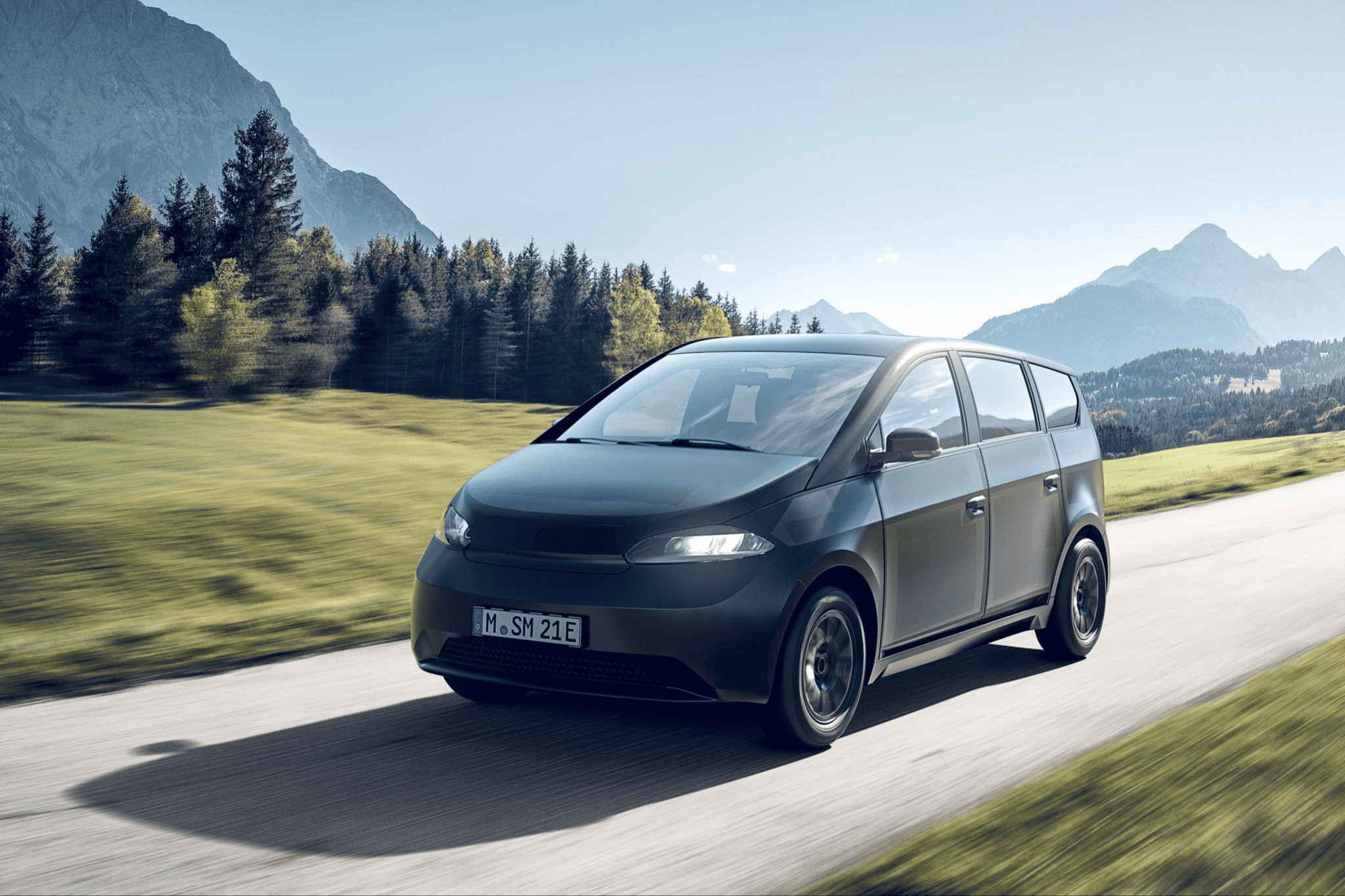
Xometry has provided us with great support in the CNC manufacturing of our MCU prototype enclosures … ensuring the right high-quality parts are delivered to the right location in record times on a very direct and personal basis.
We spoke to Christian Hornschuch, Product Owner Electrical Integration at Sono Motors, about how they are pioneering the market of solar electric vehicles, about their newest Sion, and how they use the power of on-demand manufacturing to facilitate the sourcing of mechanical components.
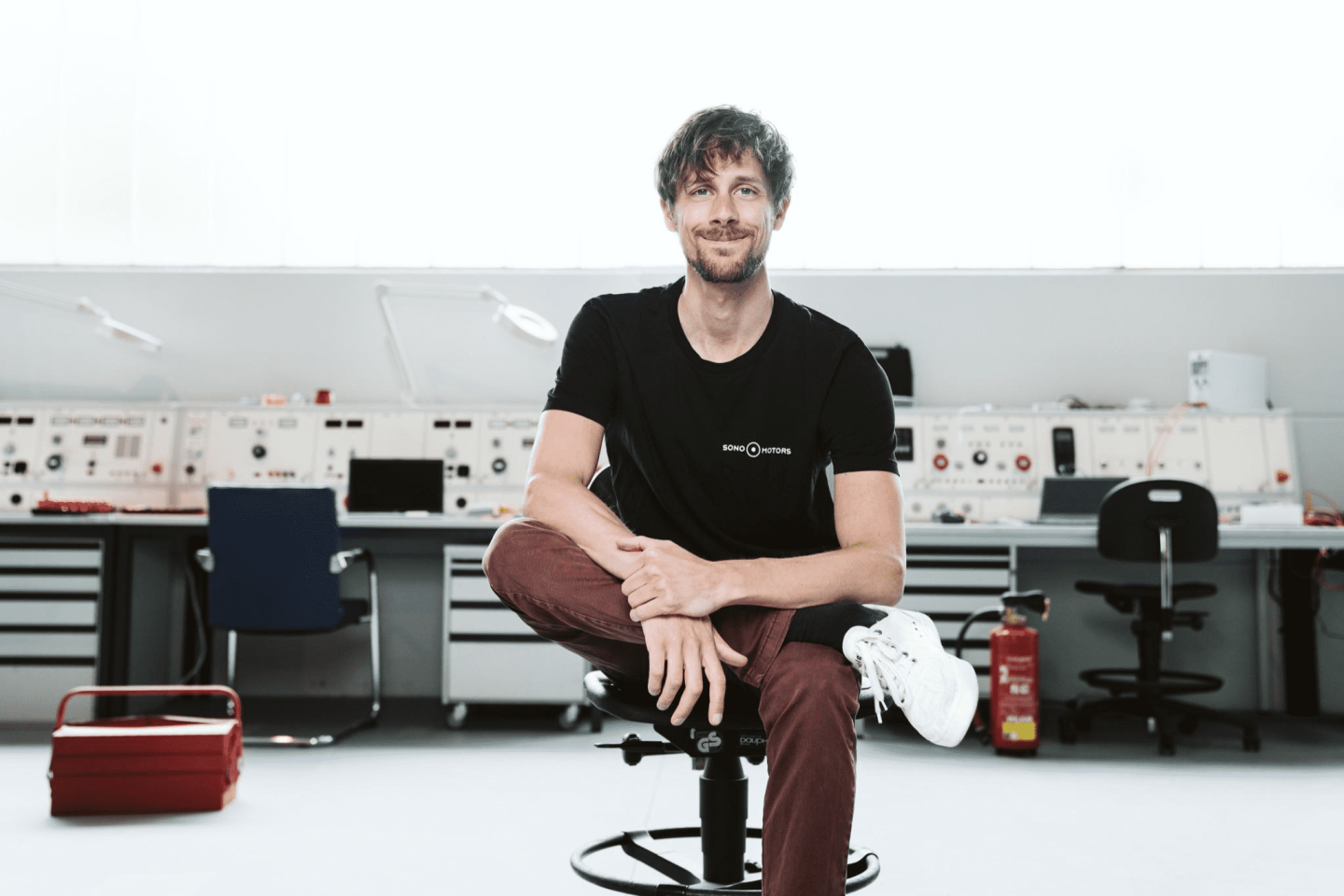
Christian Hornschuch, Product Owner Electrical Integration at Sono Motors (photo credit: Sono Motors GmbH)
From a pre-prototype garage model to a presentation-ready prototype
Christian Hornschuch, Product Owner Electrical Integration at Sono Motors: In 2012, founders Laurin Hahn and Jona Christians began to develop an alternative to conventional combustion vehicles after seeing the need for change in the automotive industry towards cleaner and greener substitutes that would enable a world without fossil fuels. The pre-prototype model they developed made its debut just over 3 years later.
Xometry: In 2016, Sono Motors was officially established as a company to create the first two prototypes within just 7 months. What was it like?
CH: We worked with well-known partners to produce two prototypes that were later used for over 13,000 test drives. The prototype designs themselves also incorporated suggestions and wishes from our Community to make it a truly innovative and cost-effective car for everyday use.
X: What were the main challenges at that point?
CH: At the time, a solar-electric vehicle was a completely new concept that had never been executed before. We had to find an innovative solution that made solar cells flexible enough to be integrated onto curved surfaces. We wanted to enable this technology to be integrated into the entire body of the car, as well as for it to be lightweight and cost-effective. This meant we needed to create our own solution. Today, we use a robust polymer as a carrier material into which the monocrystalline solar cells are seamlessly integrated using an injection molding process.
X: When did the first public presentation happen?
CH: In July 2017, we presented the Sion to the world. Almost 700 supporters from our Community, as well as guests from politics, the media, and industry, joined us for the event. International media reports jump-started preorders, which soared unimaginably the same evening.
X: Regarding the 13,000 test drives in 2017 and 2018: what was the initial feedback from drivers? Did you make substantial adjustments to the design at this stage?
CH: The feedback was very positive. People were enthusiastic about the potential of the Sion, and we received a lot of valuable feedback, which we incorporated into the pre-series version. For example, we included additional rear-side windows to ensure optimal all-round visibility.
X: How big was your team at that point?
CH: At the time that our first prototype was built, the team was very much in its infancy, with around 30 members. When you compare it with now that the team is over 250-strong, it is quite amazing what we managed to achieve with so few people.
CES presentation and the latest Sion version
X: After the Round C investment, the car was updated and presented at the CES in 2021: Is this the latest version? How many design iterations did the car undergo during these 5 years?
CH: Between 2016 and 2021, a few concept iterations were done, each time with increasing maturity and levels of internal development detail. We will be launching our third-generation prototype in the coming year, 2022.
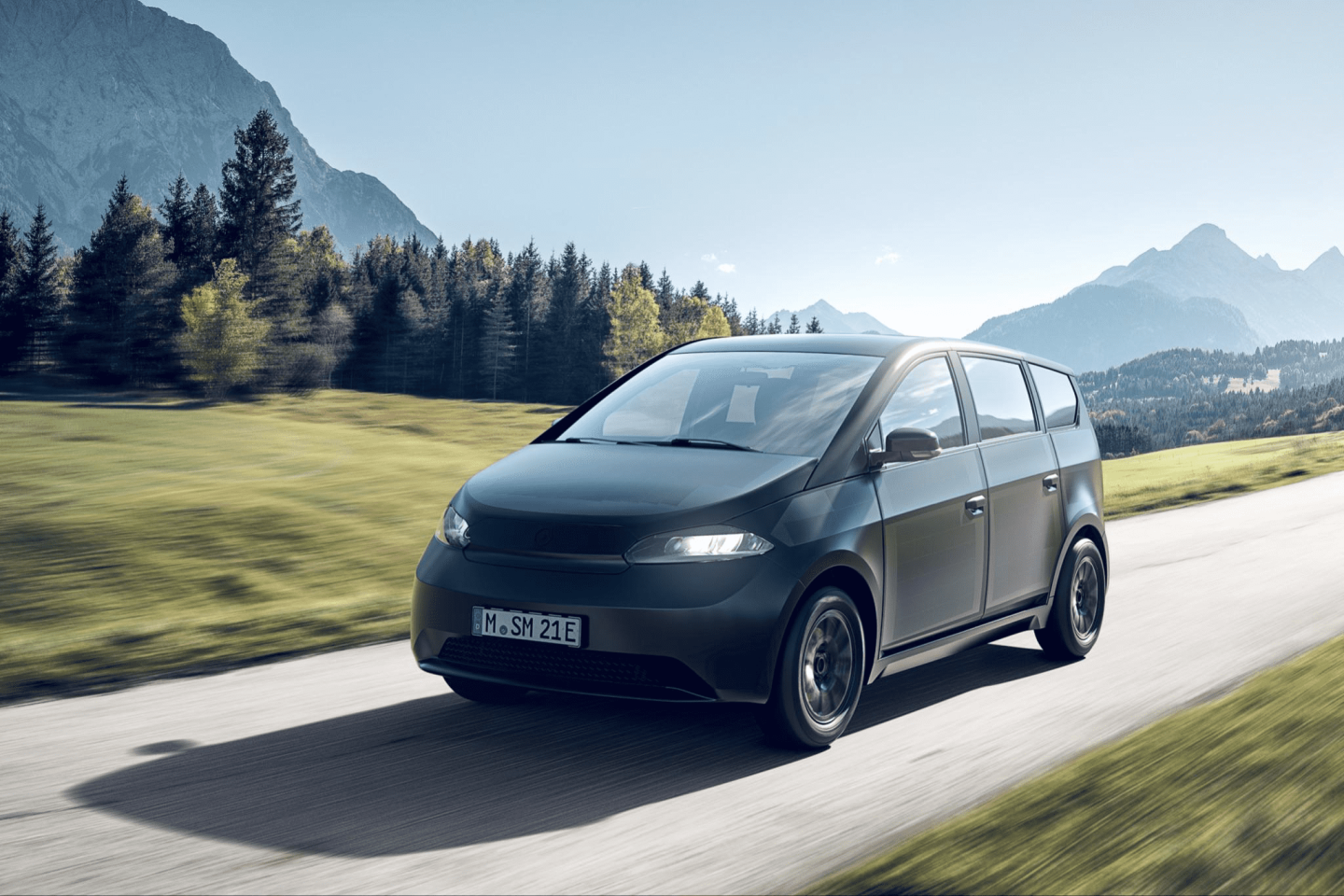
The Sion (photo credit: Sono Motors GmbH)
X: It’s not a classic car with a combustion engine, and it relies heavily on electronic components. Can you please share the most important electronic components the car has?
CH: The Sion is a state-of-the-art EV. It comes with an LFP battery with a capacity of 54 kWh. Additionally, we have an inverter, electric motor, onboard charger (OBC), as well as sensors and actuators, control units, displays, connectivity modules, and central computers. These make our car accessible and comfortable for both use and sharing. A key part of the Sion is also the so-called MCU, a device that allows the PV module embedded body to recharge the HV battery without being connected to a charging station or wallbox.
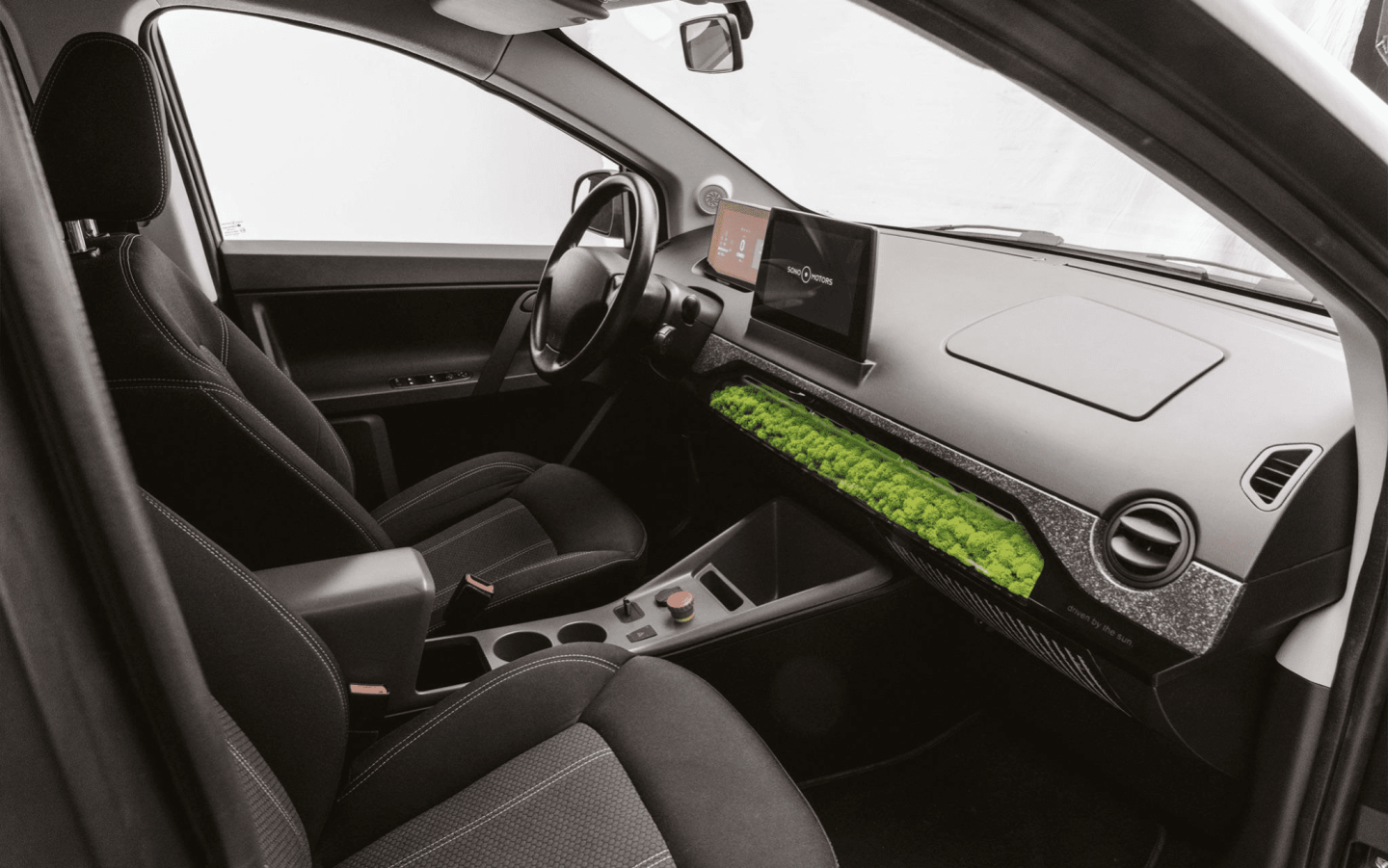
Interior design of the Sion (photo credit: Sono Motors GmbH)
X: Were you hit by the disruptions in the supply chain of electronic components?
CH: Being still in the prototype phase, we were only slightly affected, as was the entire automotive sector. However, we have been able to find alternatives or workarounds.
X: How much will the car charge in a conventional parking spot in front of a house?
CH: We expect the Sion to generate an average of 112 km per week in normal weather conditions in a city like Munich via the integrated solar panels and on a long and sunny day in the summer, up to 35 km per day.
Sourcing mechanical components via Xometry’s on-demand manufacturing platform
X: What challenges did you encounter when sourcing mechanical, custom components?
CH: Long lead times and high costs. Most order books would have been full for weeks, so manufacturers could not react on short notice.
X: At what point did you discover Xometry as the place to source mechanical parts?
CH: A little over a year ago, in 2020, when we focused on reaching the maximum output of our solar panels.
X: How do you like the concept of on-demand manufacturing?
CH: It provides the flexibility our progressive – and highly dynamic – development teams need and ensures keeping our projects on time and budget.
X: What’s your experience with Xometry been like? Do you use the Instant Quote Engine?
CH: Xometry has provided us with great support in the CNC manufacturing of our MCU prototype enclosures, for both very small and medium-sized batches. We use the Instant Quote Engine to get a first impression of costs and delivery lead time. Afterwards, Xometry’s customer support also ensures the right high-quality parts are delivered to the right location in record times on a very direct and personal basis.
In November 2021, Sono Motors became a publicly-traded company
X: How did your IPO go?
CH: We have now taken a big step closer to delivering the Sion to our Community and realizing our mission to equip every vehicle with solar cells.
X: What are your plans? When are you going to release the serial model?
CH: We plan pre-series vehicles that will be used for type approval and process assurance in production. The first Sion is expected to roll off the assembly line in 2023.
X: What’s next? Will the car be available in most European countries to order?
CH: We have over 16,000 preorders on the Sion, which have been predominantly placed in Germany and the DACH (Germany, Austria, and Switzerland) region. The company is, however, also registering increasing numbers from other – mainly European – countries.
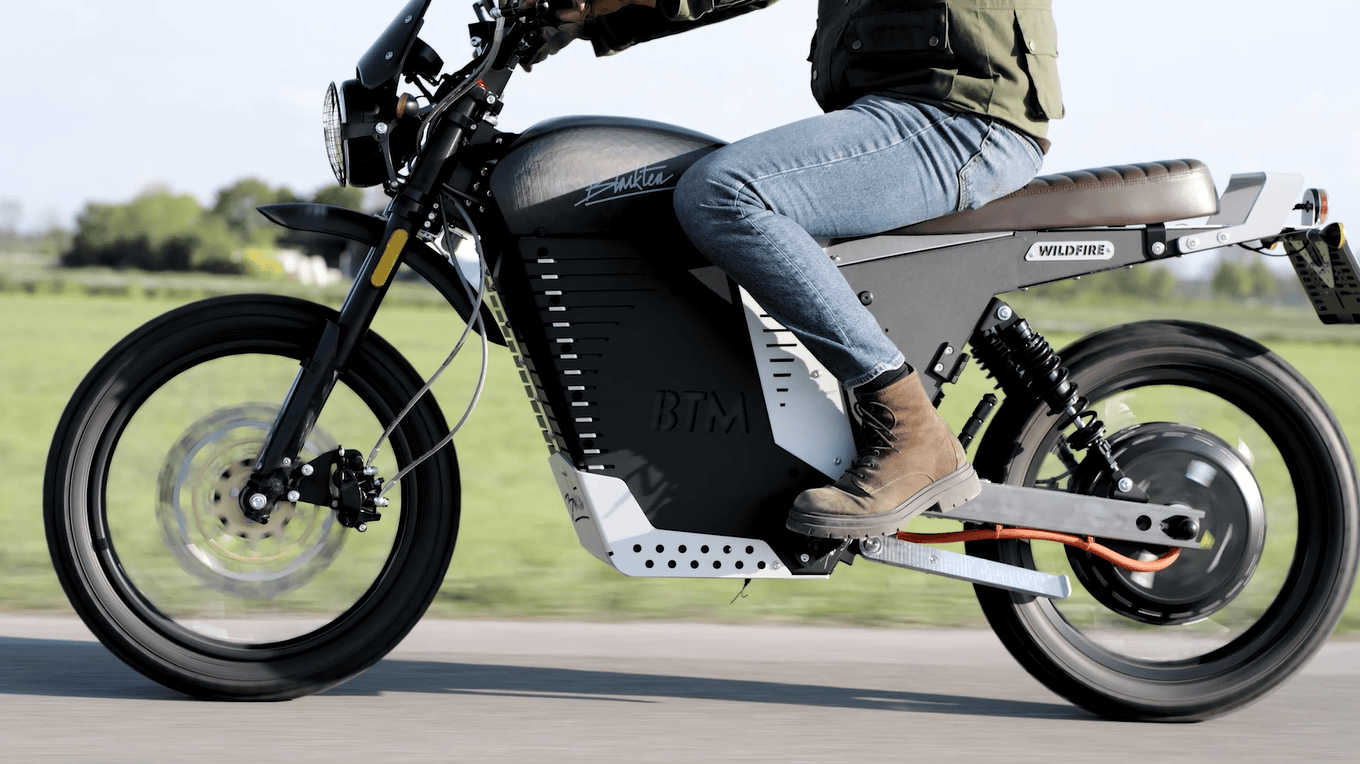
Efficient Sourcing of Electric Motorcycle Parts with Xometry
Automotive
E-Mobility
CNC Machining
Sheet Metal
High-Volume Manufacturing
Read Story
Black Tea Motorbikes, a Munich-based startup founded in 2020, builds retro-inspired electric Café Racer motorcycles with production in Bavaria. With Xometry's sheet metal fabrication and CNC machining, they produce complex multi-bend frame components requiring tight design tolerances. Parts are ordered in small batches of 20 units, enabling flexible production scheduling and optimized cash flow.
Read Story
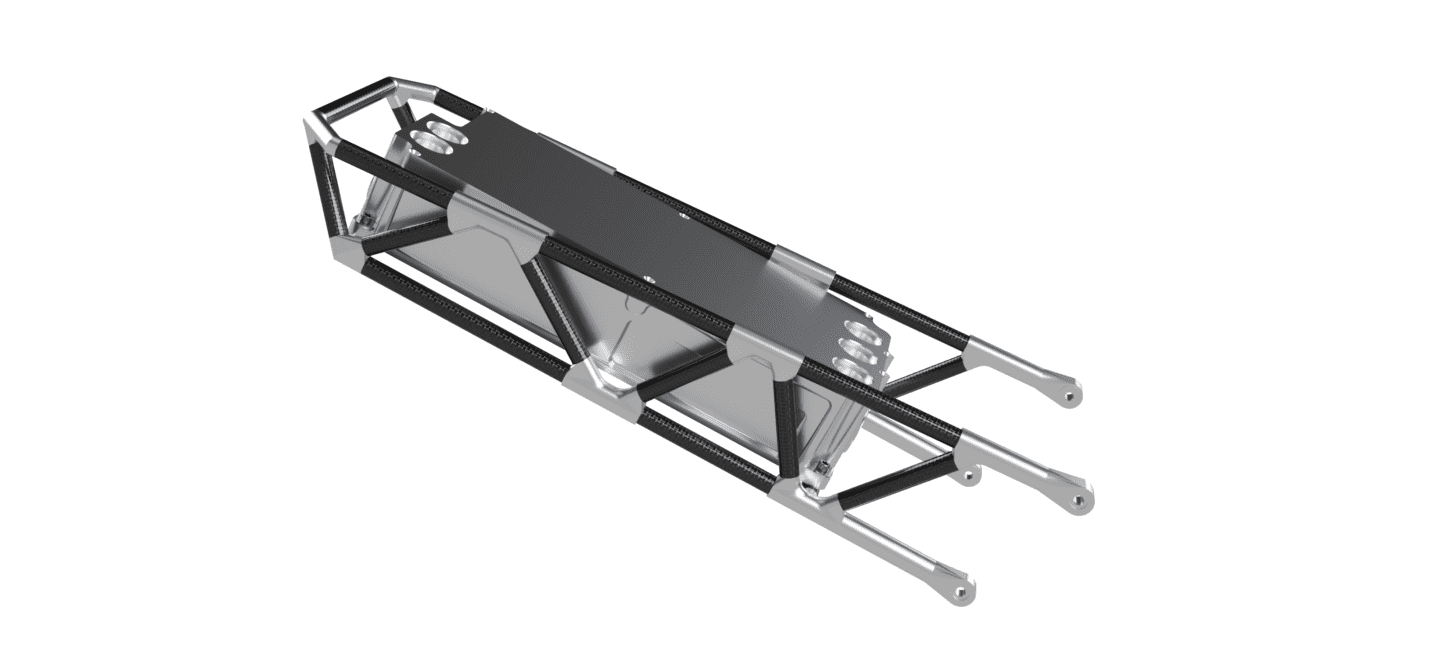

Xometry assists in the production of Warwick Moto’s industry-leading superbike subframe
Automotive
E-Mobility
CNC Machining
Prototyping, R&D
Read Story
Warwick Moto, a University of Warwick student team, is developing Aurora, an electric superbike for Isle of Man TT. With Xometry's 5-axis CNC machining, they produced aluminum nodes for an industry-first carbon tube subframe housing an electric inverter. The 1.3kg subframe weighs 1.5kg less than standard parts, achieved through over 100 design iterations and FEA analysis.
Read Story
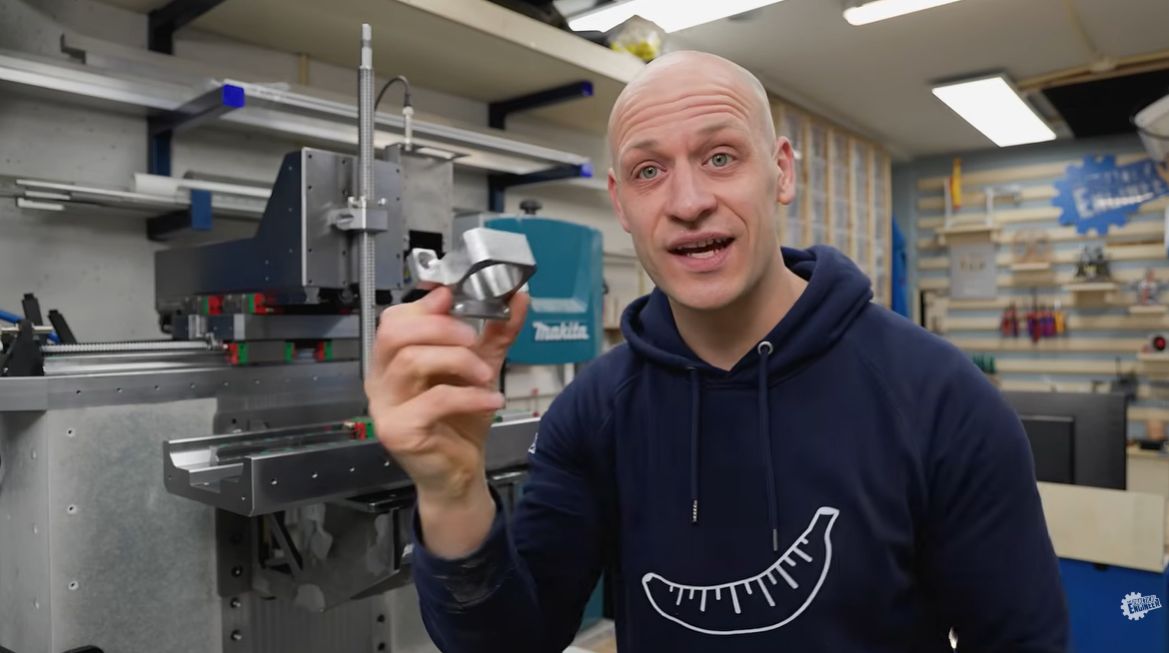

The 1-Millimetre Fix: How One Custom CNC Part Saved My 5-Axis Build
Machine Building
CNC Machining
Prototyping
Read Story
Building a CNC machine from scratch is full of moments where you find out whether your design actually works, or whether it only worked inside CAD. In the world of custom machine building, the transition from a digital model to physical assembly is rarely seamless. This was one of those moments.
Read Story
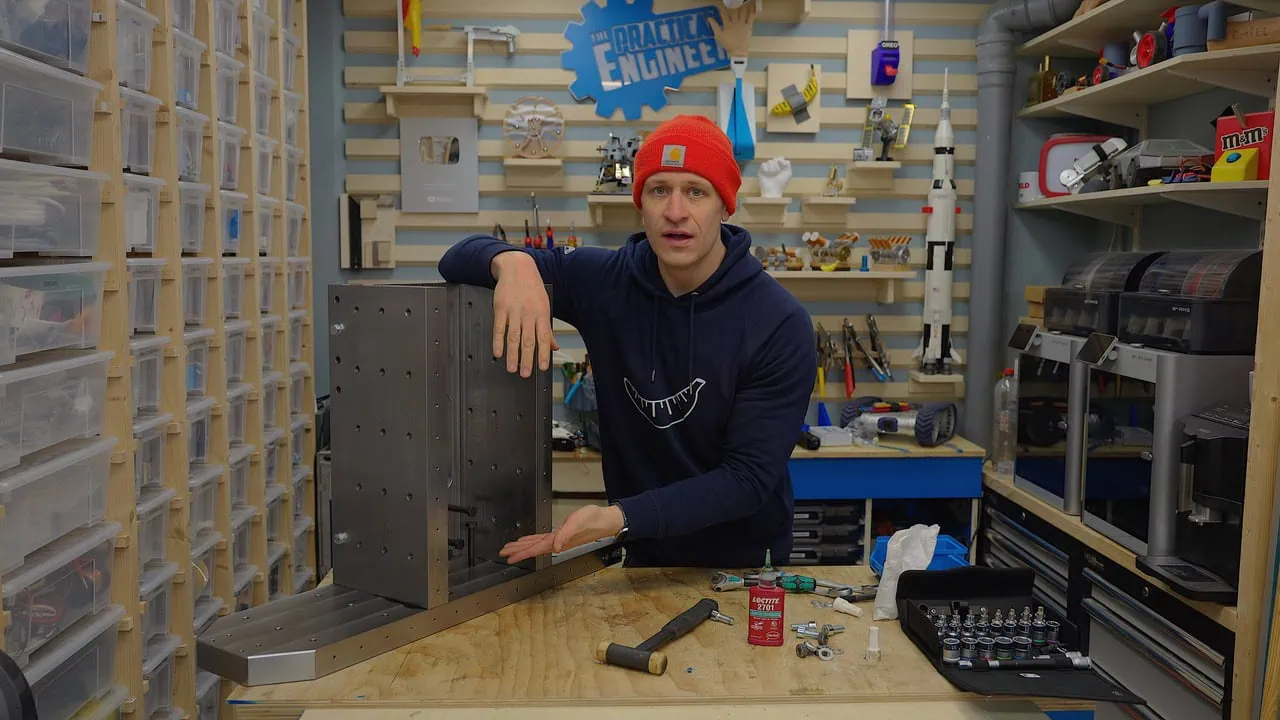
From Desktop Dreams to 400kg of Steel and Concrete: Building a High-Rigidity 5-Axis CNC
Machine Building
CNC Machining
Prototyping
Read Story
In the world of custom machine building, I’ve found there is a constant tug-of-war between theoretical performance and physical reality. As "The Practical Engineer," I dedicated this project to creating a 5-axis CNC machine that prioritizes rigidity over sheer speed.
Read Story
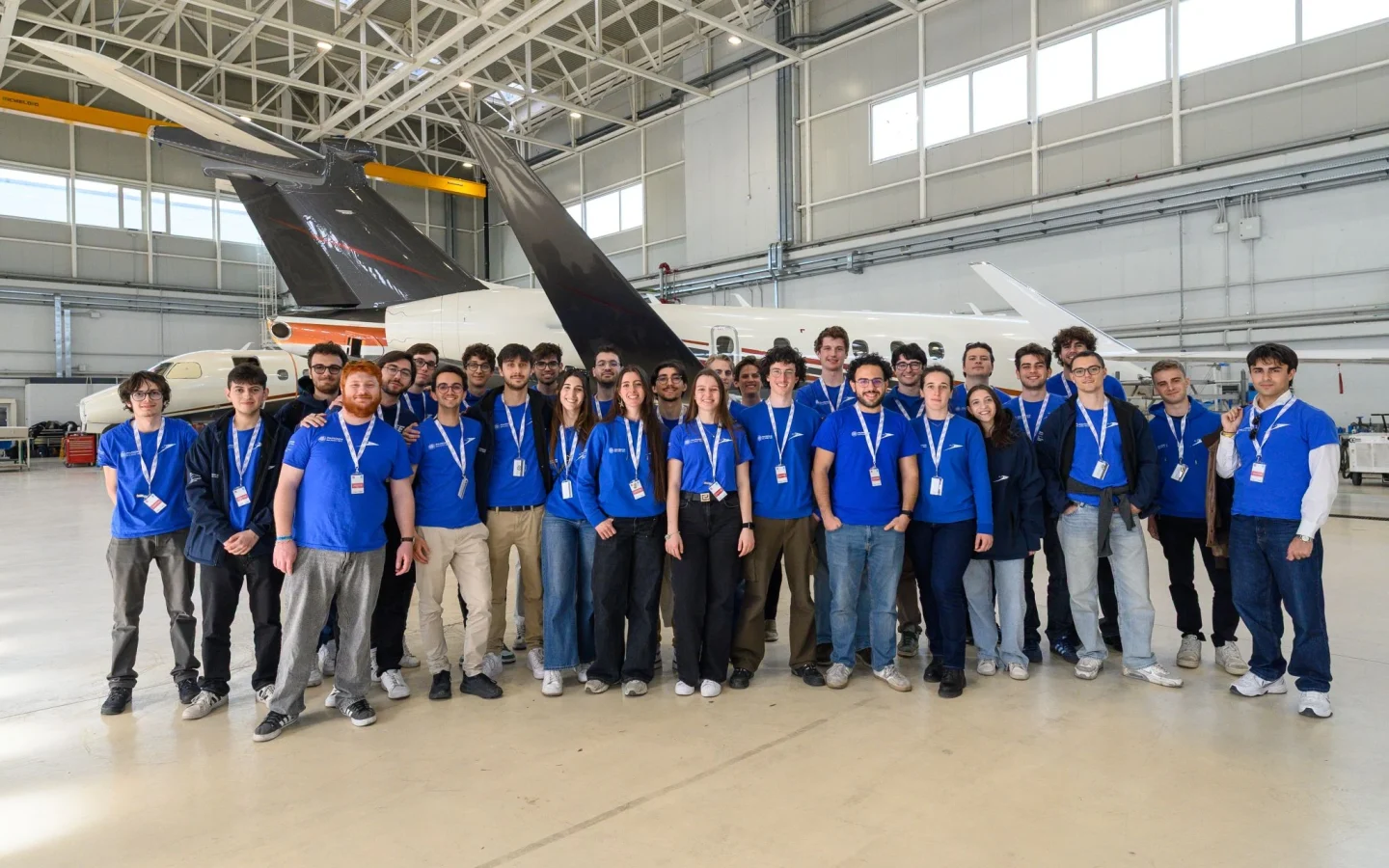

How Fly-Mi Team Prepares a Cargo UAV for the Air Cargo Challenge
Aerospace
CNC Machining
Prototyping
Read Story
Preparing for the 2026 Air Cargo Challenge, the Fly-Mi team is developing Heméra, a fixed-wing UAV designed for maximum payload transport. This project integrates advanced aerodynamics, structural FEM analysis, and precision-engineered aluminum tooling to create a twin-motor aircraft capable of reaching flight speeds of 35 m/s.
Read Story
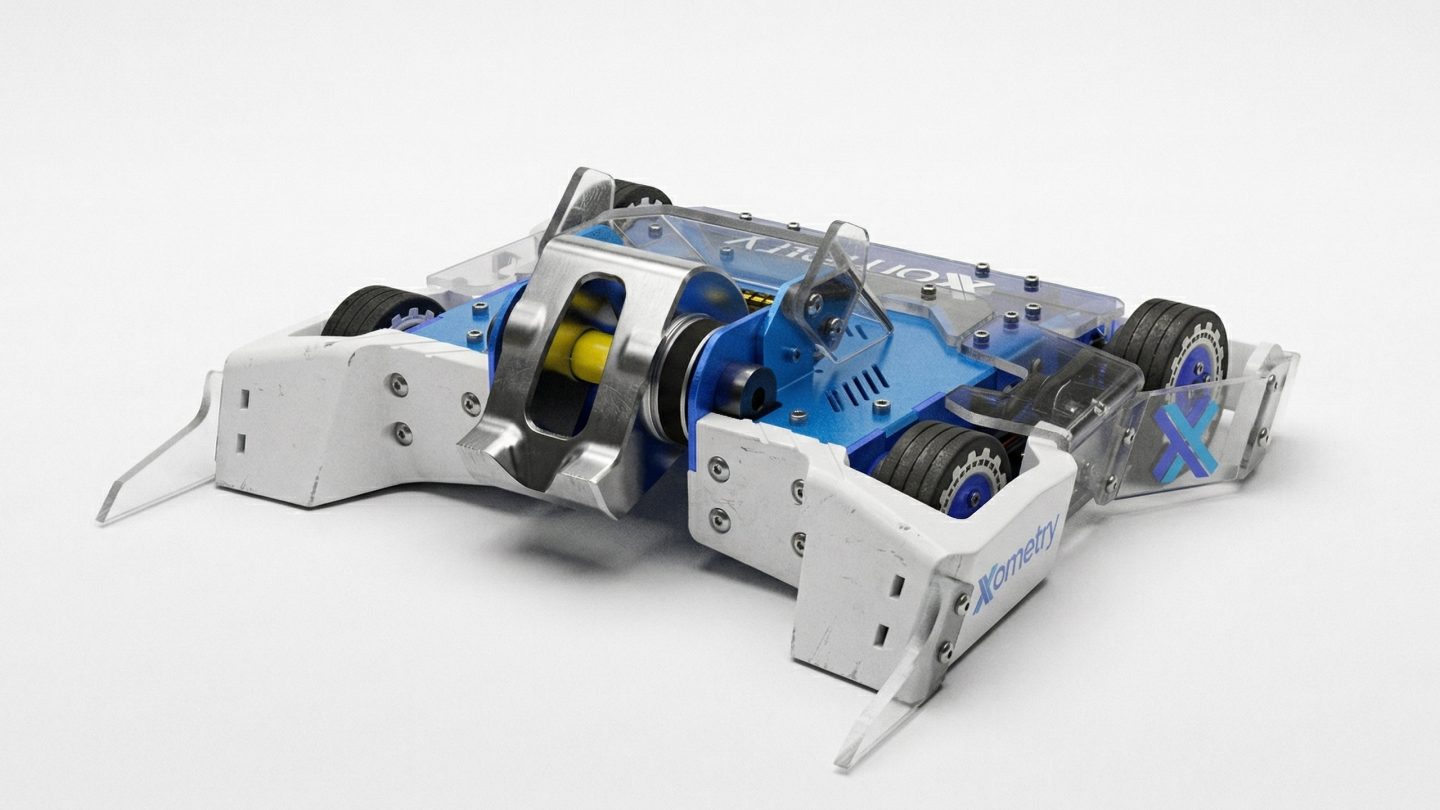
Torx Robot: The Story Behind Accu’s Engineering and Xometry’s Precision CNC Machining
Robotics
Machine Building
CNC Machining
Prototyping
Read Story
Go behind the scenes for the development of Torx: the combat robot built by Accu for FightFest 2026, with CNC machining support from Xometry. Explore the journey from the drawing board to the arena, showing how a combat robotics project takes shape, and see how Torx went on to win the official FightFest Championship trophy.
Read Story
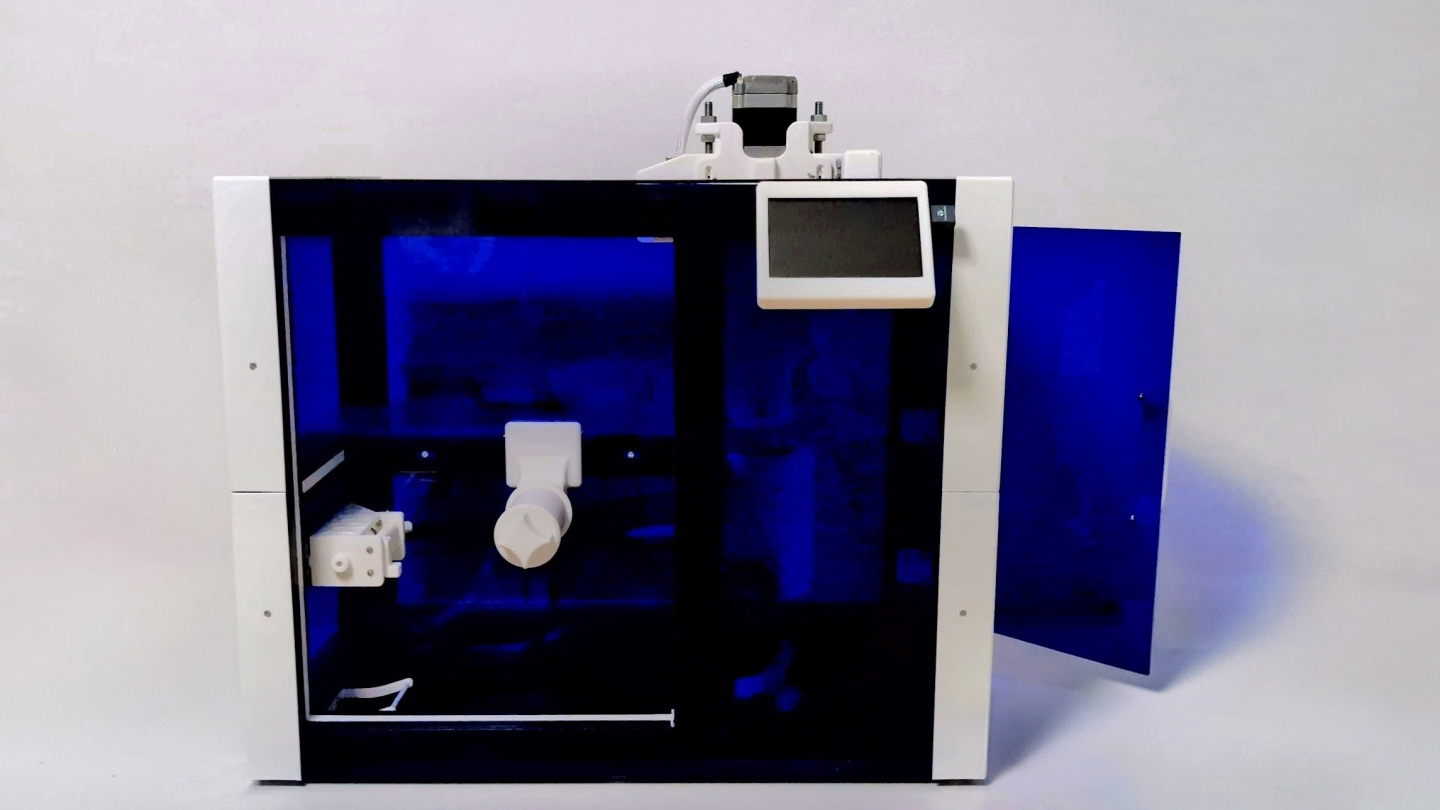

The Rethink of 3D Printing Waste and the Next Chapter of the Desktop Filament Recycler Story
Machine Building
3D Printing
CNC Machining
Prototyping
Read Story
By using agile testing and redesigning a double-sided support to resolve motor deformation and calibration challenges, the TGM student team successfully turned 3D printing waste into high-quality PLA filament.
Read Story
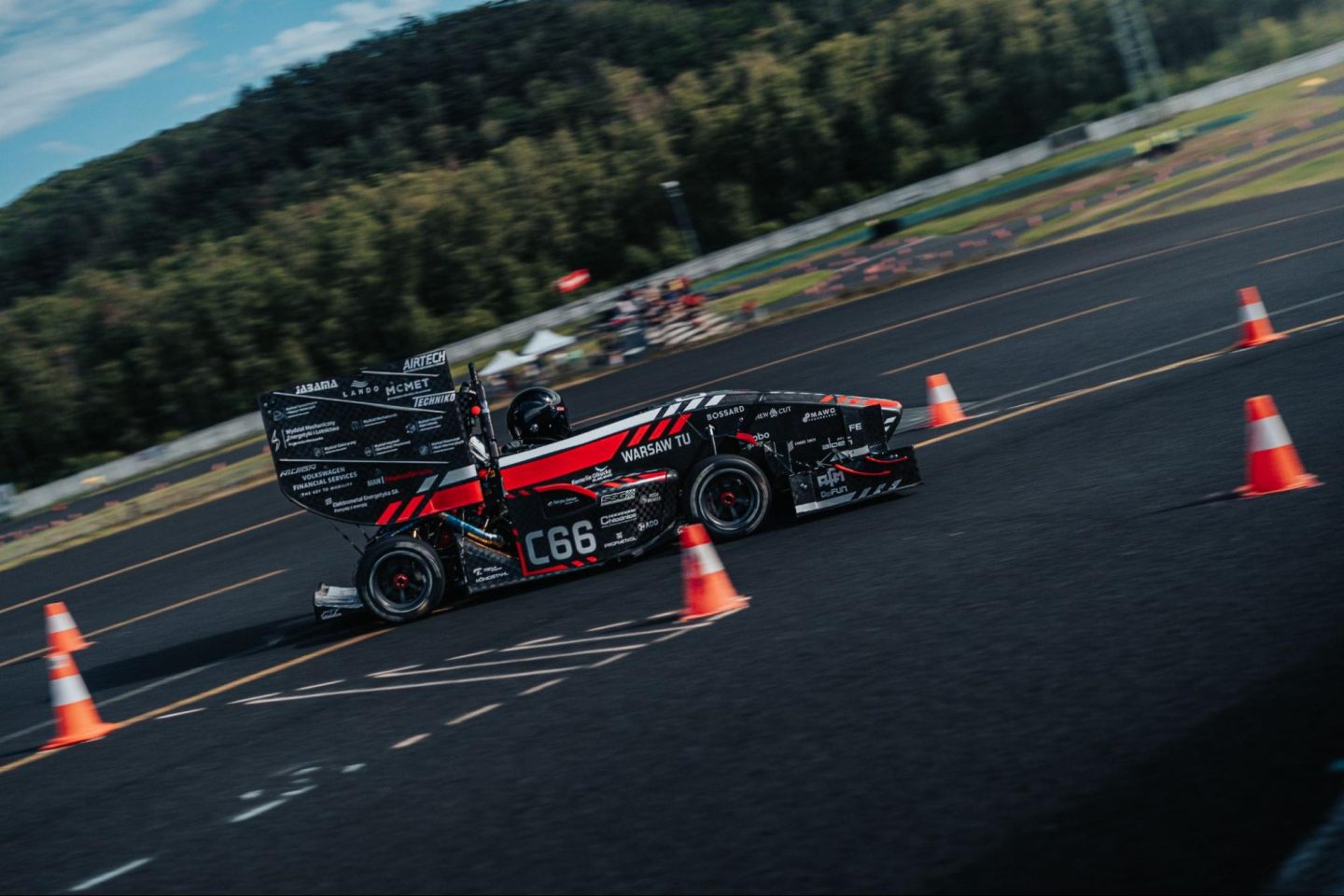

Inside the Engineering of the WUT-7 for Lightweight Performance
Automotive
CNC Machining
Prototyping
Read Story
Through topology optimization, refined kinematics, and a custom steering system, the WUT Racing team from Warsaw University of Technology reduced the weight of key WUT-7 components by over 50%, bringing their ultra-lightweight design from concept to track via precision manufacturing.
Read Story
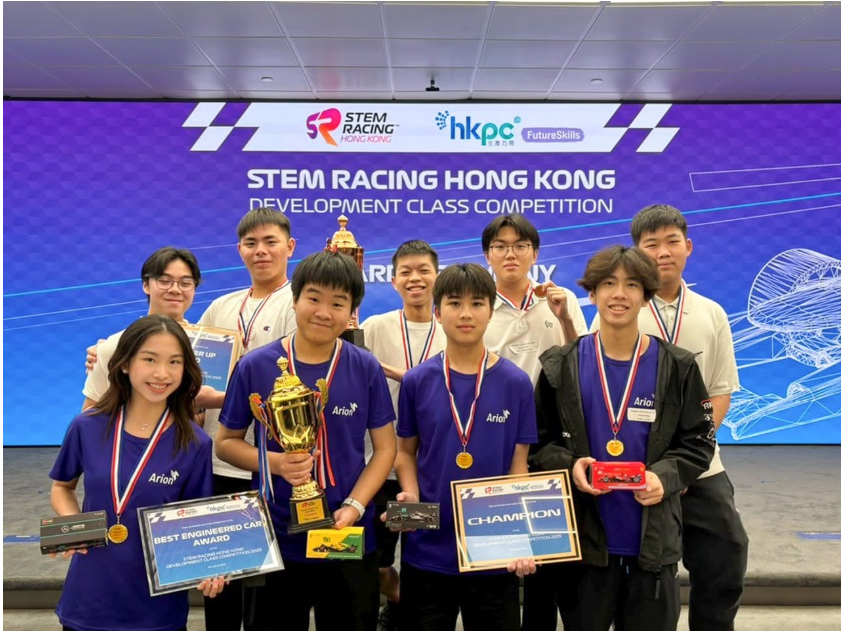

How AI-Powered On-Demand Manufacturing Helps a STEM Racing Team Achieve Faster Iteration and Championship Performance
Automotive
3D Printing
CNC Machining
Sheet Metal
R&D
Read Story
Team Arion, a student racing team from Singapore International School Hong Kong, used Xometry’s AI‑powered on‑demand manufacturing platform to overcome the hurdles of small‑batch, complex parts production, accelerated their design iterations, and went on to win the 2025 STEM Racing championship along with the Best Engineering Design Award.
Read Story
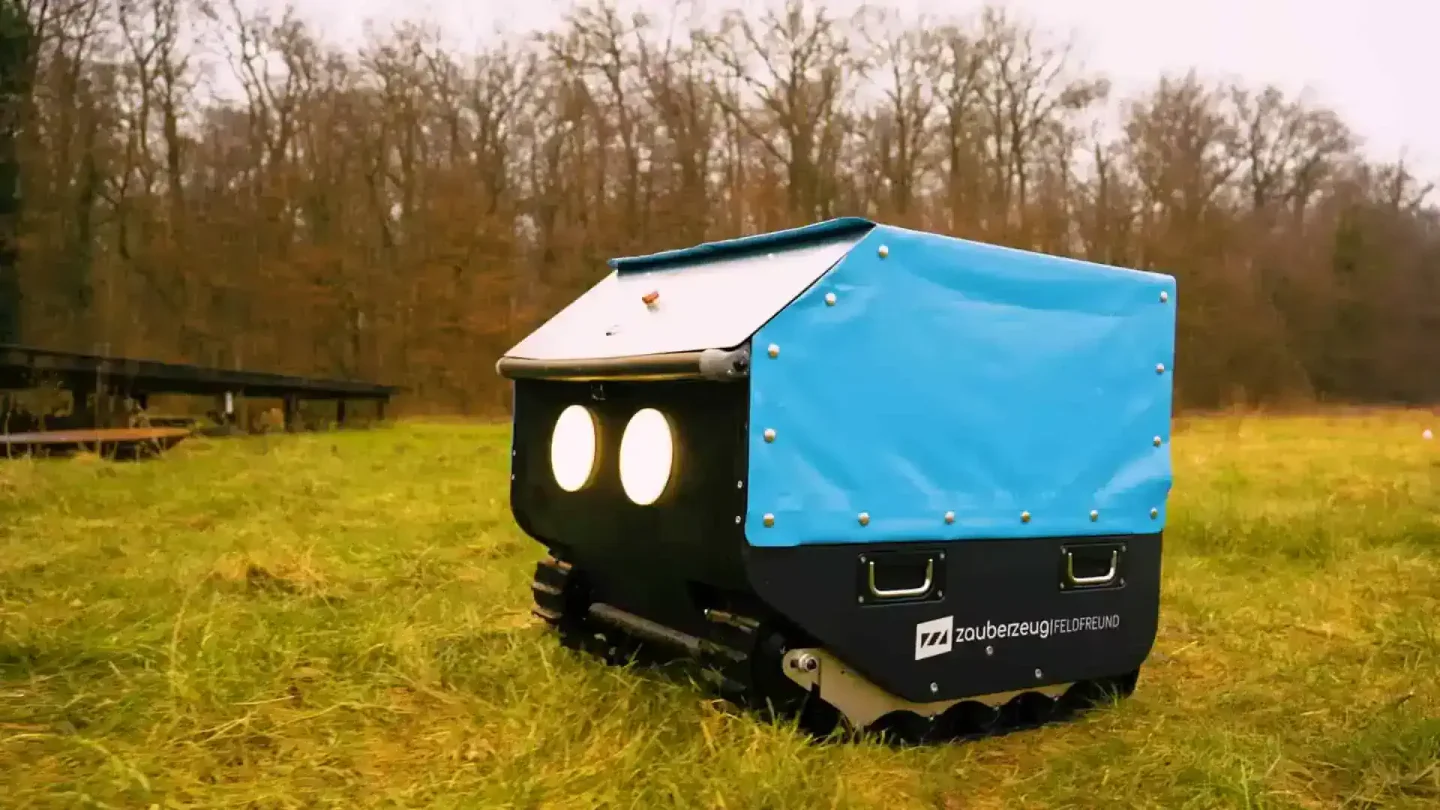
How Zauberzeug Uses Xometry for Fast and Efficient Sourcing of High-Tech Agricultural Robot Components
Robotics
Machine Building
CNC Machining
Procurement, Prototyping
Read Story
With Xometry, we have found a manufacturing partner that supports our development philosophy. The ability to quickly and precisely order small batches of parts gives us the freedom to iteratively improve our robots. This flexibility is essential to our innovation process.
Read Story
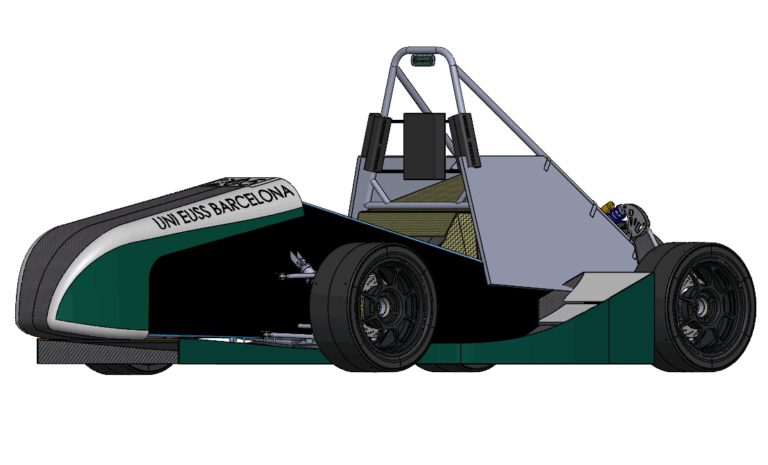

Building the EM-05: Our Journey to EUSS Motorsport’s Most Innovative Electric Race Car
Automotive
CNC Machining
Prototyping
Read Story
The transition to electric has been a steep learning curve, but what keeps us moving forward is our ability to adapt and to work closely as a team. Every mistake or setback becomes a lesson that makes us stronger. Even when continuity is difficult, with experienced members graduating and new ones joining, the project itself becomes the bridge, carrying knowledge and experience forward.
Read Story
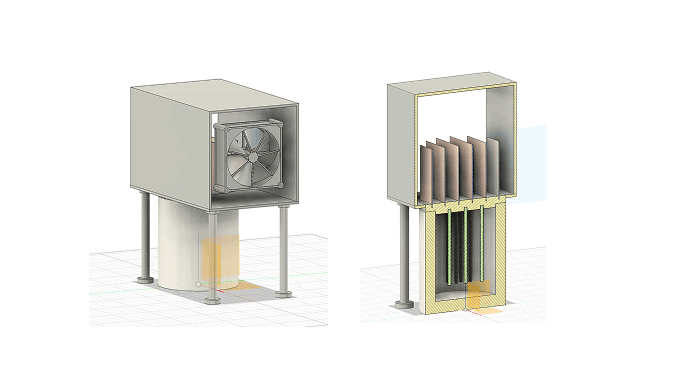
CoreSpin: Creating Better Heat Exchangers – One Protein at a Time
Energy
CNC Machining
R&D
Read Story
Our project brings biological thinking to a field it rarely touches: thermal engineering. We are developing a thermally conductive nanolayer that coats heat exchange surfaces to combat biofouling and the buildup of dust and sediment.
Read Story