Industry
Consumer Goods
Country

United Kingdom
Use case
Prototyping
Technology
3D PrintingFused Deposition Modeling
Product
3D-printed replica of a dwarf red deer skeleton
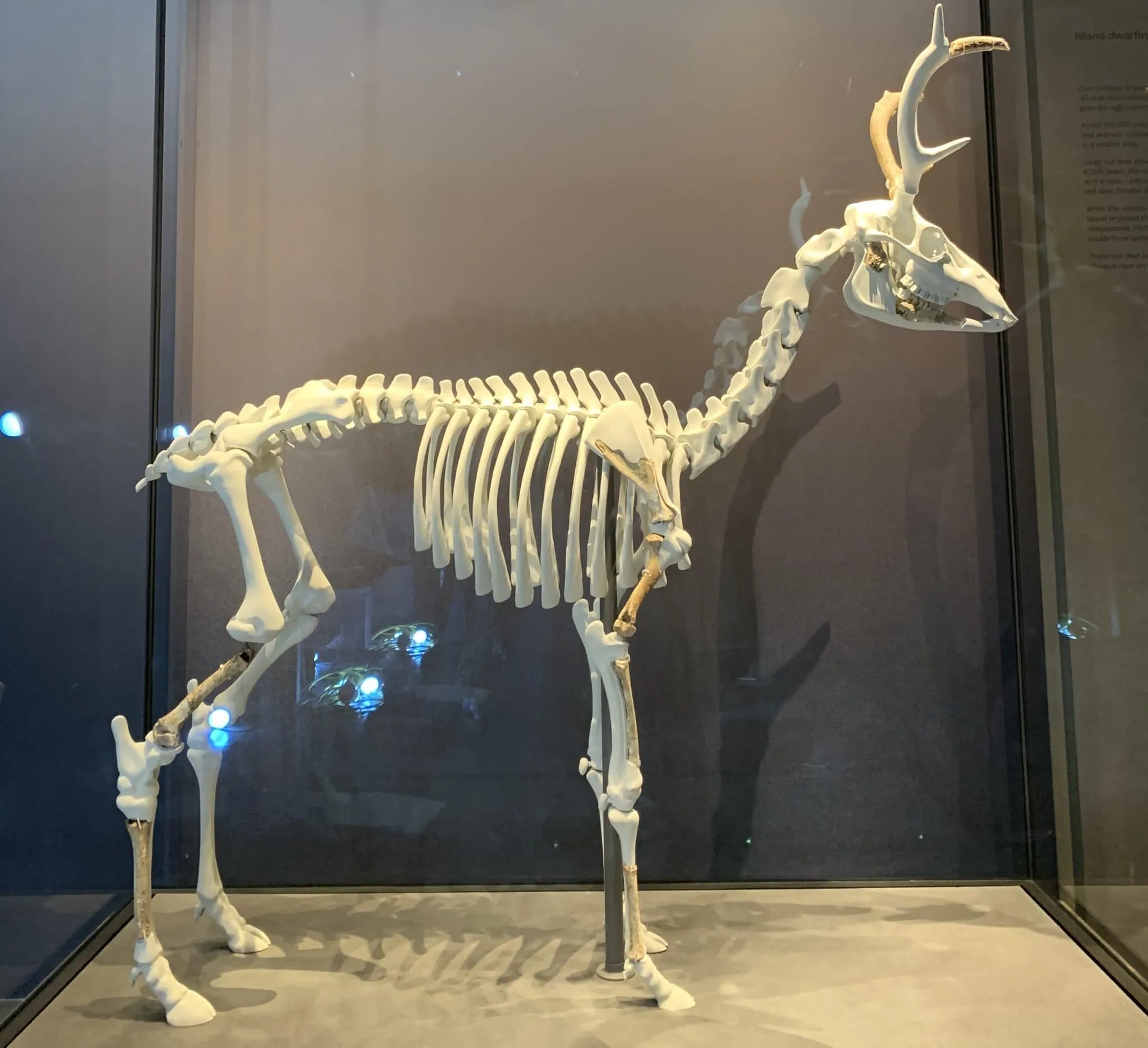
The model had to closely resemble the stature of a dwarf red deer, standing at a height of only 1.5 meters, so that the original bones would fit into their corresponding positions within the skeleton and more or less match the surrounding 3D printed bones proportionally. We also had to ensure that the material used to print this model, was safe for museum use, as some plastics are considered a risk due to off-gassing over time, therefore FDM 3D printing PETG was selected as the filament of choice for this.
We were able to work with Zarya Blackwood, to solve any issues we had with the model early-on before we had found a suitable 3D printing company to work with, and once we had contacted and agreed to work with Xometry, any further issues were quickly resolved by their staff before production began.
Cutting away sections of the model in the locations where the real bones would sit and then seeing these bones fit nicely into place was a point within the project where everyone felt that it would be smooth sailing from then onwards – the culmination of effort that was put into this project had paid off.
Jersey Heritage protects and preserves Jersey’s (one of the Channel Islands) rich and varied history. For a major new exhibition, the charity’s conservation team drew on international experience and leveraged FDM 3D printing to create bone replicas of the unique Ice Age subspecies of deer that once roamed the island.

Hi, I’m Harry Richards, a Museum Conservator at Jersey Heritage. Together with lead Museum Conservator, Neil Mahrer, we bring a wealth of experience in working with historic objects, and applying our diverse skills to create object mounts for museum exhibits.
As part of the new Jersey Museum exhibition, “La Tèrr’rie d’Jèrri”, we worked on producing an object mount to support and display bones from a subspecies of red deer that lived in Jersey 125,000 years ago, the Jersey dwarf red deer. The aim of this exhibit was to convey the geographical changes that occurred over time to create an environment which caused rapid dwarfing over the course of approximately 6,000 years, reducing the deer to a sixth of the weight of their fully sized counterparts.
We were interested in working to produce a new object mount that would really do the few remaining bones of this once native subspecies justice to their importance. The mount had to be visually appealing, engaging, and elevate the way the dwarf red deer bones were displayed. Finding a way to create the stature and form of a complete dwarf red deer skeleton seemed like the best way to do this. Having seen a number of personal projects undertaken by 3D printing enthusiasts online, where smaller model animal skeletons had been successfully printed, we were inspired to delve further into this idea!


The 125,000 years-old bones of a dwarf red deer kept and conserved by Jersey Heritage
International Collaboration in Recreating an Ice Age Deer
This project involved international input, starting with the creator of the original 3D model, Shaun Whoriskey a digital artist from Ireland, who produced this model as part of a comparative anatomy sculpting course, recreating the skeletal structure of the Irish Red Deer subspecies from a range of anatomical sources, such as the ‘Dead Zoo’ exhibit at the National Museum of Ireland.
The model later had some work carried out by Zarya Blackwood, an aerospace engineer and 3D generalist from the Caribbean. This secondary work was done to rescale and closely match the proportions of the Jersey Dwarf Red Deer subspecies, before it was segmented into three major sections to make the model size more printer-friendly.

Bridging the Knowledge Gap with 3D Printing
The original bones were previously displayed on a flat silhouette which suggested the form of the deer but wasn’t able to convey the form in a way that visitors could easily perceive as a once-living animal.
We initially discussed ideas to revitalize the way these bones were shown, these included the projection of the deer against the back-wall of the object case and the creation of a wireframe skeleton to provide a 3D form which the bones could be situated within. Finally, the possibility commissioning a 3D printing of a skeleton was presented and agreed upon as a feasible and effective way to create a display for this material.
As this was the first time 3D printing had been used as a production method for an exhibit shown by Jersey Heritage, there was a gap in knowledge on 3D printing within the organization at the time, which meant that the initial steps taken towards the production of this piece were based solely on the knowledge that we would need a 3D model, and a company that willing to print this model for us.
After contacting a number of companies, we were met with a lack of constructive feedback, or told that the model we had acquired was far too big to be printed without reducing it into a number of smaller portions.
We were able to overcome these issues by consulting a freelance 3D generalist, as well as finding a company that with the experience and skills to carry out any final troubleshooting.

The 3D-printed skeleton next to a real bone fragment used for museum restoration

The 3D-printed animal skull being assembled with support rods

The 3D-printed animal skull with a real bone fragment integrated into the lower jaw
Recreating a Life-Size Dwarf Red Deer Skeleton
The model had to closely resemble the stature of a dwarf red deer, standing at a height of only 1.5 meters, so that the original bones would fit into their corresponding positions within the skeleton and more or less match the surrounding 3D printed bones proportionally. We also had to ensure that the material used to print this model, was safe for museum use, as some plastics are considered a risk due to off-gassing over time, therefore FDM 3D printing PETG was selected as the filament of choice for this.
We were able to work with Zarya Blackwood, to solve any issues we had with the model early-on before we had found a suitable 3D printing company to work with, and once we had contacted and agreed to work with Xometry, any further issues were quickly resolved by their staff before production began.
Cutting away sections of the model in the locations where the real bones would sit and then seeing these bones fit nicely into place was a point within the project where everyone felt that it would be smooth sailing from then onwards – the culmination of effort that was put into this project had paid off.


3D-printed skeleton of the dwarf red deer without the bone fragments
An Instant Hit for The 3D Printed Deer
The finished dwarf red deer exhibit was an instant hit, with many staff members wanting to take a sneak peek before the exhibition was complete! Since the opening of the exhibition, this exhibit is seldom seen without visitors, and frequently receives praise for its great visual impact.


The success of this particular project has definitely opened up our interest in continuing to utilise 3D printing as a production method where it can be used to replicate forms and material that would often require subtractive manufacturing methods or labour-intensive handmade production.
As 3D printing is still a relatively new technology, it can be easy to overlook or underestimate how you can apply it to what may seem like niche projects. Reaching out to 3D printing companies and members of 3D printing enthusiast communities can be great ways to direct a project on the right course. What may seem unlikely or unreasonable to undertake with this resource could actually the be perfect situation to utilize it!
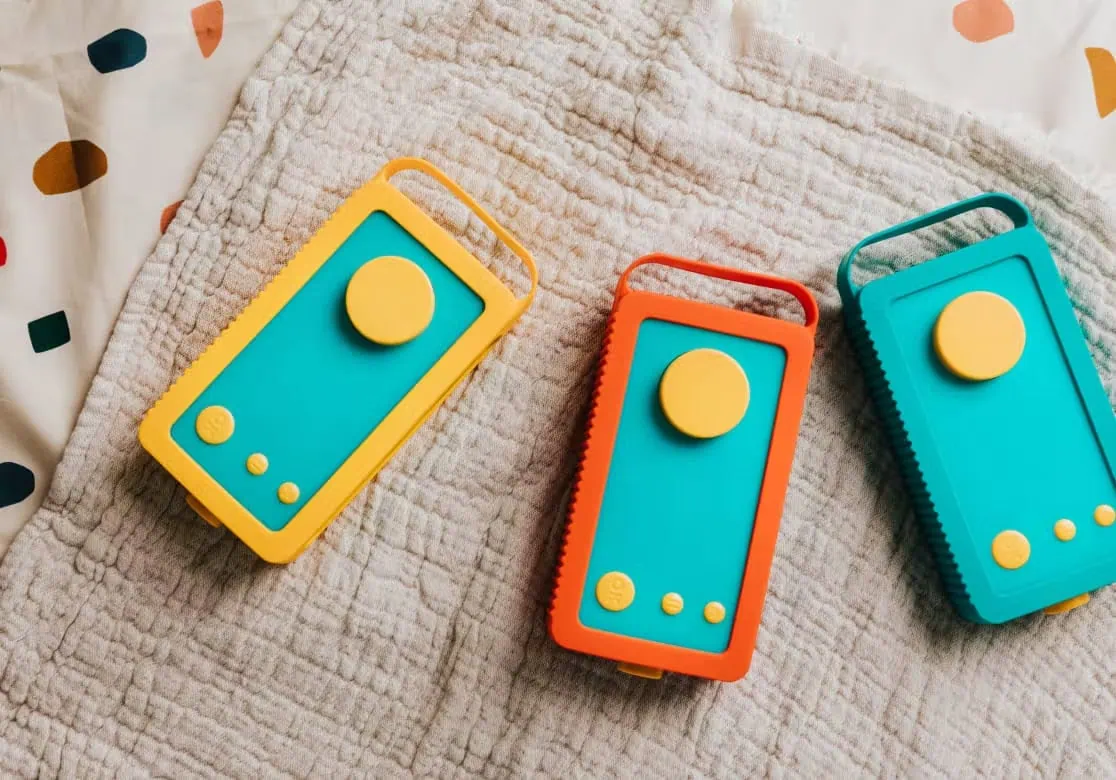

Producing a Silicone Shell Prototype for an Audio Storyteller With Xometry’s Expert Guidance
Consumer Goods
Electronic
Die Casting
Prototyping
Read Story
Instead of letting me simply complete my order as it was, Lison (Xometry’s Sales Leader) contacted me and suggested an alternative solution more suited to my project. It was fast and competitively priced – exactly what I wanted.
Read Story
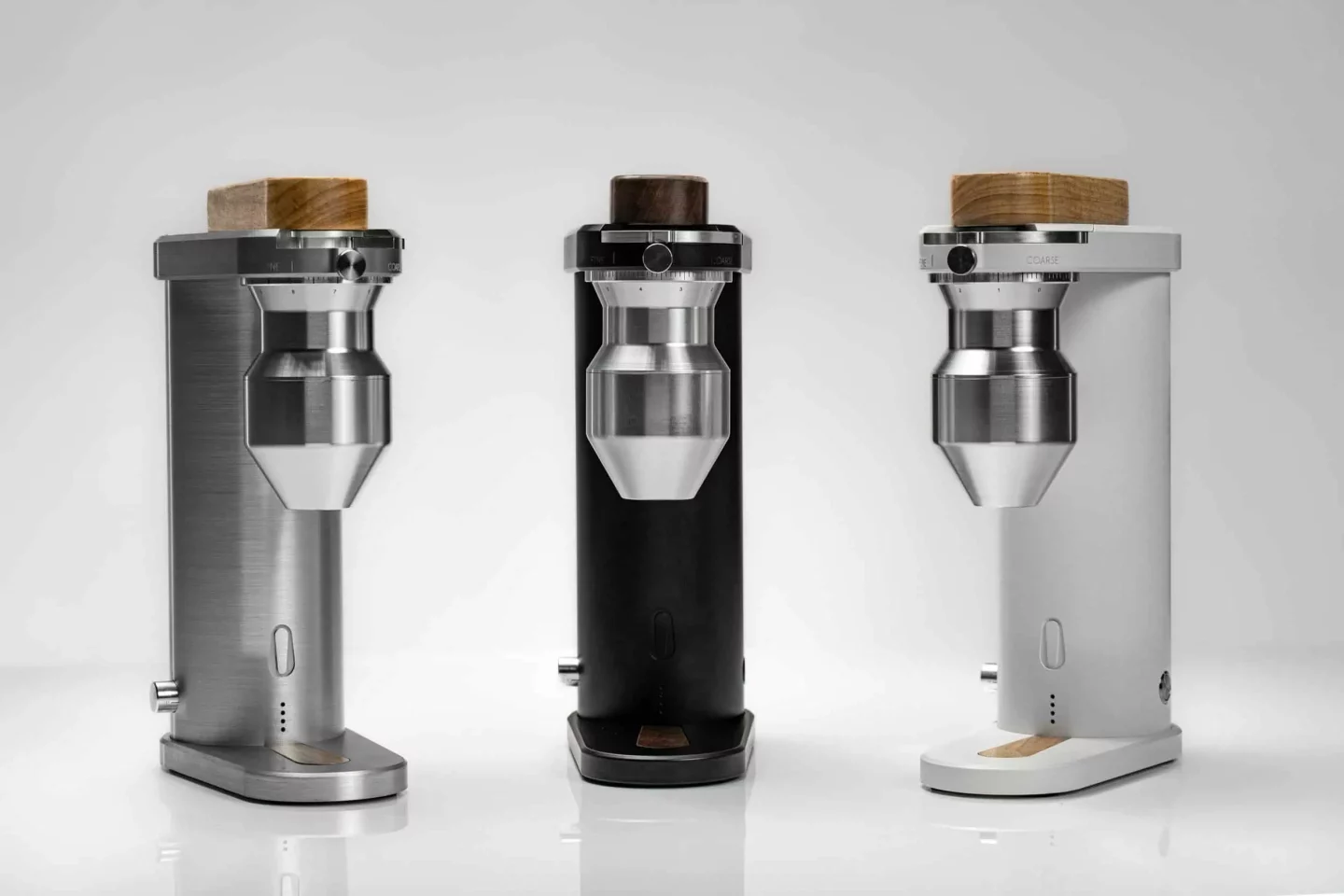
Access to Massive Manufacturing Network Enables KOPI Concepts to Scale-up Coffee Grinder with Ease
Consumer Goods
CNC Machining
Sheet Metal
Prototyping, High-Volume Manufacturing
Read Story
Xometry offered us a shortcut to the market. We leveraged Xometry’s massive manufacturing network to find capacities for small and medium sized machine shops that could produce parts in quantities we required.
Read Story
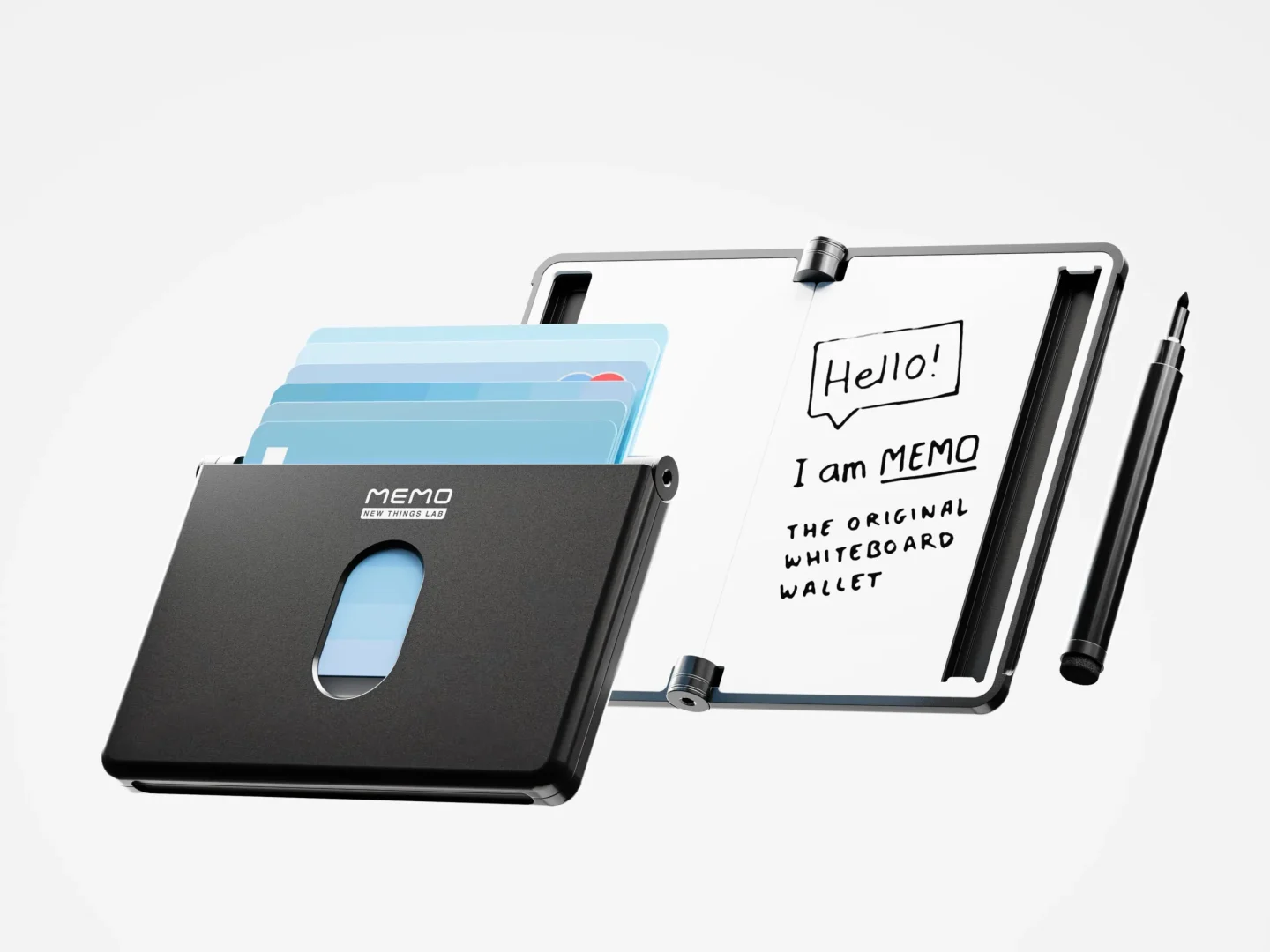

Pocketable Focus: the Journey of Creating the Memo Whiteboard Wallet
Consumer Goods
CNC Machining
Prototyping
Read Story
An epiphany came when we decided to make MEMO out of aluminum instead of plastic. Our first aluminum prototypes, sourced from Xometry (8A-Milling in the picture below), were a game-changer. Holding that metal prototype, we knew MEMO should be made of aluminum. The material added a premium feel and robustness that plastic couldn’t match. We’re still CNC machining them to this day.
Read Story
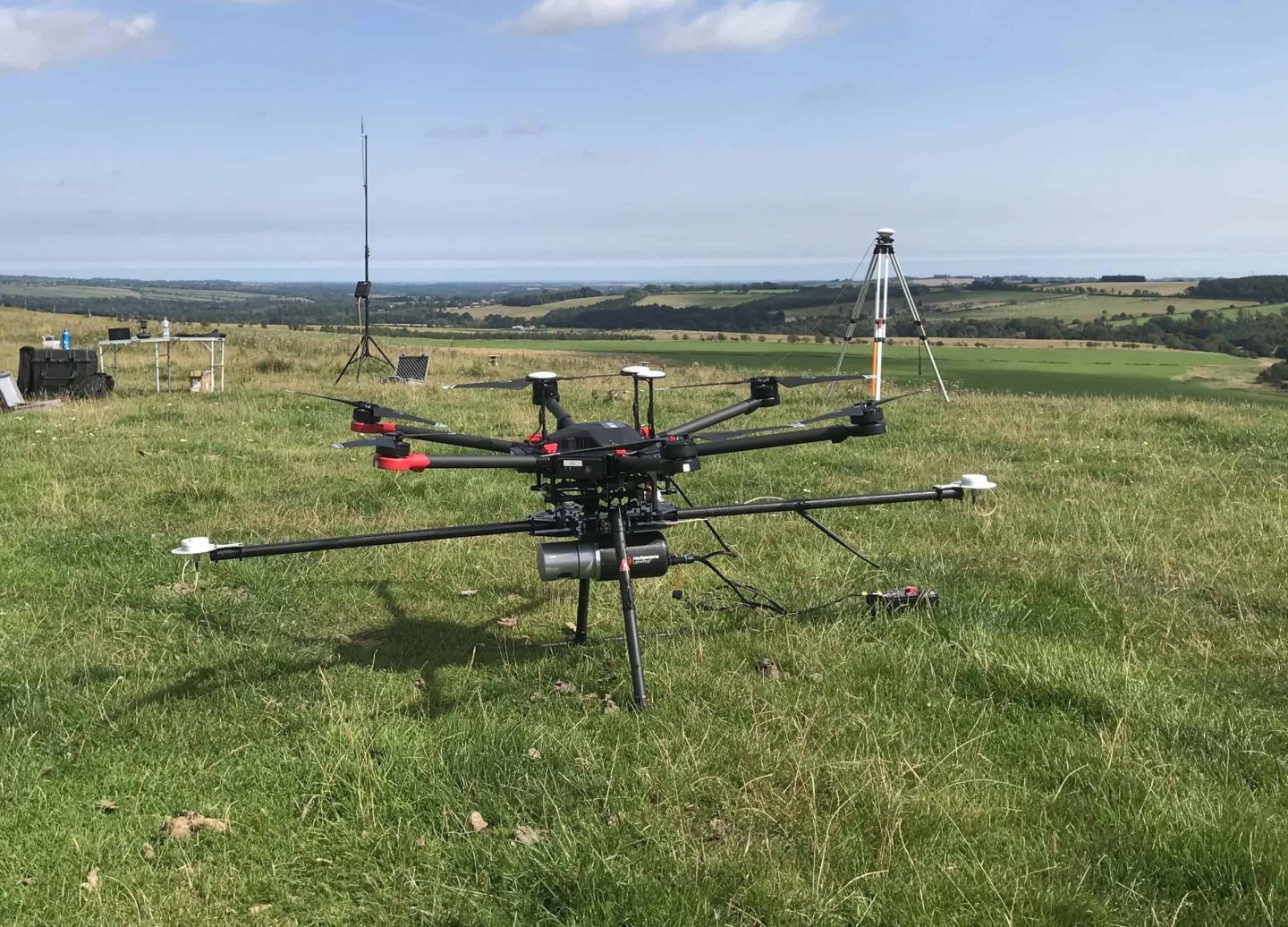
Mapix Leverages Xometry To Manufacture LiDAR Mapping Solutions For Drones
Robotics
Machine Building
Electronic
3D Printing
CNC Machining
Procurement, Prototyping, R&D
Read Story
The communication with Xometry is very good! There is perhaps a misconception that Xometry is a web based service, so you get very little human interaction. This is certainly not the case: we have an account manager assigned to us who is very approachable and responsive.
Read Story
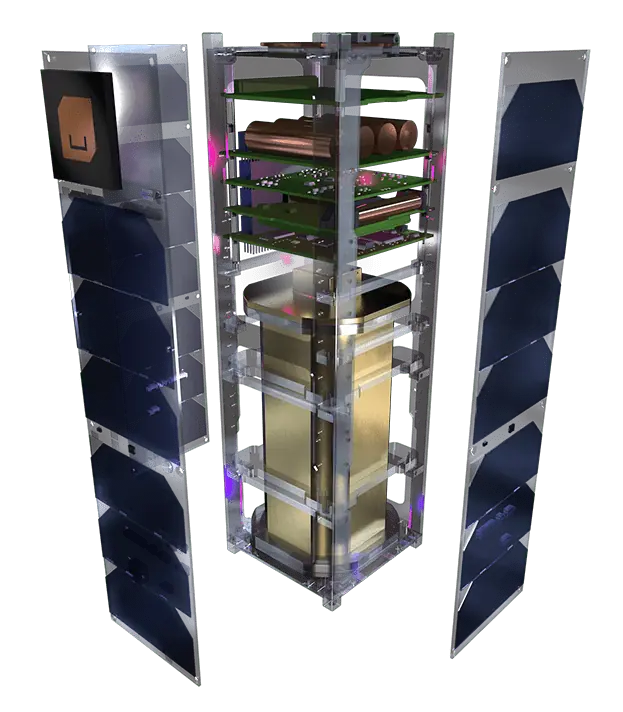

Designing A Nanosatellite For A Biological Experiment With The Help Of Custom Manufacturing
Machine Building
Electronic
3D Printing
CNC Machining
Procurement, Prototyping, R&D
Read Story
Xometry is one of the best places to source your parts in aerospace engineering.
Read Story
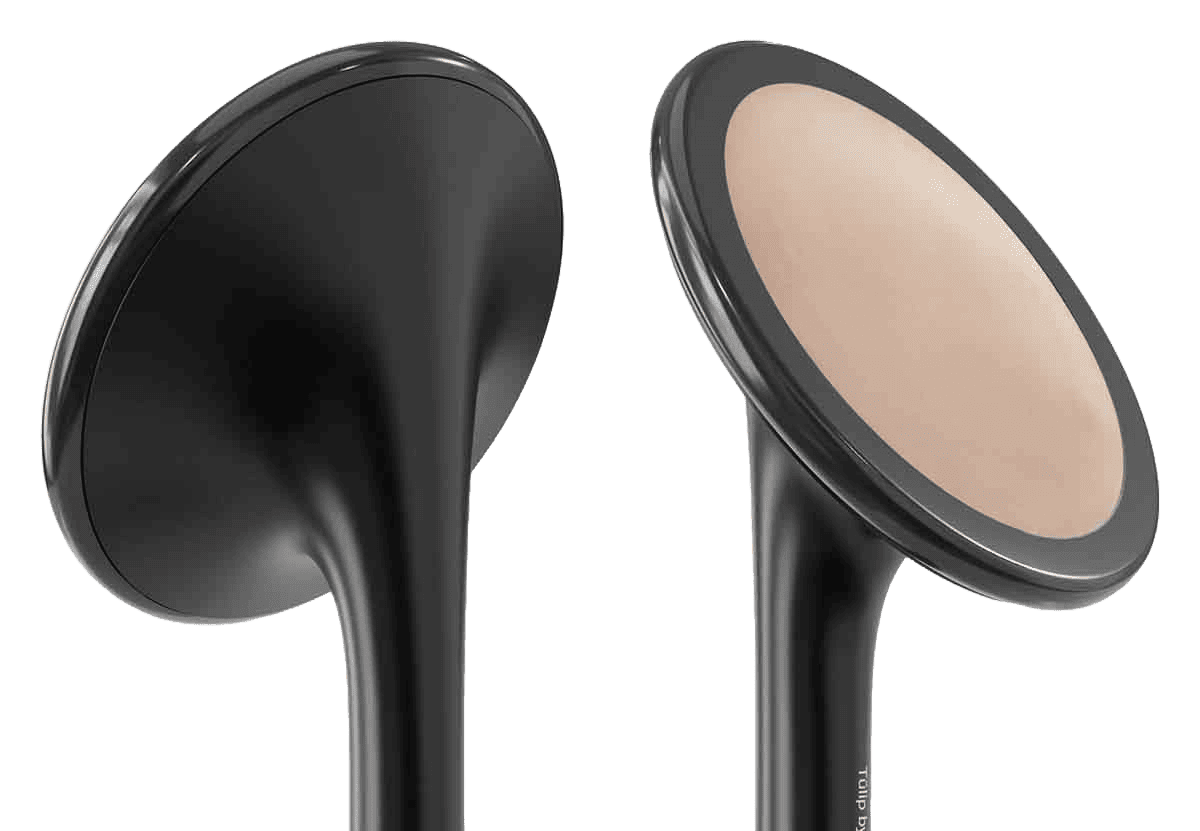

How DocCheck is reinventing and mass-producing medical products with Xometry
Healthcare
3D Printing
CNC Machining
Injection Moulding
Prototyping, R&D
Read Story
If it’s not close enough to the reference model, Xometry is very helpful and we get a new one based on our feedback until we’re completely sure that’s the right quality we want. Xometry is always there to help us and is focused on delivering the best possible solution.
Read Story
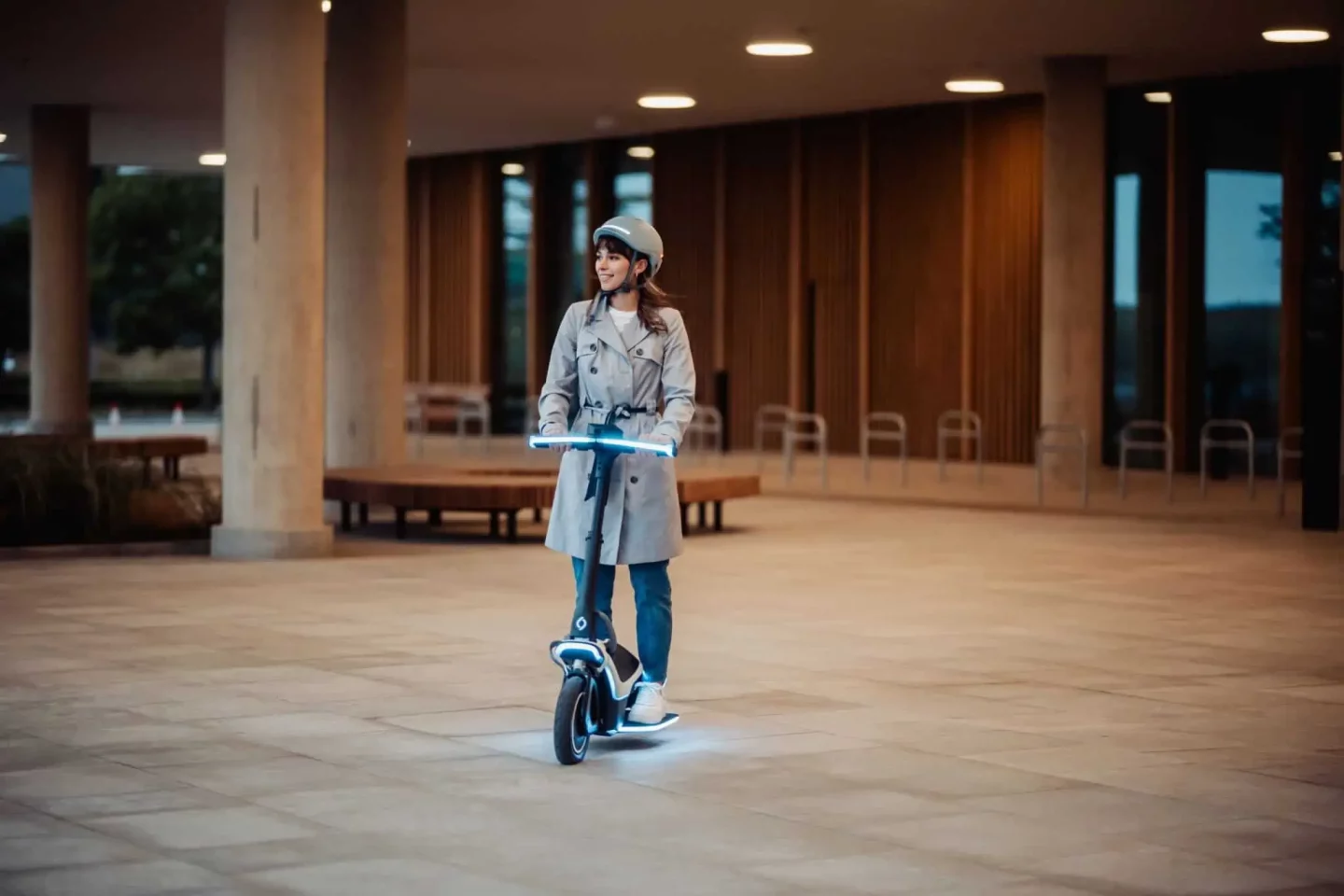
Premium E-Scooter Prototype Produced in Rapid Time for Micro Mobility Launch
E-Mobility
3D Printing
CNC Machining
Prototyping
Read Story
There was a noticeable trend of people moving away from buses and trains, instead taking up e-scooters for a sense of freedom and personal space.
Read Story


How Kurs Orbital Builds a Next-Generation Module for Autonomous Docking in Space
Aerospace
3D Printing
Selective Laser Melting
CNC Machining
R&D
Read Story
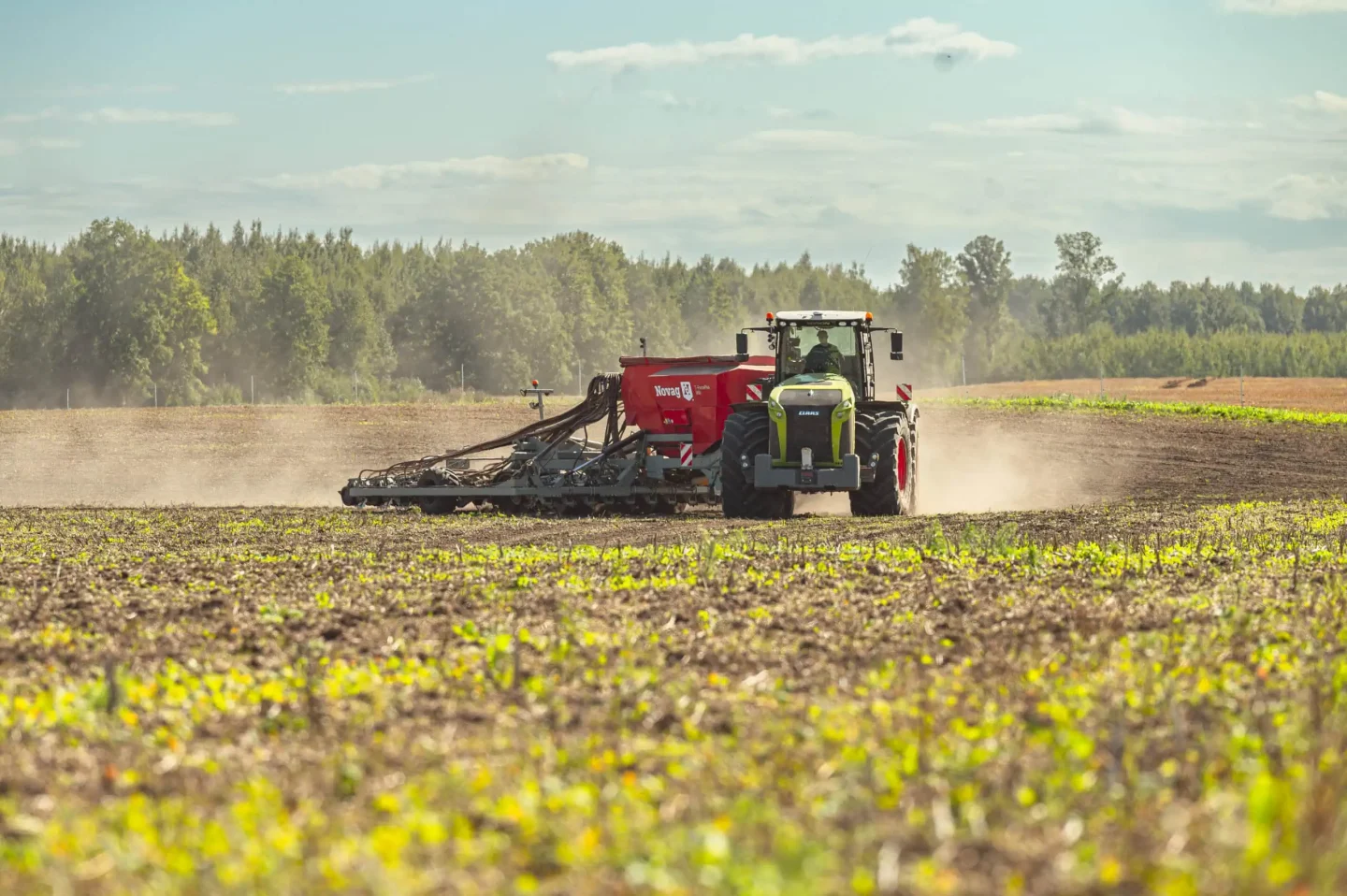
Novag and Xometry Partner to Develop Advanced Equipment for Conservation Agriculture
Machine Building
3D Printing
CNC Machining
Injection Moulding
Procurement, R&D
Read Story
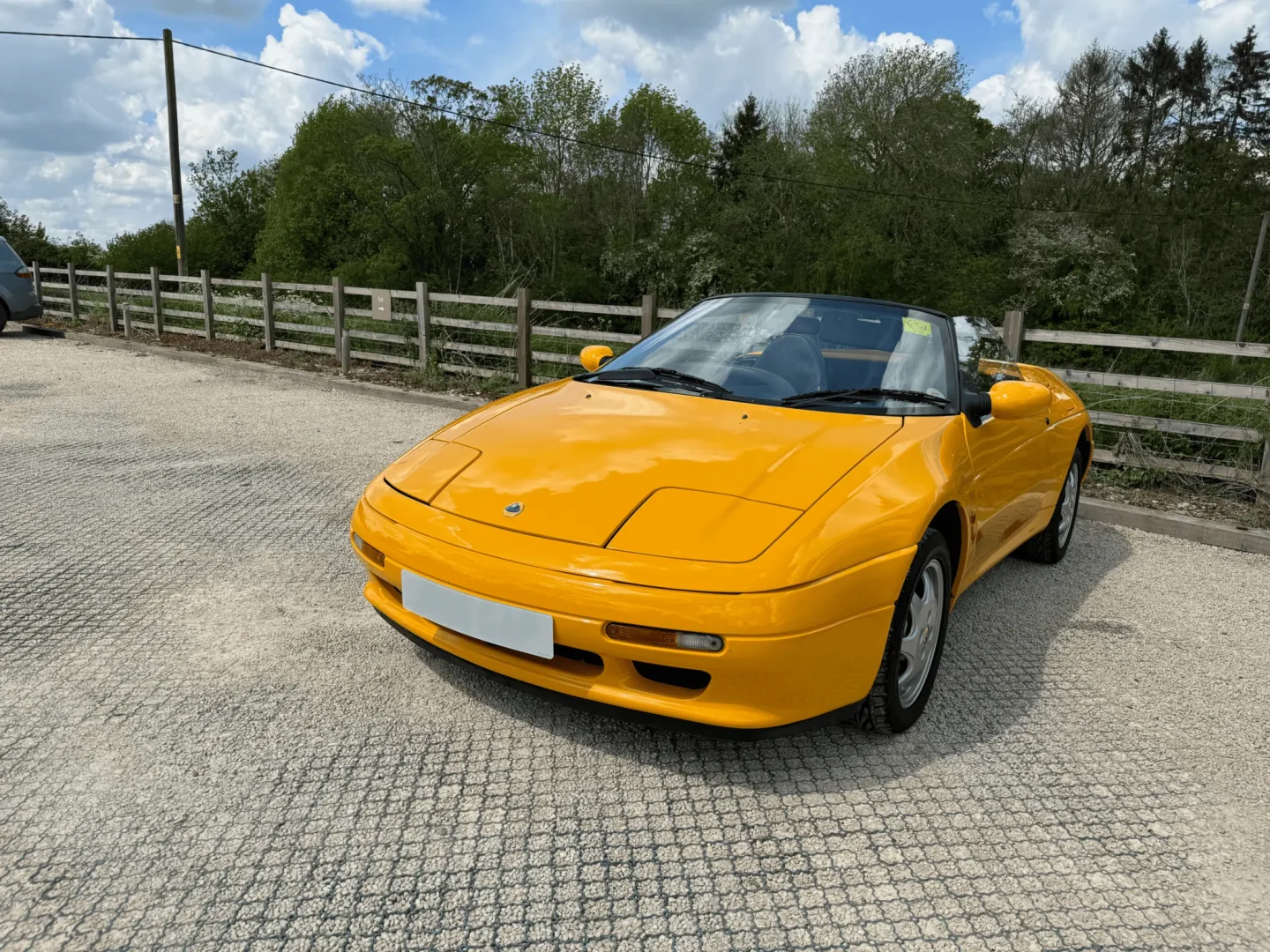
My Lotus Elan SE Journey: Restoring ‘Lotti’ with 3D Printing
Automotive
3D Printing
Prototyping
Read Story
A prime example is the door, window, and soft-top seals. While some have been reproduced in small batches by specialists, most are out of production. The original fittings were not particularly effective, and the manufacturing processes used for them are now obsolete. 3D printing to the rescue!
Read Story